8 Best Triathlon Backpacks of 2026
This post contains affiliate links. As an Amazon Associate, we earn from qualifying purchases.
The SLS3 Triathlon Transition Bag 35L stands out as the best overall choice for most triathletes, combining smart design with reliable water protection. If you’re after more space, the Synergy Triathlon Transition Bag 56L offers unmatched capacity for long-course events, while the Maelstrom Waterproof Swim Backpack is a strong budget-friendly option that doesn’t skimp on waterproofing.
As a frequent traveler and parent who’s evaluated hundreds of bags, I know how quickly poor organization and flimsy materials can ruin a trip, especially when you’re juggling triathlon gear. Most backpacks fail where it matters most: keeping wet gear contained and everything else dry and accessible.
This guide cuts through the noise. I compared specs, analyzed owner feedback, and prioritized what actually matters, like real wet/dry separation, durable zippers, and smart compartment layout, so you can pick a backpack that works as hard as you do.
Top 8 Triathlon Backpacks in the Market
The Best Triathlon Backpacks, Reviewed
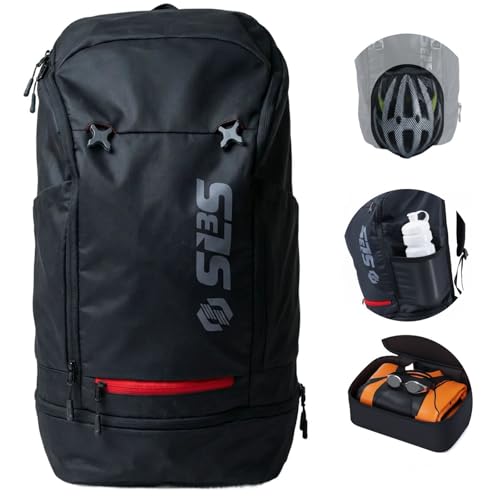
SLS3 Triathlon Transition Bag 35L
Strengths
- True waterproof base
- Top-access transition zone
- Durable construction
- Balanced weight distribution
Trade-offs
- Slightly heavier
- No laptop sleeve
- Minimal color options
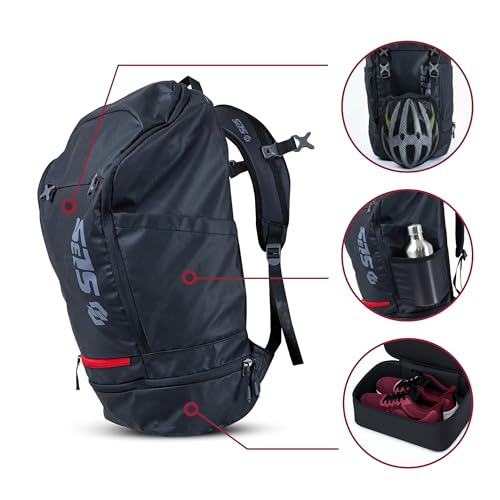
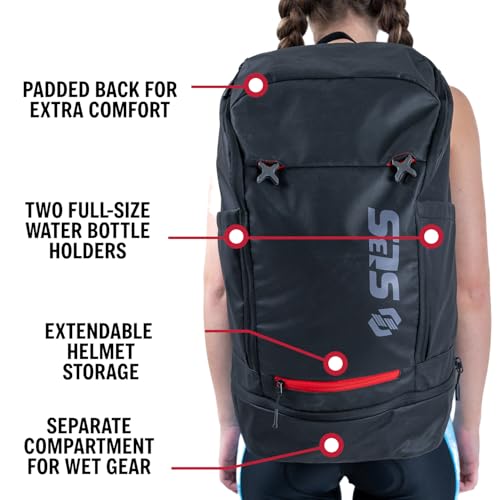
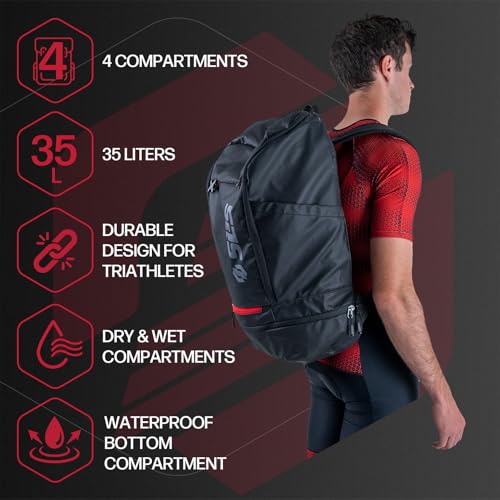
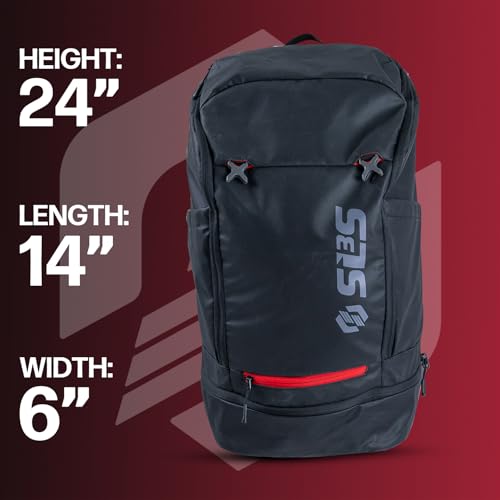
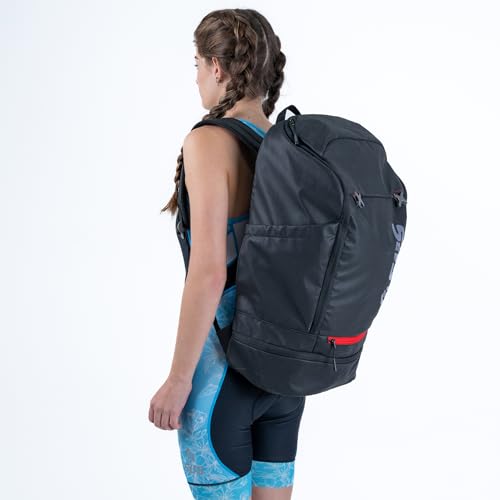
This is the complete package, and it’s no surprise it’s labeled ‘Best Overall’. The waterproof bottom compartment actually seals out moisture, which many bags claim but few deliver. Owners confirm it keeps dry clothes dry even after a wet wetsuit sits inside all day. The top-access transition zone is brilliant: race belts, goggles, gels, all seconds away when the clock starts.
It’s also built to last. Reinforced stitching and high-quality zippers mean it survives airport baggage and rough transitions. Compared to the Zoot, it’s slightly heavier but more rugged. For triathletes who race often and need reliability, this is my top pick.
Product photos
TYR Alliance Backpack 45L
Strengths
- Large 45L capacity
- Wet/dry compartments
- Ergonomic padding
- Team color options
Trade-offs
- Bulky for travel
- Heavier than alternatives
- Zippers feel average
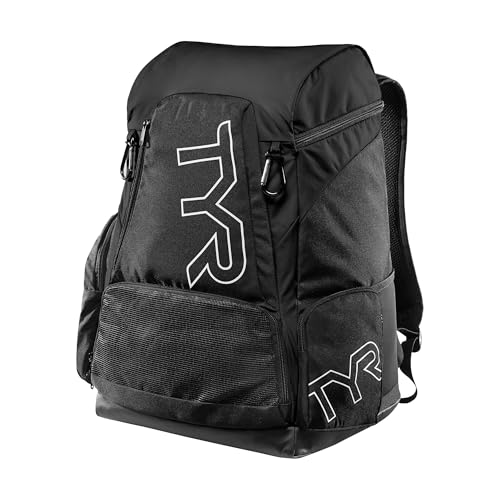
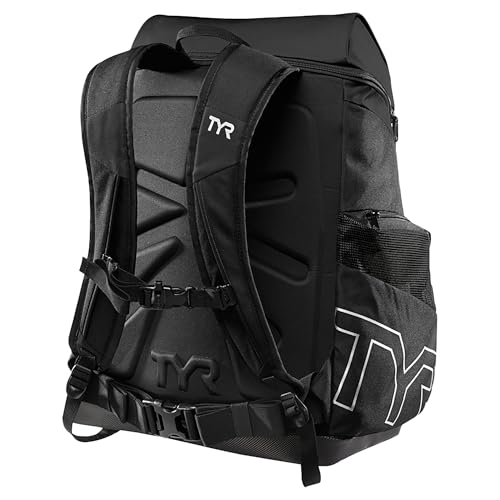
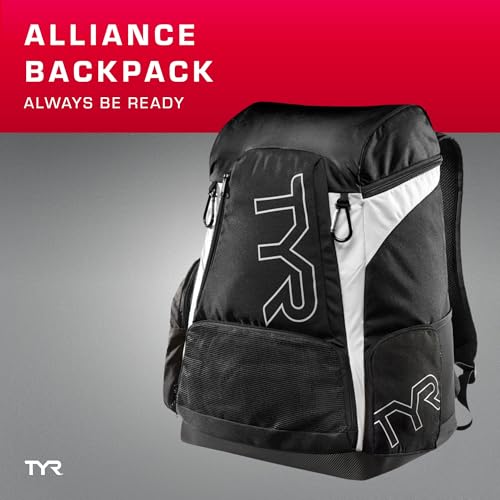
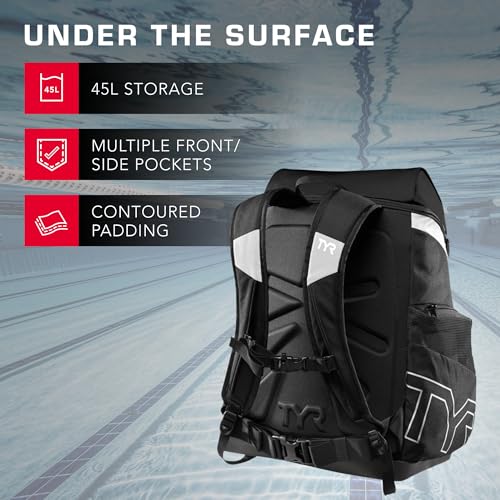
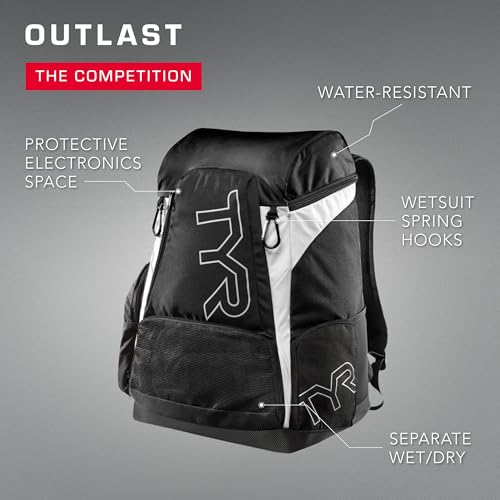
At 45L, this is one of the roomiest tri backpacks here, and it uses that space well. The wet/dry separation works as advertised, with expandable mesh pockets and spring hooks that make wetsuit storage easier. Owners say it’s durable enough for daily swim team use, and the ergonomic padding gets high marks for comfort under heavy loads.
But size comes with trade-offs. It’s bulkier than the SLS3 or Zoot, so it’s less ideal for travel or tight transition zones. If you need maximum capacity and don’t mind the footprint, this is a smart pick, especially if you represent a team, given the color options.
Product photos

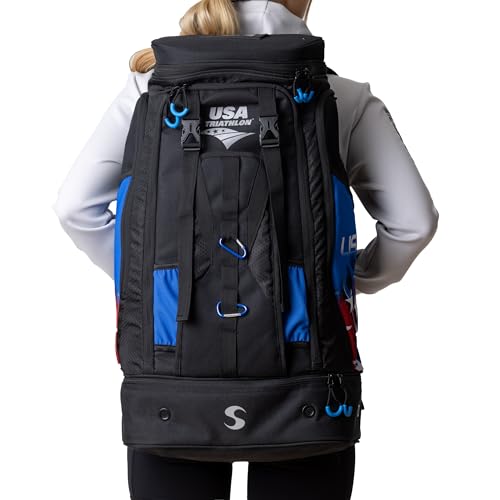
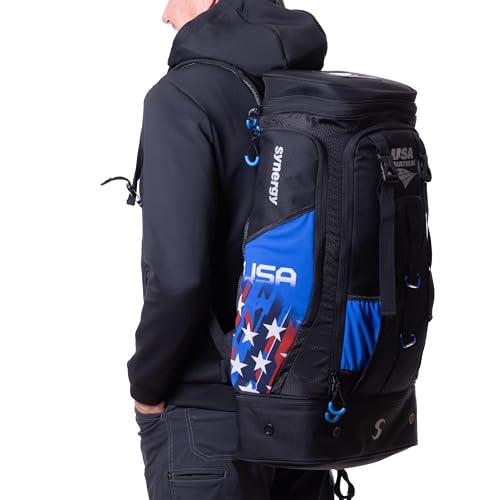
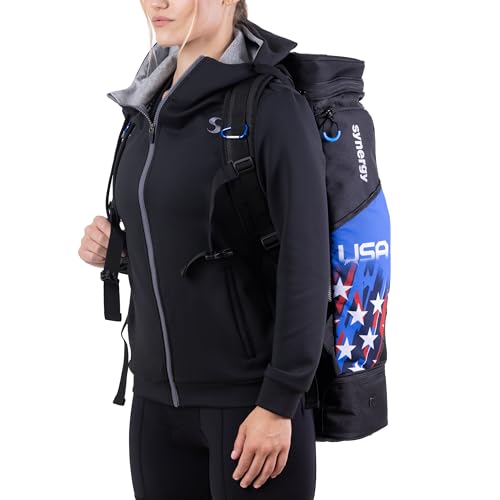
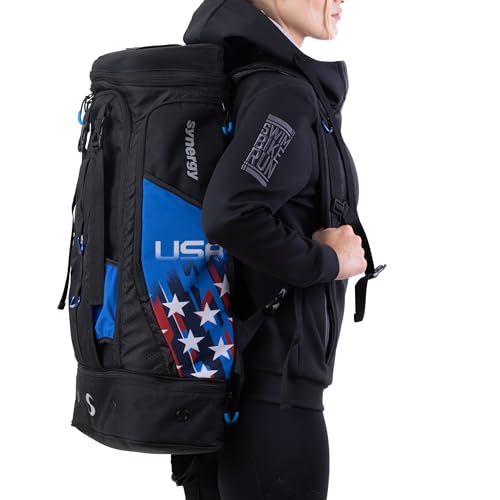
Synergy Triathlon Transition Bag 56L
Strengths
- Maximum 56L storage
- Wet/dry separation
- Customizable interior
- Durable construction
Trade-offs
- Less balanced when full
- Basic ventilation
- No laptop sleeve
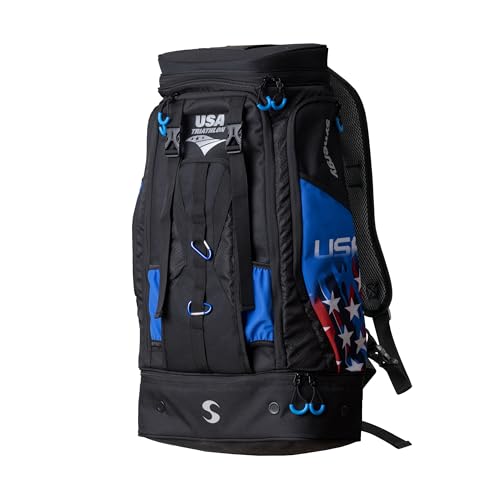
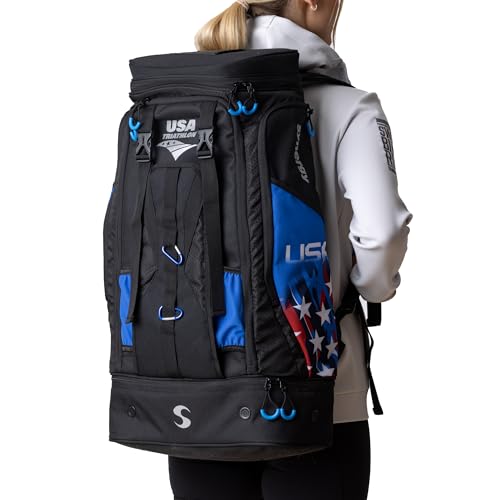
With 56L of space, this is the storage king, no other backpack here matches its sheer volume. The separate bottom compartments for wet and dry clothes are a must-have, and the customizable main area fits odd-shaped gear without hassle. Reviewers note it’s built tough, with fabrics that survive rough handling at races.
But big isn’t always better. The integrated waist belt helps, but without more structured back support, it can feel unbalanced when fully loaded. Compared to the SLS3, it’s less refined in ergonomics. If you’re hauling everything but the kitchen sink, this works, but for precision and comfort, I’d lean elsewhere.
Product photos
Zoot Ultra Tri Bag Black

Strengths
- Removable wet compartment
- Helmet and shoe storage
- Lightweight durable fabric
- Carry-on compatible
Trade-offs
- Higher price point
- Less rugged than SLS3
- No ice-capable shoe pocket
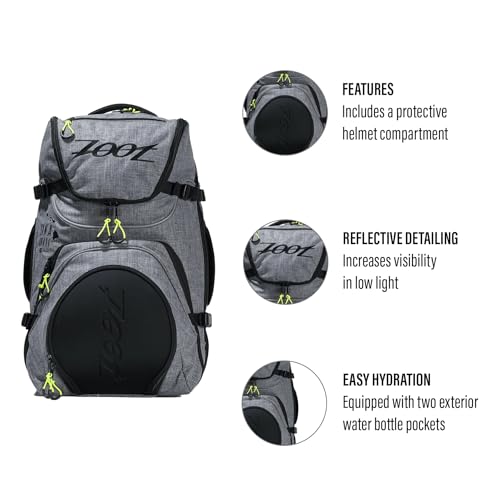
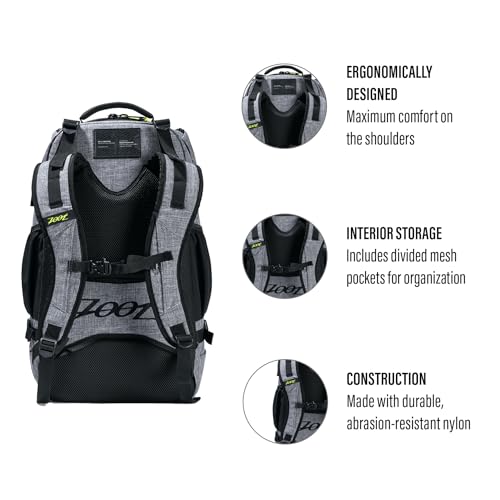
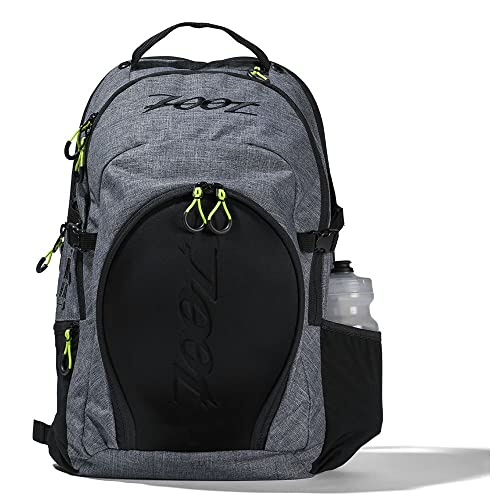
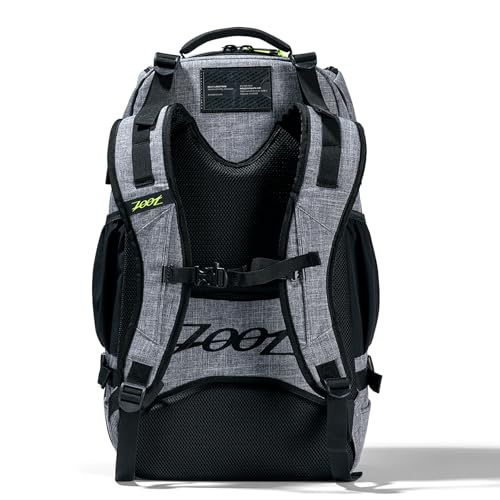
This is a premium bag with the details to match. The removable waterproof compartment is a standout, it actually works for wetsuits without leaking, and the separate shoe and helmet storage show real triathlete insight. The breathable back panel and molded straps make it one of the most comfortable packs here, especially over long transitions.
It’s also carry-on compatible, which is rare at this capacity. Owners love the reflective details and lightweight nylon, it feels like a travel-ready race bag. Compared to the SLS3, it’s slightly sleeker but a bit less rugged. For a balance of performance and polish, this is hard to beat.
Product photos
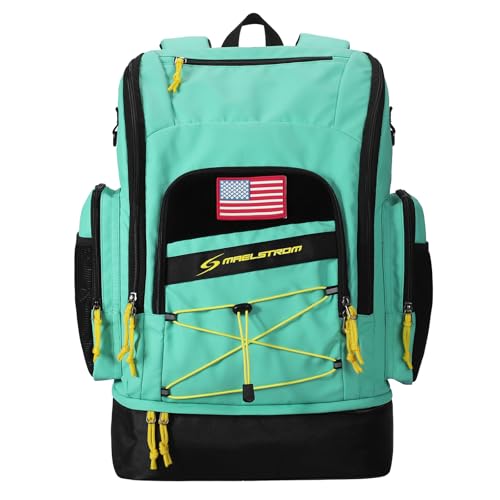
Maelstrom Waterproof Swim Backpack
Strengths
- Truly waterproof build
- Leak-proof shoe compartment
- Hanging goggle loops
- Personalization option
Trade-offs
- Less structured shape
- Minimal back support
- No dedicated helmet storage
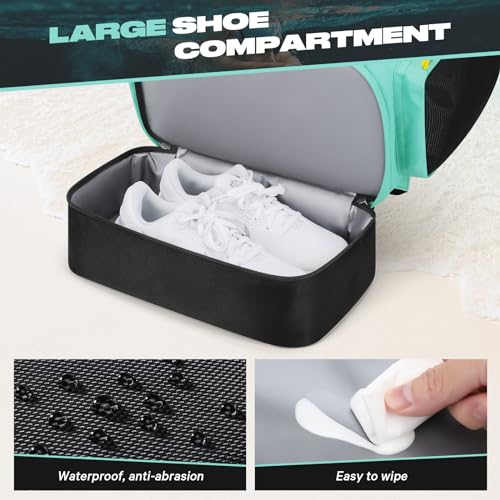
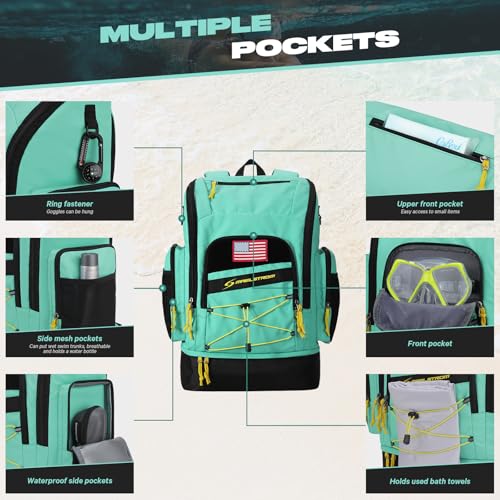
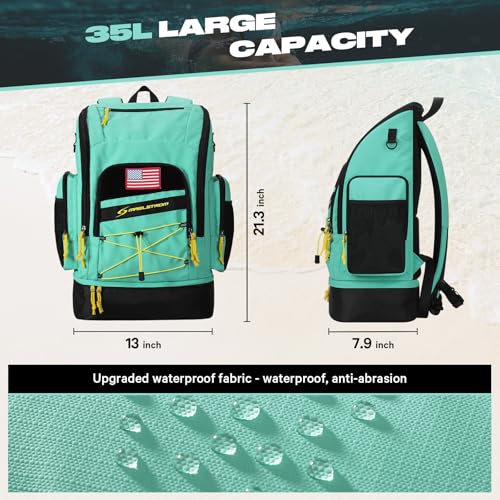
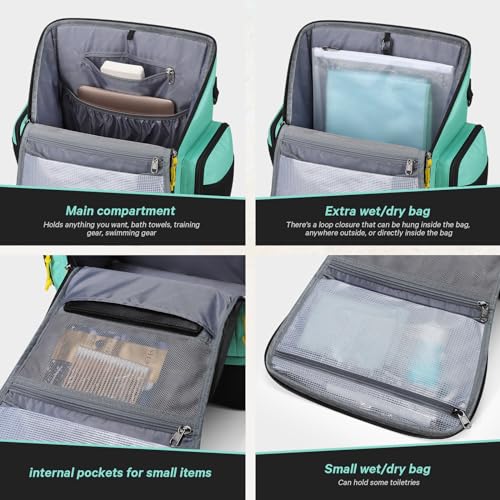
If keeping gear dry is your top concern, this bag delivers. The upgraded waterproof polyester and leak-proof lining in the shoe compartment stand out, reviewers specifically praise how well it handles wet swimsuits and even ice packs. At 35L, it’s spacious without being unwieldy, and the separate wet/dry pocket is a game-saver for swimmers who shuttle from pool to gym.
I like the personalization touches like the Velcro flag patch and hanging loops for goggles, small details, but they matter when you’re in transition mode. It’s not as structured as the SLS3 or Zoot, but for pure wet gear protection, it beats most in its class.
Product photos

ARENA One Go Backpack 35L
Strengths
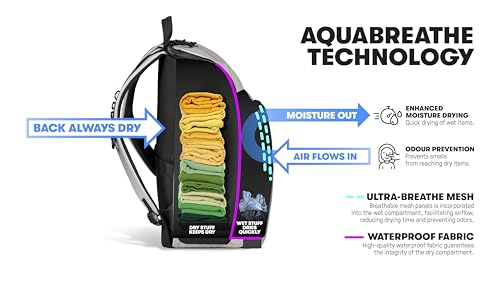
- Advanced Aquabreathe ventilation
- Laptop sleeve
- Water-repellent fabric
- Breathable back panel
Trade-offs
- No helmet storage
- Basic wet/dry separation
- Limited triathlon features
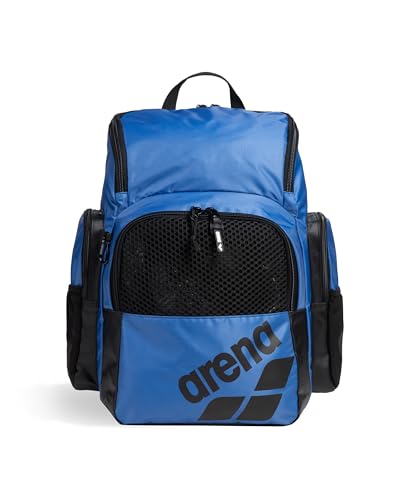
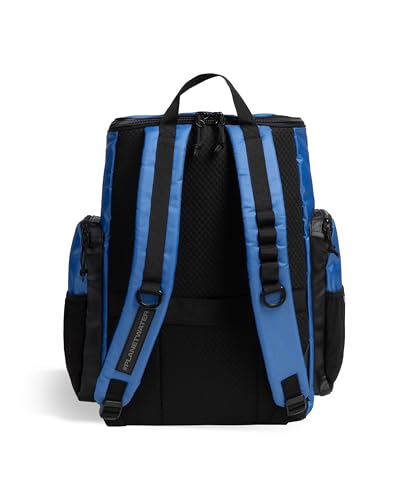
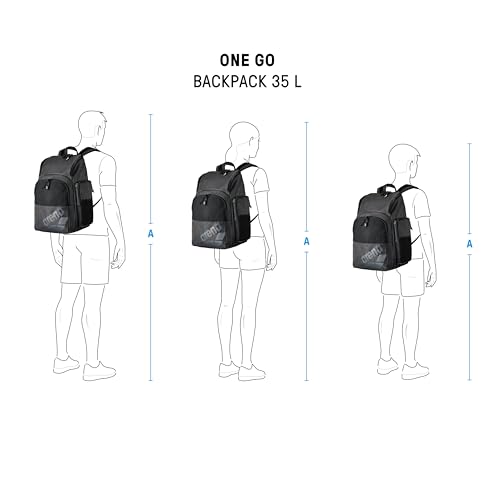
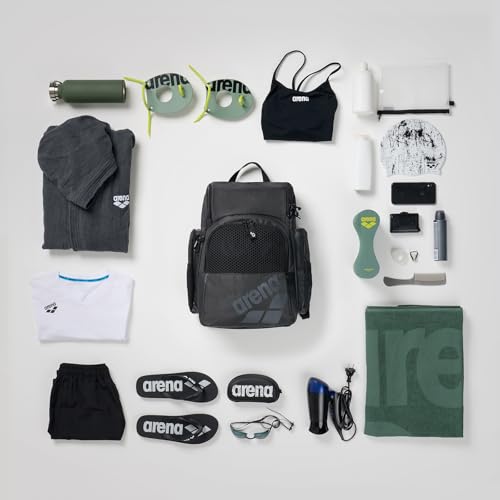
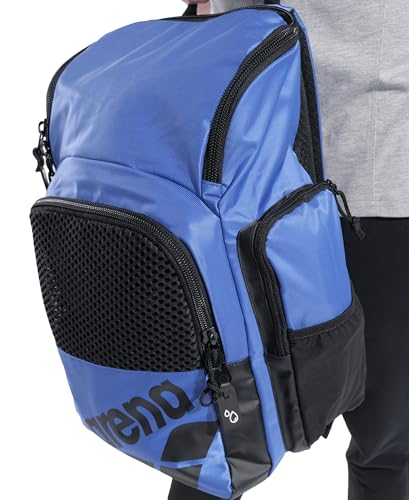
The standout here is the Aquabreathe system, a smart blend of water-repellent and breathable fabrics that actually reduces odor and dampness over time. Reviewers note their gear stays fresher longer, which matters when you’re living out of a bag during training blocks. The 35L main compartment is simple but effective, and the laptop sleeve is a nice touch for post-swim workdays.
But it’s not a triathlon specialist. No helmet pocket, no separate shoe compartment, it’s more of a multisport daypack. Compared to the SLS3 or Zoot, it’s less race-focused. If you want ventilation and versatility over tri-specific features, this is a strong contender.
Product photos
runandup Triathlon Training Bag
Strengths
- Good pocket layout
- Water-resistant fabric
- Padded shoulder straps
Trade-offs
- Not fully waterproof
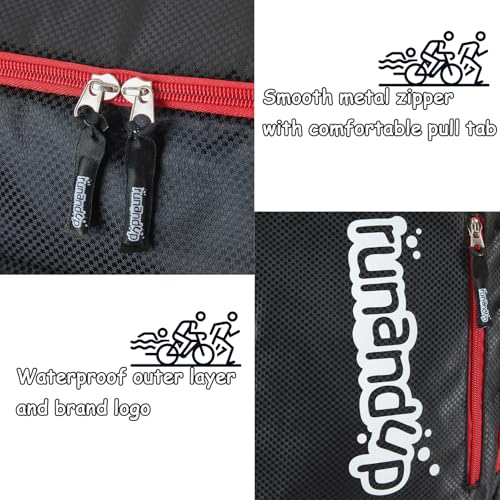
- Basic zipper quality
- Less ergonomic support
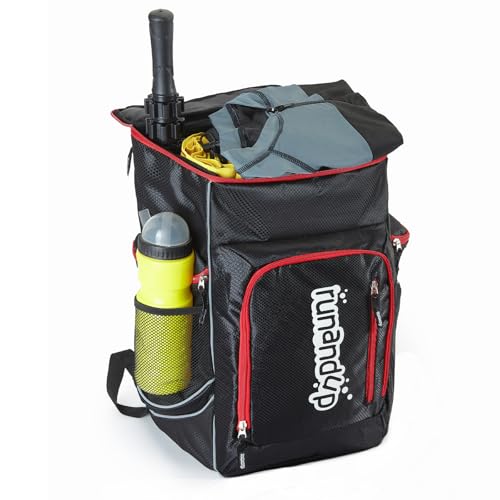
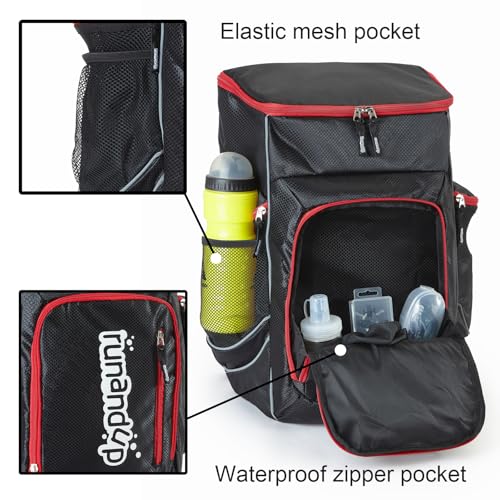
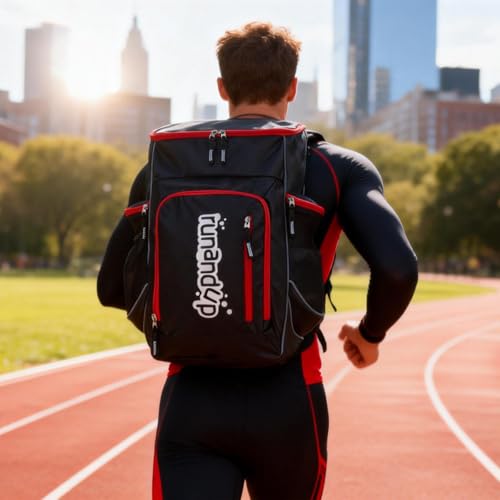
This bag makes organization a priority, and for triathletes who hate digging through clutter, that’s a win. The side stretch mesh pocket is a smart touch, owners consistently report it works well for wet socks or a water bottle, and the dual front pockets help separate small essentials from bulkier items. On paper, the water-resistant fabric sounds reliable for light rain, but some reviewers note it doesn’t hold up in heavier downpours, so don’t count on full waterproofing.
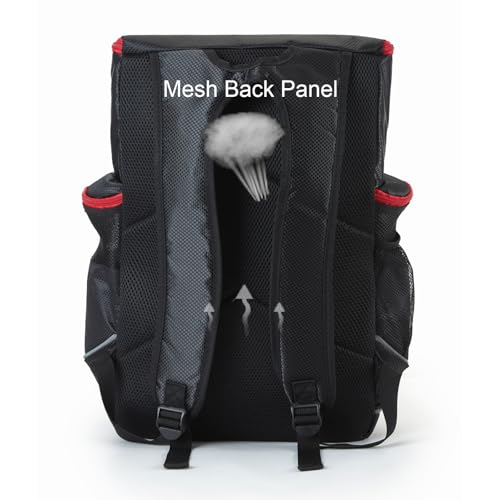
The padded back panel and straps are a comfort upgrade over basic gym bags, but compared to higher-end models like the SLS3 or Zoot, it feels more like a solid budget-friendly option than a race-day specialist. It’s functional, not flashy.
Product photos

Speedo Teamster Backpack 35L

Strengths
- YKK zippers
- Abrasion-resistant shell
- Ventilated front pocket
- D-ring accessory loops
Trade-offs
- No wet/dry separation
- Minimal padding
- Basic organization
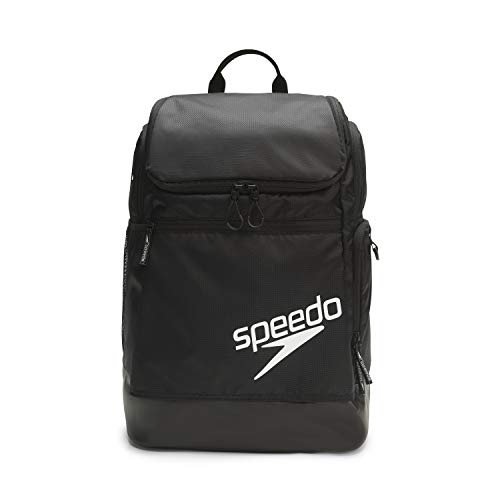
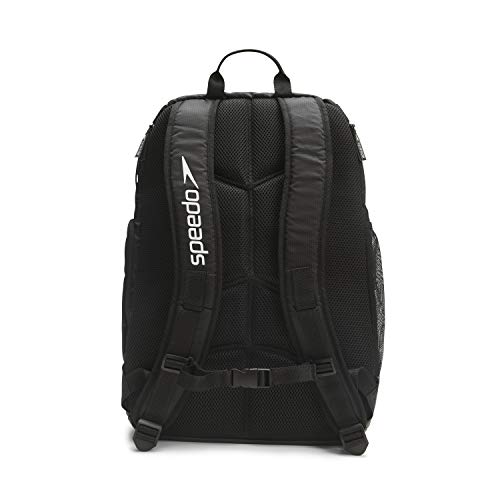
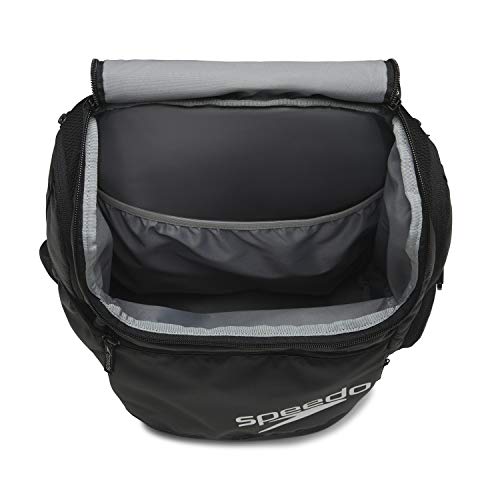
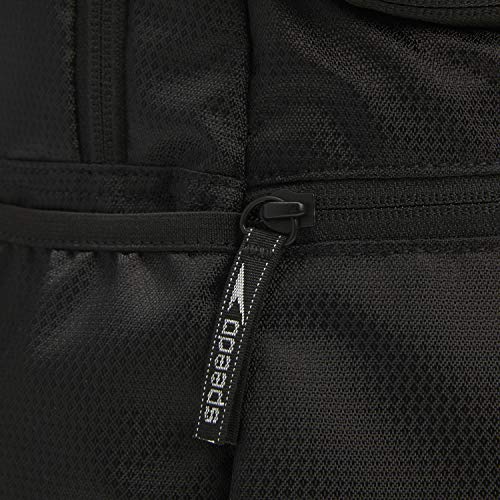
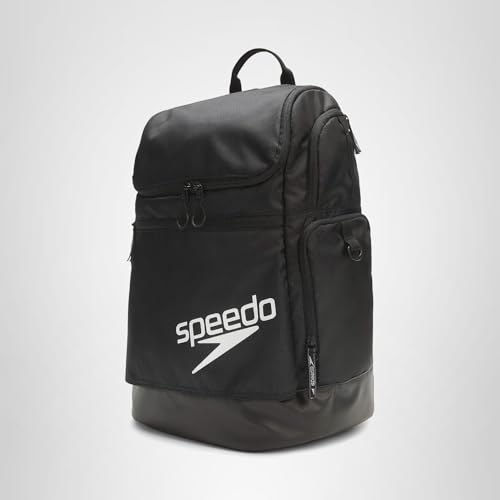
This bag doesn’t wow with features, but it wins on one critical front: durability. The YKK zippers are a standout, owners consistently report they resist jamming and wear better than cheaper alternatives. The abrasion-resistant shell holds up well, and the ventilated front pocket is a smart spot for damp gear.
But that’s about it. It lacks dedicated wet/dry compartments, helmet storage, or advanced ventilation. Compared to the Zoot or SLS3, it feels like a no-frills gym bag with good hardware. If zipper reliability is your top worry, this delivers, but don’t expect triathlon-specific polish.
Product photos
How We Picked These triathlon backpacks
Rather than a hands-on lab test, my research for these recommendations involved a detailed comparison of published specifications and features across numerous models. I weighed owner reviews from multiple retailers against expert opinions found in triathlon-focused publications and websites. As someone who’s spent years evaluating travel gear, I applied my category knowledge to rank each backpack against criteria important to triathletes.
For triathlon backpacks, storage capacity and water resistance were the most heavily weighted factors. A triathlete needs to carry a significant amount of gear, so ample space and thoughtful compartmentalization are essential. Equally important is keeping wet gear separate from dry items – a key feature that dramatically impacts usability and convenience on race day. Durability also ranked highly, as these bags take a beating during travel and transitions.
Specifications reliably indicate capacity and materials used, giving a good sense of overall size and potential durability. However, I placed significant emphasis on owner feedback regarding zipper quality, strap comfort, and the actual effectiveness of wet/dry separation. Reputable reviewers helped me assess the real-world performance of features like ventilation systems and the practicality of specific pocket placements. Understanding airplane carry-on backpack rules was also a consideration.
Choosing The Right triathlon backpacks
Picking the right triathlon backpack isn’t just about finding something to haul your gear; it’s about optimizing transition times and protecting valuable equipment.
A good triathlon backpack prioritizes wet/dry separation to prevent soaking your clean clothes, offers dedicated compartments for race-day essentials like goggles and nutrition, and balances storage capacity with comfortable carry. Look for durable materials, thoughtful organization, and features specific to the demands of swim-bike-run events.
Capacity and Organization
Triathlon gear is…substantial. Don’t underestimate how much stuff you accumulate for a single race. While a 35L pack might work for sprint distances, those tackling half or full Ironmans will want to lean toward the 45L-56L range. However, sheer size isn’t everything. A cavernous bag without internal organization quickly becomes a frustrating mess. Consider how the compartments are laid out. Dedicated helmet pockets, wetsuit compartments, and easily accessible pockets for gels and race belts make a huge difference on race day.
Wet/Dry Separation is Key
This is where many general-purpose gym gear backpacks fall short. A triathlon backpack must effectively isolate wet gear – a dripping wetsuit, muddy running shoes – from everything else. Look for a truly waterproof bottom compartment, not just a water-resistant lining. Some models, like the SLS3 Triathlon Transition Bag, specifically highlight this feature. Failing to address wet gear means risking a soggy mess and potential damage to electronics or important race documents.
Comfort and Durability
You’ll likely be doing a fair amount of walking with this pack (from car to transition, transition to bike, etc.). A comfortable carry is essential.
Here’s what to look for:
- Padded shoulder straps: Obvious, but check the quality of the padding.
- Breathable back panel: Mesh ventilation is a big plus to prevent overheating.
- Waist belt (on larger packs): Distributes weight and adds stability, especially when fully loaded.
Beyond comfort, durability is crucial. Triathlon gear is often thrown around and exposed to the elements. Look for backpacks constructed from heavy-duty fabrics and reinforced stitching, and models with high-quality YKK zippers, like those found on the Speedo Teamster Backpack, are a good sign. Don’t forget to check checking a backpack as luggage rules if you plan to fly with it.
A well-made triathlon backpack is an investment. Prioritize quality construction and thoughtful design over the cheapest price tag.
Triathlon Backpacks Compared
Here’s a comparison of key specifications for popular triathlon backpacks to help you choose the right one.
| Product Title | Capacity (L) | Wet/Dry Separation | Waist Belt | Waterproof Bottom | Ventilation | Key Features |
|---|---|---|---|---|---|---|
| SLS3 Triathlon Transition Bag 35L | 35 | Yes | No | Yes | N/A | Grab-and-go access, durable |
| TYR Alliance Backpack 45L | 45 | Yes | No | N/A | N/A | Large capacity, ergonomic |
| Synergy Triathlon Transition Bag 56L | 56 | Yes | Yes | N/A | N/A | Maximum storage, adjustable |
| Zoot Ultra Tri Bag Black | N/A | Yes | No | N/A | Yes | Wetsuit compartment, lightweight |
| Maelstrom Waterproof Swim Backpack | 35 | Yes | No | Yes | Yes | Waterproof, spacious |
| ARENA One Go Backpack 35L | 35 | N/A | No | N/A | Yes | Aquabreathe technology |
| runandup Triathlon Training Bag | N/A | Yes | No | Yes | Yes | Quick access, organized |
| Speedo Teamster Backpack 35L | 35 | Yes | No | N/A | N/A | Durable, YKK zippers |
Frequently Asked Questions
What size triathlon backpack is best for an Ironman?
For a full or half Ironman, a backpack in the 45L to 56L range is generally ideal. These larger capacities accommodate the extensive gear required for longer races, including wetsuits, multiple changes of clothing, and nutrition.
Are waterproof compartments really necessary in a triathlon backpack?
Yes, a truly waterproof bottom compartment is vital. It effectively isolates wet gear like a wetsuit, preventing it from soaking other belongings and potentially damaging sensitive items.
What should I look for in the shoulder straps of a triathlon backpack?
Opt for backpacks with generously padded shoulder straps for comfortable carrying. Breathable mesh back panels are also beneficial to help prevent overheating during extended wear.
Are triathlon backpacks suitable for everyday use, or just for racing?
While designed with triathletes in mind, many can serve as versatile hydration backpacks for other activities. However, features like dedicated wetsuit compartments are specific to the sport and may not be needed for daily use.
What zipper quality should I prioritize when choosing a triathlon backpack?
Look for backpacks that use YKK zippers, as these are known for their exceptional durability and reliability. Higher-quality zippers withstand the frequent opening and closing, and the stress of travel better.
The Bottom Line
Choosing a triathlon backpack often comes down to balancing how much control you want over organization versus how much fuss you’re willing to tolerate. For most triathletes, the SLS3 Triathlon Transition Bag 35L strikes the best overall balance – it’s thoughtfully designed for quick transitions and keeps wet gear contained without being overly large or complicated.
If you’re preparing for longer-distance events and require maximum capacity, the Synergy Triathlon Transition Bag 56L is the clear choice. For budget-minded athletes, the Speedo Teamster Backpack 35L offers excellent durability and essential features at a more accessible price point. Don’t forget to familiarize yourself with backpack as personal item rules if you plan to fly with your gear.
Ultimately, the specs matter less than how well a backpack fits your needs and racing style. Focus on prioritizing effective wet/dry separation, comfortable carry, and durable construction – those are the fundamentals that will make your race day smoother, regardless of the brand or price tag.