7 Best Snowboarding Backpacks of 2026
This post contains affiliate links. As an Amazon Associate, we earn from qualifying purchases.
The Osprey Soelden 32L stands out as the best snowboarding backpack for most riders, offering smart organization and reliable comfort. If you’re watching your budget, the Unigear 22L delivers solid performance without breaking the bank. For serious backcountry use, the Dakine Heli Pro 20L earns respect for its dedicated avalanche gear storage and rugged build.
As a frequent traveler and gear reviewer, I know how quickly a poorly designed backpack can turn a dream day on the mountain into a slog. Too many packs sacrifice function for looks, leaving riders struggling with awkward loads or buried essentials.
This guide cuts through the noise by focusing on what actually matters: real-world usability, safety features, and durable design. I researched each pack based on owner feedback, spec comparisons, and my understanding of backcountry demands to highlight the ones that deliver where it counts.
Top 7 Snowboarding Backpacks in the Market
The Best Snowboarding Backpacks, Reviewed
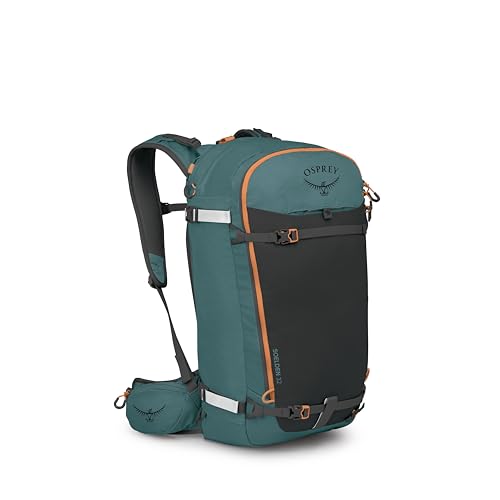
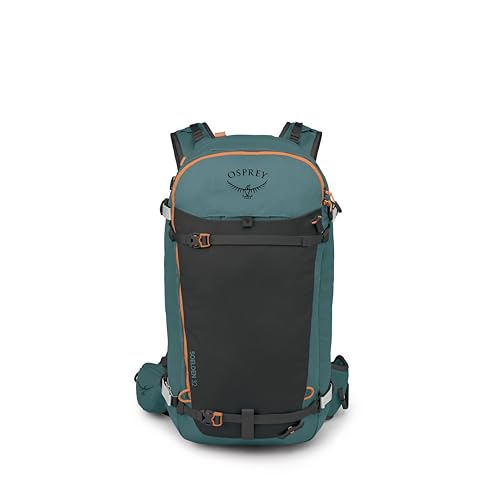
Osprey Soelden 32L Ski Backpack
Strengths
- J-zip avalanche access
- LightWire supportive frame
- 100% recycled nylon
- Gender-specific fit
Trade-offs
- Higher price point
- Heavier than minimalist packs
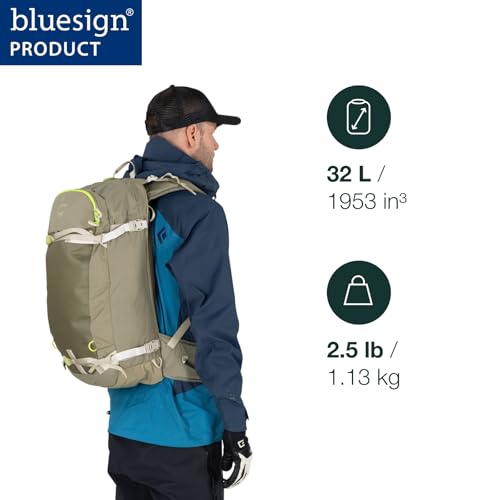
If I had to pick one snowboarding backpack for most serious backcountry users, it would be the Osprey Soelden 32L. The front J-zip avalanche compartment is a game-winning feature, owners stress how fast and intuitive it is to access shovel and probe when seconds count. At 32L, it offers ample room for extra layers, food, and emergency gear, all without feeling bulky, thanks to the LightWire frame that keeps the load stable.
The use of 100% recycled ocean-sourced nylon is impressive and aligns with what more eco-conscious travelers now expect. Compared to the Dakine HELI PRO, it’s heavier but far more capable for extended missions. The gender-specific fit also sets it apart, this isn’t a unisex afterthought. For those committed to safe, sustainable backcountry travel, this is the smarter buy.
Product photos


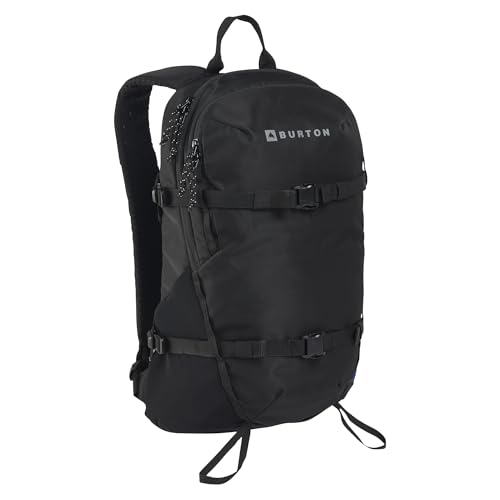
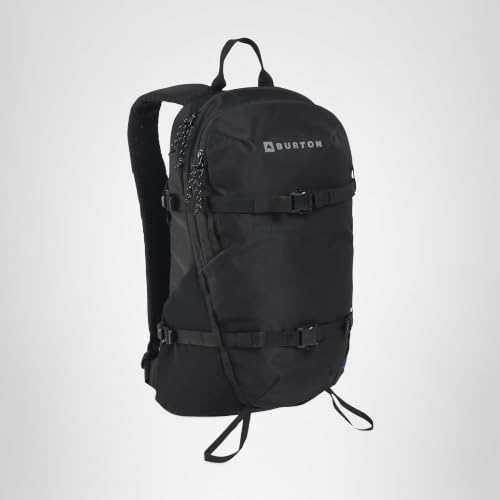
Burton Day Hiker 22L Backpack
Strengths
- Laptop and tablet sleeves
- Durable water-repellent fabric
- Removable board carry
- Lifetime warranty
Trade-offs
- Hip belt not fixed
- Less rugged than premium packs
The Burton Day Hiker 22L punches above its weight, especially if you’re budget-conscious but don’t want to sacrifice core functionality. It’s one of the few packs in this range that includes a removable board carry system and a padded laptop sleeve, making it a solid pick for resort riders who also need to carry work gear. The bluesign-approved materials and lifetime warranty speak to Burton’s commitment to durability and sustainability, something reviewers consistently appreciate.
Ventilated shoulder straps and a plush air mesh back panel deliver real comfort, though the hip belt is removable, which some may see as a downgrade compared to fixed support on pricier models. Against the Unigear 22L, it trades a bit of ruggedness for a more refined, everyday-ready design. I’d pick this for someone splitting time between the slopes and town.
Product photos
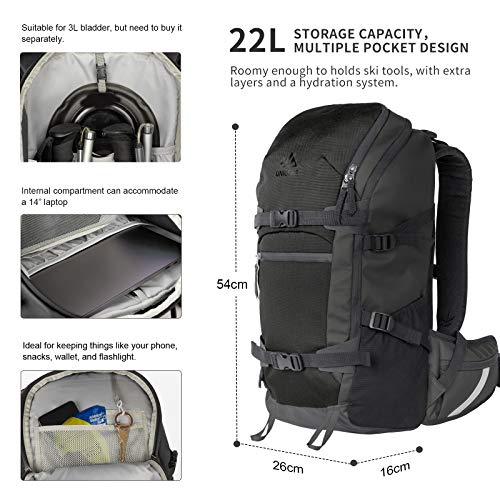
Unigear 22L Ski Snowboard Backpack

Strengths
- Highly durable 900D fabric
- Laptop sleeve included
- Reflective safety features
Trade-offs
- Heavy for its size
- Less ventilation than rivals
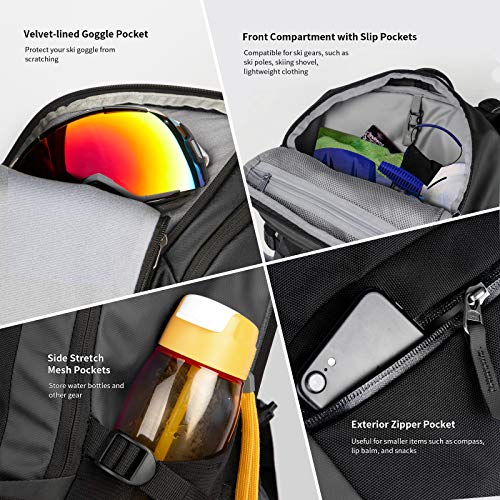
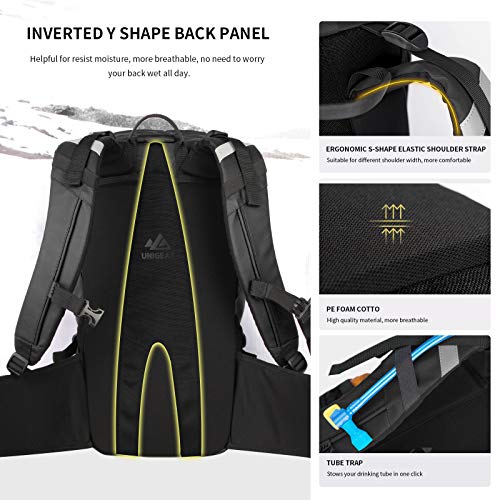
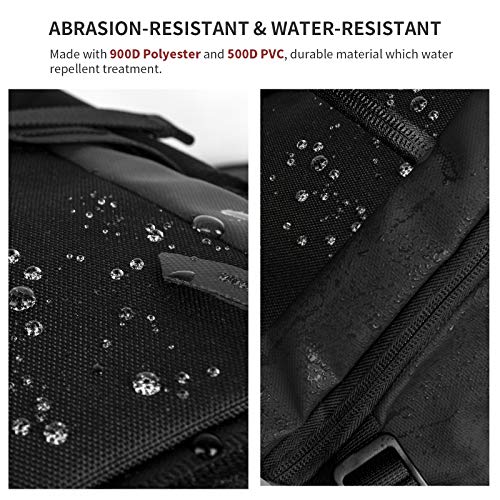
The Unigear 22L stands out for one reason: storage efficiency in a compact footprint. It’s built like a workhorse, with 900D polyester and a PVC-reinforced base that owners say shrugs off trail abuse and icy conditions. The individual compartments, including a fleece-lined goggle pocket and space for a 14” laptop, make it ideal for travelers who want one pack to handle both the mountain and transit.
It includes a hydration sleeve and reflective safety details like a whistle on the sternum strap, which adds peace of mind. While not as breathable as the Burton or as safety-focused as the Osprey, it’s a rugged, do-it-all option. For someone who wants one durable pack for resort, travel, and light backcountry, this is a practical pick over flashier models.
Product photos
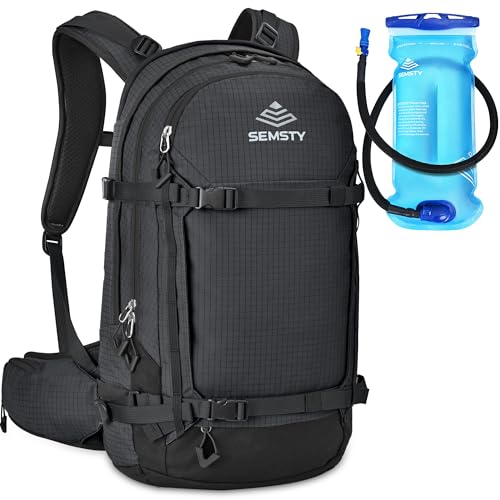
Semsty 30L Hydration Ski Backpack
Strengths
- Insulated hydration system
- 30L high capacity
- Durable tarpaulin bottom
- Snow-shedding material
Trade-offs
- Bulky for minimalist needs
- Less breathable back panel
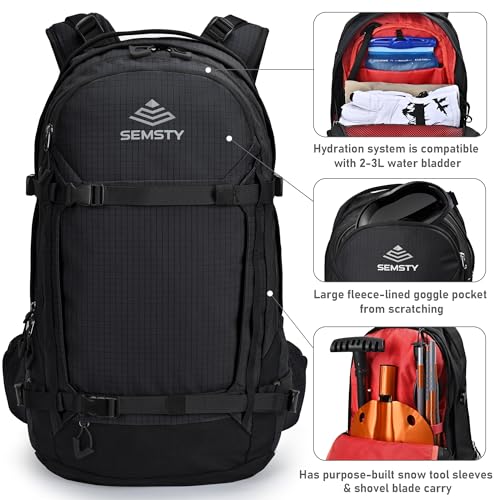
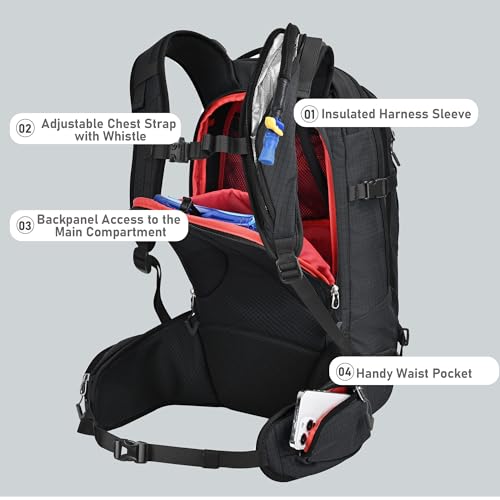
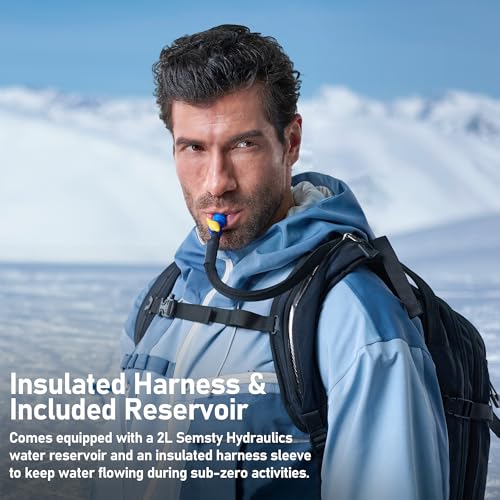
When hydration is essential, the Semsty 30L backpack delivers where others fall short. It comes with a 2L BPA-free reservoir and an insulated harness sleeve, a rare combo that reviewers say actually prevents freezing in sub-zero temps. The 30L volume is generous, and the internal laptop sleeve adds versatility, though the overall build leans more utilitarian than premium.
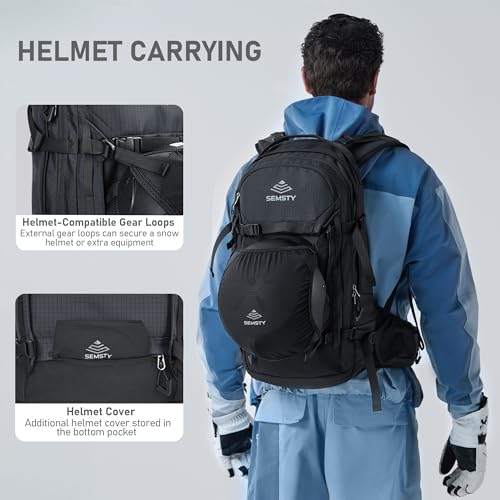
The SnowShield material, a mix of tarpaulin and 1050D nylon, is tougher than most in this category and stands up well to harsh conditions. Owners note it sheds snow effectively and feels durable over repeated use. It doesn’t have the refined ergonomics of the Osprey, but for someone who wants hydration, space, and ruggedness without breaking the bank, this is a compelling option.
Product photos
Dakine Heli Pro 20L Backpack
Strengths
- Dedicated shovel pocket
- Multiple board carry options
- Quick-dry back panel
Trade-offs
- No full avalanche J-zip
- Lighter padding than rivals
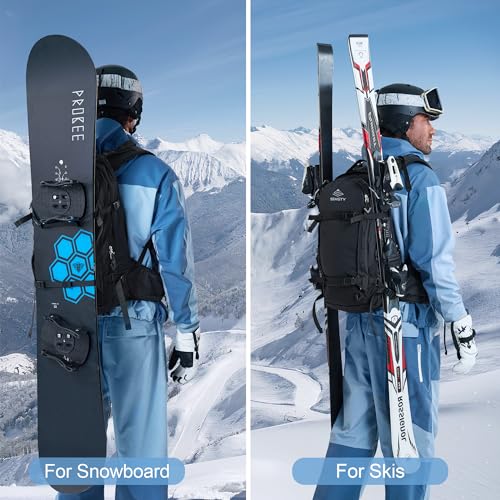
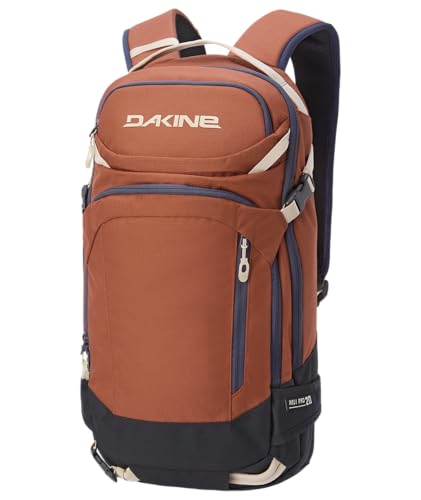
When avalanche safety is your top priority, the Dakine HELI PRO 20L stands out in a crowded field. The dedicated snow tools/shovel pocket with internal sleeves keeps your safety gear organized and ready, which owners consistently report makes a real difference during fast transitions. On paper, the 20L volume is modest, but the layout is efficient, and the vertical or horizontal snowboard carry gives flexibility depending on your setup.
The quick-dry mesh back panel is a smart touch for someone moving hard in the backcountry, helping manage sweat during climbs. Compared to the Osprey Soelden, it lacks a full J-zip avalanche compartment, but it’s lighter and more affordable. For those who want capable, no-nonsense performance without the premium price, this is a strong contender.
Product photos
Dakine Heli 12L Backpack
Strengths
- Ultra-lightweight design
- Efficient snow tool storage
- Secure board carry options
Trade-offs
- Very limited capacity
- No hydration compatibility
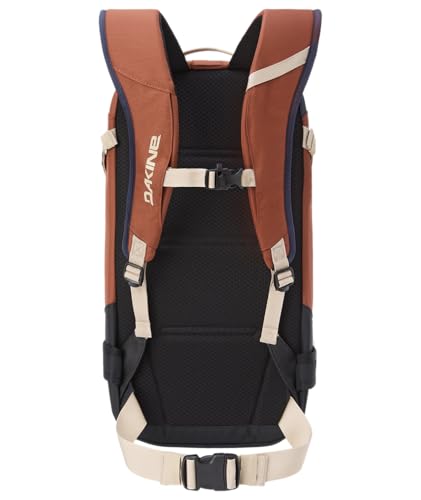
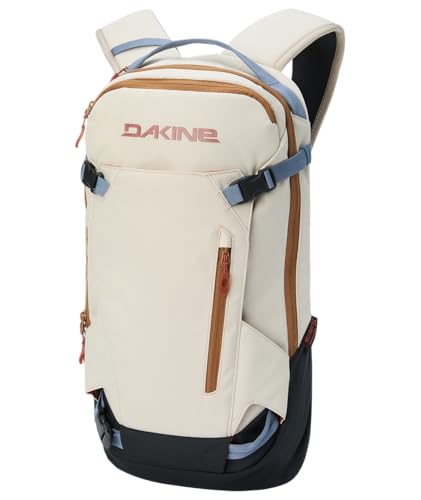
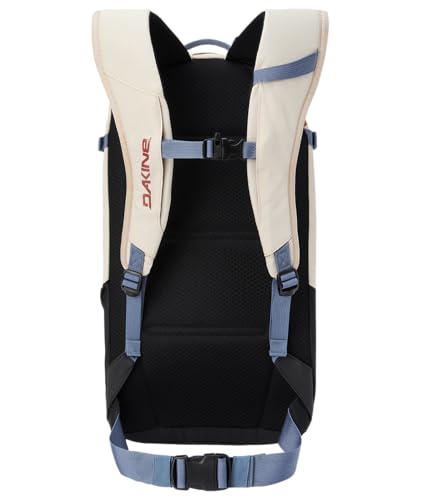
The Dakine HELI 12L is for one thing: moving fast and light. At just 12L, it’s the smallest pack here, but it still supports vertical or diagonal board carry and includes snow tool sleeves plus an exterior shovel blade carry. That makes it surprisingly capable for quick skin tracks or tree runs where you only need the essentials.
Owners appreciate how snug and balanced it feels, and the quick-dry mesh back panel helps with breathability. It doesn’t have room for a hydration bladder or laptop, which limits versatility. But against the SEMSTY 12L, it feels more purpose-built for snow athletes. I’d recommend it only to those who prioritize minimalism and speed over storage.
Product photos
SEMSTY 12L Backcountry Backpack
Strengths
- Excellent price-to-feature ratio
- Safety whistle on chest strap
- Lightweight and water-resistant
Trade-offs
- No included bladder
- Less durable than premium models
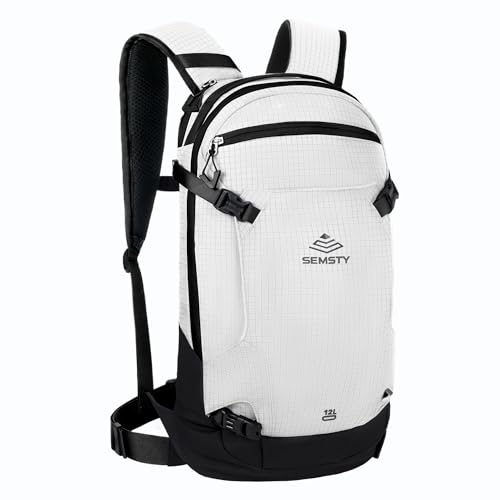
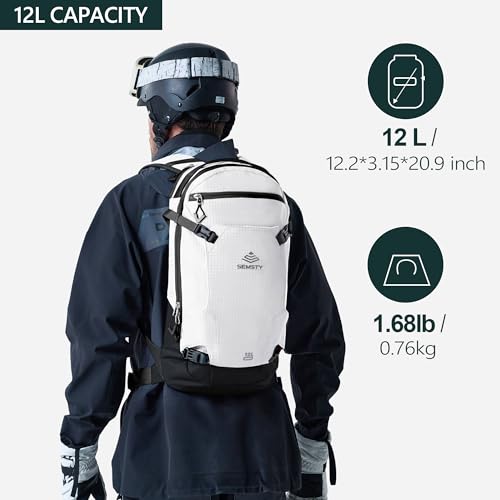
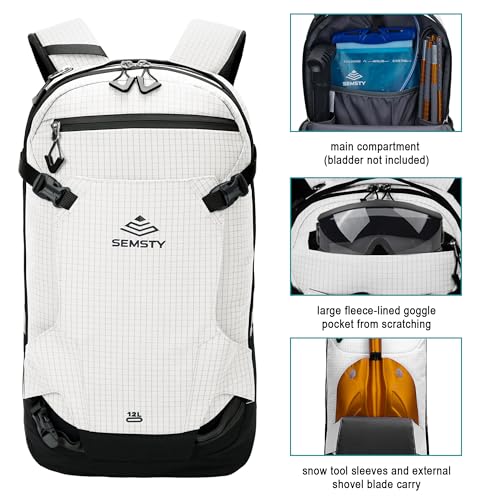
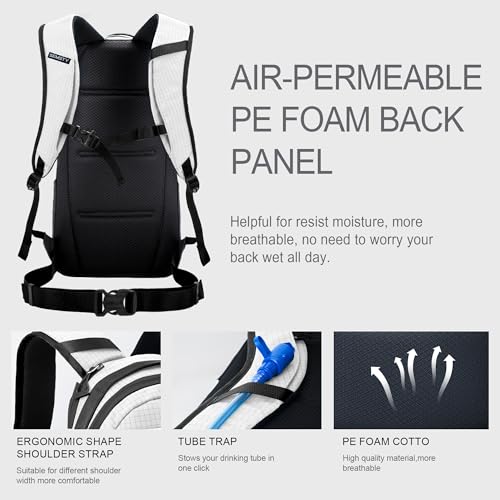
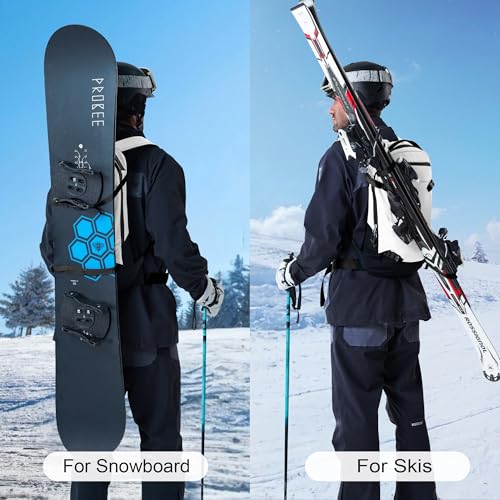
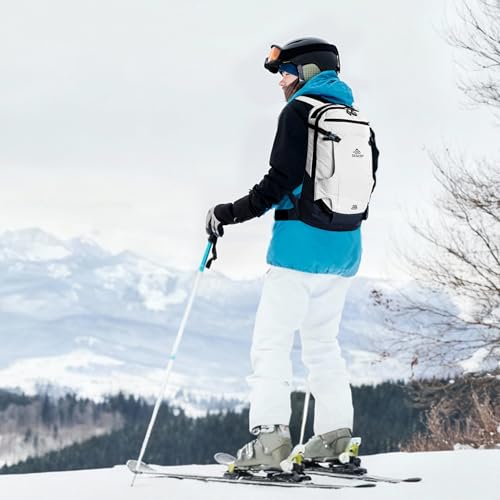
The SEMSTY 12L is a surprising value, lightweight, water-resistant, and thoughtfully designed for entry-level backcountry use. It includes snow tool sleeves, an external shovel carry, and a fleece-lined goggle pocket, which is rare at this size and price. The S-shaped shoulder straps and PE foam back panel deliver solid comfort, and the chest strap with an integrated whistle adds a smart safety touch.
It’s not as refined as the Dakine HELI 12L, but it’s more accessible and comes with strong customer support, including a 1-year replacement policy. Reviewers note it’s ideal for beginners or kids stepping into backcountry skiing. While it lacks a hydration reservoir, the internal sleeve means you can add one. For the price, it’s hard to beat.
Product photos
How We Evaluated snowboarding backpacks
Rather than a hands-on lab test, my research for these snowboarding backpacks focused on a detailed comparison of published specifications and features. I weighed owner reviews from sites like Amazon and REI against professional reviews from outdoor gear publications. As someone who understands how essential reliable gear is for a good trip, I applied my knowledge of backcountry needs and prioritized features accordingly. This allowed me to rank options based on a clear set of criteria.
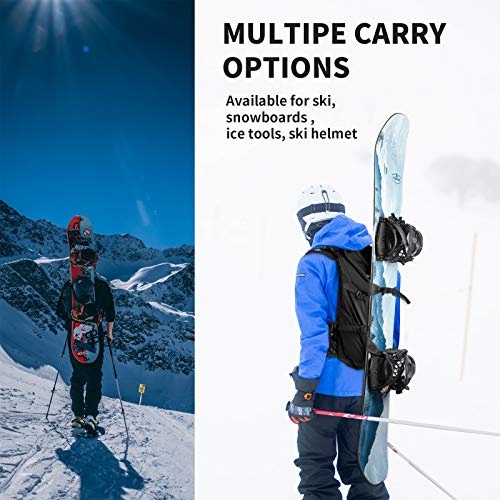
For snowboarding backpacks, storage capacity, avalanche safety features, and carry options were the most heavily weighted factors. A pack needs to comfortably hold essential gear for a day on the slopes, but also provide quick access to avalanche tools – a front compartment for a shovel and probe is crucial. Finally, versatility in how you carry your board or skis (A-frame, diagonal, vertical) impacts convenience and overall usability.
Specifications reliably indicate dimensions and materials, helping to assess durability and potential weight. However, I placed significant value on owner feedback regarding comfort, real-world usability, and long-term durability – particularly related to buckle quality and strap adjustments. Understanding how a 20-liter backpack size translates to actual on-slope capacity, for example, comes from user experience, not just stated volume.
What To Look For In snowboarding backpacks
Finding the right pack can make or break a day on the slopes.
A good snowboarding backpack balances capacity with a secure, comfortable carry. Key considerations include avalanche tool organization, weather resistance, and how well the pack integrates with your snowboard or skis. Look for durable materials, a supportive suspension system, and features tailored to backcountry use.
Capacity and Intended Use
Many riders overestimate how much space they actually need for a day of snowboarding. A smaller pack isn’t just lighter, it’s also more stable. For resort riding, a 20-25L backpack is often sufficient for layers, snacks, and water. If you’re venturing into the backcountry, though, you’ll want to prioritize space for avalanche safety gear (shovel, probe, and potentially an airbag system) and potentially a larger hydration reservoir. Consider that a 25-liter backpack size is a sweet spot for many, offering enough room without becoming cumbersome.
Avalanche Safety Features
If you plan on riding off-piste, a dedicated avalanche compartment is absolutely essential. This isn’t just a marketing gimmick. The quick, organized access it provides can be critical in an emergency situation. Beyond the compartment itself, look for packs with secure straps and sleeves for your shovel handle and probe. The Dakine Heli Pro 20L, for example, is consistently praised for its avalanche tool organization.
Here’s what to look for in avalanche safety features: * A dedicated, easily accessible compartment. * Secure shovel and probe carry straps. * Reinforced construction to withstand harsh conditions.
Comfort and Carry Systems
A poorly fitting pack can ruin even the best powder day. Look for adjustable sternum straps and hip belts to distribute weight evenly. The shoulder straps should be contoured and well-padded, and the back panel should be designed to allow for ventilation. Many packs offer gender-specific fits, which can significantly improve comfort. Remember this rule of thumb:
A properly fitted pack should transfer approximately 80% of the weight to your hips, leaving only 20% on your shoulders.
Many of the higher-end packs, like those from Osprey, offer advanced suspension systems designed for all-day comfort, even when loaded with gear. If you frequently carry a lot of water, consider a backpacks with water reservoirs to stay hydrated on the mountain.
Snowboarding Backpacks Compared
Here’s a comparison of key specifications for popular snowboarding backpacks to help you find the right fit.
| Product Title | Capacity (L) | Water Resistance | Carry Options | Hydration Compatible | Special Features |
|---|---|---|---|---|---|
| Osprey Soelden 32L | 32 | Snow-shedding | Snowboard/Ski | Yes | Avalanche tool compartment |
| Burton Day Hiker 22L | 22 | Water Repellent | Snowboard/Ski | Yes | Laptop sleeve |
| Unigear 22L | 22 | Water-resistant | Snowboard/Ski | Yes | Multiple compartments |
| Semsty 30L | 30 | Waterproof | Snowboard/Ski | Yes | 2L Bladder Included |
| Dakine Heli Pro 20L | 20 | N/A | Snowboard/Ski | N/A | Snow tool pockets |
| Dakine Heli 12L | 12 | N/A | Snowboard/Ski | N/A | Lightweight |
| SEMSTY 12L | 12 | Water-Resistant | Snowboard/Ski | Yes | Snow tool sleeves |
Frequently Asked Questions
What capacity snowboarding backpack do I really need?
A 20-25L pack is generally sufficient for resort riding, holding essentials like layers and water. Backcountry riders should consider 30L or larger to accommodate avalanche safety gear and extra supplies.
Are all “waterproof” snowboarding backpacks truly waterproof?
Most are water-resistant, meaning they can handle light snow or rain, but prolonged exposure will likely lead to some moisture getting in. Fully waterproof packs exist, but they often come at a higher price point and may sacrifice breathability.
Can I use a mountain biking backpack for snowboarding?
Yes, you can, as many trail-ready snowboard packs share similar features like hydration compatibility and comfortable carry systems. However, snowboarding-specific packs prioritize avalanche tool organization.
What’s the best way to carry my snowboard with a backpack?
Many packs offer both diagonal and A-frame carry options. Diagonal is generally more comfortable for longer distances, while A-frame provides a more secure hold, especially on steeper terrain.
Should I prioritize a backpack with a dedicated avalanche compartment even if I mostly ride inbounds?
Yes, even for inbounds riding, a dedicated compartment keeps your avalanche tools organized and easily accessible should you encounter someone in need of assistance or venture briefly off-piste.
The Bottom Line
Choosing a snowboarding backpack often comes down to balancing how much you want to carry with how much you want to fuss with a bulky pack. For most riders, the Osprey Soelden 32L strikes the best overall balance – it offers excellent capacity for a full day on the mountain, smart avalanche tool organization, and a comfortable carry system that won’t leave you aching after a few runs. It’s a premium option, but the quality and features justify the investment.
If you’re on a tighter budget, the Unigear 22L is a solid pick that still delivers on essential features. For those prioritizing a lightweight and minimalist setup, the Dakine Heli 12L is a fantastic choice. And for riders who need a versatile pack for both resort and backcountry, understanding a backpack capacity 22 liters can help you decide if the Burton Day Hiker 22L is right for you.
Ultimately, the best snowboarding backpack isn’t about the latest gadgets or highest price tag. It’s about finding a pack that fits you well, carries your gear comfortably, and allows you to focus on enjoying your time on the mountain. Prioritize a secure fit, reliable materials, and easy access to your avalanche safety equipment – those are the fundamentals that truly matter.