8 Best MTB Backpacks of 2026
This post contains affiliate links. As an Amazon Associate, we earn from qualifying purchases.
The Osprey Raptor 14L stands out as the best overall mtb backpack for its superior stability and smart bike-specific design, while the Arvano Bike Backpack Small 6L is a solid budget pick for short rides. If you need versatility for both trail runs and rides, the Lightweight Hydration Backpack with 2L Water Bladder offers solid performance across activities.
As a frequent traveler and outdoor gear reviewer, I’ve seen how the wrong backpack can turn a great ride into a slog. On the trail, a bouncing pack or empty water reservoir isn’t just annoying, it can throw off your balance or leave you stranded. For mountain bikers, fit, function, and reliability matter more than flashy looks.
This guide cuts through the noise, focusing on what really matters: packs that stay put, carry enough water, and protect your essentials. I researched each model based on specs, rider feedback, and real-world performance factors like weight distribution, hydration access, and durability. Whether you’re tackling cross-country loops or all-day enduro routes, these picks are built to perform.
Top 8 Mtb Backpacks in the Market
The Best Mtb Backpacks, Reviewed
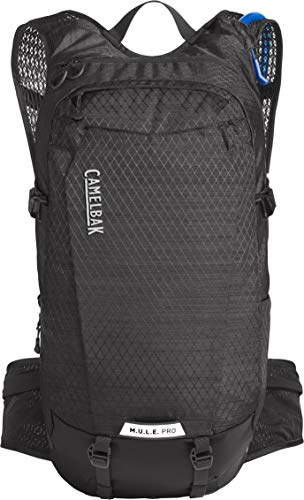
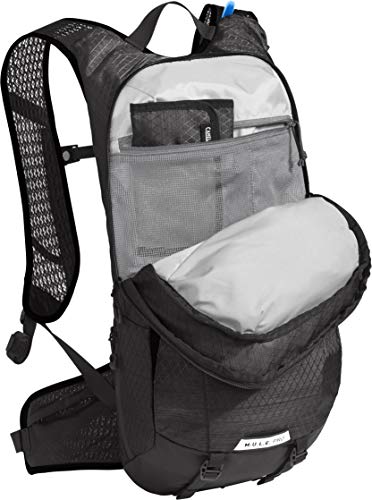
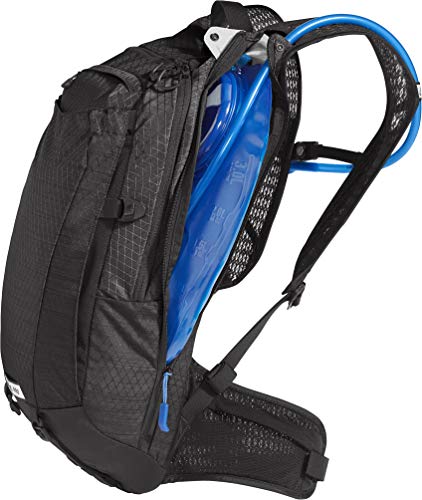
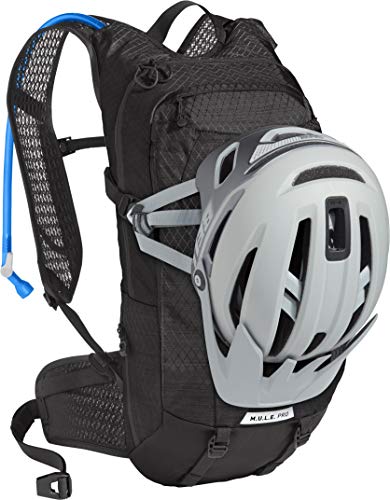
CamelBak M.U.L.E. Pro 14 Bike Hydration Pack

Strengths
- Advanced ventilation
- 3L Crux reservoir
- Integrated tool storage
- Stable hip belt
- Premium build
Trade-offs
- Heavier than lightweight options
- Higher price point
- Less suited for short rides
The M.U.L.E. Pro 14 stands out in a crowded field because it’s built like a race-ready tool, not just another hydration pack. The Air Support Pro back panel isn’t just marketing fluff, owners consistently report real airflow on long climbs, which matters when you’re sweating through hours of singletrack. Pair that with the 3L Crux reservoir, and you’ve got serious hydration capacity without constant refills.
What seals the deal is the integrated tool roll and hip belt with storage. For riders tackling remote trails or full-day loops, having quick access to a multi-tool or CO₂ cartridge without digging through pockets is a small but meaningful win. It’s heavier than some, but you’re paying for purpose-built stability and smart organization.
Product photos

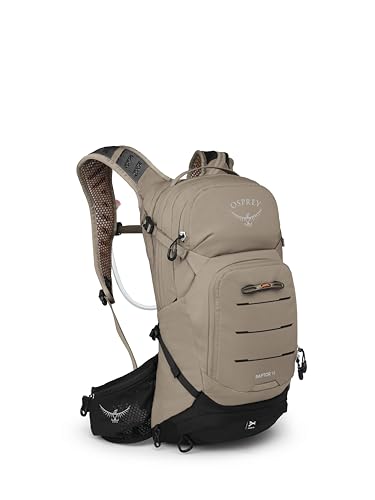
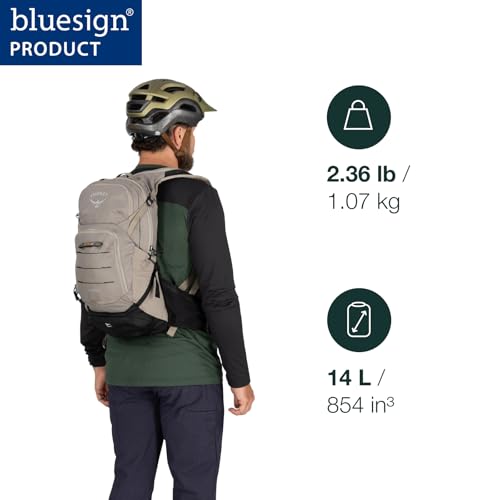
Osprey Raptor 14L Men’s Mountain Biking Backpack
Strengths
- Exceptional ride stability
- Winged shoulder harness
- Zippered hipbelt pockets
- Smart internal layout
- Durable airmesh construction
Trade-offs
- Smaller reservoir
- Slightly heavier
- Less ventilation than CamelBak
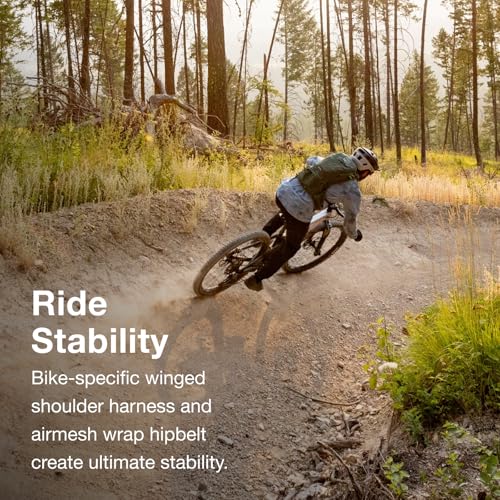
Osprey didn’t build the Raptor 14 to be flashy, they built it to stay put on the gnarliest descents. The winged harness and airmesh hipbelt deliver what owners say is unmatched stability, especially when things get rowdy. This is the pack I’d recommend if you’re hitting bike parks or technical backcountry where bouncing gear becomes a safety issue.
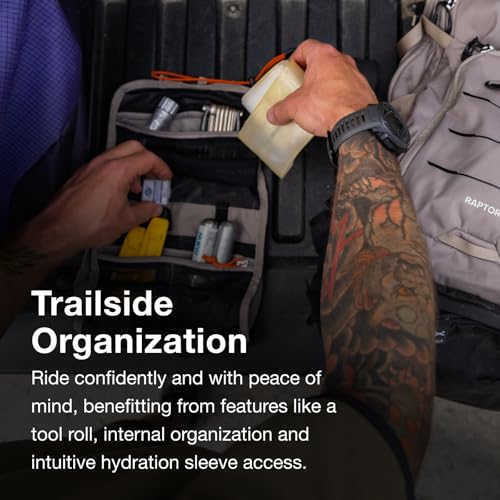
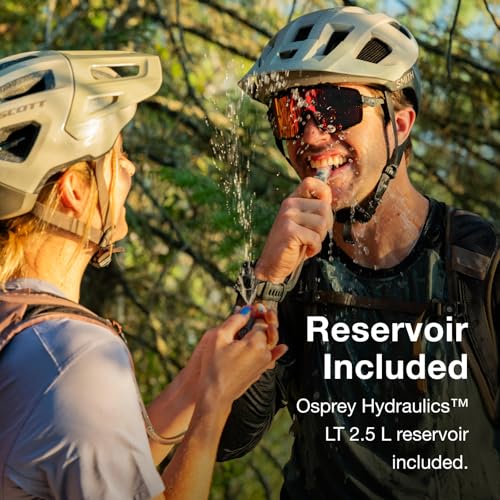
The 2.5L Hydraulics LT reservoir is solid, though slightly smaller than CamelBak’s 3L. But where Osprey shines is internal organization and intuitive access. The tool roll is well-placed, and the zippered hipbelt pockets are a game-winner for gels or keys. At 2.22 lbs, it’s not the lightest, but the weight is justified by the fit.
Product photos

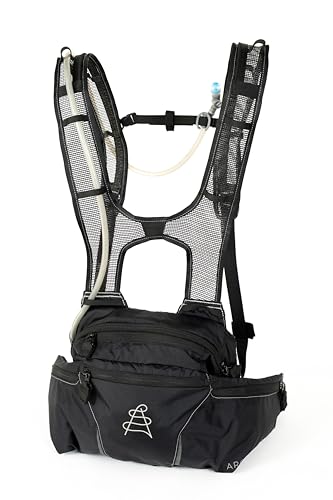
Arctos Epic 10.3 Lumbar MTB Hydration Backpack
Strengths
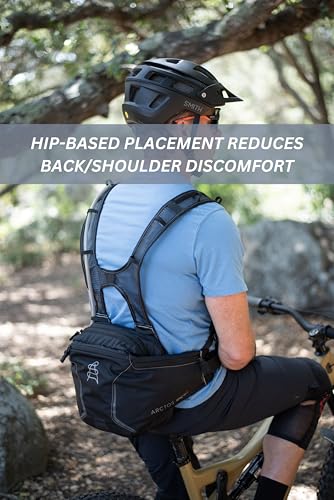
- True lumbar weight distribution
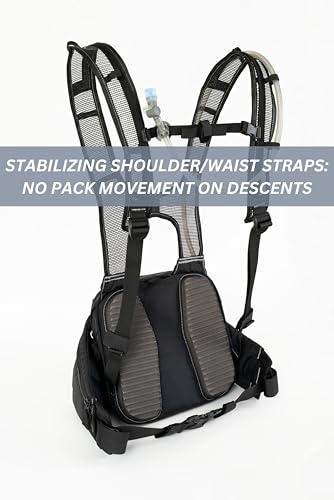
- Zero bounce design
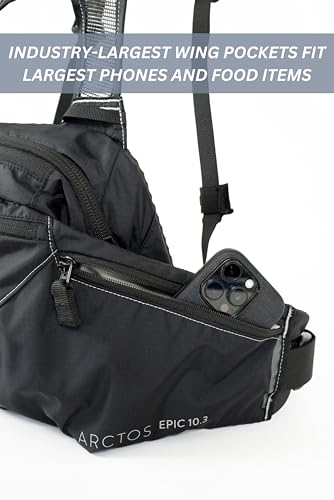
- Massive wing pockets
- Durable ripstop fabric
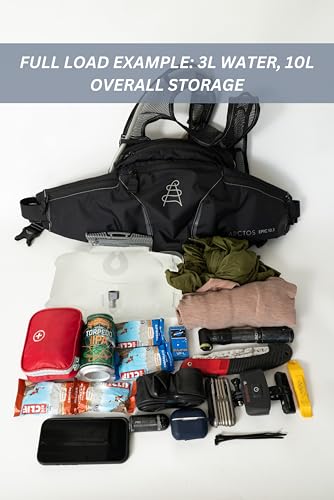
- Includes 3L bladder
Trade-offs
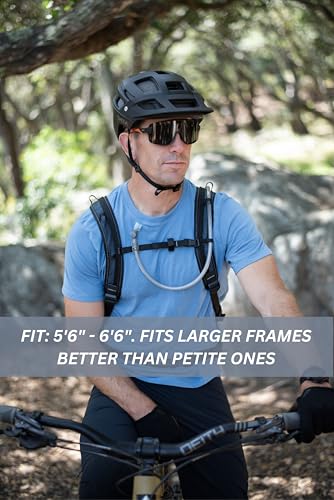
- Limited fit for petite riders
- Less back protection
- Minimal shoulder padding
The Arctos lumbar design flips the script, by shifting weight to the hips, it eliminates upper back fatigue that plagues traditional packs. Owners rave about the bounce-free fit, especially on steep descents, and the dual-action waist strap really locks it down. The breathable shoulder straps are minimal but effective, and the huge wing pockets are a standout for on-the-go access.
It’s not perfect. The one-size claim works best for average-to-tall riders, and those under 5’5″ may struggle with fit. But for what it does, deliver stability and comfort without sacrificing access, it’s a strong contender. The 3L bladder is a plus, and the 210D ripstop build feels tough enough for daily abuse.
Product photos
EVERFUN Hydration Backpack 18L with Rain Cover
Strengths
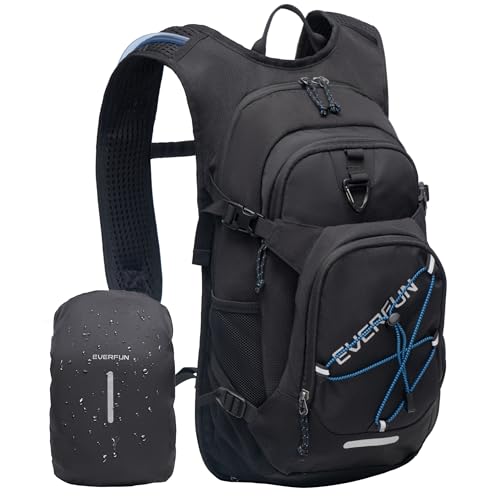
- Integrated rain cover
- Excellent visibility
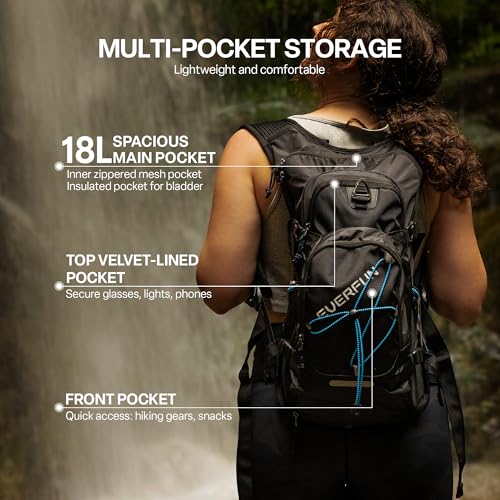
- Spacious, smart layout
- Insulated bladder sleeve
- Lightweight for size
Trade-offs
- Bulkier than MTB-specific packs
- Overkill for short rides
- Bladder not 3L
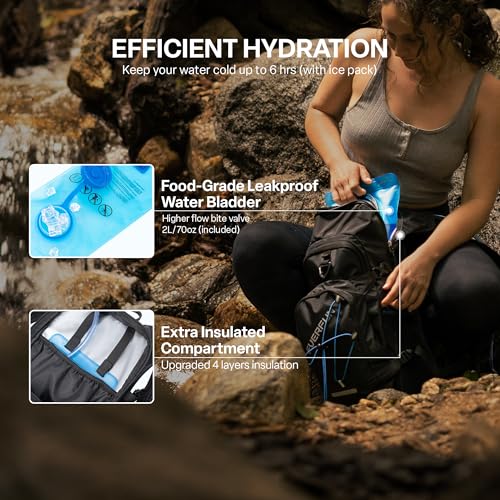
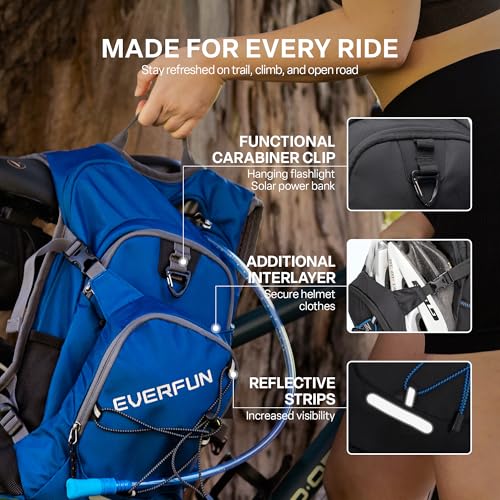
If weather protection is your top concern, the EVERFUN is hard to beat. The built-in rain cover deploys fast, and the 360° reflectivity adds safety for dawn or night rides. The 18L capacity is spacious, and the organization is among the most thoughtful, velvet-lined pocket, zippered mesh, helmet storage, making it feel more like a hiking daypack with MTB perks.
The 2L bladder is standard, but the insulated sleeve works well with ice packs, a detail many riders appreciate. At 1.74 lbs, it’s reasonably light, though the bulk can feel excessive for pure MTB. It’s overbuilt for short trail rides but excellent for long, unpredictable adventures.
Product photos


CamelBak M.U.L.E. 12 Hydration Pack

Strengths
- Superior ergonomic fit
- Magnetic hose clip
- Lightweight breathability
- Reliable Crux reservoir
- Helmet carry option
Trade-offs
- Smaller capacity
- Less tool organization
- Overflow pocket lacks structure
This is the more refined sibling of the M.U.L.E. line, trading a bit of capacity for better ergonomics and a more natural ride feel. The updated harness moves with the body, and reviewers frequently mention how it disappears on the back during long sessions, no small feat on rough terrain. The 100oz Crux reservoir is the same reliable performer, and the magnetic tube management is a subtle but appreciated upgrade that keeps sipping effortless.
Compared to the Pro 14, it’s less about heavy-duty tool storage and more about all-day comfort. If you’re logging miles without mechanical work mid-ride, this strikes a better balance. The stretch overflow pocket is handy, but it’s not as structured, so it can feel sloppy when overstuffed.
Product photos


Arvano Bike Backpack Small 6L Lightweight Daypack
Strengths
- Ultra lightweight
- Affordable price
- Reflective safety strips
- Sleek low-profile design
- Adjustable fit
Trade-offs
- No included bladder
- Limited storage
- Basic materials
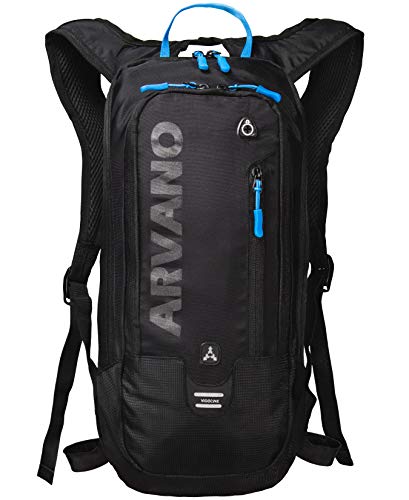
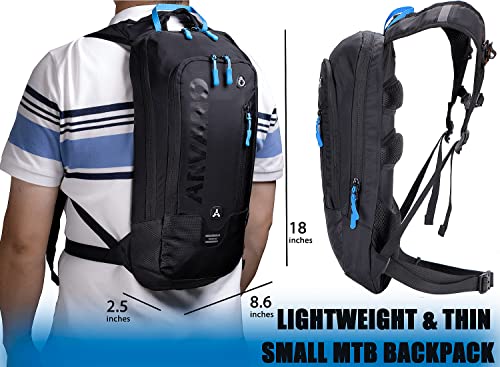
At just 1.1 lbs and a slim 6L, the Arvano is a no-frills, budget-friendly option that gets the basics right. It’s not designed for all-day missions, but for quick trail laps or commuter rides, it’s surprisingly capable. The slim profile keeps it out of the way, and the adjustable straps help it fit a range of body types without bouncing.
The big caveat? No bladder included. For a hydration pack, that’s a real downside. You’ll need to buy one separately, which eats into the savings. Still, the reflective strips, headphone port, and padded back make it a solid value for light-duty use. It won’t compete with the CamelBak or Osprey packs, but it’s not trying to.
Product photos



Lightweight Hydration Backpack with 2L Water Bladder

Strengths
- Extremely lightweight
- Multi-sport design
- Good strap adjustability
- Includes 2L bladder
- Breathable back panel
Trade-offs
- Less durable materials
- Not bike-specific
- Loose organization
This pack markets itself as a hybrid for running and MTB, and on paper, it delivers: 12L capacity, a 2L bladder, and a sub-1-pound weight. The breathable mesh back and multi-adjustable straps make it comfortable for high-motion activities, and owners say it stays put during runs and technical climbs.
But the build feels more “budget outdoor” than mountain-bike specific. The zippers and fabric aren’t as rugged as CamelBak or Osprey, and the organization, while thoughtful, is scattered. It’s better suited for trail runners doubling as casual riders than serious MTB athletes. Still, for the price, it’s versatile.
Product photos


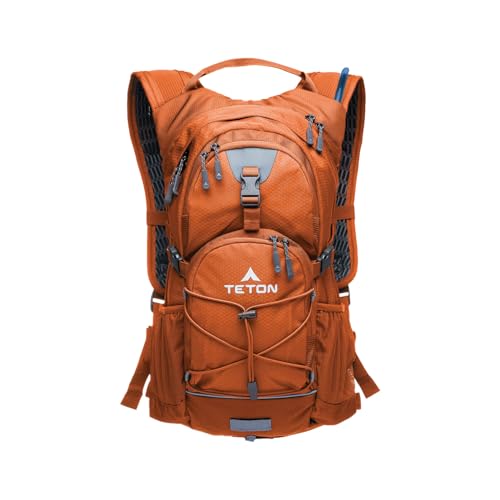
Teton Oasis Hydration Backpack with Rain Cover
Strengths
- Includes rain cover
- Insulated reservoir pocket
- Bungee helmet carry
- Weather-resistant zippers
- Good value
Trade-offs
- Generic fit
- Average ventilation
- Not MTB-optimized
The Teton Oasis stands out for one thing few others offer: a sewn-in rain cover. That alone makes it a smart pick for riders in unpredictable climates. The 2L bladder is reliable, and the insulated pocket helps keep water cool, owners confirm it works better than most. The 18L and 22L options give flexibility, and the bungee helmet carry is a nice touch.
But it’s not as technically refined as the Osprey or CamelBak. The fit is athletic but generic, and the ventilation isn’t as targeted. It’s a solid all-rounder, especially for hikers who also ride, but serious MTB riders will miss the bike-specific touches like tool rolls or winged harnesses.
Product photos


How We Picked These mtb backpacks
Rather than a hands-on lab test, my research focused on a detailed comparison of published specifications and features across numerous models. I weighed owner reviews from major retailers alongside expert opinions from cycling-focused publications to build a clear picture of real-world performance. Ultimately, I ranked these backpacks against criteria important to mountain bikers – capacity, comfort, stability, and hydration system quality – to arrive at our recommendations.
For mountain bike backpacks, stability and hydration capacity are paramount. A pack that bounces or shifts while riding is a distraction and can be dangerous. Equally crucial is a well-designed hydration system; easy access to water is essential for demanding trails. I also gave significant weight to features like tool organization and weather resistance, as these directly impact the rider’s experience on the trail. Understanding the intended use – from quick cross-country rides to all-day enduro adventures – heavily influenced my assessment.
Specifications reliably indicate capacity and materials, helping to predict weight and durability. However, I found owner feedback to be critical in assessing comfort and stability. Reports about how a pack feels when fully loaded, or how well it stays put on technical terrain, are invaluable. Reputable review sites provided insight into long-term durability and the effectiveness of features like rain covers. For context on overall size, many riders will also want to know more about a 20-liter backpack dimensions to help them understand capacity.
What To Look For In mtb backpacks
Finding the right pack can make or break a ride. It’s not just about hauling water; it’s about comfort, stability, and having essential gear readily accessible.
A quality mountain bike backpack balances weight distribution, hydration capacity, and storage for tools and layers. Look for features like dedicated tool compartments, breathable back panels, and a secure fit that minimizes bounce, even on technical terrain. Prioritize materials known for durability and weather resistance, and consider the overall volume needed for your typical ride length and conditions.
Hydration Capacity & Reservoir Design
How much water you’ll need is obvious – longer rides demand larger reservoirs. But don’t just focus on capacity. Pay attention to the reservoir design itself. Many packs, like the CamelBak M.U.L.E. Pro 14, include a dedicated insulated pocket for the bladder, which can be a lifesaver on hot days. A wide-mouth opening makes filling and cleaning much easier, and a bite valve with a lock feature prevents leaks when you don’t want to drink. Consider whether you prefer a dedicated hydration pack or one that can also accommodate water bottles, offering versatility.
Fit & Stability: Beyond Adjustability
A poorly fitting pack will ruin your ride. It’s not enough for straps to simply be adjustable; the harness design needs to be thoughtfully engineered for mountain biking. Osprey’s Raptor 14L, for example, features a bike-specific winged shoulder harness and an airmesh hipbelt for superior stability, especially on rough trails. Beyond adjustability, look for features that actively prevent bouncing.
Here’s what to look for in a stable fit: * A snug fit around the torso is essential. * A well-padded hipbelt transfers weight from your shoulders to your hips. * Compression straps cinch the load closer to your back, minimizing movement and significantly improving control.
Storage & Features: Prioritizing Essentials
While hydration is key, an MTB pack needs to carry tools, a rain jacket, snacks, and other ride essentials. The Arctos Epic 10.3, with its large wing pockets, excels at providing easy access to frequently used items while riding. Don’t underestimate the value of dedicated tool organization – a built-in tool roll keeps everything secure and prevents rattling. If you often ride in wet conditions, consider a pack like the EVERFUN Hydration Backpack 18L which includes a built-in rain cover. Knowing your 25l daypack size can also help you determine if you are over or underpacking.
A good rule of thumb is to prioritize packs with dedicated tool storage and easily accessible pockets for snacks and a light jacket. These small conveniences can make a big difference on a long ride.
Finally, consider if you’re looking for a pack for running as well as mountain biking. Some models, like the Lightweight Hydration Backpack with 2L Water Bladder, are designed to bridge the gap between these activities, but you may find that a dedicated pack performs better for each sport. For a more in-depth look at options, check out our guide to MTB hydration backpacks.
MTB Backpacks Compared
Here’s a comparison of key specifications for popular mountain bike backpacks to help you make an informed decision.
| Product Title | Capacity (L) | Weight (lbs) | Hydration Capacity (oz) | Rain Cover Included? | Key Feature |
|---|---|---|---|---|---|
| CamelBak M.U.L.E. Pro 14 | 14 | N/A | 100 | No | Advanced Cooling |
| Osprey Raptor 14L | 14 | 2.22 | 50 | No | Bike-Specific Stability |
| Arctos Epic 10.3 | 10.3 | 2.18 | N/A | No | Lumbar Design |
| EVERFUN Hydration Backpack 18L | 18 | 1.74 | 70 | Yes | Weather Protection |
| CamelBak M.U.L.E. 12 | 12 | N/A | 100 | No | All-Day Comfort |
| Arvano Bike Backpack Small 6L | 6 | 1.1 | N/A | No | Budget Friendly |
| Lightweight Hydration Backpack 2L | 12 | 0.53 | 68 | No | Running & MTB Versatility |
| Teton Oasis Hydration Backpack | 18/22 | N/A | 68 | Yes | Value with Rain Cover |
Frequently Asked Questions
What capacity backpack is best for most mountain bike trails?
A 14-20 liter backpack strikes a good balance for most riders. This size provides enough room for essential tools, layers, and a decent amount of water without being overly bulky or unstable.
Are hydration packs better than carrying water bottles?
Hydration packs generally offer more consistent hydration access during a ride. The continuous flow from a bite valve allows you to drink without breaking stride, unlike stopping to reach for a bottle, which can be disruptive and dangerous.
How important is a rain cover for an mtb backpack?
A rain cover is highly recommended, especially if you ride in areas prone to unpredictable weather. While many packs use water-resistant materials, a dedicated cover provides complete protection for your gear during heavy downpours.
What should I look for in a tool compartment?
Dedicated tool compartments should be easily accessible, ideally with a wide opening or separate pouch. This allows quick access to essential repair items without having to unpack the entire backpack, saving valuable time on the trail.
Are there mtb backpacks suitable for commuters too?
Some models offer versatility for both trail riding and commuting. Consider bike-specific backpacks that offer a balance of features like hydration compatibility, secure storage, and comfortable carrying, though dedicated packs will always perform better for each specific activity.
The Bottom Line
Choosing a mountain bike backpack often comes down to balancing how much you want to carry with how much you want to fuss with adjustments and weight. For the vast majority of riders, the CamelBak M.U.L.E. Pro 14 strikes the best overall balance – its advanced cooling and comfortable design make it a standout choice for all-day rides, even when fully loaded.
If you’re on a tighter budget, or prioritize a lightweight pack for shorter rides, the Arvano Bike Backpack Small 6L is an excellent option. For those who need versatility and might also run with their pack, the Lightweight Hydration Backpack with 2L Water Bladder offers a good compromise. And if you’re planning longer expeditions or frequently ride in unpredictable weather, the EVERFUN Hydration Backpack 18L’s generous capacity and included rain cover are hard to beat – understanding what fits in 22l backpack can also help you make the right decision.
Ultimately, the best MTB backpack isn’t about the flashiest features or the highest price tag. It’s about finding a pack that fits you well, distributes weight comfortably, and keeps you hydrated and prepared for whatever the trail throws your way. Prioritize a secure fit, reliable hydration, and practical storage over any single specification.