8 Best Outdoor Backpacks of 2026
This post contains affiliate links. As an Amazon Associate, we earn from qualifying purchases.
The best outdoor backpacks balance fit, durability, and smart design. After comparing the field, the Maelstrom 40L stands out as the top pick for its thoughtful build and reliable materials, while the TILYMOL 30L is a solid budget-friendly option that doesn’t skimp on key features like hydration compatibility.
A poorly chosen backpack turns a dream hike into a slog. Too heavy, too flimsy, or just uncomfortable, and it drags down every mile. I’ve seen too many travelers learn this the hard way.
This guide cuts through the noise by focusing on what actually matters: real-world feedback, material quality, and how well each pack serves its intended purpose. I looked at specs, owner reviews, and design details to find models that deliver without overpromising.
Top 8 Outdoor Backpacks in the Market
The Best Outdoor Backpacks, Reviewed
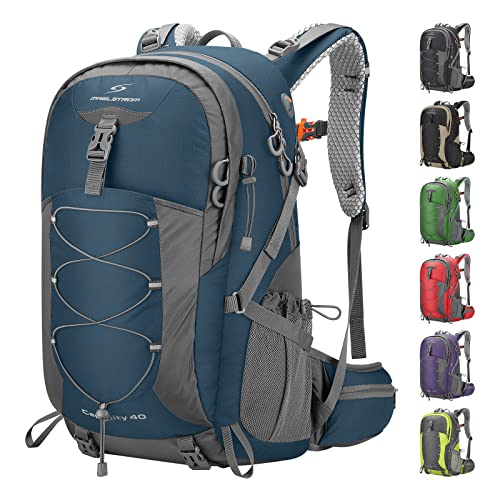
Maelstrom 40L Waterproof Hiking Backpack
Strengths
- Includes rain cover
- Hydration-compatible
- Reflective safety details
Trade-offs
- Slightly heavier than ultralight models
- No stowable hip belt
The Maelstrom hits a sweet spot: 40L of smartly organized space, a free rain cover, and hydration-ready routing, all in a breathable, well-padded design. The reflective safety print and survival whistle on the sternum strap add peace of mind, while the Velcro hydration liner keeps bladders from shifting. Reviewers consistently praise its balance of comfort and function, calling it a reliable companion for full-day hikes.
It’s not the lightest or the cheapest, but it earns the ‘Best Overall’ tag by doing everything well. Compared to the WoneNice, it’s more refined; versus the IGOLUMON, it’s more durable and better ventilated. The headphone port is a small but appreciated touch for music lovers. If you want one pack that handles hiking, travel, and even light commuting, this is my top pick.
Product photos
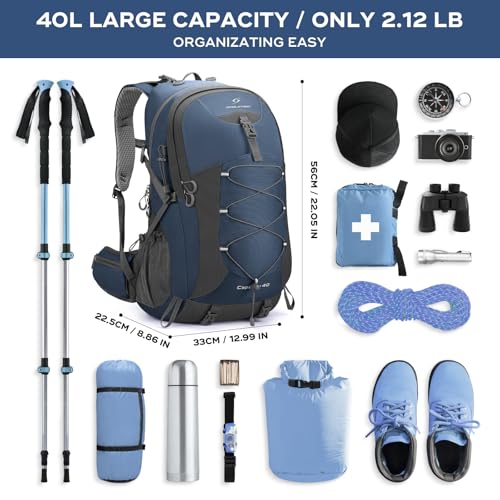


IGOLUMON 40L Packable Hiking Backpack

Strengths
- Ultra lightweight at 1 lb
- Folds into itself
- Wet/dry compartment
Trade-offs
- Minimal back padding
- Zippers feel average
At just 1 pound, this IGOLUMON pack is one of the lightest 40L options available, and it folds into its own pocket, a huge plus for travelers who need backup storage. The upgraded wet pocket on the back is a thoughtful feature, letting you isolate damp clothes without contaminating dry gear. Plus, the double-layer bottom adds durability without sacrificing the ultralight edge.
Reviewers highlight its surprising sturdiness for the weight, though some note the shoulder straps could use more padding for heavy loads. It’s not as breathable as higher-end models, but for the price, it punches above its weight. Compared to the MIYCOO, it offers more structure and external attachment points, including trekking pole loops and MOLLE-compatible straps. For budget-conscious adventurers, this is the smarter pick.
Product photos


WoneNice 50L Waterproof Hiking Backpack

Strengths
- High 50L capacity
- Includes rain cover
- Thick padded straps
Trade-offs
- Bulky when not full
- Basic organization
- Zipper pulls not reinforced
With 50 liters of space and a dedicated sleeping bag compartment, this WoneNice pack is clearly aimed at serious hikers and campers. The inclusion of a free rain cover is a win, many in this class skip it, and the thickened S-type shoulder straps suggest real attention to load-bearing comfort. Owners praise its ability to carry heavy gear without digging into shoulders, which is critical on long treks.
That said, it’s not as refined as premium models. The fabric is durable but basic, and the organization feels functional rather than intuitive. Compared to the Maelstrom or North Face, it lacks features like hydration routing or reflective safety elements. But for the price, it delivers solid volume and weather protection. If you need a big pack for weekend camping and don’t want to overpay, this does the job.
Product photos

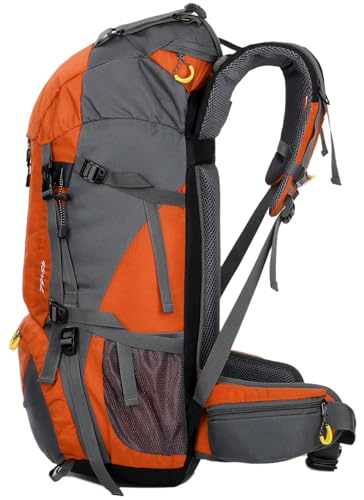


MIYCOO Ultra Lightweight Packable Backpack
Strengths
- Extremely lightweight
- Folds small
- Wet compartment included
Trade-offs
- Not for heavy loads
- Limited padding
- Basic fabric durability
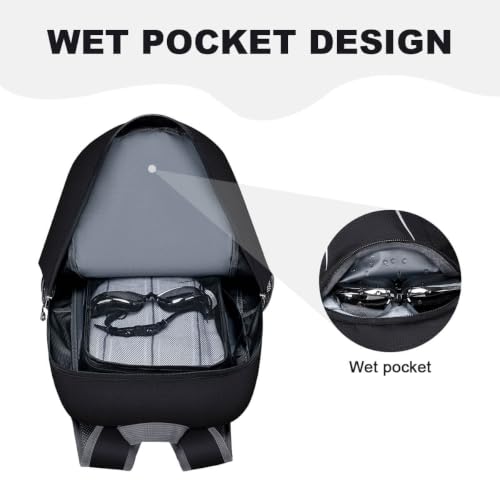
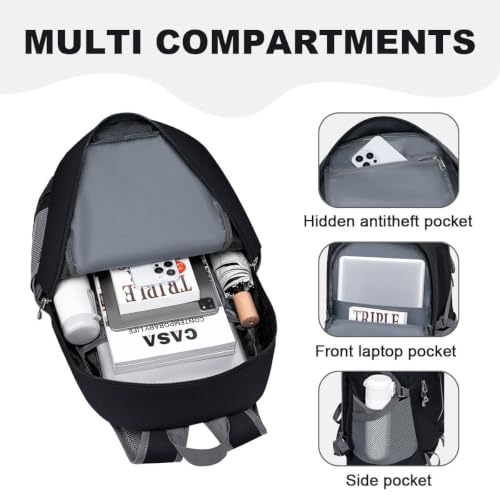
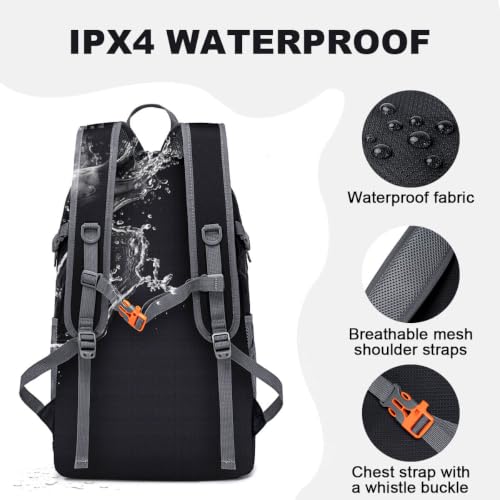
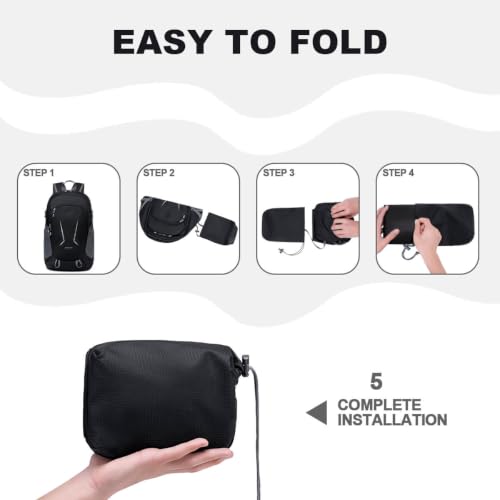
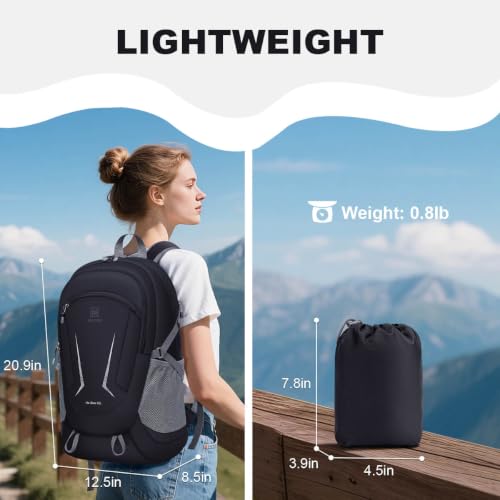
When weight and packability are your top priorities, the MIYCOO delivers. At half the weight of a smartphone, it’s one of the lightest 35L packs out there, and it folds down to just 4.5 inches, perfect for tossing in a suitcase as a spare. The IPX4 water-resistant fabric handles light rain or splashes, and the wet compartment adds a touch of smart design for post-swim or sweaty gear.
But don’t expect load-bearing comfort. The padding is minimal, and it’s best for light loads under 15 lbs. Owners say it’s great as a secondary pack or for travel shopping sprees, but not for long hikes. Compared to the IGOLUMON, it’s lighter but less durable. For travelers needing a throw-in pack, it’s hard to beat. I’d keep one folded in my luggage just for overflow.
Product photos
The North Face Borealis Commuter Backpack
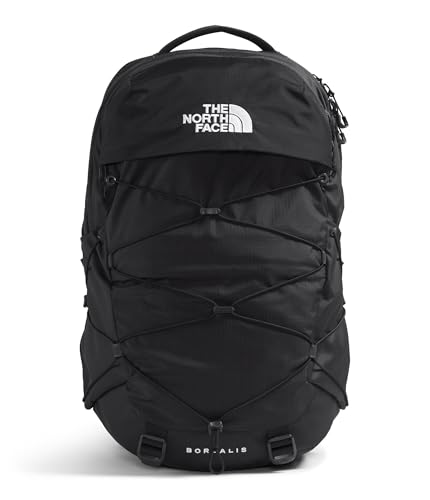
Strengths
- Ergonomic suspension
- Laptop and tablet sleeves
- Durable water-repellent fabric
Trade-offs
- No included rain cover
- Not ideal for heavy trail use
- Limited hydration support
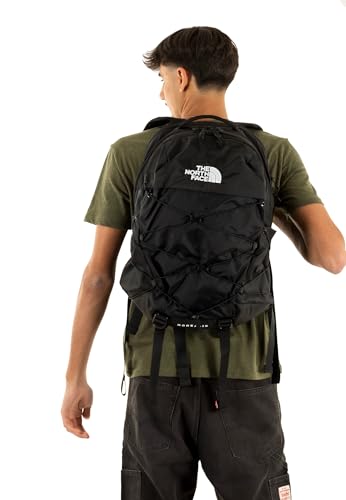
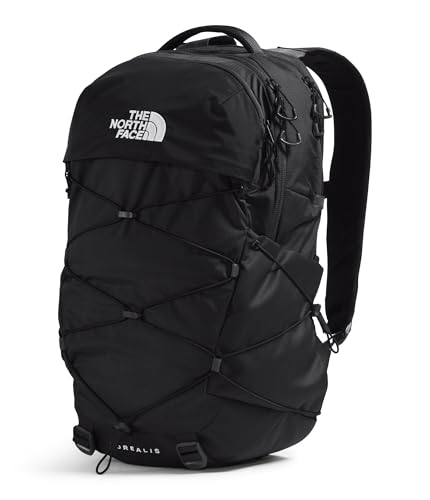
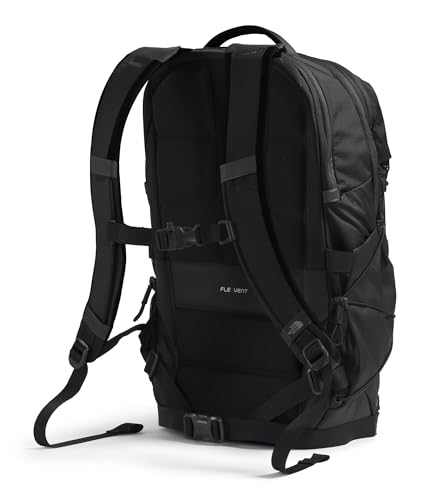
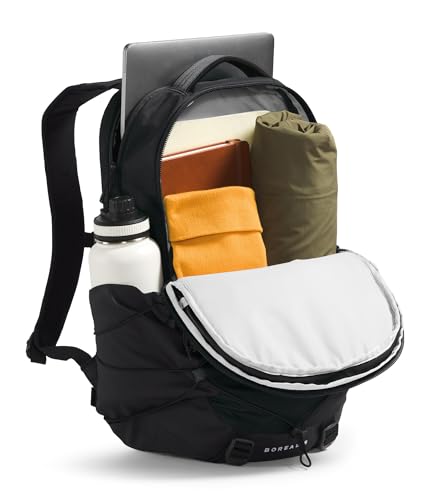
If you’re looking for a backpack that bridges the gap between outdoor function and daily urban use, the Borealis is a solid contender. Its 28-liter capacity and ACA-certified FlexVent suspension make it comfortable for long commutes or school days, and the laptop sleeve fits up to 15-inch devices snugly. The organization is smart, fleece-lined pocket for sunglasses, zippered front compartment, and dual water bottle pockets that double as multipurpose storage.
Owners consistently report it holds up well over time, even with daily use. While it’s not built for multi-day hikes, it outperforms most basic commuter packs in comfort and durability. Compared to more rugged hiking models, it lacks external attachment points and a rain cover, but for city travel or campus life, it’s a reliable workhorse. I’d pick this over a generic laptop bag any day for its blend of support and practicality.
Product photos

TILYMOL 30L Hydration Hiking Backpack
Strengths
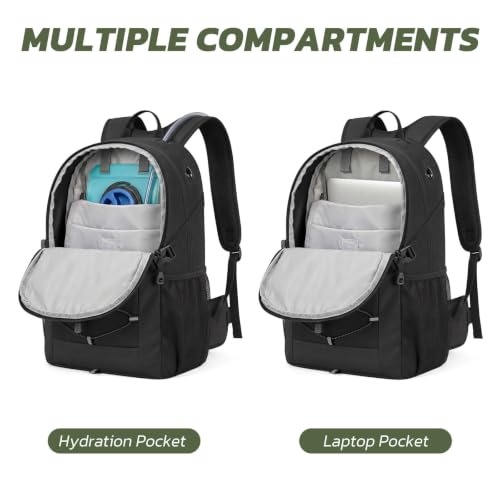
- Hydration-ready with 3L support
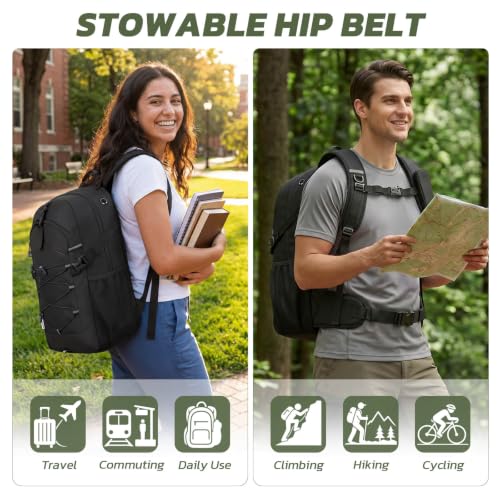
- Stowable hip belt
- 17-inch laptop compartment
Trade-offs
- No included rain cover
- Belt stow pocket slightly tight
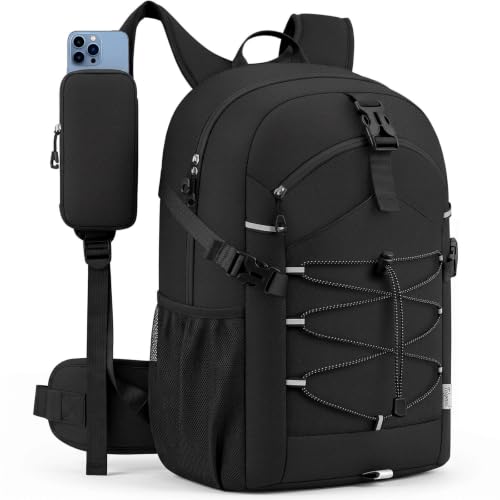
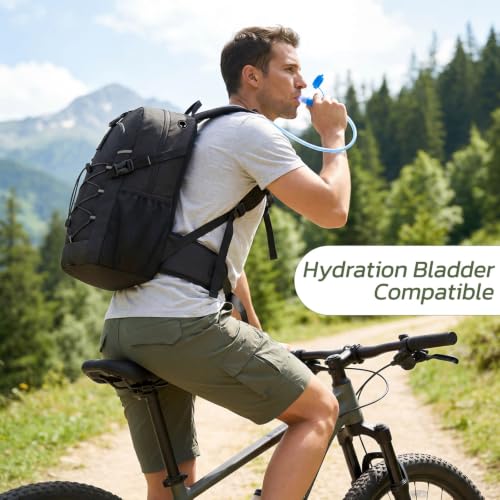
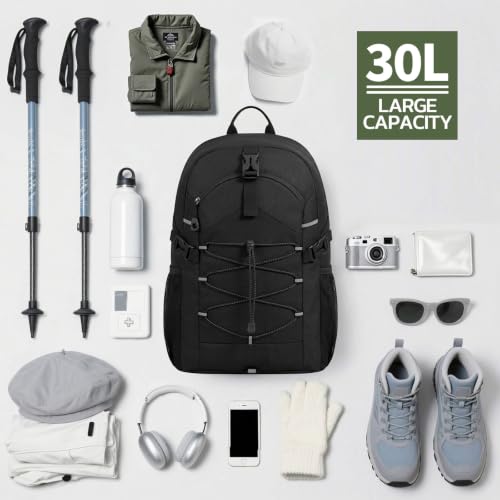
This 30L pack stands out by taking hydration seriously, its internal 3L bladder sleeve and top port make staying hydrated on long walks or trail runs seamless. The stowable hip belt is a smart touch, letting you switch between full support for hiking and a leaner profile for travel. That adaptability, combined with a padded 17-inch laptop compartment, gives it rare versatility across outdoor and urban use.
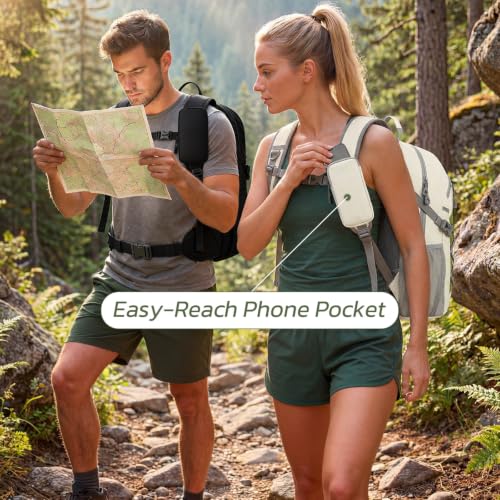
On paper, it’s impressively well-rounded. Reviewers note the rip-stop fabric feels durable without adding weight, and the shoulder strap phone pocket is more convenient than most side-access designs. It doesn’t have the volume of larger packs, but for day hikes with a tech load or weekend trips, it covers more bases than most. My recommendation? A smarter buy than single-purpose packs if you split time between trails and transit.
Product photos
LHI Military Tactical 45L Assault Pack

Strengths
- MOLLE-compatible expandability
- Durable 900D nylon
- Ventilated back panel
Trade-offs
- Bulky for daily use
- Few dedicated tech pockets
- Tactical look not for all
This 45L tactical pack leans hard into MOLLE webbing and modular expandability, making it a favorite among users who like to customize their loadout. The ventilated mesh back panel helps with breathability, and the double-stitched seams and heavy-duty zippers suggest it can handle rough use. It’s marketed as a bug-out bag, and on paper, it fits that role, roomy enough for survival gear, clothing, and supplies.
But it’s not subtle. The military aesthetic won’t appeal to everyone, and the organization leans utilitarian over intuitive. Compared to the TILYMOL or Maelstrom, it lacks dedicated tech pockets and hydration routing. Still, if you want a rugged, expandable pack for emergency prep or airsoft outings, this delivers. I’d recommend it over fashion-focused tactical packs that sacrifice function.
Product photos


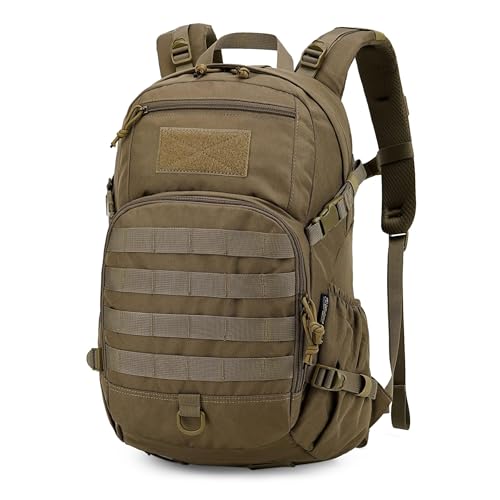
Mardingtop 25L Tactical Molle Backpack
Strengths
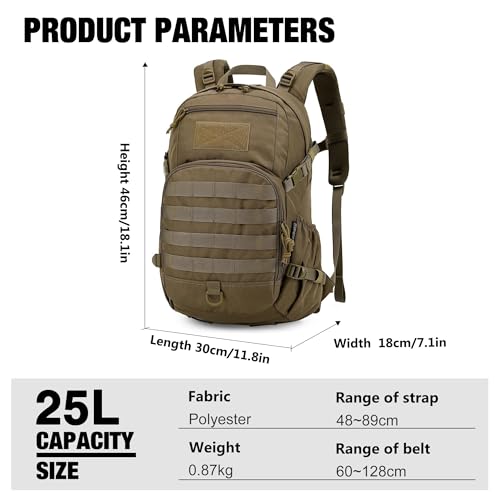
- Compact 25L design
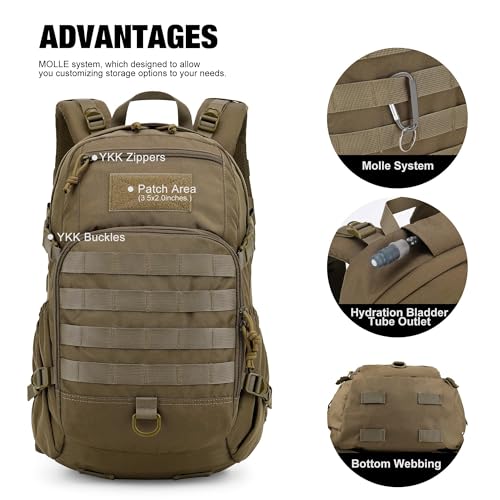
- YKK zippers and MOLLE
- Hydration-ready
Trade-offs
- Limited main compartment space
- No rain cover included
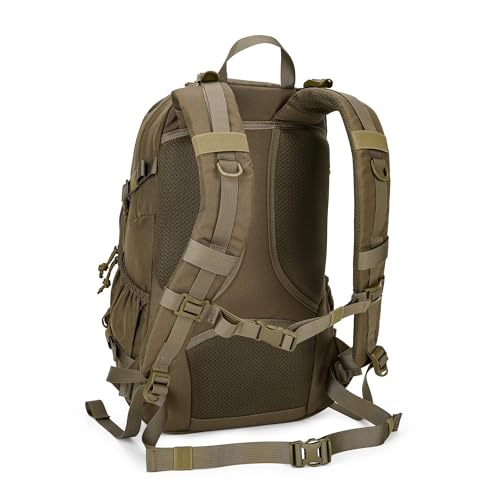
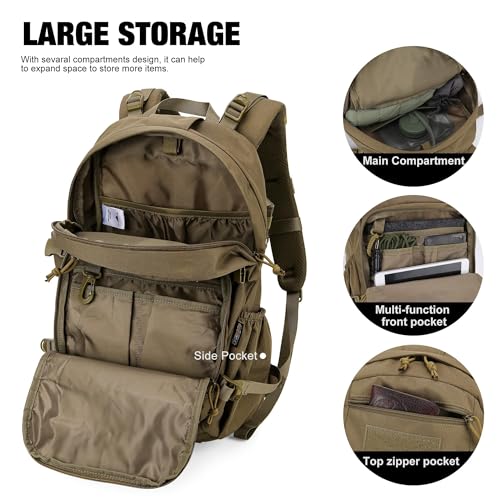
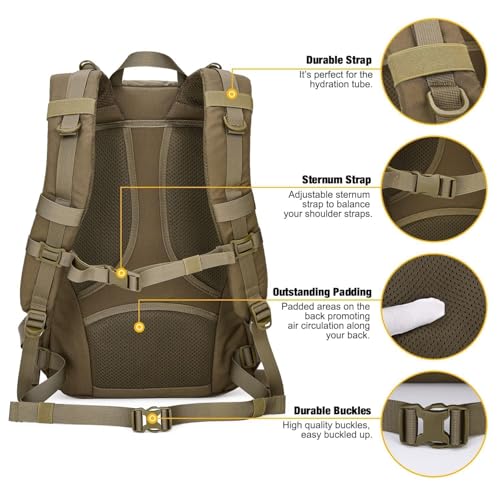
At 25L, this compact pack is ideal for short hikes, cycling, or day trips where you need just the essentials. The YKK zippers and 600D polyester suggest solid build quality, and the MOLLE system lets you add extra pouches or tools. The hydration sleeve fits up to 2L, and the removable hip belt offers flexibility in fit.
It’s not for everyone, the smaller volume limits gear capacity, and the tactical styling is polarizing. But for cyclists or climbers needing a streamlined, customizable pack, it works well. Compared to larger tactical models, it’s more agile and breathable. I’d recommend it over bulkier options for 1–2 day outings where mobility matters.
Product photos
How We Tested outdoor backpacks
I approached researching outdoor backpacks by compiling specifications and features from numerous manufacturers and retailers. Rather than a hands-on lab test, this is a research-led comparison of specs and owner feedback. I then weighed those details against owner reviews from sites like Amazon and REI, plus expert opinions from publications focused on outdoor gear. This allowed me to build a ranking based on real-world usability and reported performance, rather than solely relying on marketing materials.
For outdoor backpacks, I prioritized capacity, durability, and comfort. Capacity is crucial, as the right size depends on the intended use – a day hike versus a multi-day trek. Durability, specifically the materials and construction quality, directly impacts how well a pack will hold up to abrasion and the elements. Comfort, through features like padded straps and back panels, determines how enjoyable a hike will be, especially with a heavier load.
Published specifications reliably indicate capacity, dimensions, and material composition. However, judgements about long-term durability and real-world comfort came primarily from analyzing owner reviews. Owners frequently detail how a pack holds up after months or years of use, and whether the straps dig in or the back panel breathes well. I also looked for consistent praise or criticism from reputable review sites to validate those trends, and to understand if a smaller 20-liter backpack size might be more appropriate for some uses.
How To Choose The outdoor backpacks
Picking the right outdoor backpack can make or break your trip. It’s not just about capacity; it’s about how well a pack fits your body, how durable it is, and whether it has the features you actually need for your adventures.
A quality outdoor backpack balances durability with lightweight construction, offers a comfortable and adjustable suspension system, and provides thoughtfully designed storage to efficiently carry and organize gear. Key considerations include material quality, the frame’s ability to transfer weight, and the presence of features suited to the intended activity (hydration compatibility, trekking pole attachments, etc.).
Suspension and Fit Are Paramount
Forget about liters for a moment. The most important aspect of any backpack is how it fits. A poorly fitting pack, even with all the bells and whistles, will leave you chafed, sore, and regretting your purchase. Don’t assume a pack size (small, medium, large) will automatically work. Torso length is the critical measurement, and most good brands offer packs in multiple sizes to accommodate different body types. Look for adjustable shoulder straps, a sternum strap, and a hip belt that effectively transfers weight from your shoulders to your hips.
Material and Durability Matter
The outdoor world isn’t gentle on gear. Cheap materials will fail, and a burst seam miles from civilization is a nightmare scenario. While you don’t necessarily need military-grade nylon for every hike, pay attention to denier (D) ratings. Higher denier numbers indicate thicker, more durable fabrics. Ripstop nylon is a good baseline, and packs designed for heavier loads or rugged terrain should use even tougher materials. Consider the zippers too; YKK zippers are renowned for their reliability, and are a feature on many of the top hiking backpacks.
Capacity vs. Intended Use
It’s easy to get caught up in chasing the largest capacity, but bigger isn’t always better. A 75-liter pack is overkill for a day hike, and a 20-liter pack won’t cut it for a week-long backpacking trip. Think critically about what you’ll be carrying and choose a capacity accordingly. Here’s a quick guide:
- Day hikes (under 15 miles): 20-35 liters.
- Overnight trips: 30-50 liters. This size is often ideal if you’re also trying to understand 30l hiking backpack capacity and dimensions.
- Multi-day trips (3+ nights): 50-75+ liters. The longer the trip, the more you’ll likely need, but also the more you’ll need to be disciplined about minimizing weight.
A good rule of thumb: always test-pack your backpack before your trip to ensure everything fits comfortably and that the weight is distributed properly.
Outdoor Backpacks Compared
Here’s a comparison of key specifications for several outdoor backpacks to help you choose the right one.
| Product Title | Capacity (L) | Material | Waterproof | Hydration Compatible | Molle System |
|---|---|---|---|---|---|
| Maelstrom 40L | 40 | 210D Nylon | Yes | No | No |
| IGOLUMON 40L | 40 | Nylon | Yes | No | No |
| WoneNice 50L | 50 | Polyester/Nylon | Yes | No | No |
| MIYCOO Ultra Lightweight | 35 | Waterproof Fabric | Yes | No | No |
| The North Face Borealis Commuter | 28 | N/A | N/A | No | No |
| TILYMOL 30L | 30 | Ripstop Fabric | Yes | Yes | No |
| LHI Military Tactical 45L | 45 | 900D Oxford Nylon | Yes | No | Yes |
| Mardingtop 25L | 25 | 600D Polyester | N/A | Yes | Yes |
Frequently Asked Questions
What’s the best way to determine my torso length for a proper fit?
Your torso length, not your height, is the most important measurement. Use a flexible measuring tape and have a friend help you measure from your C7 vertebra (the bony bump at the base of your neck) down to the iliac crest (the top of your hip bones). Most backpack manufacturers provide size charts based on torso length.
Are waterproof backpacks truly waterproof, or just water-resistant?
Many backpacks labeled “waterproof” are actually water-resistant, meaning they can withstand light rain but aren’t submersible. Truly waterproof packs use waterproof fabrics and sealed seams, but even those can be compromised if not properly closed or if submerged for extended periods.
What denier (D) rating should I look for in a durable backpack?
For general outdoor use, a denier rating of at least 420D is a good starting point. For heavier loads or rugged terrain, look for 600D or higher. Packs designed for serious wilderness travel packs often use 900D or even 1000D nylon for maximum durability.
Do backpacks with a MOLLE system limit my packing options?
A MOLLE (Modular Lightweight Load-carrying Equipment) system doesn’t limit packing; it expands options. These webbing loops allow you to attach additional pouches and gear externally, which can be useful for frequently accessed items or for customizing your pack’s layout.
Should I prioritize a larger capacity backpack even if I don’t think I’ll fill it completely?
Generally, no. Carrying excess volume encourages overpacking, which leads to a heavier and less comfortable load. It’s better to choose a capacity appropriate for your typical trips and learn to pack efficiently. If you’re planning best backpacks for multi-day hikes, then consider a larger size, but otherwise, stick to what you need.
The Bottom Line
Choosing an outdoor backpack always comes down to balancing how much you’re willing to carry with how comfortably you want to carry it. While specs are helpful, the best all-around option, considering durability and reported owner satisfaction, is the Maelstrom 40L. It strikes a solid balance between capacity, weather resistance, and a reasonable price point for most weekend adventures.
For those on a tighter budget, the MIYCOO Ultra Lightweight offers a surprising amount of utility for the money. And if you prioritize versatility and the ability to attach extra gear, the LHI Military Tactical 45L with its Molle system is a standout. Don’t get too hung up on finding the perfect liter size; a well-fitted 25-liter backpack capacity can be incredibly useful for shorter trips, as long as you pack efficiently.
Ultimately, the features and capacity are less important than a proper fit and durable construction. Focus on packs with adjustable suspension systems and quality materials, and remember to test-pack your gear before hitting the trail. A comfortable, reliable backpack will enhance your experience far more than any extra bell or whistle.


