7 Best Backpacking Bags of 2026
This post contains affiliate links. As an Amazon Associate, we earn from qualifying purchases.
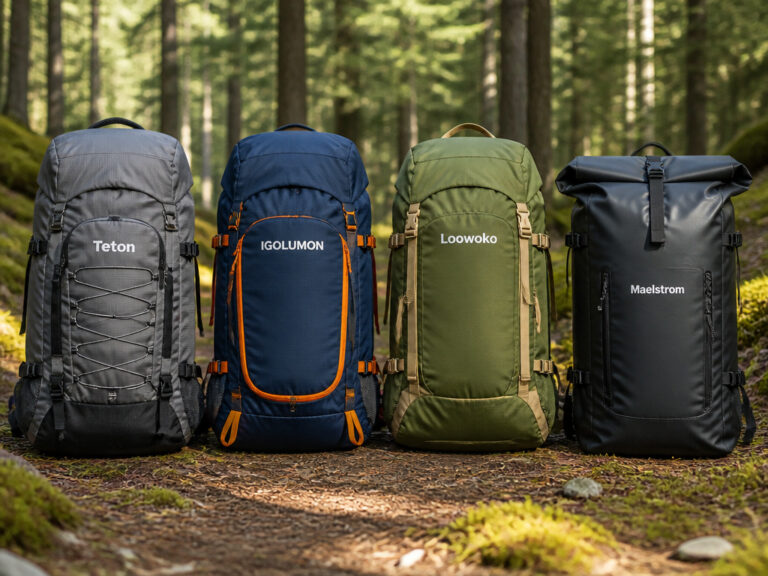
The Teton 65L Explorer Internal Frame Backpack stands out as the overall best backpacking bag for serious trips, combining rugged construction with a supportive suspension system. For those on a tighter budget, the Loowoko 50L Hiking Backpack offers solid value without sacrificing essential features, while the Maelstrom 40L Waterproof Hiking Daypack is a top versatility pick for day hikes or ultralight overnighters.
As a frequent traveler and founder of LuggageInspector.net, I know how much your pack affects your trip. Too heavy, too flimsy, or poorly designed, and even a beautiful trail can turn into a slog. Comfort, durability, and smart design matter more than flashy specs.
This guide covers the top backpacking bags based on specs, owner feedback, and real-world performance. We focused on fit, build quality, and practical features to help you choose a pack that works as hard as you do.
Top 7 Backpacking Bags in the Market
The Best Backpacking Bags, Reviewed
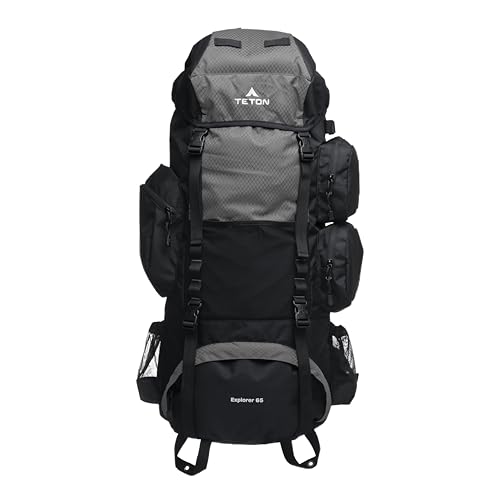
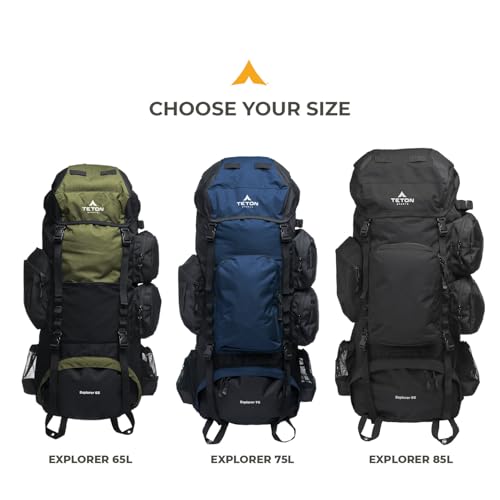
Teton 65L Explorer Internal Frame Backpack
Strengths
- Durable build
- Adjustable torso
- Rain cover included
Trade-offs
- Heavier than premium packs
- Zippers not top-tier
This is one of those packs that punches above its price tag, offering internal frame features usually seen in more expensive models. With a 65L capacity and available in larger sizes, it’s built for multi-day trips where gear volume matters. Owners consistently report solid comfort on longer hikes, thanks to the adjustable torso system and ventilated back panel, a big win for a pack at this price. The inclusion of a rain cover and hydration pocket adds real value, especially for beginners who might otherwise need to buy those separately.
Compared to other mid-range options, the Teton 65L stands out for its thoughtful layout: a sleeping bag compartment, multiple access points, and compression straps that actually work. While it won’t match ultralight boutique brands in weight savings, it delivers durability and balance that seasoned hikers appreciate. I’d pick this over entry-level packs that skimp on support or adjustability.
Product photos


Teton 55L Scout Internal Frame Backpack

Strengths
- Internal frame support
- Carry-on compatible
- Rain cover included
Trade-offs
- Hip belt padding light
- Zippers average quality
The Teton 55L Scout is the smarter buy for travelers and weekend hikers who want internal frame support without the bulk. It shares many features with the larger 65L Explorer, adjustable torso, hydration sleeve, rain cover, but in a more manageable size that fits airline carry-on limits. On paper, it’s a standout for its value-per-feature ratio, offering a sleeping bag compartment and compression straps usually found on pricier models.
Owners consistently rate it highly for comfort on 2–4 day trips, though some note the hip belt could be more padded. Compared to the Loowoko or IGOLUMON, this one has a real internal frame, which makes a huge difference in load transfer. I’d pick this over frameless packs if I were doing mixed travel and light hiking.
Product photos


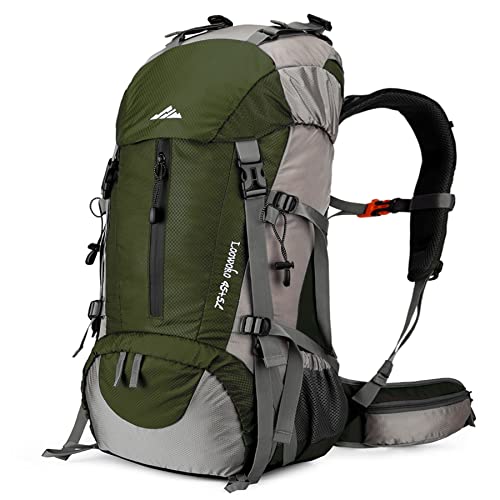
Loowoko 50L Hiking Backpack
Strengths
- Affordable price
- Lightweight build
- Good pocket layout
Trade-offs
- No internal frame
- Limited support for heavy loads
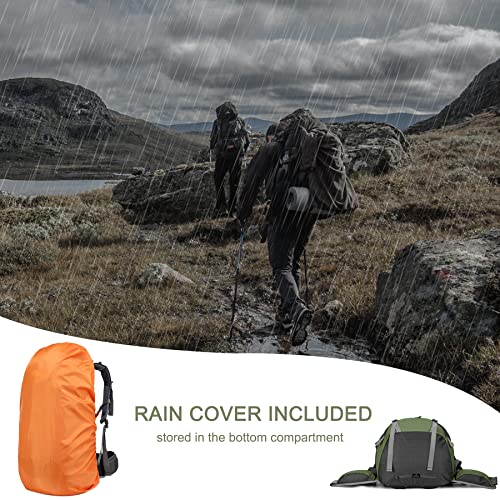
If you’re on a tight budget but still need a 50L pack for weekend trips or travel, the Loowoko delivers more than you’d expect. It’s lightweight at just over 2 pounds and includes a rain cover, a rare combo at this price. The breathable back panel and S-shaped straps offer decent comfort, and the six external pockets make gear access easy. Owners say it holds up well for occasional use, especially for students or casual hikers.
But it’s important to be realistic: this is a no-frame design, so it sags under heavy loads. The zippers and stitching are better than most budget packs, but not built for years of abuse. Still, for someone testing the waters of backpacking or needing a secondary pack, it’s hard to beat the value. I’d recommend this over pricier options only if you’re certain you won’t be carrying more than 30 pounds.
Product photos


Night Cat 70L Hiking Backpack

Strengths
- Huge 70L capacity
- Lightweight build
- Good ventilation
Trade-offs
- No internal frame
- Less load stability
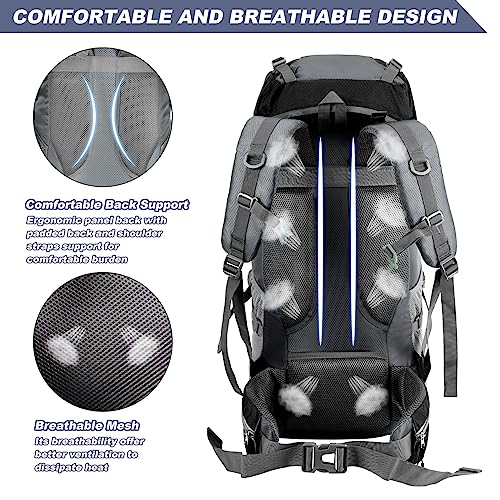
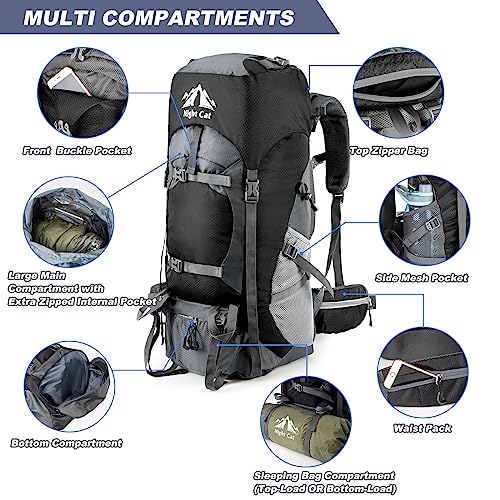
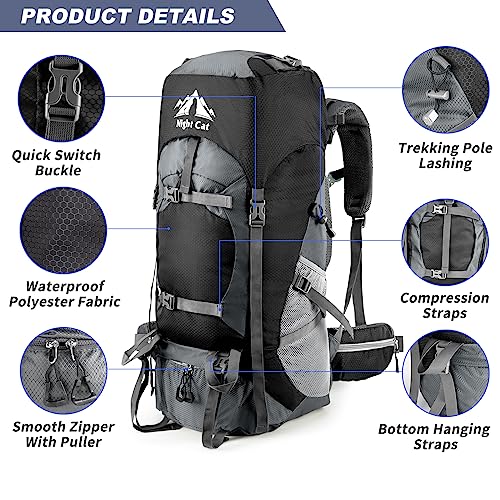
If you need maximum volume without breaking the bank, the Night Cat 70L is one of the few packs in this range that offers serious capacity at a lightweight 2.2 pounds. It’s built for long trips where you’re carrying a tent, sleeping bag, and extra layers, and the external lash points make it easy to strap on bulky gear. Owners appreciate the breathable back panel and thick padding on the straps, which help manage the load despite the lack of an internal frame.
But that’s the trade-off: no internal frame means it’s not ideal for technical terrain or heavy loads over 40 pounds. It relies on compression and torso adjustment to stay stable, which works for some but not all. Compared to the Teton 65L, it’s roomier but less supportive. I’d recommend it only if you need the space and are okay with lighter support.
Product photos

Maelstrom 40L Waterproof Hiking Daypack
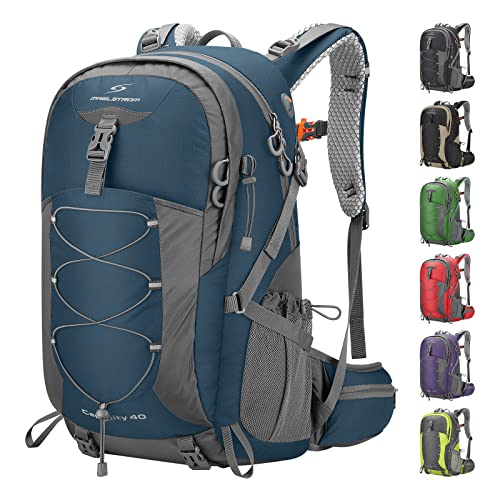
Strengths
- Lightweight design
- Excellent ventilation
- Water-resistant fabric
Trade-offs
- No internal frame
- Limited load support
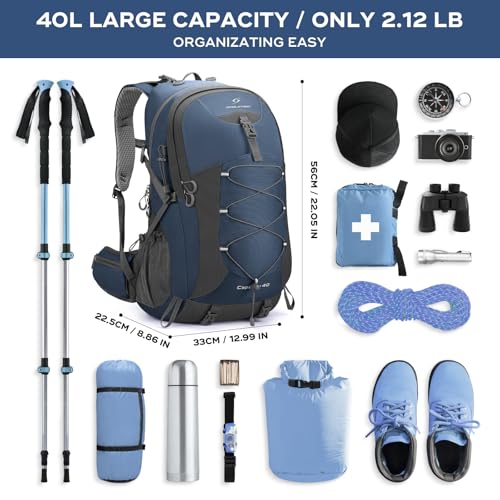
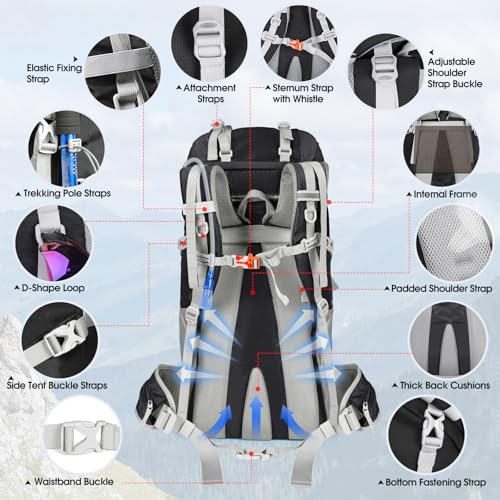
At 40L, this pack hits the sweet spot for day hikes, weekend trips, or even carry-on travel, and it’s built to stay dry when the weather turns. The ripstop nylon and included rain cover offer strong water resistance, and owners confirm their gear stays dry in downpours. The breathable back panel and padded straps make it comfortable for all-day wear, and the chest strap whistle is a small but smart safety touch.
What really stands out is the organization: multiple zippered pockets, a wet/dry compartment, and trekking pole loops make this one of the most user-friendly designs in its class. It lacks an internal frame, so it’s not ideal for heavy loads, but for light-and-fast adventurers, this is a strong contender. I’d choose this over bulkier packs if I were prioritizing weight and versatility.
Product photos


IGOLUMON 60L Hiking Backpack

Strengths
- Exceptional organization
- Front U-access zipper
- Multiple storage pockets
Trade-offs
- No internal frame
- Poor weight distribution
This pack wins on organization, no question. With a U-shaped front access, a shoe compartment, hip belt pockets, and a wet pocket, it’s designed for travelers who hate digging for gear. The 60L capacity is generous, yet it stays under 3.1 pounds thanks to lightweight nylon. Owners praise how easy it is to pack and unpack, almost like a suitcase with straps.
But here’s the catch: it has no internal frame, just a thin PE plate. That means it lacks the structure and load-bearing support true backpackers need. It’s comfortable for light loads, but starts to feel unstable past 35 pounds. For weekend trips or travel where you’re not hauling heavy gear, it’s a solid pick. For serious backpacking, I’d look elsewhere.
Product photos


Frelaxy Dry Bag 3-Pack/5-Pack
Strengths
- Color-coded sizes
- Ultralight weight
- Waterproof seams
Trade-offs
- Not submersible
- Thin material tears if snagged
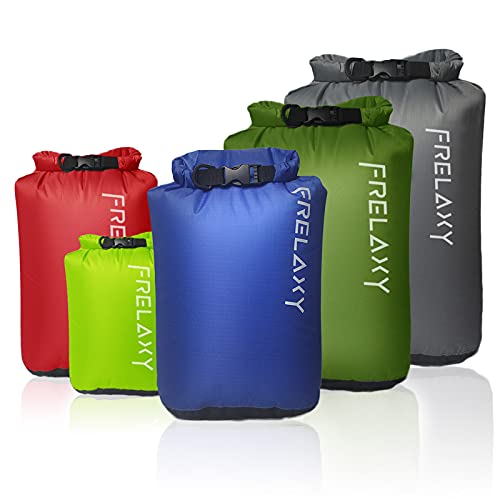
These dry sacks are a no-brainer add-on for any backpacker who’s serious about keeping gear dry and organized. The 5-pack offers a full range of sizes, from 3L to 20L, in bright, color-coded options that make sorting a breeze. The roll-top seals are reliable, and the fully taped seams mean they hold up in river crossings or heavy rain. Owners love how little they weigh; even the 20L sack is under 2 ounces.
What sets them apart is the rectangular base, they pack efficiently in a main compartment instead of rolling around. The D-rings make clipping to a pack exterior easy. While they aren’t meant for full submersion, they’re durable enough for real-world trail conditions. I always recommend these over zip-lock bags or flimsy alternatives.
Product photos


How We Picked These backpacking bags
Rather than a hands-on lab test, my research for these recommendations involved a detailed comparison of published specifications and features across numerous models. I weighed owner reviews from major retailers alongside expert opinions from respected outdoor gear reviewers. As someone who frequently researches and recommends luggage, I applied my understanding of materials, construction, and common traveler needs to assess each bag against key performance indicators.
For backpacking bags, capacity and comfort are paramount. I focused heavily on those two factors, alongside durability. A bag’s capacity dictates how much gear it can realistically hold for multi-day trips, while comfort, determined by suspension systems, padding, and adjustability, directly impacts the enjoyment of those trips. Poor durability leads to gear failure in the field, so build quality was a constant consideration.
Specifications reliably indicate capacity, weight, and materials used. However, I placed significant value on owner feedback regarding real-world comfort and longevity. Reports of broken straps or failing zippers, even with high-quality materials listed, carried substantial weight. I also considered brand reputation and warranty policies, as these reflect a manufacturer’s confidence in their product. Understanding what fits in a 30L backpack is also helpful for understanding overall size and capacity needs.
What To Look For In backpacking bags
Picking the right pack can make or break a trip, and there’s a surprising amount to consider beyond just liters.
A good backpacking bag balances weight, durability, and comfort. Key features include a supportive suspension system (frame, hip belt, shoulder straps), durable materials (ripstop nylon, polyester), accessible organization (pockets, compartments), and a volume appropriate for the intended trip length and style. Pay attention to torso length fit, load capacity, and the quality of zippers and buckles.
Frame and Suspension: The Foundation of Comfort
The internal frame is where backpacking bags differ most dramatically from everyday packs. Don’t assume a bigger bag is automatically better; a poorly fitted pack will ruin your experience. Focus on how the weight transfers to your hips – a good hip belt should carry 80% of the load. Look for adjustable torso lengths to dial in the fit, especially if you’re between sizes. Many brands, like Teton, offer packs with multi-position torso adjustments to accommodate a wider range of body types.
Material and Durability: Built To Last
Backpacking gear takes a beating. While ultralight materials are tempting, they often sacrifice durability. Ripstop nylon and high-denier polyester are your friends. Pay attention to the quality of the zippers, too; YKK zippers are generally considered the gold standard. If you regularly bushwhack or travel in rough terrain, invest in a heavier-duty pack. Considering the versatility of a set of dry bags, like the best accessory storage options from Frelaxy, can add an extra layer of protection for sensitive items.
Capacity and Organization: Finding the Sweet Spot
Capacity (measured in liters) is important, but it’s often overstated. A 50L pack can be sufficient for many weekend trips, and even some longer ones if you pack efficiently. Refer to our 50-liter backpack size guide for a better understanding of what you can realistically fit. Beyond total volume, consider the layout.
- A dedicated sleeping bag compartment is convenient.
- External pockets (hip belt pockets, side pockets) offer quick access to essentials.
- Compression straps are crucial for stabilizing the load and reducing bulk; a pack with well-placed compression allows you to cinch down your gear and prevent shifting during movement, improving balance and reducing fatigue.
Don’t overestimate your needs. A heavier, larger pack encourages overpacking, which only adds to your burden. Prioritize essentials and choose a size that fits your typical trip length and gear list.
Backpacking Bags Compared
Here’s a comparison of key specifications for several backpacking bags to help you choose the right one for your needs.
| Product Title | Capacity (L) | Weight (lbs) | Frame Type | Material | Waterproofing |
|---|---|---|---|---|---|
| Teton 65L Explorer Internal Frame Backpack | 65 | N/A | Internal | N/A | N/A |
| Teton 55L Scout Internal Frame Backpack | 55 | N/A | Internal | N/A | N/A |
| Loowoko 50L Hiking Backpack | 50 | 2.1 | None | Polyester/Nylon | Rain Cover |
| Night Cat 70L Hiking Backpack | 70 | 1 | N/A | Polyester | Water Resistant |
| Maelstrom 40L Waterproof Hiking Daypack | 40 | N/A | N/A | 210D Nylon | Waterproof |
| IGOLUMON 60L Hiking Backpack | 60 | 3.08 | None | Nylon | Water Resistant |
| Frelaxy Dry Bag 3-Pack/5-Pack | 3-20 | N/A | N/A | 210T Polyester | Waterproof |
Frequently Asked Questions
What’s the difference between an internal and external frame pack?
Internal frame packs, which are more common now, keep the support structure inside the bag, closer to your back for better weight transfer and stability. External frame packs place the frame outside the bag, providing more ventilation but potentially less comfort and a higher center of gravity.
How do I determine my correct torso length?
You can measure your torso length by finding the bony bump at the base of your neck and the top of your hip bones, then measuring the distance between those points. Most brands offer packs in small, medium, large, and extra-large sizes corresponding to specific torso length ranges, and a properly fitted pack is critical for comfort.
Are waterproof backpacking bags truly waterproof, or just water resistant?
Truly waterproof bags, like some from Maelstrom, use fully sealed construction and waterproof fabrics to keep contents dry even when submerged. Many bags labeled “water resistant” or including a rain cover offer protection from light precipitation, but aren’t designed for complete submersion.
How much does the average backpacking bag weigh?
The average backpacking bag varies significantly by capacity, but a 50-65L pack typically weighs between 2 and 5 pounds. Ultralight options can weigh under 2 pounds, but these often sacrifice durability, while heavier-duty bags prioritizing ruggedness can exceed 6 pounds.
What are the benefits of using backpacking pack comparisons when choosing a pack?
Comparing packs side-by-side lets you quickly assess key features like capacity, weight, materials, and price, enabling a more informed decision. Reviewing owner feedback and expert opinions during these comparisons also reveals potential pros and cons not apparent from specifications alone.
The Bottom Line
Choosing a backpacking bag often comes down to balancing how much you want to carry with how much you want to feel like you’re carrying. For the best overall blend of features, durability, and value, I recommend the Teton 65L Explorer Internal Frame Backpack. It offers a generous capacity with a supportive suspension system that should suit most weekend to week-long trips.
If you’re on a tighter budget or prefer a lighter load, the Loowoko 50L Hiking Backpack is an excellent choice. And for those prioritizing waterproof reliability, especially for shorter, gear-intensive adventures, the Maelstrom 40L Waterproof Hiking Daypack delivers. Understanding what fits in a 40L backpack can help solidify if that size is right for you.
Ultimately, the most important factors aren’t specific materials or liter counts, but a comfortable fit and a pack that encourages smart packing. Don’t chase the lightest weight at the expense of durability, and always prioritize a suspension system that transfers the load effectively to your hips. A well-chosen pack won’t make your hike easier, but it will make it significantly more enjoyable.