5 Best Modular Backpacks for Urban Commuting 2026
This post contains affiliate links. As an Amazon Associate, we earn from qualifying purchases.
The VIKTOS Counteract 27 CCW stands out as the best modular backpack for urban commuting, combining rugged build quality with flexible organization. For those on a tighter budget, the Oxford Atlas B-20 offers impressive durability and modularity at a lower price point. And if you need maximum adaptability, the DEFCON 5 Modular Backpack delivers with its full MOLLE compatibility.
City commutes are unpredictable. You need a bag that can handle a laptop, gym clothes, groceries, or even a quick work presentation, all without falling apart or leaving you fumbling for your keys. A good modular system should make your life easier, not turn into a cluttered mess by Tuesday.
As someone who’s evaluated hundreds of travel bags for LuggageInspector.net, I focused on real-world feedback, material quality, and how well each pack’s modularity actually works in daily use. These picks balance smart design, long-term durability, and practical flexibility, so you’re not just buying a backpack, but building a reliable carry system.
Top 4 Modular Backpack Systems For Urban Commuting in the Market
The Best Modular Backpack Systems For Urban Commuting, Reviewed
DEFCON 5 Modular Backpack
Strengths
- Durable 1000D fabric
- Full Molle compatibility
- Large 60L capacity
Trade-offs
- Bulky for daily urban use
- Minimal back ventilation
- Heavy empty weight
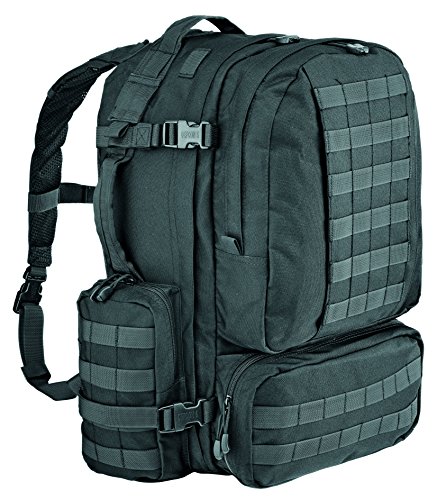
On paper, the DEFCON 5 looks like a rugged, no-frills option for budget-focused buyers who want real modularity without paying a premium. Built with 1000D polyester rip stop and a full Molle system, it’s clearly designed for heavy customization, ideal if you’re loading it with tactical or EDC gear. The 60-liter capacity is massive for urban commuting, which makes it overkill for most daily riders, but that could work in favor of weekend warriors or those who need to haul extra layers or tools.
Owners consistently report it holds up well under strain and abuse, though comfort over long walks isn’t a strong suit, the padding and airflow aren’t on par with more refined urban packs. Compared to sleeker models like the VIKTOS Counteract, it trades discretion for utility. If you’re after a workhorse bag that can be rigged for multiple roles and don’t mind the bulk, this delivers solid value.
Product photos
Oxford Atlas B-20 Backpack
Strengths
- Fully waterproof liner
- Magnetic sternum strap
- Motorcycle integration
- Durable YKK zippers
Trade-offs
- Limited urban modularity
- Niche-focused design
- Fewer tech pockets
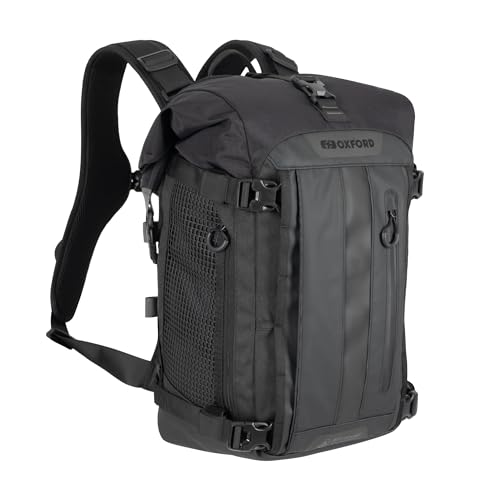
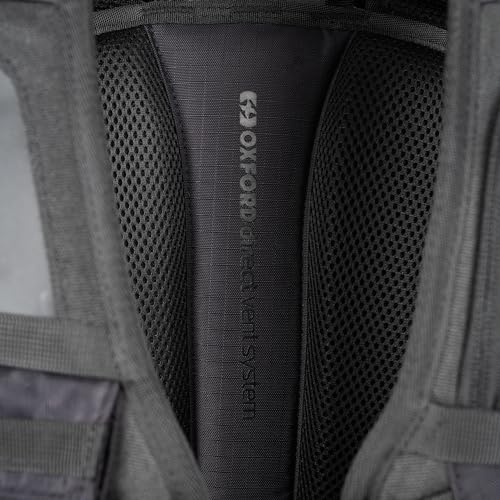
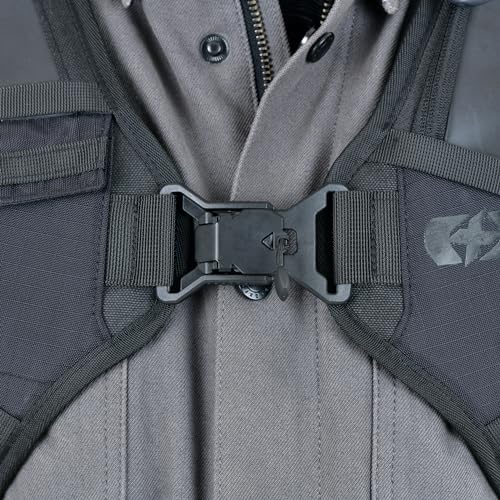
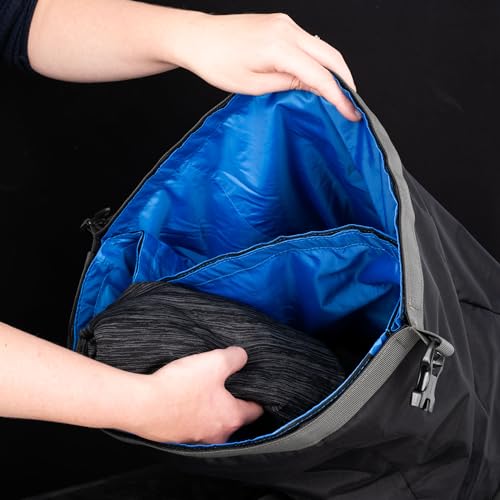
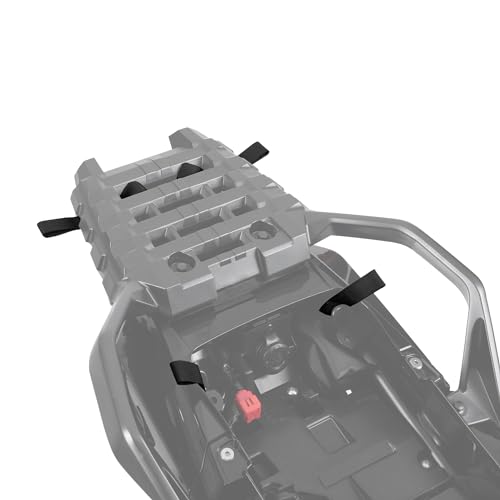
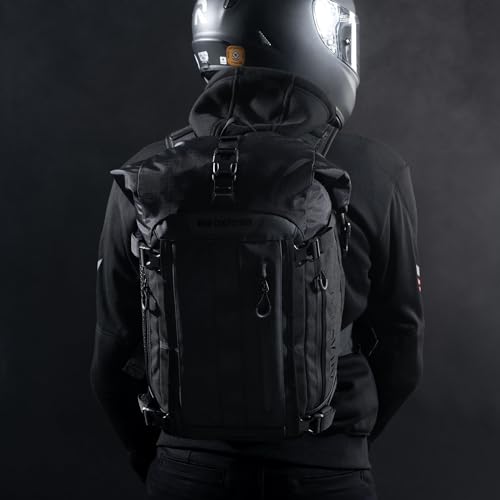
This isn’t just a backpack, it’s part of a full modular motorcycle system, and that shows in every detail. The magnetic sternum strap, YKK AQUAGUARD zippers, and 3-point roll top closure are built for wet, high-vibration environments, and the detachable waterproof liner is a major win for riders caught in downpours. The inclusion of G-hooks and connection straps means it integrates directly with Oxford’s tank bags and tail racks, which no other pack here can match.
Owners praise its stability at highway speeds and the thoughtful touches like the motorway pass pocket and reflective elements. It’s lighter than the DEFCON 5 and more focused than the VIKTOS, though the 20L capacity won’t suit those hauling full work kits. If you’re on a bike daily, this is the only one engineered specifically for that reality.
Product photos
Think Tank Urban Access 15
Strengths
- Rapid camera access
- Full-back opening
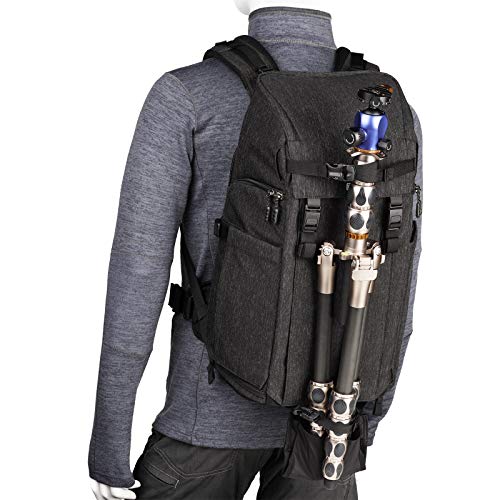
- Tripod mount
- Includes rain cover
Trade-offs
- Small total capacity
- Minimal modularity
- Higher learning curve
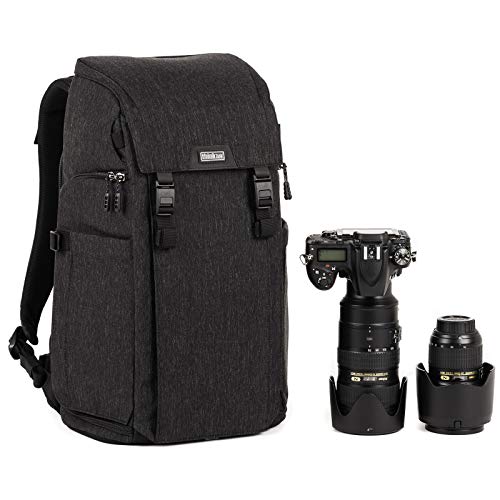
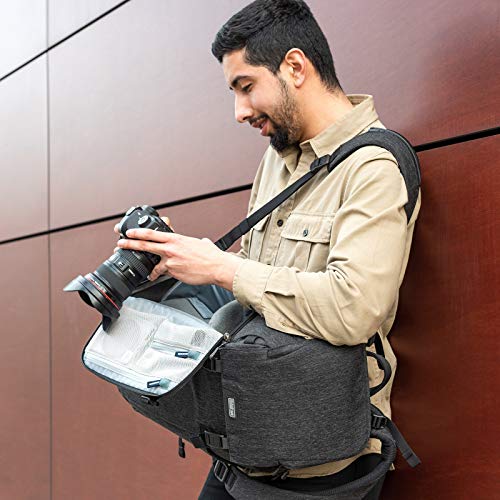
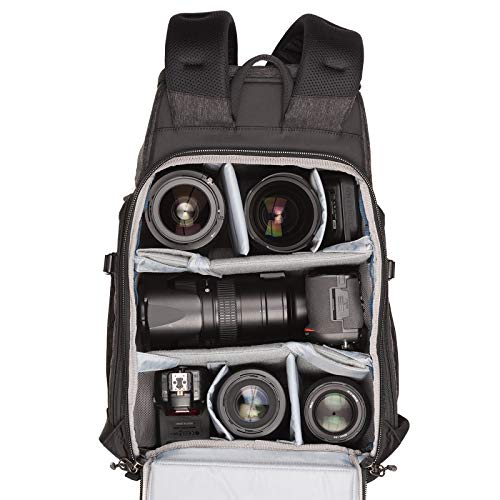
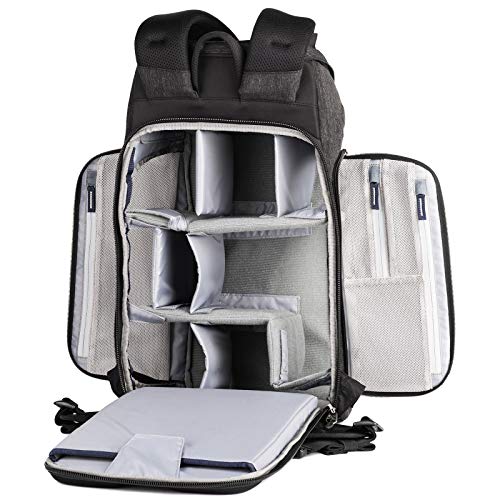
If you’re carrying photography gear or a mix of tech and lenses, this pack is built for your workflow. The ability to access a 70-200mm f/2.8 lens without removing the bag is a real differentiator, something urban photographers consistently highlight. The full-back panel access and two side openings make loading and reaching gear fast, and the included waist belt adds stability when moving quickly through crowds.
At 15 liters, it’s the smallest here, so it won’t fit bulky modular trays or extra clothing. But the dedicated 15″ laptop pocket and tripod mount make it a precision tool for creatives. Compared to the VIKTOS or DEFCON, it’s less about tactical flexibility and more about efficient, pro-grade access. For anyone hauling high-value gear, the Think Tank justifies its niche.
Product photos
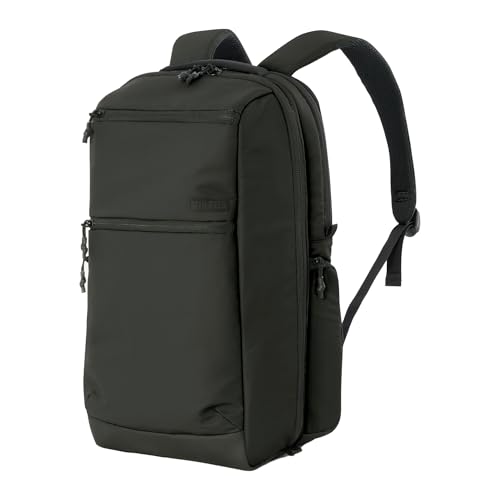
VIKTOS Counteract 27 CCW Backpack
Strengths
- Removable Outright Tray
- Hook and loop interior
- Smooth side access
- Water-resistant fabric
Trade-offs
- No built-in rain cover
- Slightly stiff when new
- Limited color options
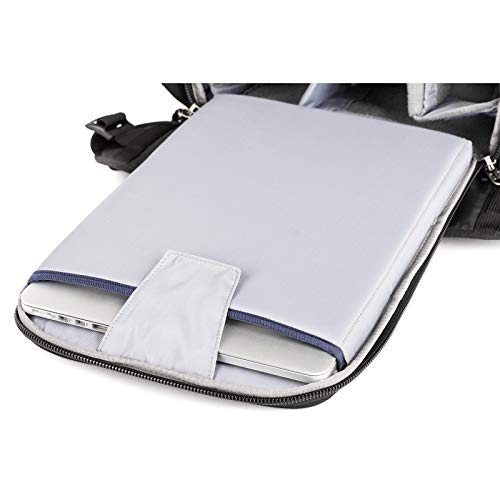
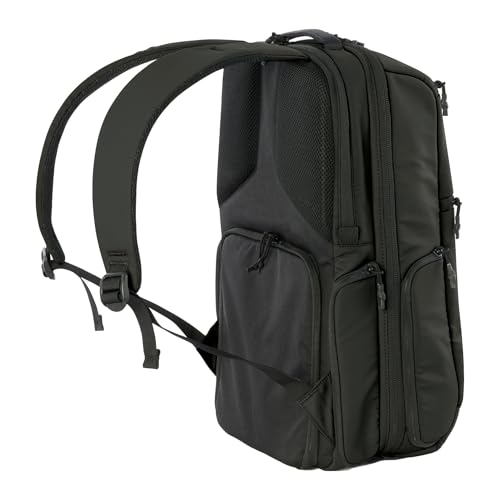
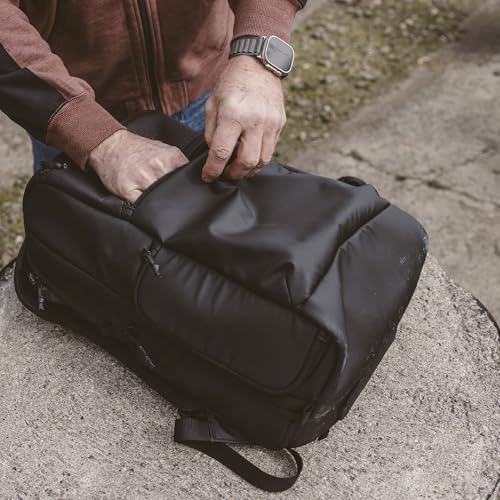
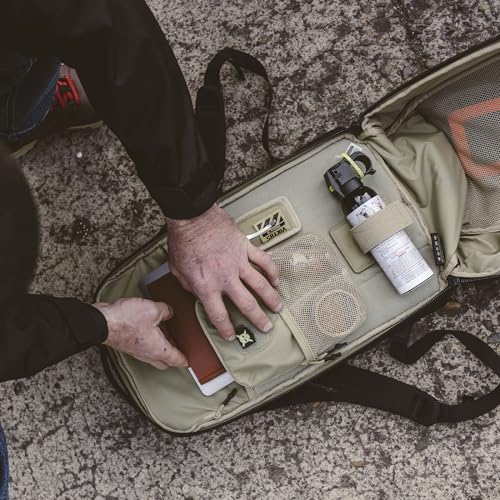
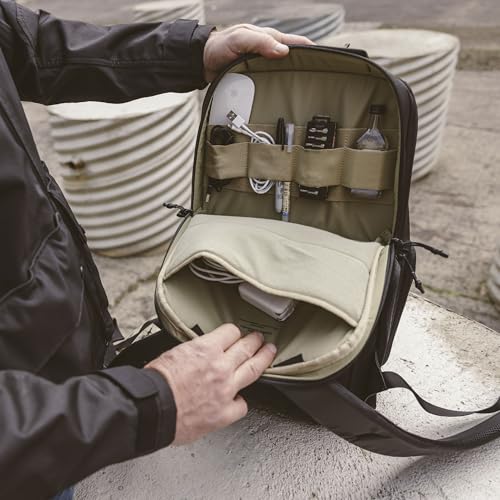
The VIKTOS Counteract 27 stands out as one of the most thoughtfully organized modular backpacks in its class. The removable Outright Tray is a standout for setting up a repeatable, custom loadout, whether you’re carrying a concealed weapon, tech kit, or EDC essentials. Combined with hook and loop interior panels and Hookie inserts, it gives you real control over how your gear sits, which is rare at this price tier.
Its 27-liter volume is far more practical than the DEFCON 5 for city use, and the water- and stain-resistant Tuff Hyde fabric adds durability without screaming ‘tactical’. Reviewers note the side zippers make grabbing a phone or wallet effortless, and the padded 17″ laptop sleeve keeps tech safe. It’s not as photo-pro focused as the Think Tank, but for a blend of discretion, modularity, and daily function, I’d pick this over most others.
Product photos
How We Picked These modular backpack systems for urban commuting
Rather than a hands-on lab test, my research focused on comparing published specifications and features across numerous modular backpack systems. I weighed owner reviews from multiple retailers alongside expert opinions found in gear-focused publications. This allowed me to build a comparative ranking based on real-world feedback and stated capabilities, applied through my experience evaluating travel gear.
For urban commuting packs, internal organization and durability are paramount. I gave the most weight to modularity – how easily the pack could be customized – and the quality of materials used, as these directly impact long-term usability and protection of carried items. A comfortable carry system also ranked highly, given the frequent stops and starts of city travel.
Specifications reliably indicate size and material construction, but owner feedback proved crucial for assessing real-world comfort and durability. I looked for trends in reported issues (like zipper failures or strap discomfort) and praised packs consistently lauded for their build quality. Understanding backpack size for urban carry also informed my assessments of suitability for daily commutes.
How To Choose The modular backpack systems for urban commuting
Choosing a modular backpack isn’t just about finding something with lots of pockets; it’s about building a carry system that adapts to your life.
A truly versatile modular backpack prioritizes internal organization and external attachment points. Look for durable materials like 1000D polyester or reinforced nylon, robust zippers (YKK is a good sign), and a comfortable suspension system. Consider the balance between capacity, weight, and the specific modularity features offered – hook-and-loop panels, MOLLE webbing, or dedicated attachment systems.
Internal Organization Is Key
The biggest benefit of a modular pack is its ability to adapt to different loads. Don’t assume all “modular” systems are created equal. Some offer simple hook-and-loop panels, while others, like the VIKTOS Counteract 27, include removable trays for a truly customized layout. Think about how you like to organize your things. Do you prefer pouches, dedicated compartments, or a more open layout? A well-thought-out internal structure makes finding items quick and easy, which is crucial for a busy commute.
Material & Durability Matter
While a fancy modular system is nice, it won’t last if the pack itself falls apart. Look beyond the modular features and assess the base construction. The Oxford Atlas B-20, designed for motorcycle commuting, uses a mix of durable materials including Hypalon and reinforced polyester, demonstrating a commitment to longevity. Consider the denier of the fabric (higher is generally better) and the quality of the zippers. Those using a 25-liter backpack capacity for daily commutes will want something built to withstand constant use.
Here’s what to consider when evaluating materials: * Ripstop Nylon: Lightweight and reasonably durable, good for general use. * Polyester: More water-resistant than nylon, often more affordable. * Ballistic Nylon: Extremely tough and abrasion-resistant, ideal for heavy loads and rough conditions.
Don’t skimp on the base pack to get modularity. A cheap pack with fancy attachments will still be a cheap pack.
Balancing Modularity With Usability
It’s easy to get carried away with modularity, but remember that a backpack needs to be comfortable and practical. Overly complex systems can add weight and bulk. The Think Tank Urban Access 15, for example, prioritizes quick access for photographers, but its modularity is focused on internal dividers rather than external attachments. If you’re looking for adjustable backpack designs for everyday carry, consider whether you truly need all the bells and whistles. Sometimes, a simpler system focused on quality construction and essential features is the best choice. Don’t forget to check out some of the top customizable backpacks available.
Modular Backpack Systems Compared
Here’s a spec-by-spec comparison of the modular backpack systems discussed.
| Product Name | Capacity (L) | Laptop Size | Modularity | Material | Water Resistance |
|---|---|---|---|---|---|
| VIKTOS Counteract 27 CCW | 27 | Up to 17″ | High | Tuff Hyde | Water/Stain Res. |
| DEFCON 5 Modular Backpack | 60 | N/A | Molle | 1000D Polyester | N/A |
| Oxford Atlas B-20 Backpack | N/A | N/A | High | Ripstop Poly | Waterproof Liner |
| Think Tank Urban Access 15 | N/A | 15″ | High | N/A | Rain Cover |
| VIKTOS Counteract 27 CCW | 27 | Up to 17″ | High | Tuff Hyde | Water/Stain Res. |
Frequently Asked Questions
What level of water resistance should I expect from a modular backpack?
Most modular backpacks offer some degree of water resistance, but it varies. Many use water-resistant fabrics like polyester and include a DWR coating, while others like the Oxford Atlas B-20 include a waterproof liner for heavier rain. A dedicated rain cover is the best protection, yet not all models include one.
Are MOLLE systems on backpacks truly useful for urban commuting?
MOLLE (Modular Lightweight Load-carrying Equipment) systems allow for extensive customization, but they add bulk and aren’t always necessary for daily city carry packs. They’re most practical if you regularly switch between different loadouts or need to attach specialized pouches, but many commuters will find simpler hook-and-loop systems sufficient.
What size modular backpack is best for a daily commute?
A 20-27 liter backpack is generally ideal for a daily commute, offering enough space for essentials without being overly large. However, your specific needs depend on what you carry; if you regularly transport a large laptop and other work items, you might benefit from a larger capacity.
How important is the laptop compartment in a modular commuting pack?
A dedicated, padded laptop compartment is vital for protecting your device, and most models designed for urban professionals include one. Ensure the compartment fits your laptop’s size (typically up to 17 inches) and offers adequate cushioning to prevent damage during transport.
Where can I find reviews of other urban commuting backpacks?
You can find more in-depth reviews and comparisons of various urban commuting backpacks on my site, including detailed analyses of backpacks for urban professionals. These reviews cover a range of styles and price points to help you find the perfect fit.
The Bottom Line
Choosing a modular backpack really comes down to balancing how much customization you want with how much you’re willing to spend and carry. For the best overall blend of features, durability, and adaptability, the VIKTOS Counteract 27 CCW stands out as a well-rounded option that excels in organization and build quality. It offers a lot of modularity without sacrificing comfort or practicality.
If specific needs dictate your choice, we have recommendations for you too. For those prioritizing extreme durability and motorcycle commuting, the Oxford Atlas B-20 is a fantastic pick. And for budget-conscious commuters needing a versatile system, the DEFCON 5 Modular Backpack delivers impressive modularity at a more accessible price point. Thinking about a 22-liter backpack size for your daily commute bag capacity is a good starting point.
Ultimately, the most important things are a comfortable fit, durable materials, and a layout that works with your everyday carry. Don’t get lost in the details of every attachment point or pouch; focus on finding a pack that feels good on your back and keeps your essentials organized and protected.