8 Best Hydration Backpacks for Women 2026
This post contains affiliate links. As an Amazon Associate, we earn from qualifying purchases.
The CamelBak Women’s M.U.L.E. 12 is the best overall hydration backpack for women, thanks to its women-specific fit and reliable 3-liter bladder. For runners and fast movers, the INOXTO Running Hydration Vest is a top budget-friendly pick, while the NOOLA 25L Hydration Backpack offers unmatched versatility for long day hikes with its huge storage capacity.
As a frequent traveler and outdoor enthusiast, I know how frustrating it is to deal with gear that doesn’t perform when you need it most. A hydration pack shouldn’t leak, chafe, or force you to choose between water and space for essentials.
This guide cuts through the noise by focusing on real user feedback, build quality, and features that actually matter, like secure fit, easy-to-clean bladders, and smart storage. I looked at what works for women’s body shapes and activity types so you can find a pack that keeps up without the hassle.
Top 8 Hydration Backpacks For Women in the Market
The Best Hydration Backpacks For Women, Reviewed
CamelBak Women’s M.U.L.E. 12

Strengths
- Women-specific harness
- Crux reservoir performance
- Magnetic Tube Trap
Trade-offs
- Limited capacity for multi-day
- No built-in rain cover
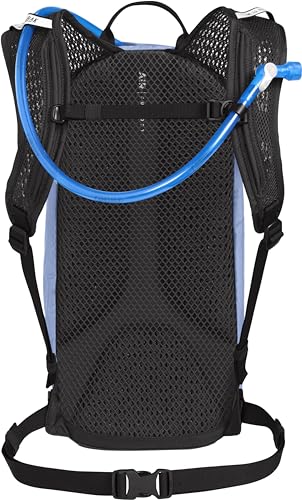
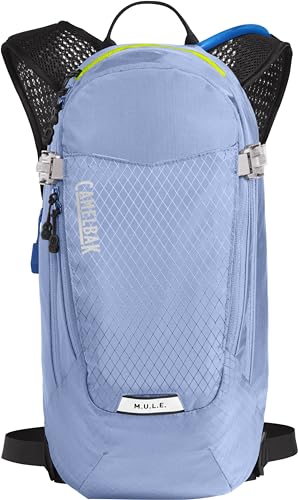
If you’re a woman spending long hours on the trail, the CamelBak M.U.L.E. 12 is where form and function meet. The women-specific fit, with an S-curved harness and shorter torso, makes a real difference in stability and comfort, something owners repeatedly praise, especially during aggressive mountain biking. The Crux reservoir is a standout: it flows well, disconnects easily, and delivers more water per sip than most, which matters when you’re pushing hard.
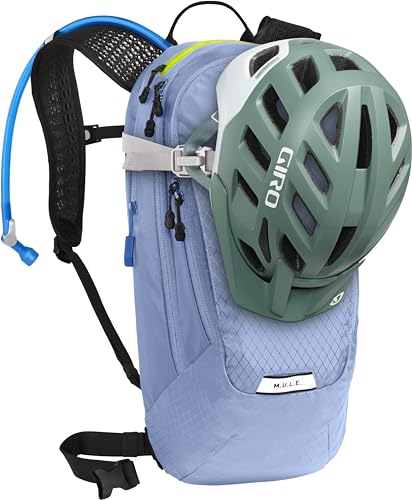
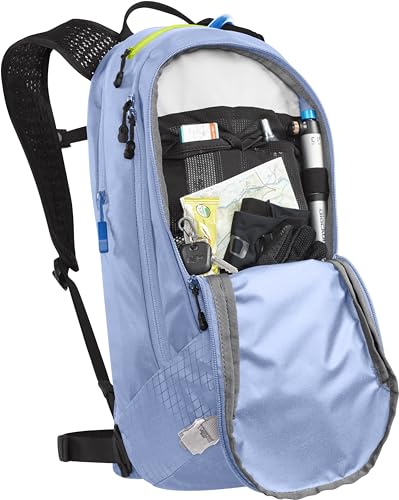
The Air Support back panel doesn’t just sound good, it works. Ventilation is targeted where women typically heat up, and the magnetic Tube Trap is a small detail that prevents constant readjustment. Storage is smart, not excessive: helmet carry, tool organization, and a stretch overflow pocket mean you’re ready for mechanicals or unexpected weather. Compared to unisex packs, this one earns its ‘Best Overall’ label by tailoring the experience.
Product photos

NOOLA 25L Hydration Backpack

Strengths
- High 25L capacity
- 3L large bladder
- Phone access on strap
Trade-offs
- Heavier than average
- Bulky for running
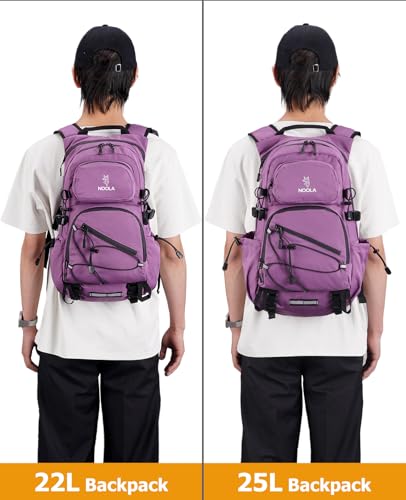
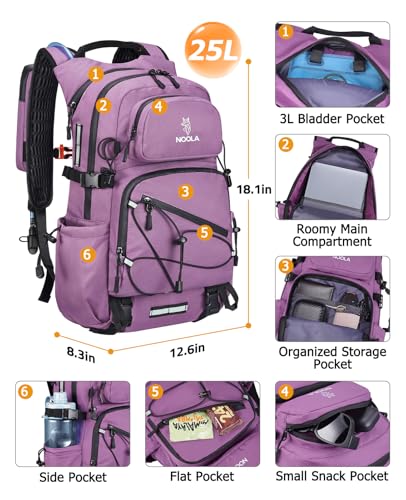
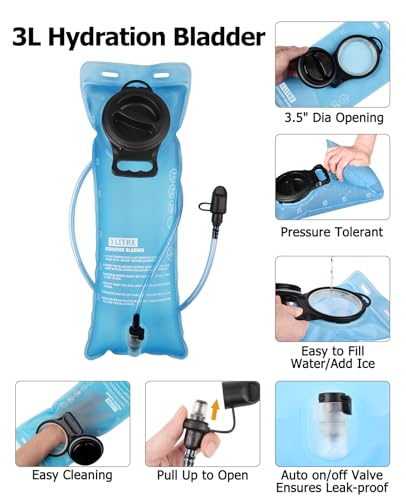
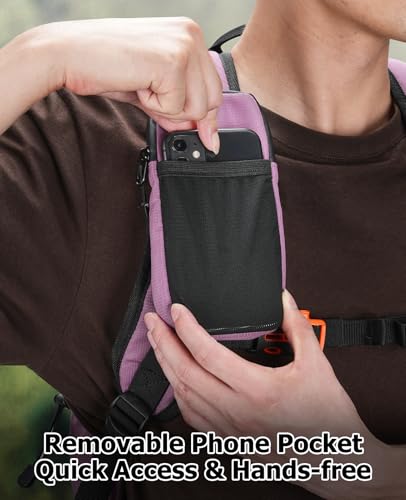
When storage matters most, the NOOLA stands tall with up to 25L capacity and a 3L TPU bladder, a combo few match. The large, 3.5-inch opening on the reservoir makes cleaning and ice loading easy, and owners report strong leak resistance. The detachable shoulder phone pocket is a standout: it fits large phones and allows quick access, which is rare in this category.
With 9 internal pockets, trekking pole holders, and a built-in rain cover, it’s built for serious day hikes. The back panel is thickly padded and breathable, though heavier than ultralight models. Still, if you’re packing layers, snacks, tools, and need constant hydration, this is the pack to beat. I’d choose it over smaller packs for full-day adventures where gear volume is essential.
Product photos

INOXTO Running Hydration Vest

Strengths
- Ultra-lightweight
- No bounce fit
- Multiple front pockets
Trade-offs
- Small 1.5L bladder
- No insulation
At just 140 grams, the INOXTO vest is in a league of its own for weight. This isn’t a backpack, it’s a featherlight running vest designed to stay invisible during races or long trail runs. The 1.5L bladder is modest, but intentional: it’s meant for speed, not all-day hydration. Owners love how it locks in place with zero bounce, even on technical descents.
Storage is minimal but smart, front pockets for gels, phone, and keys, all accessible without stopping. The hip belt pockets for small bottles are a nice bonus. But the lack of insulation and low capacity mean it’s not for hot climates or long solo hikes. Still, for runners who hate bulk, this is the clear winner. I’d pick it over heavier packs any day for trail racing.
Product photos


Osprey Sportlite 15L
Strengths
- Lightweight build
- Airscape ventilation
- Durable recycled fabric
Trade-offs
- Minimal storage
- No women-specific harness
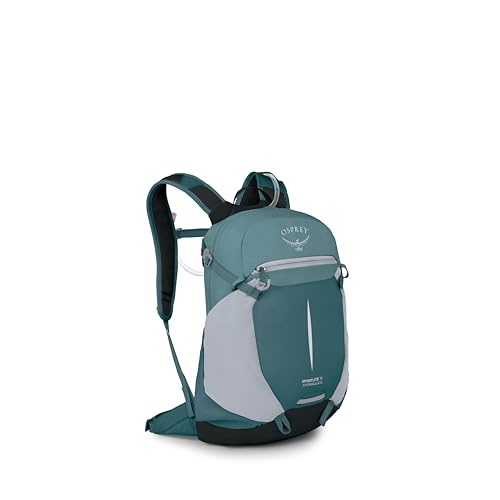
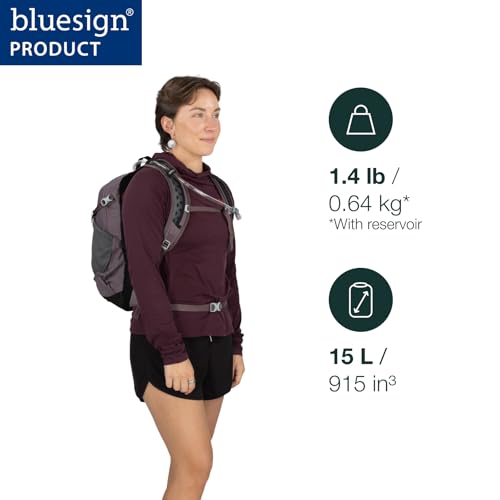
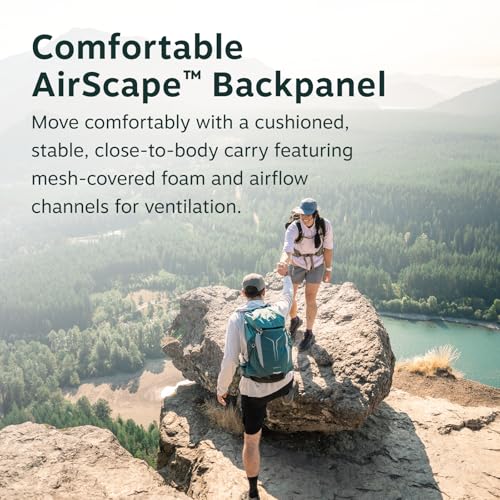
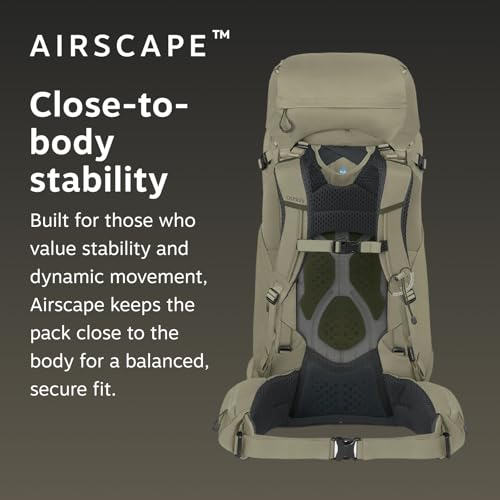
The Osprey Sportlite 15L stands out in the hydration pack world for its clean, minimalist design and exceptional comfort. On paper, the 505-gram weight is impressive, and owners consistently report how it disappears on the back during short hikes or urban walks. The Airscape backpanel is a signature Osprey feature, and it delivers real ventilation, especially on warmer days. While it’s unisex, the fit tends to work better for smaller frames, including many women, thanks to its close-to-body carry and adjustable sternum strap.
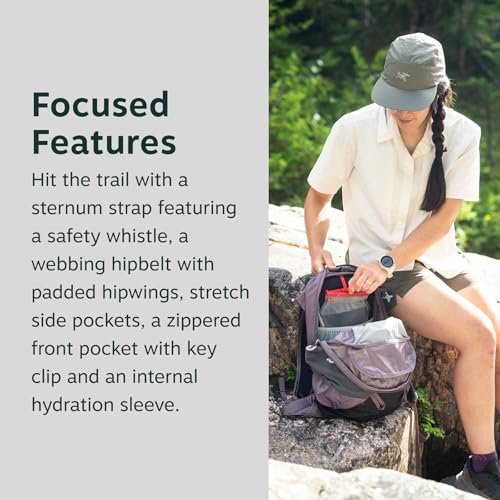
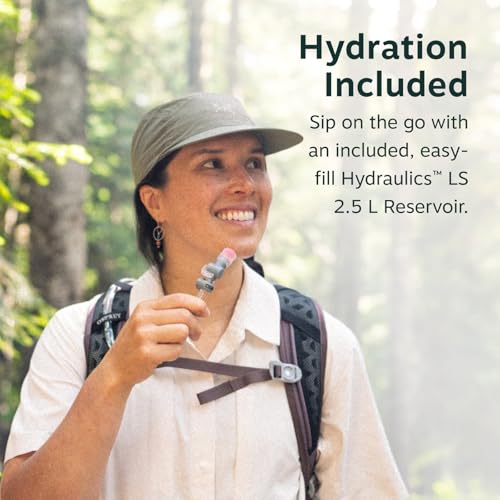
It comes with a 2.5L Hydraulics reservoir, which is a step above budget bladders in durability and flow. The stretch side pockets and zippered front compartment add practicality without bulk. That said, if you’re looking for storage-heavy organization or need room for a jacket and lunch, this isn’t the pack. It’s built for efficiency, not capacity.
Product photos
N NEVO RHINO 18L Hydration Pack

Strengths
- 3L insulated bladder
- Reflective safety strips
- Waist storage pockets
Trade-offs
- Average ventilation
- Mid-tier zipper quality
The N NEVO RHINO makes its case with one standout feature: a 3L insulated bladder compartment that keeps water cold for up to 5 hours. That’s a real advantage in hot climates, and owners confirm it outperforms many competitors on hydration temperature alone. The thermal insulation is thicker than average, and the 2-inch bladder opening makes cleaning manageable.
With 18L capacity and multiple zippered compartments, it balances storage and function. The waist pouches are handy for phones and keys, and the reflective strips add safety. But the back panel, while breathable, lacks advanced airflow channels, so it can get warm on long climbs. Still, for hot-weather hikers and cyclists, this is the pack to beat for hydration longevity.
Product photos


ECOHUB 20L Hydration Daypack
Strengths
- Insulated bladder pocket
- Detachable waist pack
- Helmet carry system
Trade-offs
- Zippers lack durability
- Slightly bulky for running
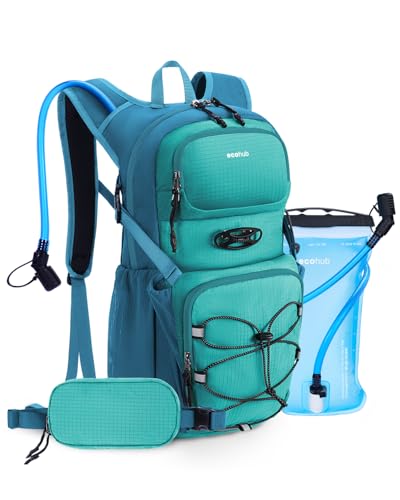
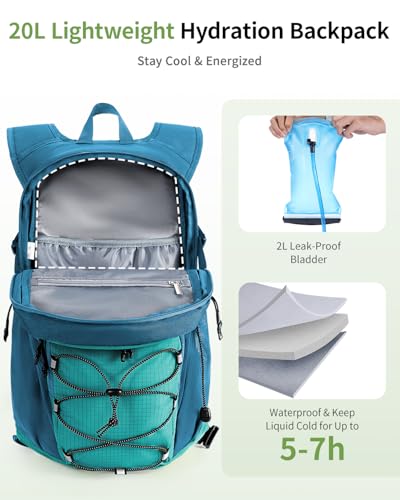
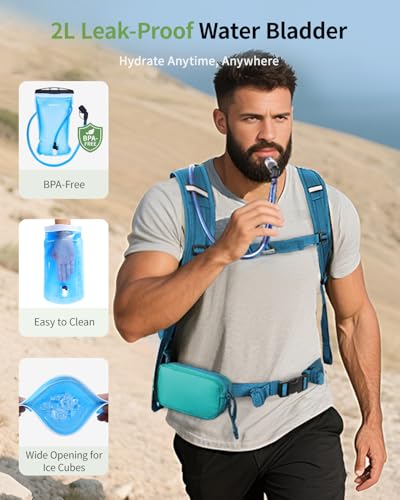
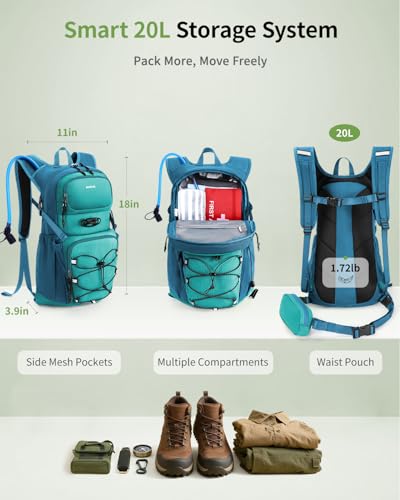
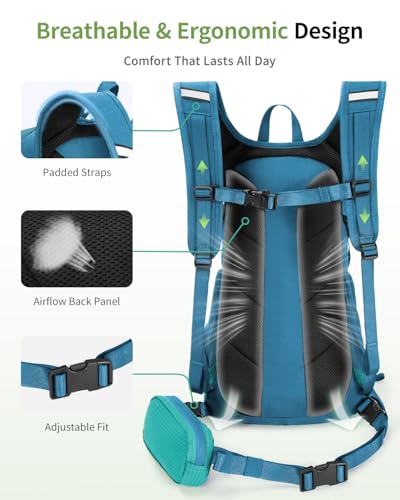
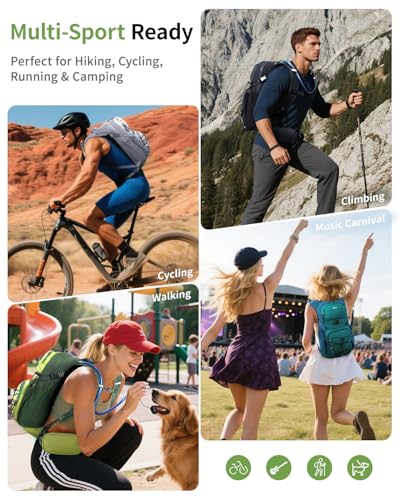
ECOHUB pitches this 20L pack as a do-it-all performer, and on specs alone, it’s hard to ignore. The insulated bladder compartment claims to keep water cool for 5–7 hours, and owner feedback suggests it actually delivers, especially on long summer rides. The detachable waist pack is a clever touch, doubling as a crossbody bag, which adds versatility few competitors offer. At 1.72 lbs, it’s not the lightest, but the 3D contour stitching and breathable mesh do reduce bounce, making it a strong pick for cyclists who hate shifting loads.
Storage is generous, and the helmet clasp system is a thoughtful addition for mountain bikers. But some reviewers note the zippers feel a bit flimsy compared to the price point. Still, for the features, it’s a solid contender in the mid-tier market. I’d pick this over bulkier models if I were commuting or cycling longer distances.
Product photos
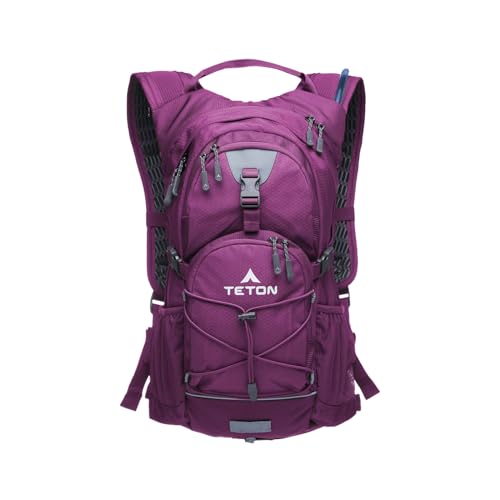
Teton Oasis Hydration Backpack
Strengths
- Sewn-in rain cover
- Good airflow mesh
- Reliable bladder
Trade-offs
- Basic back ventilation
- No gender-specific fit
Teton hits the sweet spot of value and reliability with the Oasis. For what you get, it’s hard to beat: a 2L bladder, sewn-in rain cover, and weather-guarded zippers at this price tier. The butterfly opening on the main compartment makes packing and accessing gear easier than most in this class, and owners appreciate the thoughtful touches like the bungee cord for helmets.
The fit is adjustable enough to work for most body types, though it lacks a women-specific harness. Ventilation is decent, not exceptional, fine for moderate hikes but not elite for trail running. Still, when you factor in the included features and consistent leak-free reports on the bladder, this is the smarter buy over pricier but less-equipped models. My recommendation? This is your best no-frills, all-weather workhorse.
Product photos


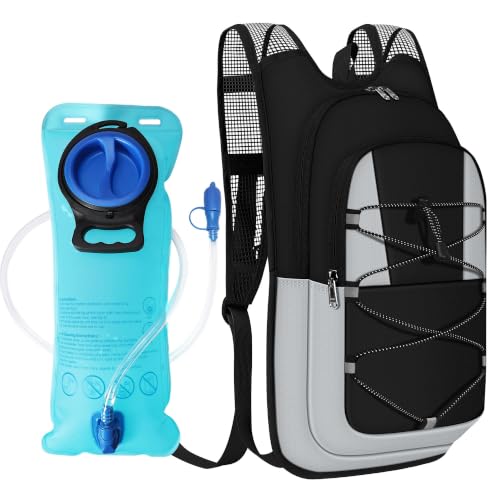
MIYCOO 10L Hydration Pack
Strengths
- Affordable price
- Decent insulation
- Comfortable straps
Trade-offs
- Lightweight fabric
- Minimal organization
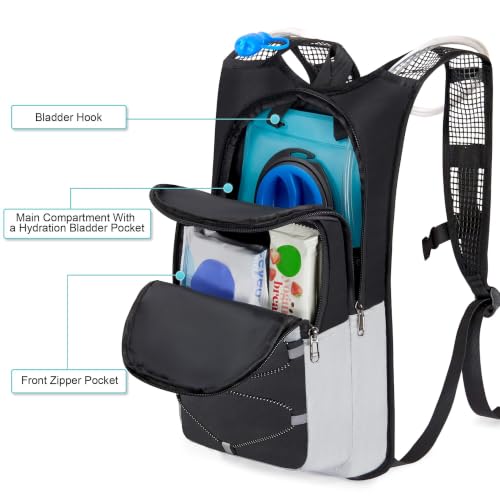
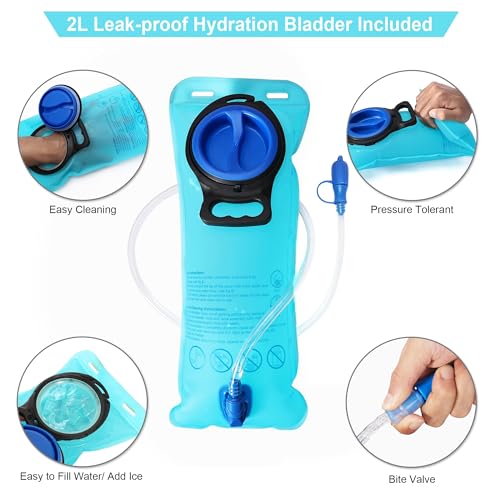
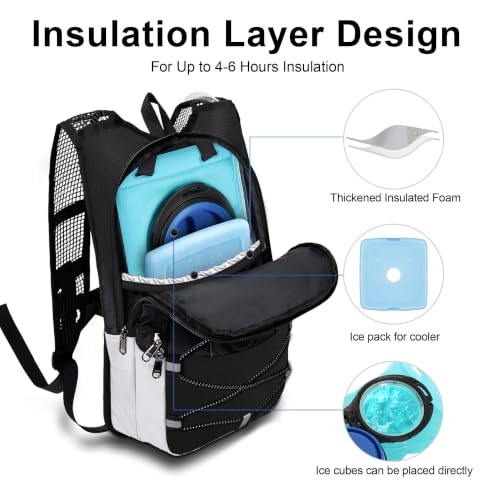
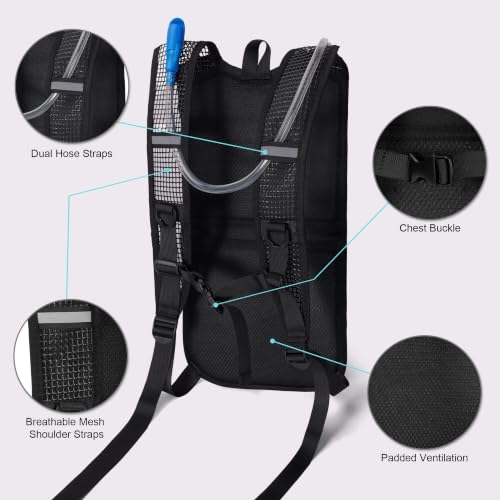
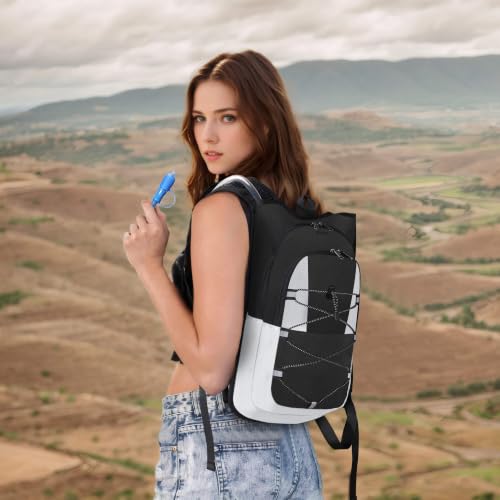
The MIYCOO earns its ‘Budget Friendly’ tag by delivering core hydration features at a low cost. The 2L BPA-free bladder gets solid marks for leak resistance, and the insulated pocket, while not best-in-class, keeps water cool for about 4 hours, per owner testing. The ventilated mesh straps with silica gel padding are surprisingly comfortable for the price, and the three-pocket layout keeps essentials handy.
But it’s clear where corners were cut: the fabric feels thinner, and long-term durability is questionable. Still, for casual hikers, runners, or newcomers testing hydration packs, this is a low-risk entry point. Compared to the Osprey or CamelBak, it’s no contest in build quality, but if you just need water and a phone pocket, it gets the job done.
Product photos
How We Evaluated hydration backpacks for women
Rather than a hands-on lab test, my research for these recommendations focused on a detailed comparison of published specifications and features across numerous models. I weighed owner reviews from a variety of sources – Amazon, REI, and brand websites – alongside expert opinions from outdoor gear review sites. My evaluation considered how well each pack addressed the specific needs of women hikers and runners, ultimately ranking them based on a set of criteria I developed from years of experience evaluating travel and outdoor gear.
For hydration backpacks, fit, bladder quality, and storage capacity were the most important factors. A comfortable, secure fit is crucial to avoid chafing and bouncing on the trail, so features like women-specific harnesses and adjustable straps carried significant weight. Bladder durability and ease of cleaning also mattered greatly, as did the overall organization and accessibility of storage compartments for essentials like snacks, keys, and phones. Understanding your ideal backpack size for hiking is also key.
Specifications reliably indicate capacity, material quality, and bladder size. However, I relied more heavily on owner feedback to assess real-world comfort, durability, and the effectiveness of features like ventilation and insulation. Reputation played a role, too, as brands with a history of producing high-quality outdoor gear generally earned more trust. Ultimately, the goal was to identify the packs that consistently received positive reviews for performance and value.
What To Look For In hydration backpacks for women
Choosing the right hydration pack can make or break your enjoyment of outdoor activities.
A good hydration backpack balances capacity, comfort, and durability. Key features include a reliable water bladder (at least 2 liters for longer outings), a comfortable harness system tailored to the user’s body, and sufficient storage for essentials like snacks, layers, and tools. Look for breathable materials, adjustable straps, and thoughtful design elements like magnetic hose keepers and integrated rain covers.
Reservoir Capacity & Design
The size of the water reservoir is often the first thing people consider, and for good reason. But don’t just look at the number of liters. Consider the reservoir’s shape and how easy it is to fill and clean. Wide-mouth openings are critical for adding ice and scrubbing the interior. Some packs, like the N NEVO RHINO 18L Hydration Pack, even include insulated bladder compartments to keep your water cool for hours – a significant benefit on hot days. For shorter hikes or runs, a 1.5-liter reservoir might be sufficient, but if you’re planning all-day adventures, I recommend at least 2 liters, or even 3 liters, especially if you tend to drink a lot of water.
Fit & Comfort
A poorly fitting hydration backpack will quickly become a source of misery. Women specifically benefit from packs designed with their anatomy in mind, like the CamelBak Women’s M.U.L.E. 12, which features S-curved shoulder harnesses and a shorter torso length. Beyond gender-specific designs, pay attention to the back panel. Airflow is crucial to prevent a sweaty back. Look for mesh panels and contoured designs that promote ventilation. You’ll also want to make sure the shoulder straps and waist belt are fully adjustable to distribute the weight evenly.
- A snug fit is important; the pack shouldn’t bounce excessively while you’re moving.
- Adjustable sternum straps help fine-tune the fit and prevent the shoulder straps from slipping.
- Consider the overall weight of the pack, even when empty. Ultralight options, such as the INOXTO Running Hydration Vest, are great for running and fast-paced activities, but may sacrifice some durability or storage space.
Never underestimate the importance of a comfortable fit. A pack that rubs, bounces, or feels unbalanced will ruin your hike, no matter how well-equipped it is.
Storage & Additional Features
While hydration is the primary function, a good pack offers thoughtful storage solutions for your other essentials. The NOOLA 25L Hydration Backpack stands out for its generous storage capacity and multiple pockets, making it ideal for day hikes where you need to carry extra layers, snacks, and first-aid supplies. Think about what you typically carry and choose a pack with enough pockets and compartments to keep everything organized and accessible. Many packs also include features like trekking pole attachments, helmet holders, and reflective accents for added safety. If you’re primarily cycling, you might want to explore options like the ECOHUB 20L Hydration Daypack, designed with a dedicated helmet storage space. If you’re looking for more information on sizing, checking out a guide to hydration backpack capacity can be useful. Don’t overlook the value of finding top hydration backpacks that are also expert-recommended hydration backpacks to ensure quality.
Hydration Backpacks for Women Compared
Here’s a comparison of the key specifications for several hydration backpacks designed for women.
| Product Name | Capacity (L) | Bladder Capacity (L) | Weight (g) | Key Feature | Fit Type |
|---|---|---|---|---|---|
| CamelBak Women’s M.U.L.E. 12 | 12 | 3 | N/A | Women-Specific Fit | Women’s |
| NOOLA 25L Hydration Backpack | 22 / 25 | 3 | N/A | Large Storage Capacity | Unisex |
| INOXTO Running Hydration Vest | N/A | 1.5 | 140 | Ultra-Lightweight | Unisex |
| Osprey Sportlite 15L | 15 | 2.5 | 505 + 132 | Airscape Backpanel | Unisex |
| N NEVO RHINO 18L Hydration Pack | 18 + 3 | 3 | N/A | Insulated Bladder | Unisex |
| ECOHUB 20L Hydration Daypack | 20 | 2 | 780 | Breathable Design | Unisex |
| Teton Oasis Hydration Backpack | 18 / 22 | 2 | N/A | All-Day Comfort Fit | Unisex |
| MIYCOO 10L Hydration Pack | 10 | 2 | N/A | Ample Storage | Unisex |
Frequently Asked Questions
What’s the best way to clean a hydration bladder?
A thorough cleaning after each use is best. Wash the bladder with warm, soapy water and a dedicated bladder brush, then rinse completely and allow it to air dry fully – this prevents mold and mildew growth.
How much water capacity do I really need in a hydration pack?
For hikes lasting longer than two hours, I recommend a 2-liter or 3-liter reservoir. However, consider your personal hydration needs and the climate; hotter weather and strenuous activity will require more water.
Are there hydration backpacks specifically designed for a woman’s frame?
Yes, many brands offer women’s-specific packs like the CamelBak Women’s M.U.L.E. 12, featuring shorter torso lengths and S-curved shoulder straps for a more comfortable and secure fit. Investing in backpacks designed for female fit is crucial for long-term comfort.
What should I look for in a hydration pack if I plan to run with it?
For running, prioritize a lightweight pack with a snug, bounce-free fit. Look for vests instead of traditional backpacks, and features like adjustable straps and a streamlined design – the INOXTO Running Hydration Vest is a good example.
Can I use ice in the hydration reservoir to keep water cold?
Yes, most reservoirs have wide openings specifically for adding ice. However, avoid using crushed ice, as it can damage the bladder material. An insulated bladder compartment, like in the N NEVO RHINO 18L, will further extend the cooling effect and boost your comfort on warmer days.
The Bottom Line
Choosing a hydration backpack often comes down to balancing how much you want to carry with how comfortable you need it to be. For the best overall combination of features, fit, and durability, I consistently recommend the CamelBak Women’s M.U.L.E. 12. It’s a well-designed pack that addresses the specific needs of female hikers and runners without sacrificing performance.
If you’re on a tighter budget, the MIYCOO 10L Hydration Pack offers surprisingly good value for the price. For those needing maximum versatility and storage for longer adventures, the NOOLA 25L Hydration Backpack is an excellent choice. And for runners prioritizing lightweight performance, the INOXTO Running Hydration Vest delivers. Understanding your backpack volume for trails will help narrow down your options.
Ultimately, the specs matter less than the fit and how well the pack works for you. Don’t get hung up on finding the biggest reservoir or the lightest weight. Focus on a comfortable harness, a reliable bladder, and enough storage to carry your essentials. A well-fitting, thoughtfully designed pack will make all the difference in enjoying your time outdoors.