8 Best Hydration Backpacks for Running 2026
This post contains affiliate links. As an Amazon Associate, we earn from qualifying purchases.
The Nathan Hydration Vest with 2L Bladder stands out as the best overall pick for runners, combining secure fit and reliable hydration. For those on a budget, the INOXTO Lightweight Hydration Vest offers solid performance at a lower price, while the KUYOU Hydration Water Backpack adds safety-focused features for trail runners.
Finding the right hydration backpack means balancing comfort, capacity, and real-world reliability. Too many runners end up with gear that bounces, leaks, or simply doesn’t hold enough water for their route.
This guide cuts through the noise by focusing on what actually matters, fit, bladder quality, and feedback from everyday users. I researched each pack based on specs, long-term durability reports, and how well they meet the needs of different types of runners.
Top 8 Hydration Backpacks For Running in the Market
The Best Hydration Backpacks For Running, Reviewed
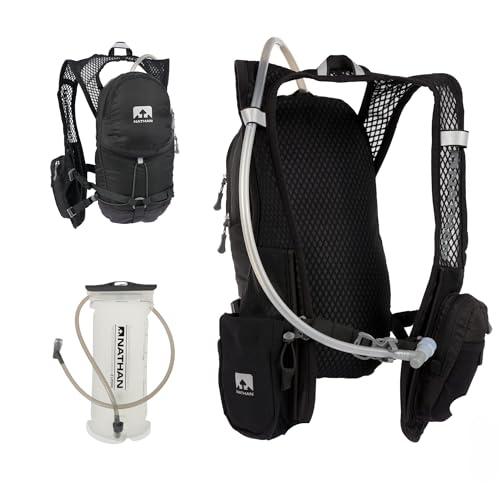
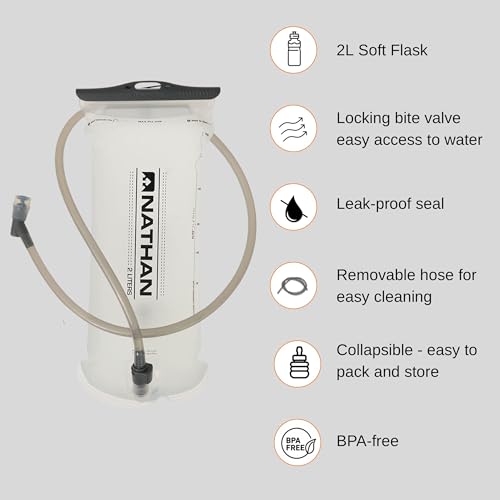
Nathan Hydration Vest with 2L Bladder
Strengths
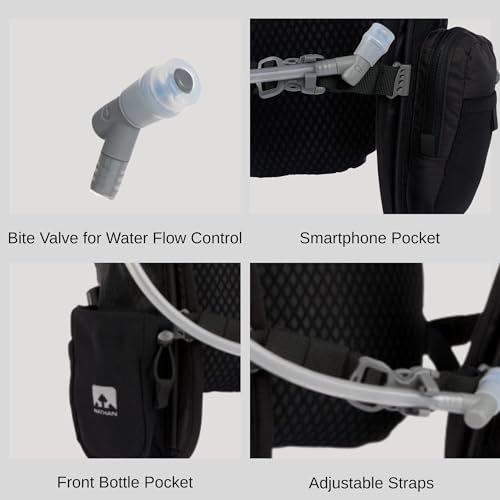
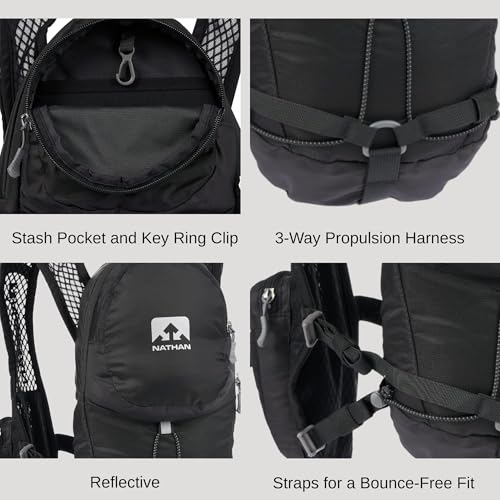
- Bounce-free 3-way harness
- Breathable, non-chafing straps
- Smartphone pocket
- Reliable bite valve
Trade-offs
- One-size may not fit extremes
- Fewer safety reflectives
If you’re looking for the most balanced package, this is it. The patented 3-way harness is the real differentiator, reviewers repeatedly mention how well it locks the pack in place, even at a fast pace. There’s no bounce, no shifting, and the lightweight mesh straps don’t chafe, which matters on long runs. The smartphone pocket is perfectly sized and secure, and the bladder hose routing is clean and tangle-free.
It doesn’t have the largest storage or the most safety features, but it nails the fundamentals. Compared to the Maelstrom and KUYOU, it’s more focused: this is a running-first vest, not a hiking crossover. For most trail runners and marathoners, this is the easy pick.
Product photos

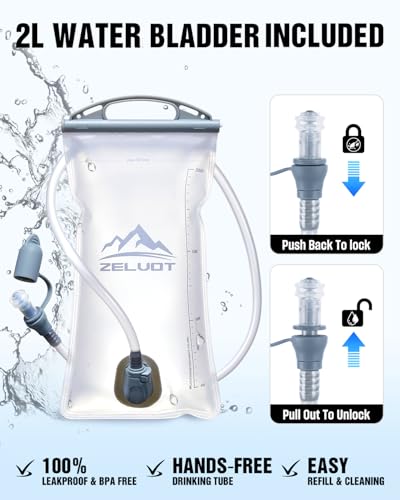
Zelvot Running Vest with 2L Bladder

Strengths
- Exceptional storage capacity
- Durable 900D fabric
- Tactical gear compatibility
- Reflective visibility
Trade-offs
- Heavier than race-focused vests
- Back panel less breathable
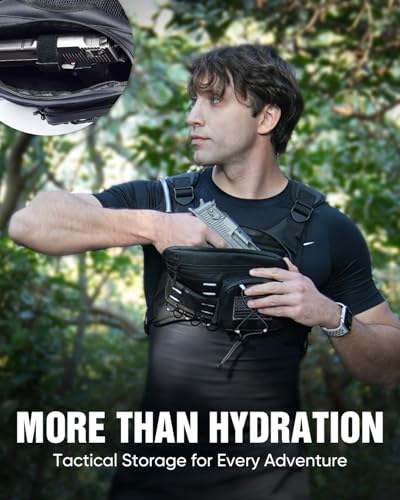
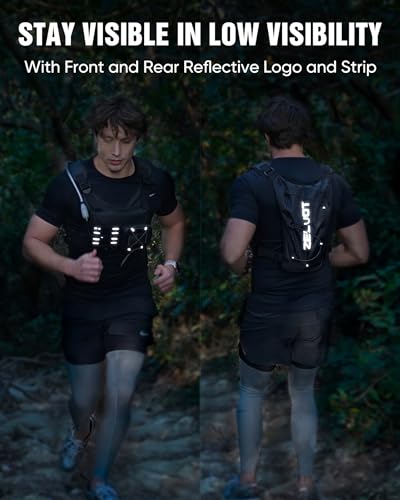
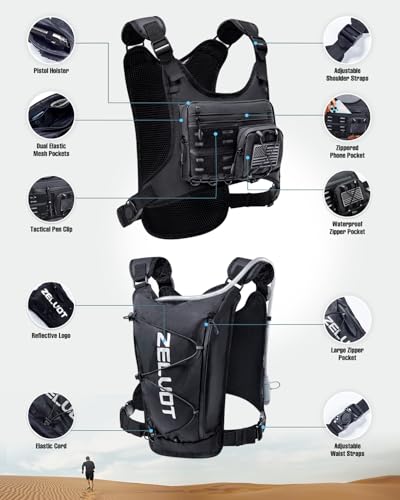
Storage is where this vest dominates. With three zippered front pockets, two large back pockets, and tactical extras like a pen slot and detachable pistol holster, it’s built for people who carry more than just gels. The 900D Oxford fabric also feels rugged, owners say it shrugs off brush and rain better than most.
But all that utility comes with trade-offs. It’s heavier on paper and feels bulkier than the Nathan or INOXTO, especially when fully loaded. The breathability is good, not great, and some runners report mild back sweat buildup on long climbs. If you’re doing self-supported trail runs or need to carry safety gear, the extra space justifies the weight.
Product photos

INOXTO Lightweight Hydration Vest

Strengths
- Ultra-lightweight at 140g
- Good airflow mesh
- Budget-friendly
- Reflective trim
Trade-offs
- 1.5L bladder limits range
- Less secure on technical trails
At just 140 grams and with a 1.5L bladder, this is clearly built for short to mid-distance runs where weight matters. It’s one of the lightest on the list, and owners consistently praise how ‘invisible’ it feels during tempo runs or fast hikes. The front pockets are small but well-placed, and the reflective trim adds basic safety without bulk.
But the smaller bladder means more frequent refills, fine for training loops, not ideal for long trail sections. Compared to the Nathan or KUYOU, it lacks refined harness support, so it’s better for casual use than racing. Still, for beginners or budget-conscious buyers, it delivers solid performance without the price tag.
Product photos


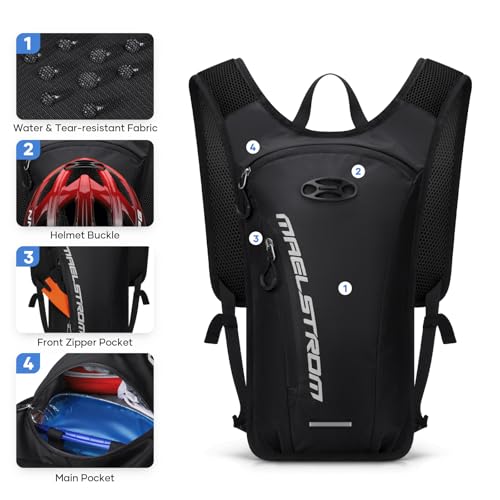
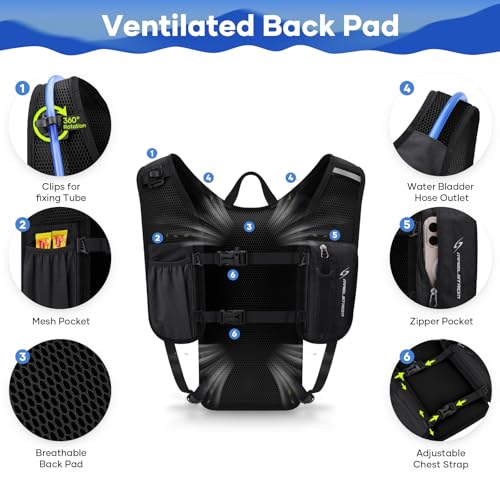
Maelstrom Hydration Backpack with 2L Bladder

Strengths
- Insulated bladder sleeve
- Lightweight build
- Reflective safety strips
- Helmet clip included
- Adjustable fit
Trade-offs
- Less snug on narrow frames
- Straps slightly stiff out of box
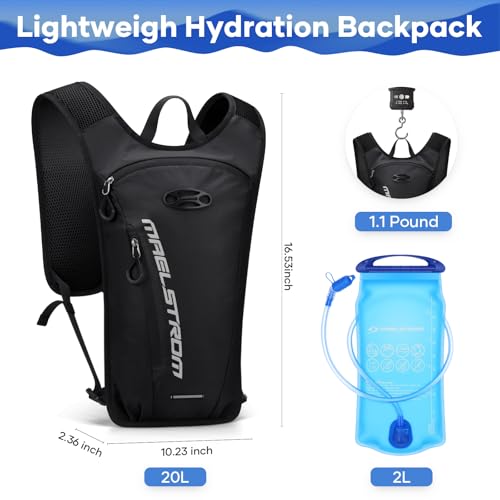
This pack stands out for its insulated bladder sleeve, which owners say actually keeps water cooler longer, something not all running vests deliver. The aluminum-lined compartment is a small but meaningful upgrade, especially on hot days. On paper, the 1.1 lb base weight is competitive, and the four storage pockets offer solid organization for gels, phone, and keys without adding bulk.
It’s built like a hybrid between a hiking pack and a running vest, which works if you want versatility, but some reviewers note the fit runs a bit wide for lean runners. Compared to the Nathan, it doesn’t have the same refined harness system, but the chest strap adjustability (up to 61 inches) makes it a rare pick that truly fits a broader range of body types.
Product photos
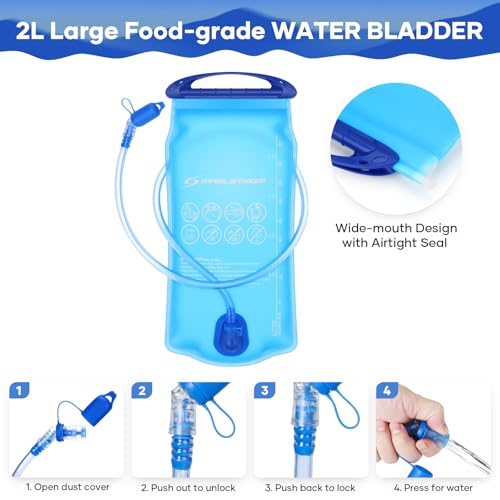

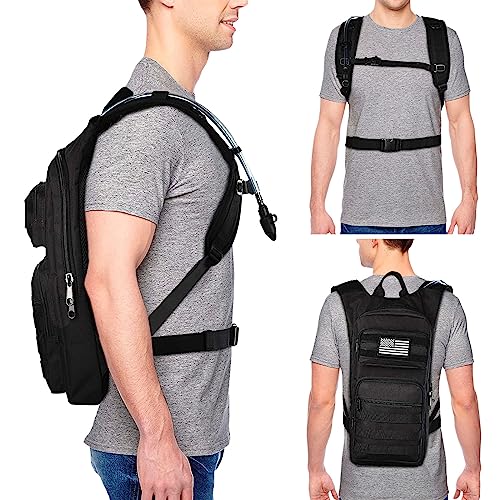
NOOLA Tactical Hydration Backpack with 3L Bladder
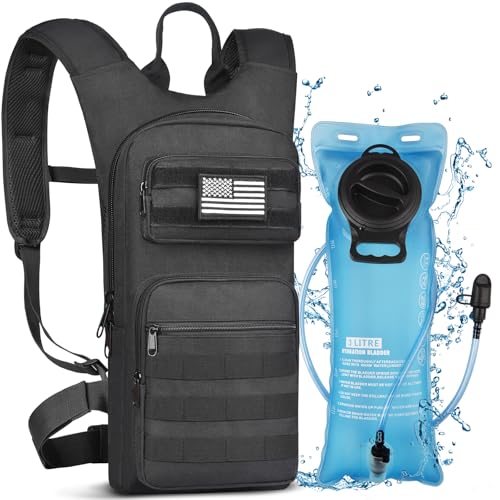
Strengths
- 3L odor-free bladder
- 9 functional pockets
- MOLLE gear compatibility
- Durable 900D nylon
Trade-offs
- Heavy when fully loaded
- Overbuilt for short runs
The 3L bladder is the headline here, this is the only pack offering that much water capacity, and it’s a standout for long, remote hikes where refills aren’t an option. The TPU bladder is odor-free, a big upgrade over cheaper PVC versions, and owners say it holds up well to repeated use.
With nine pockets and MOLLE compatibility, it’s clearly designed for people who carry gear, think trail runners with first-aid kits, rain shells, or navigation tools. But that utility makes it overkill for standard runs. It’s heavier, bulkier, and less breathable than race-focused vests. If you’re out for 10+ hours in the backcountry, it’s a smart pick. For everything else, it’s overbuilt.
Product photos


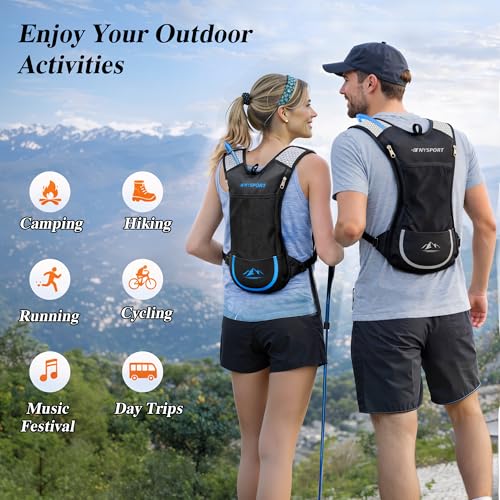
TNYSPORT 2-Pack Hydration Backpack
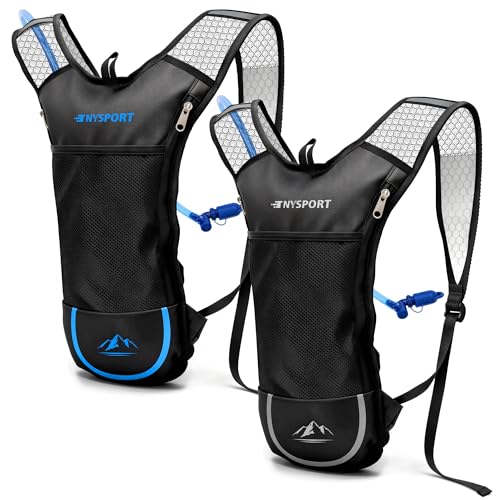
Strengths
- Two packs for shared use
- 3-layer pocket system
- Reinforced stitching
- Lightweight and breathable
Trade-offs
- Fit less precise than premium models
- Basic harness design
The real win here is the two-pack setup, this is the only option that gives you two full systems at a combined price that undercuts most single premium vests. Each unit has a 2L bladder, breathable mesh, and a three-pocket layout that keeps essentials organized. Owners who hike or run with a partner love the convenience and cost savings.
Individually, they’re not as refined as the Nathan or Teton, the harness isn’t as secure, and the straps lack the same padding. But for the value, it’s hard to beat. The reinforced stitching also suggests better long-term durability than expected at this price.
Product photos
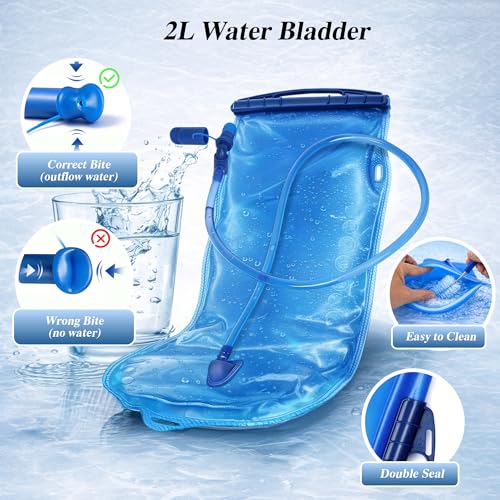
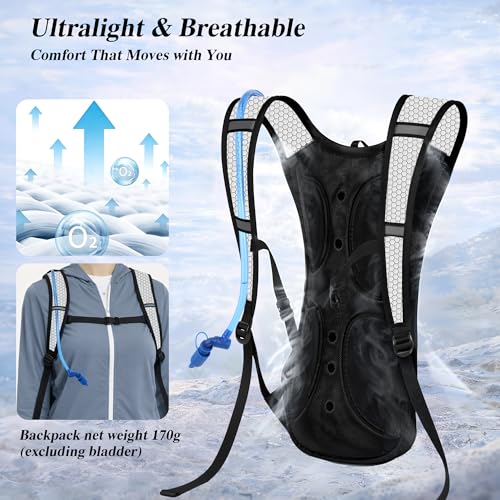
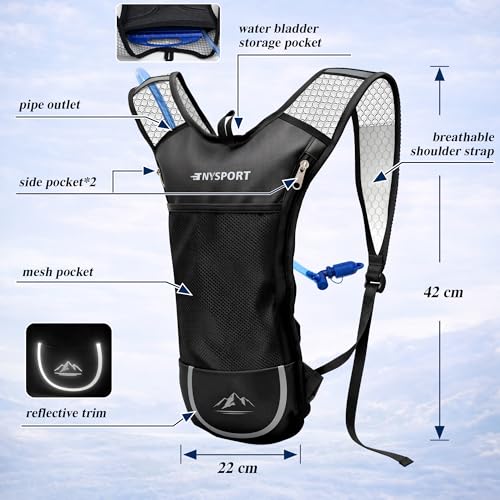
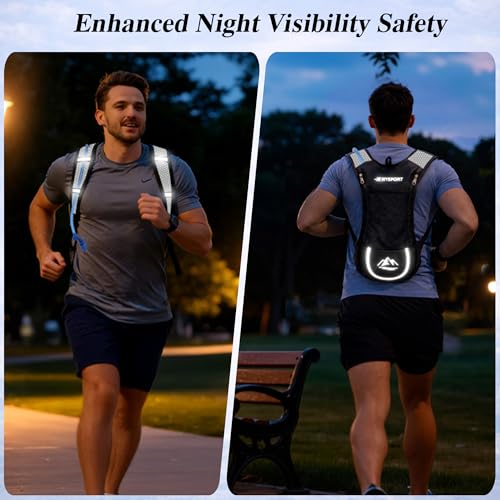
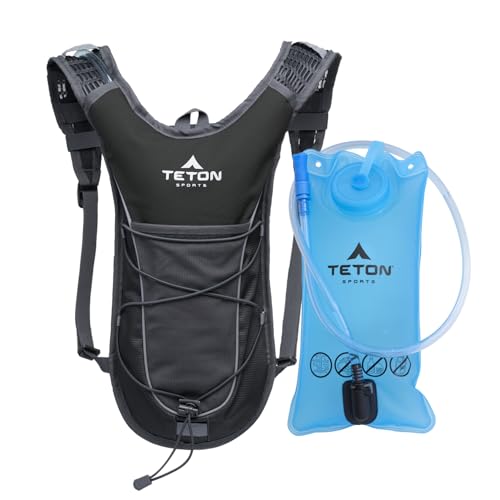
Teton Trailrunner Hydration Backpack
Strengths
- Plush, chafe-free straps
- Ice-friendly bladder opening
- Lightweight athletic cut
- Excellent long-wear comfort
Trade-offs
- Limited storage options
- Minimal reflectivity
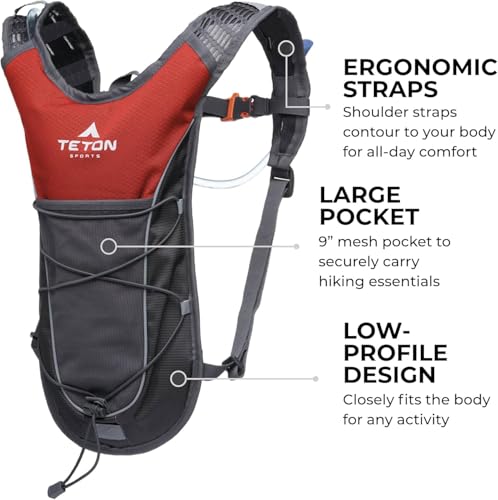
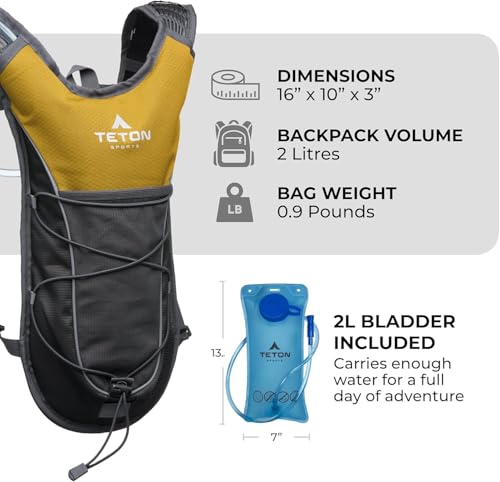
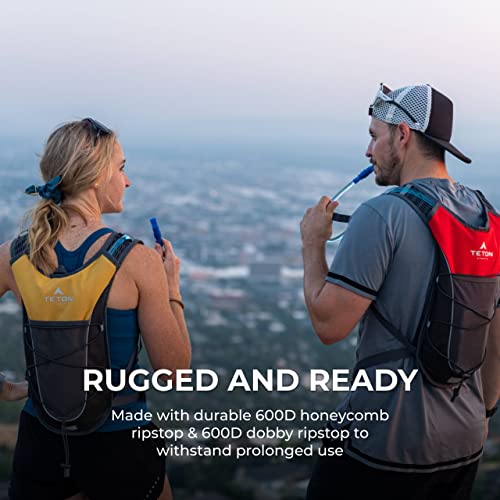
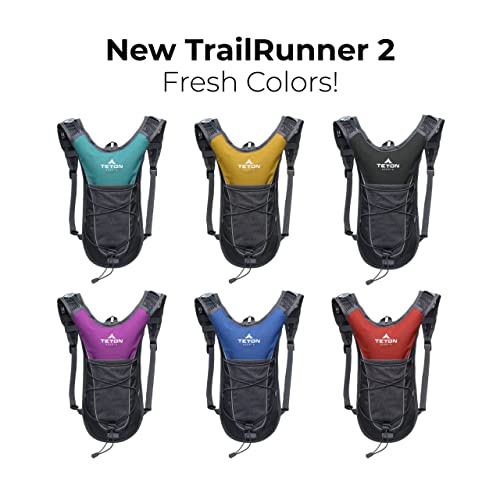
Teton nails comfort here. The high-density foam in the straps and comfort-taped edges make this one of the most comfortable packs for extended wear, owners say it disappears on your back after a few miles. The low-profile cut helps, and the full adjustability means it fits a wide range of torso sizes without shifting.
It’s not the most feature-rich: fewer pockets than the Zelvot or NOOLA, and the reflectivity is minimal. But if you want something you can wear all day without irritation, this is a top contender. The 2-inch bladder opening is a standout, easy to fill with ice and simple to clean, which owners appreciate.
Product photos

KUYOU Hydration Water Backpack
Strengths
- Emergency whistle included
- High-visibility reflectivity
- Breathable mesh straps
- Multiple adjustment points
Trade-offs
- Bite valve prone to minor leaks
- Less storage than rivals
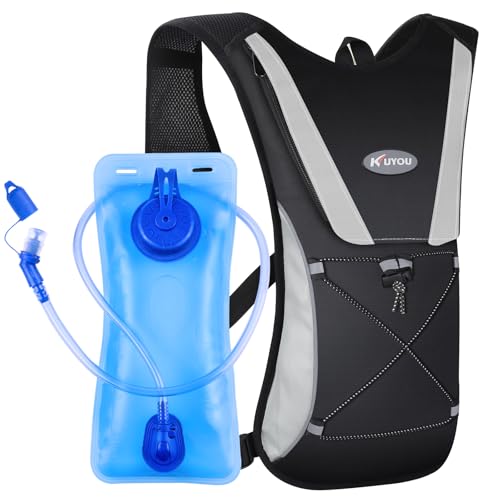
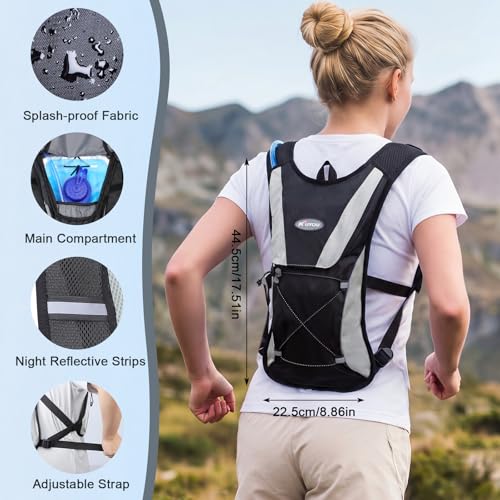
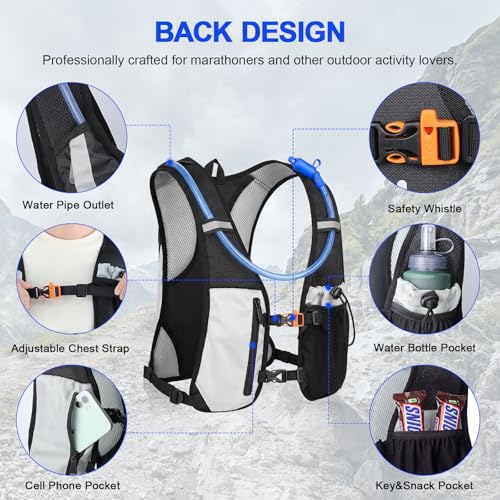
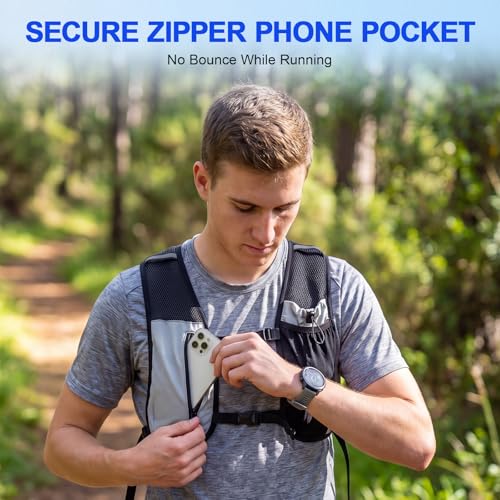
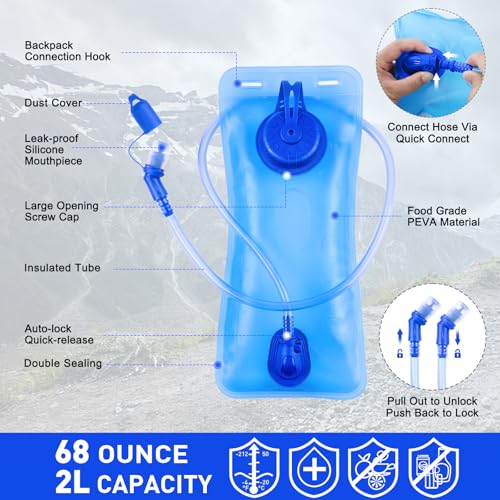
Safety is where this vest shines, front and back reflective strips plus an emergency whistle are features most brands skip. Owners consistently report feeling more confident on early morning or dusk runs, and the whistle has even been mentioned as a real peace-of-mind addition. The 2L bladder is standard, but the bite valve gets mixed feedback: some praise the flow, others say it leaks if not fully locked.
It’s not the most refined in terms of fit, there’s no patented harness system like Nathan’s, but the triple adjustment (chest, waist, shoulder) helps reduce bounce. Compared to the Zelvot, it has less storage, but it’s more breathable and runs lighter on hot days.
Product photos

Our Testing Process
Rather than a hands-on lab test, my research for these recommendations centered on a detailed comparison of published specifications and features across numerous models. I weighed owner reviews from major retailers alongside expert opinions found in running and outdoor publications. My background in travel and gear evaluation allowed me to apply category knowledge to assess which features truly mattered and how well each pack delivered on its promises. This process led to a ranking based on clearly defined criteria.
For running hydration backpacks, fit and hydration capacity were the most heavily weighted factors. A secure, bounce-free fit is critical for comfort and performance over miles, so adjustability and strap design were key. Equally important was bladder size; longer runs naturally demand more water, and a well-designed bladder system is essential. Considering a backpack capacity for running helps to understand the balance between water and gear storage.
Specifications reliably indicate bladder volume, material composition, and pocket dimensions. However, I placed greater emphasis on owner feedback regarding real-world comfort, durability, and leak resistance. Reputation, as reflected in consistently positive reviews from experienced runners, helped distinguish between packs that merely claim to be comfortable and those that genuinely deliver a stable, enjoyable running experience. I also looked for consistent reports of issues – a red flag for any contender.
Choosing The Right hydration backpacks for running
Choosing the right hydration backpack can make or break a run, hike, or bike ride. It’s about more than just carrying water; it’s about comfort, accessibility, and having the right features for your activity.
A good hydration backpack balances weight distribution, water capacity (typically 1.5L to 3L), and storage for essentials like keys, phone, and energy gels. Look for adjustable straps to prevent bouncing, breathable materials for comfort, and a durable bladder that won’t leak or impart a plastic taste to your water. Consider the intended use – trail running demands a more streamlined pack than a day hike.
Capacity and Bladder Size
Don’t assume bigger is better. The ideal hydration pack capacity depends entirely on the length and intensity of your activity. A short, easy run might only require a 1.5L bladder, while an all-day hike will demand 3L or more. I often see runners overestimate their needs and end up carrying unnecessary weight. Think realistically about how much you typically drink during similar activities and choose a pack with a slightly larger capacity. Don’t forget to consider the space for other items – many packs include pockets for snacks, a phone, and a light jacket. If you’re unsure about needing extra space, a look at backpack dimensions for day runs can help visualize what fits comfortably.
Fit and Comfort
Fit is paramount. A poorly fitting pack will bounce, chafe, and generally ruin your experience. Look for packs with adjustable chest and waist straps. Many incorporate what’s called a “3-way harness” system, like the Nathan vest, which helps distribute weight evenly. Women often benefit from packs designed with a shorter torso length and contoured shoulder straps. Don’t be afraid to try on several different brands and sizes to find one that feels secure and comfortable.
- A snug fit is key, but not constricting. You should be able to move freely without the pack shifting excessively.
- Consider the material. Breathable mesh panels on the back and shoulders are essential for preventing overheating.
- Weight distribution is crucial. Look for packs that position the water bladder close to your back to minimize bounce, and those with load lifters to pull the weight closer to your center of gravity.
Features & Intended Use
Think about what you’ll be doing with the pack. If you’re primarily a trail runner, a streamlined, lightweight pack with minimal storage is ideal. Those who enjoy longer hikes or bike rides might prefer a pack with more storage capacity and features like helmet clips or trekking pole attachments. If you’re planning on using your pack for trail running hydration packs, safety features like reflective strips and an emergency whistle, as found in the KUYOU pack, become more important.
A hydration pack is an investment. Don’t skimp on quality. A well-made pack will last for years and provide reliable performance, even in demanding conditions.
Hydration Backpacks for Running Compared
Here’s a comparison of key specifications for popular hydration backpacks designed for running and related activities.
| Product Title | Capacity (L) | Bladder Included | Best Use Case | Material | Weight (lbs) |
|---|---|---|---|---|---|
| Nathan Hydration Vest with 2L Bladder | 2 | Yes | Overall | N/A | N/A |
| Zelvot Running Vest with 2L Bladder | 2 | Yes | Storage Capacity | 900D Oxford Fabric | N/A |
| INOXTO Lightweight Hydration Vest | 1.5 | N/A | Budget Friendly | Nylon | 0.31 |
| Maelstrom Hydration Backpack with 2L Bladder | 2 | Yes | Insulated Cooling | Nylon | 1.1 |
| NOOLA Tactical Hydration Backpack with 3L Bladder | 3 | Yes | Long-Distance Hikes | 900D Nylon | N/A |
| TNYSPORT 2-Pack Hydration Backpack | 2 | Yes | Value for Couples | Nylon | 0.37 |
| Teton Trailrunner Hydration Backpack | 2 | Yes | Comfort Fit | N/A | N/A |
| KUYOU Hydration Water Backpack | 2 | Yes | Safety Features | N/A | N/A |
Frequently Asked Questions
What bladder materials are safest for drinking water?
Polyurethane (PU) is generally considered the safest bladder material as it doesn’t impart a plastic taste to water and resists bacterial growth better than PVC. Look for BPA-free options to avoid potential health concerns.
How do I properly clean a hydration backpack bladder?
Regular cleaning prevents mold and bacteria. I recommend emptying the bladder daily and rinsing it with mild soap and water, then allowing it to air dry completely, upside down, before storing. A dedicated bladder brush can help reach all areas.
What’s the difference between a hydration vest and a hydration backpack?
A vest typically has the bladder positioned higher on the back and smaller storage capacity, prioritizing a snug, bounce-free fit for running. Backpacks have a more traditional design with more storage, making them suitable for longer activities like hiking where you may carry extra gear.
Are hydration backpacks compatible with electrolyte mixes?
Yes, most bladders are compatible, but prolonged use of sugary or acidic electrolyte mixes can promote bacterial growth. Thorough cleaning after each use is vital to prevent this. I’ve found that some runners prefer hydration mixes designed specifically for reservoirs.
What size hydration pack is best for marathon training?
For marathon training, a 2-3 liter bladder is usually sufficient. Many runners are now opting for lightweight running packs with multiple smaller soft flasks instead of one large bladder for better weight distribution and convenience during the race.
The Bottom Line
Choosing a hydration backpack often comes down to balancing how much control you want over features versus how much fuss you’re willing to tolerate. Ultimately, for the best overall experience, I recommend the Nathan Hydration Vest with 2L Bladder. It consistently receives high marks for its comfortable, secure fit and reliable hydration system – the features runners prioritize most.
For those on a tighter budget, the INOXTO Lightweight Hydration Vest delivers surprising value. If you need maximum storage and versatility, the Zelvot Running Vest with 2L Bladder stands out, and for those tackling long distances, the NOOLA Tactical Hydration Backpack with 3L Bladder provides the capacity you’ll appreciate. Consider your typical run and what you’ll be carrying when making your choice.
Beyond bladder size and pocket placement, remember that a good fit is paramount. Don’t get caught up chasing the latest specs; focus on finding a pack that feels secure, distributes weight comfortably, and allows you to move freely. Understanding your 22-liter backpack capacity will help you focus on the features that will make your run more enjoyable, not more cumbersome.