7 Best Frame Backpacks of 2026
This post contains affiliate links. As an Amazon Associate, we earn from qualifying purchases.
The ALPS OutdoorZ Commander Frame stands out as the best overall frame backpack for serious backcountry use, combining rugged construction with excellent load support. For those watching their budget, the TIMBER RIDGE Aluminum External Frame delivers solid performance without the high price tag, while the Teton 65L Explorer Internal Frame offers the best balance for long hikes with its adjustable suspension and durable build.
I’ve spent years evaluating gear that holds up under real travel and outdoor demands, and frame backpacks are no exception. A poorly designed pack can turn an exciting adventure into a painful slog, whether it’s cutting into your shoulders or throwing off your balance on a steep trail.
This guide cuts through the noise by focusing on what actually matters: fit, durability, and function. I compared specs, analyzed owner feedback, and reviewed expert insights to identify the top performers across different needs. Whether you’re hauling gear for a weeklong trek or heading into the backcountry for big game, these picks are backed by real-world use and smart design.
Top 7 Frame Backpacks in the Market
The Best Frame Backpacks, Reviewed
ALPS OutdoorZ Commander Frame

Strengths
- Heavy-duty aluminum frame
- Excellent load distribution
- Hunting-specific pockets
Trade-offs
- No integrated pack bag
- Bulky when not in use
- Not for general hiking
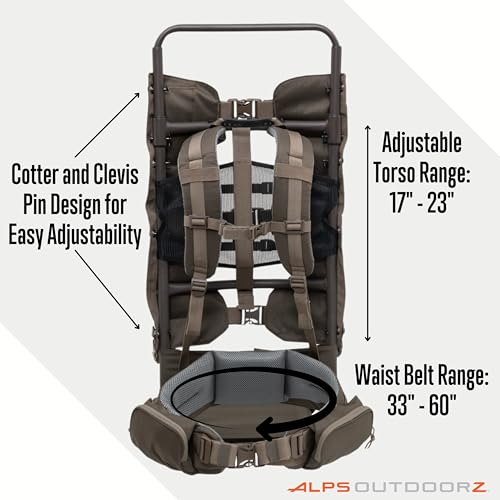
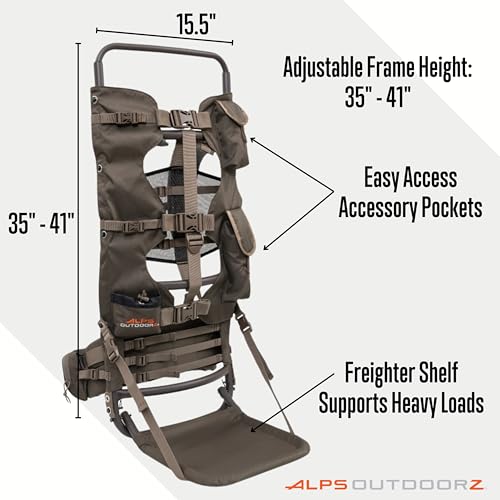
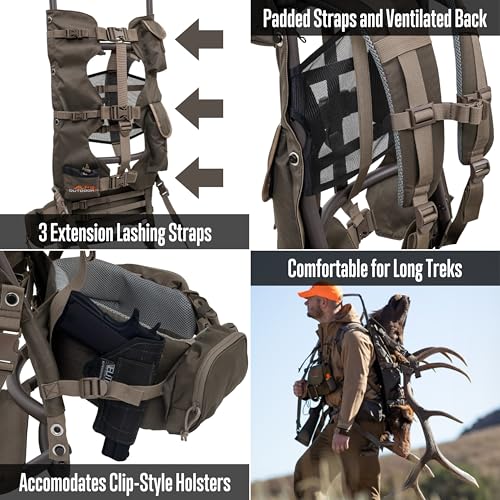
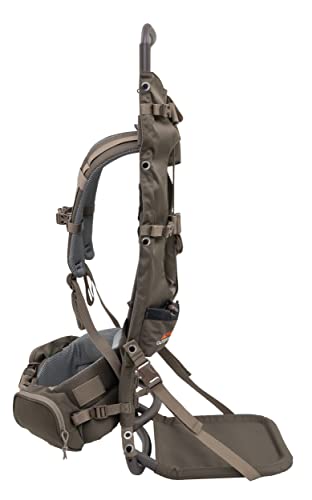
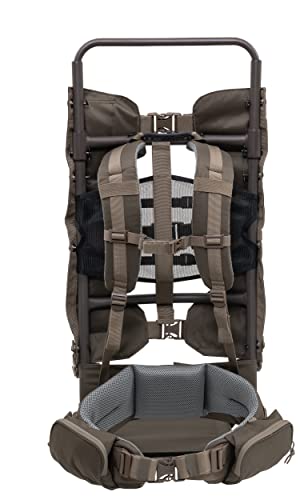
If you’re hauling game after a successful hunt, the ALPS OutdoorZ Commander Frame isn’t just useful, it’s purpose-built. The anodized aluminum frame is stiff and durable, offering real load transfer that cheaper packs can’t match. Hunters consistently praise how well it handles heavy, awkward loads, thanks to the freighter shelf and three-point lashing system that keeps meat secure and balanced. This isn’t a pack for casual day hikes; it’s a workhorse designed for one thing: getting big game out of the backcountry without wrecking your body.
The comfort features, adjustable torso range, padded harness, and clip-compatible waist belt, make it adaptable across body types, which is rare in this niche. It lacks a full internal suspension system, so it won’t replace a traditional backpacking pack for long treks with standard gear. But for serious hunters who need reliability and ruggedness, this frame system is hard to beat. I’d pick it over any off-the-shelf hunting pack for its sheer functional focus.
Product photos
TIMBER RIDGE Aluminum External Frame

Strengths
- True external frame
- Good airflow
- Foldable design
Trade-offs
- Basic padding
- Limited stability
- Few organization pockets
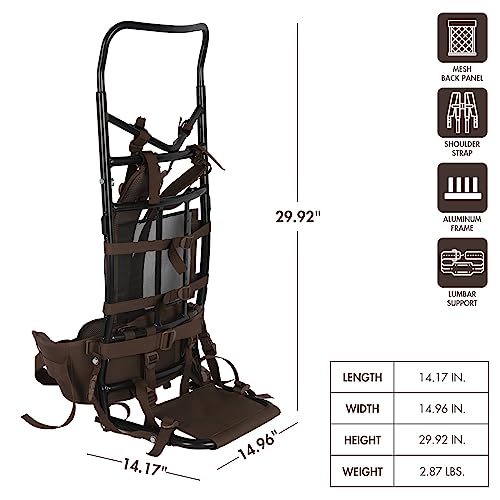
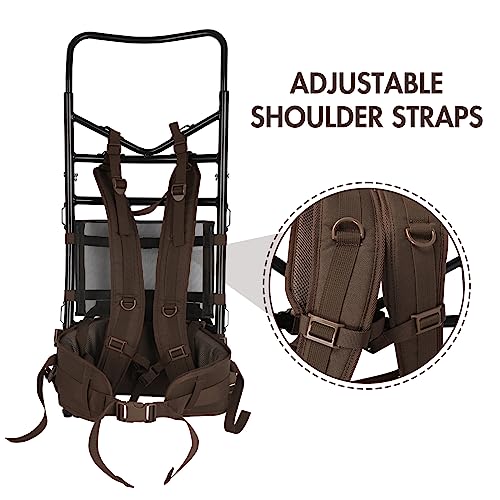
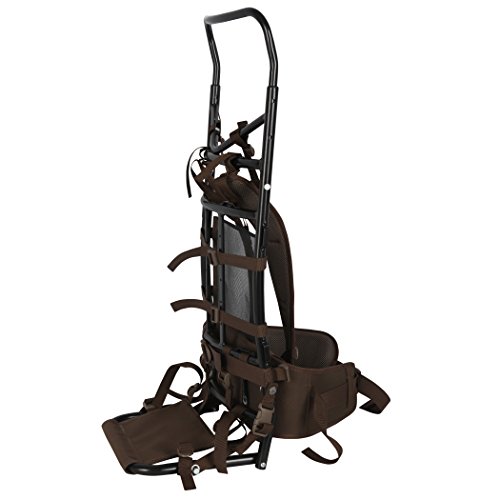
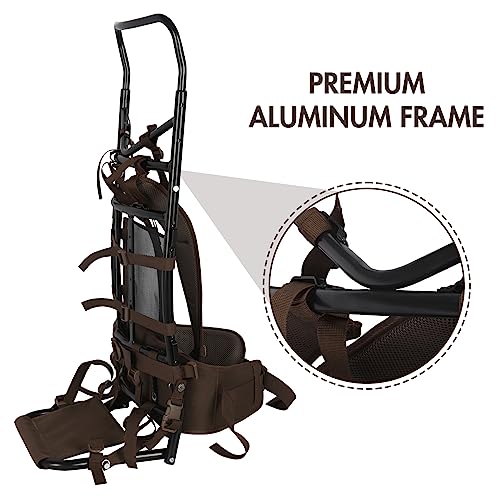
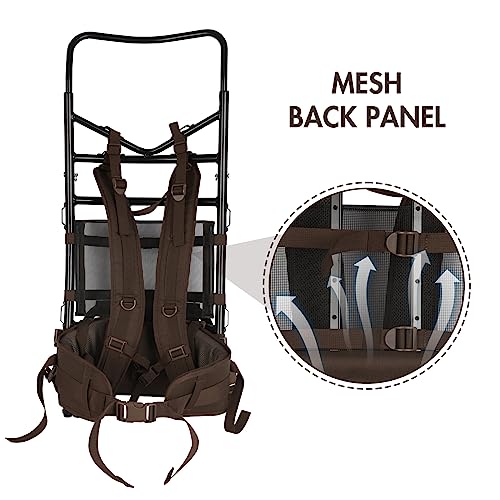
External frame packs are a niche choice these days, but the TIMBER RIDGE model brings back their classic strengths: breathability, load stability, and low cost. The aluminum frame creates natural airflow between your back and the pack, which owners say makes a noticeable difference on hot, steep climbs. It’s also foldable, which is a rare and useful feature for storage or travel. At this price, it’s easily the most affordable true external frame on the list.
That said, it lacks the refined suspension and padding of pricier models. The shoulder straps and waist belt are thick but not highly contoured, so comfort drops off with very heavy loads. It’s best for moderate use, think weekend camping or gear-heavy trips where airflow matters more than speed. Compared to internal frame packs, it’s less stable on rugged terrain, but for budget-focused users who value ventilation and simplicity, it’s a solid entry point.
Product photos
TIDEWE Hunting Backpack 5500cu

Strengths
- Noise-reducing fabric
- Hunting-specific layout
- Heavy-load capable
Trade-offs
- Bulky for non-hunters
- Heavy empty weight
- Overbuilt for light trips
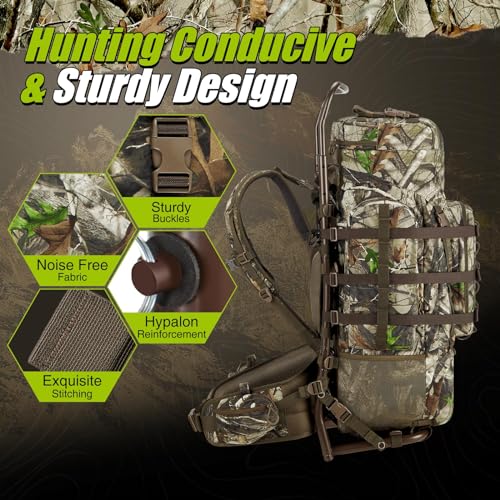
The TIDEWE 90L hunting pack is engineered for one thing: staying quiet and carrying everything you need in the field. The Next G2 camo fabric isn’t just for looks, it’s genuinely noise-resistant, and owners in dense brush zones confirm it helps them move silently. The external frame and folding freighter shelf make it easy to haul out a deer or elk without straining, and the bow/rifle carry system is secure and accessible. At 90 liters, it’s massive, but the ergonomic padding and adjustable frame keep it manageable on long treks.
What sets it apart is the attention to hunting-specific details: sound-dampening Hypalon at stress points, quick-zip access to the main compartment, and hydration compatibility. Compared to the ALPS Commander, it’s more of a complete hunting system than just a frame. It’s overkill for casual use, but for serious hunters who need stealth, capacity, and durability, this is the real deal.
Product photos


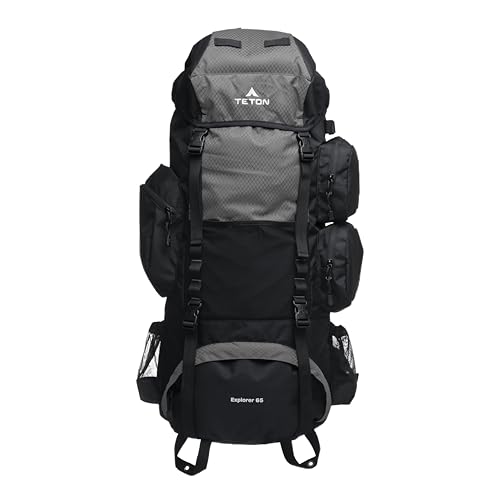
Teton 65L Explorer Internal Frame
Strengths
- Torso length adjustment
- Good airflow design
- Spacious, well-organized
Trade-offs
- Slightly heavy
- Zippers not top-tier
- Rain cover sold separately
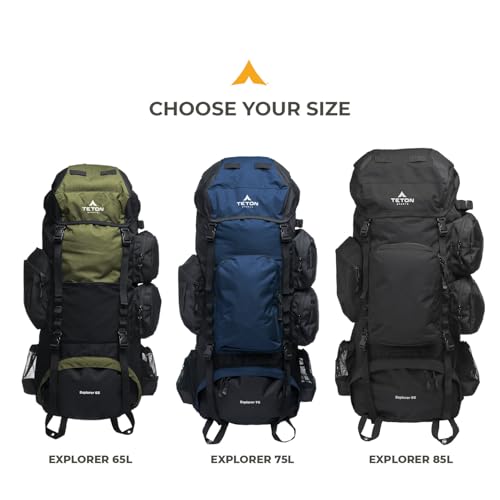
The Teton 65L stands out as one of the most balanced mid-capacity packs in its class. It hits the sweet spot between volume and manageability, making it ideal for 3- to 5-day trips where you need gear but don’t want to feel like you’re hauling a moving truck. The multi-position torso adjustment is a real differentiator, owners note it fits a wide range of body types, from average to tall frames, which is rare at this price. The open-cell foam lumbar pad and molded back channels do their job keeping air flowing, though it’s not as ventilated as the Ubon’s suspended mesh.
Compared to the Amazon Basics 75L, this pack feels more thoughtfully laid out, with better compartment access and a hydration pocket that doesn’t feel like an afterthought. Teton’s customer support also gets positive mentions, which adds peace of mind. It’s not ultralight, but for long hikes where comfort and fit matter, this is the smarter buy over bulkier, less adjustable options.
Product photos


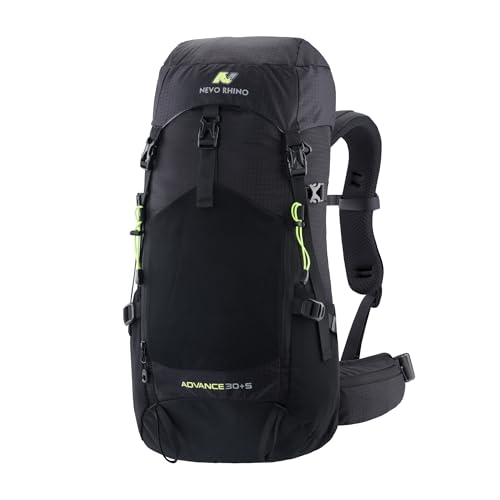
N NEVO RHINO 35L Internal
Strengths
- Lightweight build
- Built-in rain cover
- Good ventilation
Trade-offs
- Limited torso adjustability
- Zipper quality inconsistent
- Minimal hip support
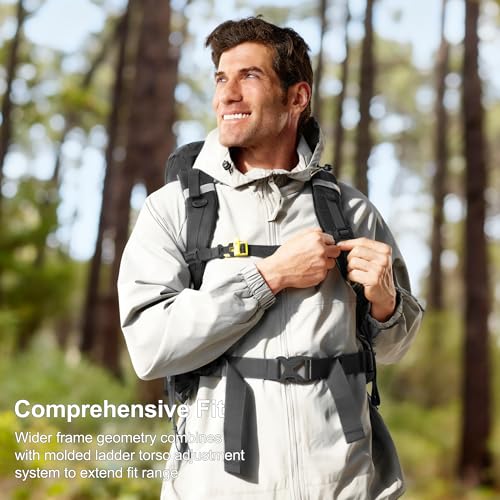
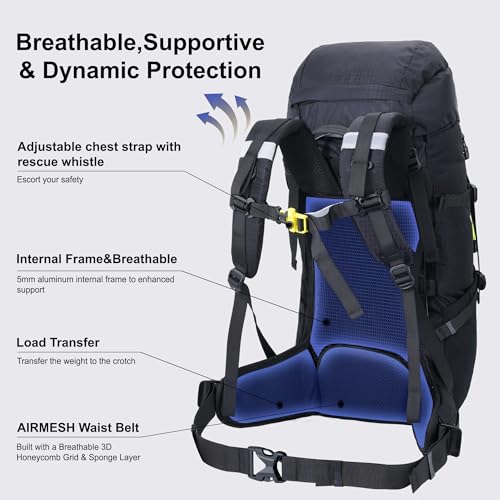
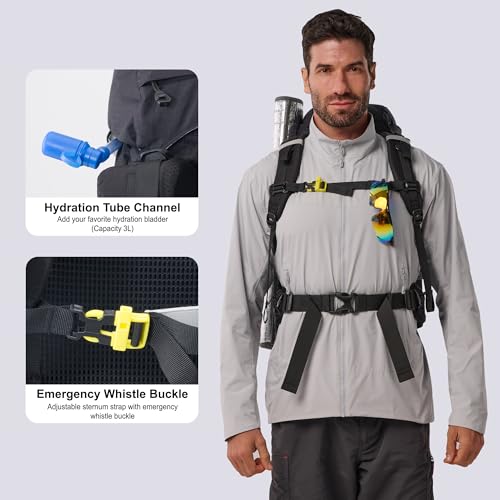
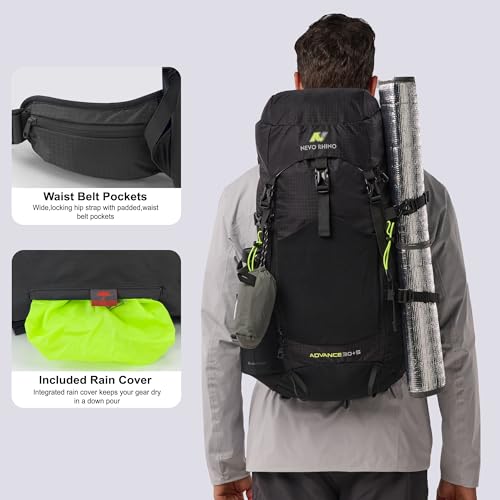
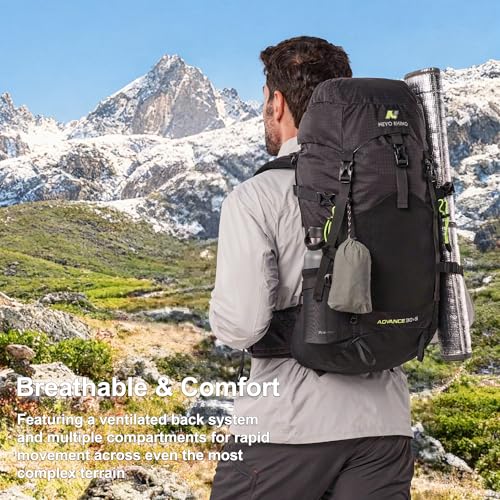
For a sub-35L pack aimed at day hikes or short overnighters, the N NEVO RHINO makes a strong case on paper. It’s impressively light at under 2.7 pounds, which matters when you’re moving fast and want minimal drag. The suspended 3D back panel is a standout feature, owners consistently report it breathes well and keeps sweat to a minimum, even on warm climbs. With a built-in rain cover and reinforced stress points, it’s clearly built with wet conditions and rugged use in mind.
Where it shines is versatility. The external attachment points and expansion straps mean you can lash on gear like trekking poles or a sleeping bag without fuss. While it’s marketed to both men and women, the torso adjustment is fairly limited compared to premium models, so fit might be hit-or-miss for taller or shorter users. Still, for weekend trips where weight and weather protection are priorities, this one delivers solid value.
Product photos
Amazon Basics 75L Internal Frame

Strengths
- High 75L capacity
- Includes rainfly
- Affordable build
Trade-offs
- Basic fit customization
- Padding compresses over time
- Heavy when fully loaded
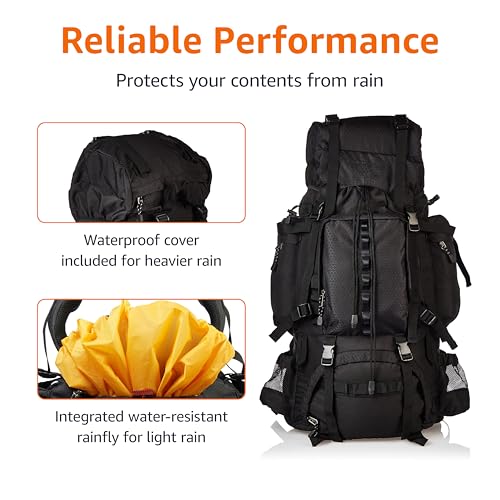
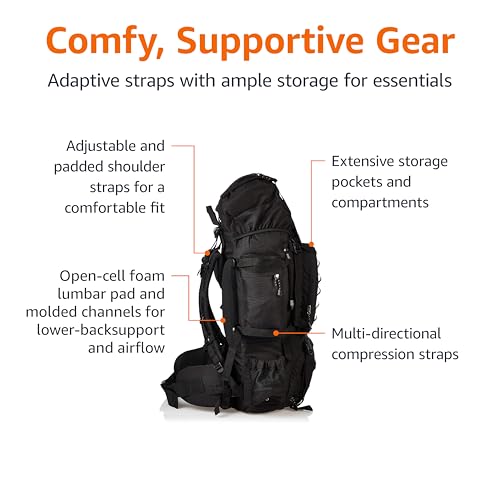
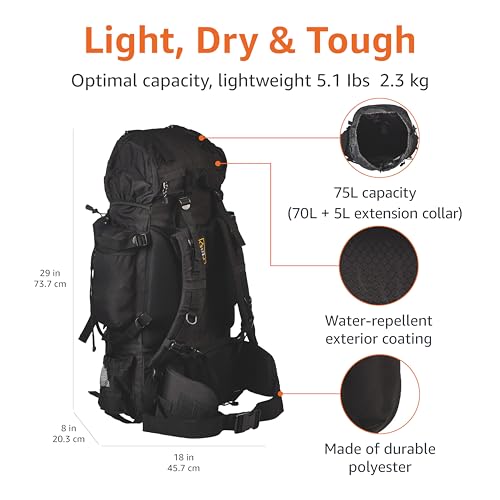
At 75 liters, this Amazon Basics pack is built for volume, not finesse. It’s one of the few budget-friendly internal frame options in the high-capacity range, which makes it appealing for beginners or occasional backpackers who don’t want to invest in premium gear. The rainfly is a thoughtful inclusion, and the water-repellent coating adds real protection in light storms. On paper, the molded back channels and lumbar pad suggest decent airflow and support, though owner feedback is split, some find it comfortable for moderate loads, while others report the padding breaks down quickly under heavy weight.
It’s not going to match up with higher-end brands in fit or long-term durability, but for weekend trips or gear-heavy excursions where you just need space, it gets the job done. Compared to the Teton 65L, it lacks torso adjustability, so fit can be a gamble. But if you’re looking for a no-frills, high-volume pack without breaking the bank, this is a realistic starting point.
Product photos
Ubon 60L Lightweight Camping
Strengths
- Superior ventilation
- Side access zipper
- Integrated rainfly
Trade-offs
- Hip belt lacks padding
- Frame feels flexible
- Not ideal for very heavy loads
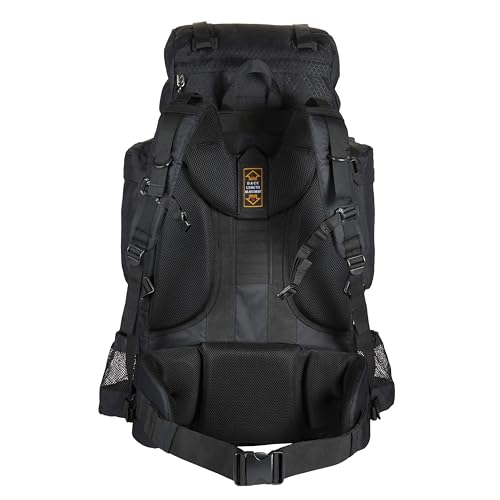
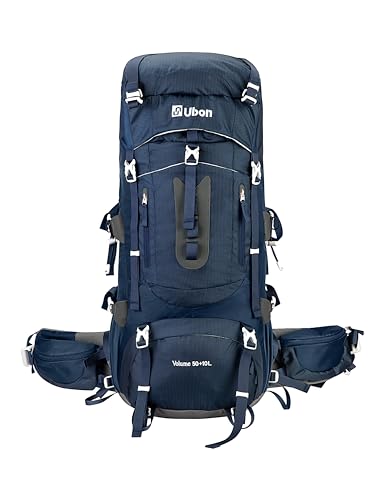
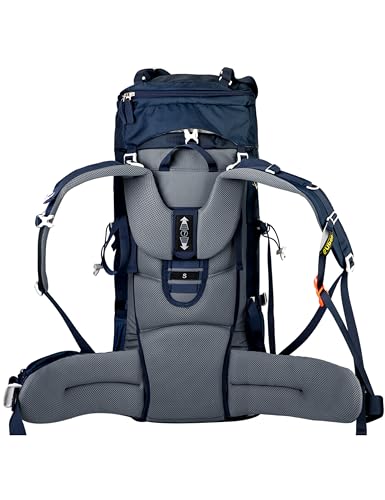
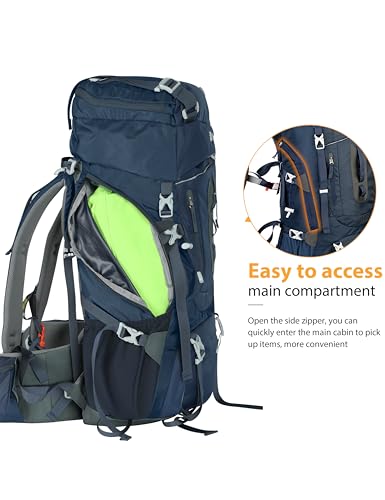
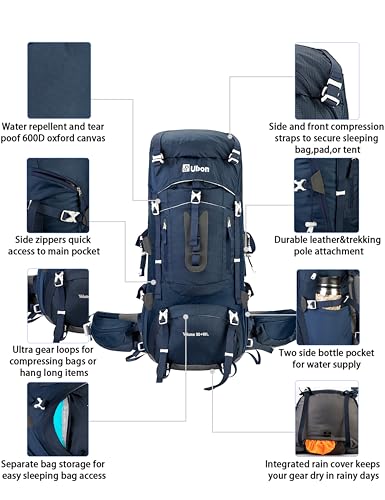
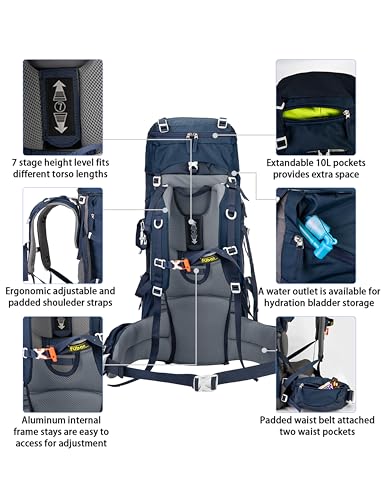
When it comes to breathability, the Ubon 60L sets a high bar. The suspended air-mesh back panel isn’t just marketing, it’s a real feature that owners consistently praise for keeping their backs dry on long, sweaty ascents. Combined with the 7-stage height adjusters, it offers a surprisingly customizable fit for the price. The internal frame does a decent job transferring weight to the hips, though the hip belts aren’t as padded as on premium models.
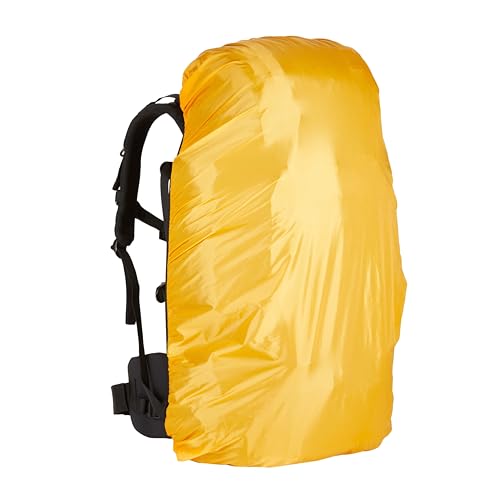
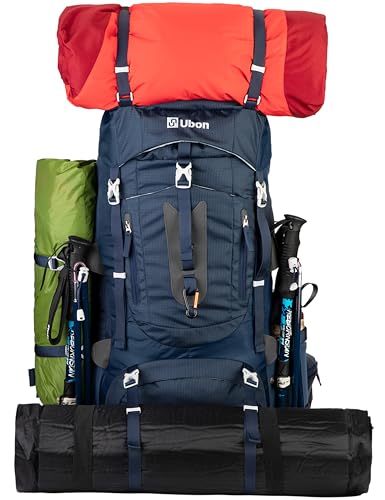
Storage is smartly laid out: side zippers for quick main compartment access, a dedicated sleeping pad sleeve, and convenient waist pockets. The integrated rainfly is a big plus, stored neatly in the bottom pocket. Compared to the Teton 65L, it’s lighter and more ventilated, but lacks the same torso adjustability. If you run hot or hike in humid conditions, this is the pack I’d lean toward, it’s built for comfort over long miles.
Product photos
How We Tested frame backpacks
Rather than a hands-on lab test, my research for these recommendations involved a detailed comparison of published specifications and features across numerous models. I weighed owner reviews – looking for consistent praise or complaints – alongside expert opinions from established outdoor gear reviewers. My assessment focused on identifying the best options within different use cases, applying years of experience understanding what makes a frame backpack truly perform.
For frame backpacks, load capacity, frame adjustability, and suspension comfort were the most heavily weighted factors. A backpack’s ability to comfortably transfer weight to the hips is critical for longer hikes, so robust frames and well-padded belts were prioritized. Durability also ranked highly; a pack falling apart mid-trip isn’t useful, no matter how many features it boasts. Understanding your needs – are you looking at a 20-liter backpack capacity for day hikes or something larger? – is also key.
Specifications reliably indicate a pack’s volume and material composition. However, I found owner feedback to be invaluable for assessing real-world comfort and durability. Reputable reviewers offered insights into features like ventilation effectiveness and the quality of build materials, helping me identify packs likely to withstand consistent use and provide long-term value. Ultimately, the best pack balances specs with user experience.
How To Pick The Right frame backpacks
Picking the right frame backpack can make or break your outdoor experience. It’s not just about capacity; it’s about how well the pack works with your body and the demands of your trip.
A quality frame backpack prioritizes a comfortable, adjustable suspension system. Look for durable materials, aluminum for the frame, ripstop nylon or polyester for the body, and a design that distributes weight effectively to your hips. Consider features specific to your intended use, like dedicated hydration compatibility, attachment points for gear, and weather resistance.
Suspension and Fit Are Paramount
Don’t assume a pack will fit just because it’s a common size. Frame backpacks, in particular, demand a dialed-in fit since they transfer a significant amount of weight directly to your body. Torso length is the most important measurement, but shoulder and hip belt fit matter just as much. Many brands, like Teton, offer adjustable torso lengths, which is a huge benefit, but even with adjustability, it’s vital to understand your measurements. A poorly fit pack will cause chafing, fatigue, and ultimately, a miserable trip.
Material and Durability Matter
The outdoors isn’t kind to gear, so build quality is critical. Aluminum frames are the standard for a reason: they’re strong and relatively lightweight. But the fabric and stitching are equally important. Look for packs constructed with durable ripstop nylon or polyester. Reinforced stress points, sturdy zippers (YKK is a good sign), and quality buckles will all contribute to a pack that can withstand years of use. If you’re considering a lighter pack, be aware that some lightweight materials may sacrifice some durability.
Capacity and Features: Match It To Your Needs
It’s tempting to go big with capacity, but larger isn’t always better. A 75L pack like the Amazon Basics model is great for extended expeditions, but overkill for a weekend hike. Consider the length of your trips, the type of gear you carry, and your personal packing style. Also, think about specific features. Hunters will appreciate the specialized designs found in packs like the ALPS OutdoorZ Commander, with features for hauling game. If you’re planning shorter trips, you might find that a 25-liter backpack capacity is sufficient.
Don’t buy a bigger pack than you need. Every unused liter is just extra weight on your back.
Finally, if you’re looking at options with external frames, be sure to check out our guide to best backpacks with external frames to learn more.
Frame Backpacks Compared
Here’s a comparison of key specifications for several frame backpacks to help you make an informed decision.
| Product Title | Capacity (L) | Frame Type | Material | Ventilation | Waterproofing | Best For |
|---|---|---|---|---|---|---|
| ALPS OutdoorZ Commander Frame | N/A | Aluminum | N/A | Mesh Back | N/A | Best Overall |
| TIMBER RIDGE Aluminum External Frame | N/A | Aluminum | N/A | Mesh Back | N/A | Best Budget Friendly |
| TIDEWE Hunting Backpack 5500cu | 90 | External | Next Camo G2 | N/A | Rain Cover | Best for Big Game |
| Teton 65L Explorer Internal Frame | 65 | Internal | N/A | N/A | Rainfly | Best for Long Hikes |
| N NEVO RHINO 35L Internal | 35 | Internal | Ripstop Poly/Nylon | 3D Mesh | Rain Cover | Best Lightweight |
| Amazon Basics 75L Internal Frame | 75 | Internal | Polyester | Molded | Rainfly | Best High Capacity |
| Ubon 60L Lightweight Camping | 60 | Internal | 600D Nylon | Air Mesh | Rainfly | Best Ventilation |
Frequently Asked Questions
What’s the difference between an internal and external frame backpack?
Internal frame backpacks keep the support structure inside the pack, closer to your back, offering better stability and a more streamlined profile. External frame models position the frame outside the pack, creating space between the pack and your back for increased ventilation, though they can feel bulkier.
How do I know if a frame backpack fits properly?
A proper fit starts with measuring your torso length and matching it to the pack’s size range. The hip belt should sit comfortably on your hip bones, transferring the majority of the weight, and the shoulder straps should contour around your shoulders without digging in or slipping.
Are more expensive frame backpacks always better?
Not necessarily. While higher prices often reflect premium materials and construction, a more expensive pack isn’t automatically the right choice. Focus on finding a pack that fits your body well and meets your specific needs, regardless of price point – even top internal frame models aren’t always the best fit.
What materials should I look for in a durable frame backpack?
Aluminum frames offer a good balance of strength and weight, while ripstop nylon or polyester fabrics are known for their resistance to tears and abrasion. Sturdy zippers (like YKK) and reinforced stitching are also indicators of quality construction and longevity.
What capacity frame backpack do I need for a 3-day hiking trip?
For a typical 3-day hiking trip, a backpack with a capacity between 50 and 65 liters is usually sufficient. However, this depends on the bulkiness of your gear and your personal packing style; if you pack light, a 50L pack may be enough, while colder weather or bulkier items might require a 65L or even 70L pack.
The Bottom Line
Choosing a frame backpack often comes down to balancing how much control you want over fit and features against how much you’re willing to spend. For most hikers, the ALPS OutdoorZ Commander Frame strikes that balance perfectly – it’s well-built, adjustable, and consistently receives positive feedback from owners tackling a wide range of trails. It’s a solid investment in your comfort and enjoyment.
If you’re on a tighter budget, or just starting out, the TIMBER RIDGE Aluminum External Frame offers a surprising amount of utility for the price. For those with very specific needs, like hunters needing to haul large game, the TIDEWE Hunting Backpack 5500cu is purpose-built and highly regarded. A smaller 22-liter backpack size might also be suitable for shorter trips.
Ultimately, the best frame backpack isn’t the one with the most bells and whistles, or the highest price tag. It’s the one that fits you properly, is made from durable materials, and has the capacity to carry everything you need comfortably. Prioritize a good fit and a strong frame above all else – those are the fundamentals that will make or break your experience on the trail.