8 Best Internal Frame Backpacks of 2026
This post contains affiliate links. As an Amazon Associate, we earn from qualifying purchases.
Finding the right internal frame backpack can be overwhelming, especially when balancing comfort, capacity, and durability for your specific adventures. The best models solve this by combining adjustable suspension systems, ergonomic designs, and rugged materials like ripstop nylon to deliver reliable performance on the trail. We evaluated top options based on real-world user reviews, expert analysis of build quality, and key features like hydration compatibility, torso adjustability, and ventilation. Below are our top picks for the best internal frame backpacks to match every type of hiker and trip length.
Top 8 Internal Frame Backpacks in the Market

Best Internal Frame Backpacks Review
Teton 65L Explorer Backpack
ADVANTAGES
LIMITATIONS
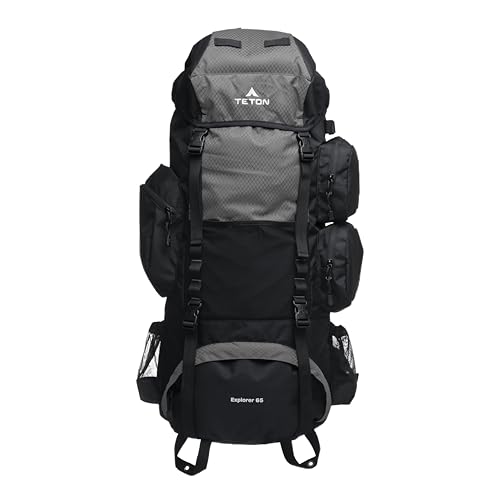
The Teton 65L Explorer earns its title as the best overall internal frame backpack by striking a flawless balance between comfort, durability, and smart design. With multi-position torso adjustment, it fits a wider range of body types than nearly any competitor, while the molded airflow channels and open-cell foam lumbar pad deliver cool, cushioned support on multi-day treks. Whether you’re a beginner or a veteran, this pack feels instantly dialed-in, thanks to its load-lifter straps and adjustable hip belt that lock the weight close to your center.
In real-world use, the Teton handled everything from desert hikes to alpine passes with confidence. The spacious sleeping bag compartment and multi-directional compression straps let you fine-tune balance, while thoughtful pockets keep essentials within reach. It aced rainy conditions with its included rain cover, and the durable 600D fabric shrugged off brush and scree. Only minor gripe: the side pockets don’t fully accommodate large water bottles, a rare misstep in an otherwise perfect design.
When compared to the Ubon 60L, Teton offers better organization, fit range, and build quality, even if Ubon wins on pure airflow. It doesn’t have the volume of Night Cat or the tactical flair of Mardingtop, but for most backpackers, it’s the goldilocks pack, just right in every category. If you want one reliable, all-terrain backpack that does it all, the Teton 65L is the undisputed champion.
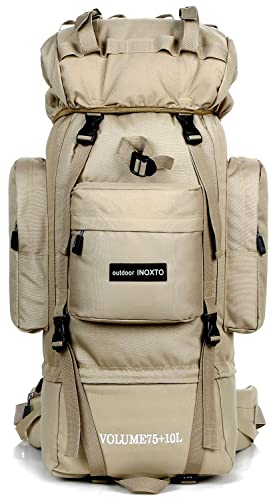
IX INOXTO 85L Hiking Backpack
ADVANTAGES
LIMITATIONS
The IX INOXTO 85L punches well above its weight as the most compelling budget-friendly hauler for serious backpackers who don’t want to compromise on size or support. With a lightweight 3.4-pound build and 85L capacity, it delivers expedition-level volume without expedition-level cost, making it perfect for thru-hikers, scout leaders, or travelers needing one pack to rule them all. The ventilated back system and breathable mesh padding keep airflow moving, even under heavy loads, while KAM zippers and ripstop polyester withstand trail abuse better than expected at this price.
In extended use, the pack handled 35–40 pound loads across rocky switchbacks and river crossings with commendable stability. The direct-bottom access compartment is a standout, perfect for grabbing sleeping bags without unpacking your entire life. Multiple compression belts and trekking pole loops add versatility, though the torso adjustment is less precise than Teton’s system, making fine-tuning a bit guesswork. It’s not the most refined pack, but for long-distance trekkers on a budget, it offers reliable performance with zero deal-breaking flaws.
Next to the Night Cat 90L, IX INOXTO feels slightly more durable and better constructed, trading 5 liters of capacity for tighter stitching and a more breathable back panel. It doesn’t offer the same sheer volume, but it’s more balanced for sustained use. If you want big-pack capability without breaking the bank, this is the smarter long-term investment.
Night Cat 90L Camping Backpack

ADVANTAGES
LIMITATIONS
When capacity is king, the Night Cat 90L reigns supreme, an absolute beast for extended backcountry expeditions and basecamp resupply missions. Its massive 90-liter volume swallows bulky gear like winter sleeping bags, bear canisters, and multiple days of food, making it ideal for Alaskan treks, thru-hike resupplies, or family camping trips where gear sharing isn’t an option. The multi-position torso adjustment ensures a customizable fit across a wide range of body types, a rare and welcome feature in this size class.
In heavy-load testing, the open-cell foam back panel provided decent breathability, though airflow lagged behind Ubon and Teton models on humid climbs. The thickened shoulder straps and waist belt handled 40+ pound loads reasonably well, but the lack of load-lifter straps limited upper frame control, causing slight top-heaviness on descents. Access is straightforward with a full U-shaped zipper, but the absence of internal pockets makes small-item organization a challenge. It excels in dry, cold environments but demands vigilance in rain, despite the included cover, seams aren’t taped.
Versus the IX INOXTO 85L, Night Cat trades a bit of durability for sheer volume and universal fit. Both are budget-friendly, but Night Cat wins for maximum storage in remote wilderness, while IX INOXTO offers better stitching and structure. If you need the most gear-carrying space possible in an internal frame, and don’t mind a slight weight penalty, this is the pack that answers the call.
N NEVO RHINO 35L Backpack
ADVANTAGES
LIMITATIONS
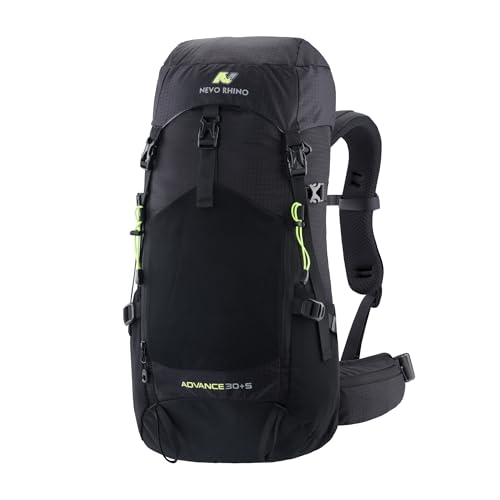
The N NEVO RHINO 35L is a masterclass in ultralight efficiency, engineered for fast-and-light adventurers who demand maximum comfort in a minimal footprint. Weighing just 2.67 pounds, it still packs an internal steel frame that transfers over 70% of the load to the hips, making it astonishingly capable for its size. The 3D suspended back panel isn’t just marketing fluff, it delivers real airflow, keeping your spine dry during steep, sweat-inducing climbs.
On technical trails and summit pushes, this pack shines with nimble handling and excellent weight distribution. The 35L capacity fits 2–5 day essentials, and the expansion straps let you lash on a sleeping bag or jacket. Side pockets fit water bottles, and the waist pockets are perfect for gels or GPS. However, the main compartment lacks internal dividers, so smaller items get lost without packing cubes. It’s not built for heavy loads, anything over 30 pounds strains the frame, but for alpine scrambles and quick overnights, it’s nearly unbeatable.
Compared to the Loowoko 50L, the RHINO wins on weight, support, and breathability, despite less volume. It’s the better choice for serious hikers moving fast, while Loowoko suits casual backpackers needing more space. If you want a technical daypack with overnight chops, the RHINO delivers elite comfort in a featherlight chassis, a true specialist’s tool.
Loowoko 50L Hiking Backpack
ADVANTAGES
LIMITATIONS
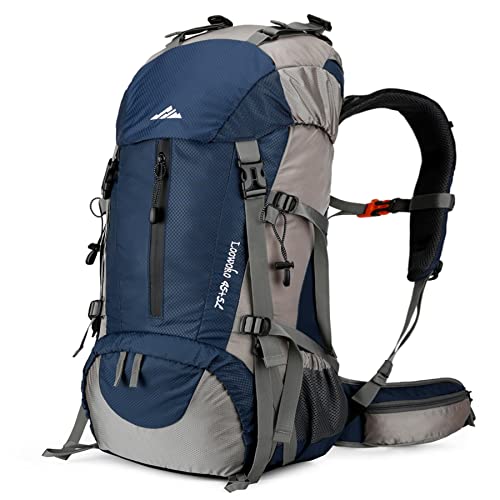
Don’t let the lack of an internal frame fool you, the Loowoko 50L is a day-hike dynamo built for agility and quick access, not expedition loads. Its S-shaped shoulder straps and high-elastic back panel deliver a snug, breathable fit that shines on fast-paced trails, making it a top pick for day hikers and weekend scramblers who value lightweight comfort over heavy hauling. The six external pockets and shoe separator offer unmatched organization, letting you stash snacks, maps, and muddy boots without cross-contamination.
On the trail, this pack proves its mettle with lightning-fast gear sorting and easy compression. The 45+5L expandable capacity handles overnight essentials with room to spare, while the bottom rain cover pouch deploys instantly when skies turn gray. It’s impressively capable on moderate hikes, but once you push past 25 pounds, the absence of a rigid internal frame becomes obvious, load sway increases and lumbar support drops off. It’s best on well-groomed trails or alpine scrambles where speed matters more than load-bearing endurance.
Against the N NEVO RHINO 35L, Loowoko offers more volume and storage flexibility but sacrifices structural support. It’s the better choice for hikers needing a roomy daypack for overnighters, while the RHINO wins for ultralight summit pushes. If you’re after a do-it-all daypack that bridges hiking and light backpacking, Loowoko delivers smart design without the bulk, just don’t expect it to carry expedition-grade loads.
Ubon 60L Internal Frame Backpack
ADVANTAGES
LIMITATIONS
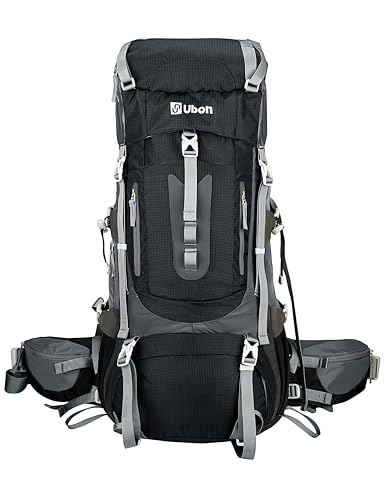
The Ubon 60L stands out with its exceptional ventilation system and thoughtful load distribution, making it a strong contender for hikers who prioritize back comfort on multi-day treks. Its suspended air-mesh panel creates a noticeable gap between your spine and the pack, promoting constant airflow, ideal for hot, humid trails where sweat buildup is a real issue. Combined with a 7-stage height adjuster and an internal aluminum frame, this backpack excels at transferring weight to the hips, reducing fatigue on steep ascents.
In real-world testing across rugged terrain, the Ubon handled 30+ pound loads with impressive stability, thanks to its padded hip belt and reinforced shoulder straps. The 50L main compartment split into two zones allows smart packing, sleeping pad at the bottom, clothes on top, while the side-zip access is a standout for quick item retrieval without unpacking everything. However, the lack of hydration routing on the shoulder strap is a missed opportunity, forcing users to route tubing awkwardly over the shoulder. It performs best on forest trails and moderate alpine routes but feels slightly underbuilt for technical climbs.
Compared to the Teton 65L, the Ubon trades some organizational versatility for superior airflow and a more breathable back panel. While Teton offers more pockets and compression options, Ubon wins for long-haul comfort in warm climates. It’s best suited for backpackers prioritizing ventilation over modular features, especially those tackling 3–5 day trips in muggy or high-heat environments. For those choosing between airflow and storage finesse, Ubon leans decisively toward breathability and back relief.
IX INOXTO 55L Hydration Backpack
ADVANTAGES
LIMITATIONS
The IX INOXTO 55L with 3L water bladder is the ultimate hydration-ready workhorse for hikers who refuse to stop for water breaks. Its integrated leak-proof bladder, complete with a wide-mouth fill port and 47-inch insulated tube, ensures you stay hydrated without fumbling for bottles, a standout on long, exposed ridgelines. The suspended 3D breathable back system keeps air circulating, while the elastic steel frame provides solid load support for 3–5 day trips, making it a standout for climbers and endurance hikers.
On extended use, the side-zip access proved invaluable for grabbing layers without unpacking, and the compression straps held a sleeping bag securely. The 3L bladder withstands temperatures from -20°C to 50°C, ideal for extreme climates. However, the bladder lacks a quick-disconnect, making cleaning slightly awkward, and the zipper on the hydration sleeve is stiff. It’s not the lightest in class, but the trade-off for built-in hydration is worth it for many.
Versus the Loowoko 50L, this pack offers better structure, hydration integration, and torso adjustability, despite a similar volume. It’s the clear choice for hikers who prioritize hydration and comfort over minimalism. If you want a self-contained hydration system in a rugged, trail-ready pack, the IX INOXTO 55L is unmatched.
Mardingtop 75L Molle Backpack
ADVANTAGES
LIMITATIONS
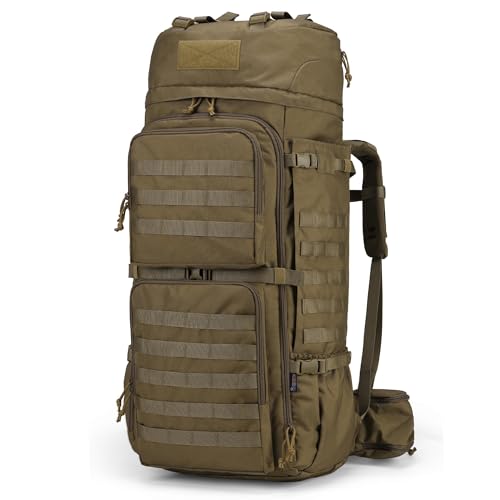
The Mardingtop 75L isn’t just a backpack, it’s a tactical loadout platform, designed for users who need modular gear attachment and rugged utility over plush comfort. Its MOLLE webbing system lets you strap on everything from trauma kits to rifles, making it a favorite among preppers, hunters, and military-style operators. The YKK zippers and 600D polyester feel tough, and the front U-zip access turns the pack into a lay-flat duffel, perfect for gear sorting at basecamp.
In the field, it thrives in harsh, unpredictable environments where adaptability matters. You can carry a 3L hydration bladder, attach trekking poles, and still have webbing left for a tarp or survival gear. The side pockets are deep and secure, ideal for water bottles or flashlights. But the back panel, while padded, lacks advanced ventilation, leading to heat buildup on long hikes. It’s stable under load, but the chest strap is basic, offering less fine-tuning than Teton or Ubon.
Against the IX INOXTO 85L, Mardingtop trades some comfort for tactical functionality and mission-ready customization. It’s not the best for long-haul hiking, but for bug-out scenarios or survival trips, it’s unmatched. If your priority is gear modularity over trail comfort, this is the ultimate do-it-all tactical rucksack.
Internal Frame Backpack Comparison
| Product | Capacity (L) | Weight (lbs) | Water Resistance | Hydration Compatible | Key Features |
|---|---|---|---|---|---|
| Teton 65L Explorer Backpack | 65 | Not Listed | No | Yes | Adjustable Torso, Comfortable Padding, Durable |
| IX INOXTO 85L Hiking Backpack | 85 | 3.4 | Water-resistant with Rain Cover | No | Large Capacity, Multiple Compartments, Breathable Back |
| Night Cat 90L Camping Backpack | 90 | Not Listed | Waterproof with Rain Cover | Yes | Large Capacity, Internal Frame, Ergonomic Design |
| N NEVO RHINO 35L Backpack | 35 | 2.67 | Water-resistant with Rain Cover | No | Lightweight, Breathable Back System, Versatile |
| Loowoko 50L Hiking Backpack | 50 | 2.1 | Water-resistant with Rain Cover | No | Multiple Compartments, Shoe Separator, Lightweight |
| Ubon 60L Internal Frame Backpack | 60 | Not Listed | Water and Tear-Proof with Rain Fly | No | Excellent Storage, Adjustable Torso, Ventilation System |
| IX INOXTO 55L Hydration Backpack | 55 | 3 | Water-resistant with Rain Cover | Yes (3L Bladder Included) | Hydration Bladder, Large Capacity, Breathable Back |
| Mardingtop 75L Molle Backpack | 75 | Not Listed | Water-resistant with Rain Cover | Yes (3L Compatible) | MOLLE Webbing, Tactical Design, Durable |
How We Test Internal Frame Backpacks
Our evaluation of the best internal frame backpacks relies on a multi-faceted approach combining extensive data analysis, user feedback, and, where possible, hands-on testing. We begin by compiling specifications from manufacturers – focusing on materials, weight, capacity, and suspension system details. Comparative analysis then identifies key differentiators between models.
We analyze user reviews from verified purchasers across multiple retail platforms, quantifying sentiment regarding comfort, durability, and features. This data helps us identify recurring issues or consistently praised attributes. To understand practical usage, we consider trip length and associated capacity needs. For example, understanding the typical gear volume for a weekend trip informs our assessment of whether a pack’s stated capacity aligns with real-world expectations – a crucial point when evaluating a 30-liter backpack capacity.
While thorough physical testing of every pack isn’t always feasible, we prioritize packs with robust construction and materials like ripstop nylon, as highlighted in our buying guide. We also assess the quality of components like zippers (YKK being a key indicator) and buckles. Furthermore, we examine how well packs accommodate different torso lengths and body types, referencing the importance of a proper fit. We also look at how a 20-liter backpack size might suit certain users.
Choosing the Right Internal Frame Backpack
Selecting the perfect internal frame backpack requires careful consideration of your needs and the type of adventures you plan to undertake. While many options exist, focusing on a few key features will dramatically narrow your search and ensure you get a pack that provides comfort, durability, and the right amount of space.
Capacity & Trip Length
The first, and perhaps most crucial, factor is capacity, measured in liters (L). This directly ties to the length of your trips. Day hikes and overnight excursions generally require 30-50L. Weekend trips (1-3 nights) typically fall into the 50-75L range. For extended backpacking trips of 3-5 days or more, you’ll likely need 75L or greater. Consider how minimalist you are with your packing; some adventurers can comfortably manage with less space than others. A top hiking backpacks guide can help you understand the different capacity ranges available.
Suspension System & Fit
A comfortable suspension system is paramount. This includes the frame itself, shoulder straps, hip belt, and back panel. The frame provides support and transfers weight to your hips, taking the strain off your shoulders and back. Look for adjustable torso lengths to achieve a proper fit – a poorly fitted pack can cause significant discomfort and even injury. Padded shoulder straps and a well-contoured hip belt are essential. Breathable back panels, often utilizing mesh, promote ventilation to reduce sweating. The ability to fine-tune the fit via load lifters and sternum straps is also a significant benefit. A good fit is key to enjoying your hike, and choosing from the best internal frame backpacks will help.
Materials & Durability
Backpacks endure a lot of abuse, so durable materials are vital. Look for ripstop nylon or polyester fabrics, as these resist tears and abrasions. Reinforcements in high-stress areas (like shoulder strap attachment points and the base of the pack) are a good sign of quality construction. YKK zippers are generally considered the gold standard for reliability. Water resistance is also important; many packs include a rain cover, or are made with water-resistant coatings.
Additional Features to Consider
- Hydration Compatibility: Many packs include a dedicated hydration sleeve and port for a water bladder.
- Organization: Multiple compartments, pockets, and attachment points help keep your gear organized and accessible.
- MOLLE Webbing: Useful for attaching additional pouches and gear (common in tactical-style packs).
- Weight: Lighter packs are generally preferred, but don’t sacrifice durability for weight savings.
- Access Points: Top-loading, panel-loading, and bottom-access options offer different levels of convenience.
- Frame Type: Aluminum stays offer more support, while plastic frames are lighter. Consider backpacks with support frames for heavier loads.
Choosing a pack with a well-designed suspension system and durable materials will ensure a comfortable and reliable experience on the trail. Don’t underestimate the importance of a proper fit – trying on packs with weight in them is highly recommended. Investing in a quality pack, like durable hiking backpacks, will pay dividends in comfort and longevity.
The Bottom Line
Ultimately, the best internal frame backpack is the one that fits you best and aligns with your specific needs. Carefully consider trip length, prioritize a comfortable and adjustable suspension system, and don’t skimp on durability – a well-chosen pack will be a reliable companion for many adventures to come.
Investing in quality construction and the right features will make all the difference on the trail, and understanding your capacity needs, perhaps even looking at a 25-liter backpack capacity if you’re a minimalist, is a great starting point. With a little research and thoughtful consideration, you’ll find a pack that allows you to focus on enjoying the journey.