7 Best Dry Bag Backpacks of 2026
This post contains affiliate links. As an Amazon Associate, we earn from qualifying purchases.
The Earth Pak stands out as the best overall drybag backpack, combining rugged build quality with a solid IPX8 waterproof rating and a reassuring five-year warranty. For those watching their budget, the HEETA Transparent 20L offers solid protection and clever features at a lower price point, while the STOVER 5-55L delivers unmatched versatility with its expandable capacity.
Picking the right drybag backpack isn’t just about staying dry, it’s about finding gear that won’t fail when you’re in the middle of a downpour or wading through a river. Too many bags promise waterproof performance but fall apart at the seams or dig into your shoulders after an hour on the trail.
As someone who’s evaluated hundreds of travel and outdoor bags, I focused on what actually matters: real-world waterproofing, long-term durability, and comfortable carry. These picks are based on a deep explore specs, verified owner feedback, and a clear understanding of how these packs perform under pressure.
Top 7 Drybag Backpacks in the Market
The Best Drybag Backpacks, Reviewed
Pelican ExoDry 30L Large Drybag

Strengths
- Translucent body section
- Padded breathable straps
- Exterior zip pocket
- Reflective logo
- Durable 500D PVC
Trade-offs
- No included phone case
- Not buoyant
The Pelican ExoDry 30L is, in my view, the most balanced option here, earning its ‘Best Overall’ label with a mix of smart design, trusted materials, and thoughtful features. The 500D PVC is tough yet flexible, and the translucent middle section lets you spot contents without unrolling, a small but meaningful upgrade. Owners consistently praise how easy it is to carry, thanks to the breathable, padded straps.
The water-resistant exterior pocket is a practical addition for quick-access items like snacks or sunscreen, and the reflective logo boosts visibility at dusk. While it doesn’t float, its roll-top seal is proven in real-world use. Against the OSAH or HEETA models, it trades raw capacity for superior usability and organization. For most travelers and paddlers, this is the one I’d recommend first.
Product photos


STOVER 5-55L Waterproof Dry Backpack
Strengths
- Affordable pricing
- Includes phone case
- Floating design
- Multiple carry modes
- Reflective safety strip
Trade-offs
- Less padding on straps
- Mesh pocket not fully sealed
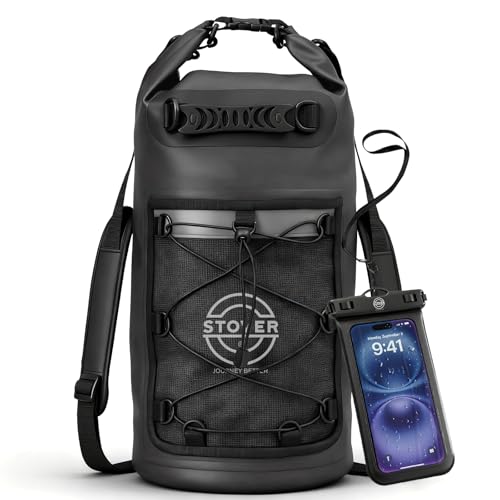
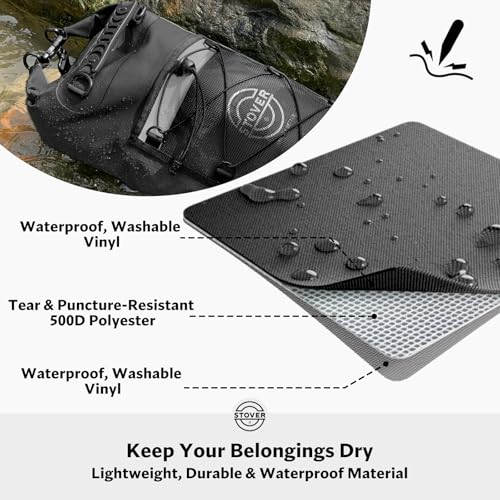
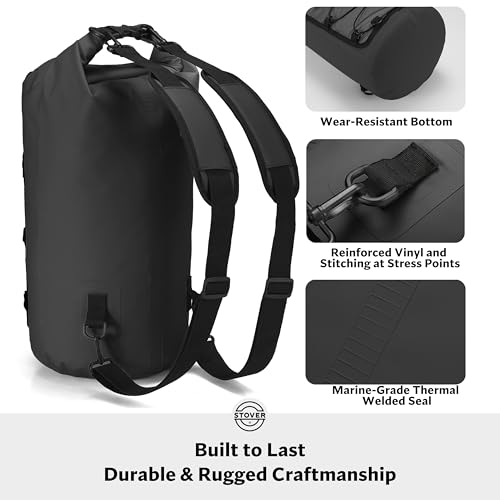
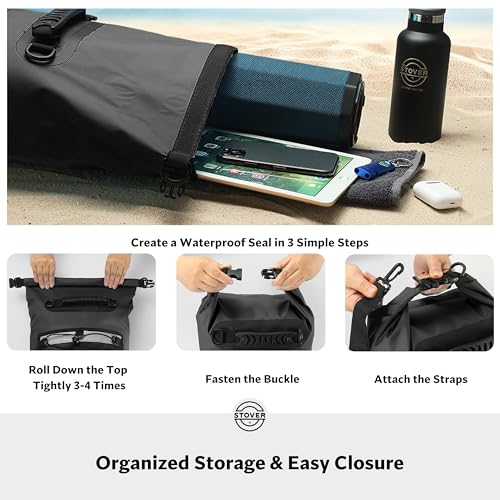
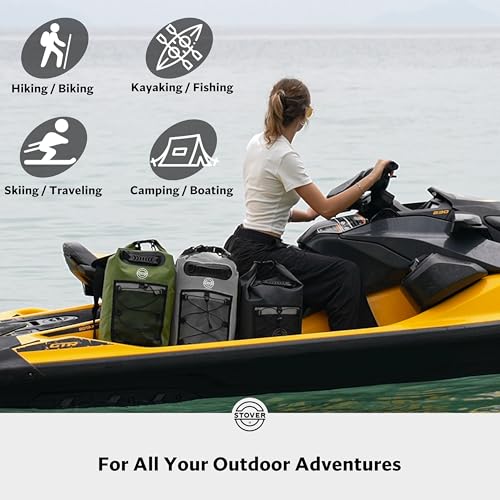
For budget-conscious buyers who still want core functionality, the STOVER delivers. It’s not flashy, but the high-frequency sealed seams and floating capability give it solid performance credibility. The 40L version offers ample space, and owners appreciate the flexibility of carrying it as a backpack, cross-body, or tote, thanks to multiple carry options.
One standout feature is the included IP58-rated waterproof phone case, which is touch-sensitive and fits larger phones. That adds real value, especially when other brands charge extra. The front wet/dry mesh pocket is another small but smart touch for separating damp gear. Against similarly priced models, this one edges out the competition with better organization and comfort, even if the material feels slightly thinner than premium PVC builds.
Product photos

Piscifun Floating Dry Backpack 20L
Strengths
- Wet/dry compartment
- Floats in water
- Includes waist pouch
- Phone case included
- Comfortable straps
Trade-offs
- Front pocket not fully waterproof
- Zipper requires care
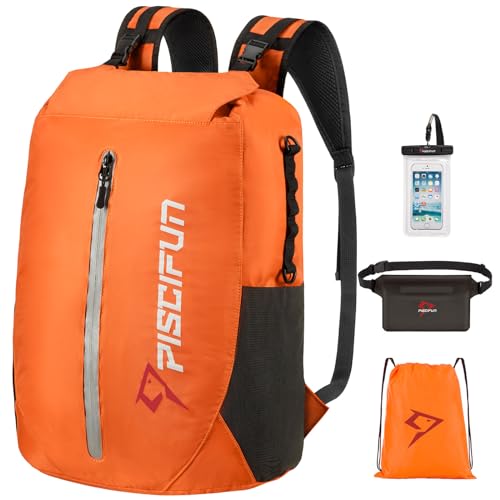
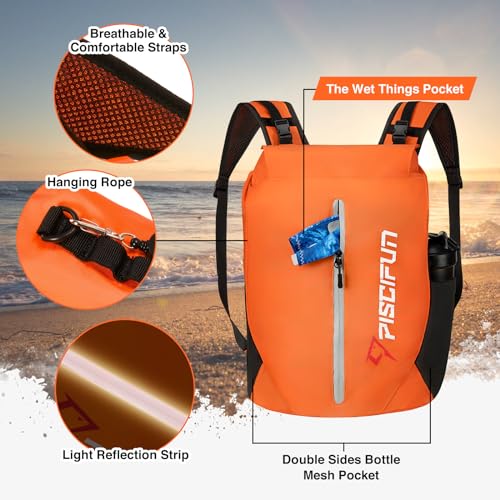
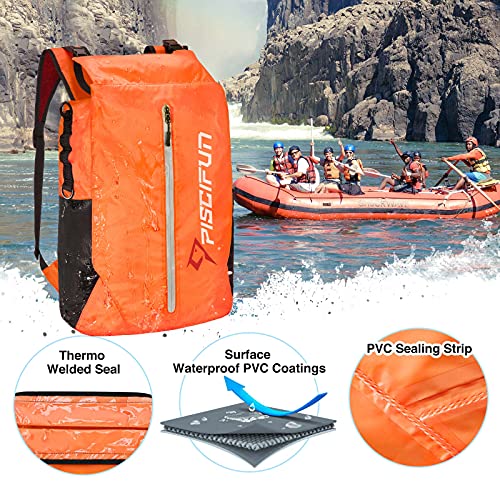
The Piscifun stands out for one key reason: wet/dry separation. The zippered front compartment is specifically designed to hold damp towels or swimsuits, keeping them isolated from dry gear inside the main roll-top chamber. That’s a standout for beach days or post-swim transitions, and owners say it works exactly as intended.
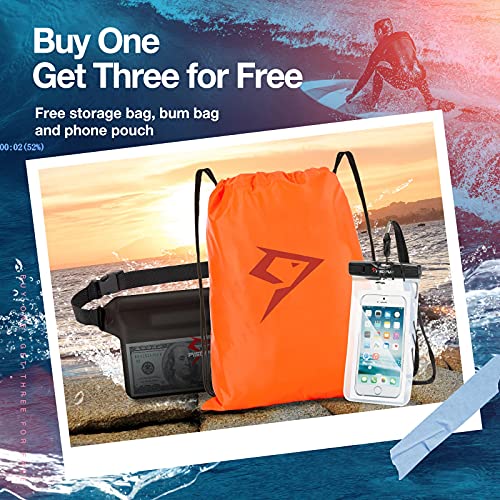
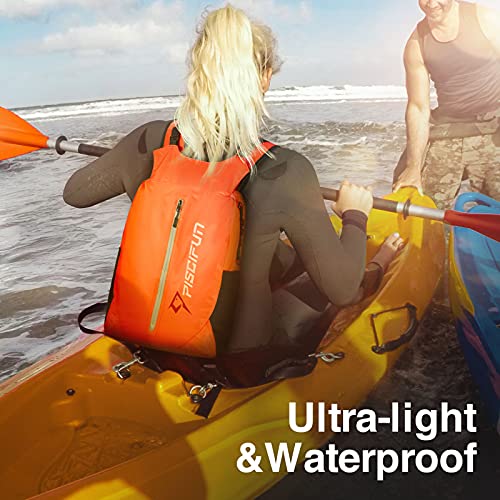
It floats, which adds peace of mind, and the included waist pouch and phone case increase value. The 500D nylon is durable and lighter than PVC, though not quite as impervious to punctures. Comfort is solid, with breathable straps and an ergonomic fit. Compared to single-compartment models, this one solves a real packing problem, making it a top choice for families or anyone switching between wet and dry environments.
Product photos

HEETA Transparent Dry Bag 20L
Strengths
- Transparent body
- Easy item location
- Lightweight carry
- Phone case included
- Multiple sizes
Trade-offs
- Thinner side material
- Not for rugged terrain
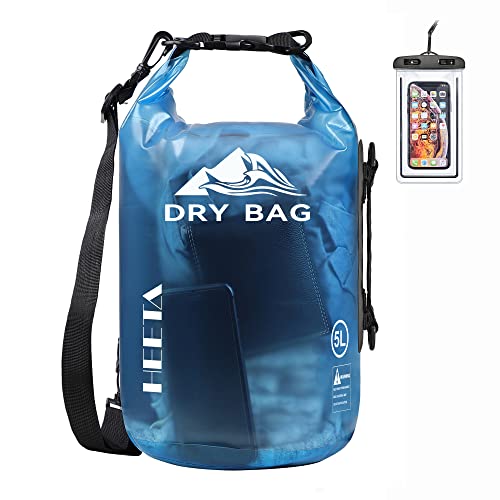
The transparent design of this HEETA model is its biggest selling point, and it works. Being able to see your gear instantly means no more digging through a black bag for your phone or towel. Owners love the visibility, especially at crowded beaches or during quick transitions in water parks. The 0.6mm reinforced base adds durability where it matters, and the lightweight PVC keeps strain low on the shoulders.
It floats, which is a big plus, and the included phone case is a nice bonus. But the trade-off is material thickness, 0.3mm on the sides is thinner than the 500D PVC found on heavy-duty models, so it’s less suited for rocky portages or sharp gear. Still, for day trips, swimming, or beach outings, the visibility and convenience make it a standout. Among clear dry bags, this one offers the best balance of function and price.
Product photos
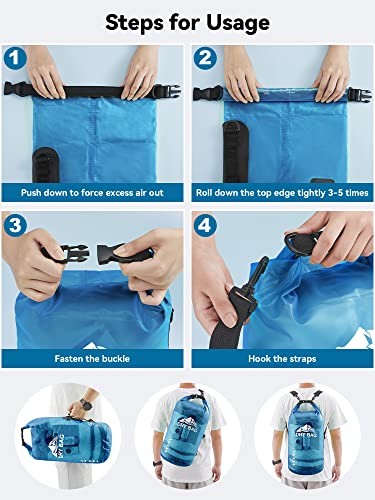
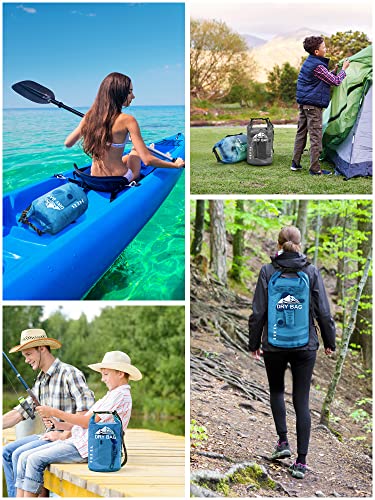
Earth Pak Waterproof Dry Bag

Strengths
- 5-year warranty
- IPX8 phone case
- Lightweight & packable
- Trusted by Wirecutter
- Multiple sizes
Trade-offs
- Basic strap padding
- No reflective details
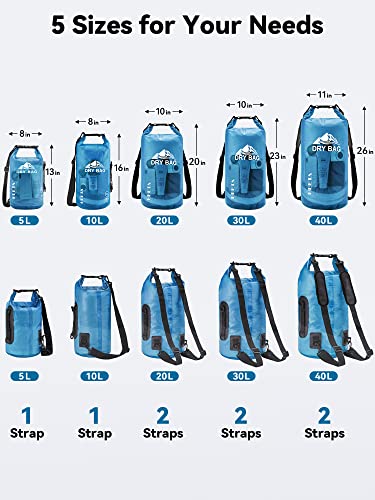
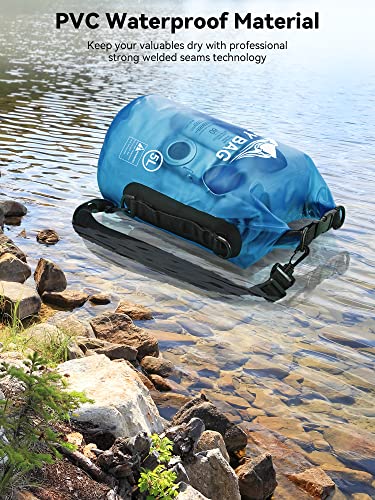
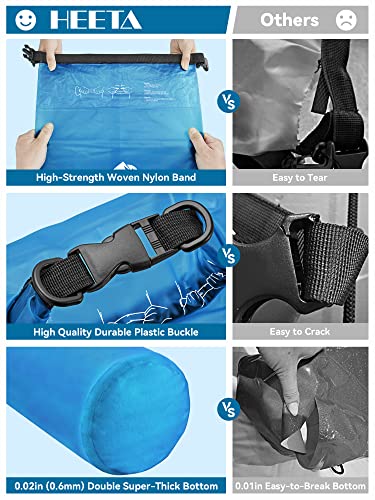
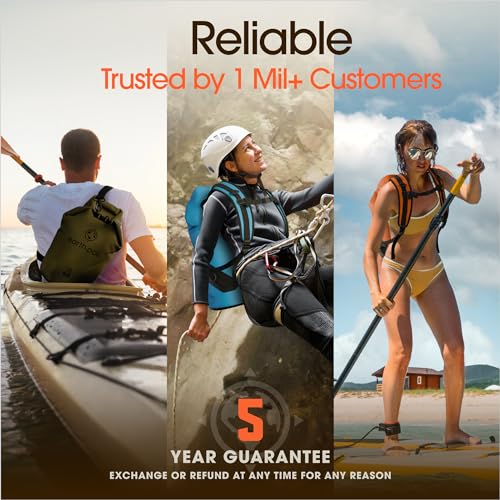
What makes the Earth Pak memorable isn’t flashy tech, it’s the five-year warranty, a rarity in this category. That kind of coverage signals confidence in durability, and owner reviews back it up: many report using theirs for years without seam failure or strap wear. Wirecutter’s endorsement adds credibility, especially for buyers who prioritize value and reliability over bells and whistles.
The IPX8-certified phone case is well-designed, with dual clear windows for full touchscreen use. While the backpack straps on larger models are functional, they’re not as padded as premium options like the Pelican. Still, for travelers who want a lightweight, packable bag they can trust, this one delivers. Compared to similarly priced models, the warranty alone gives it an edge.
Product photos
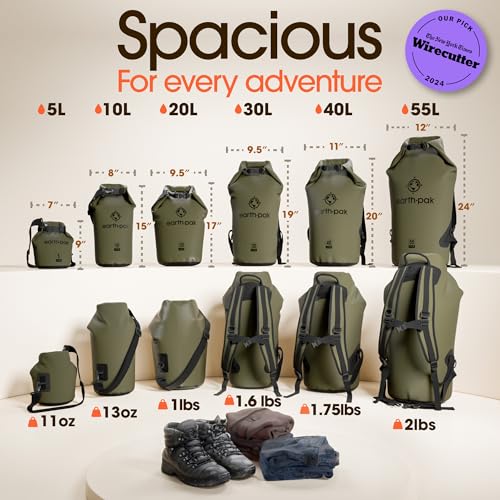
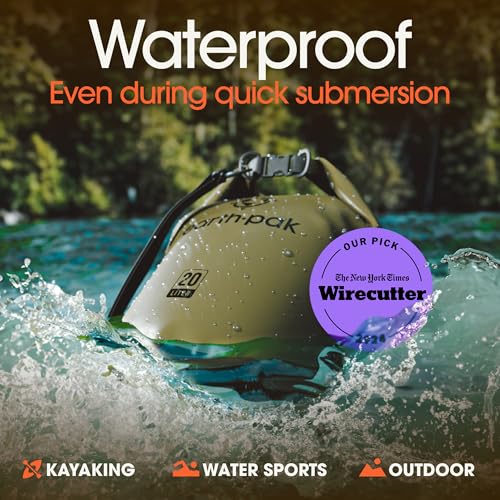


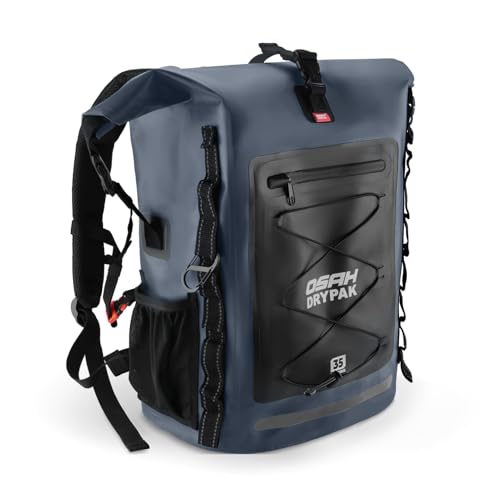
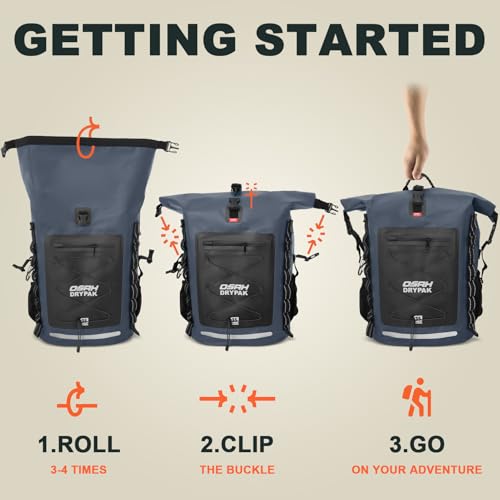
OSAH DRYPAK 35-85L Dry Backpack
Strengths
- Heavy-duty PVC
- Roll-top reliability
- Multiple capacity options
- Ergonomic straps
- Reflective safety strip
Trade-offs
- Bulky when full
- No included phone case
If you’re hauling serious gear for multi-day trips or rugged expeditions, the OSAH DRYPAK stands out for its massive capacity and industrial-grade build. The 500D PVC and high-frequency welded seams are exactly what you want in a drybag meant to survive river rapids or heavy downpours. Owners consistently report it staying dry even when fully submerged briefly, which speaks to the reliability of the roll-top closure when properly sealed.
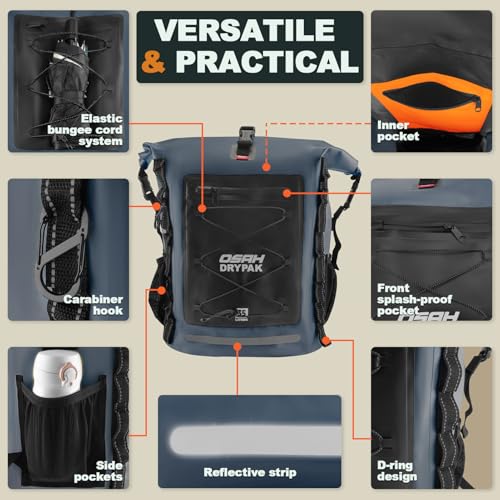
The inclusion of inner zip pockets and side bottle holders adds a level of organization that’s rare in this class. But what really sets it apart is the safety-focused design, reflective strips, chest strap with whistle, and D-rings for tethering. Compared to simpler models, this one feels built for people who take water-based adventures seriously.
Product photos


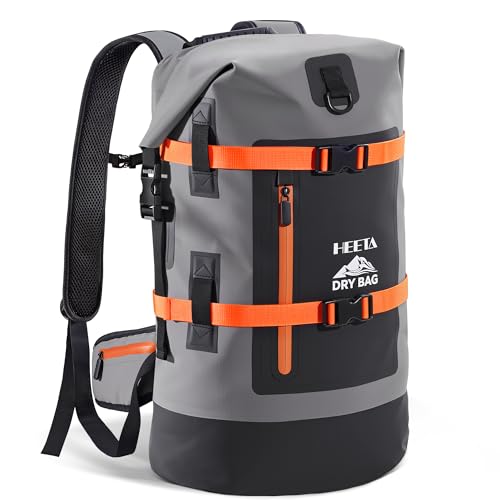
HEETA 40L Cushioned Dry Backpack
Strengths
- Padded comfort design
- Durable 500D material
- Front zip pocket
- Adjustable waist belt
- Versatile use
Trade-offs
- Contains DEHP
- No floating guarantee
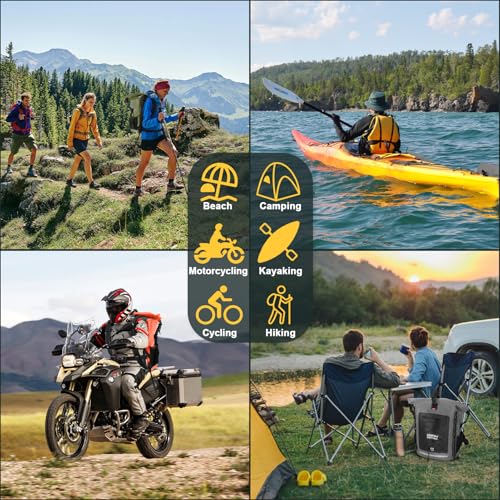
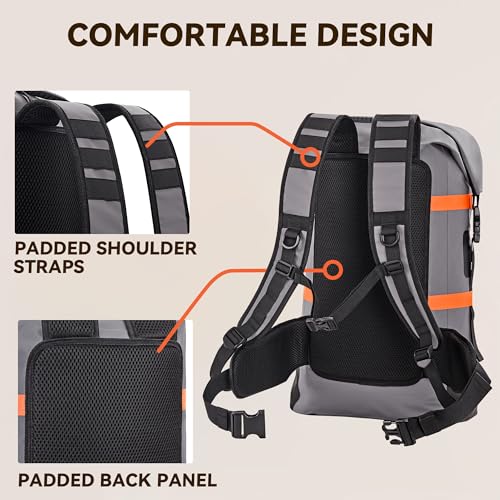
The HEETA 40L hits a sweet spot between comfort and utility, with padded back panels and adjustable waist straps that reviewers say make a noticeable difference on longer hikes or bike rides. On paper, it’s built like a tank with 500D PVC, and owner feedback confirms it holds up well under regular use, keeping gear dry even during splash-heavy activities like paddle boarding.
It’s not the most feature-rich model, but the front zip pocket and waist belt storage add thoughtful convenience. One thing to note: like several PVC-based bags, it carries a California Prop 65 warning due to DEHP, a common plasticizer. That doesn’t affect performance, but it’s something health-conscious buyers might weigh. Compared to budget options, this one feels like a step up in fit and finish.
Product photos


How We Chose These drybag backpacks
Rather than a hands-on lab test, my research for these recommendations involved a detailed comparison of published specifications and features across numerous models. I then weighed owner reviews from major retailers alongside expert opinions found in outdoor gear publications. As someone who’s spent years evaluating travel gear, I applied my understanding of what truly matters for durability, comfort, and practical use to rank these options against clear criteria.
For drybag backpacks, the most important factors were unquestionably waterproof reliability and build quality. A compromised seal or flimsy material renders the entire bag useless. Beyond that, comfortable carry – specifically the design and padding of the shoulder straps – heavily influenced my ranking, as these bags are often carried for extended periods. Finally, thoughtful features like exterior pockets and attachment points added value.
Specifications reliably indicate material thickness (PVC denier) and stated volume, giving a baseline for durability and capacity. However, I placed more weight on owner feedback regarding real-world waterproofing performance and long-term durability. Reputations for warranty support, like Earth Pak’s five-year guarantee, also factored in. Understanding 20-liter drybag capacity is also helpful when deciding which size to purchase.
What To Look For In drybag backpacks
Choosing the right drybag backpack requires a bit more thought than simply grabbing the cheapest waterproof option.
A quality drybag backpack balances waterproofness with durability, comfort, and practical features. Look for robust materials like PVC or reinforced nylon, securely welded seams, and a reliable closure system. Consider how you’ll carry the bag – shoulder straps, waist belts, and ergonomic designs make a big difference on longer trips. Evaluate capacity needs alongside features like external pockets and attachment points.
Material & Waterproofing
The core function of a drybag backpack is, unsurprisingly, keeping your gear dry. While many brands claim “waterproof” status, the degree of protection varies significantly. PVC is common, offering good durability and a reasonable price, but heavier-weight nylon with taped seams can be lighter and more packable. Don’t assume a roll-top closure is foolproof; the quality of the material and how tightly it seals are key. I’ve seen plenty of bags leak despite a seemingly secure roll. Look closely at seam construction, as this is often the point of failure.
Carrying Comfort & Ergonomics
A poorly designed backpack, even if waterproof, will quickly ruin your trip. The difference between a comfortable hike and a miserable slog often boils down to the suspension system. Padded shoulder straps are essential, but don’t overlook the importance of a breathable back panel to minimize sweat. Sternum straps and waist belts (especially on larger volume bags) distribute weight more effectively, reducing strain on your shoulders. Consider how you intend to use the bag.
Here’s what to prioritize when assessing comfort: * Padding: Minimal padding is okay for short trips, but longer hauls demand substantial cushioning. * Adjustability: Straps should accommodate a range of body shapes and clothing layers. * Ventilation: A mesh back panel or channeled padding promotes airflow, keeping you cooler and drier.
Features & Practicality
Beyond waterproofing and comfort, consider the features that will genuinely enhance your experience. External pockets offer quick access to essentials like water bottles or snacks, but be mindful that these are often not fully waterproof. Attachment points (D-rings, bungee cords) allow you to lash on extra gear. Internal organization, like zippered pockets, can be incredibly helpful for keeping smaller items from getting lost in the abyss. If you’re planning adventures where visibility is low, a reflective strip is a smart addition. If you’re looking for more information on sizing, you can find a helpful guide to 30-liter drybag capacity to help you decide.
Don’t overspend on features you won’t use. A simple, well-made drybag is often better than a feature-rich model with questionable build quality.
Finally, if you’re still unsure, exploring some recommended dry backpack models can give you a good starting point for your research. There are plenty of best waterproof backpacks for outdoor use available, so take your time and choose wisely!
Drybag Backpacks Compared
Here’s a comparison of key specifications for several drybag backpacks to help you make an informed decision.
| Product Title | Capacity | Material | Waterproof Rating | Shoulder Straps | Special Features |
|---|---|---|---|---|---|
| Pelican ExoDry 30L | 30L | 500D PVC | N/A | Padded | Zippered Pocket, Reflective Logo |
| STOVER 5-55L | 5-55L | N/A | 100% Waterproof | Padded | Phone Case, Wet/Dry Pocket |
| Piscifun Floating 20L | 20L | 500D Nylon | N/A | Padded | Wet/Dry Compartments, Gifts |
| HEETA Transparent 20L | 20L | PVC | N/A | Adjustable | Transparent, Phone Case |
| Earth Pak | 5-55L | N/A | IPX8 | Padded | Phone Case, Warranty |
| OSAH DRYPAK 35-85L | 35-85L | 500D PVC | N/A | Padded | Multiple Pockets, Safety Whistle |
| HEETA 40L Cushioned | 40L | 500D PVC | N/A | Padded | Waist Belt, Extra Storage |
Frequently Asked Questions
What’s the difference between “water-resistant” and “waterproof” in a drybag backpack?
Truly waterproof means the bag can be submerged and still keep contents dry, typically indicated by an IPX8 rating or similar. Water-resistant bags offer protection from light rain and splashes, but aren’t designed for full submersion; look for best fully waterproof backpacks if you need guaranteed dryness.
How do I know if a drybag backpack’s closure is reliable?
Focus on the closure type and material quality. Roll-top closures are common, but the thickness and grip of the PVC or nylon are critical for a tight seal. Welded seams are much more reliable than stitched seams, as stitching can create potential leak points.
Are larger capacity drybag backpacks always less comfortable?
Not necessarily, but it’s more common. Larger bags require more robust suspension systems (better padding, sternum straps, waist belts) to distribute weight effectively. Look for models specifically designed for heavier loads if you plan to carry over 30 liters, or consider durable waterproof backpack models with adjustable torso lengths.
What should I do if my drybag backpack starts to leak?
First, carefully inspect the closure and seams for any visible damage. Even a small tear can compromise waterproofing. Many brands offer warranties (like Earth Pak’s five-year guarantee) and may replace a defective bag. If the leak is minor, a waterproof repair tape designed for PVC or nylon can provide a temporary fix.
Are transparent drybag backpacks practical for travel?
While they allow for quick identification of contents, transparent PVC can be less durable than heavier-weight, opaque materials. The clarity can also decrease with wear and tear. If you prioritize visibility, ensure the bag is constructed from a reinforced PVC and consider it for less critical items, but top-rated water-resistant backpacks are often more robust.
The Bottom Line
Choosing a drybag backpack always involves balancing how much protection you absolutely require against comfort and convenience. Ultimately, for the best overall combination of durability, waterproofing, and features, I recommend the Pelican ExoDry 30L. It offers a reassuring level of protection for your gear without sacrificing usability, and the build quality suggests it will hold up well to repeated use.
If you’re on a tighter budget, the Earth Pak is an excellent choice – it’s a consistently well-reviewed option with a solid warranty, and its adjustable size range (5-55L) offers a lot of flexibility. For those needing maximum versatility, the STOVER 5-55L allows you to adapt to a wide range of activities and gear volumes, and the included phone case is a thoughtful touch. Understanding a 25-liter drybag capacity is helpful if you’re unsure of how much space you’ll need.
At the end of the day, specs like PVC denier are less important than a well-constructed seam and a closure system you trust. Don’t get hung up on chasing the absolute highest waterproof rating if it means sacrificing comfort or durability. A reliable drybag backpack is an investment in peace of mind, but the most important factor is choosing a bag that fits your needs and how you plan to use it.