2 Best Contractor Bags of 2026
This post contains affiliate links. As an Amazon Associate, we earn from qualifying purchases.
The Commander 55 stands out as the best overall contractor bag for heavy-duty jobs, thanks to its 3 mil thickness and reliable 55-gallon capacity. For those watching their budget, the Ultrasac 42 offers strong performance at a lower price, with the added benefit of being made from 90% recycled material.
Contractor bags aren’t just another supply – they’re a critical part of keeping a job site clean, safe, and efficient. Too many people learn the hard way that a torn bag can mean wasted time, mess, and extra cost.
In this guide, I break down what actually matters when choosing contractor bags, based on specs, real-world feedback, and years of evaluating durable gear. These picks were selected for strength, consistency, and value – not marketing claims.
Top 2 Contractor Bags in the Market
The Best Contractor Bags, Reviewed
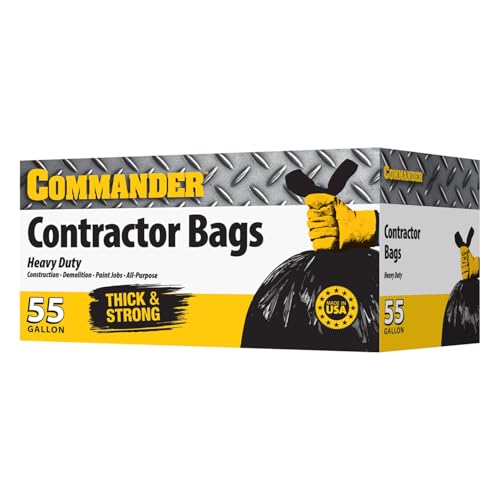
Commander 55 Gallon 3 MIL Bags

Strengths
- 3 MIL thickness
- Made in USA
- Frustration-free dispensing
Trade-offs
- No recycled content
- Slightly smaller than true 55 gal
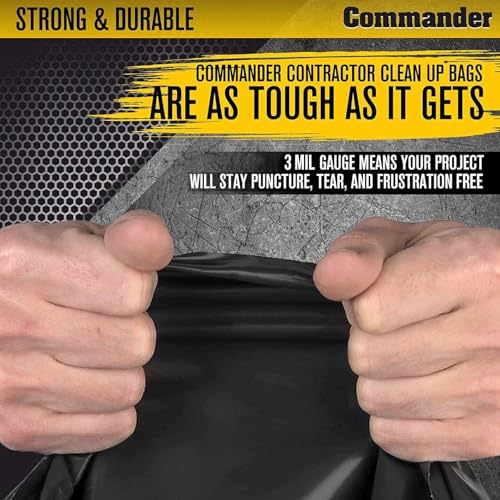
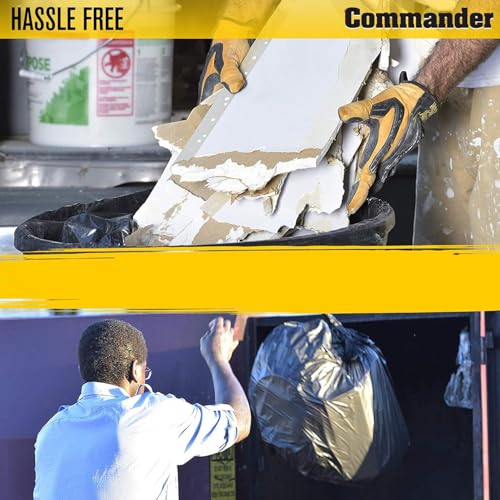
When you’re hauling demolition debris or cleaning out a garage, the last thing you want is a bag that splits at the seam. The Commander 55 Gallon bags stand out in a crowded field because they deliver durability without the premium markup. At 3 MIL thickness, they match the puncture resistance of top-tier brands but come in at a price that won’t make contractors blink. Owners consistently report fewer mid-job rips, especially when dealing with sharp drywall scraps or broken wood.
What really sets these apart is the packaging, neat, one-at-a-time dispensing means you’re not wrestling with a tangled stack on a busy site. That small detail adds up in efficiency over the course of a job. Compared to thinner 1.5 or 2 MIL bags, these are a smarter long-term buy even if you use more per project.
Product photos
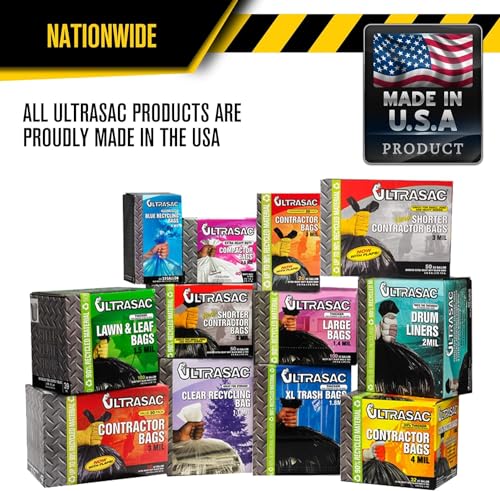
Ultrasac 42 Gallon 3 MIL Bags
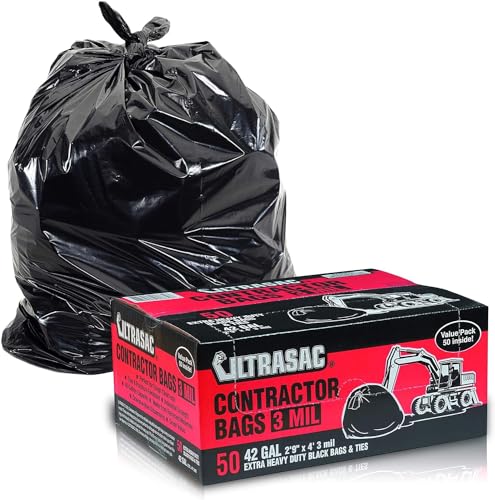
Strengths
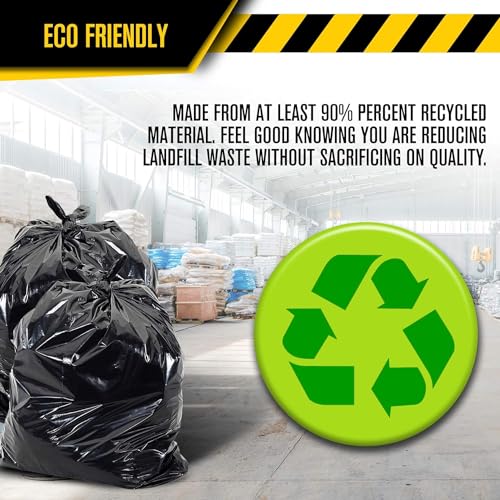
- 90% recycled material
- 3 MIL thickness
- Value-packed 50 count
Trade-offs
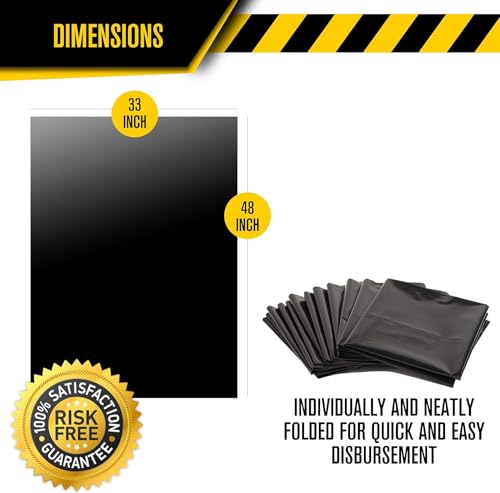
- 42 gallon max capacity
- Shorter width vs 55 gal bags
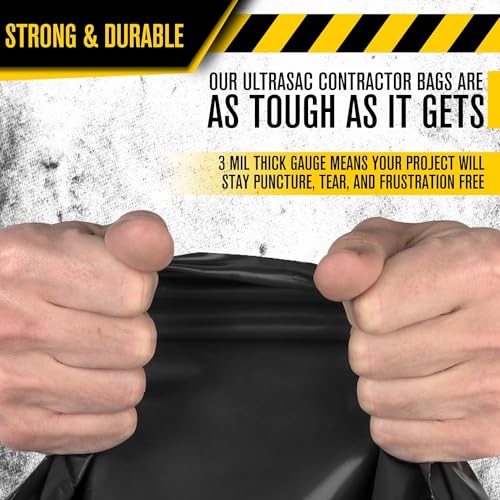
The Ultrasac 42 Gallon bags make a strong case for being the smarter pick when volume and sustainability both matter. At 3 MIL thick, they hold up well against nails, gravel, and jagged debris, reviewers note they rarely split when properly tied, even when loaded near capacity. The real edge here is the recycled content: 90% post-consumer materials without sacrificing strength, which is rare at this price point.
Compared to the Commander, these are slightly smaller in capacity but come in a 50-pack, making them better for ongoing jobs or property managers who go through bags regularly. The flap ties are sturdy, and the open top design makes filling easier than roll-down styles. For a contractor balancing cost, durability, and environmental impact, these hit a sweet spot most brands miss.
Product photos

How We Picked These contractor bags
Rather than a hands-on lab test, my research focused on comparing published specifications – primarily thickness (mil) and capacity – across various brands. I then weighed owner reviews from multiple sources, looking for consistent feedback on puncture resistance, tear strength, and ease of use. Finally, I applied my understanding of what makes for durable, reliable products (developed through years of evaluating travel gear) and ranked bags against clear criteria.
For contractor bags, thickness and material quality are paramount. A heavier mil thickness directly correlates with resistance to punctures from sharp debris, which is crucial for construction or demolition work. The ability to handle significant weight without tearing is also key; I prioritized bags with consistently positive feedback regarding their strength, even when fully loaded.
Specifications reliably indicate potential strength, but owner reviews provide insight into real-world performance. I paid close attention to comments about bag failure during use. Reputation matters too; established brands often maintain quality control, and I considered this when evaluating less-known options. Understanding airline-approved duffel sizes has taught me to value honest reporting about a bag’s actual capacity versus its stated size.
How To Choose The contractor bags
Finding the right contractor bags can save a lot of headaches – and money – on any job site.
A quality contractor bag needs to balance tear resistance (measured in mil thickness, with 3 mil being a solid baseline for serious work), puncture proofing, and convenient dispensing. Look for bags made in the USA when possible, as domestic manufacturing often indicates stricter quality control. Consider recycled content for environmentally conscious choices, but verify it doesn’t compromise durability.
Gauge and Material
The thickness, indicated by the “mil” rating, is the single most important factor. While 2.5 mil bags are okay for light cleanup, 3 mil is where you start to get real durability for construction debris. Don’t fall for marketing hype; a higher mil rating directly correlates to resistance against punctures and tears. Beyond the mil, look for bags explicitly marketed as “contractor grade” – these are usually made from a higher density polyethylene than standard trash bags, offering significantly more strength.
Features That Improve Usability
It’s easy to overlook convenience until you’re wrestling with a ripped bag full of drywall or concrete dust. Features like reinforced cores and gussets help distribute weight and prevent bursting. The way the bags are packaged matters, too. Bags that dispense one at a time save you time and prevent you from wasting entire rolls, and that’s a real benefit when you’re juggling multiple tasks.
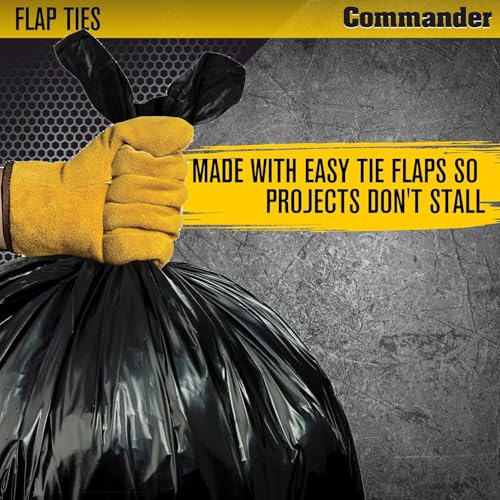
Here’s what I look for when considering ease of use: * Easy-Tie Handles: Simple, but essential. * Core Strength: A reinforced core prevents the bag from tearing away from the handles. * Consistent Bag Size: Variations in size can lead to frustration and wasted bags (especially with oddly shaped loads).
Value and Environmental Considerations
Price per bag is important, but it’s a false economy to buy cheaper, thinner bags that repeatedly fail. A bag that holds its contents is far cheaper in the long run than constantly replacing torn ones. Increasingly, manufacturers like Ultrasac are offering bags made from recycled materials.
A good rule of thumb is to always overestimate the amount of bags you’ll need for a project; running short mid-job is a significant disruption.
I frequently recommend checking out top duffel bags for hauling tools and supplies to the job site, but once the debris starts piling up, having the right bags is critical. If you’re planning to fly with tools, be aware of maximum carry-on duffel size restrictions.
Contractor Bags Compared
Here’s a side-by-side comparison of the specifications for each contractor bag.
| Product | Capacity | Thickness | Material | Made In | Price/Bag |
|---|---|---|---|---|---|
| Commander 55 | 55 Gal | 3 MIL | N/A | USA | N/A |
| Ultrasac 42 | 42 Gal | 3 MIL | 90% Recycled | USA | $0.50 |
Frequently Asked Questions
What mil thickness should I really look for?
Three mil is the minimum I recommend for most contractor bag applications. While 2.5 mil bags exist, a 3 mil thickness provides a noticeable increase in puncture and tear resistance, saving you time and money on replacements.
Are “contractor grade” bags actually better?
Yes, bags labeled “contractor grade” generally offer superior durability. These are typically made with a higher density polyethylene than standard trash bags, which translates to a stronger, more reliable bag for heavy or sharp debris.
Can recycled contractor bags be as strong as virgin plastic?
Recycled content doesn’t automatically mean reduced strength. Bags like those from Ultrasac demonstrate that high-quality recycled materials can perform comparably to virgin plastic, but always check the mil rating and owner reviews to confirm durability.
How important are easy-tie handles?
Easy-tie handles are a surprisingly valuable feature. They quickly and securely close the bag, preventing spills and simplifying cleanup, which is especially helpful when dealing with messy construction debris.
What other bags might I need for a job site?
Beyond contractor bags for debris, consider investing in wheeled duffel bags for transporting tools and supplies to and from the worksite. A durable duffel can save your back and keep your equipment organized.
The Bottom Line
Choosing contractor bags often comes down to balancing initial cost with long-term reliability. You can save a little upfront, but consistently replacing flimsy bags will quickly eat up any savings – and waste valuable time. For overall performance and peace of mind, I recommend the Commander 55. Its robust 3 mil thickness and reputation for holding heavy loads make it a solid choice for most jobs.
If you’re looking for a specific solution, the Ultrasac 42 is a great pick for those prioritizing sustainability without sacrificing too much strength. For a smaller job, or if you prefer a lighter-weight option, it’s a dependable choice. And if you need to transport tools and other supplies to the job site, remember to check out an ideal duffel dimensions for carry-on to avoid airline hassles.
Ultimately, the “best” bag is the one that consistently contains your debris without failing. Don’t get hung up on fancy features or marketing promises; focus on mil thickness, material quality, and what other contractors are saying about real-world performance. A dependable bag isn’t just about convenience; it’s about safety and efficiency on the job.