7 Best Child Carrier Backpacks of 2026
This post contains affiliate links. As an Amazon Associate, we earn from qualifying purchases.
The Osprey Poco SLT stands out as the best child carrier backpack for most families, combining lightweight design with excellent ventilation and a sturdy frame. For budget-conscious parents, the WIPHA Hiking Backpack Carrier offers solid features at a lower price, while the Osprey Poco LT adds more padding and storage for longer adventures.
As a frequent traveler and mom who’s evaluated gear across countless trips, I know how overwhelming it can be to pick a carrier that’s safe, comfortable, and built to last. Too many parents end up with bulky, poorly ventilated models that strain their backs or overheat their kids.
This guide cuts through the noise by focusing on real-world performance, key specs, and feedback from parents who’ve logged miles with these carriers. I compared frame types, weight limits, ventilation, and storage to find the ones that truly deliver for hiking, travel, and everyday adventures.
Top 7 Child Carrier Backpacks in the Market
The Best Child Carrier Backpacks, Reviewed
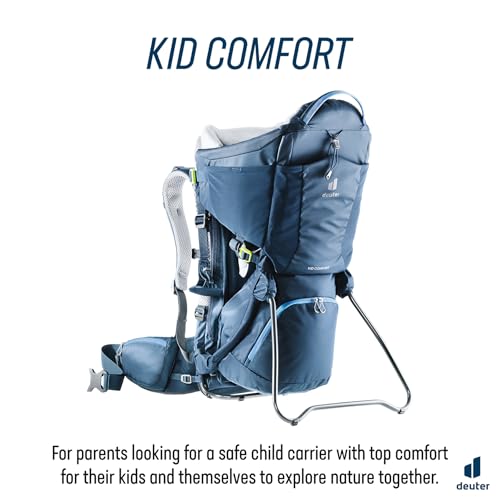
Deuter Kid Comfort Child Carrier

Strengths
- Excellent ventilation
- Durable ripstop fabric
- Adjustable back length
Trade-offs
- No built-in sunshade
- Heavier than ultralight models
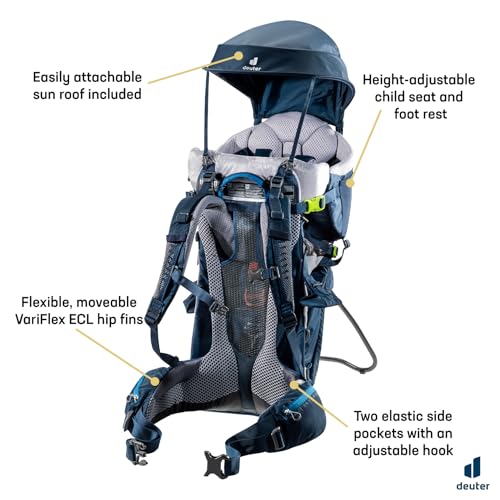
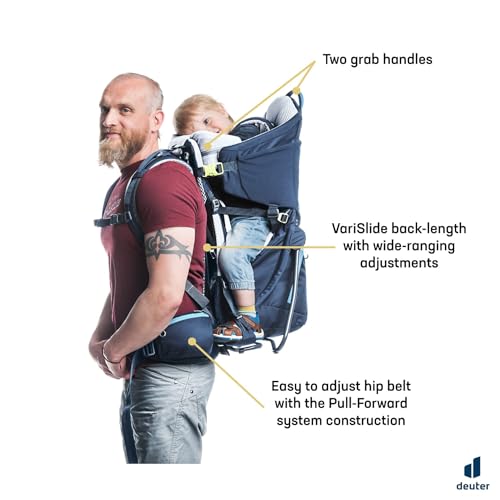
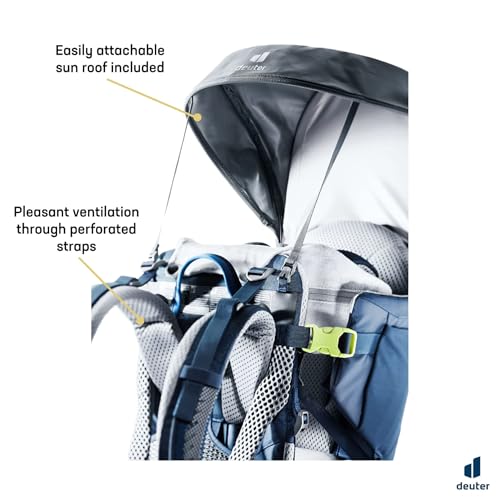
The Deuter Kid Comfort stands out as a durable, well-ventilated option built for serious hiking with kids. On paper, its Aircomfort mesh back system and spring steel frame suggest real comfort during long treks, and owners consistently report less back strain even on extended trails. The 210-denier polyamide fabric also gives it a solid edge in abrasion resistance, which matters when you’re brushing through brush or setting it down on rocky ground.
Where it really shines is fit, its Vari Slide system lets you fine-tune the back length, a rare feature that makes it easier for partners of different heights to share. Compared to lighter models like the Osprey Poco LT, it’s heavier, but that trade-off comes with sturdier materials and a more robust suspension. It’s missing a built-in sunshade, though, which feels like a missed opportunity at this tier.
Product photos

Osprey Poco SLT Lightweight Carrier

Strengths
- Ultra-lightweight
- Folds flat for travel
- Ventilated backpanel
Trade-offs
- Sunshade sold separately
- Less padding for long hikes
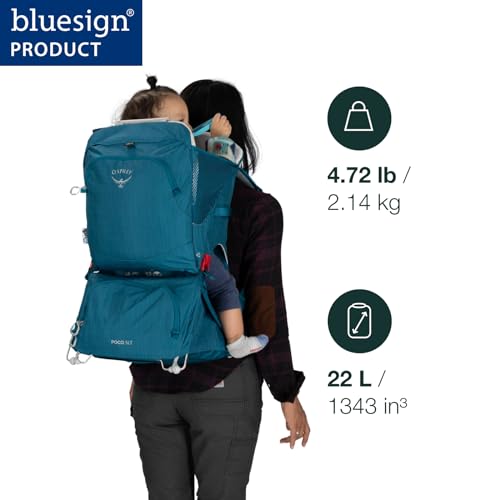
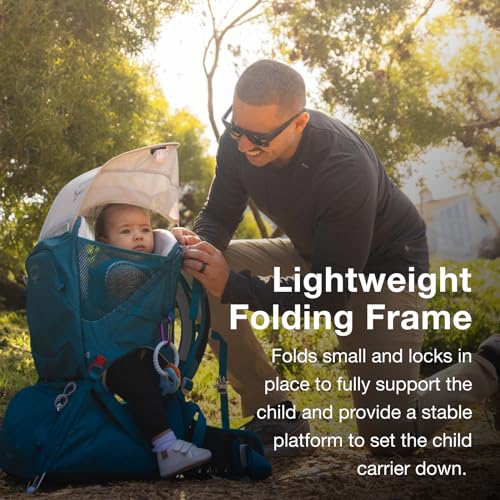
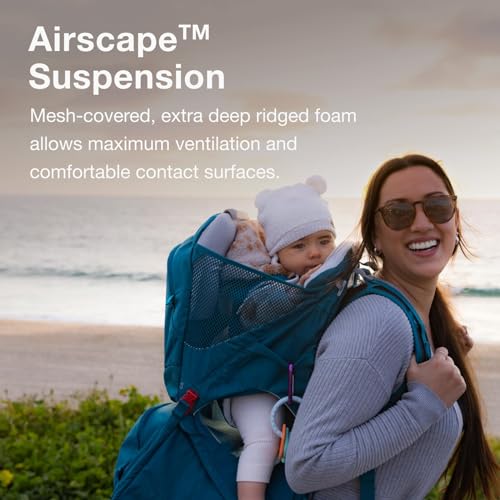
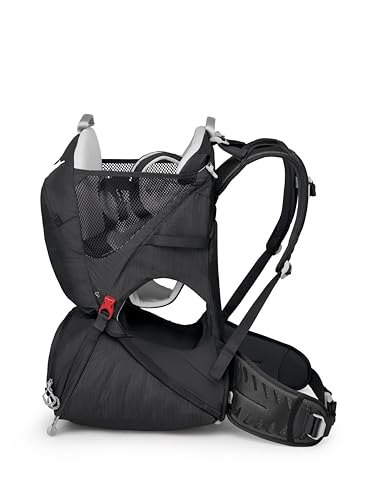
The Poco SLT is Osprey’s most minimalist offering, and it shows in all the right ways. At just 4.72 pounds, it’s one of the lightest full-featured carriers available, and the folding stainless steel frame collapses nearly flat, ideal for stashing in overhead bins or car trunks. This is the kind of carrier I’d recommend to parents who travel often but still want safety and comfort on short hikes.
The AirScape backpanel keeps airflow decent, though it lacks the tensioned mesh of the Poco model. And while it has a zippered compartment for an optional sunshade, it doesn’t include one, so you’ll need to buy that separately. Still, for its weight and packability, it outperforms budget models in structure and adjustability. It’s not built for alpine trails, but for city-to-trail transitions, it’s hard to beat.
Product photos

Osprey Poco LT Compact Carrier

Strengths
- Integrated sunshade
- Good airflow
- Compact fold
Trade-offs
- Less padded cockpit
- No drool pad included
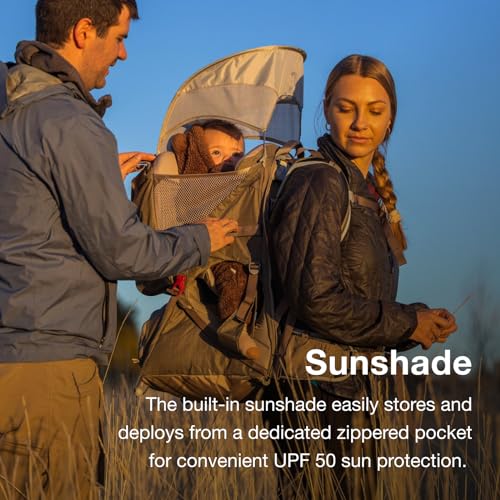
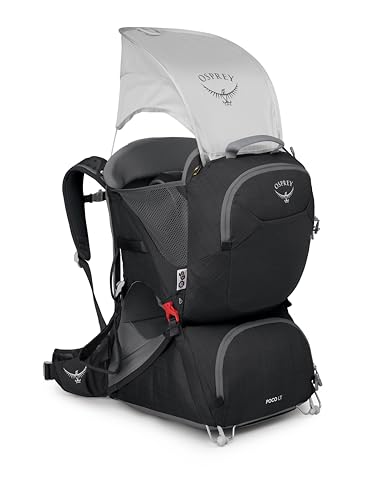
The Poco LT is my pick for families who want sun protection without compromise. The built-in UPF 50 sunshade is integrated right into the design, so it’s always available, no forgetting or losing it. Combined with the AirScape backpanel, which keeps your back cooler during long carries, it’s a strong contender for sunny climates or open trails.
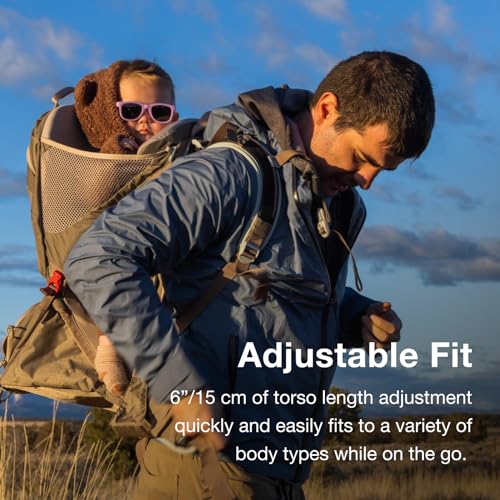
It’s lighter than the standard Poco and folds flatter, making it easier to pack for trips. The 6 inches of torso adjustment mean it works well for multiple caregivers, and the stainless steel frame locks securely. While it doesn’t have the plush cockpit of the Poco, it’s more than sufficient for most families. Compared to the SLT, it includes the sunshade, making it the smarter buy if you’re often outdoors midday.
Product photos


ClevrPlus Cross Country Baby Carrier
Strengths
- Includes rain cover and sun canopy
- Good storage capacity
- Adjustable for tall users
Trade-offs
- Moderate airflow
- Build quality less refined
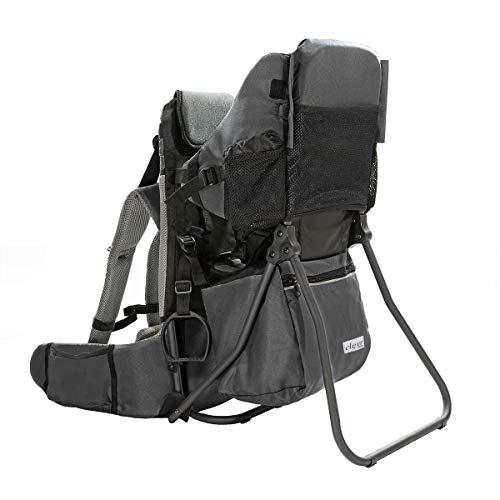
For budget-conscious buyers, the ClevrPlus packs a surprising amount of value. It includes both a rain cover and sun canopy, features often reserved for pricier models, and the 5.5-pound weight keeps it manageable for all-day wear. Owners note the large storage capacity and washable drool pad as standout perks, and the adjustable waistband up to 60 inches makes it usable for a wide range of body types.
But it doesn’t match the breathability or fit refinement of Osprey or Deuter. The padding is decent, but the backpanel doesn’t vent as well, and some users report frame flex over time. Still, for weekend hikes or casual use, it holds up. Compared to the WIPHA or even the Hiking Baby Carrier with Diaper Pad, it offers better weather protection and a sturdier seat.
Product photos

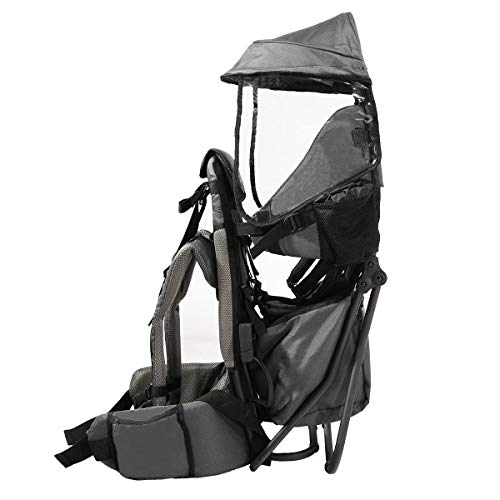
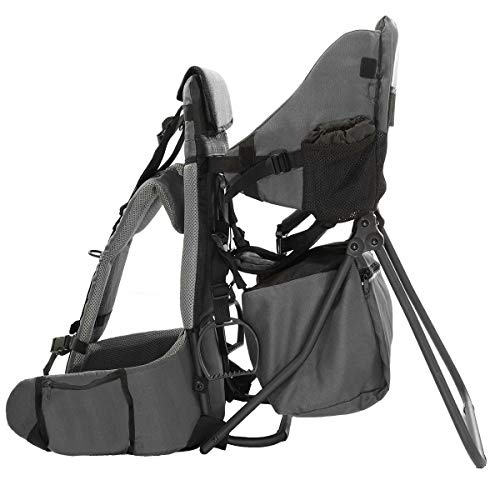

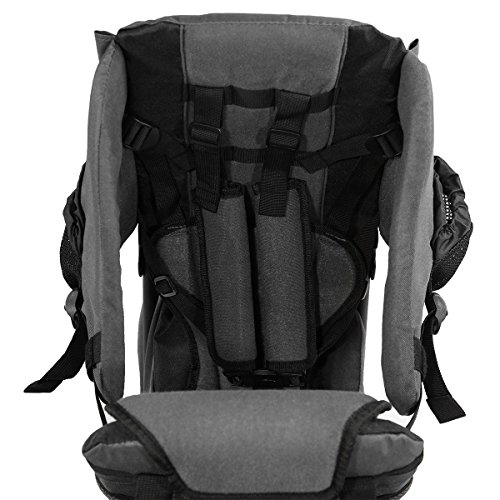
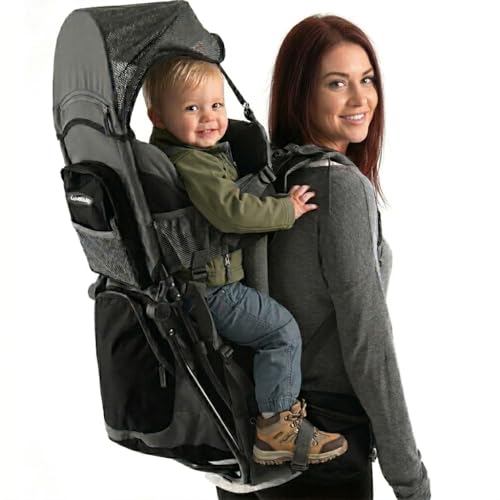
Hiking Baby Carrier Backpack
Strengths
- Insulated bottle pocket
- Includes diaper changing pad
- Waterproof ripstop material
Trade-offs
- Less breathable back panel
- Bulky frame
If storage and practicality are your top priorities, this carrier delivers in ways most don’t. Owners rave about the insulated bottle pocket and the inclusion of a foldable diaper changing pad, features that feel thoughtful rather than gimmicky. The waterproof ripstop polyester also holds up well in damp conditions, and the multiple mesh pockets make quick access to essentials a real possibility.
It’s not the most refined in terms of suspension or ventilation, though. Compared to Osprey or Deuter models, the padding and airflow fall short, and some reviewers mention overheating on warm hikes. But for urban walks, day trips, or casual trail use where gear matters more than miles logged, this one makes a strong case. The sun visor and rain cover are solid additions for weather readiness.
Product photos
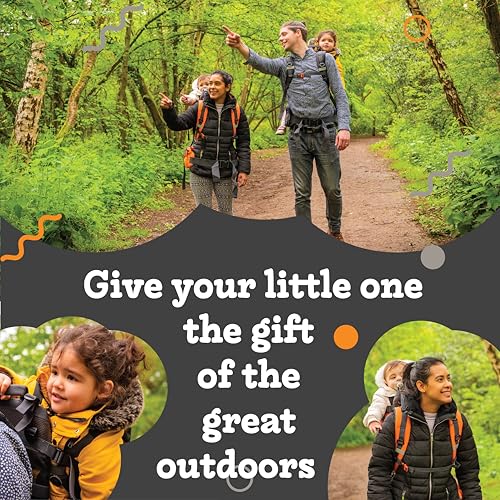
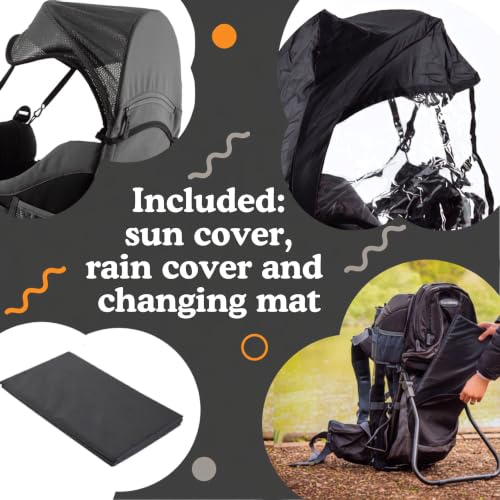
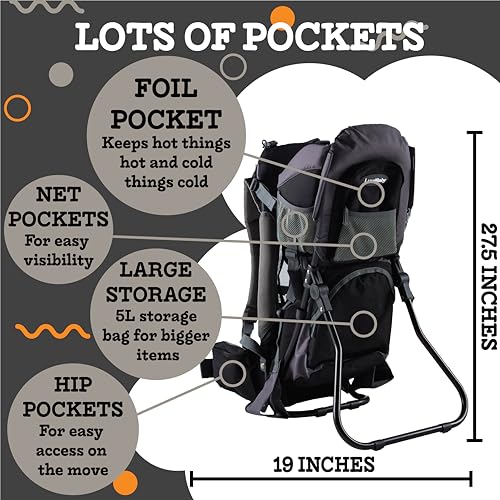
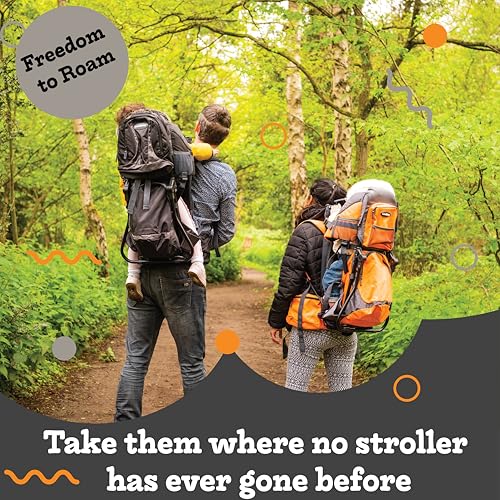
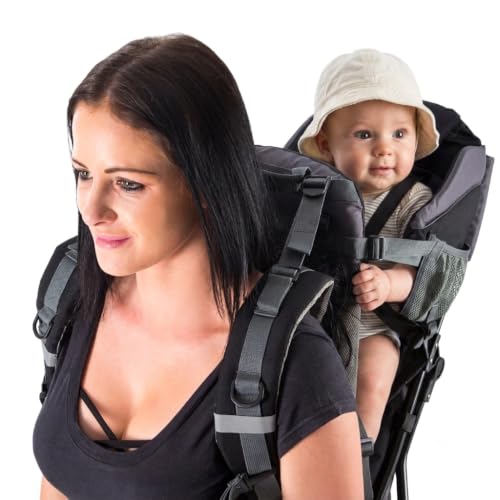
WIPHA Hiking Backpack Carrier
Strengths
- Extremely lightweight
- Folds compactly
- TÜV safety certified
Trade-offs
- Not for long hikes
- Limited adjustability
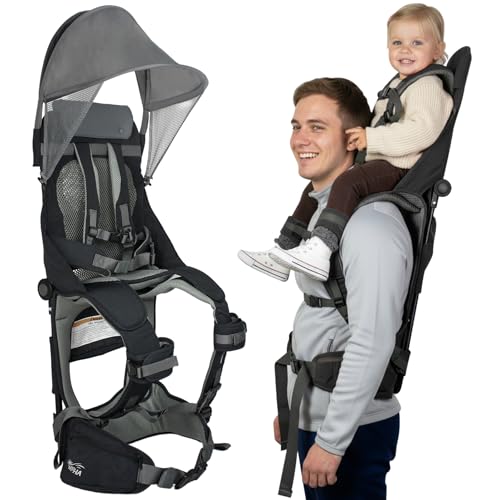
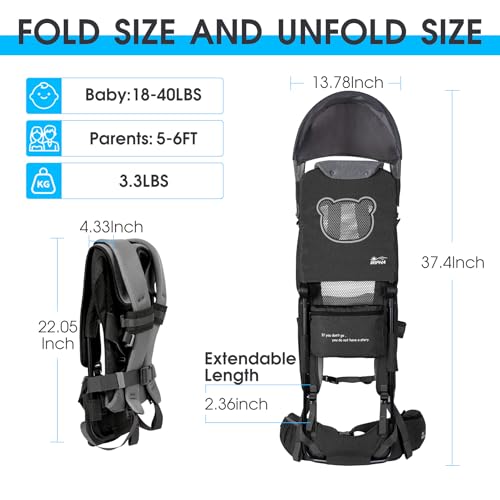
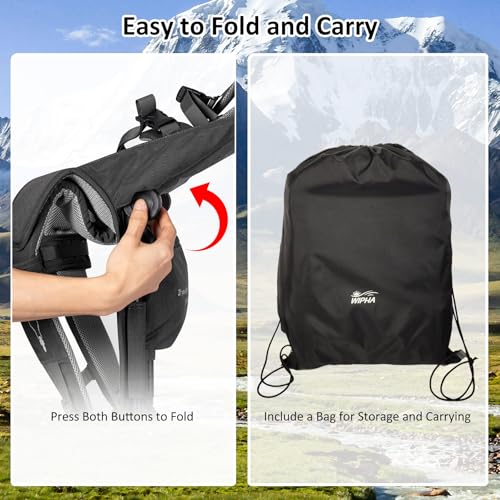
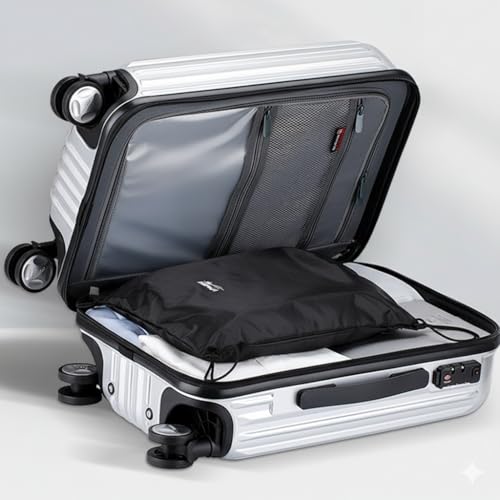
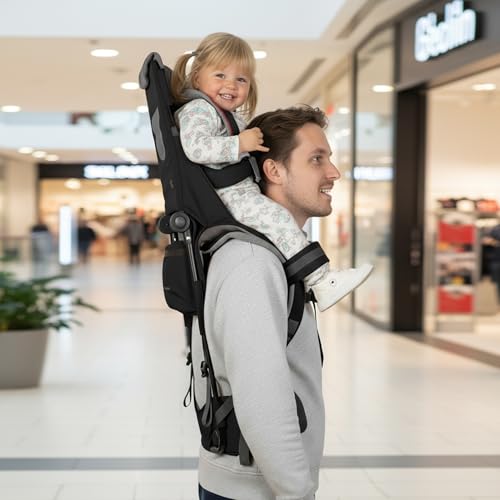
At just 3.3 pounds, the WIPHA is one of the lightest carriers on the market, and its foldable design is genuinely convenient, comparable to folding a laptop. That makes it a smart pick for quick trips, airport walks, or sightseeing where you might carry your child only occasionally. The TÜV certification also adds legitimate peace of mind around safety testing, which not all budget models can claim.
But its niche is clear: short durations. It lacks the lumbar support and torso adjustability of heavier-duty models, and while the sunshade helps, the backpanel isn’t as ventilated. Compared to the Osprey Poco LT or Deuter Kid Comfort, it’s not built for miles on trail. But for grandparents, city strolls, or travel layovers, it’s a practical, portable solution.
Product photos

Osprey Poco Child Carrier
Strengths
- Excellent harness system
- Great ventilation
- Built-in sunshade
Trade-offs
- Heavier than lightweight models
- Bulkier when folded
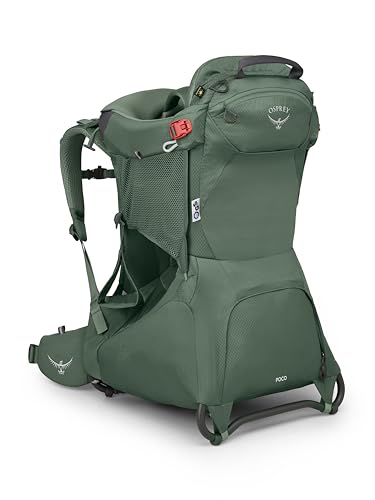
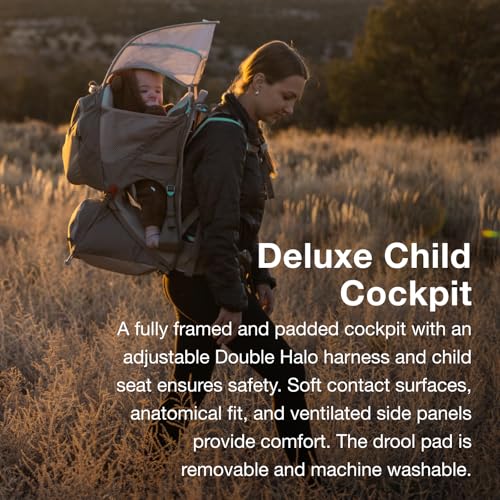
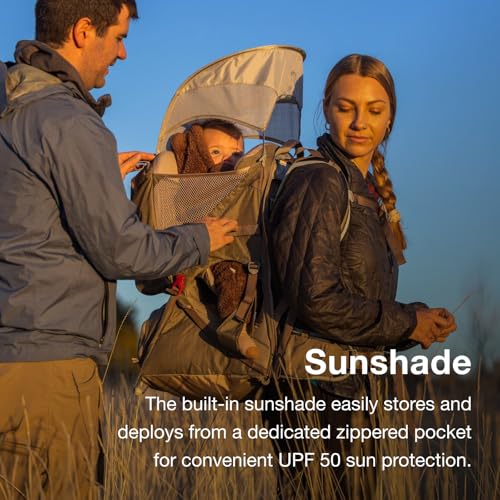
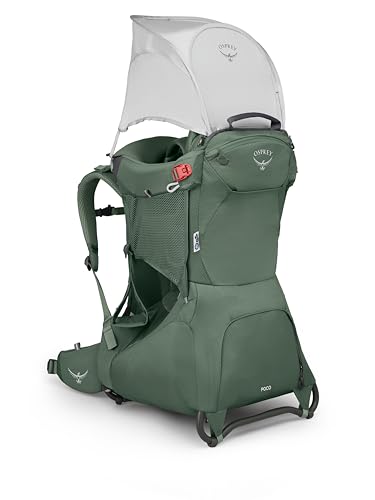
The Osprey Poco hits a sweet spot between comfort, safety, and usability. The Double Halo harness is a standout, owners consistently praise how secure their kids feel, even when dozing off. The built-in UPF 50 sunshade deploys easily and stays put, which beats fumbling with clip-ons, and the AirSpeed suspension delivers real airflow, a blessing on warm hikes.
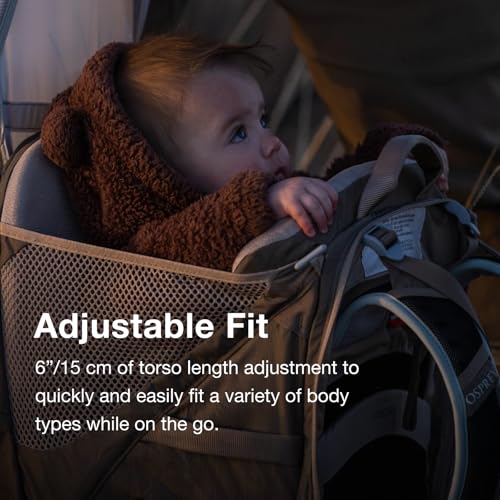
At 7.67 pounds, it’s heavier than the SLT or LT, but that extra weight brings more padding, structure, and stability. The torso adjustment range makes it easy to share between caregivers, and the framed cockpit feels protective. Compared to the Deuter, it’s more travel-friendly with the integrated shade; compared to budget models, it’s in a different league for long-term comfort.
Product photos

How We Evaluated child carrier backpacks
Rather than a hands-on lab test, my research for these recommendations focused on a detailed comparison of published specifications and features across numerous models. I then weighed owner reviews from major retailers alongside expert opinions found in publications like OutdoorGearLab and Switchback Travel. My assessment considered years of experience evaluating baby and travel gear, applying that knowledge to identify which carriers best meet the needs of active families.
For child carrier backpacks, the most important factors are comfort – for both parent and child – and build quality. A poorly designed carrier will quickly become a burden on long hikes, while a flimsy frame or substandard materials can compromise safety. Storage capacity also played a key role; parents need convenient access to diapers, snacks, and other essentials while on the go.
Specifications reliably reveal weight limits, frame materials, and available storage volume. However, I relied heavily on owner feedback to gauge real-world comfort, ease of adjustment, and long-term durability. Details like how well the carrier distributes weight, how breathable the back panel is, and whether the sunshade truly provides adequate coverage are best understood through the experiences of other parents. Considering a compact child carrier volume is also important for travel.
How To Pick The Right child carrier backpacks
Choosing the right child carrier backpack can make or break a hike (or even a trip to the zoo!). It’s about more than just strapping your little one to your back; it’s about comfort for both of you, safety, and practical features that fit your lifestyle.
A good child carrier backpack prioritizes a secure and comfortable fit for both the wearer and the child. Look for adjustable torso lengths, padded straps and hip belts, a stable frame, and safety features like five-point harnesses. Ventilation is key to prevent overheating, and storage pockets add convenience for essentials. Weight capacity and ease of folding for transport are also important considerations.
Prioritize Frame and Fit
The foundation of any good child carrier is its frame. You want something sturdy enough to support your child’s weight without feeling flimsy, but not so bulky it’s awkward to maneuver. Spring steel or aluminum frames are common. More importantly, the carrier must fit you well. Don’t assume one size fits all. Look for carriers with adjustable torso lengths and hip belts. A properly fitted hip belt transfers most of the weight to your legs, relieving strain on your back and shoulders. Don’t underestimate the impact of a poorly fitted carrier; it can lead to serious discomfort – or even injury – on longer outings.
Consider Ventilation and Comfort Features
Overheating is a real concern, both for you and your child. A well-ventilated back panel is crucial, especially if you live in a warmer climate or plan to hike frequently. Mesh panels, like those found in the Osprey Poco SLT Lightweight Carrier, are great for airflow. Beyond ventilation, look for features that enhance comfort for your little one. A padded seat, adjustable sunshade, and even a removable drool pad can make a big difference. If you’re planning extended trips, you’ll also want to consider the quality of the child’s harness and the overall cushioning.
Evaluate Storage and Practicality
Beyond carrying your child, you’ll need to carry diapers, snacks, water bottles, and other essentials. The amount of storage space varies considerably between models. Some, like the Hiking Baby Carrier Backpack, really focus on maximizing pocket space. Think about the length of your typical outings and how much gear you usually bring. If you’re just heading to the park for an hour, a smaller carrier might suffice. But if you’re planning a full-day hike, you’ll appreciate a larger 25-liter backpack capacity to accommodate everything.
A properly packed child carrier distributes weight evenly. Keep heavier items closer to your back and lower down in the pack for optimal balance.
Finally, consider how easily the carrier folds for storage and transport. If you travel frequently, a compact, foldable carrier is a must. Many parents also find it helpful to have a carrier that can easily accommodate a spacious toddler backpack dimensions when the little one wants to carry some of their own belongings. Don’t forget to research available toddler hiking backpacks as your child grows and becomes more independent.
Child Carrier Backpacks Compared
Here’s a comparison of key specifications for popular child carrier backpacks to help you make an informed decision.
| Product Name | Weight (lb) | Max Weight Capacity (lb) | Frame Type | Sun Protection | Ventilation |
|---|---|---|---|---|---|
| Deuter Kid Comfort | N/A | N/A | Flexible Steel | Sun Roof | Aircomfort |
| Osprey Poco SLT | 4.72 | N/A | Folding Stainless | Optional | AirScape |
| Osprey Poco LT | 5.56 | N/A | Folding Stainless | Integrated | AirScape |
| ClevrPlus Cross Country | 5.5 | 33 | One-Piece | Canopy/Cover | Padded |
| Hiking Baby Carrier Backpack | N/A | N/A | N/A | Removable Visor | Mesh Pockets |
| WIPHA Hiking Backpack Carrier | 3.3 | 40 | Aluminum | N/A | Breathable |
| Osprey Poco Child Carrier | 7.67 | N/A | Folding Stainless | Integrated | AirSpeed |
Frequently Asked Questions
What’s the maximum weight capacity I should look for in a child carrier backpack?
Generally, you’ll find carriers with a maximum weight capacity between 33 and 40 pounds. Consider your child’s current weight and how much they’re likely to grow before you outgrow the carrier; opting for a slightly higher capacity provides future-proofing.
Are some child carrier backpacks better for hotter weather than others?
Yes, ventilation is key for warm-weather comfort. Carriers featuring mesh back panels, like those using Osprey’s AirScape or AirSpeed technology, promote better airflow for both you and your child compared to those with heavily padded designs.
Do I need to worry about the frame material when choosing a carrier?
Aluminum and spring steel frames are both common and durable, but aluminum tends to be lighter. A one-piece frame, as found in the ClevrPlus, can offer increased stability, while folding frames (like those in Osprey models) are easier to store and transport.
How important is the sun protection offered by a carrier?
Sun protection is very important. Integrated sunshades offer convenient, built-in coverage, while removable visors or canopies provide flexibility. Look for options with a high UPF rating for optimal protection from harmful UV rays, especially during prolonged outdoor exposure.
What other backpack options should I consider as my child gets older?
As your child grows and gains independence, you might want to explore options like backpacks for toddlers. These allow them to carry some of their own gear, fostering a sense of responsibility and making outings more enjoyable for everyone.
The Bottom Line
Choosing a child carrier backpack often comes down to balancing how much control and adjustability you want against how much fuss you’re willing to deal with. For the best overall combination of comfort, features, and durability, I recommend the Osprey Poco SLT Lightweight Carrier. It consistently receives high marks from parents for its supportive suspension system and thoughtful design details.
If you’re on a tighter budget, the WIPHA Hiking Backpack Carrier offers a surprisingly capable option at a lower price point. For those who prioritize maximum storage and versatility for longer trips, the Hiking Baby Carrier Backpack really stands out with its abundant pocket space. And for parents needing something compact, consider a carrier with a backpack size for toddlers – it can make travel much easier.
Ultimately, the best child carrier backpack isn’t about the flashiest features or the highest price tag. It’s about finding a carrier that fits you well, provides a secure and comfortable ride for your child, and allows you to enjoy your outdoor adventures together. Prioritize a solid frame, adjustable fit, and good ventilation – those fundamentals matter far more than any single specification.


