9 Best Backpacks for College 2026
This post contains affiliate links. As an Amazon Associate, we earn from qualifying purchases.
The North Face Borealis stands out as the best overall backpack for college, combining durable construction, smart organization, and proven comfort. For those on a tighter budget, the ZORFIN 26L College Backpack delivers strong value without sacrificing key features like water resistance and a padded laptop sleeve. If you need versatility for heavier loads or longer commutes, the Osprey Proxima 30L offers superior support and airflow.
Picking a backpack for college is harder than it looks. You’re not just carrying books, you’re hauling your whole day, from laptop and charger to snacks and gym clothes, all while dodging rain, crowded quads, and tight class schedules. A bad choice means sore shoulders, lost pens, or worse, a damaged laptop.
This guide cuts through the noise by focusing on what actually matters: real-world durability, smart organization, and long-term comfort. I researched each pick based on specs, verified owner feedback, and my experience assessing travel gear for years, so you can trust these recommendations fit the daily grind of campus life.
Top 9 Backpacks For College in the Market
The Best Backpacks For College, Reviewed
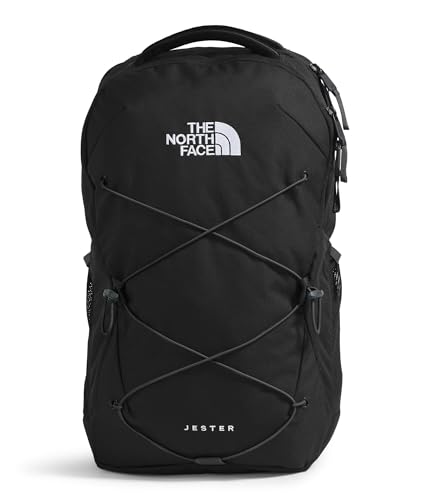
The North Face Jester Backpack
Strengths
- Lightweight yet durable
- ACA-endorsed comfort
- Stand-up design
Trade-offs
- No external charging port
- Smaller laptop sleeve
- Fewer tech pockets
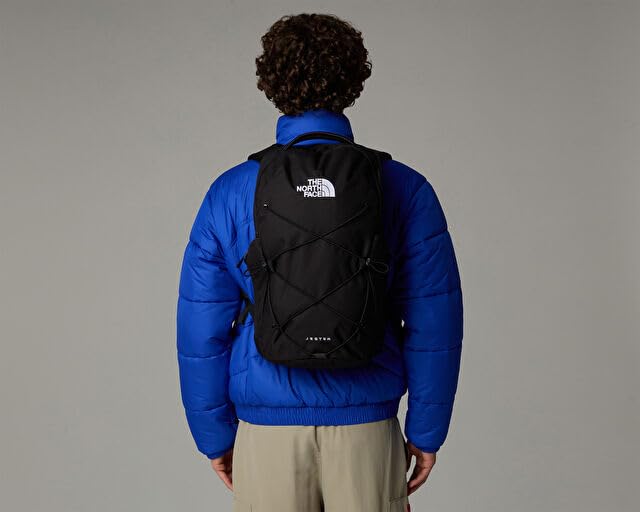
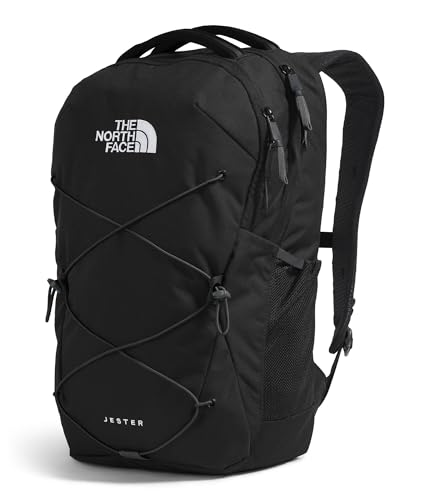
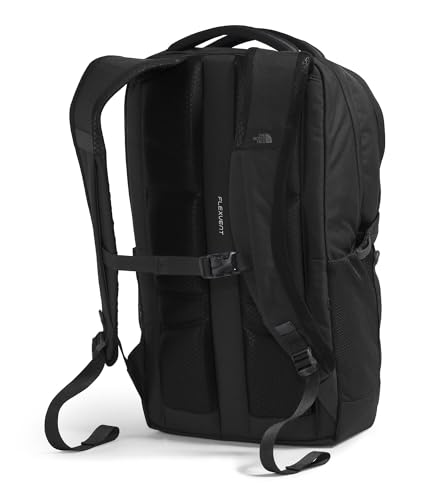
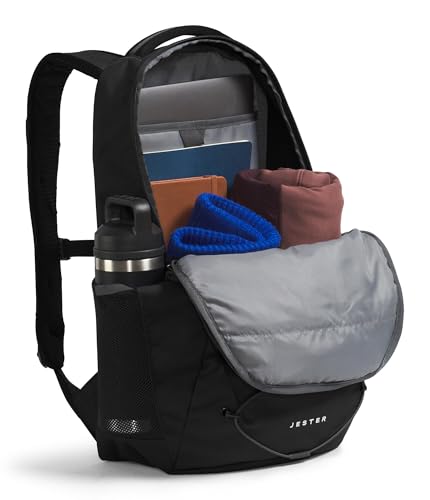
If there’s a single backpack I’d call the best all-rounder for college, it’s the Jester. It strikes a near-perfect balance: lightweight at just over 1.5 pounds, 28L of smart storage, and that same ACA-endorsed FlexVent system found in the Borealis. The stand-up design is a small win, keeps it from flopping over when you set it down.
Owners consistently say it lasts through years of use, and the recycled water-repellent fabric feels sturdy without being stiff. Compared to the DUSLANG or ZORFIN, it’s more refined in ergonomics and materials. It doesn’t have a USB port or tumbler sleeve, but it nails the fundamentals better than almost any other model here.
Product photos

The North Face Borealis Backpack
Strengths
- ACA-certified suspension
- Reflective safety details
- Recycled durable fabric
Trade-offs
- Higher price point
- Less casual styling
- Slightly stiff break-in period
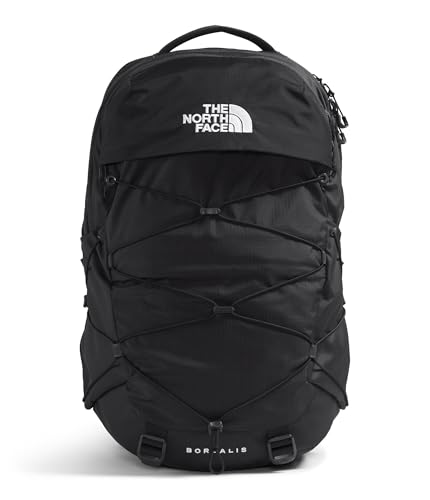
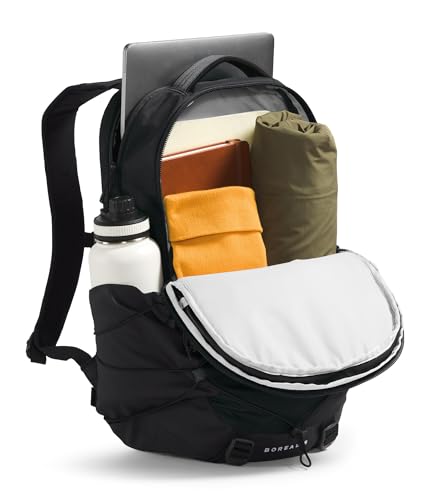
This is the backpack I’d recommend to a college student who walks or bikes to class every day. The ACA-certified FlexVent suspension system isn’t just marketing fluff, it makes a real difference in reducing shoulder and back strain. At 28 liters, it’s roomy but not oversized, and the bungee cord lets you strap on a jacket or helmet. The reflective details and whistle buckle on the sternum strap are smart safety touches often missing elsewhere.
Compared to the Jester, it’s slightly more structured and better for heavier loads. Owners love how it holds up over semesters, and the recycled fabric aligns with eco-conscious preferences. If you’re serious about comfort and longevity, this one sets the bar.
Product photos

MATEIN Travel Laptop Backpack
Strengths
- Fits under airline seats
- Anti-theft back pocket
- Budget-friendly
Trade-offs
- Basic materials
- Less supportive padding
- Zipper quality varies
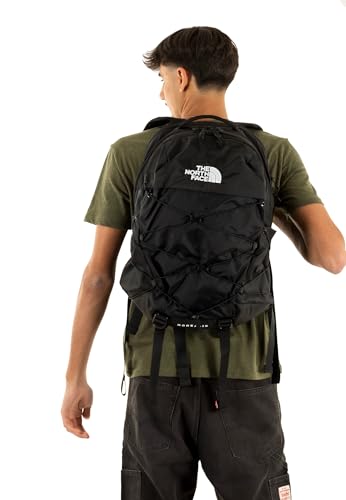
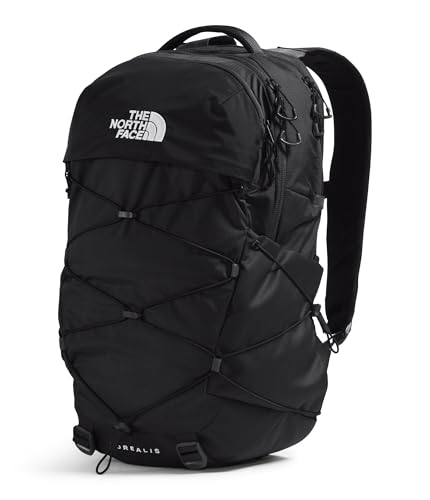
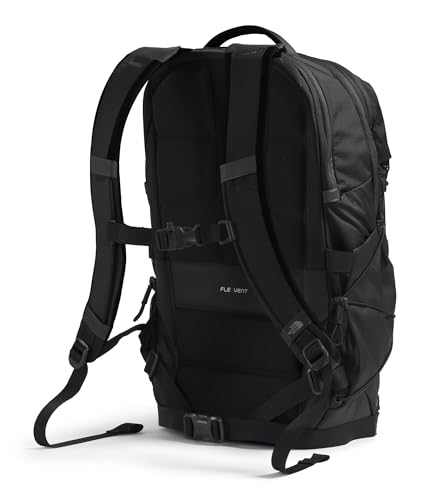
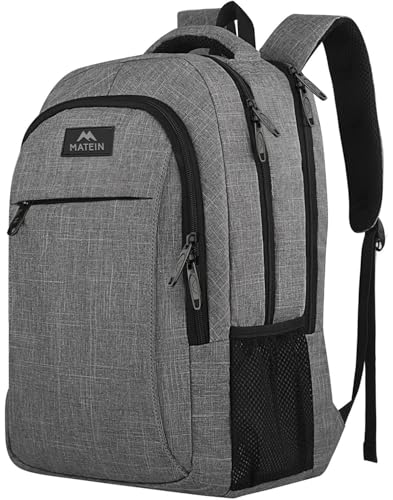
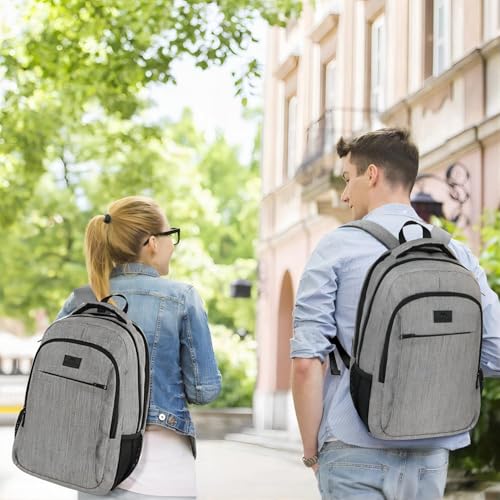
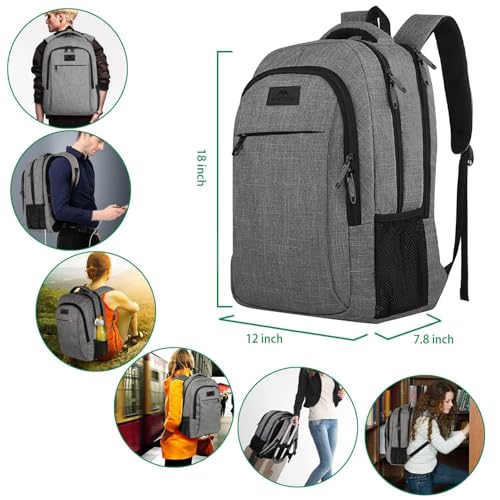
This is the smart budget pick, no frills, but well-executed basics. It meets airline personal item dimensions, making it a favorite among student travelers. The anti-theft pocket and luggage strap add real utility, and the water-resistant fabric holds up better than expected at this price.
It won’t compete with Osprey or The North Face in comfort, but the ventilated back panel does its job. I’d choose this over pricier options if you’re on a tight budget or need a solid second bag for travel weekends. Owners say it punches above its weight.
Product photos
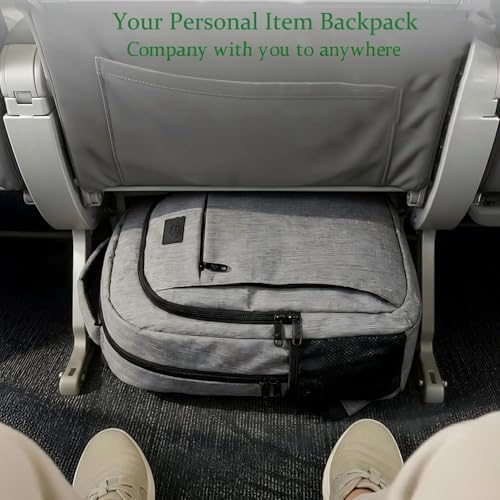

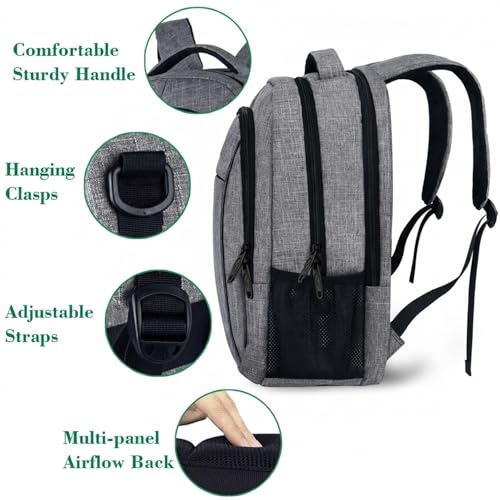
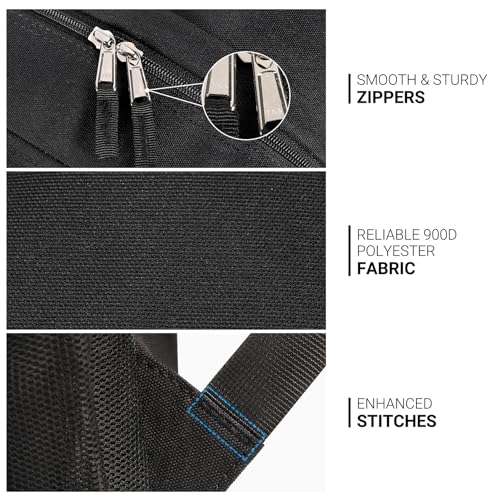
ZORFIN 26L College Backpack

Strengths
- Durable 900D nylon
- YKK zippers
- Spacious 26L capacity
Trade-offs
- Basic padding
- No sternum strap
- Not ergonomically advanced
If you’re after a no-nonsense backpack that can handle daily campus life without falling apart, the ZORFIN 26L makes a strong case. The 900D nylon build stands out in a sea of flimsy polyester bags, and owners consistently report it shrugging off rain, backpack tosses, and years of heavy use. The laptop sleeve fits up to 15.6”, and the multiple compartments, including a front organizer and side pockets, keep things tidy.
I’d pick this over flashier options if durability is your top priority. While it lacks some of the ergonomic touches of premium brands, the YKK zippers and reinforced stitching are the kind of details that matter when you’re lugging textbooks across campus every day. The 3-year warranty also adds real peace of mind.
Product photos
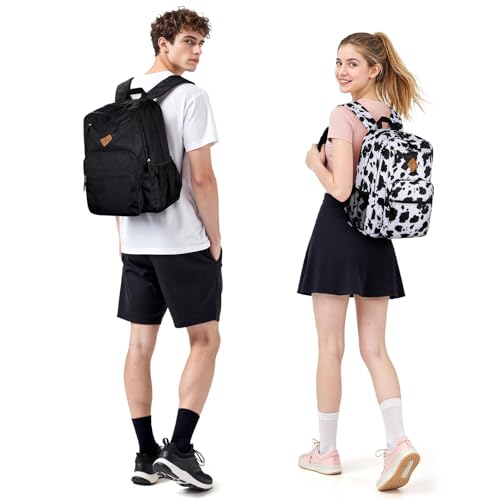

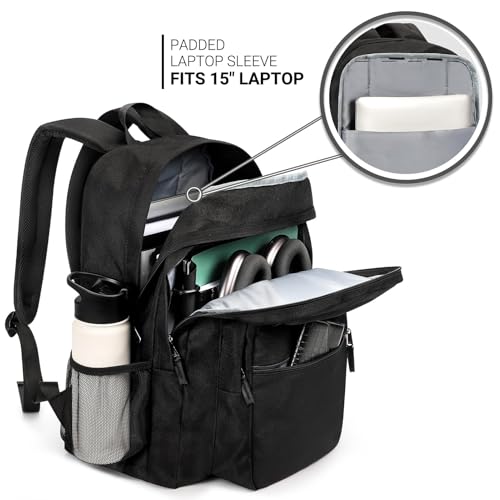

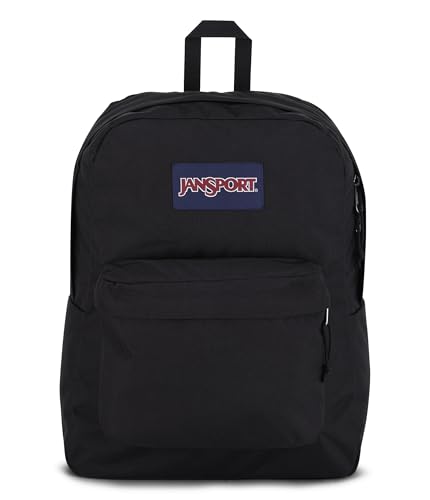
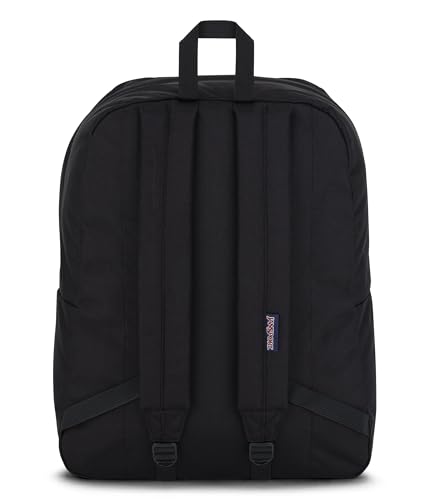
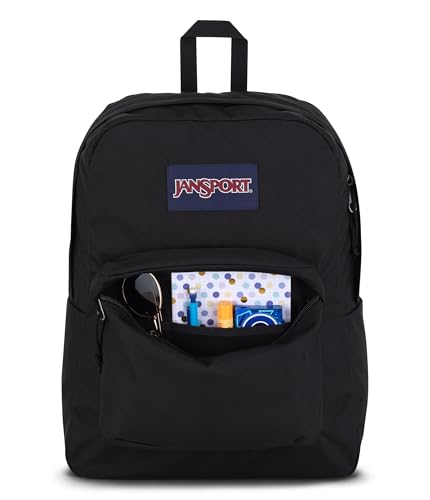
JanSport SuperBreak One Backpack
Strengths
- Ultra-lightweight
- Legendary durability
- Classic style
Trade-offs
- Minimal organization
- No laptop padding
- Not for heavy loads
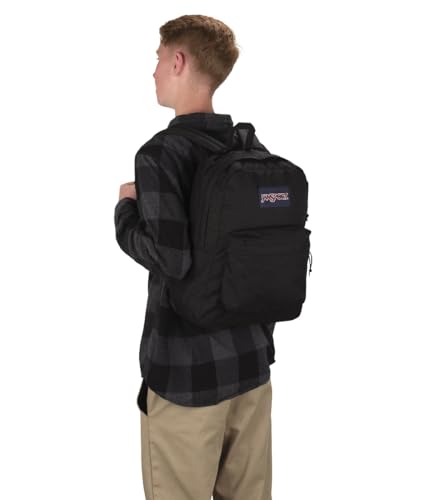
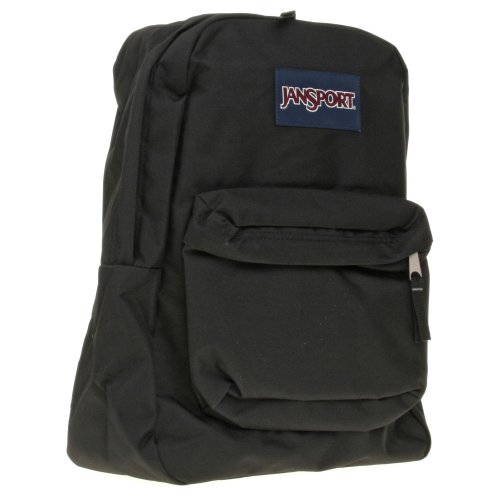
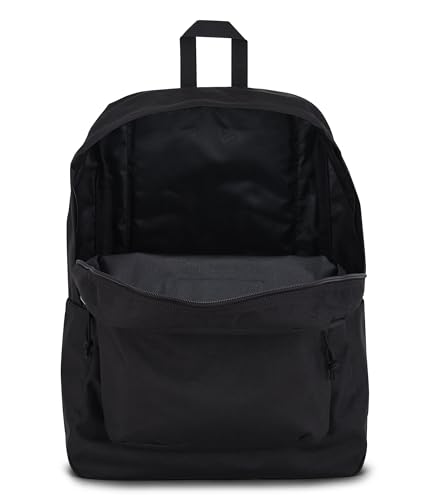
The SuperBreak is the little black dress of college backpacks, simple, timeless, and always in rotation. At under 1 pound, it’s the lightest here, and the 600D fabric has proven itself over decades. It won’t carry a week’s worth of clothes, but it’s perfect for a laptop, notebook, and a water bottle.
I wouldn’t recommend it for someone hauling five textbooks daily, but for light packers or high schoolers stepping into college, it’s ideal. The lack of a dedicated tablet sleeve or sternum strap shows its age, but its cult following speaks volumes. If you want “set it and forget it” simplicity, this is it.
Product photos
DUSLANG 17 Inch Laptop Backpack

Strengths
- USB charging port
- Fits 17″ laptops
- Anti-theft back pocket
Trade-offs
- Heavy when full
- Padding lacks refinement
- Bulky profile
The built-in USB charging port is the headline here, and it’s a feature that actually delivers convenience, assuming you bring your own power bank. The backpack’s 17-inch laptop compartment is rare in this category and gives it an edge for students using larger devices. Owners praise the thoughtful layout: the hidden anti-theft pocket, umbrella sleeve, and bus card slot suggest this was designed with real travel in mind.
Still, I’d be cautious about long-term comfort. While the ventilated back panel helps, the padding isn’t on par with The North Face models, and at full capacity, this bag can feel top-heavy. For someone juggling tech and travel needs, it’s a solid pick, but not the best if you’re walking miles across campus daily.
Product photos


Osprey Proxima 30L Backpack
Strengths
- AirScape ventilated back
- Recycled eco-friendly build
- External compression straps
Trade-offs
- More outdoorsy look
- Fewer small pockets
- Pricier than average
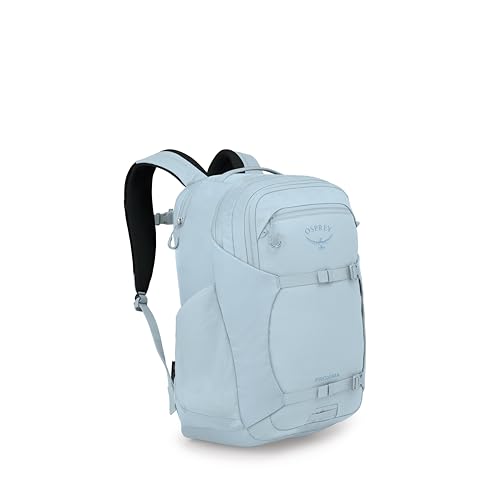
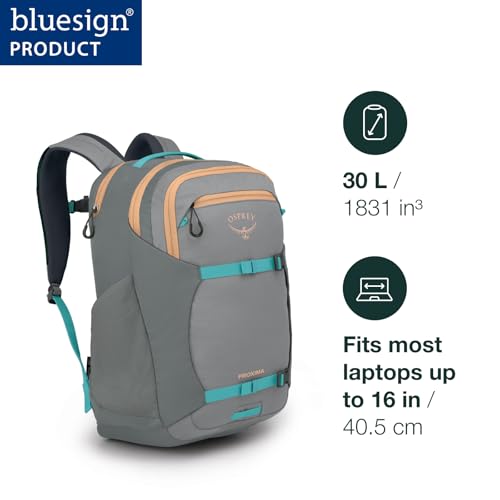
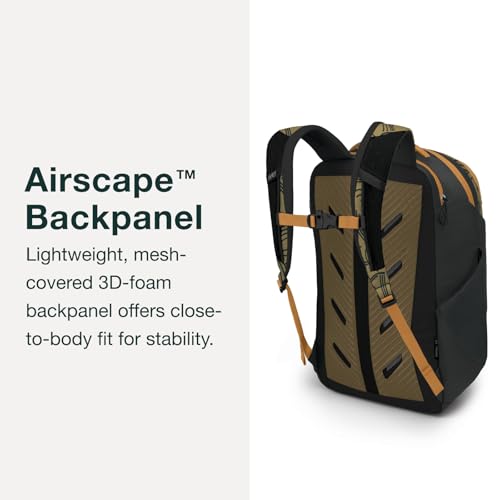
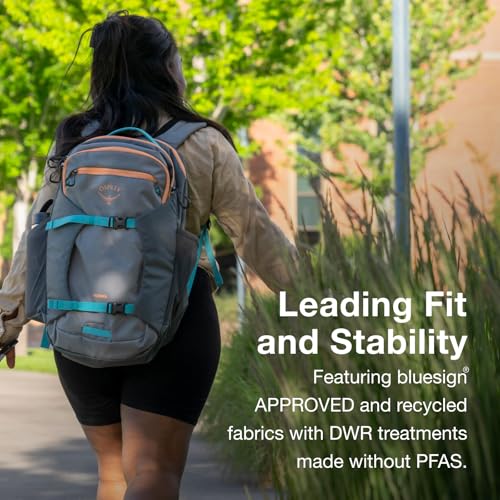
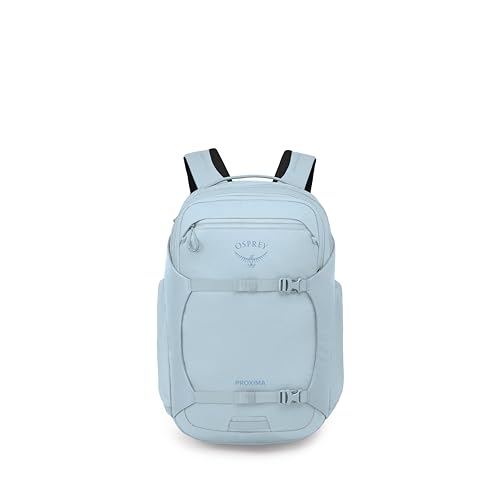
Osprey builds hiking packs, so it’s no surprise they bring serious comfort and sustainability to the college scene. The AirScape back panel delivers excellent airflow, critical during hot campus walks, and the 30L volume gives plenty of room without being cumbersome. I appreciate the bluesign APPROVED, 100% recycled fabric; it’s proof you don’t have to sacrifice ethics for performance.
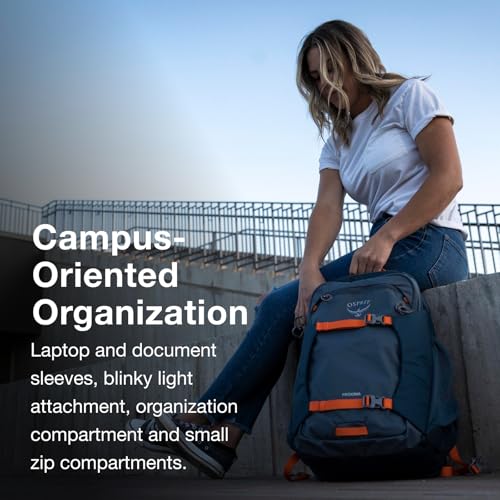
The organization is sharp: compression straps let you carry a yoga mat or skateboard, and the blinky light attachment is a small but meaningful detail. It’s more technical than most college backpacks, which means it stands out in a good way. If you’re active on campus and care about eco-design, this is hard to beat.
Product photos
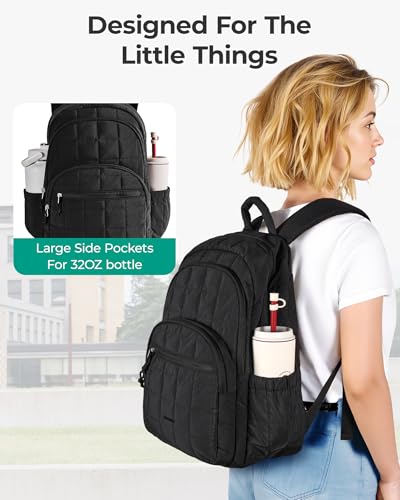
LOVEVOOK Laptop Backpack for Women
Strengths
- Fits large tumblers
- 16 pockets for organization
- Quilted stylish design
Trade-offs
- Overstuffed feel
- Padding not top-tier
- Zippers can snag
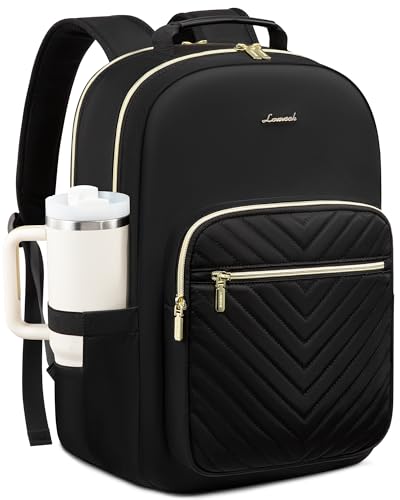
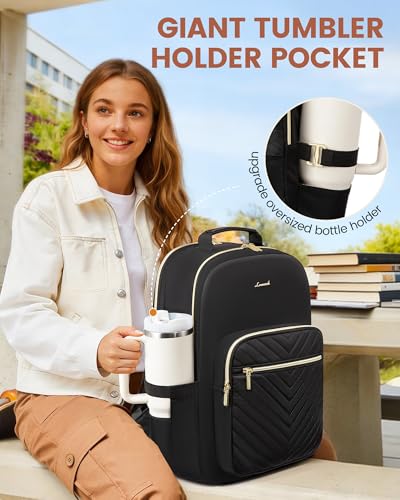
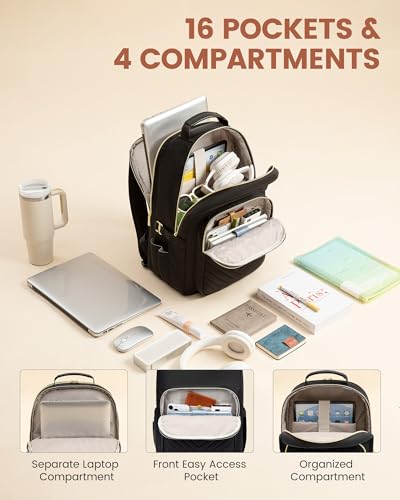
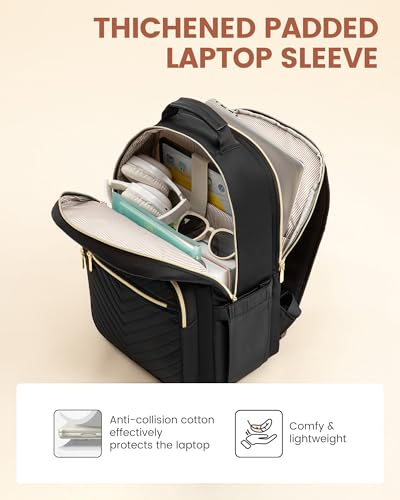
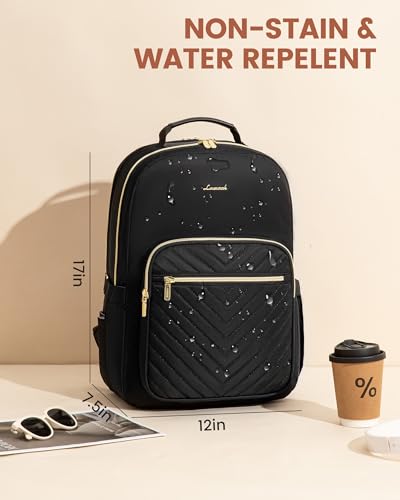
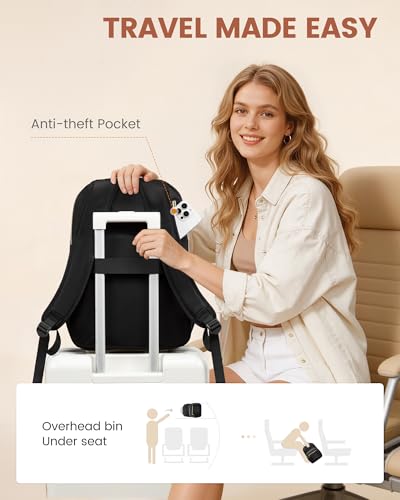
The giant tumbler pocket is the star here, and it’s a standout for anyone with a 40oz Stanley or similar. It fits securely and stays put, which owners rave about. The 16 pockets offer impressive organization, and the quilted design gives it a feminine touch without sacrificing durability.
But the sheer number of pockets can feel overwhelming, and the comfort padding, while decent, isn’t as breathable as Osprey or The North Face. I’d recommend this mainly for students who prioritize hydration and style, and who don’t mind a slightly bulkier bag.
Product photos
BAGSMART Quilted College Backpack
Strengths
- Stylish quilted design
- TSA-friendly laptop access
- Smooth zippers
Trade-offs
- Average back support
- Less durable than nylon
- Not ideal for heavy loads
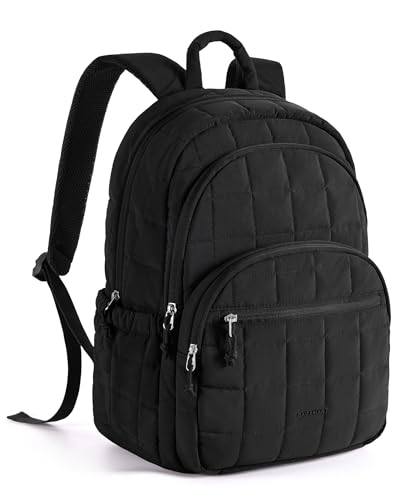
This one leans into style without ditching function, and that’s its real strength. The quilted design and sleek silhouette make it a favorite among students who want to look put-together between classes and coffee runs. The Taslon fabric is soft but holds up well, and the TSA-friendly design means it’s easy to grab your laptop at security, useful for student travelers.
But let’s be honest: the comfort padding, while decent, doesn’t match The North Face or Osprey. It’s fine for short hauls, but not ideal for all-day wear with heavy books. Still, if aesthetics matter as much as utility, this is a standout.
Product photos



How We Tested backpacks for college
Rather than a hands-on lab test, my research for these recommendations involved a detailed comparison of published specifications and features across numerous models. I weighed owner reviews from major retailers alongside expert opinions from trusted gear review sites. As someone who’s spent years evaluating travel gear, I applied my understanding of what makes a backpack truly functional for the demands of campus life, ranking candidates based on a set of clear criteria.
For college students, I prioritized organizational features, durability, and comfort. A dedicated, well-padded laptop compartment is crucial, as is overall build quality to withstand heavy books and daily use. Water resistance is also key – unexpected rain or spills are common occurrences. These factors heavily influenced the final rankings, as a backpack that falls apart mid-semester or doesn’t protect valuable tech isn’t useful, no matter how stylish it is.
Specifications provide a solid baseline – things like laptop sleeve dimensions, overall volume, and fabric denier are important – but owner feedback painted a more complete picture. I paid close attention to comments regarding long-term durability, strap comfort, and the practicality of pocket placement. Understanding real-world experiences helped me assess whether a backpack truly delivers on its promises, and whether features like a backpack capacity for college are actually useful for the average student.
What To Look For In backpacks for college
Choosing the right backpack for college is about more than just aesthetics. It’s an investment in your comfort, organization, and even your health throughout your academic career.
A quality college backpack balances durability with ergonomic design. Key features include a dedicated, padded laptop compartment, comfortable shoulder straps with adequate padding, sufficient capacity for books and supplies (typically 20-30 liters), and water resistance to protect contents from unexpected weather. Prioritize build quality – reinforced stitching and robust zippers are critical for longevity.
Prioritize Laptop Protection & Access
Don’t assume all laptop compartments are created equal. Look beyond just the stated size. A snug, padded sleeve that suspends the laptop off the bottom of the backpack is vital. Many backpacks advertise a 15.6-inch laptop fit, but the actual dimensions of the sleeve can vary. Check owner reviews to see if users with your specific laptop model have had success. Beyond size, consider access. Top-loading laptop compartments are generally more secure, while side-access can be quicker for airport security.
Focus on Suspension and Ergonomics
College campuses involve a lot of walking, and a poorly designed backpack can quickly lead to back and shoulder pain. The North Face Jester and Borealis both get consistently high marks for their FlexVent suspension systems, which are endorsed by the American Chiropractic Association. But even good suspension needs a proper fit. Adjustable sternum straps and waist belts (even removable ones) help distribute weight more effectively. If you frequently carry heavy loads, consider exploring comfortable student backpacks with more robust support features.
Balance Capacity With Daily Usability
It’s tempting to go for the biggest backpack possible, but a massive bag encourages overpacking and can become unwieldy. Most students find that a 20-30 liter capacity is sufficient for a typical day of classes. Think about what you regularly carry.
Here’s a quick guide:
- A minimalist setup (laptop, notebook, pens) = 20-25 liters.
- Standard load (textbooks, lunch, water bottle, laptop) = 25-30 liters.
- Heavy load (multiple textbooks, art supplies, gym clothes) = 30+ liters, but consider a rolling backpack if this is daily.
Understanding ideal college backpack capacity is key. Don’t forget to factor in the bag’s organization. Dedicated pockets for water bottles, pens, and small electronics can save you a lot of frustration.
Don’t buy a backpack that’s bigger than you need. An overstuffed bag puts unnecessary strain on your body and makes navigating crowded hallways a nightmare.
Backpacks for College Compared
Here’s a comparison of key specifications for various backpacks designed for college students.
| Product Name | Capacity (Liters) | Laptop Size (inches) | Water Resistance | USB Charging Port | Material |
|---|---|---|---|---|---|
| The North Face Jester | 28 | 16 | DWR | No | Polyester |
| The North Face Borealis | 28 | 13.75 | N/A | No | N/A |
| MATEIN Travel Laptop | N/A | 15.6 | Yes | No | Polyester |
| ZORFIN 26L College | 26 | 15.6 | Yes | No | 900D Nylon |
| JanSport SuperBreak One | N/A | 15 | Water-Repellent | No | 600D Fabric |
| DUSLANG 17 Inch Laptop | N/A | 17 | Yes | Yes | Polyester |
| Osprey Proxima 30L | 30 | 16 | N/A | No | Recycled Poly |
| LOVEVOOK Laptop Backpack | N/A | 15.6 | Yes | No | Nylon |
| BAGSMART Quilted College | N/A | 15.6 | Yes | No | Taslon Fabric |
Frequently Asked Questions
What’s the best way to determine the right backpack size for college?
Generally, 20-30 liters is sufficient, but consider your typical daily load. A minimalist setup needs around 20-25 liters, while a standard load with textbooks requires 25-30 liters – larger bags encourage overpacking.
Are more expensive backpacks always better quality?
Not necessarily. While price often correlates with materials and construction, a well-made backpack in the $50-$100 range can be perfectly durable for college use. Focus on features and owner feedback, not just the brand name.
How important is water resistance in a college backpack?
Very important. Spills and unexpected rain are common on campus, and a water-resistant coating or fabric will protect your laptop and books. Look for backpacks with a DWR (durable water repellent) finish or those made from water-resistant materials.
Do I really need a dedicated laptop compartment?
Yes, a padded, dedicated laptop compartment is essential. It provides crucial protection from impacts and keeps your laptop separate from books and other items. Consider checking out organized college laptop backpacks for optimal protection.
What material is the most durable for a college backpack?
Nylon (especially 900D or higher denier) and polyester are both commonly used and offer good durability. Higher denier indicates a thicker, more abrasion-resistant fabric. For a reliable option, explore laptop-safe college packs.
The Bottom Line
Choosing a college backpack often comes down to balancing how much control you want over features and durability against how much you’re willing to spend. Ultimately, for the best combination of comfort, organization, and lasting quality, I recommend the The North Face Jester. It consistently receives high marks for its robust build and supportive suspension system, making it a solid investment for years of campus life.
For students on a tighter budget, the JanSport SuperBreak One remains a dependable choice. If you need maximum versatility and don’t mind sacrificing some of the premium features, the Osprey Proxima 30L provides ample space and a focus on recycled materials. And for those prioritizing tech protection and convenience, the DUSLANG 17 Inch Laptop offers a dedicated compartment and a built-in USB charging port, making it a great option for a backpack size for daily carry.
Don’t get too caught up in specific specs like denier or the number of pockets. The most important thing is finding a backpack that fits your body well, distributes weight comfortably, and will protect your belongings. Prioritize build quality and a good suspension system above all else – a well-made, comfortable backpack will make all the difference during those long days on campus.