7 Best Backpacks for Athletes 2026
This post contains affiliate links. As an Amazon Associate, we earn from qualifying purchases.
The Under Armour Hustle 6.0 stands out as the best overall backpack for athletes, combining rugged build, smart organization, and reliable comfort. For those watching their budget, the adidas Defender 5 delivers solid performance without breaking the bank. And if you need extra space for gear and tech, the VENATIN Gym Backpack offers strong versatility.
Athletes don’t just need a bag, they need a reliable system that keeps gear organized, survives daily punishment, and carries comfortably whether you’re heading to practice, work, or travel. Too many backpacks fall apart after a few weeks or turn into sweaty, disorganized messes.
This guide cuts through the noise by focusing on what actually matters: real-world durability, smart compartment layouts, and carrying comfort under load. I researched each pick based on specs, verified owner feedback, and my experience assessing luggage and athletic bags, so you can choose with confidence.
Top 7 Backpacks For Athletes in the Market
The Best Backpacks For Athletes, Reviewed
adidas Defender 5 Backpack

Strengths
- Vented shoe compartment
- Water-resistant base
- Lifetime warranty
Trade-offs
- Slightly heavier than others
- Pricier than budget options
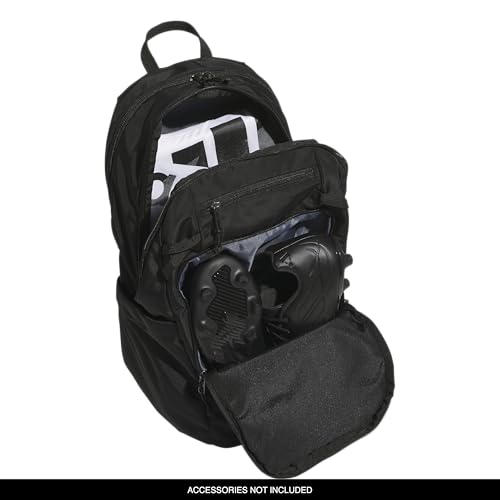
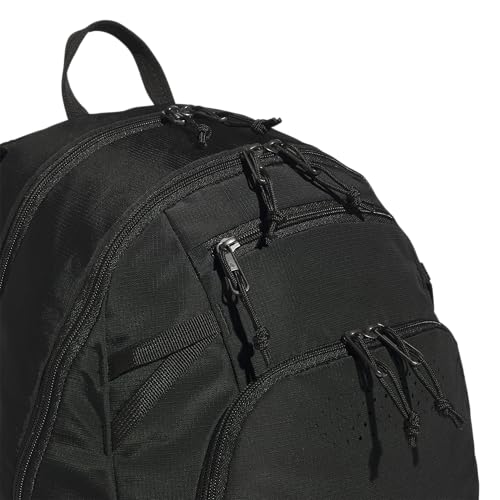
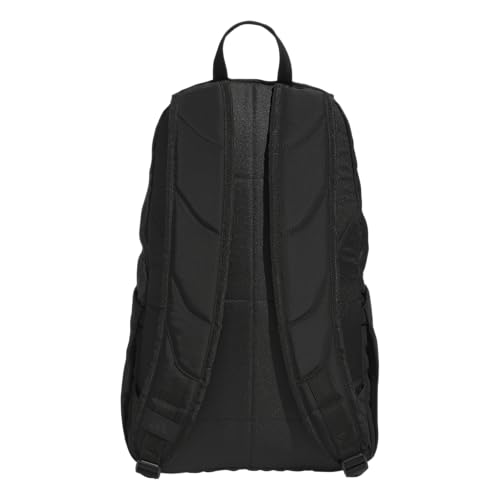
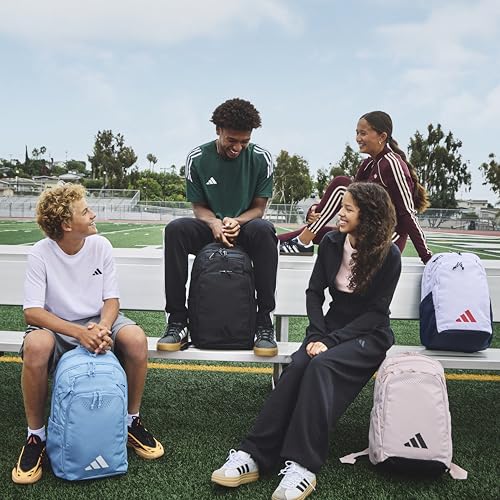
This is the best overall backpack for athletes, and it earns that title. The 33L main compartment swallows full kits, a 15-inch laptop, books, and still has room for extras. The vented shoe compartment is a standout, letting cleats breathe without stinking up clean clothes. And the water-resistant base? Perfect for wet locker rooms or rainy sidelines. Owners love how it stays dry on damp floors, and the six zippered pockets keep everything from protein shakers to wallets in order.
What really sets it apart is the adidas Lifetime Warranty, rare in this category. That confidence in durability tells you everything. Compared to the Nike Brasilia, it’s more organized and better ventilated. Against the Goloni, it’s more polished and versatile. For students who also train, or athletes who travel, this is the smarter buy.
Product photos

Goloni Soccer Backpack

Strengths
- Vented shoe compartment
- Ball storage front pocket
- Water-resistant oxford fabric
Trade-offs
- Basic aesthetics
- Zipper durability varies
- Limited tech organization
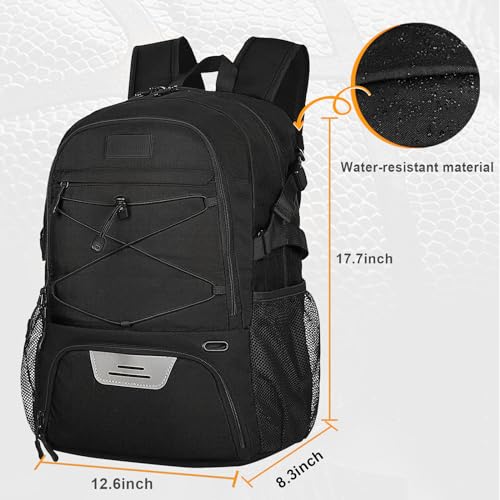
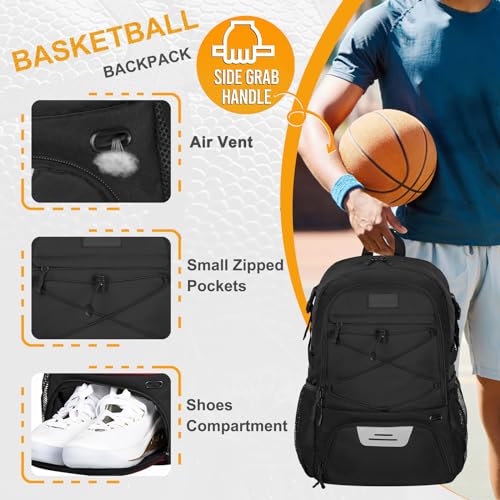
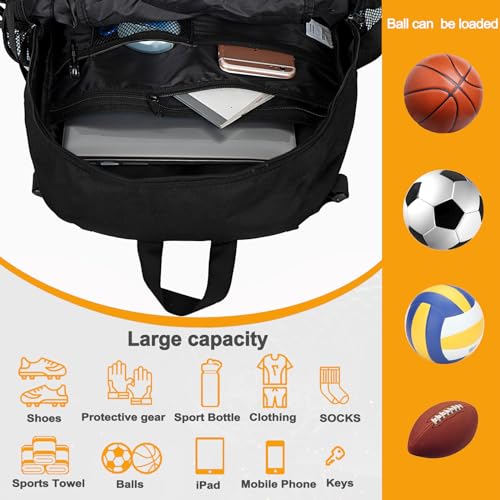
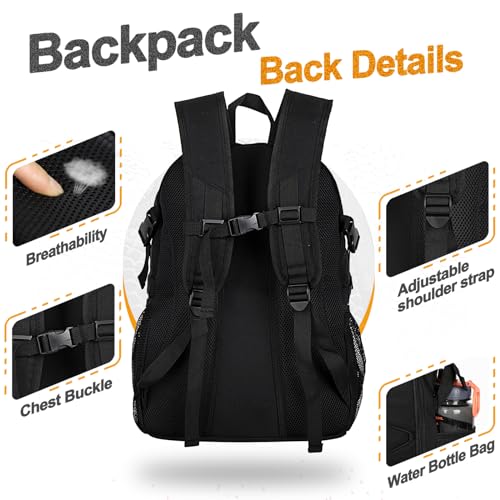
If you’re hauling a ball, cleats, and a full kit to practice, this Goloni backpack hits the right notes. The vented shoe compartment is a standout, it actually keeps odors and moisture from spreading, which so many budget bags fail at. The front ball pocket is spacious enough for soccer or basketball, and owners say it holds up well to muddy fields and rainy commutes. At just under 18 inches tall, it’s compact but high-capacity, and the mesh side pockets are perfect for water bottles or small extras.
It’s not the most stylish, and the stitching on some units has been reported to loosen over time, but for the price, it delivers exactly what team athletes need. Compared to the JanSport, this is clearly built for sport. It’s less of a school bag, more of a true gear hauler.
Product photos
Under Armour Hustle 6.0

Strengths
- Holds 16” laptop
- Molle attachment points
- Water-resistant UA Storm fabric
Trade-offs
- No dedicated shoe venting
- Slightly less storage than rivals
- Premium price
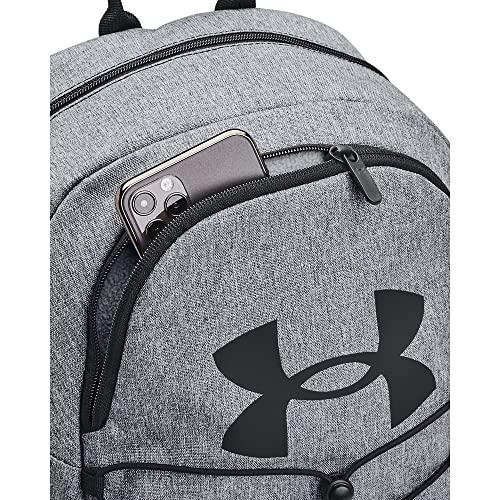
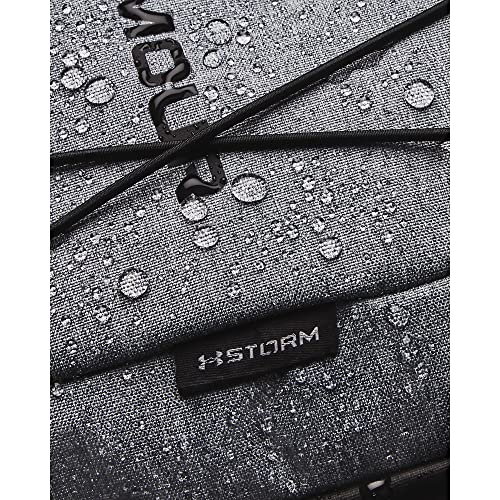
The Hustle 6.0 is built for athletes who carry tech and training gear in equal measure. The soft-lined 16” laptop sleeve is a standout, rare in sports packs, and the Molle webbing lets you attach extra straps, lights, or pouches. UA Storm technology keeps contents dry, even in downpours, and the secondary compartment doubles as a shoe or laundry pocket, which owners find incredibly useful. It’s not the largest, but it’s one of the most adaptable.
Compared to the Hustle Sport model, it offers better tech integration and more rugged finishes. Against the adidas Defender 5, it trades some volume for smarter tech layout. If you’re a coach, grad student, or athlete who needs to go from gym to meeting, this is the most balanced pick.
Product photos


VENATIN Gym Backpack

Strengths
- Ultra lightweight
- Wet/dry compartment
- Separate shoe storage
Trade-offs
- Lower durability than premium brands
- Less padding on straps
- Limited space for bulky gear
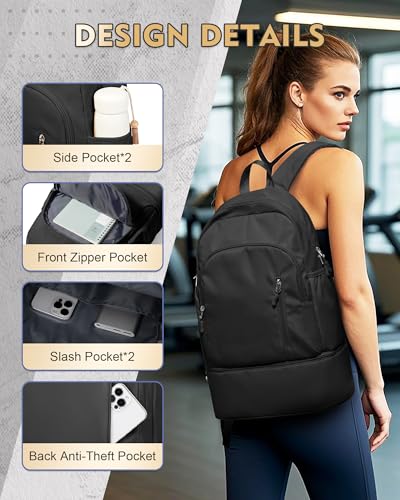
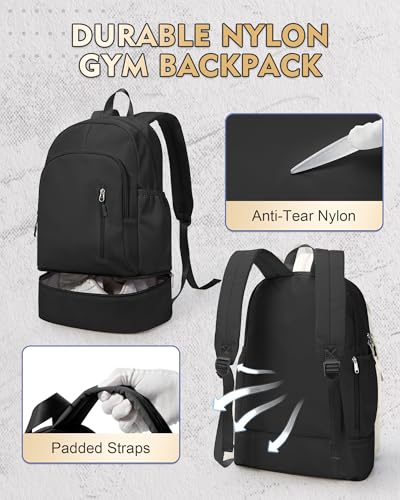
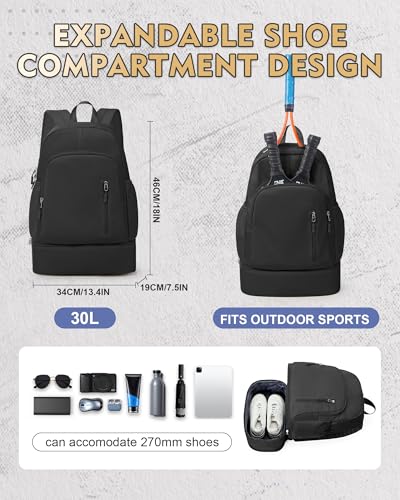
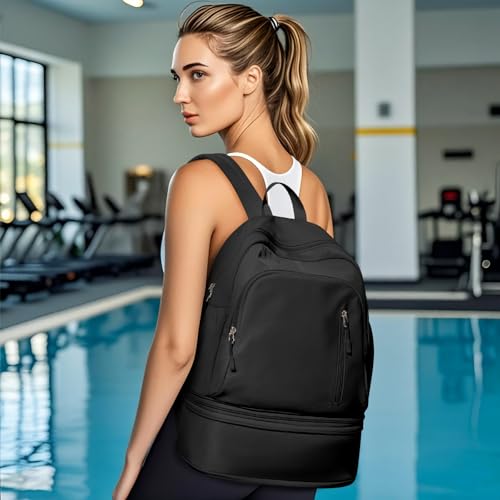
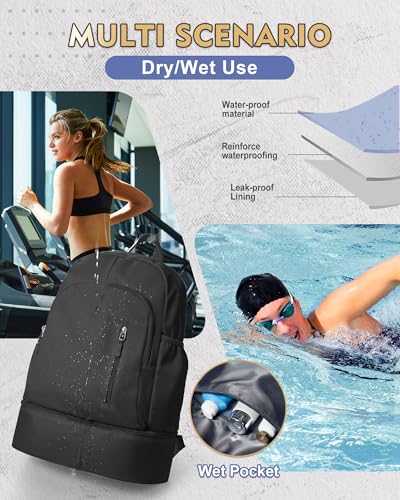
At just 1.25 pounds, this VENATIN pack is one of the lightest full-featured gym backpacks I’ve seen on paper. It’s clearly designed with efficiency in mind, the isolated wet/dry pocket and shoe compartment mean you can toss in sweaty clothes without contaminating the rest. The lightweight fabric doesn’t sacrifice strength, and owners say it handles daily gym runs without strain. For the price, it punches above its weight in smart design.
Still, it’s not as rugged as the adidas or Under Armour options. The zippers feel functional but not premium, and the overall volume is on the smaller side at 24.5L. If you’re a minimalist gym-goer or a cheer athlete who needs clean separation without bulk, this is a smart pick. But for heavy gear haulers, it falls short.
Product photos
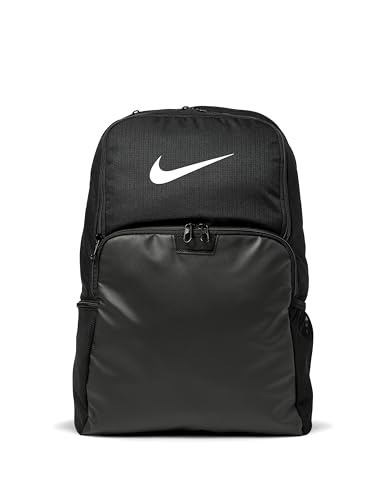
Nike Brasilia 9.5 Backpack
Strengths
- Recycled durable fabric
- Spacious 30L capacity
- Simple, reliable design
Trade-offs
- No dedicated shoe compartment
- Basic back padding
- Minimal tech organization
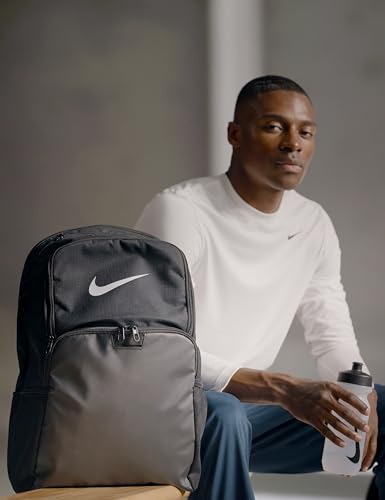
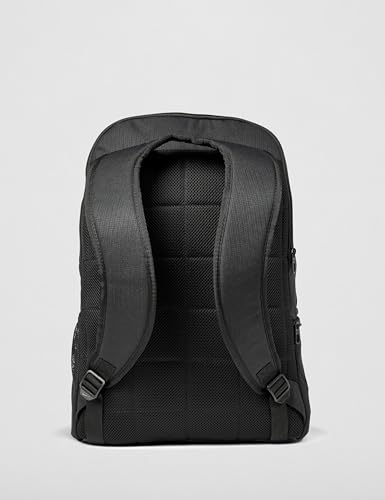
Nike’s Brasilia 9.5 is a no-frills workhorse, densely woven recycled polyester means it shrugs off gym bags, locker rooms, and pavement scrapes. It’s not flashy, but it’s built for repetition: daily use, weekly washouts, months of abuse. The front zippered pocket is handy for post-workout towels or used gear, and the 30L volume gives room for layers, shoes, and accessories. It’s not the most ventilated or organized, but it doesn’t need to be.
Compared to the Under Armour Hustle 6.0, it lacks a dedicated laptop sleeve and Molle webbing, but it’s more affordable and just as tough. Owners praise its simplicity and longevity. If you want a durable, low-maintenance bag that just works, this is it.
Product photos

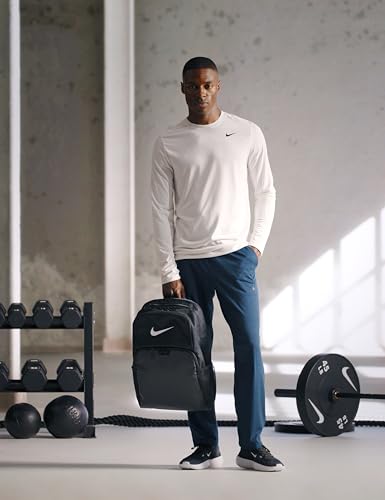
Under Armour Hustle Sport

Strengths
- Breathable back panel
- Bungee gear sleeve
- Dual water bottle pockets
Trade-offs
- Smaller laptop fit
- No Molle attachments
- Less tech organization
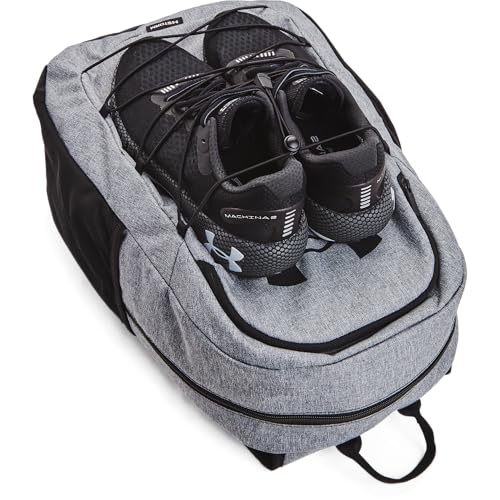
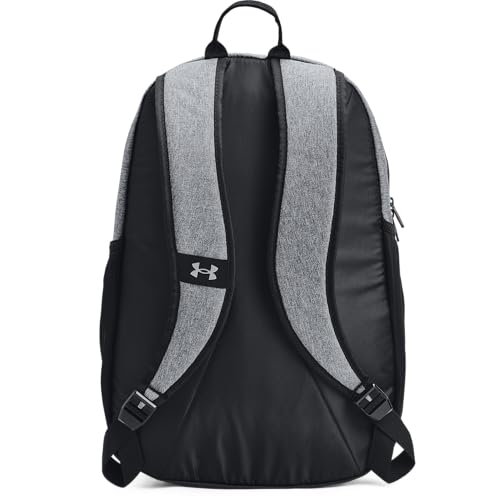
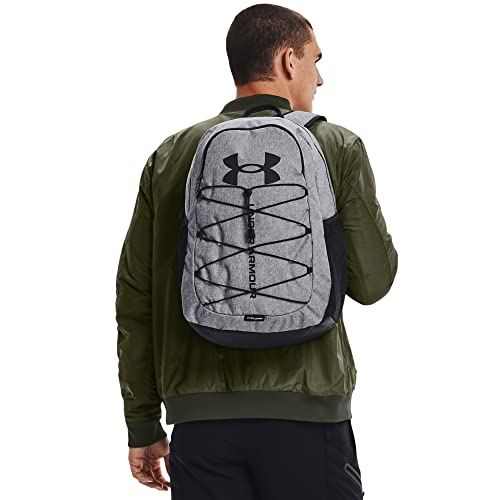
This Hustle Sport model is all about ventilated comfort, the padded back panel and ergonomic straps make it a joy to carry, even when loaded. The bungee front sleeve is genius for tossing on a damp jacket or extra shoes mid-commute, and the 26L volume is just right for a full gym session. Two water bottle pockets are a small but appreciated touch, and the coated bottom resists scrapes and moisture.
It doesn’t have Molle webbing like the Hustle 6.0, and the laptop sleeve is limited to 15”, but for pure wearability, it wins. Owners consistently rate it highly for all-day comfort. If you’re walking long distances or hate sweaty backs, this is the one to beat.
Product photos
JanSport Laptop Backpack

Strengths
- Durable recycled fabric
- Padded 15” laptop sleeve
- Multiple organizational pockets
Trade-offs
- No shoe compartment
- Not vented or moisture-resistant
- Too casual for athletic use
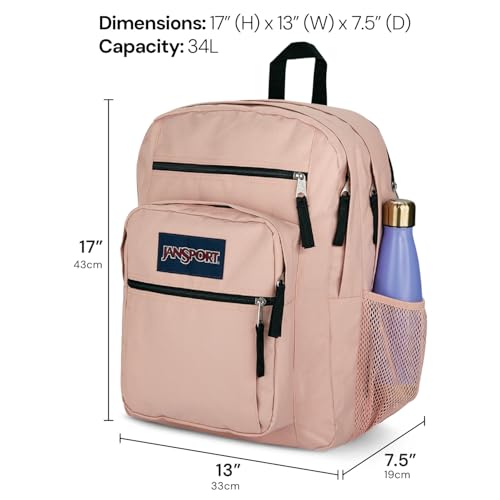
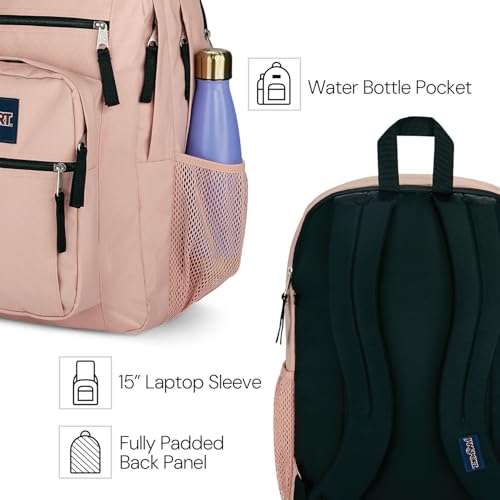
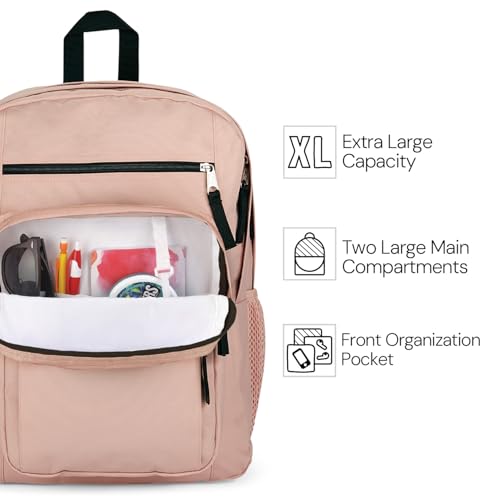
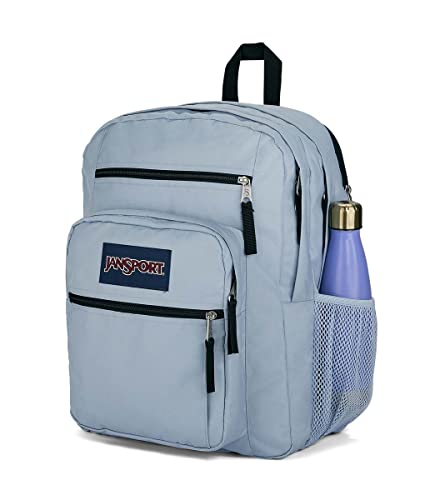
This JanSport backpack is built like a student’s best friend, not an athlete’s training partner. It’s durable and comes in a ton of colors, which is great if you want personality, but it lacks athletic-specific features like ventilation, shoe storage, or moisture-resistant zones. The padded laptop sleeve and organizational pockets are solid for school or light commuting, but don’t expect it to handle sweaty gear or bulky training kits.
Owners consistently report it lasts through semesters, even years, thanks to recycled but rugged fabric and reinforced stitching. Still, for athletes, it’s under-equipped. Compared to purpose-built sports packs, it doesn’t separate shoes or wet items, so your jersey ends up smelling like old sneakers by noon. I wouldn’t recommend it for serious training use.
Product photos

How We Chose These backpacks for athletes
Rather than a hands-on lab test, my research for these recommendations was a detailed comparison of published specifications and features across numerous models. I weighed owner reviews from multiple retailers alongside expert opinions from sites specializing in athletic gear and travel. As someone who’s spent years evaluating luggage, I applied my understanding of materials, construction, and common athlete needs to rank these options against a set of clear criteria.
For athletes, three factors stood out as most critical: durability, organization, and comfort under load. A bag needs to withstand daily use and potentially rough handling, so robust materials and construction are paramount. Dedicated compartments for shoes, wet gear, and valuables are essential for keeping things organized. Finally, comfortable straps and back padding directly impact usability during commutes or travel.
Specifications reliably indicate capacity, dimensions, and materials used. However, I heavily relied on owner feedback to gauge real-world durability, how well the bag handles heavier loads, and the practicality of the organizational features. Reputation also played a role; established brands with consistent positive reviews were given more consideration, and understanding how a backpack impacts calorie burn with backpack is important for active individuals.
Choosing The Right backpacks for athletes
Finding the right backpack for athletic gear requires more thought than simply picking a brand name. It’s about matching the bag’s features to your specific sport and lifestyle.
A good athletic backpack balances durability, organization, and comfort. Key features include dedicated compartments for shoes and wet gear, robust materials able to withstand frequent use, and a supportive carrying system. Look for water resistance, ample storage for essentials, and thoughtful design details like external attachment points for water bottles or other items.
Compartmentalization Is Key
Athletes have unique carrying needs. A single large compartment quickly becomes a chaotic mess of sweaty clothes, cleats, and nutrition. Prioritize backpacks specifically designed with designated spaces. For example, a separate, ventilated backpacks with shoe compartments is a must-have for keeping the main area clean. Wet/dry pockets are also invaluable for damp towels or post-workout apparel. Don’t overlook the small stuff – dedicated pockets for keys, wallets, and phones prevent frantic searches.
Material & Build Quality
Don’t assume all backpacks are created equal. The materials used directly impact a bag’s longevity and ability to withstand the rigors of athletic life. Look for backpacks constructed from durable, water-resistant fabrics like ripstop nylon or coated polyester. Consider the stitching, zipper quality, and reinforcement in high-stress areas. A bag made with flimsy materials will quickly show wear and tear, and probably won’t survive a season of heavy use.
- A basic polyester bag might suffice for light use, but won’t hold up to daily abuse.
- Ripstop nylon offers a good balance of durability and weight, making it ideal for versatile athletic use.
- Coated polyester provides excellent water resistance and is a good choice for sports played in wet conditions, but can add weight. Think about how frequently you’ll be using the bag and the conditions it will face.
Balancing Capacity & Comfort
The size of your backpack needs to match the amount of gear you typically carry. A massive bag is overkill for a quick trip to the gym, while a too-small pack will leave you struggling to fit everything inside. Think about whether you need space for a laptop, shoes, a change of clothes, and potentially a ball or other bulky equipment. Don’t underestimate the importance of a comfortable carrying system. Padded shoulder straps and a ventilated back panel are essential, especially if you’ll be walking long distances. A 22L backpack size details is often a sweet spot for many athletes, offering enough space without being overly bulky.
A well-fitting backpack distributes weight evenly, reducing strain on your back and shoulders. Prioritize adjustable straps and a supportive back panel to ensure a comfortable carry, even when fully loaded.
Backpacks for Athletes Compared
Here’s a comparison of key specifications for backpacks designed for athletes.
| Product Name | Capacity (L) | Laptop Size | Shoe Compartment | Water Resistance | Material | Dimensions (H x W x D) |
|---|---|---|---|---|---|---|
| adidas Defender 5 | N/A | 15″ | Yes | Water-resistant | N/A | N/A |
| Goloni Soccer Backpack | N/A | N/A | Yes | Water-resistant | Oxford Fabric | 17.7″ x 12.6″ x 8.3″ |
| Under Armour Hustle 6.0 | N/A | 16″ | Yes | Water-resistant | N/A | N/A |
| VENATIN Gym Backpack | 24.5 | 15.6″ | Yes | N/A | N/A | 19″ x 13.4″ x 7.5″ |
| Nike Brasilia 9.5 | N/A | N/A | N/A | N/A | Polyester | N/A |
| Under Armour Hustle Sport | 26 | 15″ | N/A | Water-resistant | N/A | 18.5″ x 12.6″ x 7.4″ |
| JanSport Laptop Backpack | N/A | 15″ | N/A | N/A | Recycled Fabric | N/A |
Frequently Asked Questions
What level of water resistance should I expect from an athletic backpack?
Most athletic backpacks offer water resistance, not full waterproofing. Expect them to handle light rain or splashes, but prolonged exposure or submersion will likely soak the contents. If you frequently train outdoors in wet conditions, consider a backpack with a rain cover or constructed from a heavily coated material.
How do I determine the right backpack capacity for my needs?
Capacity is measured in liters (L). A 20-30L pack is generally sufficient for gym sessions or short practices, while 30L+ is better for longer trips or sports requiring extensive gear. Consider whether you need space for a laptop, shoes, and a change of clothes when deciding.
Are more expensive athletic backpacks always better?
Not necessarily. While higher price points often correlate with improved materials and build quality, a well-made backpack from a reputable brand doesn’t have to break the bank. Focus on features you need and read owner reviews to assess real-world performance, rather than simply chasing a high price tag.
What’s the best way to carry heavier loads comfortably?
Look for a backpack with wide, padded shoulder straps, a sternum strap, and a hip belt. These features distribute weight more evenly across your body, reducing strain on your back and shoulders. For very heavy loads, consider investing in rucking fitness backpacks specifically designed for carrying weight.
How important is the ventilation in a backpack’s back panel?
Ventilation is quite important, especially during high-intensity activities. A ventilated back panel allows air to circulate, preventing sweat buildup and keeping your back cooler and drier. Mesh panels or channels are common features designed to improve airflow and enhance comfort.
The Bottom Line
Choosing a backpack for athletic use often comes down to balancing how much you want to spend with how much dedicated organization you truly require. For most athletes needing a reliable, well-rounded option, the adidas Defender 5 strikes an excellent balance of features and price. It provides the essential compartments and durability without breaking the bank.
If specific needs take priority, several other options stand out. For soccer players, the Goloni Soccer Backpack is purpose-built with a ventilated shoe compartment and ample space for a ball. Those prioritizing laptop protection alongside athletic gear should look to the VENATIN Gym Backpack, while anyone wanting a sustainable choice should consider the JanSport Laptop Backpack with its recycled fabric build – understanding the capacity of 20L backpack can help you assess if it meets your needs.
Ultimately, the best athletic backpack isn’t about the flashiest features or the highest price tag. It’s about finding a bag that comfortably carries your gear, protects your valuables, and stands up to the demands of your active lifestyle. Prioritize durable materials, thoughtful organization, and a comfortable fit above all else, and you’ll be well-equipped for whatever your sport throws your way.