7 Best Rucking Backpacks of 2026
This post contains affiliate links. As an Amazon Associate, we earn from qualifying purchases.
The GORUCK Rucker 4.0 20L Black stands out as the best overall rucking backpack for its rugged build, smart weight distribution, and proven performance under load. For those on a tighter budget, the RuckBuddy 25L Tactical Rucksack offers solid durability and a supportive fit at a lower price.
Most people don’t realize how quickly an ill-suited backpack can turn rucking into a painful chore. Poor weight placement, flimsy straps, and low-quality fabric can lead to discomfort, bad posture, or even injury over time.
This guide cuts through the noise by focusing on what actually matters: real-world durability, smart design, and how well each pack carries weight. I researched each model based on specs, owner feedback, and my years of assessing gear for demanding travel and fitness use. These picks are built to last and designed to perform, whether you’re rucking short distances or training for something longer.
Top 7 Rucking Backpacks in the Market
The Best Rucking Backpacks, Reviewed
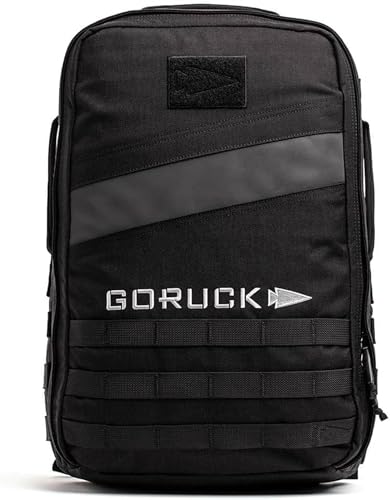
GORUCK Rucker 4.0 20L Black
Strengths
- 75 lb capacity
- Patented ergonomic design
- Frame sheet support
Trade-offs
- High price point
- Hip belt sold separately
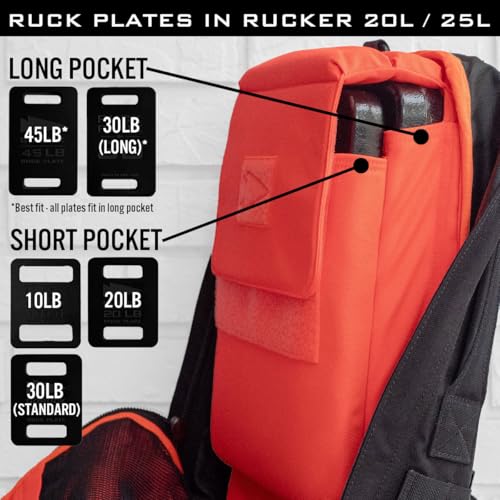
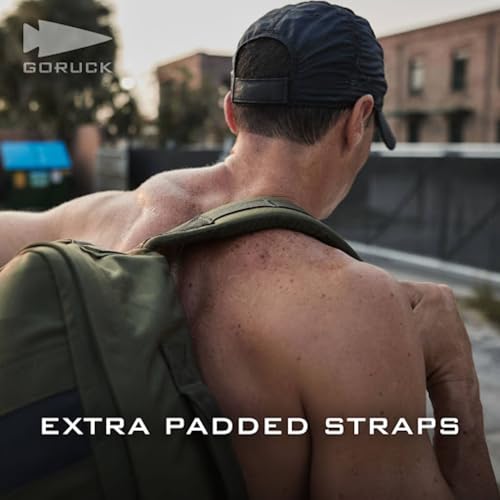
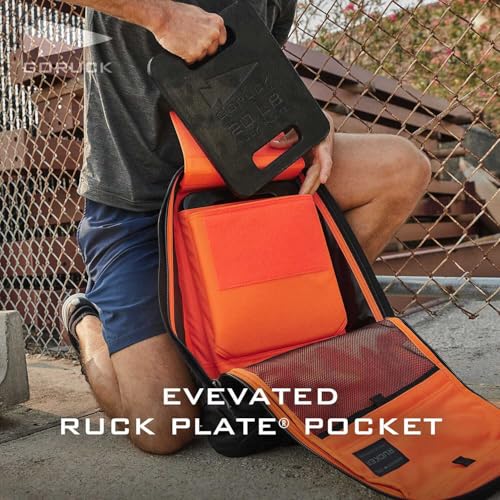
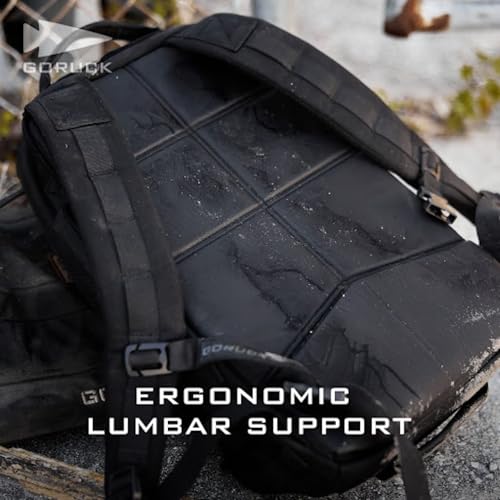
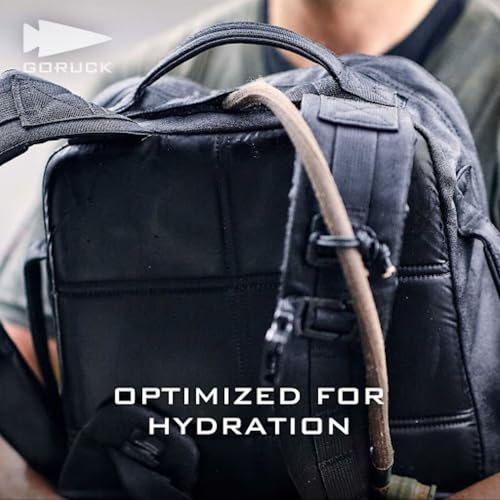
The GORUCK Rucker 4.0 is the gold standard for a reason. With a patented design and 75 lb capacity, it’s built for serious rucking progression. The elevated plate pocket, super-padded straps, and built-in frame sheet make carrying heavy loads feel manageable, a point repeatedly highlighted in owner reviews. It’s not just comfortable; it’s engineered to protect your spine and core with raised lumbar padding and moisture-repelling foam.
Its 20L capacity strikes a balance between compactness and utility, making it useful beyond rucking, some owners use it daily. While it lacks a hip belt (sold separately), the stability at high weights is unmatched in this class. Compared to others, this is the most refined, durable, and purpose-built option.
Product photos
RuckBuddy 25L Tactical Rucksack
Strengths
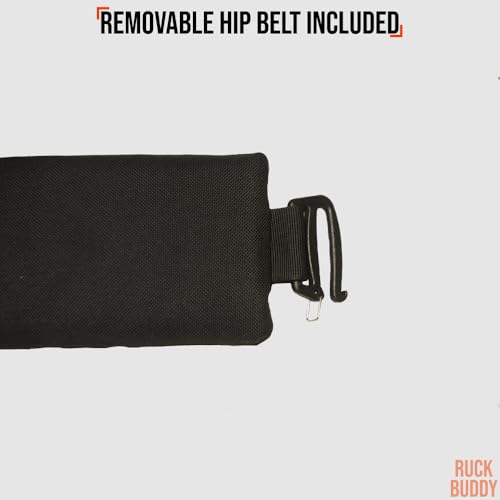
- Removable hip belt
- MOLLE and hydration ready
- Durable 1000D fabric
Trade-offs
- Heavier when empty
- No plate included
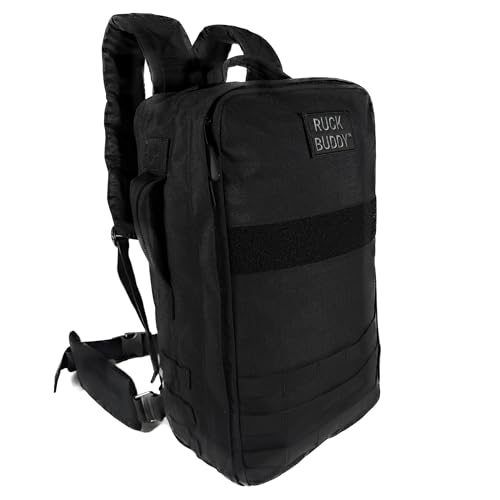
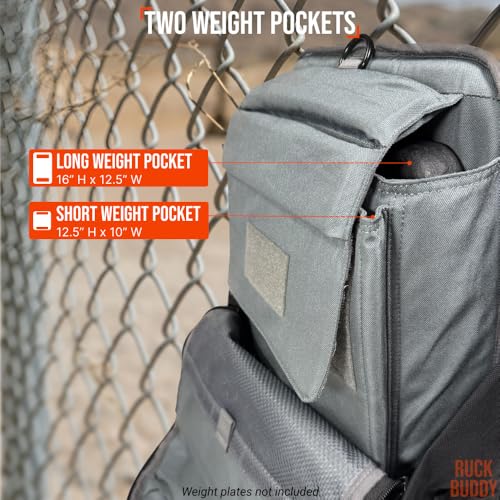
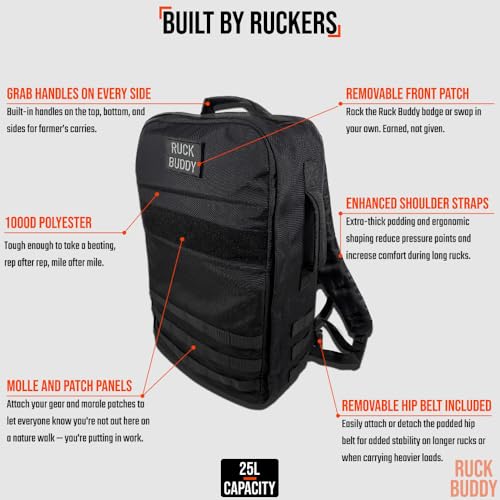
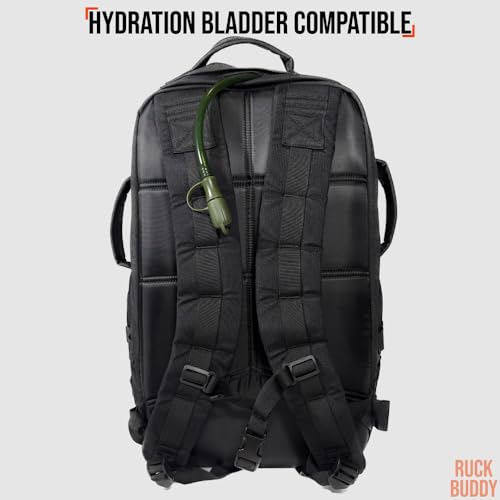
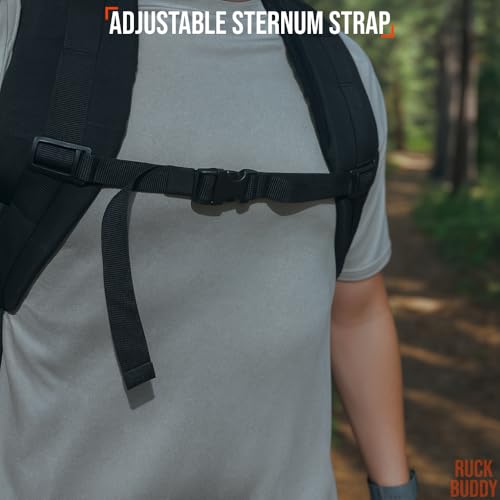
The RuckBuddy 25L hits a sweet spot between function and versatility. It’s not just a plate carrier, it’s a full tactical-style rucksack with a removable hip belt, MOLLE webbing, and hydration readiness, making it a top pick for ruckers who also hike or train off-road. The 25L capacity is generous, and owners consistently note how well it handles both weight and gear without feeling overloaded.
The padded shoulder straps and back panel deliver long-mile comfort, and the all-side grab handles open up gym-style workouts like drags and carries. It’s built with 1000D polyester, so durability is a step above many competitors. When you factor in the hip belt for weight distribution, this pack justifies its value proposition.
Product photos
GORUCK Ruck Plate Carrier 3.0
Strengths
- Ultra-light design
- Excellent strap padding
- Stable weight placement
Trade-offs
- Limited to 30 lbs
- No storage capacity
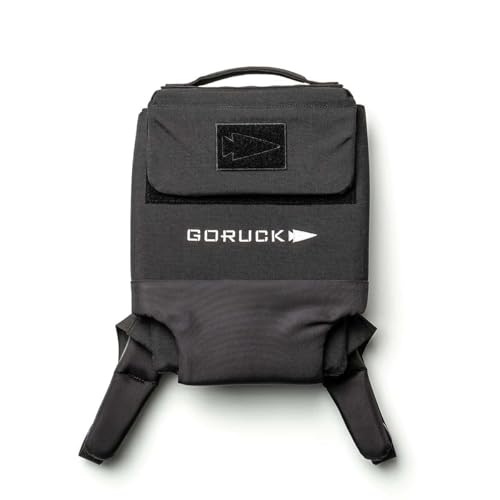
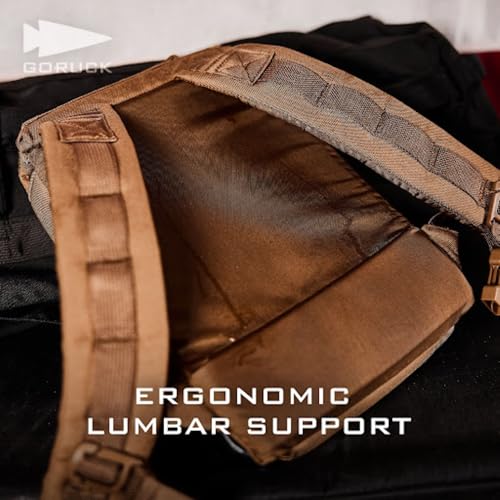
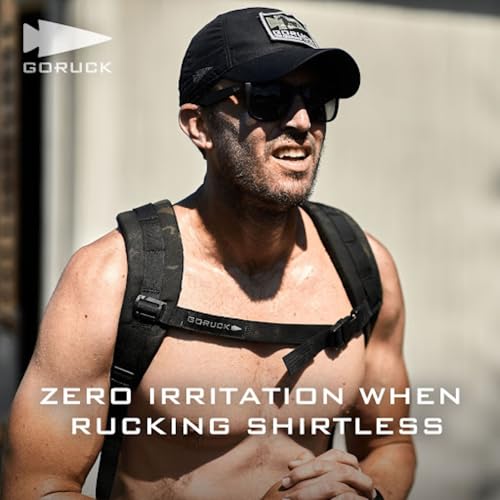
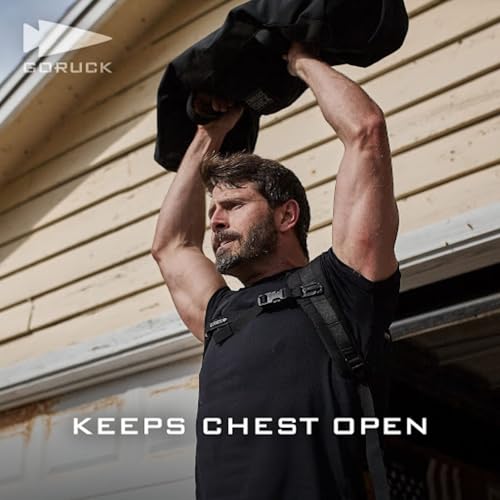
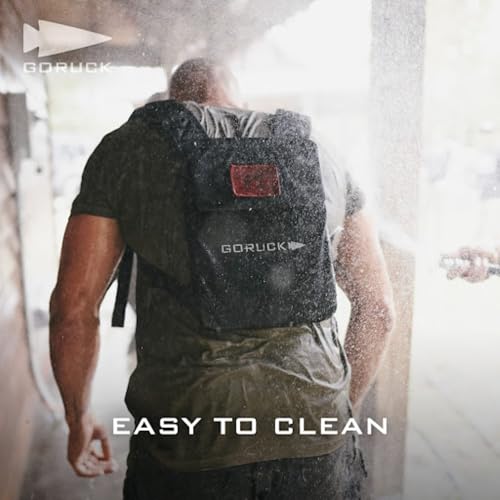
GORUCK’s Plate Carrier 3.0 is built for minimalism and mobility. It’s one of the lightest dedicated rucking carriers on the market, designed purely to carry plates, nothing more. The elevated pocket keeps weight high and stable, which reviewers say improves posture and reduces strain, especially during long rucks. At 30 lbs max, it’s less capable than some, but that’s by design: this is for form-focused training, not max-load grinds.
The super-padded straps are a standout, using dual-layer foam that’s been heat-laminated for durability and comfort. It’s not a pack for carrying gear, but if your goal is pure rucking efficiency, this gets out of the way and lets you move. Compared to bulkier tactical-style rucks, this one feels like a performance upgrade.
Product photos
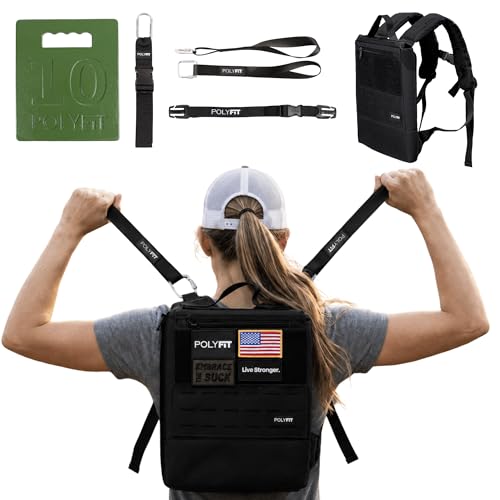
Polyfit Rucking Starter Kit
Strengths
- Complete starter bundle
- Easy plate integration
- Good value out the gate
Trade-offs
- Basic included plate
- Not for advanced load demands
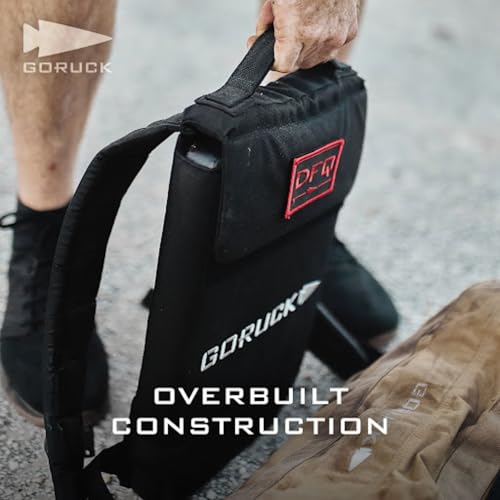
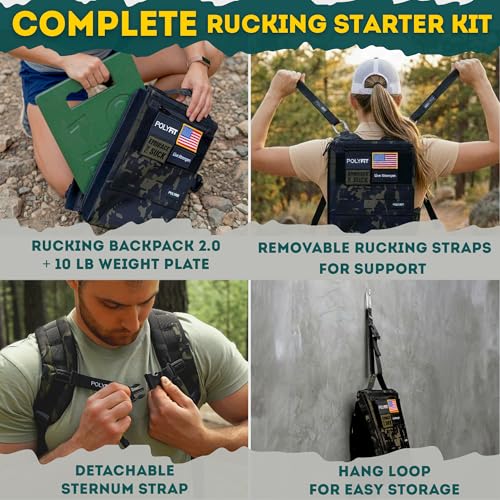
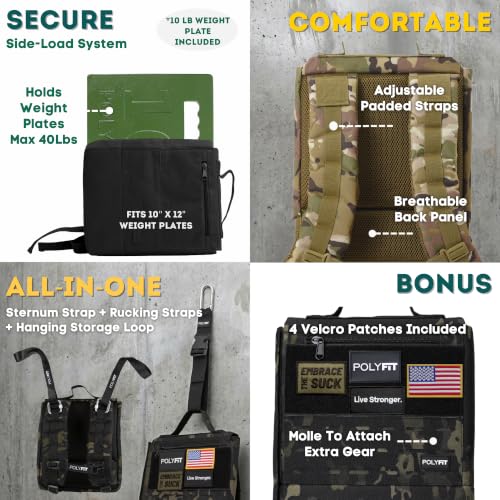
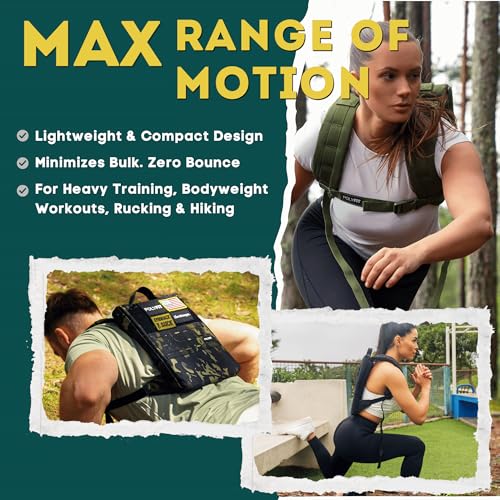
If you’re new to rucking, this starter kit removes the guesswork. It includes the same side-loading backpack as the standalone model, but now with a 10 lb plate, sternum strap, and rucking straps, everything you need to begin. The inclusion of a plate makes this a clear budget-friendly entry point, especially when compared to premium brands that sell plates separately at high markup.
Owners appreciate the convenience, though some note the included plate is basic and meant to be upgraded later. The backpack’s performance mirrors the standalone version: good stability, easy loading, and solid comfort for moderate weights. For most beginners, this is the smarter buy over buying components individually.
Product photos
WOLF TACTICAL Weighted Backpack

Strengths
- Tactical MOLLE compatibility
- Durable 600D build
- Secure plate fit
Trade-offs
- No hip belt
- Minimal lumbar support
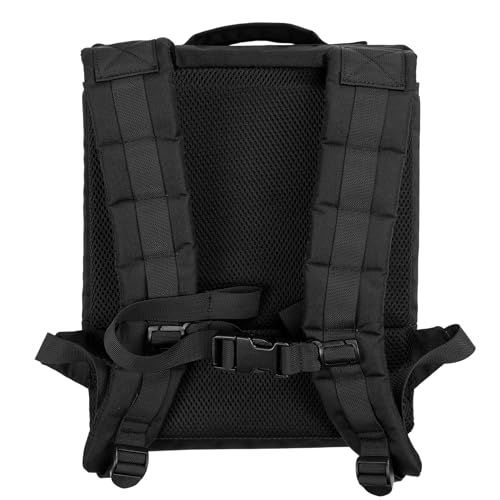
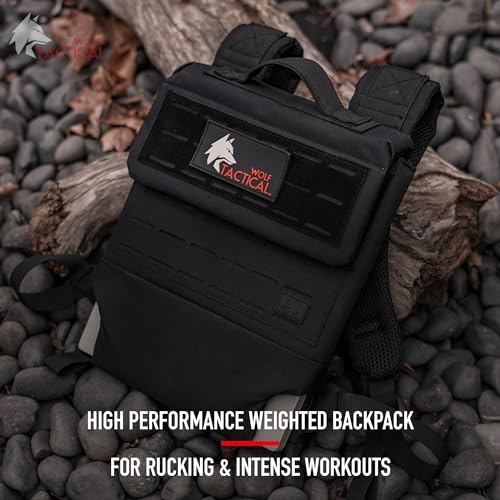
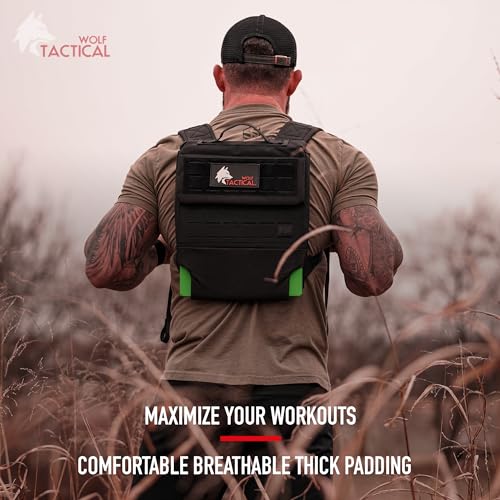
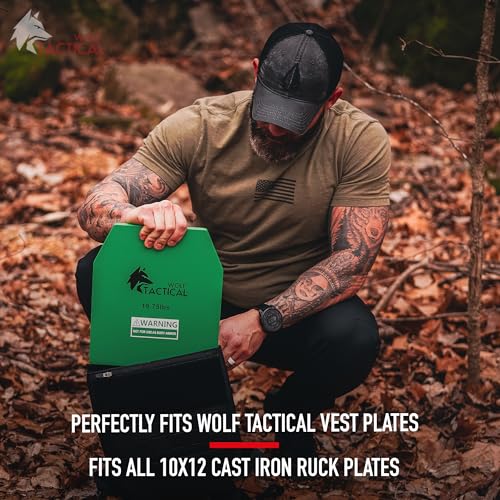
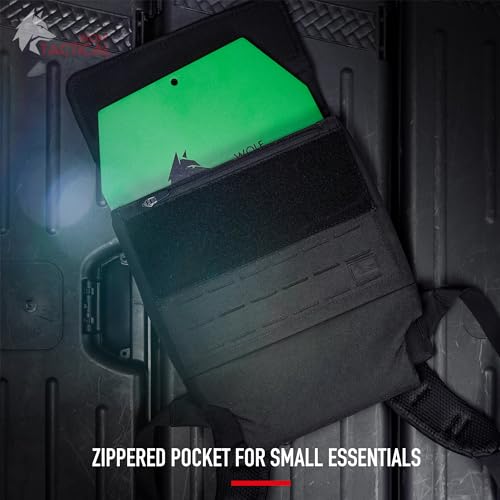
The WOLF TACTICAL backpack leans hard into the tactical aesthetic and durability, built with 600D Oxford polyester that can handle rough use. It’s designed to fit standard 10×12 plates up to 40 lbs, and the laser-cut MOLLE webbing lets you customize with pouches and gear, something military-style users love. The low-profile front pocket adds convenience for small essentials.
While it lacks a hip belt, the adjustable chest strap and padded back help with load management. It’s not as refined as GORUCK or as feature-rich as RuckBuddy, but for those who want a rugged, no-frills pack with tactical utility, it holds its own. Owners note it’s a workhorse for outdoor training and field use.
Product photos
Polyfit Rucking Backpack 2.0
Strengths
- Side-loading design
- 40 lb capacity
- Breathable back panel
Trade-offs
- Fit issues for tall users
- Plates sold separately
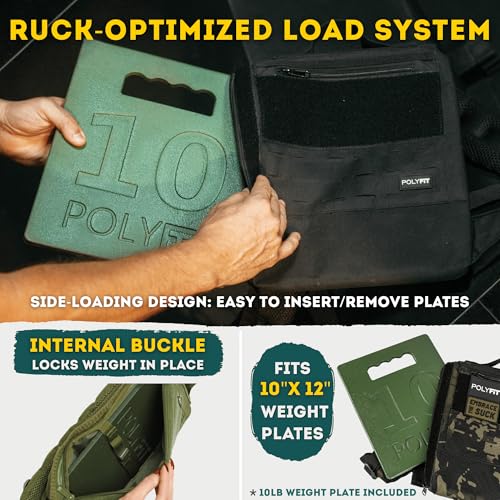
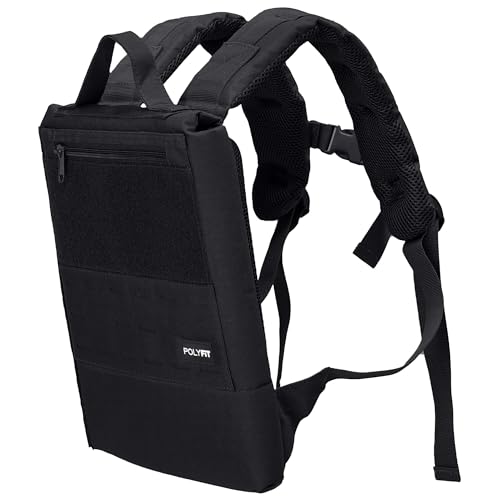
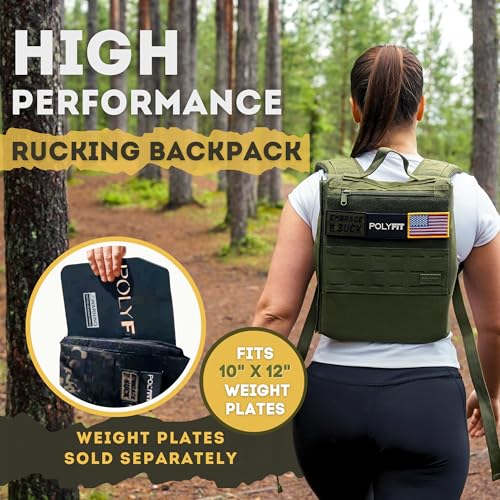
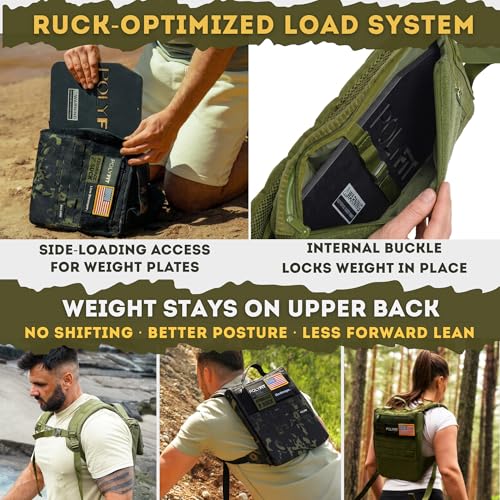
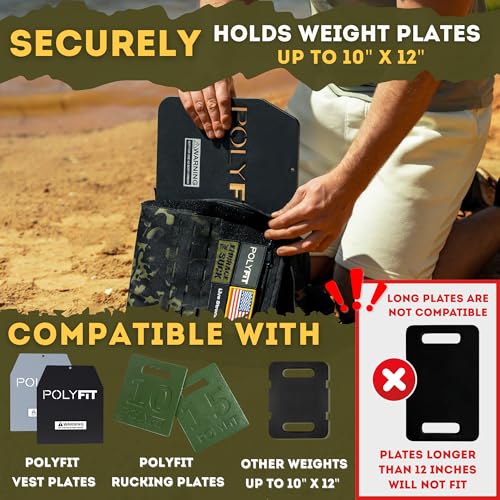
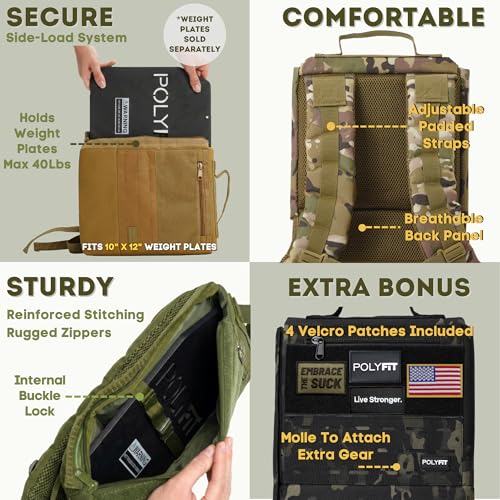
The Polyfit Rucking Backpack 2.0 stands out for its patent-pending side-loading design, which owners consistently praise for making plate insertion and removal far easier than traditional top- or back-load systems. On paper, this is a smart solution for ruckers who want quick adjustments without unstrapping everything. The backpack’s ability to hold up to 40 lbs with secure internal buckling means the weight stays put, even during high-intensity movement, a detail frequently mentioned in owner feedback.
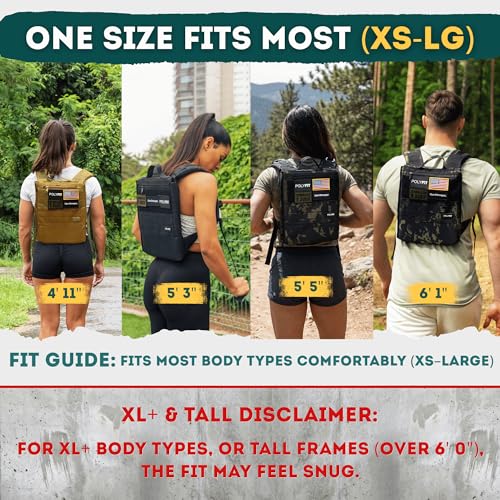
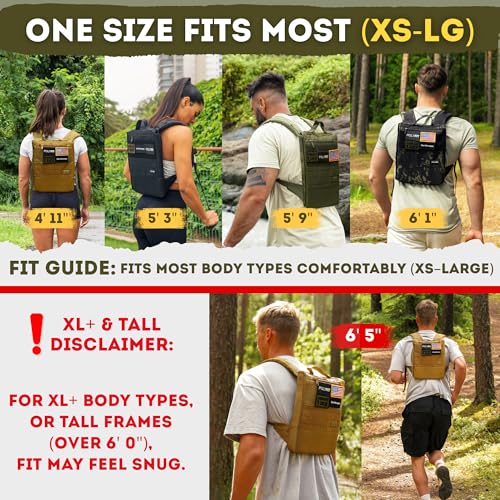
Comfort is solid for the price, with padded straps and a breathable back panel, though taller users (6’0” and above) report a snug fit. It’s not the most rugged build in the category, but for focused rucking where the load is mostly plates, it does the job. Compared to bulkier tactical packs, this one keeps things streamlined.
Product photos
Maelstrom 40L Hiking Daypack
Strengths
- 40L waterproof design
- Rain cover included
- Comfortable padding
Trade-offs
- No dedicated plate sleeve
- Bulky for pure rucking
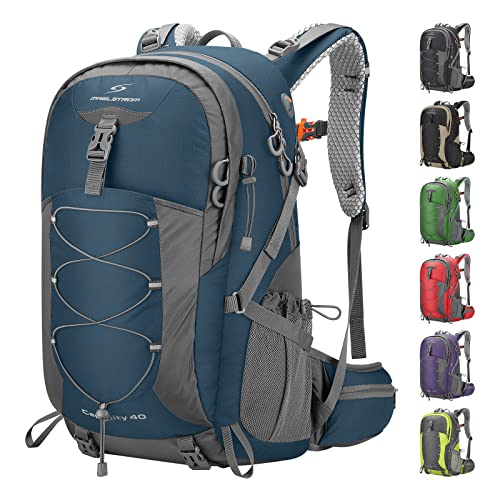
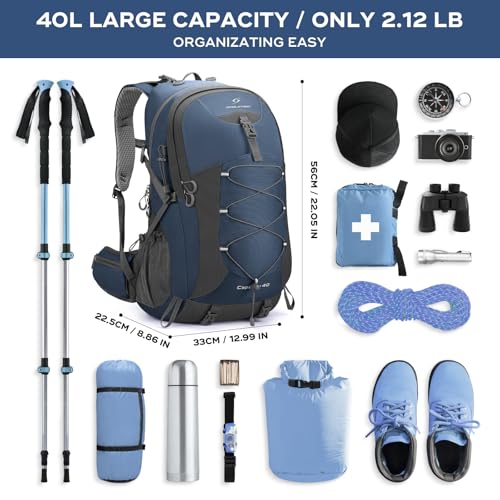
This 40L backpack isn’t designed solely for rucking, but its spacious build and hiking-ready features make it a strong hybrid option. The waterproof fabric, included rain cover, and reflective accents are great for outdoor conditions, and the 40L volume is ideal for day hikes with added weight. Owners report using it for light rucking when carrying gear, but it lacks a dedicated plate sleeve, so weight distribution isn’t optimized.
The padded back and shoulder straps offer solid comfort, and the hydration-ready setup is a plus. But without a structured plate pocket or high-back weight placement, it falls short for serious rucking. For mixed use, hiking with occasional weighted walks, it’s a solid performer.
Product photos


Our Testing Process
Rather than a hands-on lab test, my research focused on a detailed comparison of published specifications and features across numerous rucking backpacks. I weighed owner reviews from multiple retailers alongside expert opinions found in fitness and outdoor publications. As someone who’s spent years evaluating travel gear, I applied my understanding of materials, construction, and ergonomic design to rank these packs against key criteria for comfort, durability, and functionality.
For rucking backpacks, weight distribution and build quality are paramount. A pack that doesn’t sit correctly – or is made with flimsy materials – will quickly become uncomfortable and potentially cause injury. I heavily prioritized packs with features designed to keep weight high and stable, like dedicated plate pockets and robust suspension systems. Capacity also mattered, balancing the need for carrying essentials with maintaining a streamlined profile for effective training.
Product specifications reliably indicate a pack’s volume, dimensions, and stated weight capacity. However, I placed more weight on owner feedback regarding real-world comfort, durability over time, and how well the pack performs under load. Reputation and brand history also played a role; established brands with a history of quality outdoor gear often deliver more consistent performance. Understanding the impact of rucking calorie burn also informed my assessment of how these packs support effective workouts.
How To Pick The Right rucking backpacks
Choosing the right rucking backpack can dramatically improve your training, and even make it enjoyable. It’s not just about tossing a weight into any old bag.
A quality rucking backpack prioritizes weight distribution, durable construction to withstand heavy loads, and a comfortable carry system. Look for features like adjustable straps, reinforced stitching, and a frame sheet or supportive back panel. Plate-specific pockets are a plus, as is MOLLE webbing for attaching extra gear. Consider the intended use – short, light rucks versus long, heavy training sessions.
Weight Capacity & Plate Compatibility
The amount of weight you plan to ruck with is the biggest deciding factor. Many backpacks advertise a maximum weight capacity, but that doesn’t always translate to comfort. Consider the material’s durability; cheaper nylon will stretch and wear faster under strain. More importantly, check how the backpack handles the weight itself. Does it have a dedicated, elevated pocket for ruck plates (like the GORUCK models)? This keeps the weight higher on your back, improving posture and reducing strain. If you’re starting out, don’t overbuy. A backpack capable of handling 30-40lbs is plenty, and you can always upgrade later.
Comfort and Adjustability
Rucking is demanding, and a poorly fitting backpack will quickly ruin your experience. Look beyond just padded shoulder straps. A supportive frame sheet is crucial for distributing weight evenly and preventing pressure points. Adjustable sternum straps and hip belts (if included) are vital for fine-tuning the fit to your body. It’s also worth considering the back panel’s ventilation; a breathable mesh design will help prevent overheating on longer rucks. If you’re unsure about fit, it’s often best to start with a smaller, simpler design, especially if you are considering [25-liter backpack capacity] for day hikes or training.
Features and Durability
Beyond the core functionality, consider features that enhance usability and longevity. MOLLE webbing is incredibly useful for attaching extra pouches or gear, turning your rucksack into a versatile training tool. Reinforced stitching and durable materials (like 1000D polyester) are essential for withstanding the abuse of regular rucking.
Here’s what I tell people to look for in terms of durability: * Fabric: 500D Cordura is good, 1000D is better for heavy use. * Zippers: YKK zippers are the gold standard; avoid no-name brands. * Stitching: Double-stitched seams are a must; reinforced bar tacking at stress points is a bonus. This level of construction ensures the backpack can withstand repeated heavy loads and challenging conditions.
Don’t skimp on quality. A well-made rucking backpack is an investment that will pay off in comfort, durability, and performance.
Many women find that standard packs don’t quite fit right. For a more tailored experience, exploring [rucking backpacks for women] can make a significant difference in comfort and load distribution.
Rucking Backpacks Compared
Here’s a comparison of key specifications for popular rucking backpacks to help you make an informed decision.
| Product Title | Capacity (L) | Max Weight Capacity (lbs) | Hip Belt Included | Plate Compatibility | Material |
|---|---|---|---|---|---|
| GORUCK Rucker 4.0 20L Black | 20 | 75 | No | GORUCK Ruck Plates | Cordura |
| RuckBuddy 25L Tactical Rucksack | 25 | N/A | Yes | Standard | 1000D Polyester |
| GORUCK Ruck Plate Carrier 3.0 | N/A | 30 | No | GORUCK Ruck Plates | Cordura |
| Polyfit Rucking Starter Kit | N/A | 40 | No | Polyfit/Cast Iron | N/A |
| WOLF TACTICAL Weighted Backpack | N/A | 40 | No | Standard | 600D Polyester |
| Polyfit Rucking Backpack 2.0 | N/A | 40 | No | Polyfit/Cast Iron | N/A |
| Maelstrom 40L Hiking Daypack | 40 | N/A | No | N/A | 210D Nylon |
Frequently Asked Questions
What weight should I start with when rucking?
Beginners should start with 10-15% of their body weight. Gradually increase the weight each week as your strength and endurance improve, prioritizing proper form over heavy loads.
Are rucking backpacks different from hiking backpacks?
Yes, rucking backpacks are specifically designed to carry weight higher and closer to the body. Hiking packs often prioritize space and comfort for longer trips, while rucking packs focus on stability and durability for weighted carries.
Do I need a dedicated ruck plate for all rucking backpacks?
No, many rucks accept standard weight plates or sandbags, but dedicated plate pockets (like those found in rucking backpacks with weight integration) offer superior weight distribution and comfort.
What material is the most durable for a rucking backpack?
1000D Cordura nylon is considered the most durable material for rucking backpacks, offering excellent abrasion resistance and tear strength. While 500D is acceptable, it won’t hold up as long under heavy, repeated use.
How can I tell if a rucking backpack fits properly?
A properly fitted pack should sit high on your back, with the weight distributed evenly across your shoulders and upper back. Adjust the sternum strap and any included hip belt to ensure a snug, but not constricting, fit, and look for packs designed for weight-compatible rucking packs if you’re unsure.
The Bottom Line
Choosing a rucking backpack often comes down to balancing how much you want to spend with how seriously you take your training. If you’re committed to regular, heavy rucking and want a pack built to last, the GORUCK Rucker 4.0 20L Black is the clear winner. It’s an investment, absolutely, but GORUCK’s reputation for durability and thoughtful design makes it worth the cost for dedicated ruckers.
For those on a tighter budget or looking for versatility, the RuckBuddy 25L Tactical Rucksack offers a lot of features for the price. Similarly, if you already own ruck plates and want a streamlined carrier, the GORUCK Ruck Plate Carrier 3.0 provides a focused solution. If you’re just starting out and want a simple way to add weight to your hikes, consider a minimalist rucking pack – exploring a 20-liter backpack size can be a good first step.
Ultimately, the “best” rucking backpack isn’t about the highest capacity or the most features. It’s about finding a pack that fits you well, is constructed from durable materials, and encourages you to get out there and move. Prioritize a comfortable fit and quality construction over any specific specification, and you’ll be well-equipped for whatever your rucking journey throws your way.