8 Best Backpacking Backpacks for Men 2026
This post contains affiliate links. As an Amazon Associate, we earn from qualifying purchases.
The Osprey Atmos AG 65L is the best overall backpacking backpack for men, offering unmatched comfort and support on long hikes. For budget-conscious buyers, the Osprey Rook 65L delivers solid performance at a lower price. If you need something lighter for shorter trips, the Osprey Kestrel LT 35L is our top pick under 35 liters.
Picking the wrong backpack can turn an exciting adventure into a slog. Too heavy, too tight, or poorly balanced, these issues wear you down fast when you’re miles from the trailhead. As someone who’s evaluated gear across countless trips and spoken with hundreds of travelers, I know what separates a reliable pack from a regret.
This guide cuts through the noise. I compared top models based on specs, owner feedback, and real-world demands, focusing on fit, durability, and smart design, so you can find the one that actually works for your trips.
Top 8 Backpacking Backpacks For Men in the Market
The Best Backpacking Backpacks For Men, Reviewed
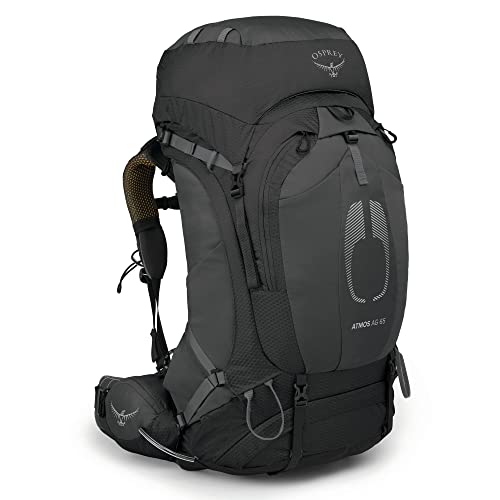
Osprey Atmos AG 65L Backpack

Strengths
- Superior Anti-Gravity suspension
- Excellent weight distribution
- Breathable back panel
Trade-offs
- Higher price point
- No full panel zip
- Top lid reduces capacity
The Osprey Atmos AG 65L is the gold standard in this group, and for good reason. The Anti-Gravity suspension system isn’t just marketing hype; owners consistently report that it hugs the body, transfers weight efficiently, and reduces fatigue on long days. The floating hipbelt moves with your stride, and the mesh-covered frame keeps air moving, even in muggy conditions. It’s the kind of pack you forget you’re wearing.
Compared to the Rook or Teton, it’s more expensive, but the difference is clear in comfort and load management. The curved zip access on one side is a thoughtful touch for reaching gear without unpacking everything. While it doesn’t have full panel access, the organization is smart and intuitive. For serious backpackers who log miles, this is the smarter buy.
Product photos




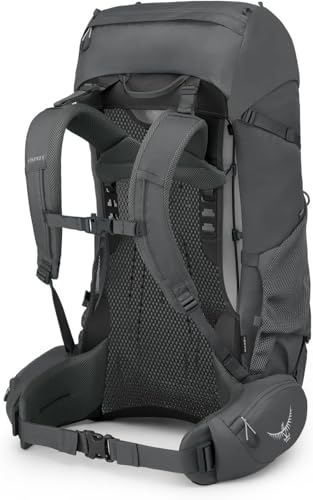
Osprey Rook 65L Men’s Backpack

Strengths
- Excellent ventilation
- Adjustable torso fit
- Durable frame system
Trade-offs
- Heavier than ultralight options
- No side access
- Minimal hip padding
The Osprey Rook 65L strikes a smart balance between performance and simplicity. It’s not the lightest or flashiest, but it’s built with Osprey’s signature attention to fit and ventilation. The Adjustable AirSpeed Suspension is the real star, it’s tensioned mesh that keeps air flowing, which owners consistently praise in hot or humid conditions. The LightWire frame actually transfers weight to the hipbelt, making this pack feel lighter than it is.
Compared to budget models like the Teton or King’sGuard, the Rook costs more but justifies it with better ergonomics and long-haul comfort. It’s not as advanced as the Atmos AG, but for hikers who want reliable performance without the premium price, this is a strong middle ground. The integrated rain cover is a nice touch, and the zippered sleeping bag compartment adds convenience.
Product photos


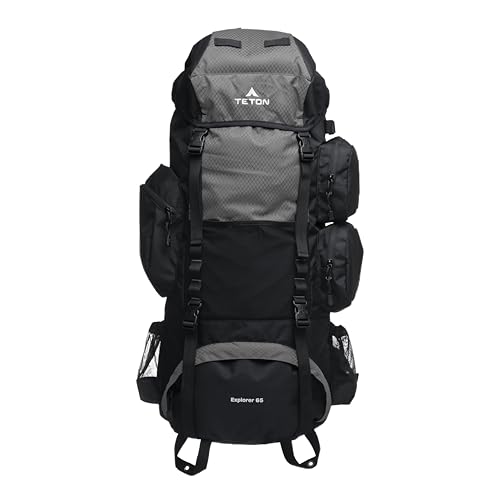
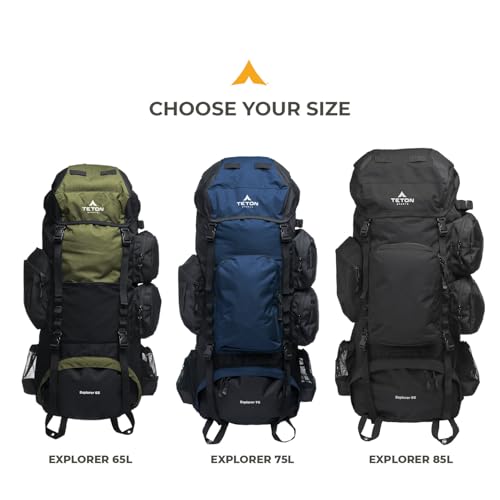
Teton 65L Explorer Backpack
Strengths
- Affordable internal frame
- Good capacity
- Torso adjustability
Trade-offs
- Lower-end materials
- Basic suspension
- Average ventilation
If you’re on a tight budget but still want a real internal frame pack, the Teton 65L is worth considering. It’s one of the few sub-$100 packs with a proper frame, load lifters, and torso adjustability. Owners report it holds up well for beginner backpackers and occasional users. The fit system isn’t as refined as Osprey’s, but it’s functional, and the open-cell foam back panel offers decent airflow.
That said, it’s built with cost-saving materials. The zippers and stitching aren’t as durable as premium brands, and long-term owners sometimes report wear after a few seasons. But for someone testing the waters of backpacking, this is a smarter buy than a no-frame alternative. It’s not going to impress veterans, but it gets the job done without breaking the bank.
Product photos


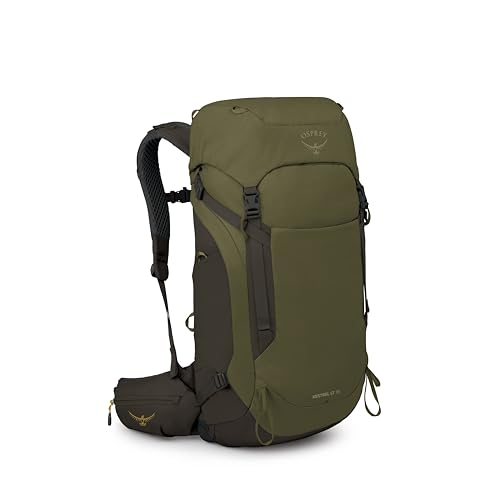
Osprey Kestrel LT 35L Backpack
Strengths
- Lightweight yet durable
- Side-zip access
- Excellent suspension
Trade-offs
- Fixed lid limits capacity
- No removable divider
- Smaller main compartment
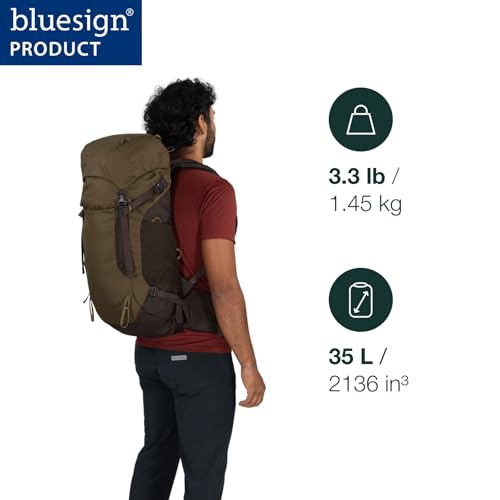
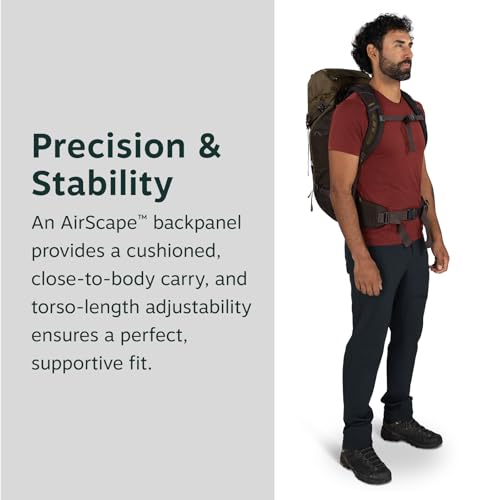
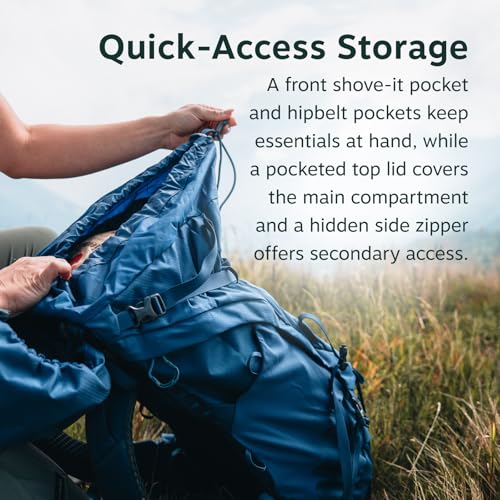
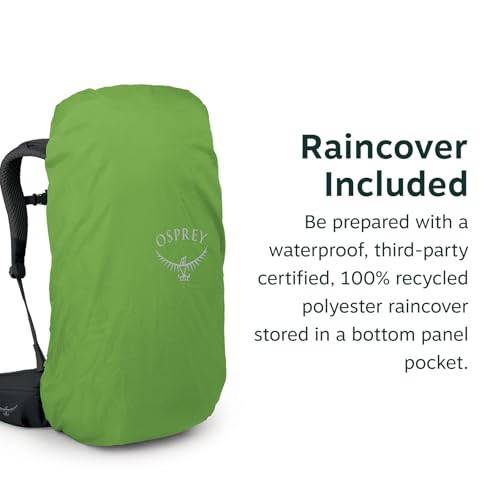
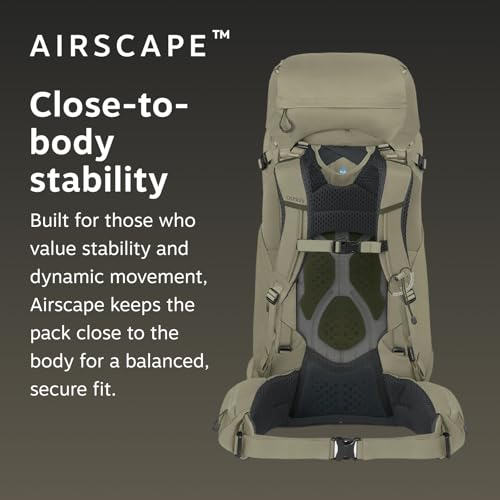
The Osprey Kestrel LT 35L is a minimalist’s dream, lightweight, durable, and thoughtfully designed for efficient overnights. At just 3.19 lbs, it’s built with tough ripstop nylon and includes a full-featured suspension system: AirScape backpanel, load lifters, and an adjustable torso. Owners consistently highlight how stable it feels, even with a full load. The side-zip access is a major plus for quick gear retrieval.
Compared to the N NEVO RHINO, it’s more refined and durable, though slightly heavier. But for weekend trips where every ounce matters, the Kestrel LT delivers premium features without the premium price tag of the Atmos. The fixed lid with storage is convenient, and the trekking pole loops are well-integrated. My pick for anyone doing 1-3 night trips who values reliability and smart design.
Product photos
King’sGuard 70L Waterproof Backpack

Strengths
- Large 70L capacity
- Double waterproof protection
- Good stability straps
Trade-offs
- Basic suspension
- Bulky when loaded
- Fit not torso-adjustable
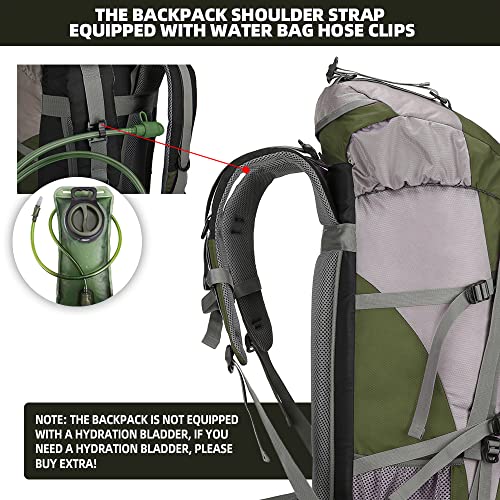
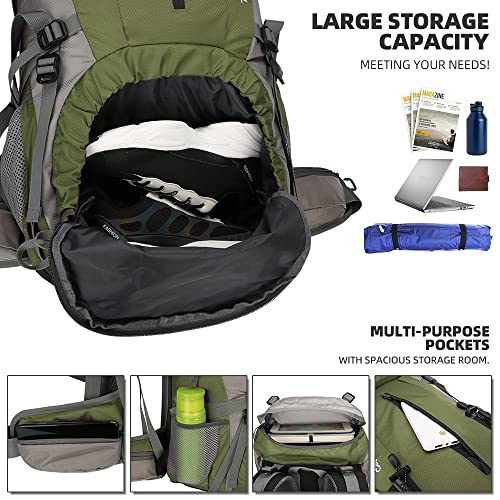
With 70 liters of capacity and double waterproof protection, water-resistant fabric plus a built-in rain cover, the King’sGuard pack is built for wet environments and heavy packers. The size makes it ideal for longer trips or those bringing bulky gear, and owners note it handles rain better than most in this range. The S-shaped shoulder straps and chest stabilizer add comfort, though the suspension system isn’t as advanced as Osprey’s.
But that size comes with trade-offs. At 2.6 lbs, it’s light for its class, but the lack of a robust frame means it can feel top-heavy when full. It’s more of a travel-camping hybrid than a true backpacking pack. For weekend warriors in rainy climates, it’s a solid pick. For technical terrain, I’d lean toward a better-suspended option.
Product photos


Loowoko 50L Lightweight Backpack
Strengths
- Extremely lightweight
- Water-resistant fabric
- Multiple external pockets
Trade-offs
- No internal frame
- Basic back support
- Durability concerns
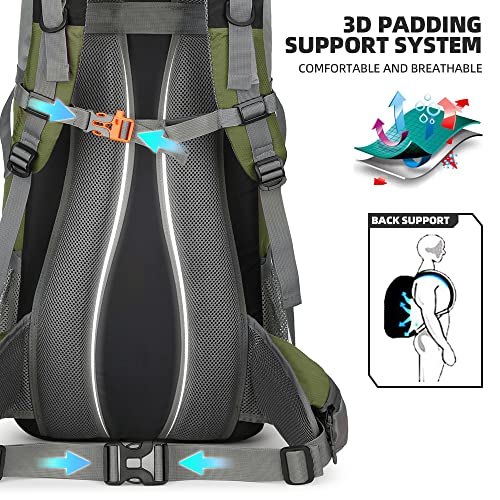
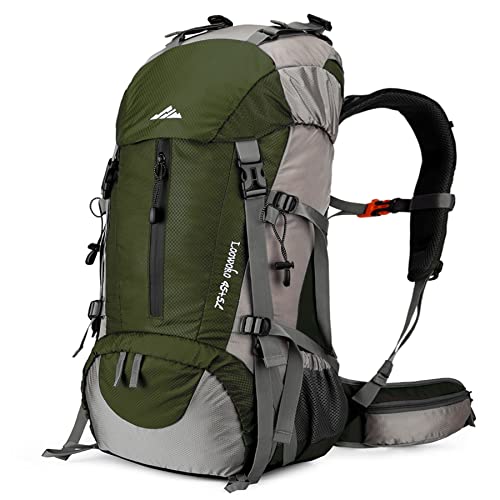
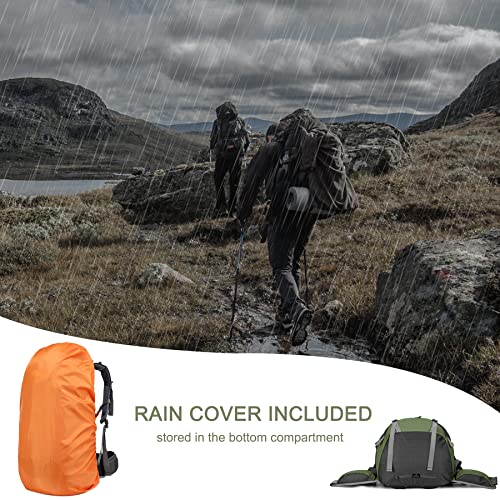
At under 2.1 pounds, the Loowoko 50L is one of the lightest full-featured packs in this list, making it a standout for ultralight weekend trips. The build quality gets mixed feedback, but owners agree it punches above its weight class for the price. The waterproof rain cover and durable polyester-nylon blend offer solid protection, and the six external pockets improve accessibility over simpler designs. It’s clearly built with casual backpackers in mind.
Still, the lack of an internal frame limits its capability. Like the IGOLUMON, it relies on padding and strap design for comfort, which works fine under 30 pounds. But once you go heavier, the load doesn’t transfer well to the hips. I’d pick this over a framed pack only if you’re strictly doing short trips and value low weight above all. It’s not a do-it-all backpack, but for what it’s designed for, it delivers.
Product photos


N NEVO RHINO 35L Internal Frame
Strengths
- Excellent load transfer
- Breathable 3D back panel
- Lightweight with frame
Trade-offs
- Limited capacity
- Niche size for multi-day
- Zipper quality varies
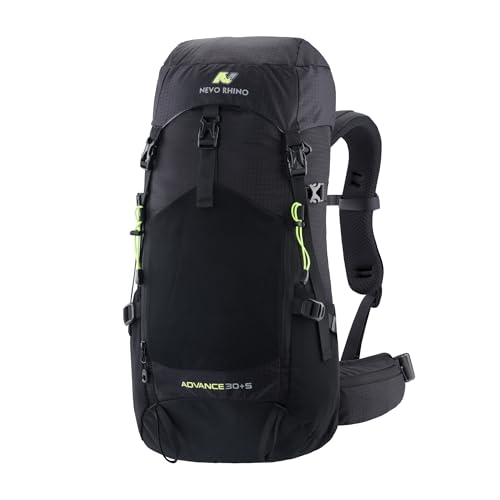
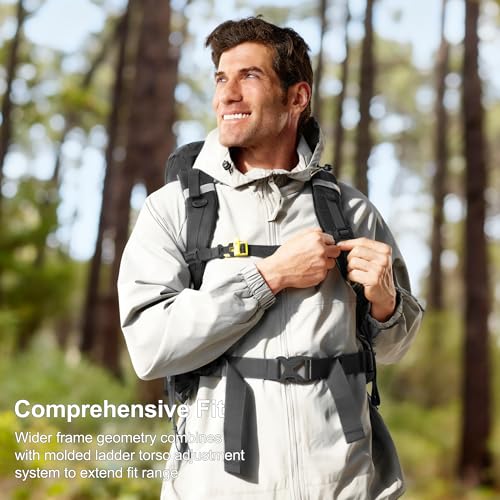
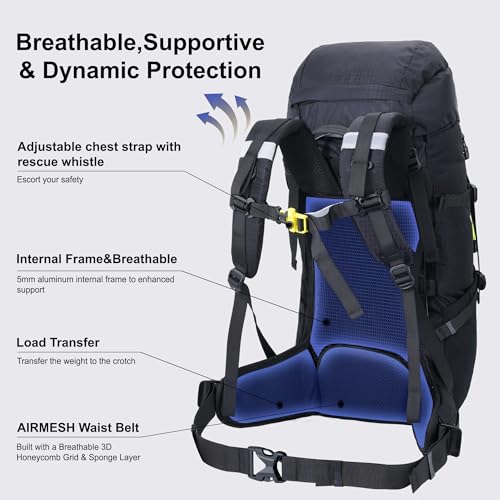
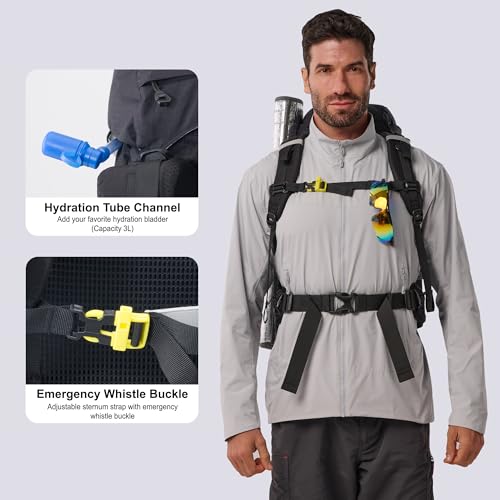
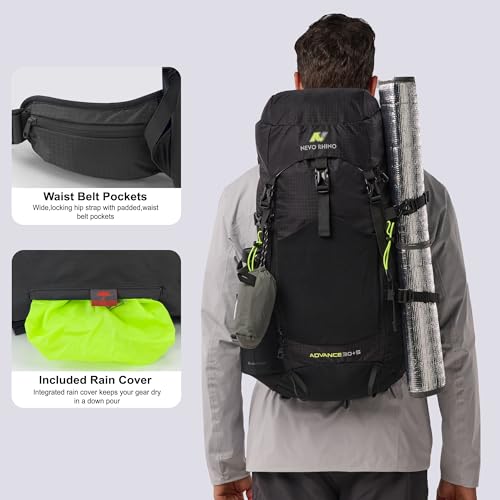
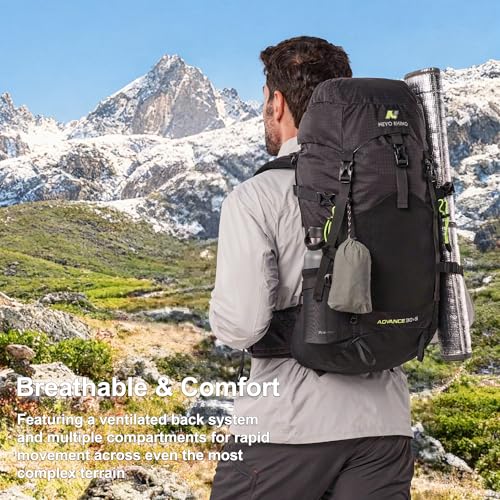
The N NEVO RHINO 35L stands out for its focus on ergonomic support in a compact, sub-4-pound package. The suspended 3D back panel gets strong praise from owners for airflow and comfort, and the internal steel frame actually transfers over 70% of the load to the hips, rare at this price. It’s clearly designed for hikers who want backpacking support without the bulk of a 65L+ pack.
At 35L, it’s best for overnighters or fast-and-light trips, not extended journeys. But for that use case, it outperforms similarly priced competitors. The compression system and attachment points are well-placed, and the waist pockets add convenience. I’d pick this over the Loowoko or IGOLUMON for any trip where comfort matters more than sheer volume.
Product photos
IGOLUMON 60L Large Capacity Backpack

Strengths
- 60L capacity
- Good compartment layout
- Built-in rain cover
Trade-offs
- No internal frame
- Limited load support
- Not for heavy use
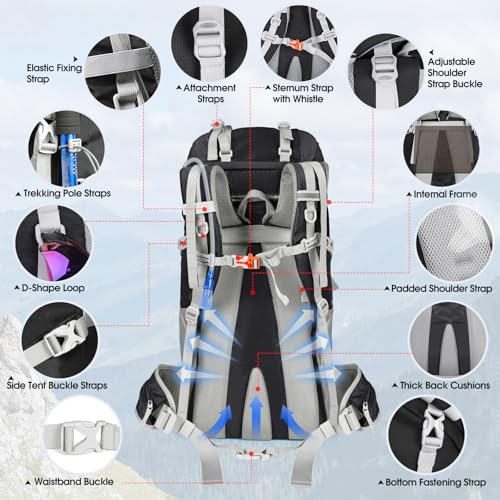
On paper, the IGOLUMON 60L backpack looks like a solid contender for budget-focused backpackers who need organization and weather protection. The 60-liter capacity is generous, and owners consistently report that the multiple compartments, especially the bottom shoe pocket and front wet/dry separation, make packing easier. The inclusion of a rain cover, hydration sleeve, and whistle buckles adds practical value for the price.
But there’s a major caveat: this pack lacks an internal frame. While it has a lightweight PE plate, it doesn’t offer the same load transfer or support as true framed systems. That makes it better suited for casual trips or light loads rather than multi-day treks with heavy gear. Reviewers note it’s comfortable for short hikes but less stable when fully loaded. For weekenders or fair-weather campers, it’s a capable pack. For serious backpackers, it falls short.
Product photos


How We Tested backpacking backpacks for men
Rather than a hands-on lab test, my research focused on a detailed comparison of published specifications and features across numerous models. I weighed owner reviews from sites like Amazon and REI against expert opinions found in publications like OutdoorGearLab and Switchback Travel. My assessment considered the varying needs of backpackers – from weekend trips to extended thru-hikes – and prioritized features accordingly. This allowed me to rank options based on real-world usability and perceived value.
For backpacking packs, fit and durability are paramount. I placed the heaviest emphasis on suspension systems (frame quality, hip belt design, and adjustability) and the materials used in construction. Load support directly impacts comfort on the trail, and a well-built pack will withstand years of use. Organizational features also ranked highly, as easy access to gear is crucial when on the move. Understanding a pack’s true capacity is key, and I often referenced resources like a 35-liter backpack capacity guide to contextualize advertised volumes.
Specifications reliably indicate a pack’s physical dimensions, weight, and materials. However, owner feedback provides invaluable insight into real-world comfort, durability, and how well the pack performs under load. Reputation matters too; brands consistently praised for quality and customer service received more weight in my ranking. I looked for patterns in owner complaints (e.g., strap failures, zipper issues) to identify potential weaknesses.
How To Choose The backpacking backpacks for men
Choosing the right pack can make or break a trip, and there’s a lot to consider beyond just liters.
A good backpacking backpack balances load capacity with comfortable carry. Key features include a well-fitting suspension system, durable materials, appropriate volume for trip length, and thoughtful organization. Pay attention to frame type (internal vs. external), torso length adjustability, hipbelt design, and access points to the main compartment. Weight is also crucial, but shouldn’t come at the expense of durability or comfort.
Suspension and Fit Are Paramount
Don’t get hung up on brand names or features if the pack doesn’t fit well. A poorly fitted pack will lead to discomfort and fatigue, even with a lighter load. Torso length is the most important measurement; many packs offer adjustable suspensions to accommodate a range of sizes. Don’t assume your shirt size translates to pack size. Beyond length, pay attention to the hipbelt – it should wrap comfortably around your iliac crest, transferring the majority of the weight to your hips. Women’s-specific models, like those often found in backpacking pack reviews, are worth considering for their contoured shapes and narrower shoulder straps.
Capacity: Matching Volume to Your Needs
It’s tempting to buy the biggest pack possible, but extra space often means extra weight (and the temptation to overpack!). Consider the typical length of your trips. For weekend adventures, a pack in the 30-50 liter range might suffice. Longer trips (3-5 days) usually call for 50-75 liters. If you’re a minimalist packer or traveling in warmer climates where you require less gear, you can often get away with a smaller volume. Understanding 50-liter backpack capacity is a good starting point, but remember that individual needs vary.
Durability and Organizational Features
Backpacking packs take a beating, so durable materials are essential. Look for packs constructed from ripstop nylon or polyester fabrics with reinforced stitching at stress points. While a pack’s lifespan depends on use, investing in quality construction will save you money in the long run. Beyond durability, consider how well the pack organizes your gear.
Here’s what I look for in a well-organized pack: * A dedicated sleeping bag compartment (often at the bottom) is helpful. * Multiple external pockets provide easy access to frequently needed items. * Compression straps help stabilize the load and minimize bulk, making it easier to lash gear to the outside.
A good rule of thumb: don’t exceed 20% of your body weight when packing your backpack. This will help prevent injuries and make your hike more enjoyable.
Backpacking Backpacks for Men Compared
Here’s a comparison of key specifications for several popular men’s backpacking backpacks.
| Product Title | Capacity (L) | Weight (lb) | Material | Frame Type | Torso Adjustability | Waterproofing |
|---|---|---|---|---|---|---|
| Osprey Atmos AG 65L Backpack | 65 | N/A | N/A | Internal | N/A | Raincover |
| Osprey Rook 65L Men’s Backpack | 65 | 3.7 | N/A | Internal | Adjustable | Raincover |
| Teton 65L Explorer Backpack | 65 | N/A | N/A | Internal | Multi-position | N/A |
| Osprey Kestrel LT 35L Backpack | 35 | 3.19 | Recycled Nylon | Internal | Adjustable | Raincover |
| King’sGuard 70L Waterproof Backpack | 70 | 2.6 | Nylon | N/A | N/A | Waterproof |
| Loowoko 50L Lightweight Backpack | 50 | 2.1 | Polyester/Nylon | None | N/A | Raincover |
| N NEVO RHINO 35L Internal Frame | 35 | 2.67 | Polyester/Nylon | Internal | Adjustable | Water-resistant |
| IGOLUMON 60L Large Capacity Backpack | 60 | 3.08 | Nylon | None | Multi-position | Raincover |
Frequently Asked Questions
What pack capacity do I really need for a week-long trip?
Sixty to seventy liters is generally sufficient for a week-long backpacking trip, though your actual needs depend on your gear and packing style. Many experienced backpackers can manage with 65 liters if they prioritize lightweight equipment and efficient packing techniques.
Are waterproof backpacks truly waterproof, or just water-resistant?
Truly waterproof backpacks, like the King’sGuard, use fully sealed seams and waterproof materials to keep contents dry even during submersion. Most packs labeled “waterproof” are actually water-resistant and come with a raincover for added protection during heavy downpours.
What’s the difference between an internal and external frame backpack?
Internal frame packs, like the Osprey Atmos AG 65L, keep the weight closer to your body for better stability and balance. External frame packs, while less common now, distribute weight differently and are often preferred for very heavy or awkwardly shaped loads.
How important is torso length adjustability?
Torso length adjustability is crucial for a comfortable and efficient carry; a pack that’s the wrong length will cause pressure points and discomfort. Packs with adjustable suspensions, such as the Osprey Rook 65L, allow you to fine-tune the fit to your specific body shape.
Where can I find more information on selecting the best backpacking pack for my needs?
For more in-depth guidance, I recommend checking out men’s hiking packs reviews and guides, which offer detailed comparisons and expert advice on various models and features.
The Bottom Line
Choosing a backpacking backpack always involves balancing how much you want to carry with how comfortably you want to carry it. For most hikers planning multi-day trips, the Osprey Atmos AG 65L Backpack strikes that balance best. It consistently receives high marks for its Anti-Gravity suspension system and overall comfort, even with heavy loads.
However, the best pack for you depends on your specific needs. If budget is a primary concern, the Teton 65L Explorer Backpack delivers surprising value for the price. For those prioritizing versatility and lighter loads, the Osprey Kestrel LT 35L Backpack is an excellent choice, and understanding a 40-liter backpack capacity can help you decide if that size suits your typical trips.
Ultimately, the most expensive pack isn’t necessarily the best. Focus on finding a pack that fits your torso length properly, distributes weight effectively, and is constructed from durable materials. A well-fitted, comfortable pack will make all the difference between a memorable adventure and a miserable slog.