7 Best Avalanche Backpacks of 2026
This post contains affiliate links. As an Amazon Associate, we earn from qualifying purchases.
The Osprey Soelden Pro 32L is the best overall avalanche backpack, combining reliable Alpride E2 airbag tech with smart design and durable recycled materials. For budget-focused riders, the BCA Float E2 35L delivers strong performance and ample capacity, while the Osprey Soelden 25L stands out as a versatile, lightweight option if you don’t need an airbag.
Choosing the right avalanche backpack isn’t just about storage, it’s about survival. One wrong move or a split-second delay in deployment can change everything, and too many packs sacrifice usability for specs.
As someone who’s evaluated gear for high-stakes environments, I focused on real-world feedback, airbag reliability, and practical design. This guide cuts through the noise, highlighting models that balance safety, capacity, and comfort, based on owner experiences, technical specs, and the demands of backcountry travel.
Top 7 Avalanche Backpacks in the Market
The Best Avalanche Backpacks, Reviewed
Osprey Soelden Pro 32L Ski Backpack
Strengths
- Alpride E2 reusable airbag
- Lightweight yet durable build
- Excellent organization and access
Trade-offs
- Premium price point
- Recharge required between uses
- Slightly bulkier than non-airbag packs
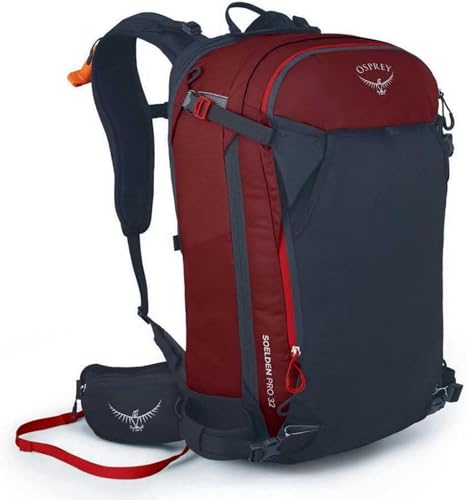
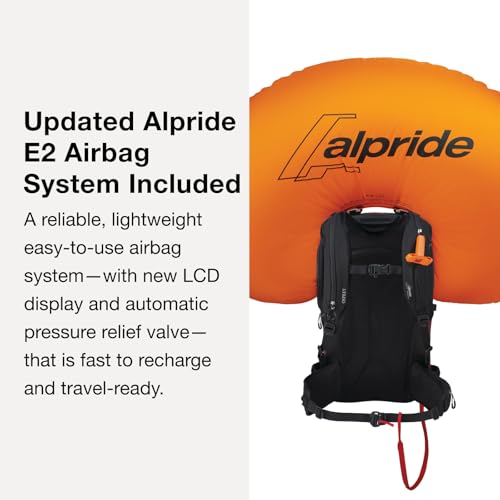
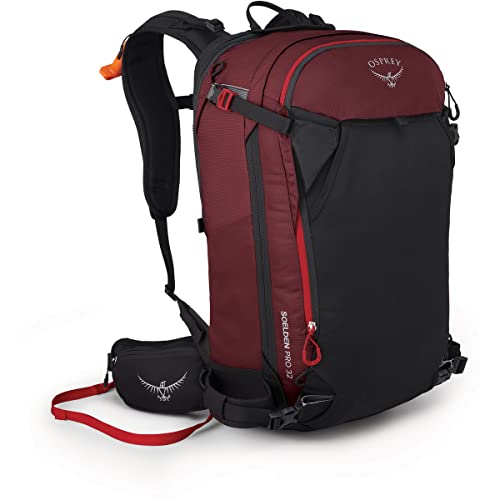
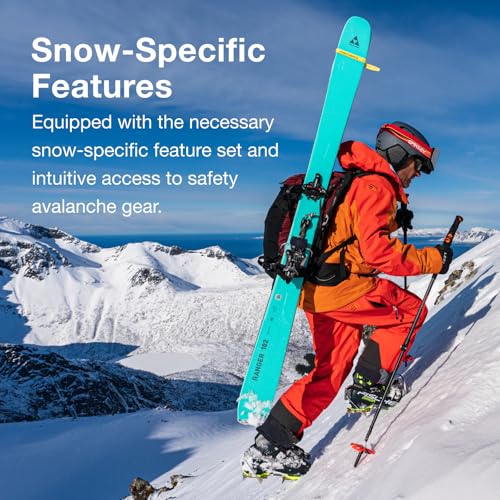
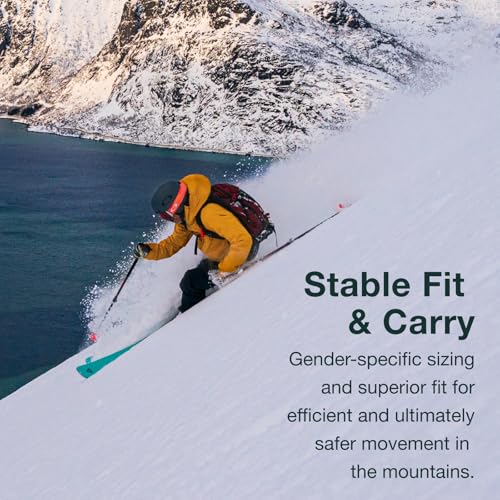
The Osprey Soelden Pro 32L is the complete package, airbag, sustainability, and backcountry-specific design all in one. Equipped with the Alpride E2 electronic system, it offers reusable deployment, USB-C charging, and ambidextrous triggers, all in a pack that weighs just over 3 lbs. That combination is rare: most airbag packs are heavier or less refined, but here you get Osprey’s legendary fit, a LightWire frame, and full-recycled Nanofly nylon with UHMWPE reinforcement for cut resistance. Owners consistently report it feels balanced, even when fully loaded, and the U-zip main compartment makes gear access effortless.
Compared to the BCA Float E2, it’s lighter, more durable, and better organized, despite similar capacity. It’s also more versatile than the KLIM Atlas, with better ski and snowboard carry options. For most serious backcountry travelers, this is the smarter buy, it’s not the cheapest or lightest, but it’s the most complete.
Product photos
BCA Float E2 35L Avalanche Pack
Strengths
- Electronic airbag system
- Large 35L capacity
- Fast USB-C recharge
Trade-offs
- Heavier than non-airbag packs
- Less refined fit than Osprey
- Bulky when fully loaded
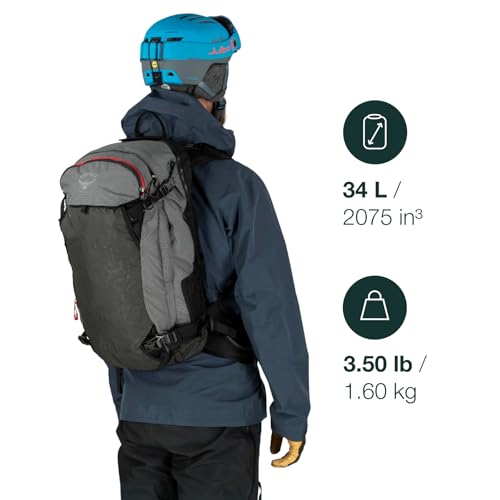
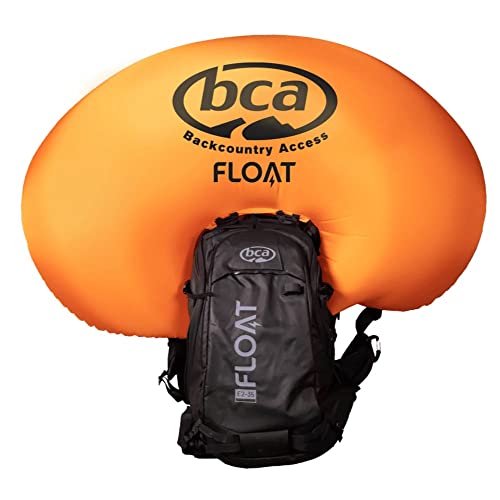
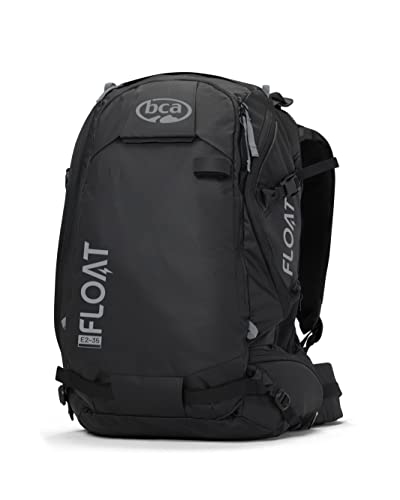
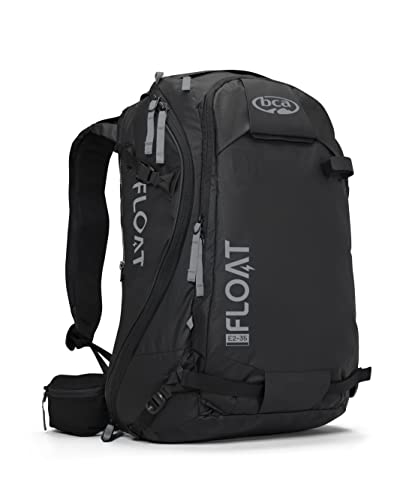
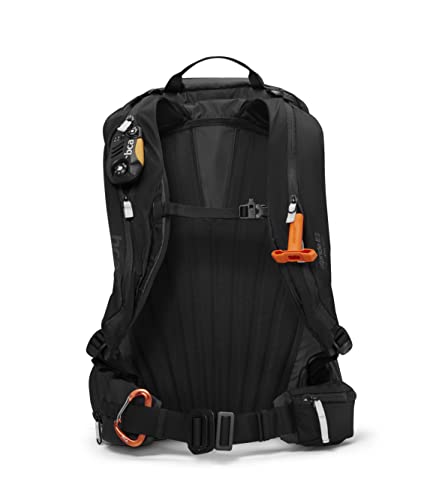
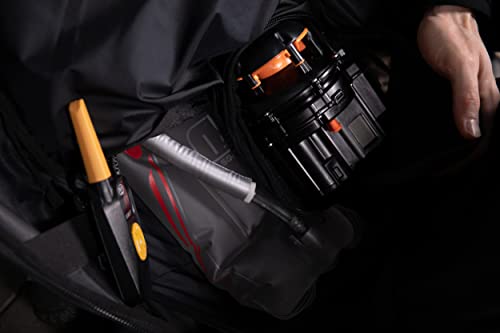
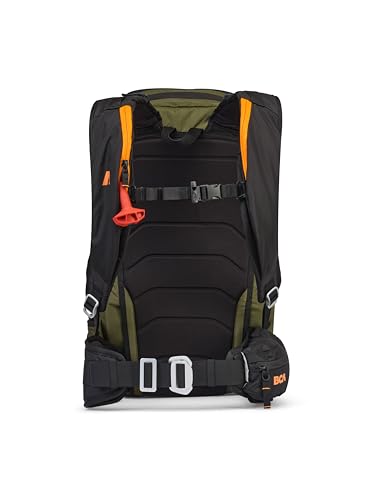
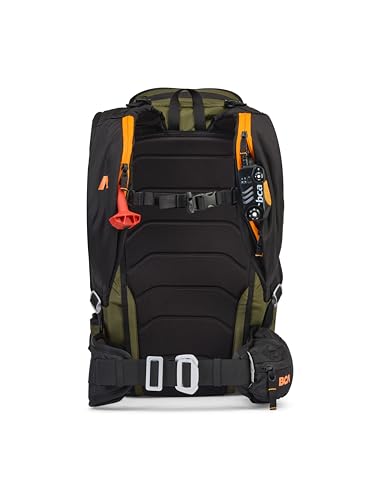
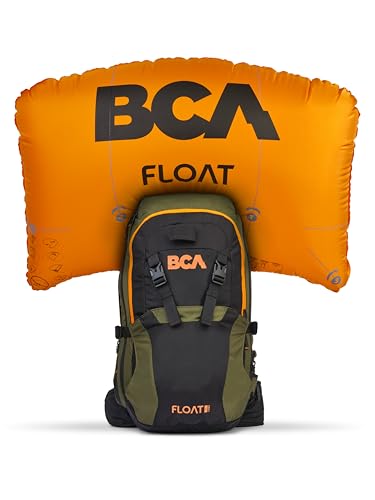
The BCA Float E2 35L stands out in the airbag pack category for those who need serious storage without sacrificing the reliability of an electronic deployment system. The Alpride E2 supercapacitor system is a big win here, offering quick recharge via USB-C and consistent performance in cold temps, owners consistently report it feels more dependable than older cylinder-based models. At 6.1 lbs, it’s not light, but that weight buys you a full 35 liters of space, which is rare in this class and ideal for long days or variable weather where extra layers and gear are essential.
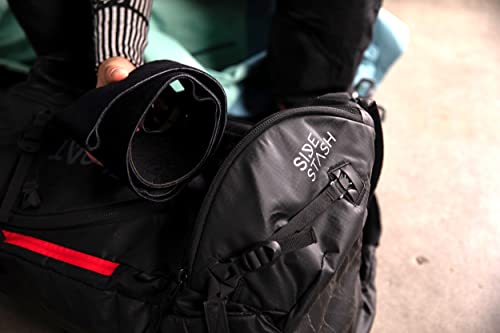
Compared to the Osprey Soelden Pro, it lacks some of the premium organization and refined carry comfort, but it delivers where it counts: airbag reliability and capacity. The side stash pocket is a small but smart touch, making it easy to grab goggles or gloves without unpacking. If you’re prioritizing volume and tech-driven deployment over featherweight design, this one makes a strong case.
Product photos
BCA Float 25 Turbo Airbag Pack

Strengths
- Proven cylinder-based airbag
- Comfortable for sled use
- Dedicated avalanche gear storage
Trade-offs
- Single-use deployment
- Heavier than non-electronic options
- No rechargeable power
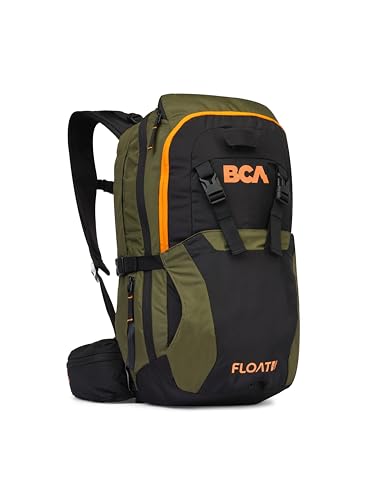
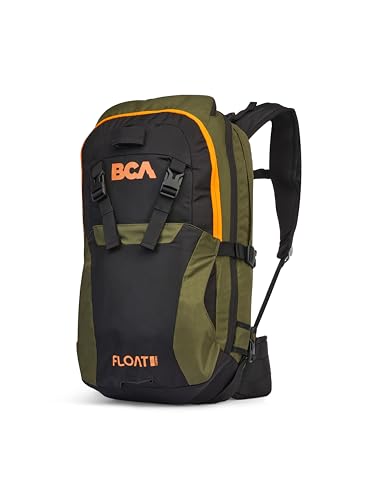
The BCA Float 25 Turbo is built for one thing: snowmobiling with airbag confidence. It uses a traditional compressed-air cylinder system, which means no batteries or charging, but also no recharging between deployments, once it’s fired, you’re out until you swap the canister. That’s a trade-off some riders accept for the simplicity and proven reliability in extreme cold. The 25L capacity is well-organized, with a dedicated avalanche gear pocket and comfortable harness system that reviewers say handles sled vibration well.
It’s heavier than non-airbag packs and lacks the tech appeal of the KLIM Atlas or Osprey Pro, but it’s a no-nonsense tool for snowmobilers who want a trusted airbag system without electronic complexity. Compared to the Float E2, it’s less versatile for touring, but more rugged in a sled-centric workflow. I’d recommend it for riders who value mechanical simplicity and quick deployment over rechargeable convenience.
Product photos
Osprey Soelden 32L Recycled Nylon Pack
Strengths
- 100% recycled materials
- Lightweight yet spacious
- Excellent snow-shed performance
Trade-offs
- No airbag system
- Higher price for non-tech pack
- Limited tech integration
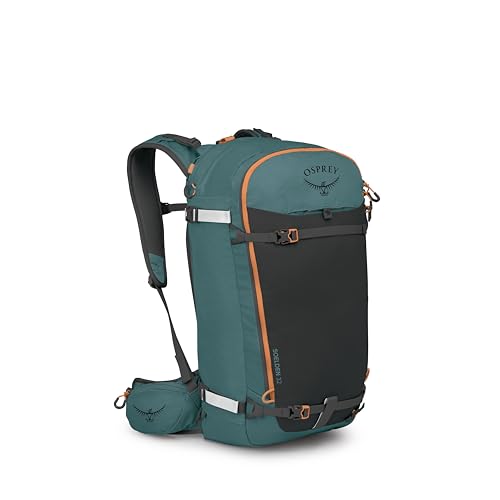
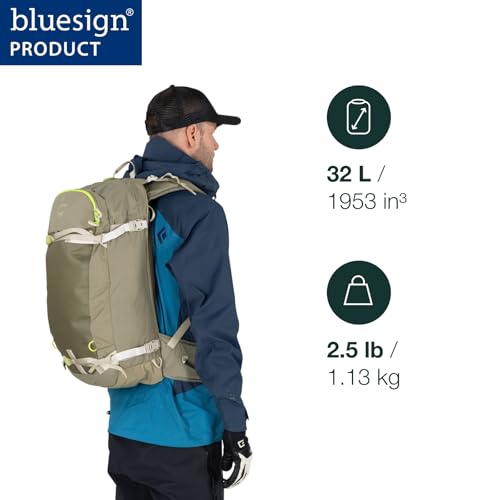
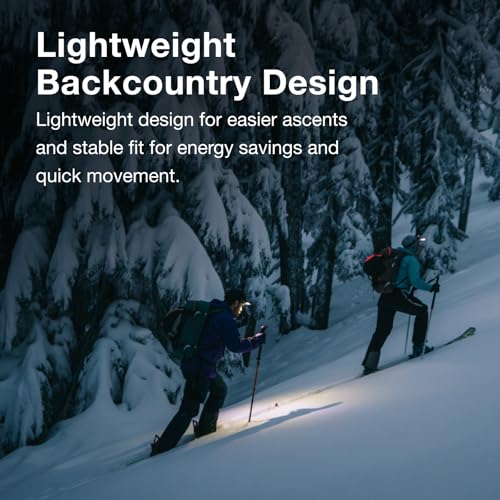
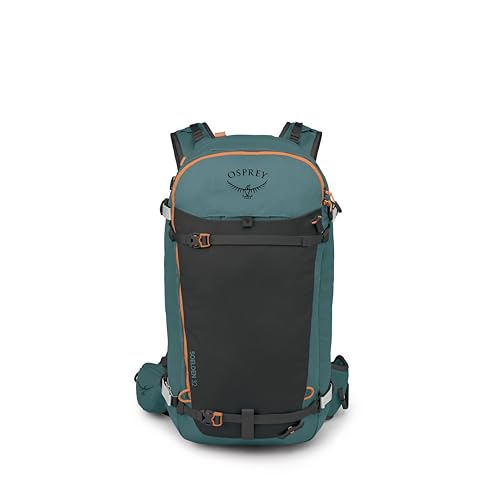
The Osprey Soelden 32L hits a sweet spot between sustainability and serious backcountry function. Built entirely from recycled ocean-sourced nylon, it’s a standout for eco-conscious travelers, without sacrificing durability. At 2.47 lbs, it’s still impressively light for a 32L pack, and the LightWire frame delivers a stable, gender-specific fit that reviewers say reduces fatigue on long climbs. The J-zip avalanche compartment is fast and intuitive, and the multiple carry options (A-frame, diagonal, snowboard) make it adaptable across terrain and conditions.
It doesn’t have an airbag, so it can’t compete with the Soelden Pro in emergency protection, but for those who want maximum utility and minimal environmental impact, it’s hard to beat. Compared to the BCA Float E2, it’s lighter and more sustainable, though less tech-heavy. I’d choose this for eco-minded skiers who prioritize smart design and long-term durability.
Product photos


Osprey Soelden 25L Lightweight Pack
Strengths
- Extremely lightweight
- Durable recycled materials
- Excellent snow-shed design
Trade-offs
- No airbag system
- Limited capacity for long days
- Minimal organization
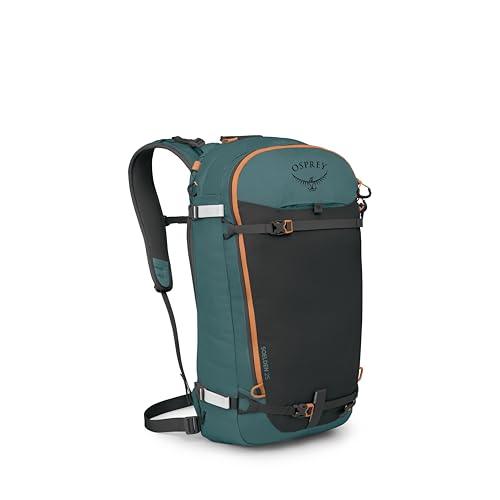
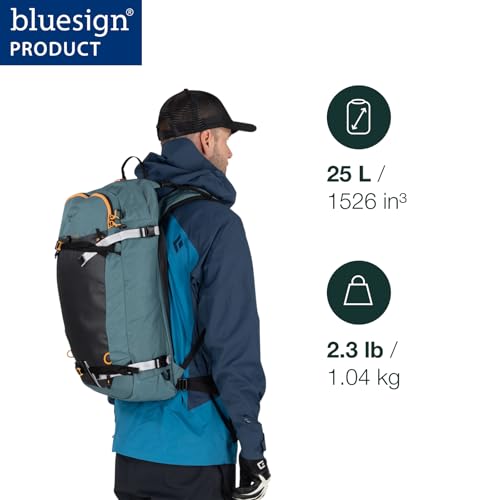
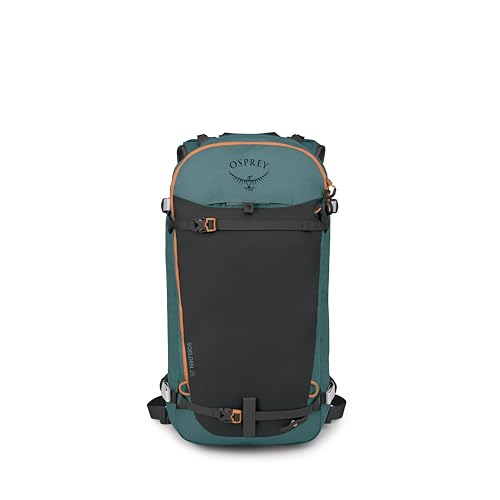
Osprey’s Soelden 25L is a masterclass in lightweight efficiency. At just 2.3 lbs, it’s one of the lightest ski-specific packs in its class, and that matters when you’re counting every ounce on a long climb. The recycled nylon build is tough enough for daily abuse, and the snow-shed backpanel is a subtle but smart touch, owners report it keeps the pack from icing up during descents. It doesn’t have an airbag, but the dedicated avalanche gear access and smart carry options (A-frame, diagonal, snowboard) make it a favorite for minimalists who prioritize agility over inflated safety systems.
Compared to the TerraWest Core kit, it’s far more refined and purpose-built, though less feature-packed out of the box. I’d choose this for fast-and-light missions where you’re moving quickly and don’t want to be weighed down. It’s not for everyone, but for the right user, it feels like the only pack you’ll need.
Product photos
TerraWest Core Avalanche Kit Backpack

Strengths
- Complete avalanche safety kit included
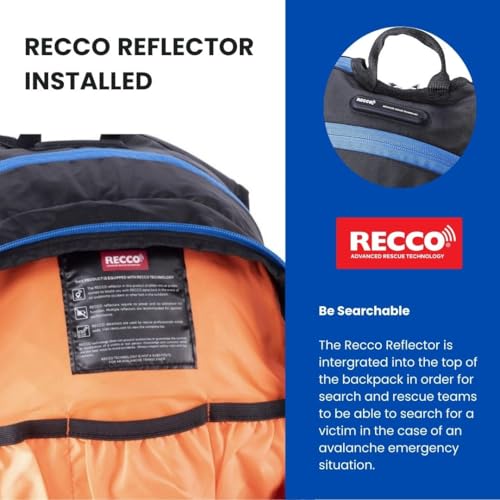
- Recco reflector integration
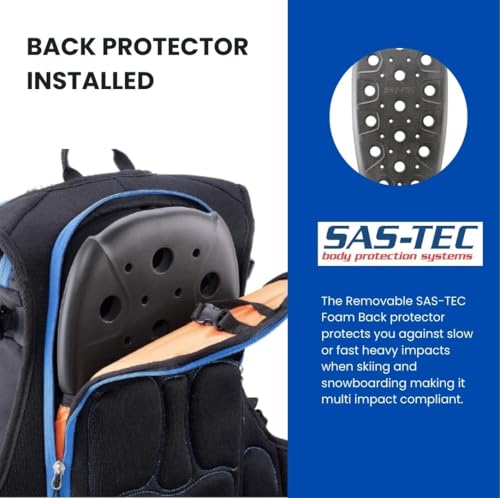
- Hydration-ready with back protection
Trade-offs
- No airbag system
- Basic fit and ventilation
- Lower-end materials than premium packs
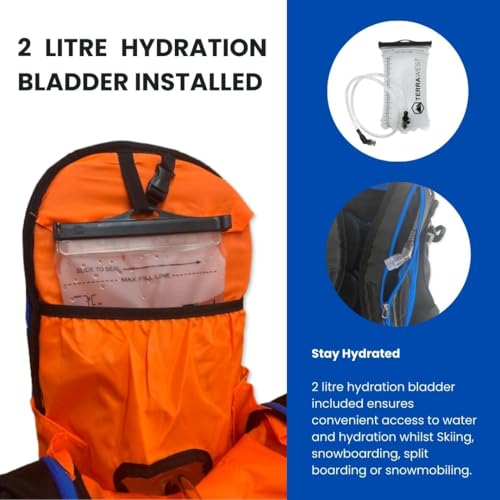
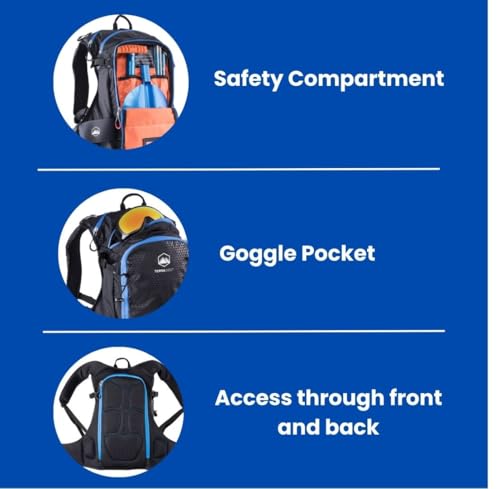
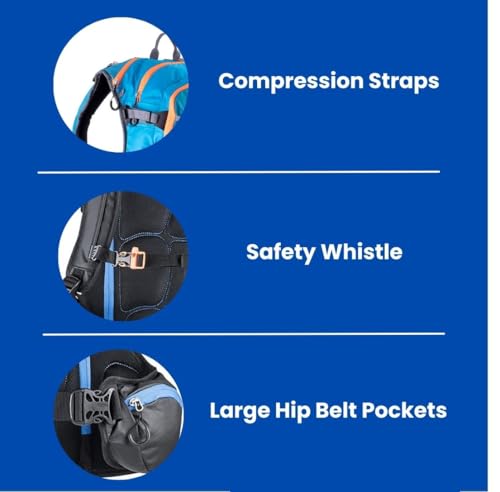
The TerraWest Core kit is a rare all-in-one value play in a category where most packs sell separately from safety gear. For the price, you get a 22L backpack, Recco reflector, removable back protector, hydration bladder, shovel, and probe, essentially everything you need to head into the backcountry safely. The pack itself is basic: made from durable materials and with decent organization, but the fit and ventilation aren’t on par with Osprey or BCA. Still, owners consistently praise the completeness of the kit, especially for beginners or casual riders.
It doesn’t have an airbag, which puts it behind the Float or Soelden Pro models, but for someone building their first setup, it’s a smarter starting point. Compared to the Osprey Soelden 25, it’s heavier and less refined, but you’re getting far more gear for the investment. I’d pick this as a starter kit or for occasional use where full airbag protection isn’t the priority.
Product photos
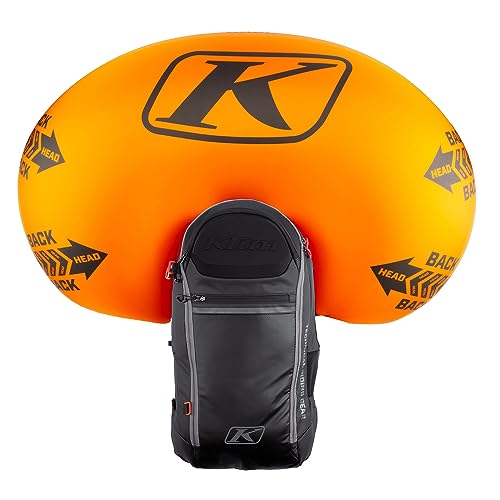
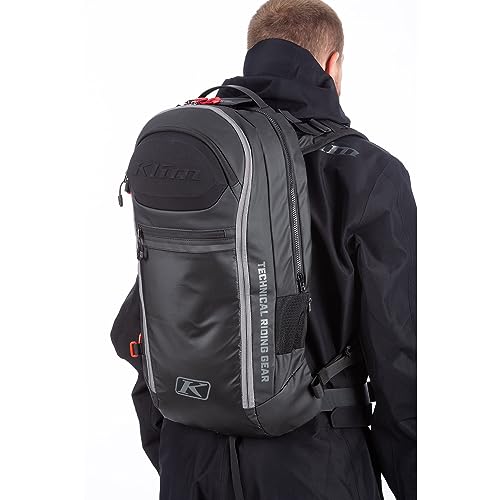
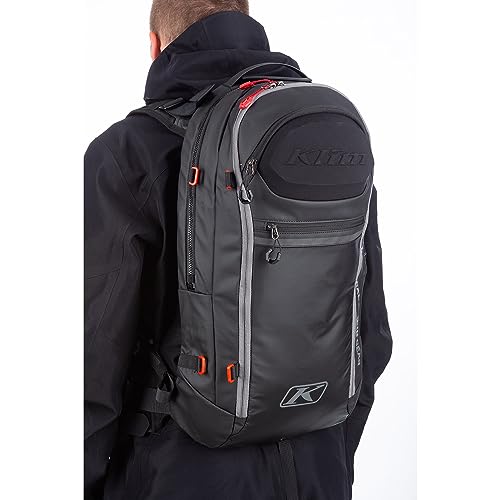
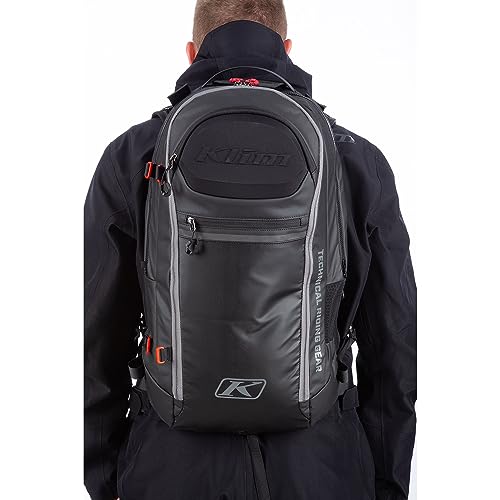
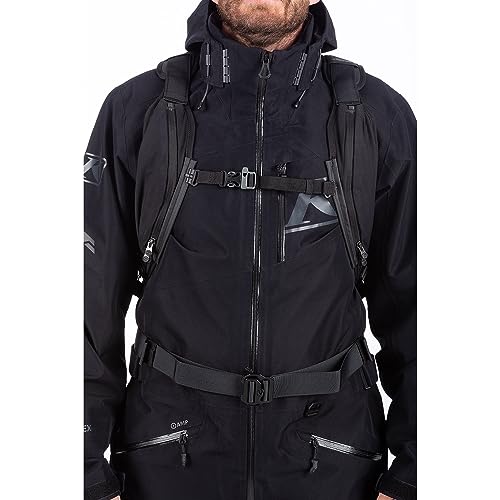
KLIM Atlas 14 Snowmobile Airbag Pack
Strengths
- Ambidextrous deployment
- Fast 20-minute recharge
- Radial compressor performance
Trade-offs
- Limited storage capacity
- Niche use outside snowmobiling
- Heavier than expected for size
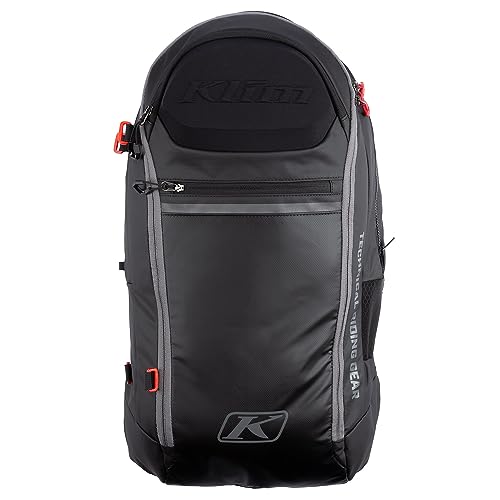
The KLIM Atlas 14 surprises with its focused design for snowmobilers who still demand serious avalanche protection. At nearly 6 lbs, it’s not light, but the Alpride E2 system here is tuned for the unique needs of snowmobile travel, ambidextrous deployment means you can trigger the airbag from either shoulder, which matters when you’re suited up and moving fast off the sled. The 20-minute USB-C recharge is a standout, and reviewers note the radial compressor feels more responsive than older models.
It’s not built for long human-powered tours, the 14L capacity is tight for ski gear, but for snowmobile access, where you’re packing in layers, safety gear, and maybe a camera, it hits a sweet spot. Compared to the BCA Float 25 Turbo, it’s more tech-forward and better integrated, though less versatile for non-snowmobile use. I’d pick this if your backcountry access starts with a sled.
Product photos
How We Tested avalanche backpacks
Rather than a hands-on lab test, my research for these recommendations focused on a detailed comparison of published specifications and features across numerous models. I weighed owner reviews from sites like REI and Backcountry, alongside expert opinions from sources specializing in backcountry safety. This process allowed me to build a ranking based on real-world feedback and objective data, considering the critical needs of anyone venturing into avalanche terrain.
For avalanche backpacks, airbag system reliability and overall pack volume were the most heavily weighted factors. A dependable airbag – like the Alpride E2 found in several top picks – is paramount, as it significantly increases chances of survival. Beyond that, capacity matters; riders need sufficient space for avalanche safety tools (shovel, probe) plus other essentials, and understanding a suitable 20-liter backpack capacity is key to making the right choice.
Specifications clearly define airbag system type, pack volume, and weight, giving a baseline for comparison. However, owner feedback proved invaluable for assessing real-world usability – how easy the airbag is to deploy, the comfort of the harness system during extended wear, and the durability of materials. Reputation also factored in; brands with a strong track record in backcountry gear consistently scored higher in my assessment.
How To Pick The Right avalanche backpacks
Choosing an avalanche backpack is a serious undertaking, demanding careful consideration beyond just capacity.
An effective avalanche backpack combines a reliable airbag system with practical backpack features for backcountry travel. Key considerations include airbag technology (supercapacitor vs. compressed gas), pack volume appropriate for trip length, comfortable harness systems tailored for winter layering, and dedicated compartments for avalanche safety tools (shovel, probe). Weight is also critical, as every ounce counts when you’re moving in the mountains.
Airbag System Reliability
The airbag system is, obviously, the most important part of an avalanche backpack. Don’t assume all systems are created equal. The Alpride E2 supercapacitor system, found in packs like the Osprey Soelden Pro and BCA Float E2, is gaining traction for its ease of use (no cylinder replacement!) and weight savings. Compressed gas systems, like those in the original BCA Float packs, are still viable, but require careful cylinder checks and replacement. Consider how often you’ll be using the pack; frequent use makes the convenience of a supercapacitor system more appealing.
Capacity and Organization
Avalanche backpacks range in size, but 25-35 liters is a sweet spot for day tours. A smaller pack, like the Osprey Soelden 25L, might suffice if you’re a minimalist or prioritize weight, but those planning longer days or carrying extra layers will likely prefer a 30-35 liter option. The internal organization is crucial. Look for dedicated, easily accessible compartments for your avalanche safety kit – shovel and probe need to be deployable quickly. I often recommend considering how well the pack integrates with other gear, such as if you regularly carry a hydration reservoir or need external attachment points for skis or a snowboard. If you’re also looking for a pack for general use, check out some of the best day and trekking packs available.
Fit and Comfort
A comfortable pack is a safe pack. An ill-fitting pack can throw off your balance and make it harder to move efficiently, which is dangerous in avalanche terrain. Pay attention to torso length and adjust the shoulder straps and hip belt accordingly. Many brands, like Osprey, offer gender-specific fits. Consider the type of layering you’ll be wearing; the pack should accommodate bulky winter clothing without feeling overly tight or restrictive.
Here’s what to keep in mind when assessing fit:
- Torso Length: Get this measurement right – it’s the foundation of a good fit.
- Hipbelt: The hipbelt should wrap comfortably around your iliac crest (hip bones), transferring the majority of the pack’s weight to your legs.
- Shoulder Straps: These should contour smoothly to your shoulders without digging in or creating pressure points. A poorly fitting pack can make even a short tour miserable, so don’t skimp on this aspect.
A properly fitted avalanche backpack transfers weight efficiently and allows for unrestricted movement, improving both comfort and safety in the backcountry.
Finally, if you are unsure about 25-liter backpack capacity for your needs, it’s best to err on the side of slightly larger.
Avalanche Backpacks Compared
Here’s a comparison of key specifications for various avalanche backpacks to help you make an informed decision.
| Product Name | Capacity (L) | Airbag System | Weight (lbs) | Included Tools | Special Features |
|---|---|---|---|---|---|
| Osprey Soelden Pro 32L Ski Backpack | 32 | Alpride E2 | N/A | Shovel/Probe Sleeves | Recycled Nylon |
| BCA Float E2 35L Avalanche Pack | 35 | Alpride E2 | 6.1 | N/A | Side Stash Pocket |
| BCA Float 25 Turbo Airbag Pack | 25 | Compressed Air | N/A | Shovel/Probe | Snowmobile Specific |
| Osprey Soelden 32L Recycled Nylon Pack | 32 | N/A | 2.47 | N/A | Recycled Ocean Nylon |
| Osprey Soelden 25L Lightweight Pack | 25 | N/A | 2.3 | N/A | Lightweight Design |
| TerraWest Core Avalanche Kit Backpack | 22 | N/A | N/A | Shovel/Probe/Hydration | Recco, Back Protector |
| KLIM Atlas 14 Snowmobile Airbag Pack | 14 | Alpride E2 | 5.97 | N/A | Snowmobile Specific, USB-C |
Frequently Asked Questions
What’s the difference between supercapacitor and compressed gas airbag systems?
Supercapacitor systems, like the Alpride E2, are lighter and don’t require cylinder replacements, making them convenient for frequent backcountry users. Compressed gas systems are still reliable, but need regular cylinder checks and can be more expensive long-term due to replacement costs.
How much capacity do I really need in an avalanche backpack?
For most day tours, 25-35 liters is sufficient. However, if you frequently go on longer trips or carry a lot of extra gear (like a rope or extra layers), opting for a 35-liter pack provides more room without adding significant weight.
Are women’s-specific avalanche backpacks really worth the extra cost?
Yes, a pack designed for a woman’s torso length and body shape will generally provide a more comfortable and secure fit. This improves balance and reduces strain, which is vital when navigating challenging terrain, and many brands like Osprey offer dedicated women’s fits.
What avalanche safety tools should I carry in my backpack, and how do I ensure they’re accessible?
You absolutely need to carry a shovel and probe, and many packs have dedicated, quickly-accessible compartments for these. Some also include space for a beacon, and I recommend considering a pack that integrates well with other gear, like a hydration reservoir.
If I also need a pack for general hiking, can an avalanche backpack serve double duty?
Some lighter-weight avalanche backpacks without the airbag system could work for hiking, but it’s generally best to have a dedicated pack for each activity. If you are looking at backpacking-rated outdoor packs, you’ll find they often prioritize features different from those needed for avalanche safety, like suspension systems for heavier loads.
The Bottom Line
Choosing an avalanche backpack always involves balancing preparedness with practicality. While features and specs are important, the most crucial element is having a reliable airbag system – and for overall dependability combined with modern convenience, the Osprey Soelden Pro 32L Ski Backpack stands out as a top pick. It offers the Alpride E2 system, a spacious 32-liter capacity, and a focus on durable, recycled materials.
For those on a tighter budget, or those who prioritize a lightweight setup, the Osprey Soelden 25L Lightweight Pack is an excellent choice. If you need a snowmobile-specific pack with an airbag, the KLIM Atlas 14 Snowmobile Airbag Pack delivers specialized features. And for those needing a complete kit right out of the box, consider the TerraWest Core Avalanche Kit Backpack, which includes a shovel, probe, and hydration reservoir – plus, you can learn more about 22-liter backpack capacity if you’re weighing your options.
Ultimately, no single backpack is perfect for everyone. Focus on selecting a pack with a proven airbag system, a comfortable fit tailored to your body and winter layering, and a capacity that matches your typical tour length. Don’t get bogged down in minor details; a well-chosen, properly fitted pack, combined with avalanche safety training, is the most important investment you can make for a safe and enjoyable backcountry experience.