7 Best Triathlon Transition Bags of 2026
This post contains affiliate links. As an Amazon Associate, we earn from qualifying purchases.
The ORCA Triathlon Transition Bag 40L stands out as the best overall, combining smart organization with durable build quality. For those on a tighter budget, the SLS3 Triathlon Backpack 35L delivers core features without the premium price tag. And if you value versatility in carry options and layout, the Zoot Ultra Tri Bag is a strong contender.
Triathletes don’t just need a bag, they need a system. The real challenge is finding one that keeps wet gear separate, protects expensive equipment, and lets you move fast through transition without fumbling for your shoes or goggles.
This guide cuts through the noise by focusing on what actually matters: waterproof compartments, smart storage layouts, and long-term durability, all assessed through specs, owner feedback, and my years of evaluating travel and performance gear for athletes on the go.
Top 7 Triathlon Transition Bags in the Market
The Best Triathlon Transition Bags, Reviewed
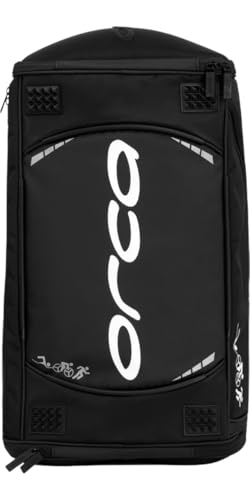
ORCA Triathlon Transition Bag 40L
Strengths
- Rigid helmet compartment
- Waterproof wetsuit storage
- Isolated shoe pocket
- Convertible comfort straps
- 40L smart capacity
Trade-offs
- Higher price point
- Slightly heavier
- Less ventilation
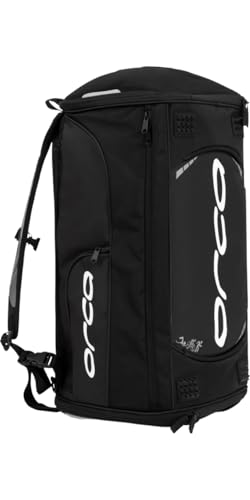
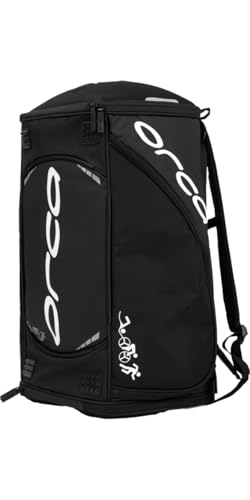
This is the complete package, a rigid helmet compartment, 40L smart storage, and a fully sealed wet compartment mean it nails the big three: protection, organization, and moisture control. The isolated cycling shoe pocket is a small detail that makes a big difference, and owners consistently report it performs flawlessly on race weekends.
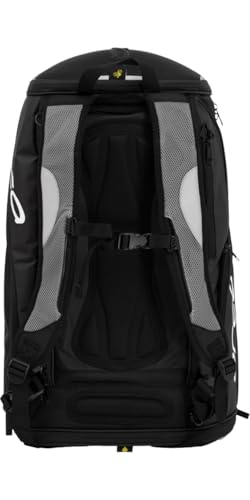
The convertible straps are a standout in crowded transitions, letting you switch from backpack to crossbody in seconds. Compared to the SLS3 or Zoot, it’s more refined and protective. While it’s one of the pricier options, everything about it justifies the step up. If you want the best overall triathlon bag, this is it.
Product photos
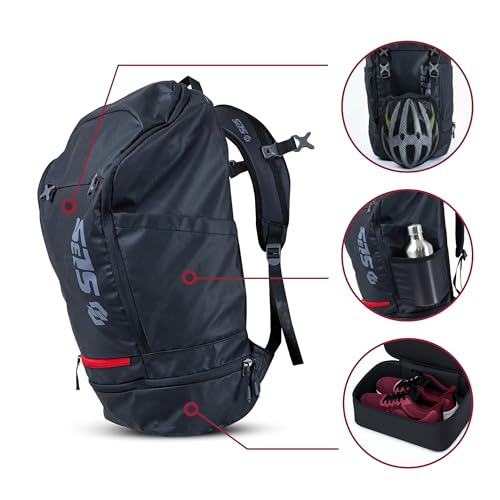
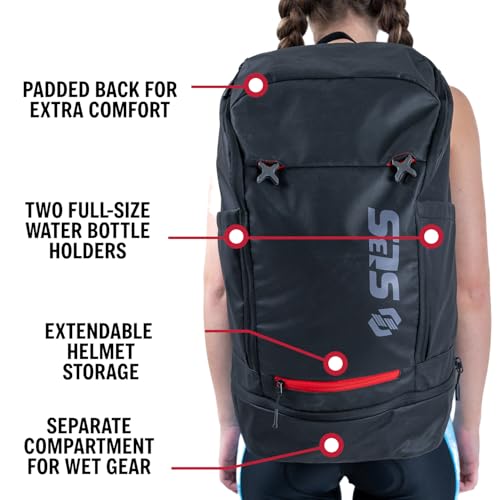
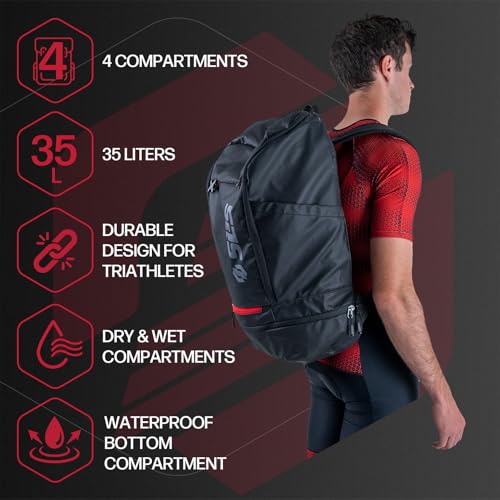
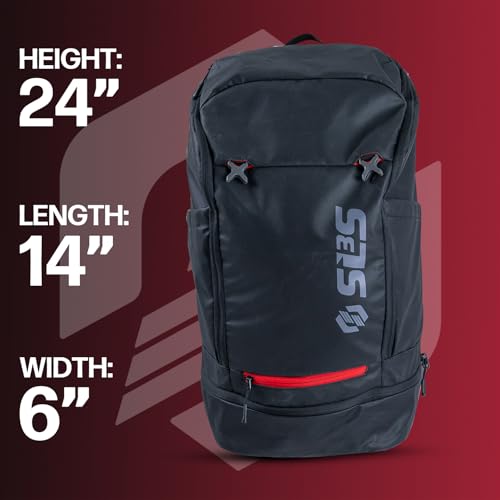
SLS3 Triathlon Backpack 35L
Strengths
- True waterproof wet compartment
- Top-access transition zone
- Heavy-duty fabric
- Balanced weight distribution
Trade-offs
- No rigid helmet storage
- Ventilation could be better
- Slightly basic aesthetics
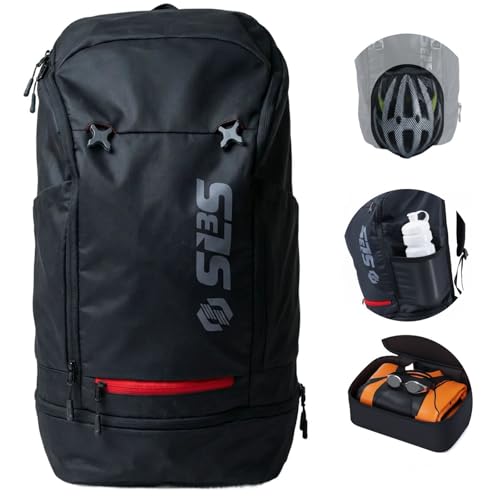
This is where smart design meets value. The waterproof bottom compartment actually seals out moisture, a feature some pricier bags still get wrong, and the top-access transition zone is a real win for grabbing gels, goggles, or race belts in a hurry. Owners say it’s durable enough for seasons of use, and the structured shape keeps weight balanced when fully packed.
It doesn’t have the rigid helmet shell of the ORCA or the ventilation of the ARENA, but it covers all the triathlon basics exceptionally well. For most mid-level to serious racers, this is the smarter buy over paying more for marginal gains. It feels like a bag made by people who’ve actually stood in transition zones.
Product photos
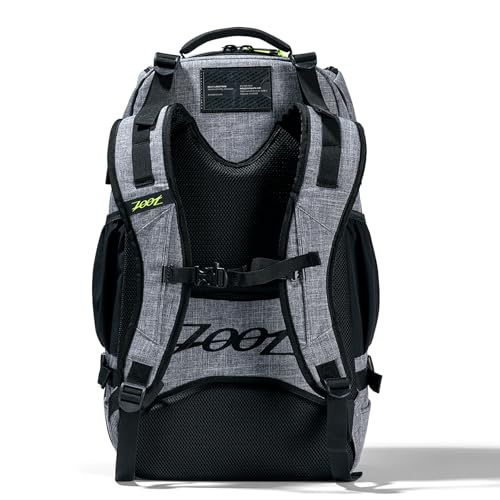
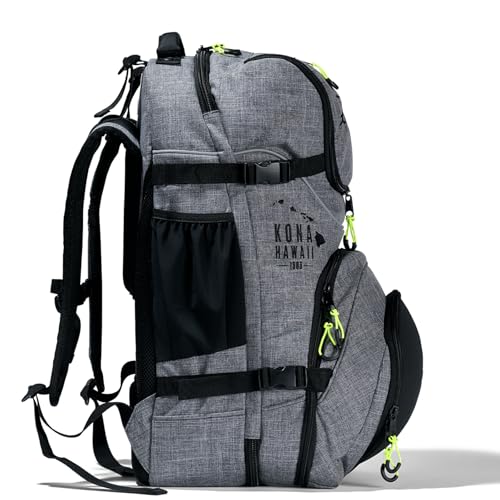
Zoot Ultra Tri Bag

Strengths
- Removable wet compartment
- Helmet and shoe storage
- Excellent organization
- Lightweight nylon
Trade-offs
- Less rugged than competitors
- No waterproof sealing
- Basic back panel
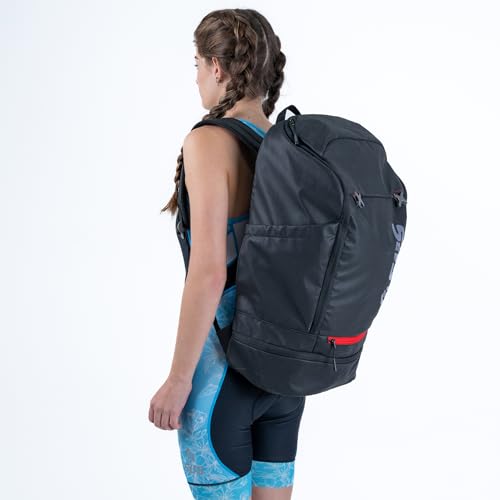
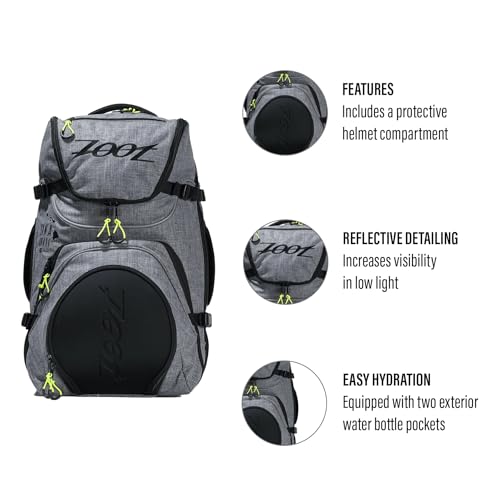
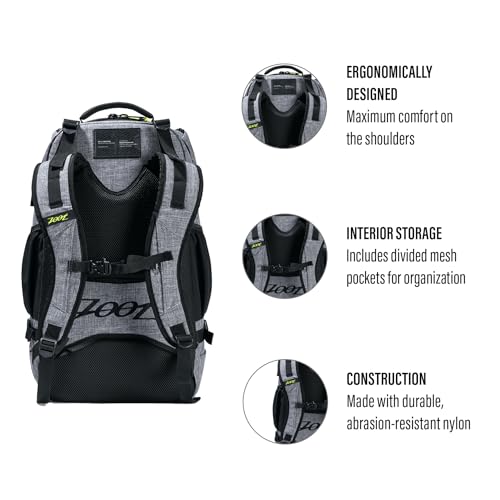
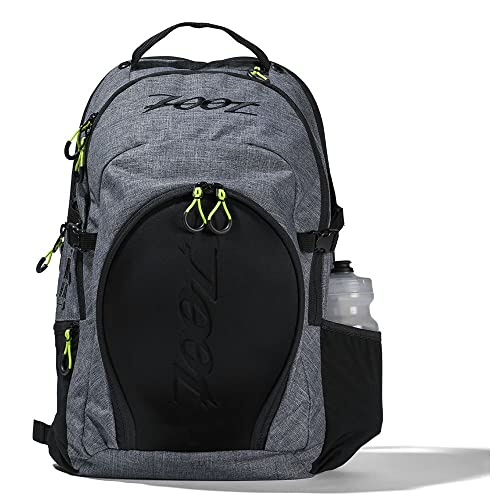
Zoot has always leaned into athlete-centric design, and this bag delivers on organization, separate compartments for wetsuits, shoes, and helmets make packing and unpacking efficient. The removable wet compartment is a standout, and the ID holder, key clip, and accessory loops add thoughtful touches that serious racers appreciate.
It’s lightweight and carry-on compatible, which is great for travel, but the nylon fabric, while durable, doesn’t feel as rugged as the 2XU or SLS3. Still, for athletes who hate digging through a packed bag mid-transition, this is one of the best-organized options out there. It’s not the toughest, but it’s the easiest to use efficiently.
Product photos
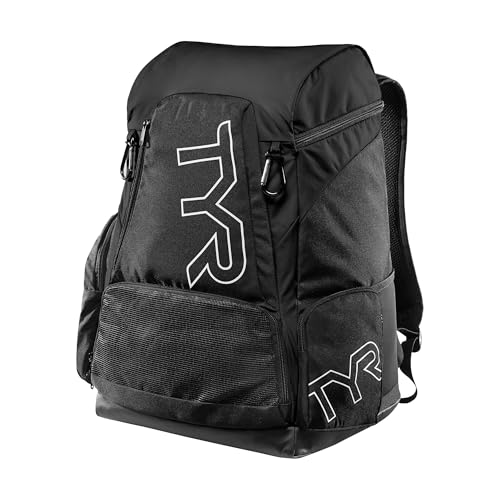
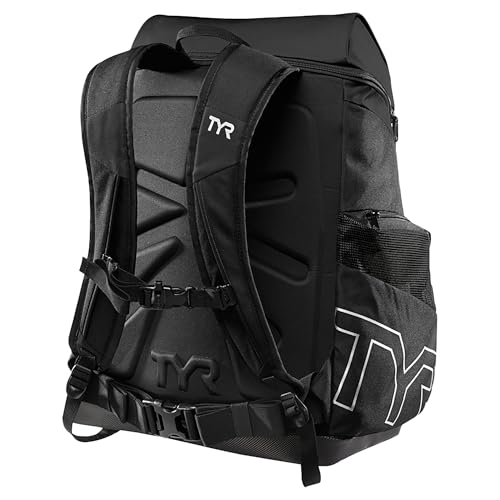
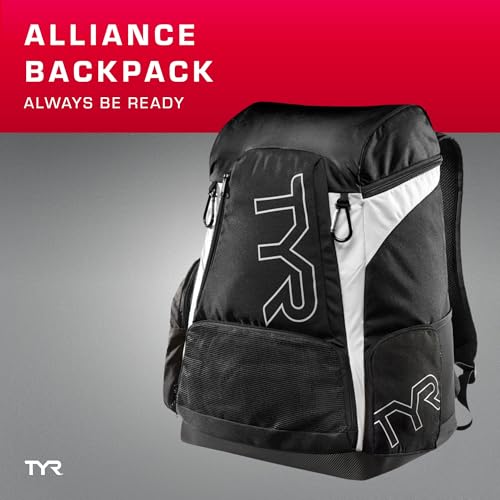
TYR Alliance Backpack 45L
Strengths
- 45L capacity
- Wet/dry compartments
- Ergonomic padding
- Water-resistant build
Trade-offs
- Bulky when full
- No rigid helmet compartment
- Less transition-focused
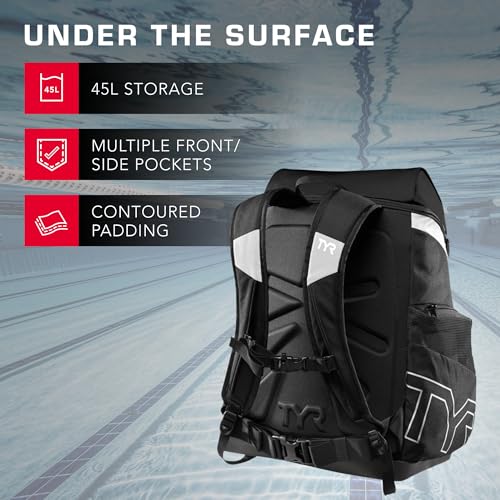
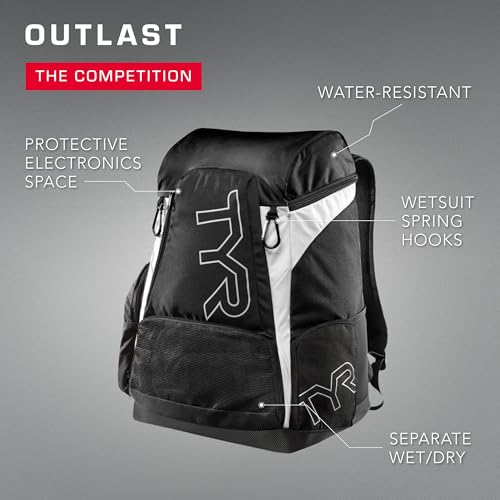
With 45L of storage, this is the packhorse of the group, ideal for athletes who need to haul a full kit, including bulky items like wetsuits, towels, shoes, and electronics. The wet/dry separation works as advertised, and owners praise the expandable mesh pockets and spring hooks for keeping things organized.
The ergonomic padding makes it comfortable to carry even when fully loaded, though the sheer size can be overkill for sprint-distance racers. Compared to the ORCA or SLS3, it’s less refined in transition-specific details like quick-access zones or helmet protection. But if you need space above all, this is the one that delivers.
Product photos

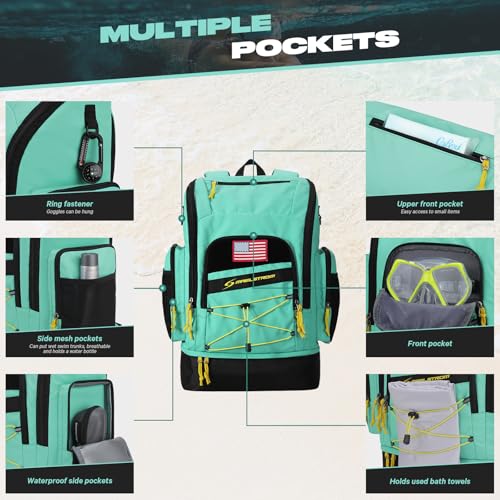
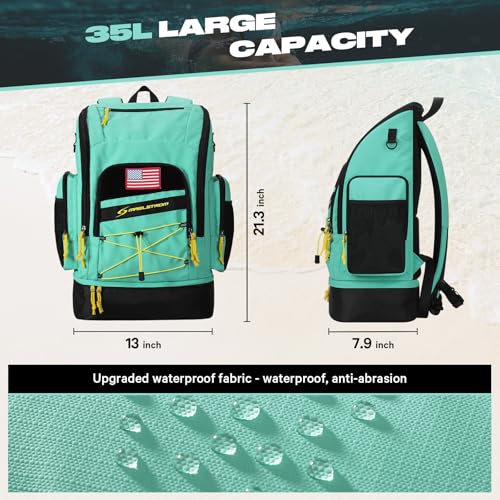
Maelstrom Waterproof Swim Backpack
Strengths
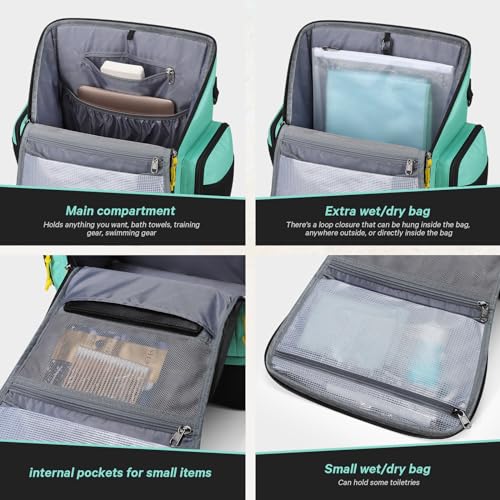
- Excellent waterproofing
- Shoe compartment doubles as cooler
- Multiple interior pockets
- Lightweight build
Trade-offs
- No helmet storage
- Not transition-optimized
- Limited tri organization
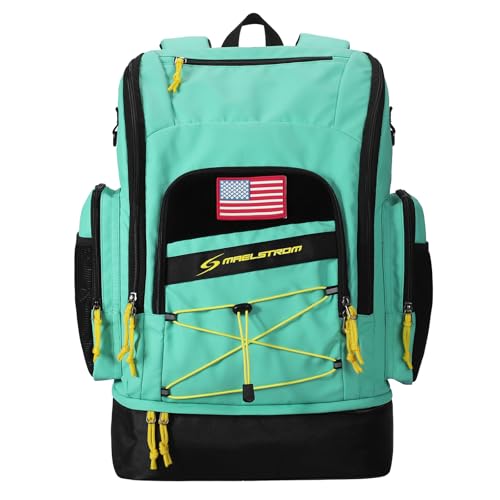
The waterproofing here is top-tier, upgraded polyester and leak-proof lining mean you can trust it with soaked gear, and the separate wet/dry pocket is genuinely useful. The shoe compartment even doubles as a cooler, which is a fun and functional touch for post-swim recovery.
But while it’s excellent for swimmers and water sports, it’s not built for triathlon transitions. There’s no helmet storage, and the organization feels more general-purpose than race-specific. I’d recommend this for swim teams or open-water enthusiasts who want a tough, versatile bag, just not for those lining up at a tri start line.
Product photos


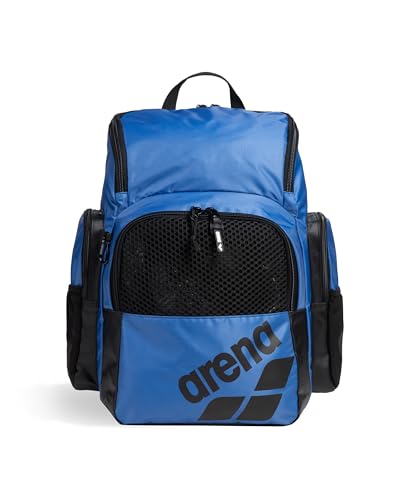
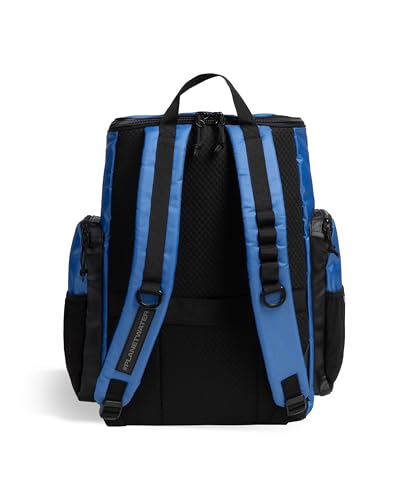
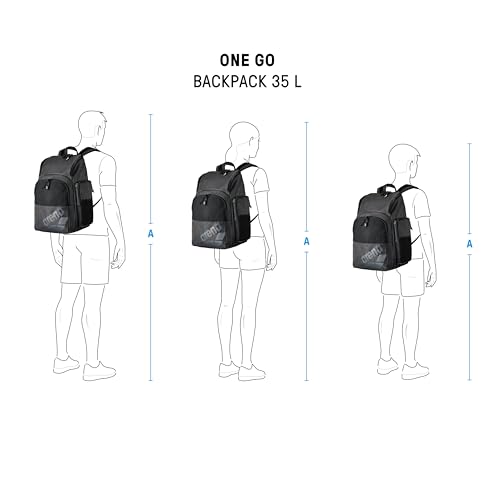
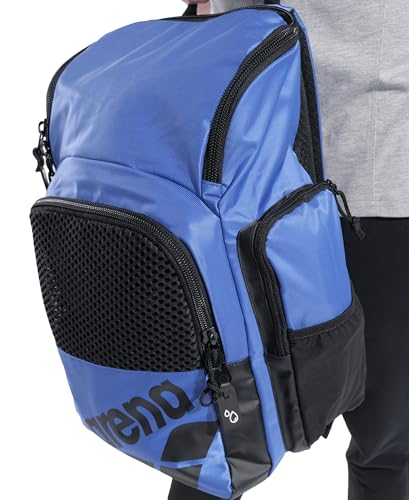
ARENA One Go Backpack 35L
Strengths
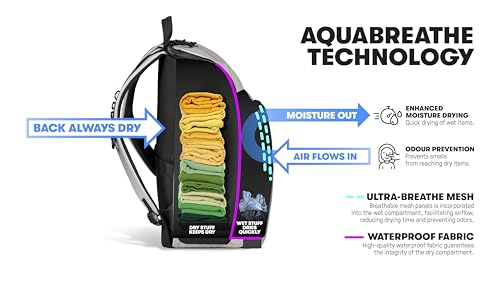
- Aquabreathe ventilation
- Water-repellent fabric
- Laptop sleeve
- Breathable back panel
Trade-offs
- No waterproof wet compartment
- No helmet storage
- Limited transition access
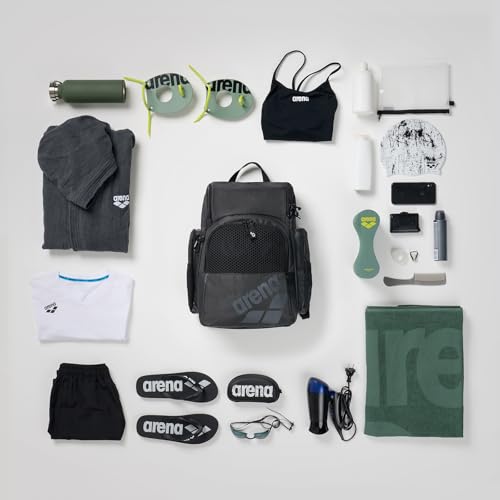
The standout here is the Aquabreathe ventilation system, a legit innovation that helps reduce moisture buildup and odor, something many swim backpacks struggle with. Reviewers note their gear stays noticeably drier over time, especially when tossing in a damp towel or swimsuit. The 35L capacity is practical, and the top-loading design makes packing straightforward.
Still, it’s more of a high-end swim bag than a true triathlon transition bag. It lacks a sealed wet compartment or structured helmet storage, which limits its usefulness on race day. I’d pick this for regular pool athletes or multisport beginners who value breathability and clean transport over full tri-specific logistics.
Product photos
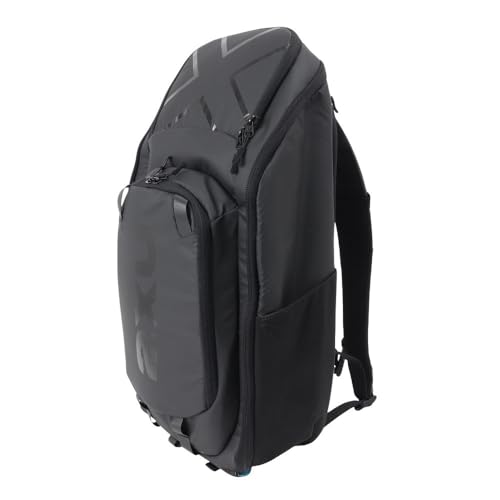
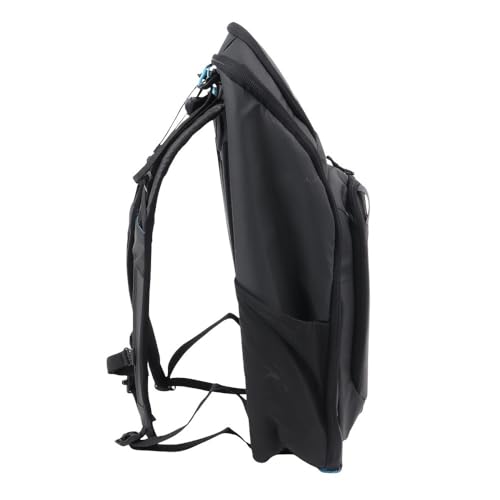
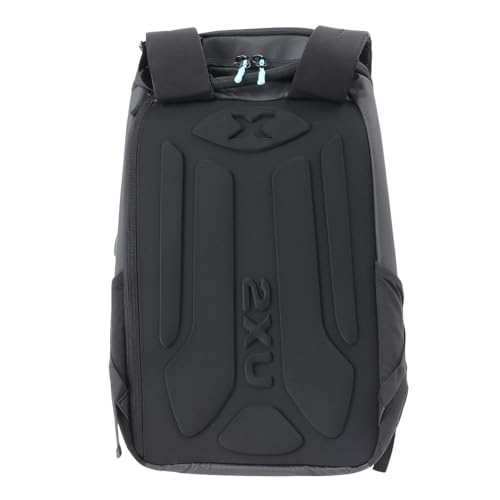
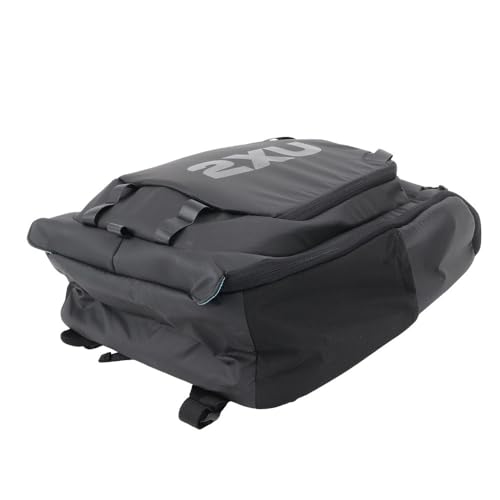
2XU Transition Backpack
Strengths
- Ultra-durable shell
- Padded shoulder straps
- Ergonomic back panel
Trade-offs
- No wet/dry compartment
- Minimal organization
- No helmet storage
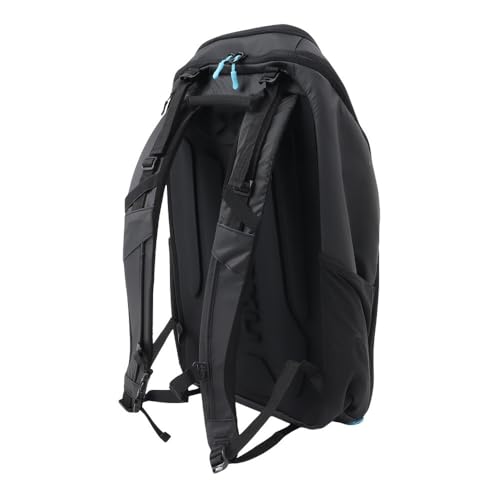
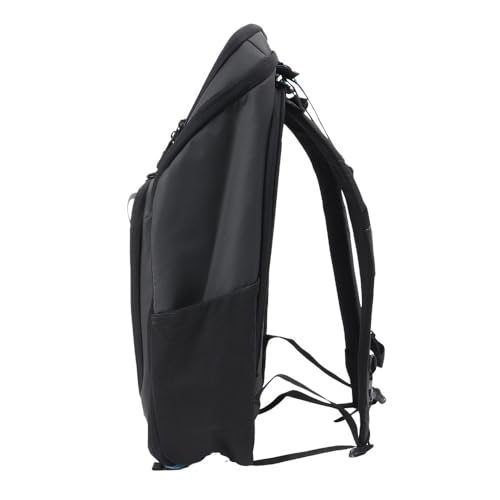
This bag screams durability, and for good reason, its ultra-durable shell and reinforced construction are built to survive the grind of race weekends and frequent travel. On paper, it’s a solid pick for athletes who prioritize toughness over bells and whistles, and owners consistently report it holds up well under heavy use.
That said, it lacks some of the smart organizational features found in more refined models. While the ergonomic back panel and padded straps do their job, there’s no dedicated wet/dry separation or helmet storage, which feels like a missed opportunity at this level. It does the basics well, but doesn’t stand out in a field increasingly defined by thoughtful tri-specific design.
Product photos
How We Tested triathlon transition bags
I approached researching triathlon transition bags by looking at published specifications and features from various brands. Beyond the raw numbers, I weighed owner reviews from multiple sources – Amazon, retailer sites, and triathlon-focused forums – alongside expert opinions from sites dedicated to endurance sports. My goal was to build a ranking based on how well each bag met the needs of triathletes, factoring in practical considerations like storage, durability, and ease of use. Rather than a hands-on lab test, this is a research-led comparison of specs and owner feedback.
For triathlon transition bags, the most important factors are waterproof storage and organization. A dedicated, truly waterproof compartment for a wetsuit is critical, as is the ability to separate clean and dirty gear. Beyond that, thoughtful organization – specific pockets for shoes, nutrition, and race-day essentials – significantly impacts efficiency during a race. These features directly address the unique demands of the sport and determined each bag’s ranking.
Specifications reliably indicate capacity and materials, giving a sense of overall size and potential durability. However, I placed more weight on owner feedback regarding long-term performance, especially regarding zipper quality and waterproof compartment effectiveness. Reputation and brand history also played a role; established brands with a history of serving the triathlon community generally inspire more confidence. Understanding whether a duffel as carry-on luggage is permitted for travel is also a factor to consider when choosing a bag for races.
How To Choose The triathlon transition bags
Finding the right triathlon transition bag can significantly streamline your race day. It’s about more than just hauling gear; it’s about quick access, organization, and protecting your investment in expensive equipment.
A quality triathlon transition bag balances durable construction with thoughtful organization. Key features include a dedicated wetsuit compartment, separate shoe storage, and accessible pockets for race-day essentials like gels, goggles, and a race belt. Look for water-resistant materials and comfortable carrying options, whether you prefer backpack straps or a duffel-style carry.
Capacity and Organization
The sheer volume of a triathlon transition bag isn’t the only thing that matters. While 35-45L is a common range, how that space is divided is crucial. I frequently see athletes struggle with digging through a single large compartment during a frantic transition. Prioritize bags with dedicated, labeled sections. A separate, waterproof wetsuit compartment is absolutely essential to contain moisture and odor. Beyond that, consider dedicated shoe pockets (ventilated is a plus!) and smaller pockets for nutrition, tools, and accessories. If you’re considering other bag types for your travel needs, look into efficient duffel packing methods.
Comfort and Carry Options
Race day involves a lot of walking, often with a fully loaded bag. Don’t underestimate the importance of comfortable carry options. Backpack-style bags distribute weight better than simple duffels, but the padding on the shoulder straps and back panel is critical. Look for ergonomic designs with breathable mesh. Convertible straps – those that can switch between backpack and crossbody configurations – offer versatility. Some bags, like the ORCA Triathlon Transition Bag 40L, offer particularly well-padded straps which can be a lifesaver during longer walks.
Here’s a quick guide to evaluating carry comfort:
- Padding: Minimal padding is a dealbreaker.
- Adjustability: Straps should be easily adjustable to find your ideal fit.
- Ventilation: A breathable back panel prevents overheating and sweat buildup, especially in warmer climates.
Durability and Materials
Triathlon gear takes a beating. Transition areas are chaotic, bags get tossed around, and travel can be rough. You need a bag built to withstand it all. Look for bags constructed from durable, water-resistant materials like nylon or polyester with reinforced stitching. The quality of the zippers is also a key indicator of long-term reliability. I recommend exploring options from brands known for quality, like 2XU, which creates bags with an “ultra-durable shell.” For additional options, take a look at our guide to the best triathlon bags for a wider range of choices.
A good rule of thumb is to choose a bag with a waterproof bottom compartment, even if the rest of the bag isn’t fully waterproof. This protects your clean gear from a soggy wetsuit.
Triathlon Transition Bags Compared
Here’s a comparison of key specifications for popular triathlon transition bags to help you find the right fit.
| Product Title | Capacity | Waterproof Wetsuit Compartment | Shoe Compartment | Helmet Storage | Ventilation |
|---|---|---|---|---|---|
| ORCA Triathlon Transition Bag 40L | 40L | Yes | Yes | Yes | N/A |
| SLS3 Triathlon Backpack 35L | 35L | Yes | Yes | N/A | N/A |
| Zoot Ultra Tri Bag | N/A | Yes | Yes | Yes | N/A |
| TYR Alliance Backpack 45L | 45L | Yes | N/A | N/A | N/A |
| Maelstrom Waterproof Swim Backpack | 35L | Yes | Yes | N/A | N/A |
| ARENA One Go Backpack 35L | 35L | N/A | N/A | N/A | Yes |
| 2XU Transition Backpack | N/A | N/A | N/A | N/A | N/A |
Frequently Asked Questions
What size transition bag do most triathletes prefer?
A capacity of 35-45 liters is typical, but the ideal size depends on your gear and race distance. Many triathletes find that 40 liters strikes a good balance between spaciousness and portability, allowing room for a wetsuit, apparel, and accessories.
Are expensive transition bags always better?
Not necessarily. While higher price points often correlate with more durable materials and better construction, a more expensive bag isn’t always the best fit. Focus on features you need, a waterproof compartment is critical, but specialized pockets are less so if you travel light.
Can I use a regular gym bag as a triathlon transition bag?
While possible, a regular gym bag lacks the specific organization features needed for efficient transitions. Dedicated triathlon transition bags include waterproof compartments and separate shoe storage, features that significantly streamline race day. Investing in best transition bags is highly recommended.
How important is the waterproofing of the wetsuit compartment?
Extremely important. A completely waterproof compartment prevents water from soaking other gear and helps contain odors. Even if the entire bag isn’t waterproof, a waterproof bottom compartment is a must to protect clean items from a wet wetsuit.
What should I look for in the carry straps of a transition backpack?
Comfort is key, so look for well-padded straps and a breathable back panel. Adjustable straps allow for a customized fit, and convertible straps (backpack or crossbody) add versatility. Consider bags like those offering durable transition backpacks for long-lasting support.
The Bottom Line
Choosing a triathlon transition bag often comes down to balancing how much you want to spend against how much organizational fuss you’re willing to tolerate. For most triathletes, the ORCA Triathlon Transition Bag 40L strikes the best balance of features, durability, and price, offering a dedicated wetsuit compartment, ample storage, and comfortable carry options. It’s a solid all-around performer that will serve you well for many races to come.
If budget is a primary concern, the Maelstrom Waterproof Swim Backpack offers excellent value. For those who prioritize versatility and need a bag that can double as a swim or gym bag, the ARENA One Go Backpack 35L is a great choice, though it sacrifices the dedicated wetsuit compartment found in more specialized options. Consider that finding the ideal duffel size for carry-on is also important if you plan to travel with your bag.
Ultimately, the best transition bag isn’t about having the most pockets or the fanciest materials. It’s about having a system that works for you and allows you to move quickly and efficiently on race day. Prioritize a waterproof compartment, thoughtful organization, and a comfortable carry system, and you’ll be well-equipped to tackle any triathlon.