7 Best Hydration Backpacks for MTB 2026
This post contains affiliate links. As an Amazon Associate, we earn from qualifying purchases.
The Osprey Raptor 14L stands out as the best overall hydration backpack for mountain biking, combining a stable winged harness, smart storage, and reliable 2.5L hydration. For riders on a budget, the CamelBak M.U.L.E. Pro 14 delivers solid performance and comfort at a lower price point, while the USWE Outlander 2L is a strong pick for minimalists wanting a bounce-free fit on shorter rides.
If your pack shifts, bounces, or makes you overheat, it doesn’t matter how much water it holds, you’ll dread every mile. After years of evaluating gear for active travel and outdoor adventures, I know that the right mountain bike hydration pack needs to stay put, breathe well, and carry your essentials without bulk.
This guide cuts through the hype. I compared specs, analyzed owner feedback, and prioritized what actually matters: fit, hydration access, and ride-day functionality. These picks are based on real-world performance, not marketing claims.
Top 7 Hydration Backpacks For Mtb in the Market
The Best Hydration Backpacks For Mtb, Reviewed
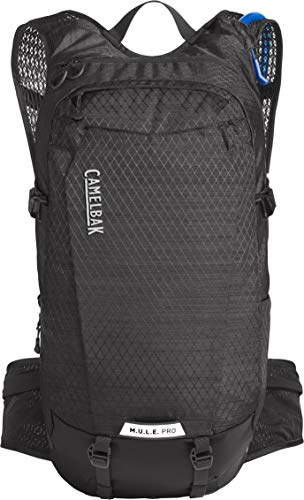
CamelBak M.U.L.E. Pro 14 Bike Pack

Strengths
- Excellent airflow
- Smart tool organization
- Stable hipbelt with pockets
- Reliable Crux reservoir
- Durable, trail-ready build
Trade-offs
- Slightly bulkier profile
- Higher price point
- No included rain cover
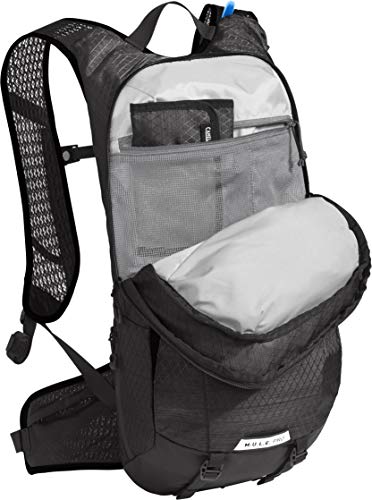
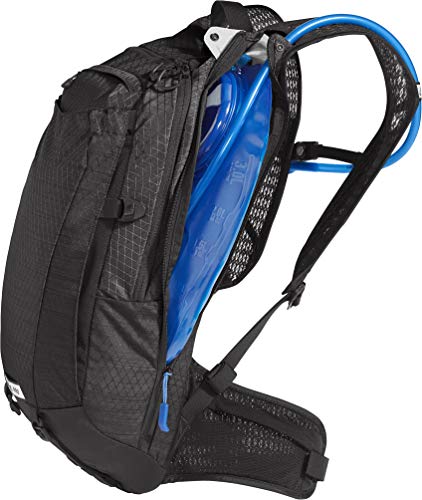
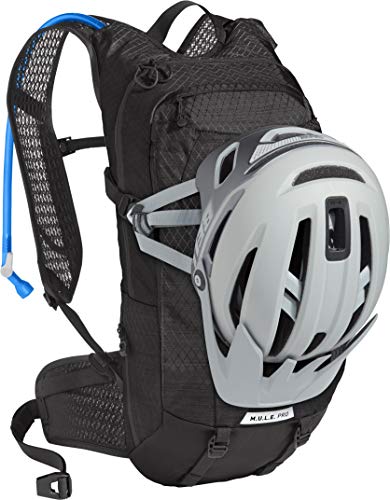
CamelBak has long been a leader in hydration, and the M.U.L.E. Pro 14 feels like the culmination of that expertise. The Air Support Pro back panel delivers real ventilation, owners consistently report less back sweat compared to other packs, even on sustained climbs. The 3L Crux reservoir is a proven performer: high flow, easy to fill, and the self-sealing cap minimizes spills. But what really sets this apart is the smart organization. The integrated tool roll is a standout for riders who carry CO₂, levers, and multi-tools, it keeps everything secure and instantly accessible.
The hip belt includes pockets, which I always appreciate for quick-grab items like gels or keys. At 14L, it strikes a near-perfect balance between capacity and fit. It’s not the lightest, but the stability and breathability make it feel lighter than it is. Compared to the Osprey Raptor models, it’s slightly more focused on airflow and rider ergonomics than raw storage. For serious trail riders who log long miles, this is the pack that quietly disappears on your back.
Product photos

Osprey Raptor 10L Men’s MTB Pack

Strengths
- Best-in-class ride stability
- Winged shoulder harness
- Lightweight for Osprey
- Stretch front pocket
- Durable, trail-tough build
Trade-offs
- Less storage than 14L model
- No hipbelt pockets
- Minimalist organization
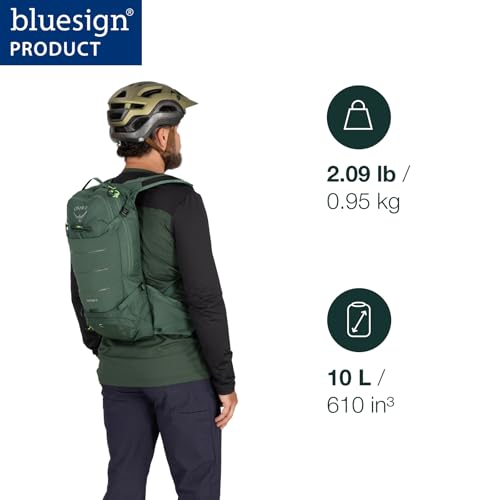
The 10L version of the Osprey Raptor trades capacity for agility, and it shows. At 2.09 lbs, it’s slightly lighter than the 14L, but more importantly, it feels more nimble on technical terrain. The same winged harness and airmesh hipbelt deliver the best ride stability in the category, this pack doesn’t shift, even during rapid direction changes. The 2.5L reservoir is the same high-quality Osprey unit, and the stretch mesh front pocket is great for stashing a windbreaker or extra bar mid-ride.
Where it shines is in precision fit and control. It’s not for carrying lots of gear, but if you’re doing fast laps, shuttle runs, or endurance rides where every ounce and millimeter of movement matters, this is the pack that stays out of your way. Compared to the 14L, it’s the smarter pick if you don’t need the extra storage. For riders who value a surgical fit and race-ready performance, this is a top contender.
Product photos

Osprey Raptor 14L with Reservoir

Strengths
- Excellent storage capacity
- Superior ride stability
- Durable, structured build
- Winged harness design
- Hipbelt with stretch pockets
Trade-offs
- Heavier than competitors
- Back panel less ventilated
- Higher price
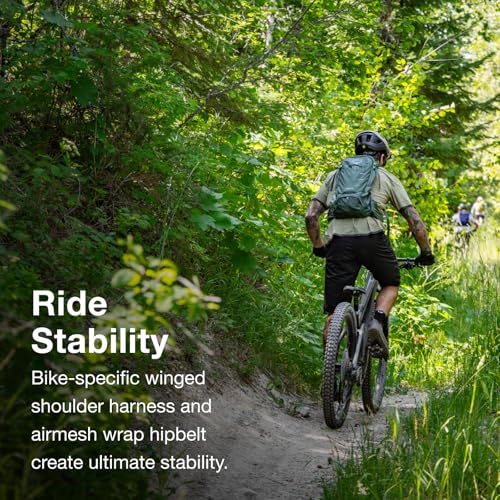
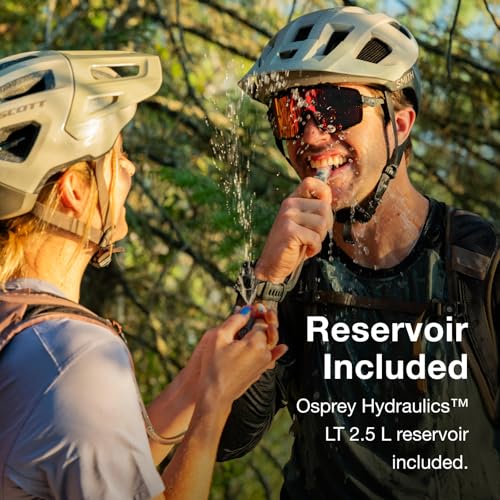
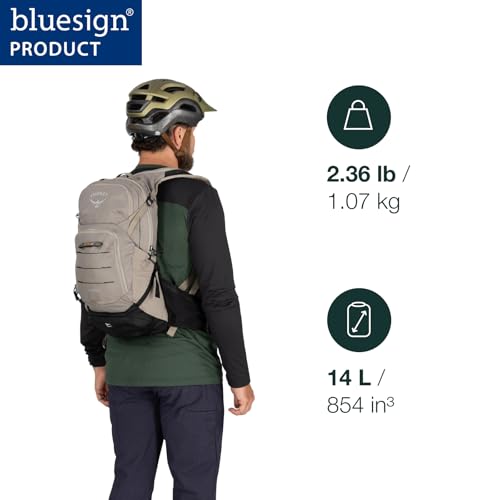
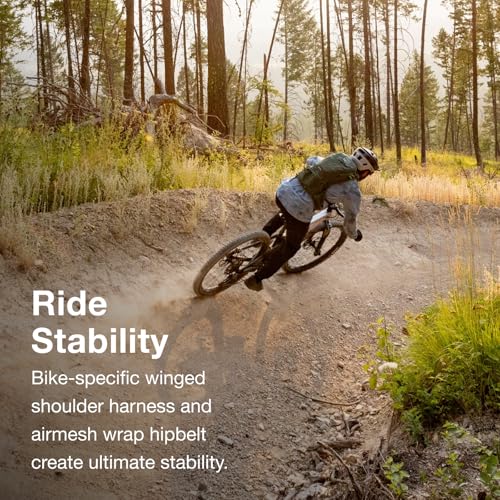
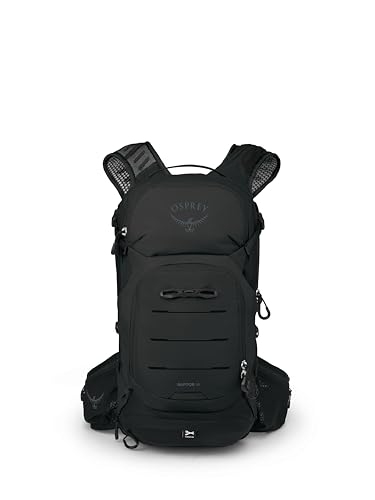
Osprey’s Raptor 14L is built like a fortress and organized like a mechanic’s tool roll. With 14L of storage and the 2.5L Hydraulics LT reservoir, it’s the pack I’d reach for when heading to the bike park or planning a full-day ride with multiple trail laps. The winged shoulder harness and airmesh hipbelt aren’t just marketing, they deliver real stability, keeping the load centered even during aggressive cornering or drops. Owners consistently praise how locked-in it feels, and the stretch mesh hipbelt pockets are perfect for stashing gels, cash, or a phone.
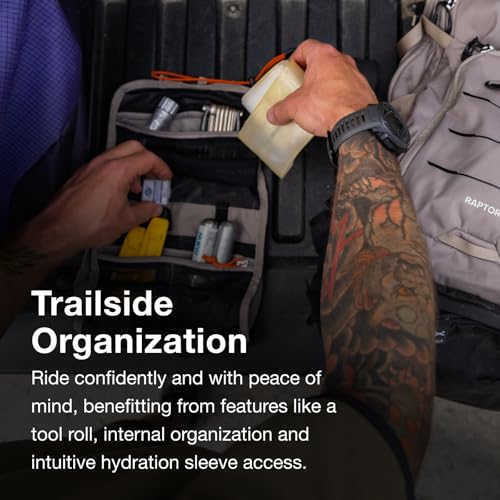
The internal organization is thoughtful: dedicated sleeves, tool roll, and easy reservoir access. It’s one of the heavier packs here at 2.22 lbs, but that weight brings structure and durability. Compared to the CamelBak M.U.L.E. Pro, it trades a bit of airflow for more storage and slightly better load management. If you’re the type who likes to be prepared, extra tube, tools, snacks, rain shell, this is the pack that lets you carry it all without sacrificing ride quality.
Product photos
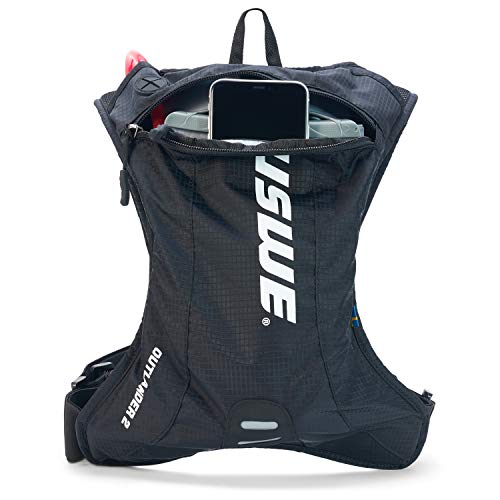
USWE Outlander Hydration Pack 2L

Strengths
- NDM bounce-free harness
- Ultra-lightweight
- Breathable mesh back
- Elastic fit adapts to breathing
- Quick-disconnect hose
Trade-offs
- Limited storage capacity
- No hipbelt pockets
- Bladder smaller than some
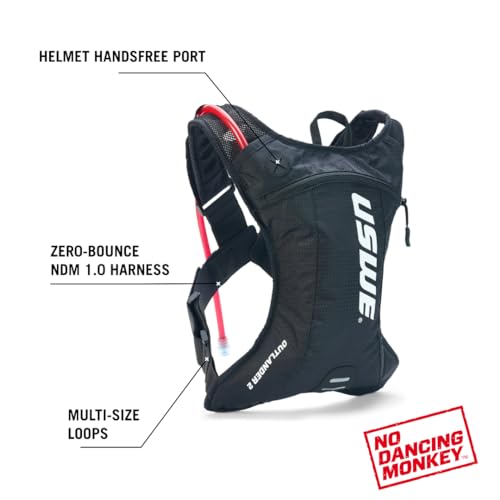
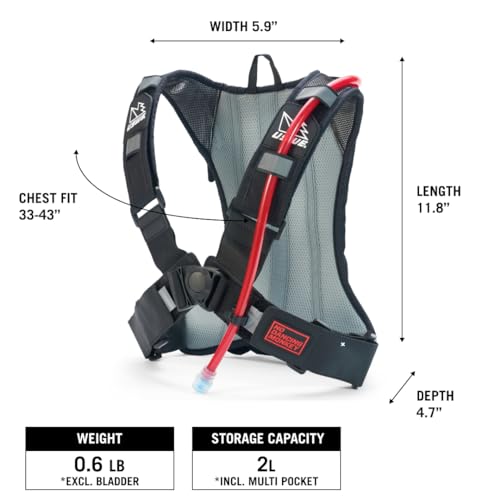
The USWE Outlander’s NDM Race Harness is unlike anything else here, it’s designed to move with your body, not against it. The elasticized chest straps expand as you breathe, maintaining tension without restricting lung capacity. That’s a big deal on long climbs or endurance rides where tight straps usually force a choice between stability and breathing room. Owners love how it stays put without feeling constrictive. At just 0.68 lbs without the bladder, it’s one of the lightest full-featured packs here, which makes it ideal for racers or anyone who counts ounces.
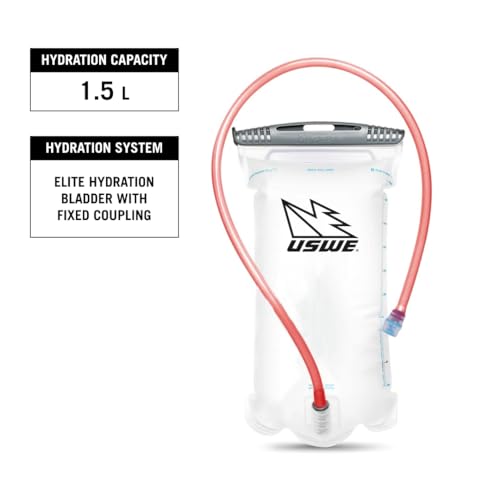
The 2L bladder is included, and the Plug-n-Play coupling makes disconnecting quick and drip-free. Storage is minimal, this isn’t a pack for carrying layers or tools, but the phone pocket is water-resistant and easily accessible. The mesh back panel delivers solid airflow, and the overall design is clean and efficient. If you want a pack that disappears on your back and stays put no matter how hard you push, the Outlander delivers in a way few others do.
Product photos
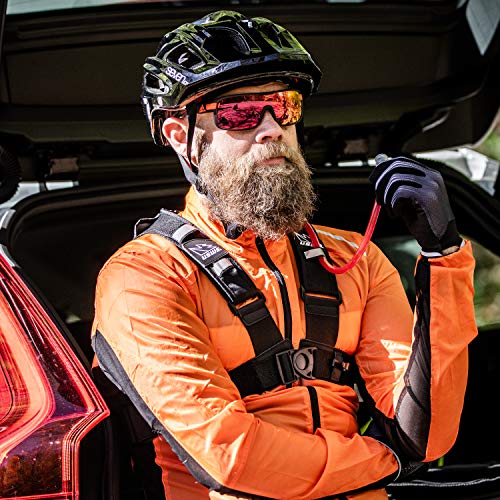
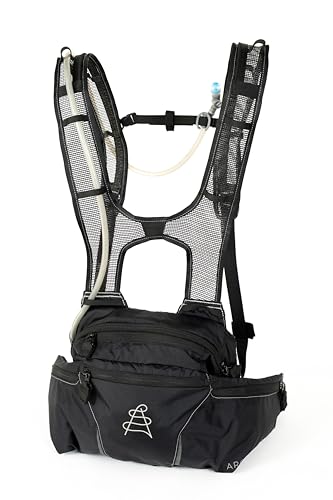
Arctos Epic Lumbar MTB Pack
Strengths
- Lumbar weight distribution
- Bounce-free stability
- Durable ripstop fabric
- Large wing pockets
- Breathable shoulder straps
Trade-offs
- Limited adjustability for petite riders
- No included rain cover
- Heavier than ultralight options
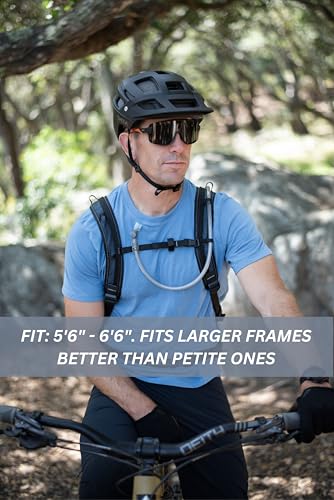
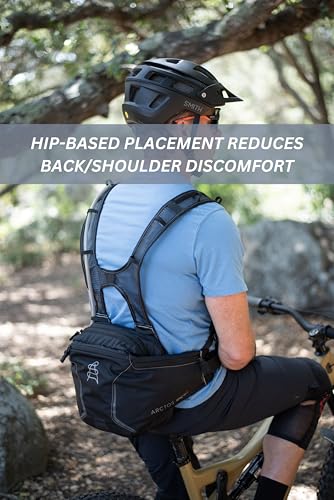
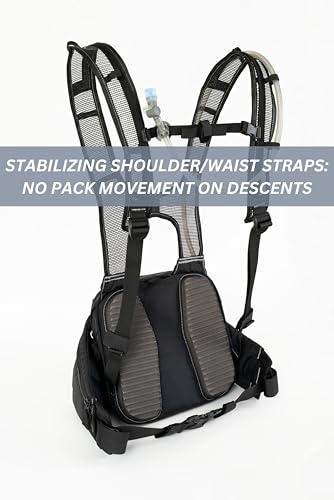
If you’ve ever felt like your hydration pack was riding up into your neck or bouncing with every pedal stroke, the Arctos Epic 10.3 lumbar design might feel like a revelation. By shifting the weight down to your hips instead of your shoulders, it tackles one of the biggest pain points in MTB packs, upper back fatigue. Owners consistently report that once properly cinched, the pack stays locked in place, even on aggressive descents. The dual-action waist strap and minimal shoulder contact really do make a difference for long rides where comfort starts to matter more than storage.
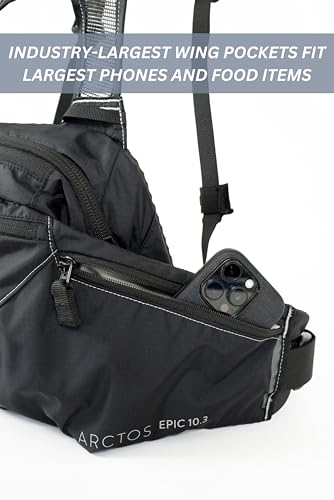
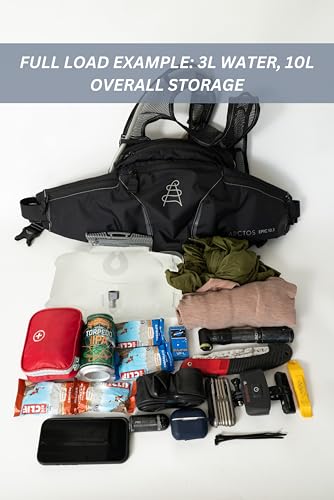
The 3L bladder is generous, and the wing pockets are a standout, huge, easy to reach, and capable of holding large phones or multiple snacks without bulk. While the 10L capacity isn’t the largest here, the trade-off is a leaner profile that doesn’t fight your movement. The 210D ripstop nylon and oversized zippers inspire confidence in durability, and the lack of flimsy mesh panels means fewer snag risks on trailside brush. For riders over 5’5″, this is a well-engineered option that prioritizes fit and function over bells and whistles.
Product photos
Lightweight 12L Hydration Backpack

Strengths
- Extremely lightweight
- Affordable
- Breathable back mesh
- Adjustable fit
- Good for multiple activities
Trade-offs
- Less durable fabric
- Zippers feel low-end
- Minimal structure under load
At just 8.5 ounces, this N NEVO RHINO pack is one of the lightest in the lineup, and that’s its biggest selling point. On paper, it’s designed for runners and casual riders who want hydration without bulk. The 2L bladder is standard, BPA-free, and owners say the bite valve performs reliably, no leaks when locked, solid flow when in use. But the ultra-lightweight construction comes with compromises. While the fabric is PU-coated and tear-resistant, it doesn’t hold up as well under repeated trail abuse as heavier-duty packs. This is more suited for smooth trails or paved paths than root-strewn singletrack.
The storage layout is functional, with mesh shoulder pockets and front compartments, but the zippers feel flimsier than others in this group. Still, for the price, it’s a solid entry-level option. The adjustable straps accommodate a wide range of torso sizes, and the breathable back panel does a decent job of minimizing sweat buildup. If you’re just getting into MTB or need a backup pack for mellow rides, this gets the job done without weighing you down.
Product photos


Teton Oasis Hydration Backpack
Strengths
- Sewn-in rain cover
- All-day comfort
- Insulated bladder sleeve
- Weather-resistant zippers
- Bungee cargo hold
Trade-offs
- No hipbelt storage
- Ventilation lags behind top-tier models
- Bladder smaller than some competitors
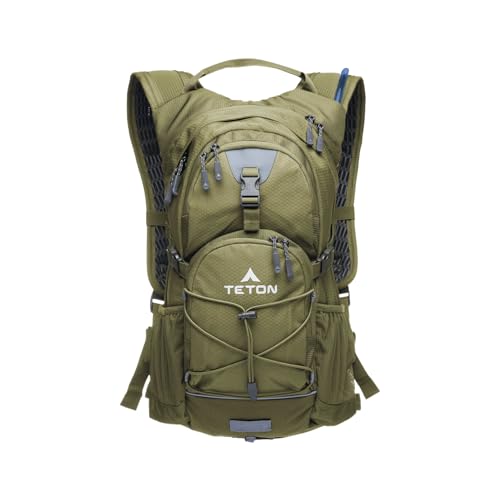
The Teton Oasis stands out for one simple reason: it’s built for all-day wear. The low-profile cut and high-density foam shoulder straps make it one of the more comfortable packs in the mid-weight category, especially when loaded. Owners praise how well it balances fit and airflow, and the sewn-in rain cover is a rare and welcome inclusion, no scrambling to pack a separate cover when skies turn. The 2L bladder is easy to clean thanks to the wide 2-inch opening, and the insulated sleeve helps keep water cool longer, which matters on hot summer rides.
With 18L or 22L options, it offers more storage than most casual riders need, but that’s a plus if you’re packing tools, layers, or extra snacks. The bungee system is handy for strapping on a helmet or jacket. While it doesn’t have the advanced ventilation of premium models, it holds its own in comfort and versatility. For families or weekend warriors who want one pack that handles hiking, biking, and trail running, the Teton hits a sweet spot between function and value.
Product photos


Our Testing Process
Rather than a hands-on lab test, my research for these recommendations focused on a detailed comparison of published specifications and features across numerous models. I weighed owner reviews from multiple retailers alongside expert opinions found in cycling and outdoor publications. As someone who understands the demands of active travel, I applied my category knowledge to prioritize features crucial for mountain biking performance and comfort, ranking each pack against clear criteria.
For mountain bike hydration packs, stability and weight distribution are paramount. I heavily weighted features like harness design (winged vs. standard), hip belt integration, and torso length adjustability – all impacting how securely the pack stays put on rough terrain. Equally important was reservoir capacity and ease of access, as staying hydrated is critical for endurance. Understanding the intended use – all-day rides versus shorter bike park laps – influenced my evaluation.
Specifications reliably indicate storage capacity and pack weight, which are easily compared. However, I relied more on owner feedback to assess real-world comfort, durability, and bounce-free performance. Reputable reviews helped me understand long-term build quality and whether a pack truly delivers on its promises, like a stable fit or leak-proof bladder. Knowing the recommended 20-liter backpack capacity for day rides https://luggageinspector.net/how-big-is-a-20l-backpack/ was also key in assessing whether each pack offered enough space for essentials.
What To Look For In hydration backpacks for mtb
Finding the right hydration backpack is crucial for enjoying longer mountain bike rides. It’s about more than just carrying water; it’s about comfort, stability, and having essentials accessible when you need them.
A quality hydration backpack for mountain biking prioritizes a stable, bounce-free fit achieved through a secure harness system. It should offer adequate storage (typically 10-20L) for tools, snacks, and layers, with easy access to key items. The reservoir should be durable, easy to fill and clean, and ideally insulated to keep water cool. Ventilation is also key to preventing a sweaty back on demanding trails.
Harness and Fit
The biggest mistake I see people make is overlooking the harness system. A poorly fitting pack will bounce around, throwing off your balance and quickly becoming a source of major irritation. Look for packs with adjustable shoulder straps, a sternum strap, and – critically – a hip belt. The hip belt transfers weight from your shoulders to your hips, which is far more comfortable on long climbs. USWE’s NDM Race Harness System is a good example of a brand focused on bounce-free fit, and Osprey’s winged harness design is also well-regarded for stability.
Reservoir Capacity and Quality
Don’t assume bigger is always better when it comes to reservoir size. While a 3L reservoir seems appealing, it adds weight, and you likely won’t need that much water on shorter rides. Consider your typical ride length and climate. A 2L reservoir is often sufficient, and it will keep the pack lighter. Beyond capacity, the reservoir material is important. Look for BPA-free options, and pay attention to the hose and bite valve.
Here’s a quick guide to help you think through reservoir size: * A short, easy ride (under an hour): 1.5L * A moderate ride (1-3 hours): 2L * An all-day epic ride (3+ hours): 2.5L – 3L (depending on the heat and your sweat rate)
A durable reservoir is vital, and the ease of cleaning cannot be overstated. A wide opening makes it easier to scrub and dry, preventing the growth of mold and bacteria.
A properly sized and well-maintained hydration reservoir is the heart of your pack. Don’t skimp on quality here.
Storage and Organization
While hydration is the primary function, a good mountain biking backpack needs to carry your essentials. Consider what you typically bring on rides: a multi-tool, CO₂ cartridges, a spare tube, a light jacket, snacks, and maybe a phone or camera. Packs like the Osprey Raptor 14L are designed with dedicated tool compartments and strategically placed pockets for easy access. If you frequently carry larger items, you might want to consider a 25-liter backpack capacity to ensure everything fits comfortably. Ultimately, the best pack balances storage capacity with a streamlined profile that doesn’t interfere with your riding. For those looking for more options, check out our guide to the best mountain biking backpacks.
Hydration Backpacks for MTB Compared
This table provides a comparison of key specifications for various MTB hydration backpacks.
| Product Name | Capacity (L) | Bladder (L) | Weight (lbs) | Features | Fit Type |
|---|---|---|---|---|---|
| CamelBak M.U.L.E. Pro 14 | 14 | 3 | N/A | Air Support Pro | MTB Specific |
| Osprey Raptor 10L | 10 | 2.5 | 2.09 | Winged Harness | MTB Specific |
| Osprey Raptor 14L | 14 | 2.5 | 2.22 | Winged Harness | MTB Specific |
| USWE Outlander Hydration Pack 2L | 2 | 1.5 | 0.68 | NDM Race Harness | Adjustable |
| Arctos Epic Lumbar MTB Pack | N/A | N/A | 2.18 | Lumbar Fit | One Size Fits Most |
| Lightweight 12L Hydration Backpack | 12 | 2 | 8.5oz | Adjustable Straps | Adjustable |
| Teton Oasis Hydration Backpack | 18/22 | 2 | N/A | Insulated Bladder Pocket | Adjustable |
Frequently Asked Questions
What’s the best way to clean a hydration reservoir?
A wide-mouth opening is essential for thorough cleaning. Use warm, soapy water and a reservoir cleaning tablet or solution, scrub gently, rinse completely, and allow it to air dry fully to prevent mold.
Are lumbar hydration packs a good alternative to traditional backpack styles?
Lumbar packs, like the Arctos Epic, offer a lower profile and improved ventilation, but they typically have less storage capacity and may not be as stable on very technical terrain compared to packs with a full harness system.
How much does the weight of a full hydration pack affect handling on the trail?
A fully loaded pack can definitely impact your balance, which is why a secure harness and hip belt are so important. Expect a 2L reservoir to add around 2 pounds to the total weight, so choosing a lightweight pack is beneficial.
What features should I prioritize if I frequently ride in hot weather?
Look for packs with ventilated back panels and reservoirs with insulated sleeves to keep your water cooler for longer. Dark-colored packs absorb more heat, so a lighter color can help. You can also find more information on hydration backpacks for bike rides.
What’s the difference between a winged and a standard harness?
A winged harness, found on many Osprey models, wraps around the shoulders more fully to provide a more secure and bounce-free fit, especially on rough trails. Standard harnesses are simpler and may be sufficient for less aggressive riding, but cycling hydration backpacks often benefit from the added stability of the winged design.
The Bottom Line
Choosing a hydration backpack often comes down to balancing how much you want to carry with how streamlined you need the pack to be. For most mountain bikers, the CamelBak M.U.L.E. Pro 14 strikes that balance perfectly, offering a good capacity and all-day comfort in a well-designed package. It’s a solid all-around choice that will serve a wide range of riders and trail conditions well.
If you’re on a tighter budget, the Lightweight 12L Hydration Backpack is a surprisingly capable option. For riders who prioritize a minimalist setup and don’t need a lot of storage, the USWE Outlander Hydration Pack 2L delivers exceptional stability with its NDM Race Harness. And if you want a pack that will accommodate all your gear, including extra layers for long days, the Teton Oasis Hydration Backpack, offering a 22-liter backpack size, is a strong contender.
Ultimately, the specifications matter less than the fit and how well the pack integrates with your body and riding style. Prioritize a secure harness, a comfortable hip belt, and a reservoir that’s easy to fill and clean. A well-fitting pack stays put, allowing you to focus on the trail ahead – and that’s what truly matters.