Defining the Tote Purse: A Complete Guide to Styles & Uses
This post contains affiliate links. As an Amazon Associate, we earn from qualifying purchases.
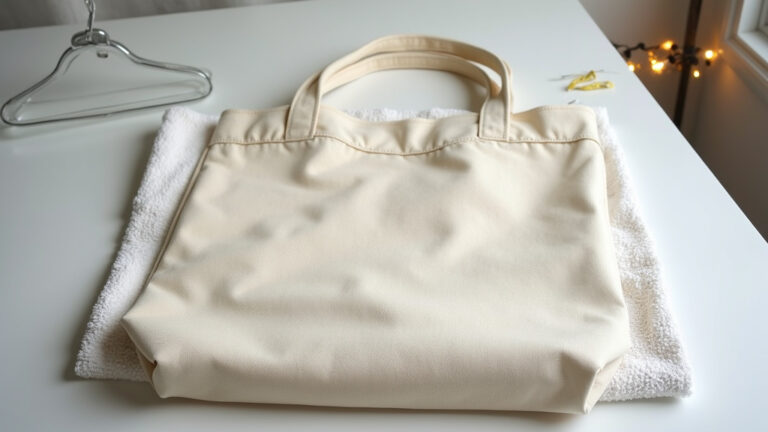
A tote purse is a large bag, typically with an open top and two parallel handles, designed to carry items by hand or over the shoulder. The word “tote” means “to carry,” and these bags prioritize capacity and ease of access over secured closure.
Most people think a tote is just a simple sack. They grab a cheap canvas one, stuff it, and wonder why their laptop feels unprotected or their wallet falls out when they bend over. That’s the mistake. A modern tote purse is a tool, and like any tool, its design dictates its function.
This guide breaks down what a tote purse actually is, from its 19th-century origins to its current role as a workhorse for professionals, travelers, and daily life. You’ll learn how to match a tote’s features to your specific needs and avoid the common pitfalls that turn a useful bag into a frustrating burden.
Key Takeaways
- The classic tote is defined by its large, open-top compartment and sturdy parallel handles, but modern versions often include zippers, laptop sleeves, and padded straps.
- Material choice drives performance: leather offers longevity and structure, canvas provides lightweight flexibility, and nylon balances durability with weather resistance.
- For travel, a tote’s dimensions must comply with airline baggage policies as a personal item; a 16″ x 12″ x 6″ size typically fits under the seat.
- Wide, padded straps are critical for ergonomics if you carry heavy loads; narrow straps concentrate weight on a single shoulder point and cause fatigue within an hour.
- The environmental benefit of reusable totes, especially cotton, is only realized after 50 to 100 uses; buying one for a single grocery trip is worse than using a plastic bag.
The Anatomy of a Tote: Key Features Explained
Look at any tote purse and you’ll see three universal elements. First, a large main compartment. Second, two handles rising from the sides. Third, a lack of complex framing or multiple external pockets. That’s the blueprint.
The open top is the signature. It allows you to drop items in quickly without fiddling with flaps or zippers. That’s why teachers, who need to access papers and books constantly, have historically favored them. The trade-off is security. Anything inside is visible and can fall out if the bag tips.
A tote bag is characterized by a single large, unfastened main compartment, parallel handles emerging from its sides, and a simple structural design that prioritizes carrying capacity over secured organization. Its dimensions typically range from 10 to 18 inches in width, with a depth of 4 to 8 inches.
Modern designs address this with added features. A zipper closure transforms the bag from a open carrier to a secured purse. Interior pockets, key clips, and laptop sleeves add organization. A reinforced base, often with a plastic or cardboard panel, prevents sagging and protects contents from damp surfaces.
The handles are not just attachment points. Their length determines how you carry the bag. Short handles force a hand-carry grip. Longer handles allow the bag to swing over your shoulder. Width and padding matter more than people think. A narrow strap digs into your shoulder after carrying a laptop and a few books for 20 minutes. A wide, padded strap distributes that weight.
TL;DR: A tote’s core design is a big open box with two handles. Modern versions add zippers, pockets, and padded straps to solve the security and comfort problems of the classic shape.
From Ice Bags to IT Bags: A Brief History
The term “tote” entered American English in the late 1600s, meaning “to carry” people. By the 19th century, it shifted to carrying goods. The phrase “tote bag” first appeared in print in 1900.
L.L. Bean’s “Ice Bag,” introduced in the 1940s, is a direct ancestor. It was a simple canvas sack with handles, sold to carry blocks of ice. Its utility was its entire marketing pitch. In the 1950s, designer Bonnie Cashin elevated the concept, creating structured, fashionable totes for Coach. She added colors, better materials, and a sense of style, bridging the gap between tool and accessory.
That dual identity persists. Today, a tote can be a $15 grocery carrier or a $400 designer statement. The functional DNA is the same: capacity and ease. The fashion layer changes the materials, colors, and detailing.
Common mistake: Assuming all totes are inherently eco-friendly. A cotton canvas tote must be reused between 50 and 100 times to offset the environmental cost of its production compared to a single plastic bag. Buying one for occasional use is less sustainable than reusing a plastic bag a handful of times.
The tote’s journey from ice carrier to ubiquitous accessory explains its versatility. It was never designed for a single purpose. That’s why it fits so many.
Material Matters: What Your Tote is Made Of
The fabric or leather your tote is constructed from dictates its lifespan, weight, care routine, and appropriate occasions. This isn’t a minor detail. It’s the first decision.
Canvas and Cotton are the classic choices. They’re lightweight, flexible, and often machine-washable. A canvas tote crumples into a backpack side pocket when empty. It’s the pick for casual use, grocery runs, or beach days. The downside is lack of structure. It won’t protect a laptop from a drop, and the fabric absorbs stains.
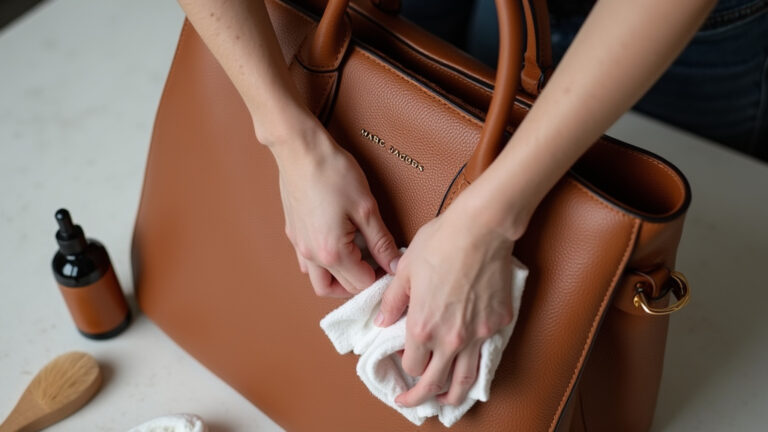
Leather, both genuine and synthetic, offers structure and durability. A leather tote maintains its shape, defends contents from minor impacts, and develops a patina over years. It transitions from a work bag to a weekend bag seamlessly. Care is specific: leather-safe conditioner, soft cloth cleaning, and zero water exposure. It’s also heavier.
Nylon and Polyester are the technical materials. They’re often water-resistant, lightweight, and incredibly durable against abrasion. These are the bags for travel, hiking, or daily commutes in rainy climates. They clean with a damp cloth and dry fast.
Jute and Other Natural Fibers represent the eco-friendly niche. Jute is minimally processed, biodegradable, and has a distinctive textured look. It’s less common, but it answers the demand for sustainable materials beyond recycled plastic. It’s stiff and not as soft against clothing.
| Material | Best For | Weight & Care | Lifespan Expectation |
|---|---|---|---|
| Canvas / Cotton | Casual use, groceries, beach | Light; machine washable | 1-3 years with heavy use |
| Leather | Work, professional settings, daily purse | Heavy; conditioner & cloth | 5+ years with proper care |
| Nylon / Polyester | Travel, commute, outdoor activities | Light; wipe clean, water-resistant | 3-5 years, high abrasion resistance |
| Jute / Natural Fibers | Eco-conscious choice, distinctive look | Medium; spot clean, air dry | 2-4 years, biodegradable |
Choosing a material is about matching the bag’s job to its physical properties. A travel tote needs nylon’s weather resistance. A work tote needs leather’s structure. A grocery tote needs canvas’s lightness and washability.
The Modern Tote’s Many Roles: Use Cases Defined

A tote purse doesn’t have a single job. It’s a multi-tool. Its size and openness make it adaptable, but that adaptability means you must pick the right variant for the task.
As a Work Bag: This requires a structured tote, often with a zipper closure. Interior organization is critical—a padded laptop sleeve, a phone pocket, a pen slot. The bag must stand upright on the floor without collapsing. Leather or stiff nylon works here. Dimensions must accommodate a standard 15-inch laptop, a notebook, and a lunch container. Many professionals use a tote as their sole bag, complying with personal item regulations on commuter flights.
As a Travel Companion: For air travel, a tote often serves as the personal item alongside a roller bag. Its size must fit under the seat, which means checking carry-on bag dimensions for your airline. For Delta Air Lines baggage allowance, a tote under 18″ x 14″ x 8″ typically qualifies. A zipper closure is mandatory for security during transit. Lightweight nylon is ideal. This role overlaps with needing to understand TSA security regulations for what you pack inside.
As an Everyday Purse: This is the replacement for a traditional handheld purse. It holds wallet, phone, keys, sunglasses, and a small water bottle. An open-top or magnetic snap closure provides quick access. Style becomes a bigger factor. This is where designer totes and fashion trends enter.
As a Grocery or Beach Bag: The classic canvas tote shines here. Capacity is the only goal. Open top for easy loading, machine-washable fabric for cleaning sand or spills. No organization needed. This is the pure utility application.
TL;DR: Match the tote’s features to its primary job. Work demands structure and organization. Travel demands size compliance and security. Everyday use balances capacity with style. Utility tasks need simple, washable capacity.
Choosing Your Tote: The 5-Step Match

Buying a tote isn’t about picking the prettiest one. It’s a functional selection process. Follow these five steps to avoid buying a bag that fails at its job.
- Define the Primary Use. Write down the single most frequent task. Is it carrying a laptop to work? Serving as your carry-on and personal item combo on Southwest Airlines? Being a grocery sack? That answer narrows the field immediately. A bag designed for one role will perform poorly in another.
- Measure Your Essentials. Gather the items you’ll carry every time. Lay them out and measure their total bulk. Your tote’s interior must exceed those dimensions. If your laptop is 15″ wide, the tote’s interior width must be at least 16″. This step prevents buying a bag that’s visually large but functionally cramped.
- Select the Material. Refer to the material table above. If your use is travel, nylon’s water resistance is key. If it’s work, leather’s structure protects your tech. If it’s casual and washable, canvas works. Don’t choose leather for a beach bag; saltwater ruins it.
- Test the Handles and Straps. This is the ergonomics check. If you’ll shoulder-carry heavy loads, the straps must be wide and padded. Narrow straps cause concentrated pressure points. Also, check handle length. Some totes have handles too short for comfortable shoulder drape, forcing an awkward hand-carry.
- Evaluate Closure and Organization. Decide on security needs. An open-top is fine for groceries. A zipper is mandatory for travel or urban commuting. Magnetic snaps offer a middle ground. Look inside. Do you need a laptop sleeve? A key clip? Multiple pockets? The interior layout should mirror how you organize your items.
I bought a beautiful canvas tote with thin leather handles for work. It looked great empty. After a week of carrying a laptop, a binder, and my lunch, the handles dug into my shoulder so badly I had to switch bags by midday. I now measure strap width before buying—anything under 1.5 inches is a red flag for heavy loads.
Skipping any step leads to a mismatch. The most common failure is step one: people buy a tote for “everything,” and it’s not optimized for anything. It becomes a frustrating compromise.
The Sustainability Question: It’s About Reuse, Not Material
Tote bags are marketed as eco-friendly alternatives to plastic bags. That’s only true if you use them enough. The environmental cost of manufacturing a bag, especially a cotton one, is significant.
Studies show a cotton canvas tote needs to be reused 50 to 100 times to break even with the lifecycle impact of a single plastic bag. If you buy a cute cotton tote and use it twice before it sits in a closet, you’ve increased your environmental footprint. A recycled polypropylene bag needs about 20 reuses.
The green choice isn’t about buying a tote made from “eco-material.” It’s about committing to reuse one bag relentlessly. Keep it in your car, by your door, in your backpack. Use it until it wears out. That’s the actual sustainable practice.
Buying multiple totes for different occasions, while common, undermines the environmental argument. One durable tote used for groceries, library trips, and casual carry for years is the goal.
Frequently Asked Questions
Is a tote purse the same as a handbag?
No. A handbag is a broader category that includes clutches, satchels, and crossbody bags. A tote purse is a specific type of handbag defined by its large open compartment and parallel handles. Many handbags are smaller and have more structured closures.
What size tote bag can I bring on a plane as a personal item?
Most airlines require a personal item to fit under the seat. A common maximum size is 18 inches long, 14 inches wide, and 8 inches deep. Always check your specific carrier’s carry-on baggage restrictions, as Frontier Airlines personal item dimensions and Spirit Airlines baggage rules are often stricter than major carriers.
Are tote bags good for work?
They can be excellent, if chosen correctly. For work, select a tote with a zipper closure, a reinforced base, a padded laptop sleeve, and wide straps. A floppy, open-top canvas tote is not suitable for protecting work electronics and documents.
How do I clean a leather tote purse?
Never use water. Use a soft, dry cloth for dust. For deeper cleaning, apply a leather-safe conditioner with a cloth, following the product instructions. Store it in a cool, dry place away from direct sunlight to prevent fading and drying.
What’s the difference between a tote and a shoulder bag?
shoulder bag typically has a single, longer strap designed to be worn over the shoulder. A tote has two parallel handles that can be used for hand-carry or shoulder-carry. The tote’s handles are usually attached at the sides of the bag, while a shoulder bag’s strap is often attached at the ends.
Before You Go
A tote purse is more than a simple sack. Its design history is about utility evolving into style. Your choice should be driven by a clear primary use—work, travel, daily carry, or utility. Material dictates performance and care. Dimensions must match your essentials and comply with travel rules when needed.
Wide straps are a non-negotiable for heavy loads. Closure type decides security. And the eco-friendly claim only holds if you reuse the bag dozens of times. Pick one tool-like tote that fits your dominant need, and let its simplicity do the work.