Using a Duffle Bag for Checked Luggage: The Complete Guide
This post contains affiliate links. As an Amazon Associate, we earn from qualifying purchases.
Yes, duffle bags are allowed as checked luggage by every major airline, provided they meet the same three rules as any other bag: they must be within the airline’s size and weight limits, they must be able to close securely, and they cannot contain prohibited items. The ISO standard for baggage handling sets a minimum weight of 5 pounds and a minimum shortest dimension of 5 inches to avoid jamming automated systems, which is why a flimsy, half-empty gym bag might be flagged.
The airline does not care if your bag has wheels or a hard shell. The gate agent cares about three numbers: the total linear inches (length + width + height), the weight in pounds, and whether the bag can survive the automated baggage system without bursting open. A duffle fails on the last point more often than the first two.
What follows is the breakdown of those three rules, the specific failure points for soft-sided bags, and the one piece of gear that turns a duffle from a liability into a reliable checked bag.
Key Takeaways
- Airlines follow the IATA passenger baggage rules, which recommend a 50-pound weight limit per bag for health and safety reasons, but the real limit is your airline’s specific policy.
- The ISO 12604-1:2017 standard sets a minimum bag weight of 5 pounds and a minimum shortest side of 5 inches, a half-empty duffle can be rejected for being too light or floppy.
- TSA checked baggage screening under 49 CFR 1544.203 requires every bag to be inspected for explosives; a bag that cannot close securely or looks unstable may be refused.
- Shoulder straps and dangling loops are the number one cause of duffle bag damage in baggage systems, tuck them in or remove them.
- For most trips, a structured travel duffle like the Patagonia Black Hole or The North Face Base Camp is the default pick. For a trip with fragile items or long airport walks, a wheeled suitcase always wins.
The 3 Rules That Actually Matter
Airlines publish long lists of baggage rules. For a duffle bag, only three determine if it gets a tag or gets turned away.
The part nobody mentions: The international ISO 12604-1:2017 standard for baggage handling systems specifies that a “standard” piece of baggage must weigh at least 2 kg (about 5 lbs) and have a shortest dimension of at least 120 mm (about 5 in). Bags lighter or smaller can jam automated conveyors. That’s why a near-empty duffle might get a second look.
Rule 1: The Size Limit is About a Box, Not a Bag.
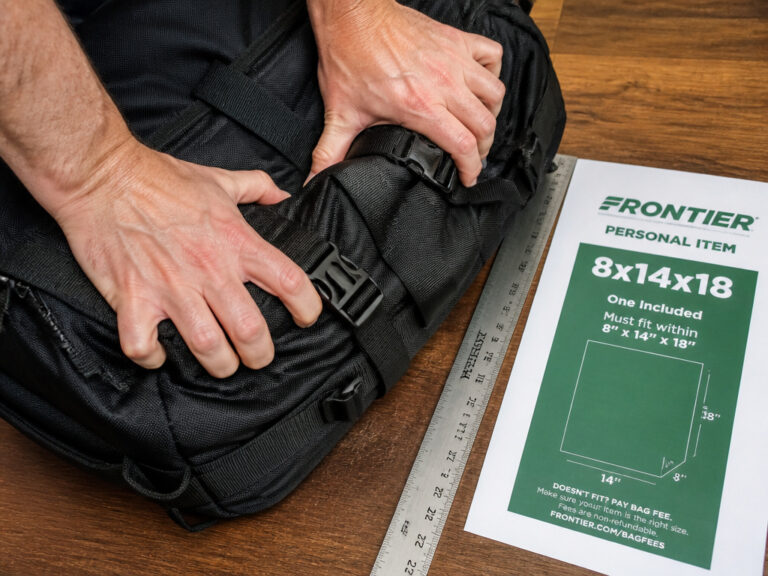
Airlines measure checked luggage by total linear inches, length + width + height. The common maximum is 62 linear inches (158 cm). The trick is measuring a soft duffle after it’s packed. A bag that sits at 55 inches empty can bulge to 65 inches when stuffed.
You measure at the bag’s widest points, including any external pockets, wheels, and handles. If your duffle has a structured frame, use those dimensions. If it’s a soft sack, pack it as you would for travel, then measure.
| Airline Common Limit | Linear Inches | Weight | What It Means for a Duffle |
|---|---|---|---|
| Standard Economy (Domestic & Int’l) | 62 in (158 cm) | 50 lbs (23 kg) | The typical ceiling. A large, packed duffle will hit this. |
| Oversize Threshold | 63–80 in (160–203 cm) | 51–70 lbs (24–32 kg) | Triggers a fee (often $100–$200). A grossly overstuffed duffle lands here. |
| ISO Minimum (for systems) | N/A | 5 lbs (2 kg) | Bags below this can tumble or jam on conveyors. |
Rule 2: The Weight Limit is a Hard Ceiling.
The IATA passenger baggage rules cite 23 kg (50 lbs) as a health and safety guideline for baggage handlers. In the U.S., that’s the standard economy allowance. Go over by even a pound, and you’re paying an overweight fee, usually $100 or more.
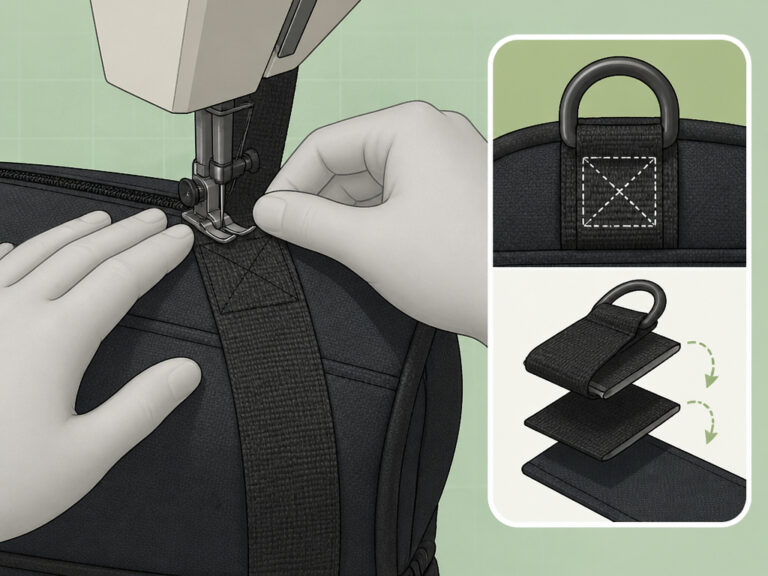
A duffle’s lack of structure is a weight trap. Without a rigid frame, the weight distribution feels heavier on your shoulder, tempting you to pack more. A cheap duffle’s seams and straps will fail right around the 50-pound mark. A quality one, like the Patagonia Black Hole 70L, uses reinforced bar-tacking at stress points to handle the load.
Rule 3: It Must Survive the System Unassisted.
This is where duffles fail most often. The TSA checked baggage screening process mandated by 49 CFR 1544.203 regulation requires every bag to be inspectable and secure. A bag that can’t close fully, has loose straps, or looks like it will burst open can be refused.
The FAA Part 121.589 rule further requires airlines to ensure all baggage is stowed securely. A floppy, unstable bag is a liability. The agent’s call is final. If your duffle looks like a overstuffed laundry sack, they can and will ask you to repack it or check a different bag.
Where Duffles Get Rejected (And How to Fix It)
The conveyor belt system is a series of rollers, belts, and chutes. It is not gentle. Your duffle will be dropped, tossed, and squeezed.
Common mistake: Leaving shoulder straps dangling. A loose strap catches on a conveyor diverter, and the entire bag gets yanked. The strap tears, the bag rips open, or it gets pulled into a mechanism and jams the line. You see the bag later with a “damaged by airline” tag and a torn shoulder strap.
Problem 1: The Floppy Bag.
A duffle with no internal structure can fold over on itself on a conveyor. If it’s under-packed, it can also tumble. The ISO standard’s 5-inch minimum dimension rule exists because very thin bags get stuck.
Fix: Use packing cubes. They add internal structure and keep the bag’s shape more rectangular. For a truly floppy bag, a simple cardboard insert cut to size in the bottom panel works.
Problem 2: The Overstuffed “Ball”.
When you force the zipper closed on a bulging duffle, you create a spherical shape. Spheres roll unpredictably. They also put immense pressure on the zipper teeth. One hard impact and the zipper blows out, scattering your clothes across the tarmac.
Fix: Leave 10% empty space. If you have to sit on the bag to zip it, you’ve lost. A good duffel bag as a personal item for under the seat can be stuffed; a checked bag cannot.
Problem 3: The Snag Hazard.
This is straps, loose webbing, dangling carabiners, or flappy compression straps. Anything that protrudes can catch.
Fix: Before you check it, walk around the bag and secure every loose end. Tuck straps into the carry handles or through a loop. Remove detachable straps entirely and pack them inside. If your duffle has external compression straps, buckle them tight against the body.
Duffel vs. Suitcase: Which One for Your Trip?
This isn’t about style. It’s about what’s inside and how far you have to carry it.
A suitcase has a hard or semi-rigid shell. It protects from crushing and keeps its shape. A duffle is a soft sack. It’s lighter, more packable, and often more durable against abrasion, but it offers zero crush protection.
| Scenario | Winner | Why |
|---|---|---|
| Packing fragile souvenirs, electronics, or formal clothes | Suitcase | The hard shell prevents crushing. Internal straps or packing cubes keep items from shifting. |
| Outdoor gear, soft clothing, shoes, non-fragile items | Duffle | Lighter weight means more weight allowance for your stuff. Fits awkward shapes like ski boots or a helmet. |
| Long airport transits, train travel, city breaks | Suitcase | Wheels. Dragging a 40-pound duffle through Heathrow is a workout you didn’t pay for. |
| “Adventure” travel, small planes, bush flights | Duffle | Soft sides are easier to cram into small cargo holds. Often more abrasion-resistant against rough handling. |
| Maximizing packing space in a rental car trunk | Duffle | Molds to odd spaces. Multiple duffles stack better than rigid suitcases. |
The hybrid is a wheeled duffel bag. It has the soft-sided flexibility of a duffle with the rolling convenience of a suitcase. Models like the Eagle Creek Cargo Hauler or The North Face Rolling Thunder split the difference. You lose some internal organization, but you gain mobility.
Where this goes sideways: Checking a cheap gym duffle for a two-week trip. The thin nylon and plastic zippers are rated for a pair of sneakers and a towel, not 30 pounds of gear bouncing through five airports. The seams blow out by the third connection.
How to Prep a Duffle for Check-In
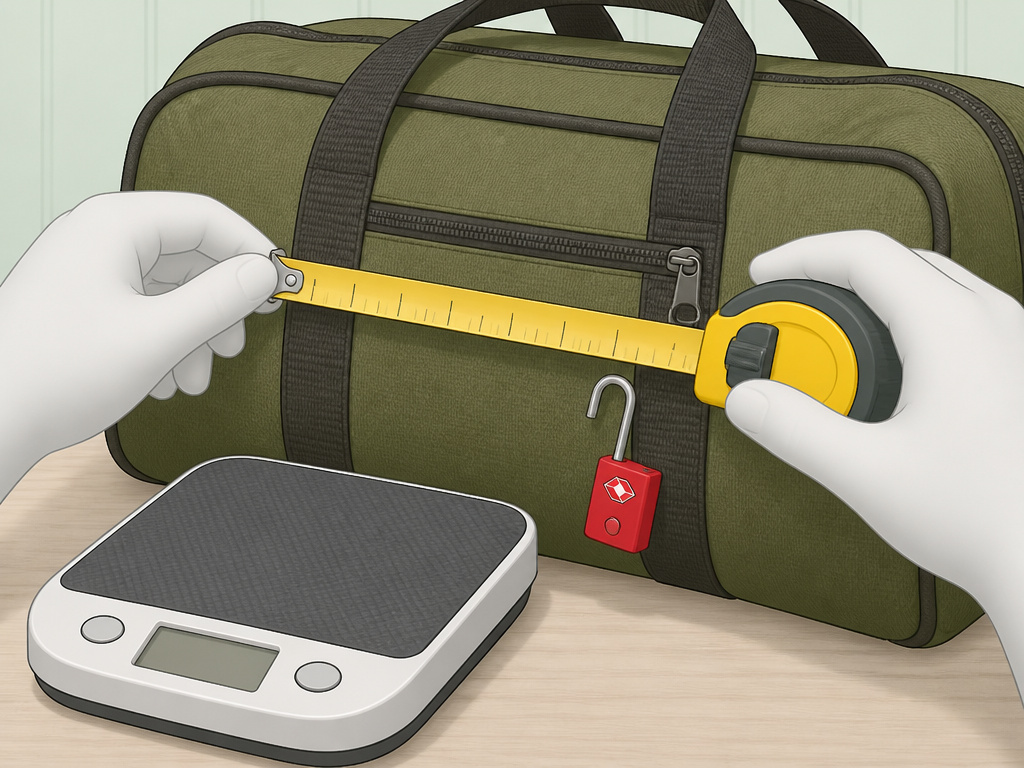
This is a five-minute ritual that prevents a 50-minute argument at the counter.
- Weigh it at home. Use a bathroom scale. Weigh yourself holding the bag, then without it. Subtract. Do not guess. Airport scales are calibrated, and they are always right.
- Measure it packed. Use a tape measure. Length, width, height. Add them. If it’s 61 inches, you’re fine. If it’s 63 inches, you are oversize and owe a fee. Repack or be ready to pay.
- Secure all straps and loops. Tuck, buckle, or remove. This is non-negotiable.
- Lock it with a TSA-recognized lock. Not for theft prevention, for zipper security. It keeps the zipper pulls together so they can’t snag and pull open during handling.
- Add two ID tags. One on the outside handle. One inside, on top of your clothes. Duffles look alike. Make yours identifiable with a bright strap or unique tag.
What about wrapping a duffle in plastic? Some airports offer this service. It can protect against rain and dirt, and it contains any burst seams. It also adds a layer of plastic that must be cut off for TSA security screening. If your bag looks unstable, the wrapping station might refuse it outright.
What Never Goes in a Checked Duffle (Or Any Checked Bag)
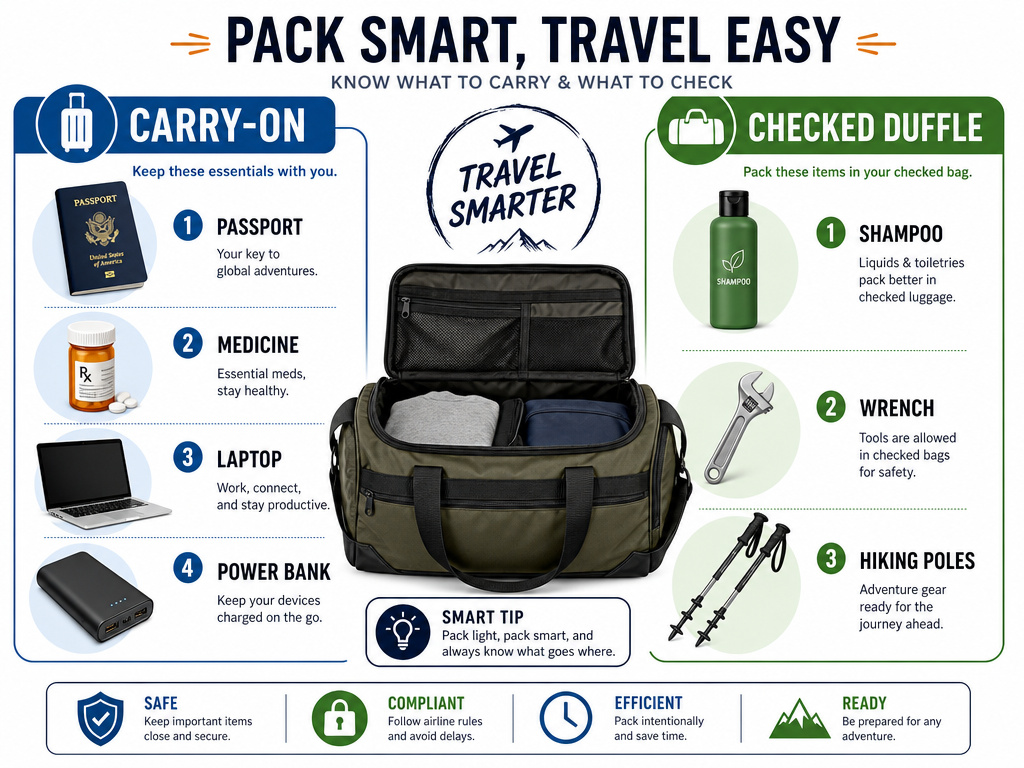
The list of prohibited items for checked luggage is long, but the short version is: anything you can’t replace, anything that is illegal, and anything that could endanger the aircraft.
Keep these in your carry-on:
- Passports, visas, cash, credit cards, keys.
- Essential medication (more than you need for the flight).
- Laptops, cameras, jewelry, fragile electronics.
- Lithium-ion power banks and spare batteries (these are banned in checked baggage).
You can pack these in a checked duffle:
- Standard alkaline batteries (in device).
- Non-flammable liquids over 3.4 oz (shampoo, sunscreen, alcohol under 140 proof).
- Tools under 7 inches in length (check airline rules for sharper items).
- Hiking poles, tent stakes, pack securely to avoid puncture.
The FAA checked baggage standards are clear about hazardous materials. If you’re unsure, the TSA website has a “What Can I Bring?” search tool. Use it.
The One Upgrade That Makes Any Duffle Check-In Ready
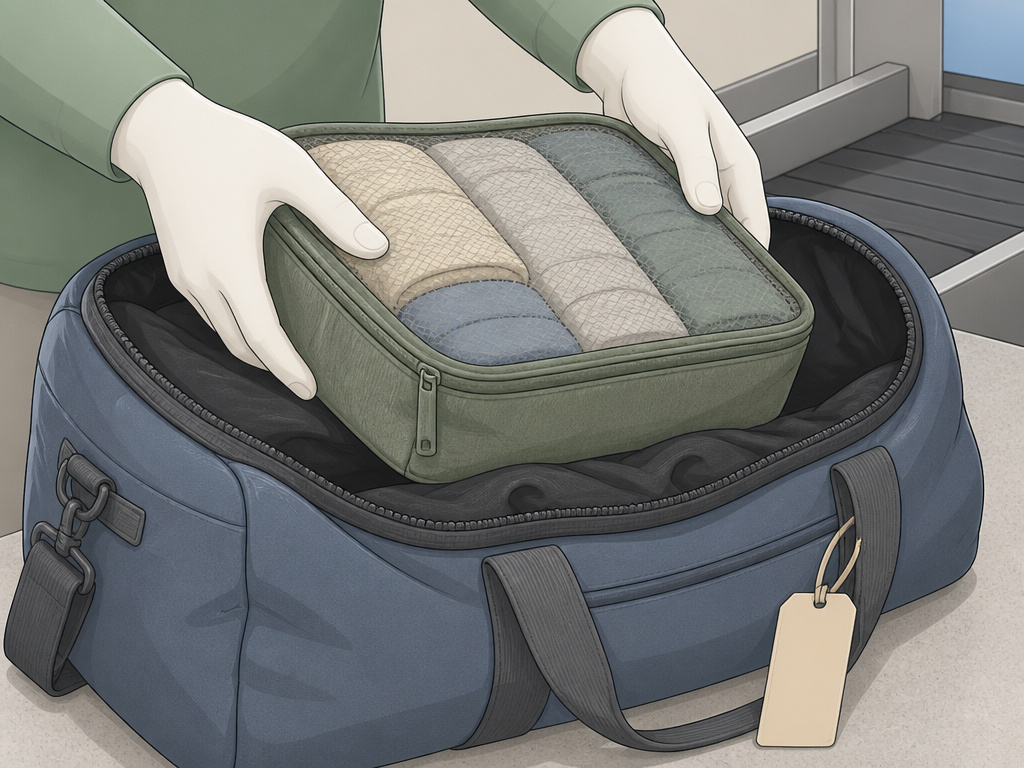
Packing cubes. Not the flimsy ones. Get a set of structured cubes with robust zippers, like those from Eagle Creek or Peak Design.
They solve the three big duffle problems: – They add structure. Cubes turn a soft sack into a blocky, conveyor-friendly rectangle. – They organize. If TSA opens your bag for inspection, your underwear isn’t strewn across the table. They inspect the cube and move on. – They compress. You can fit more in the same space, staying further under the weight limits.
Without cubes, a duffle is a black hole. With them, it’s a manageable, professional piece of checked luggage.
Frequently Asked Questions
Are duffle bags more likely to be damaged than suitcases?
They are more likely to suffer certain types of damage. Suitcases crack. Duffles get torn straps, ripped seams, and blown zippers from overpacking. The damage rate is similar, but the failure mode is different. A good travel duffle made of ballistic nylon with reinforced stitching will outlast a cheap hard-shell suitcase.
Can a gate agent refuse my duffle bag if it looks messy?
Yes. Under airline baggage allowance guidance, the agent has final discretion to refuse any bag that appears unsafe or insecure. A duffle that is bursting at the seams, cannot close properly, or has hazardous protrusions can be rejected. The agent isn’t being difficult; they’re preventing a baggage system jam.
Is a duffle bag okay for international flights?
Yes, the same rules apply. However, international weight limits are often stricter (23 kg/50 lbs is common). Also, some international carriers are more stringent about bag shape and stability. A neat, structured duffle packed within limits will pass. A sloppy, overstuffed one raises flags.
How do I know if my duffle is carry-on or checked size?
Measure it. A standard international carry-on is about 22″ x 14″ x 9″ (45 linear inches). A typical checked duffle starts at 24″ long and goes up. If your duffle is longer than 24 inches, it’s almost certainly a checked bag. When in doubt, check your airline’s specific “carry-on dimensions” page.
Should I put a belt around my duffle bag?
Luggage belt can help keep a overstuffed duffle closed and provide a handle. It does not replace a secure zipper or internal structure. Do not rely on a belt to hold a failing bag together. It’s a backup, not a primary closure.
Before You Go
A duffle bag is a perfectly valid piece of checked luggage. The airline’s system only cares about dimensions, weight, and stability. Your job is to meet those three demands.
Choose a duffle built for travel, not the gym. Measure it packed, not empty. Weigh it at home. Secure every strap. Use packing cubes. If you’re carrying anything fragile or need to roll it more than 100 feet, get a suitcase instead.
The difference between a duffle that arrives fine and one that arrives torn isn’t luck. It’s the five minutes you spend before leaving the house.