SeaWorld San Diego Backpack Rules: What You Can Bring In
This post contains affiliate links. As an Amazon Associate, we earn from qualifying purchases.
Yes, you can bring a backpack to SeaWorld San Diego. All bags are subject to a security inspection at the park entrance. The park’s official policy prohibits large coolers, glass containers, and outside meals, but allows small single-serve snacks (about 2oz or less), one water bottle per person, and medically necessary items with prior approval.
That inspection is non-negotiable. They look for weapons, glass, straws, and large coolers. Your backpack’s size matters less for entry and more for what happens next—most major rides ban loose articles, forcing you into a locker rental or a game of pass-the-bag with a non-rider.
The policy document is clear on the bans. It’s silent on the practical scramble that follows when you’re holding a bag at the base of Shipwreck Rapids.
What follows breaks the rulebook into the three decisions that actually matter: what gets past security, what you do with the bag once you’re inside, and the specific exceptions that bypass the whole system.
Key Takeaways
- Every bag gets inspected. The security line looks for weapons, glass, and large coolers; have your bag open and ready to speed it up.
- Ride attractions ban loose bags. For thrill rides and water rides, you must use a short-term locker or leave your backpack with someone not riding.
- Food allowances are tiny. Only single-serve snacks around 2oz and one water bottle per person are permitted without a medical reason.
- Medical and baby needs are exempt. Formula, baby food, and medically necessary food items are allowed if you notify a team member before the security check.
- Size limits target locker compatibility. While not strictly enforced at the gate, a backpack larger than 24x15x18 inches won’t fit in the ride-side lockers.
The Official Backpack & Bag Policy
SeaWorld San Diego publishes its park policies online. The language is broad, then specific where it counts.
Large hard or soft coolers, glass containers, food, drinks and picnic lunches may not be taken into the park. Guests with medical diets, baby formula or food should seek out a SeaWorld San Diego team member prior to entering the park. All bags, strollers, and other personal items are subject to inspection.
The inspection is a visual check. Security staff will ask you to open main compartments. They are trained to spot the obvious prohibitions: weapons, glass bottles, cans, and large coolers. The goal is throughput, not a deep search. A bag cluttered with loose items slows everyone down.
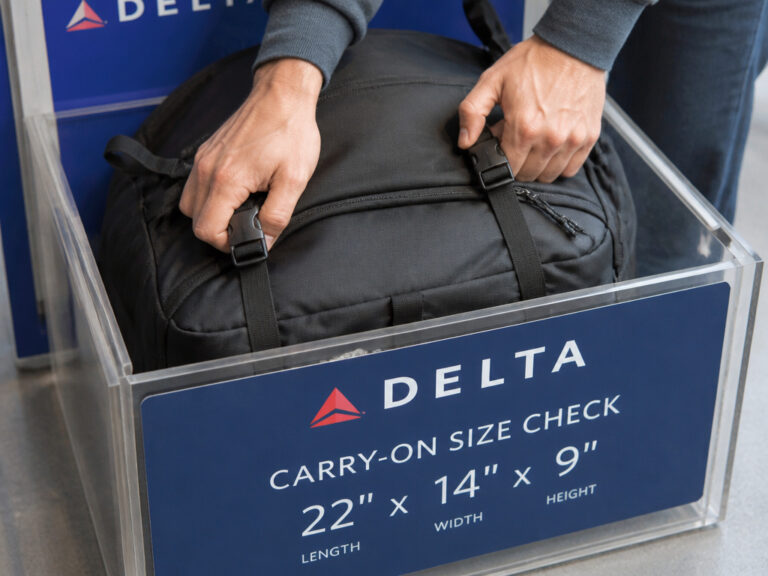
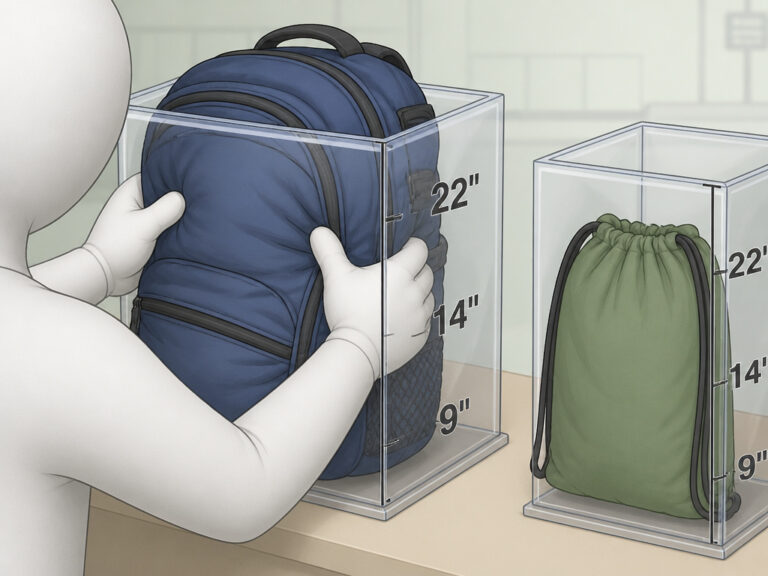
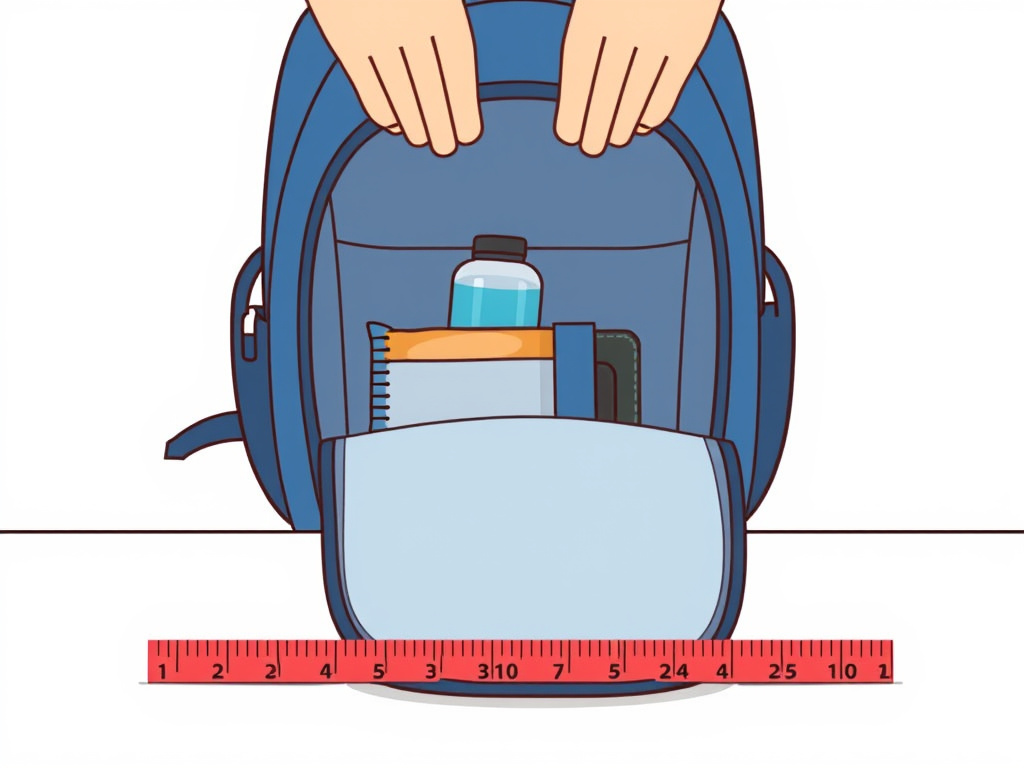
The posted size limit for backpacks is under 24 inches tall, 15 inches wide, and 18 inches deep. This dimension is about locker compatibility, not entrance denial. A bag that fits these specs will slide into the standard rental lockers at ride entrances. A oversized hiking pack might get you through the gate, but it becomes a liability at your first coaster.
Where this goes sideways: Assuming “bag check” is a casual glance. On a busy Saturday, the line stacks up. A guest who has to unpack a jumbled bag at the inspection table holds up dozens of families. That guest is never popular.
What You Can (and Cannot) Bring
The rules split items into three categories: banned, conditionally allowed, and fully allowed.
| Item Category | Allowed at SeaWorld San Diego? | Key Restriction / Note |
|---|---|---|
| Backpacks & Bags | Yes | Subject to inspection; size should be under 24″x15″x18″ for locker compatibility. |
| Water Bottles | Yes | One sealed or refillable bottle per person is permitted. |
| Single-Serve Snacks | Yes | Approx. 2oz or less per item (e.g., small bag of crackers, granola bar). |
| Medical / Baby Food | Yes, with approval | Must seek out a team member before the security line for inspection and clearance. |
| Large Coolers | No | Any hard or soft cooler intended for a full meal is prohibited. |
| Glass Containers | No | Includes bottles, jars, and food containers. Small baby food jars are the only exception. |
| Alcohol & Weapons | No | Strictly prohibited. |
| Tripods & Selfie Sticks | No | Considered a safety hazard on rides and in crowds. |
The single-serve snack definition is the most common point of friction. “Single-serve” means store-bought, individually wrapped portions roughly 2 ounces or less. A family-sized bag of chips split into ziplocks does not qualify. A handful of sealed granola bars does.
Common mistake: Packing a full lunch to save money. Security will turn you away, and you’ll either have to walk it back to your car or surrender it. The picnic areas are outside the park gates for a reason.
Medications and medical devices like EpiPens, insulin, or inhalers are always allowed. Keep them in a separate, clearly labeled pouch and inform security during inspection. This avoids confusion and speeds up the process.
The Security Check & Entry Process
The bag screening happens before you reach the ticket scanners. Lines form at metal tables staffed by security personnel.
The procedure is straightforward:
1. Approach the table with your bag unzipped or opened.
2. The officer will ask you to open main compartments. They may move items with a wand or their hand.
3. If you have medical items or baby formula, you must have already spoken to a team member. They provide a visual cue or pass to the security officer.
4. Once cleared, you close your bag and proceed to the ticket gates.
The entire check takes 30 to 90 seconds per bag when guests are prepared. On peak days (summer weekends, holidays), factor this into your arrival time. The bottleneck isn’t the check itself; it’s the family ahead of you that packed a full picnic and three large glass bottles of soda.
I won’t recommend trying to hide prohibited items. The officers see thousands of bags a day. The consequence isn’t just confiscation—it’s being pulled out of line for a secondary screening, which can eat 15 minutes of your day and draw unwanted attention. It’s never worth the hassle.
The policy is similar to other major theme parks. For example, the bag policy at Hersheypark also mandates inspections and bans coolers, while Cedar Point’s bag policy focuses heavily on size restrictions for ride compatibility. SeaWorld’s stance is squarely in this mainstream.
The Locker Strategy: Don’t Carry It All Day
This is the part most first-time visitors miss. Bringing a backpack in is allowed. Carrying it onto rides is not.
SeaWorld’s thrill rides (Manta, Electric Eel, Shipwreck Rapids) and many family attractions explicitly ban loose articles. This includes backpacks, purses, and even hats. The rule exists for safety—a flying bag on a coaster is a projectile.
You have two choices at each ride:
1. Rent a short-term locker. Small lockers are located at the entrance to major rides. They cost a few dollars for a set period (usually 90-120 minutes). You pay with a credit card.
2. Leave it with a non-rider. Someone in your group stays behind, holding the bags. This works for families with young children or alternating riders.
Where this goes sideways: The Shipwreck Rapids incident. A guest once tried to leave their bag with a stranger in the queue who wasn’t riding. Confusion ensued, the ride op paused loading, and the entire queue waited seven minutes until the guest rented a locker. Don’t be that person.
All-day locker rentals are available near the main entrance. These are larger and cost more. They are best for:
– Storing a change of clothes after water rides.
– Holding purchases you make throughout the day.
– Securing items you don’t need immediate access to.
The decision matrix is simple. If you plan to hop between rides all day, travel light and use the short-term lockers. If you have infants, medical supplies, or are a base camp for your family, the all-day locker near the entrance is a worthwhile investment.
Food, Snacks, and Medical Exceptions
SeaWorld’s food policy is stricter than its bag policy. The default is no outside food or drink. The two exceptions are small and specific.
Exception 1: Single-Serve Snacks & Water
- Water: One plastic or metal water bottle per person. It can be sealed or refillable. Refill stations are available throughout the park.
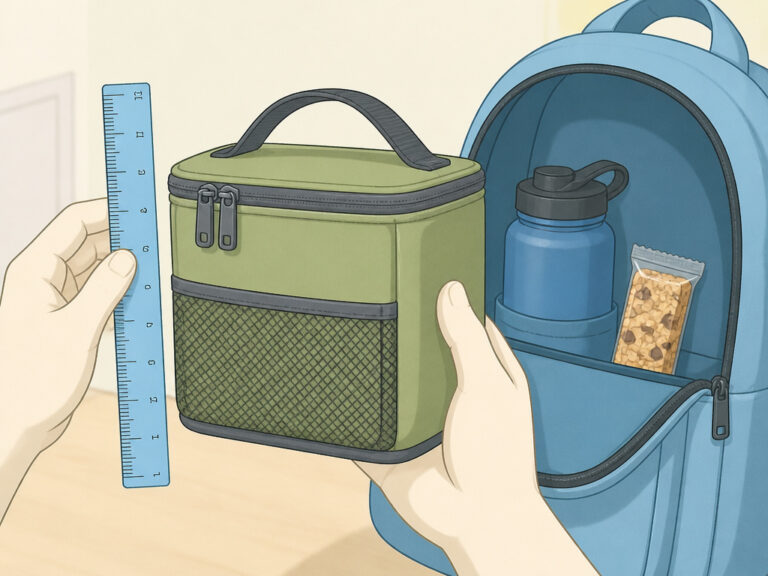
- Snacks: “Approximately 2oz or less” per item. Think a fun-sized candy bar, a small bag of goldfish, or a granola bar. This is not a loophole for a full meal.
Exception 2: Medical & Infant Needs
This is a full exemption, but it requires action on your part.
– Before you get in line: Find a SeaWorld team member (often near guest services or the entrance). Explain you have medically necessary food, baby formula, or baby food.
– They will direct you to a security supervisor for a specific inspection. Your items will be tagged or you’ll receive a pass.
– This includes: Baby formula, pureed food in small jars, and food for documented dietary conditions (e.g., severe allergies, diabetes).
The park’s stance is that their in-house dining, trained by Food Allergy Research and Education (FARE), can accommodate most needs. Bringing your own food is the exception, not the rule. As the BikeHike backpack policy guide notes, the allowance for snacks and water is a courtesy, not an invitation.
Special Case: SeaWorld Camp & Programs
The rules change if you’re attending a SeaWorld San Diego day camp. The camp operates under American Camp Association standards and has its own guidelines.
Campers are encouraged to bring a small backpack or fanny pack. Its purpose is specific: to hold a camp-provided water bottle, sunscreen, a small snack from home, and a camera. Valuables and money should be left at home.
The camp handbook is explicit: “Make sure personal items are labeled. Please leave valuables, including money, at home. SeaWorld is not responsible for lost or stolen items.”
This is a different paradigm. The camp backpack is a utility pouch for a structured day, not a tourist’s cargo hold. It never goes on rides because campers are supervised in groups away from the major attractions. If your child is in camp, pack according to their list—a small, labeled bag with essentials. The general park food policy still applies to any snacks from home.
How This Compares to Other Theme Parks
SeaWorld San Diego’s policy is middle-of-the-road. It’s more permissive than some, stricter than others.
| Park | Backpacks Allowed? | Key Difference from SeaWorld San Diego |
|---|---|---|
| SeaWorld San Diego | Yes, with inspection | No outside meals; single-serve snacks only. Clear medical/baby exemption path. |
| Disneyland Resort | Yes, with inspection | Allows more outside food (no glass). No stated size limit. |
| Knott’s Berry Farm | Yes, with inspection | Similar prohibitions but often cited as having more rigorous size enforcement. |
| Six Flags Parks | Yes, with inspection | Frequently uses clear-bag policies for certain events; more uniform size limits. |
For instance, Knott’s Berry Farm policy on prohibited items is nearly identical, but their security is known to be strict on bag dimensions. Conversely, Busch Gardens backpack policy (a sister park) is functionally the same, given their shared corporate ownership.
The through-line is security inspection. Whether it’s Dollywood’s backpack policy or Six Flags’ bag restrictions, the table check is the universal first step. SeaWorld is not an outlier.
Frequently Asked Questions
Can I bring a hydration bladder backpack?
Yes, but with a caveat. The backpack itself must pass inspection. The hydration bladder must be empty or contain plain water when you enter. Security may ask you to open the reservoir for a visual check. Remember, on rides, you’ll still need to store the entire pack in a locker.
What happens if my backpack is too big?
If your backpack is monstrous, security may question it at entry. Their primary concern is coolers and safety hazards. More likely, you’ll discover the problem at your first ride. The ride-side lockers have fixed dimensions. A pack that doesn’t fit forces you to walk back to the larger, more expensive all-day lockers at the front.
Are fanny packs allowed on rides?
Sometimes. Fanny packs are generally allowed on rides if they are securely fastened around your waist and do not pose a hazard. The ride operator has final say. On high-intensity coasters, they will likely ask you to store it. A fanny pack is a gamble; a locker is a guarantee.
Can I bring a backpack for my baby’s supplies?
Absolutely. Diaper bags are treated as medical/baby necessities. They are exempt from food restrictions and are subject to standard inspection. It’s wise to pack baby food and formula in a separate, easily accessible pouch to simplify the security check.
Does SeaWorld San Diego have a clear bag policy?
No. SeaWorld San Diego does not currently enforce a clear-bag policy for general admission. All opaque backpacks and bags are permitted, provided they pass inspection. Some special events or concerts within the park may institute temporary clear-bag rules, but these are not the norm.
Can I exit and re-enter with my backpack?
Yes. Before you leave, get a hand stamp or a re-entry pass at the exit. When you return, you and your backpack will go through the security inspection again. This means any new purchases or items must also comply with park policies.
The Bottom Line
Pack for inspection, not for convenience. A standard daypack under 24 inches tall works. Fill it with a water bottle, tiny snacks, sunscreen, and a light layer—then expect to rent a locker at every major ride.
The system is built for security and upsells. The bag check filters out hazards. The ride locker policy creates a revenue stream. Your countermove is simplicity. The less you carry, the less you store, the more you actually ride.
If your day depends on medical supplies or baby formula, talk to a team member before you join any line. That conversation turns a potential conflict into a smooth pass.
For everyone else, the rule is simple: a small bag, open at the seams, ready for a look. Do that, and you walk straight through.