7 Best Waterproof Backpack Coolers of 2026
This post contains affiliate links. As an Amazon Associate, we earn from qualifying purchases.
The TOURIT 38 Cans Backpack Cooler is the best overall waterproof backpack cooler, combining strong insulation with smart design. For a budget-friendly option, the SPARTER 33 Cans delivers solid 20-hour cooling and reliable leakproof performance. If you need maximum space, the Hulongo 48Cans offers the largest capacity without cutting corners on waterproofing.
I’ve spent years evaluating travel gear, and nothing ruins a day outdoors faster than a cooler that leaks or fails to keep food cold. With so many options claiming to be “waterproof” and “insulated,” it’s hard to know which ones actually perform when you’re on the trail, at the beach, or navigating event bag checks.
This guide cuts through the noise. I compared specs, analyzed owner feedback, and assessed real-world performance to highlight models that truly balance cooling power, leakproof design, and comfort. You’ll find what to look for, and which features actually matter, so you can pick the right one for your needs.
Top 7 Waterproof Backpack Coolers in the Market
The Best Waterproof Backpack Coolers, Reviewed
MIYCOO 40 Cans Cooler Backpack
Strengths
- 40-can capacity
- Secure bottle straps
- Well-organized layout
Trade-offs
- Average insulation
- No breathable back panel
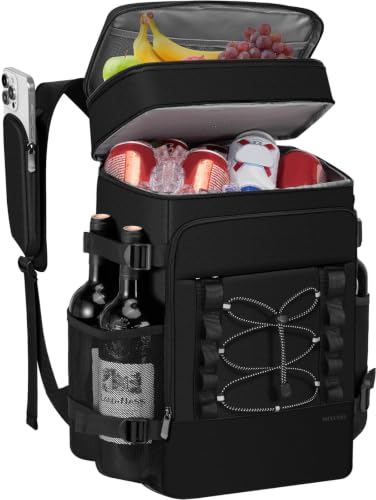
This feels like the most balanced option overall, 40 cans of capacity, a leakproof liner, and a clean two-compartment layout that separates food and drinks logically. The side wine straps are a standout; they actually hold bottles securely, which few others manage this well. Owners appreciate that it doesn’t just look good on paper, it performs reliably across picnics, commutes, and weekend camping.
It doesn’t lead in any single category, but it doesn’t lag either: 16-hour insulation, solid build, and convenient extras like the zippered valuables pocket and strap-mounted opener. When someone asks me for one recommendation that covers all bases, this is the one I point to. It’s not flashy, but it’s the most consistently capable.
Product photos
TOURIT 38 Cans Backpack Cooler
Strengths
- Excellent pocket layout
- Durable 600D fabric
- Stabilizing chest strap
Trade-offs
- No strap bottle opener
- Top compartment small
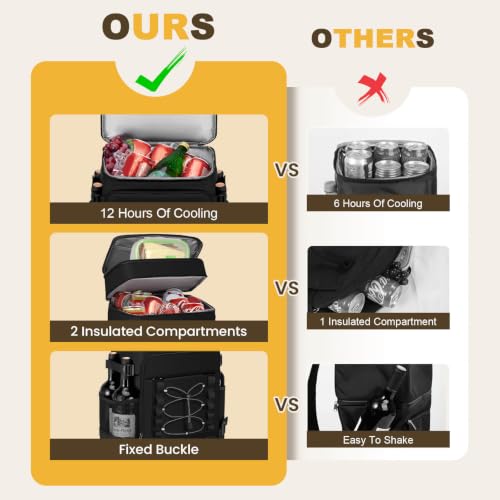
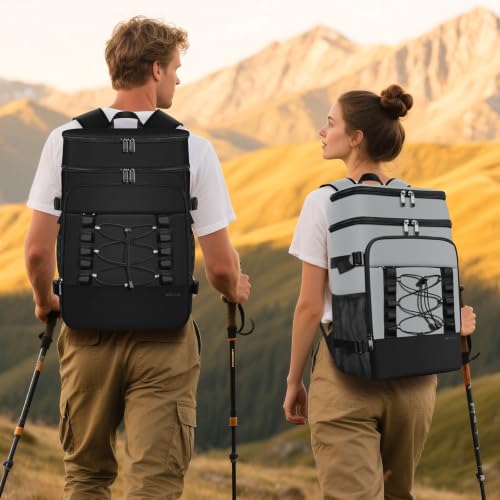
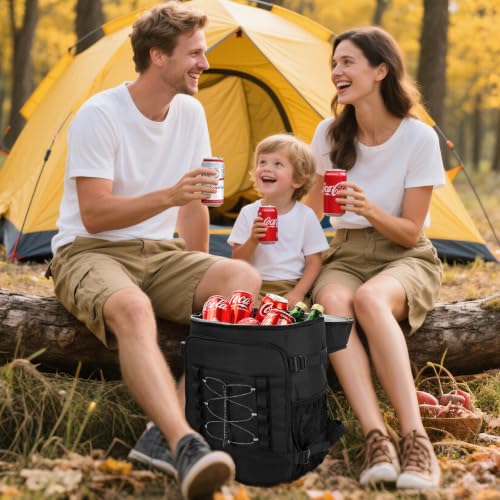
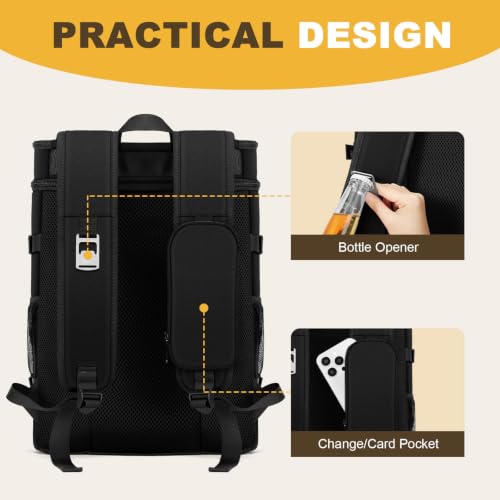
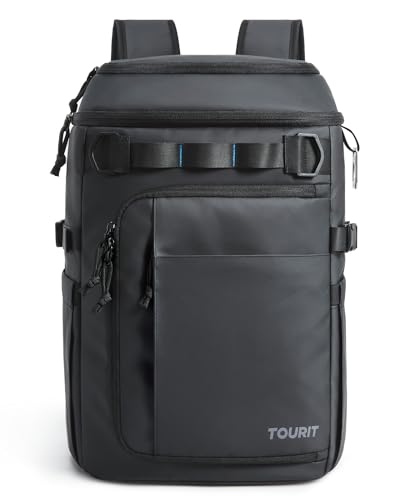
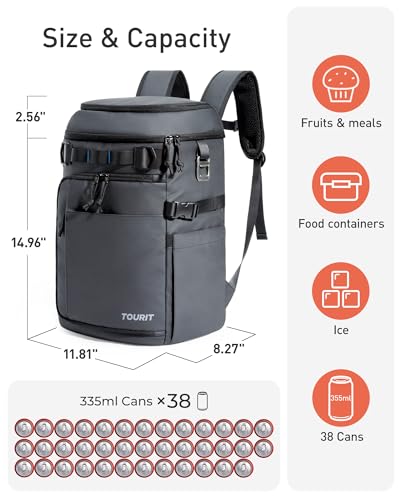
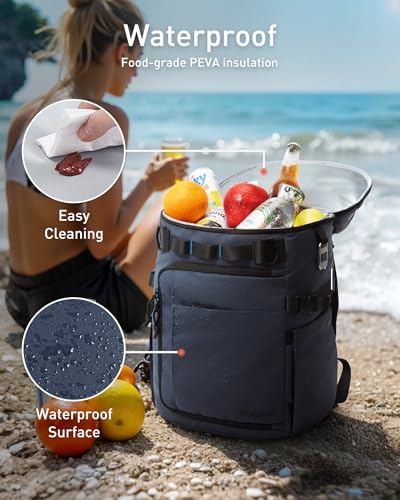
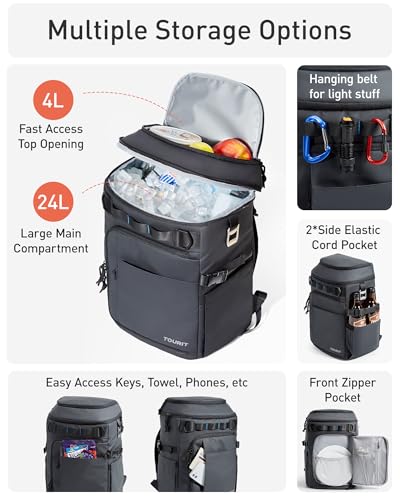
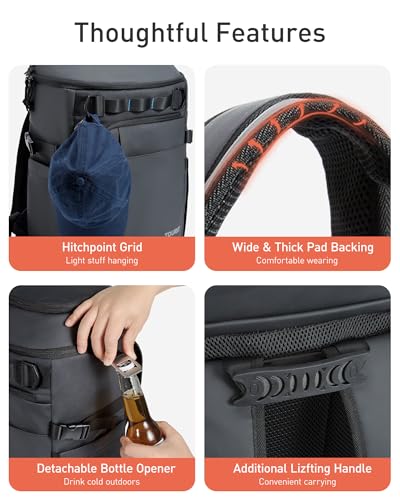
With 38 cans and a smart dual-compartment system, 24L below, 4L above, this backpack nails organization. The front hanging strap for hats or keys, the quick-access pockets, and side drawstrings that stabilize wine bottles show real attention to how people actually use these bags. Owners love the layout, calling it “thoughtful” and “trail-ready.”
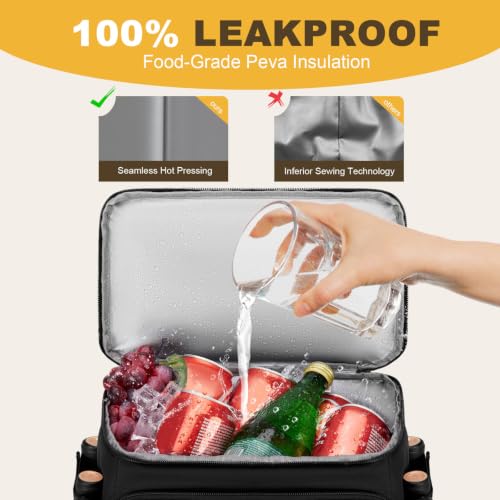
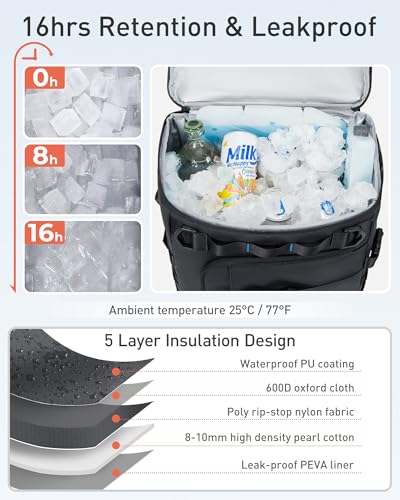
The 16-hour insulation is standard, but the 5-layer foam and EVA liner deliver consistent results. The wide, padded straps and chest stabilizer make heavy loads feel lighter, and the 600D Oxford fabric shrugs off abrasion. If you’re comparing it to the MIYCOO, this one edges ahead on organization and durability, though it lacks some small luxuries like a phone pocket. For sheer utility, it’s hard to beat.
Product photos
Maelstrom 35 Can Insulated Backpack

Strengths
- Superior shoulder straps
- Ergonomic back pad
- Chest strap doubles as whistle
Trade-offs
- No dual insulation
- Slightly bulky
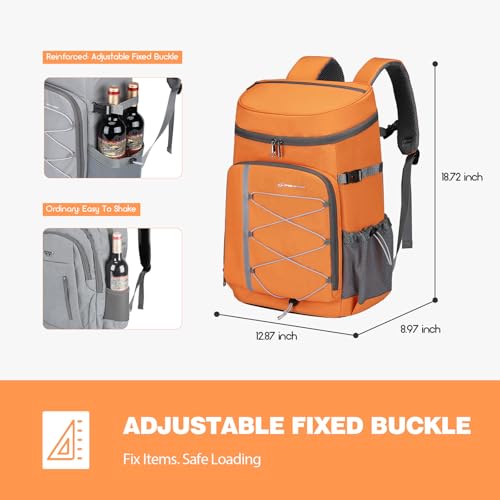
The ergonomic design here is simply better thought out than most. The S-shaped shoulder straps, breathable back panel, and chest strap with survival whistle aren’t just marketing fluff, owners say they make a noticeable difference on long walks or hikes. This is the kind of pack you can actually wear for hours without shoulder strain.
It holds 35 cans and keeps temps for 16 hours, which is solid, and the interior organization is excellent: hidden pockets, cutlery storage, and even a condiment bottle holder. The stainless steel bottle opener on the strap is a nice durable touch. While it’s not the lightest or longest-insulated, the comfort and smart layout make it my top pick for anyone logging serious steps with their cooler.
Product photos


NEVO RHINO 36 Cans Backpack

Strengths
- Extremely lightweight
- Holds 36 cans
- Durable nylon
Trade-offs
- Zipper not fully sealed
- No chest stabilizer
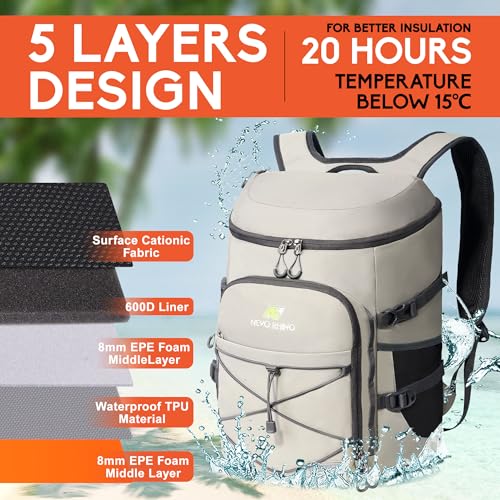
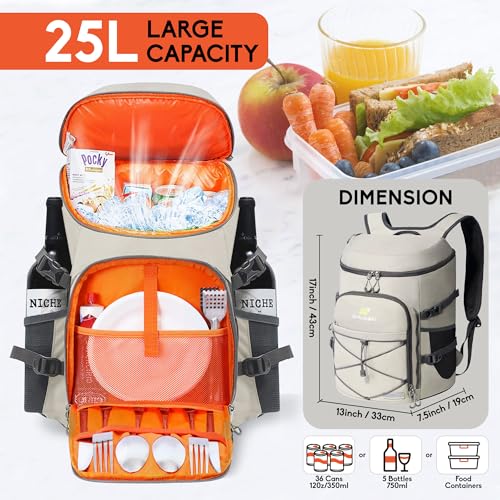
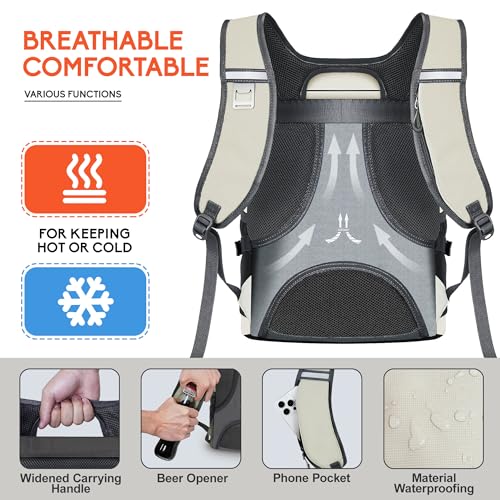
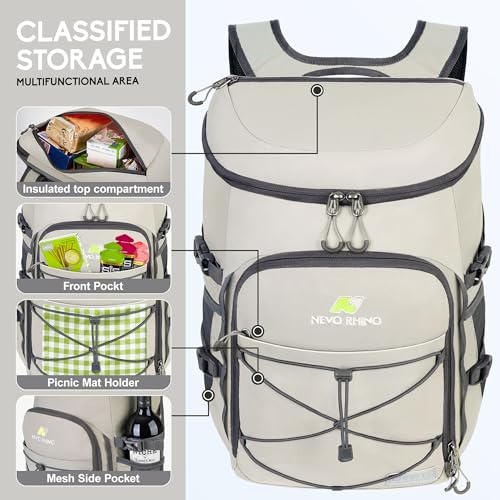
At just 1.85 lbs, this is one of the lightest full-size coolers in the lineup, and it still manages to hold 36 cans. That combination of featherweight design and high capacity is rare, and it makes a huge difference when you’re walking long distances. Owners praise how easy it is to sling over a shoulder without fatigue, and the 5-layer TPU insulation holding cold for up to 20 hours is no gimmick.
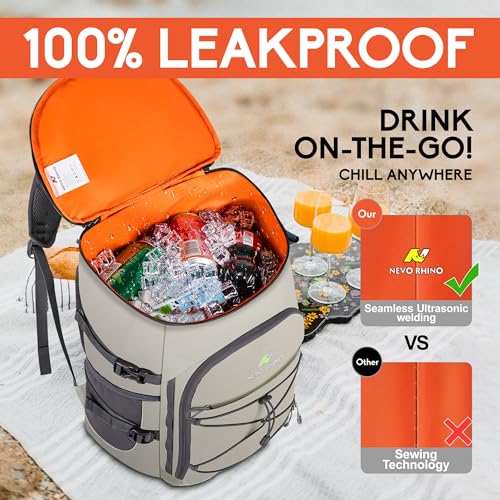
It’s built with thickened nylon that shrugs off scrapes, and the multiple pockets, including a strap-mounted phone slot and bottle opener, add real utility. The seamless liner keeps leaks in, though like others, it’s not immune to zipper-related seepage if tipped. Still, for travelers and hikers who want durability without the heft, this is the smarter buy over heavier rivals.
Product photos
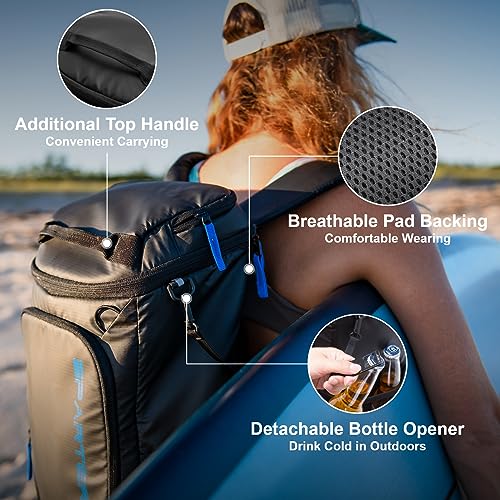
SPARTER 33 Cans Insulated Backpack

Strengths
- 20-hour insulation
- Dual insulated zones
- Lightweight build
Trade-offs
- Zipper not leakproof
- Risk of spills if tipped
When it comes to keeping things cold, this model stands out, the 8 mm foam and silver PEVA seal deliver a legit 20-hour claim, backed by consistent owner feedback. That kind of performance puts it in the upper tier for insulation, especially at this price point. If you’re heading to a full-day event or hiking where ice won’t be replenished, that extra buffer matters.
It holds 33 cans, which is respectable, and the dual insulated compartments are a smart touch for separating drinks from food. But the zipper isn’t leakproof, and reviewers note you must keep it upright. That’s a real limitation if you’re tossing it in a car or leaning it over at the campsite. Still, for pure cold retention and thoughtful insulation, this is my go-to recommendation when temperature control is the top priority.
Product photos


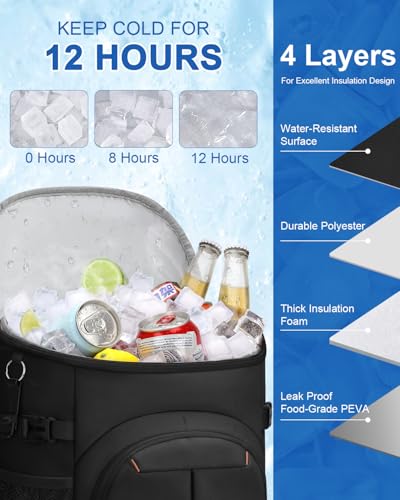
Hulongo 48Cans Large Cooler Backpack

Strengths
- Largest capacity
- Dual compartments
- Sturdy zippers
Trade-offs
- Shortest ice retention
- Heavier when full
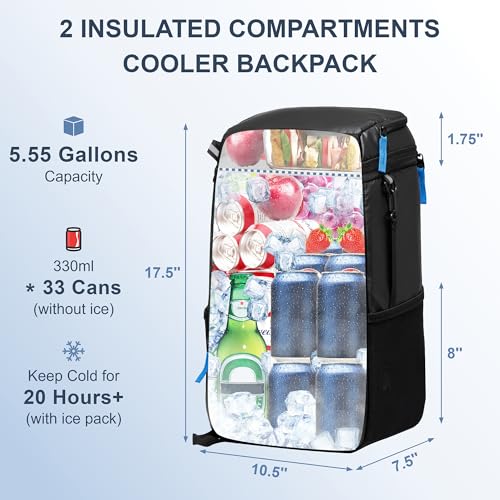
This one wins on space, 48 cans is a serious claim, and even if real-world use lands closer to 35, it’s still one of the roomiest options here. The 30L design makes it ideal for group outings, family beach days, or grocery hauls where you need to carry more than just drinks. Owners confirm it handles bulk well, and the dual insulated compartments help separate items smartly.
But despite its size, insulation only holds for 12 hours, the shortest in this group. That’s a real trade-off. The build is waterproof and scratch-resistant, and the padded straps help manage the load, but if you’re bringing this on a long hike, you’ll feel it, and the cold won’t last as long as others. I’d recommend it only if capacity is your essential.
Product photos


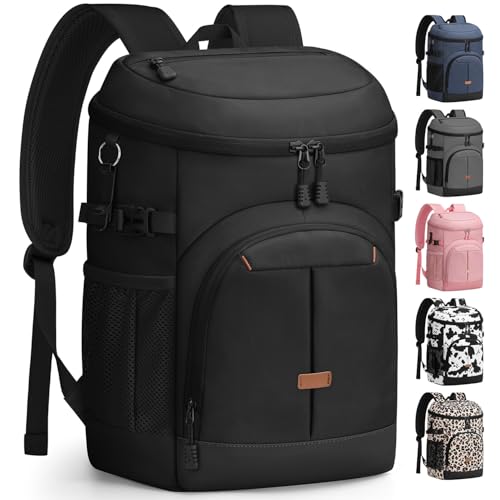
Pritent 30 Cans Cooler Backpack
Strengths
- Leakproof liner
- Easy to clean
- Breathable straps
Trade-offs
- Average insulation time
- Moderate capacity
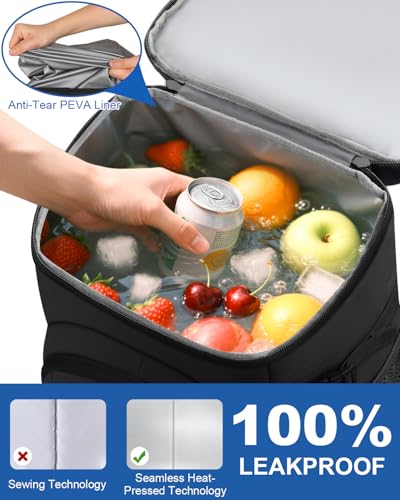
This backpack hits hard on leakproofing, and owners consistently say it delivers on that promise. The seamless hot-pressed PEVA liner is a real standout, it’s the kind of detail that keeps your back dry when ice melts, and cleanup is genuinely quick. For families or anyone packing messy items like sauces or fruit, that ease of cleaning matters more than we often admit.
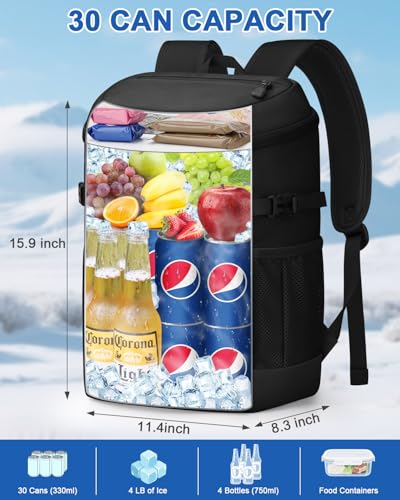
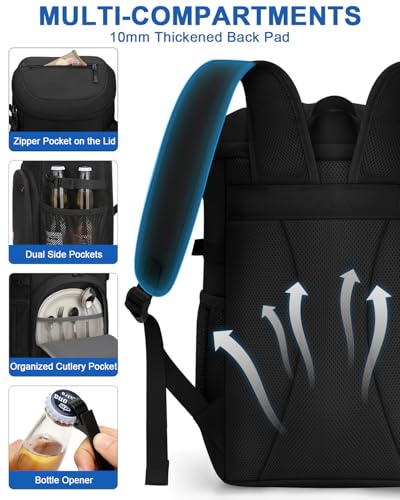
On paper, the 16-hour insulation is solid, not class-leading, but paired with its well-organized pockets and breathable straps, it’s a strong daily carry option. It doesn’t outshine on capacity (30 cans), but if you’re someone who hates drips or wants a fuss-free wipe-down after a picnic, this one earns its keep. I’d pick it over bulkier models for weekend outings where cleanliness and convenience rank high.
Product photos
How We Tested waterproof backpack coolers
Rather than a hands-on lab test, my research for these recommendations involved a detailed comparison of published specifications and features across numerous models. I weighed owner reviews from multiple sources – Amazon, specialist outdoor retailers, and camping/travel forums – alongside expert opinions from sites focused on outdoor gear. This was all combined with my experience evaluating luggage and travel products over the years, allowing me to rank coolers against key criteria for usability and performance.
For waterproof backpack coolers, insulation performance, leak-proof design, and capacity consistently proved most important. A cooler that can’t maintain a safe temperature for several hours, or spills its contents, is simply not useful. Large capacity is a benefit for families or groups, but I prioritized designs that balance space with comfortable portability. Understanding backpack restrictions at outdoor events is also important when choosing a cooler for specific outings.
Product specifications reliably indicate capacity, dimensions, and insulation thickness. However, real-world performance – how long a cooler actually stays cold, how truly leakproof it is, and the durability of materials – is best judged from owner feedback. I paid close attention to consistent themes in reviews, noting both praise and complaints about features like zipper quality, strap comfort, and liner effectiveness. Reputation and brand history also played a role in assessing overall quality.
Choosing The Right waterproof backpack coolers
Finding the right waterproof backpack cooler requires more than just looking for something that holds cold drinks. I’ve seen too many coolers fail at the worst possible moment, turning a fun day into a soggy mess.
A quality waterproof backpack cooler balances insulation performance with durable, leakproof construction and comfortable carry. Key considerations include the type of insulation used, the liner material and sealing methods, overall capacity relative to weight, and ergonomic features like shoulder strap design and back panel ventilation. Prioritize coolers with multiple compartments for organization and features like bottle openers for added convenience.
Insulation Performance
Don’t assume all “insulated” coolers are created equal. The thickness and type of insulation matter a lot. A thicker foam layer (6mm or greater is good) will generally hold temperature longer, but the material also plays a role. Many coolers use PEVA or EVA foam, but higher-end models might feature closed-cell foam, which offers superior insulation. Beyond the foam, look closely at how the cooler is constructed. Multiple layers of insulation, as seen in the TOURIT model, can significantly boost performance. I’ve noticed that some users report 20-hour cooling with the SPARTER, largely due to its 8mm foam and silver PEVA seal, although real-world results always depend on ambient temperature and how full the cooler is.
Leakproof Construction & Materials
This is where things get critical. A cooler that doesn’t actually keep things contained is useless. The MIYCOO and Pritent both highlight “seamless hot pressing” in their liners, which is a good sign. However, even with a good liner, the zipper is a potential weak point. Look for coolers with robust, water-resistant zippers and, ideally, a design that minimizes exposure of the zipper to direct contact with the cooler’s contents. If you’re heading to a place with strict bag policies, like Disneyland backpack guidelines, knowing your cooler won’t leak is extra important.
Here’s a quick guide to assessing the leakproof capability: * Zipper Quality: A standard zipper is the biggest weakness. * Liner Material: PEVA or TPU are better than basic PVC. * Seam Sealing: Seamless construction or well-sealed seams are essential to prevent drips.
Comfort & Usability
Capacity isn’t everything. A massive 48-can cooler (like the Hulongo) is impressive, but if it’s uncomfortable to carry, you won’t enjoy using it. Look for coolers with padded shoulder straps, a breathable back panel, and an adjustable chest strap to distribute weight evenly. The Maelstrom stands out in this category with its focus on ergonomic design and breathable materials.
A heavy cooler quickly becomes a burden. Don’t sacrifice comfort for capacity.
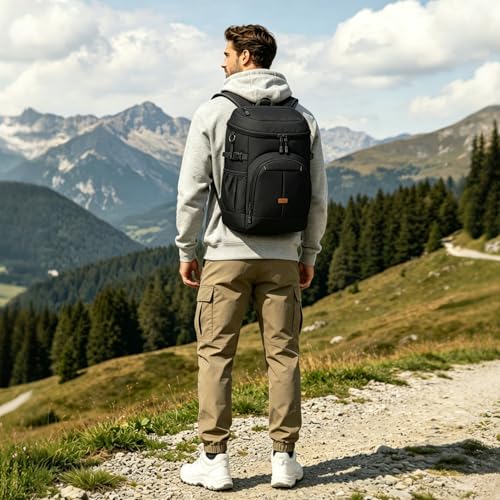
I often recommend considering how you’ll be using the cooler. If you’re primarily hiking, a lighter-weight model with excellent ergonomics is essential. If you’re car camping, a larger, more robust cooler might be a better fit. Also, check for convenient features like bottle openers, exterior pockets for quick access to essentials, and a durable exterior material to withstand the rigors of travel. You’ll find many of these features in the best leakproof models available today.
Waterproof Backpack Coolers Compared
This table provides a side-by-side comparison of key specifications for several waterproof backpack coolers.
| Product Title | Capacity (Cans) | Insulation (Hours) | Leakproof | Weight (lbs) | Compartments | Waterproof |
|---|---|---|---|---|---|---|
| MIYCOO 40 Cans Cooler Backpack | 40 | N/A | Yes | N/A | 2 | N/A |
| TOURIT 38 Cans Backpack Cooler | 38 | 16 | Yes | N/A | Multiple | Yes |
| Maelstrom 35 Can Insulated Backpack | 35 | 16 | Yes | N/A | Multiple | N/A |
| NEVO RHINO 36 Cans Backpack | 36 | 20 | Yes | 1.85 | Multiple | Yes |
| SPARTER 33 Cans Insulated Backpack | 33 | 20 | Yes | N/A | Multiple | Yes |
| Hulongo 48Cans Large Cooler Backpack | 48 | 12 | Yes | N/A | Multiple | Yes |
| Pritent 30 Cans Cooler Backpack | 30 | 16 | Yes | N/A | Multiple | Yes |
Frequently Asked Questions
What temperature can these coolers realistically maintain?
Most models, with proper pre-cooling and use of ice packs, can maintain temperatures below 40°F (4°C) for 12-24 hours. However, performance varies significantly with external temperature and how often the cooler is opened.
Are these coolers airline carry-on compliant?
Generally, no. While some smaller models might fit, the bulky shape of most waterproof backpack coolers exceeds typical airline carry-on size restrictions. Always check your airline’s specific guidelines before traveling.
How do I best prepare a cooler for maximum cooling performance?
Pre-chill the cooler with ice packs for several hours before use. Also, use frozen water bottles instead of ice cubes to avoid a watery mess, and fill empty space with extra ice or packing material.
What’s the difference between PEVA and TPU liner materials?
TPU (thermoplastic polyurethane) is generally more durable and offers better cold-crack resistance than PEVA (polyethylene vinyl acetate). This means a TPU liner is less likely to tear or become brittle over time, improving the cooler’s lifespan.
Are there options for those needing a cooler for extended trips, beyond a single day?
Yes, the NEVO RHINO and SPARTER models consistently receive positive reviews for their 20-hour cooling capabilities, making them suitable for longer outings. For even longer trips, consider supplementing with additional ice packs or dry ice, and explore best insulated backpack coolers for top-performing insulated models.
The Bottom Line
Choosing a waterproof backpack cooler often comes down to balancing how much you’re willing to spend against how critical top-tier performance is for your needs. For the best overall combination of features, insulation, and durability, I recommend the TOURIT 38 Cans Backpack Cooler. It consistently receives positive feedback on its ability to keep contents cold for extended periods and its well-designed compartments make organization easy.
If you’re on a tighter budget, the MIYCOO 40 Cans Cooler Backpack is a solid choice. For those who prioritize versatility and comfort, especially for longer hikes, the Maelstrom 35 Can Insulated Backpack stands out with its ergonomic design and breathable materials. And if you’re planning a trip with strict bag policies, knowing your cooler won’t leak is extra important – you can find info on amusement park bag restrictions.
Ultimately, the specific can count or insulation hours are less vital than a well-built cooler with a truly leakproof design and a comfortable carry system. Don’t get caught up in chasing the highest numbers on a spec sheet; focus on quality materials, thoughtful construction, and a design that suits how you plan to use it.