7 Best Water Backpacks for Biking 2026
This post contains affiliate links. As an Amazon Associate, we earn from qualifying purchases.
The Osprey Berm 8L is the best water backpack for biking, offering a secure fit, smart ventilation, and reliable 2.5L hydration. For budget riders, the 2 Pack TNYSPORT Hydration Backpack delivers solid basics at a low price, while the MARCHWAY Tactical Molle Hydration Pack stands out for versatility with its expandable storage and MOLLE compatibility.
If you’ve ever been halfway through a ride with a sweaty back, shifting pack, or no room for a spare tube, you know how much the wrong hydration pack can ruin your momentum. Comfort, stability, and smart storage aren’t luxuries, they’re essentials for any serious ride.
This guide cuts through the noise by focusing on real-world performance, combining specs with owner feedback to highlight models that actually work for biking. We looked at fit, reservoir design, ventilation, and practical features to find packs that keep up with your ride.
Top 7 Water Backpacks For Biking in the Market
The Best Water Backpacks For Biking, Reviewed
Osprey Berm 8L Biking Backpack
Strengths
- Excellent ventilation
- Stable, close fit
- Thoughtful organization
Trade-offs
- Smaller reservoir than some
- No helmet carry on all models
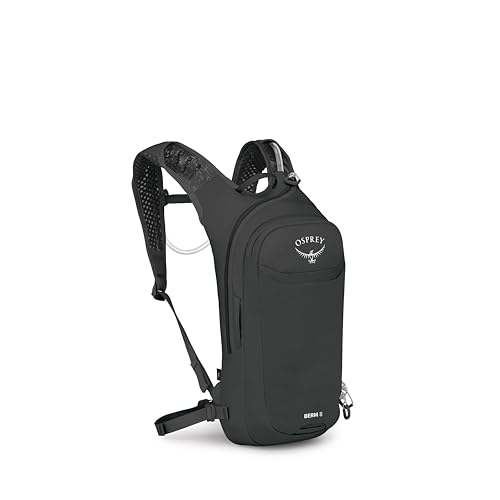
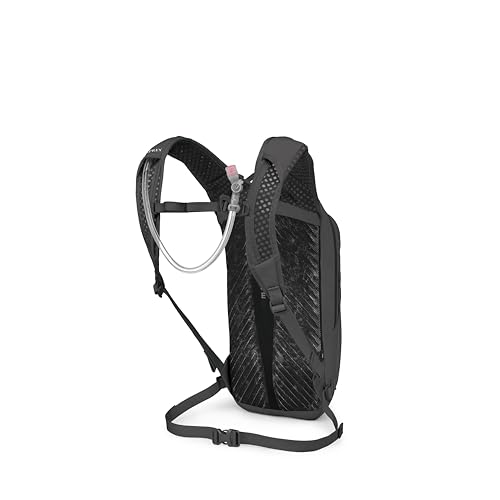
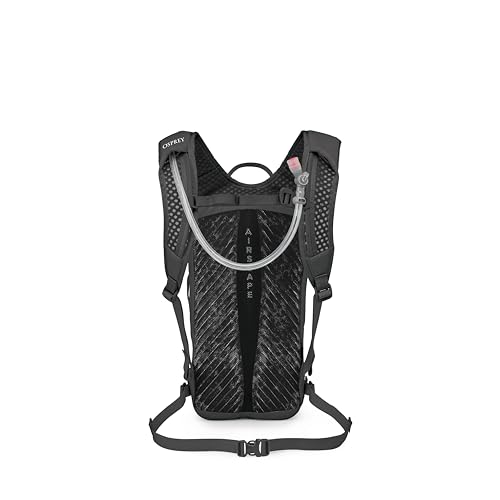
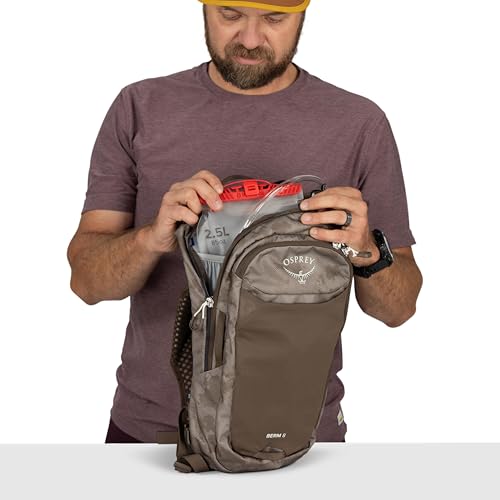
The Osprey Berm 8 is the complete package, thoughtful design, reliable hydration, and just enough storage for mid-distance rides. The 2.5L Hydraulics reservoir is easy to fill thanks to the S-zip access, and the magnetic bite valve snap keeps the hose handy. The AirScape backpanel is a standout: ridged foam with recycled EVA delivers real cushioning and airflow, and the bike-specific harness keeps the load stable even on rough descents.
Owners consistently rate it as one of the most comfortable 8L packs they’ve used. Compared to the CamelBak Rogue, it’s lighter and more stable, though it holds less water. But for most riders, that 2.5L sweet spot, plus tool pockets, shove-it front pocket, and unisex fit, makes it the smarter all-around pick. This is the one I’d recommend first to most riders.
Product photos


CamelBak Rogue Bike Hydration Pack

Strengths
- Large 85oz reservoir
- Magnetic hose clip
- Good ventilation
Trade-offs
- Slightly bulky
- No built-in rain cover
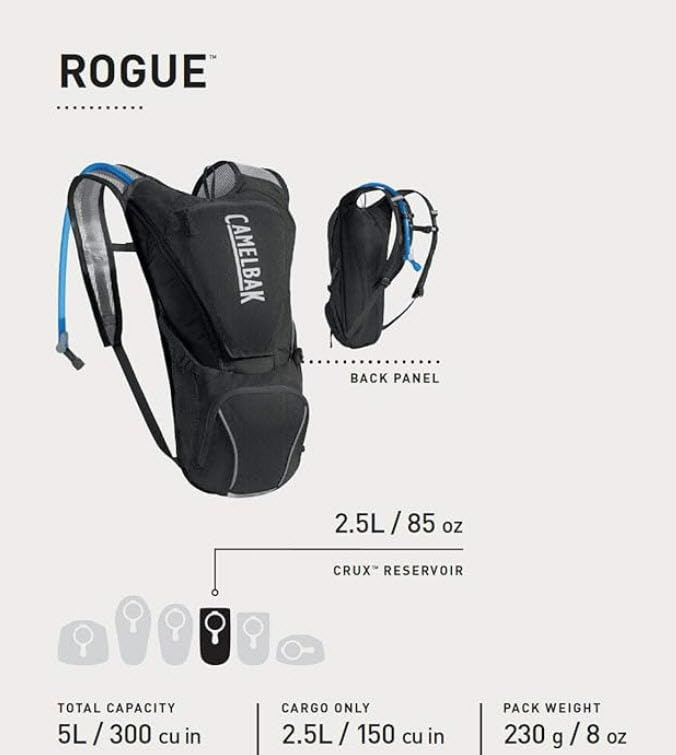
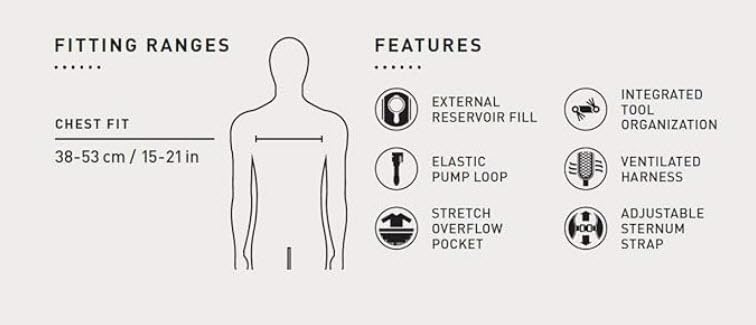
The Rogue is where CamelBak’s engineering really shines for serious riders. The 85oz Crux reservoir delivers more water per sip, and the external refill flap is a small feature that makes a big difference, no more pulling the bladder out mid-ride. The magnetic tube trap keeps the hose in place without fumbling, and owners love how it stays put even on bumpy trails.
Ventilation is top-tier thanks to the air mesh back panel, and the two zippered pockets plus stretch overflow compartment add real utility. It’s heavier than the HydroBak, but that’s the trade-off for carrying more and staying hydrated longer. Compared to the Osprey Berm, it offers better hydration access and slightly more storage. My pick for anyone logging 3+ hour rides.
Product photos
CamelBak HydroBak Light Bike Pack
Strengths
- Ultra-lightweight
- Excellent ventilation
- Low-profile design
Trade-offs
- Limited storage
- Small reservoir
- Not for long rides
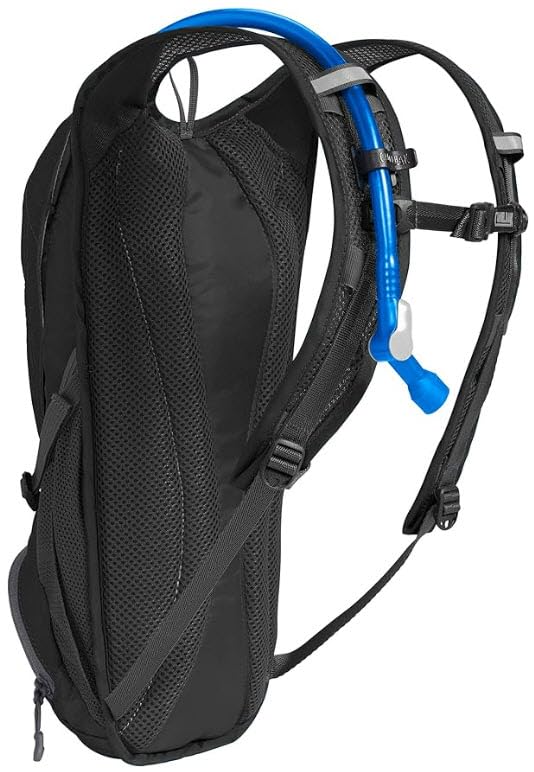
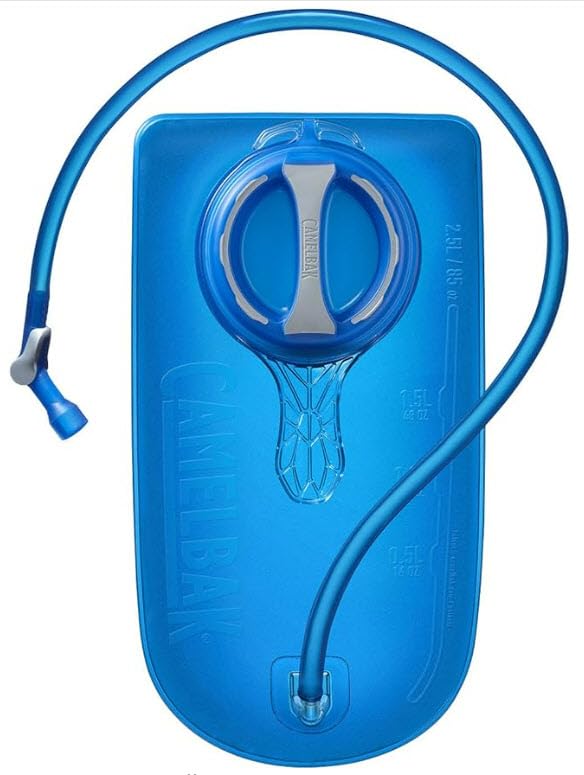
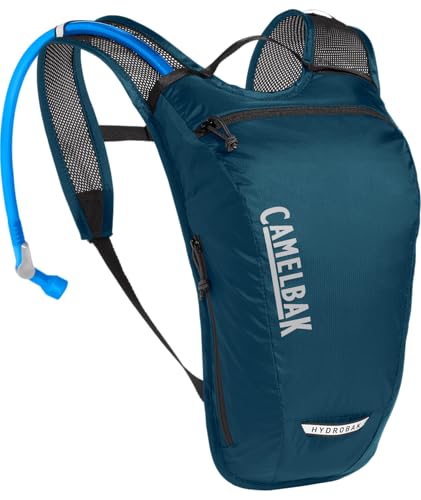
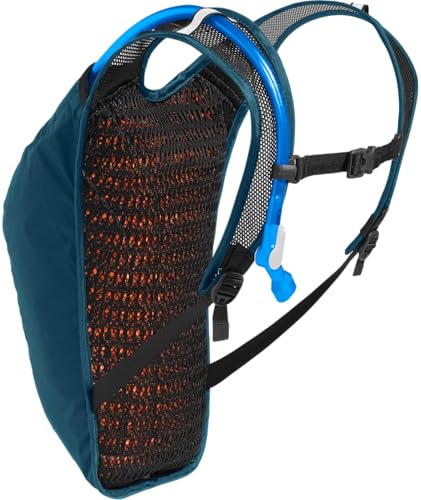
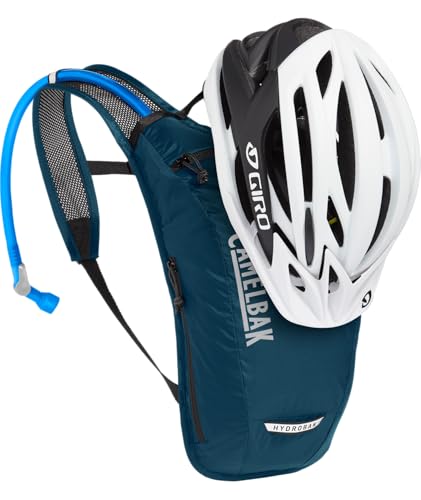
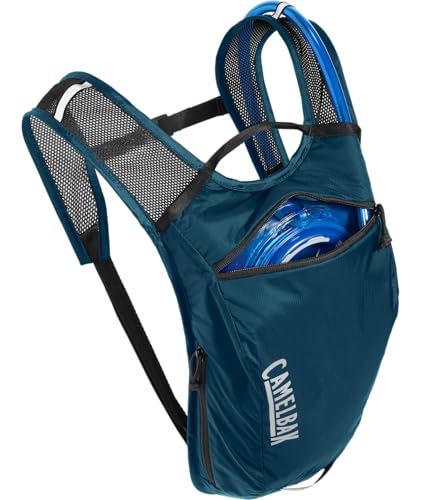
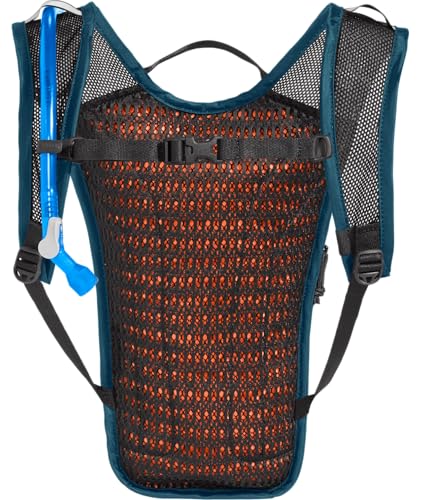
If you hate feeling like you’re lugging around a mini backpack just for water, the HydroBak Light is your fix. At under a pound, it’s one of the most minimal hydration packs on the market, and the 50oz Crux reservoir is still enough for a solid 1.5–2 hour ride. The Air Support Light back panel actually works, owners praise how well it vents, even on hot climbs. It’s the kind of pack you forget you’re wearing, which is exactly the point.
It doesn’t hold much beyond keys and a phone, but that’s not the goal. Compared to the Osprey Berm or Teton Oasis, it’s not a storage solution. But for fast, lightweight rides where hydration is the priority, it’s hard to beat. I’d pick this over bulkier models any time I’m out for speed.
Product photos

2 Pack TNYSPORT Hydration Backpack
Strengths
- Two packs included
- Very lightweight
- Budget priced
Trade-offs
- Lower material quality
- Shorter lifespan
- Basic features
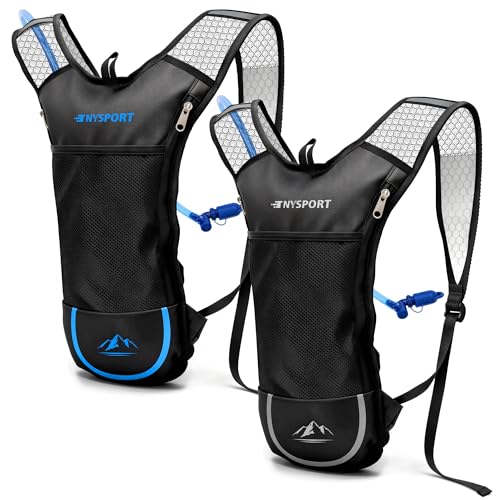
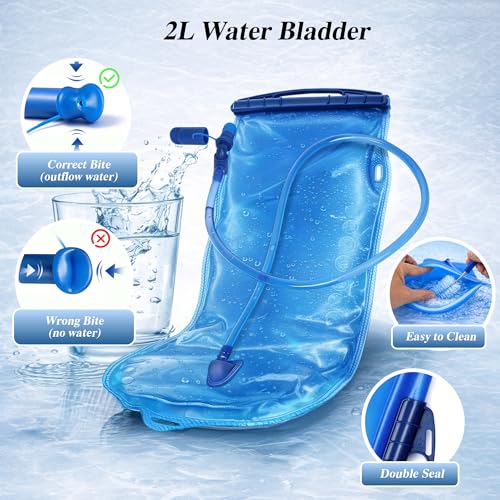
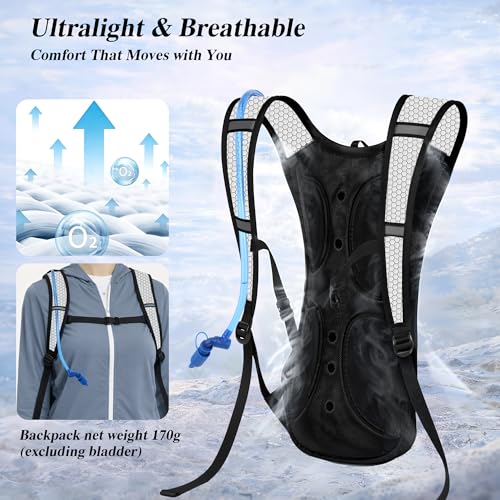
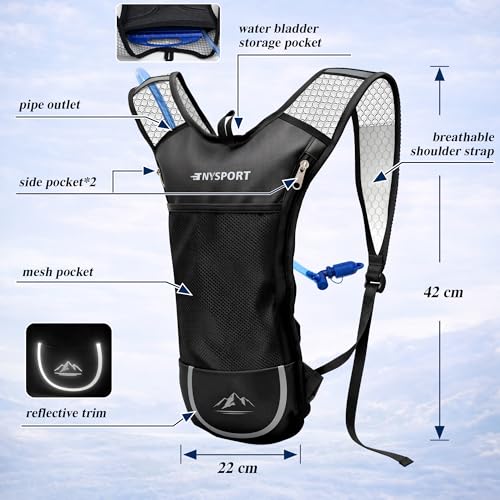
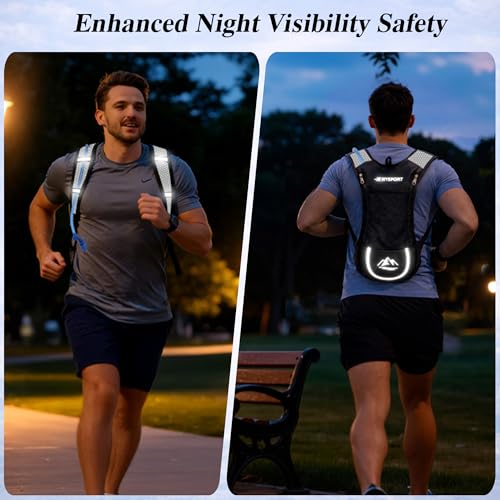
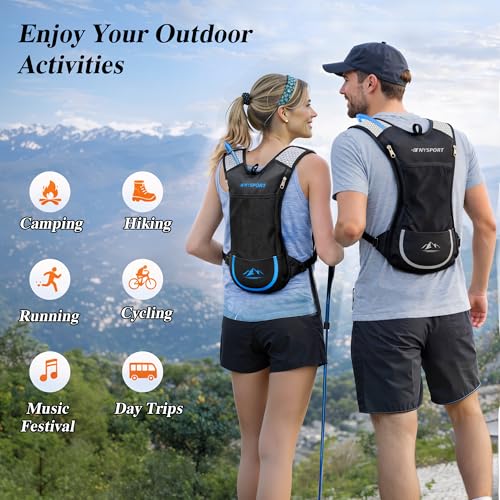
The real win here is the two-for-one deal. For couples or groups who bike or run together, getting two full hydration packs at this price is a no-brainer. Each unit is ultralight, just 0.37 lbs, and the 2L bladders are tested for leak resistance, which owners confirm holds up under movement. The three-layer pocket system keeps small items organized, and the breathable mesh helps with airflow.
But “budget-friendly” comes with caveats. The materials feel thinner than CamelBak or Osprey, and the stitching, while reinforced, hasn’t impressed long-term owners. It’s fine for occasional use or beginners, but not something I’d trust on a multi-day backcountry ride. Compared to the MIYCOO or Teton, it’s less durable but a smarter buy if you need multiples.
Product photos
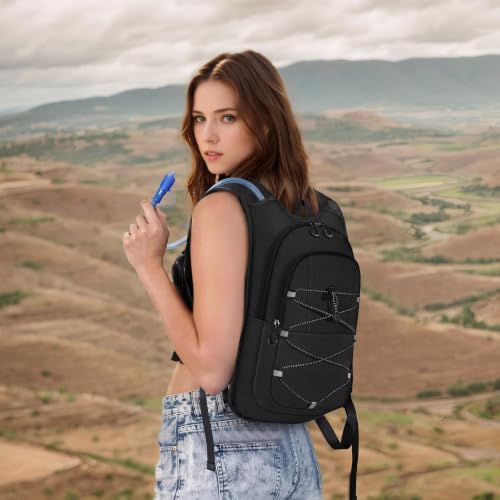
MARCHWAY Tactical Molle Hydration Pack

Strengths
- Extremely durable build
- 3L taste-free bladder
- MOLLE attachment points
Trade-offs
- Stiff and less breathable
- Bulky profile
- Overbuilt for casual use
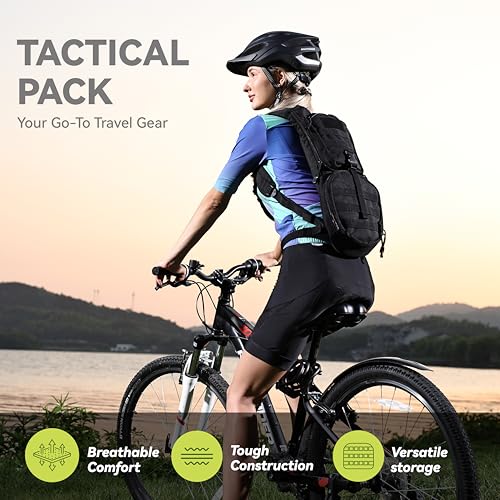
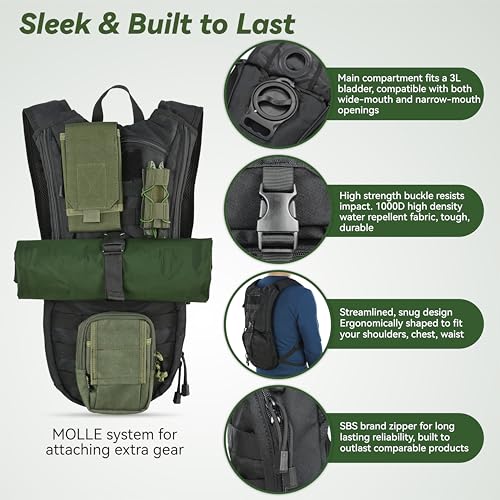
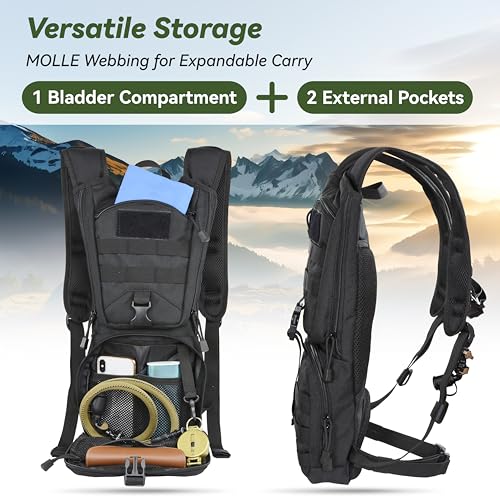
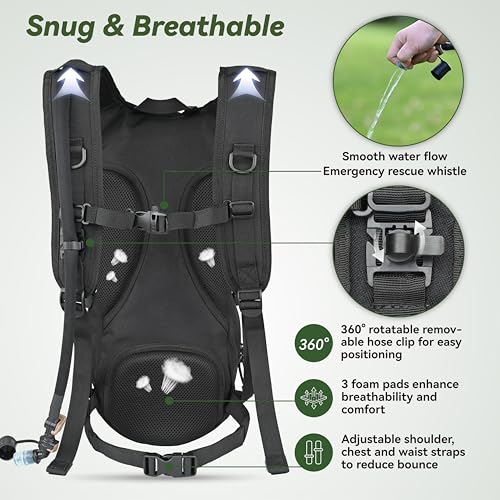
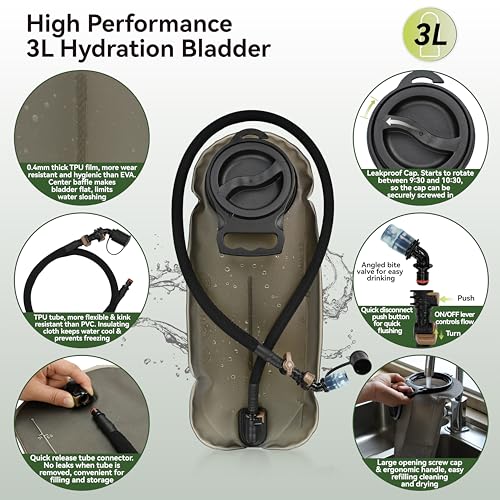
This pack feels like it was built for someone who expects gear to survive a warzone. The 1000D nylon and military-grade webbing aren’t just marketing fluff, owner feedback confirms this thing shrugs off abrasion and weather like few others. The 3L TPU bladder is a standout, with a wide mouth and leakproof shut-off valve that makes refills and cleaning a non-issue. For anyone doing off-grid rides, hunting, or training in rough terrain, that durability pays off.
But let’s be clear: this isn’t a nimble trail companion. It’s stiff, boxy, and the MOLLE webbing adds bulk if you’re not actually attaching extra pouches. Compared to the sleek CamelBak models, it’s overkill for casual biking. I’d recommend it only if you need modularity and toughness above all else.
Product photos
Teton Oasis Hydration Backpack
Strengths
- High storage capacity
- Sewn-in rain cover
- Insulated bladder pocket
Trade-offs
- Bulky for short rides
- Heavier than ultralight models
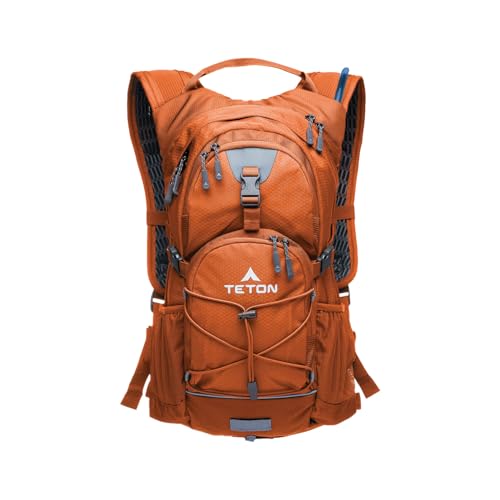
The Teton Oasis stands out in the hydration pack game for riders who want serious storage without sacrificing hydration capacity. With 18L or 22L options and a roomy 2L bladder, it’s built for long trail rides or multi-hour hikes where you need more than just water. Owners consistently report that the sewn-in rain cover and weather-guarded zippers add real value in unpredictable conditions. The insulated bladder pocket also performs well, keeping water noticeably cooler over several hours.
On paper, it’s a strong all-rounder, but the bulk can feel excessive for short, fast rides. Compared to slimmer options like the CamelBak Rogue, this one leans toward utility over agility. Still, if you’re packing layers, snacks, tools, and want reliable hydration, the Oasis delivers solid organization and a fit that works across body types.
Product photos


MIYCOO Hydration Backpack
Strengths
- Highly breathable straps
- Insulated bladder pocket
- Comfortable fit
Trade-offs
- Average durability
- Limited storage depth
- Zippers feel flimsy
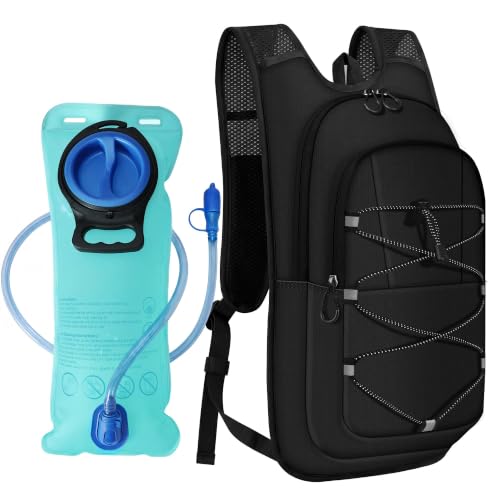
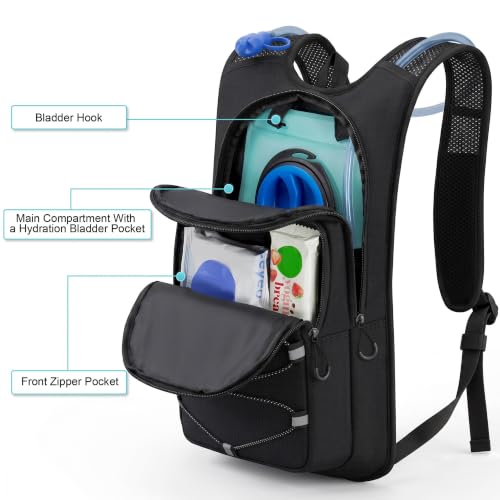
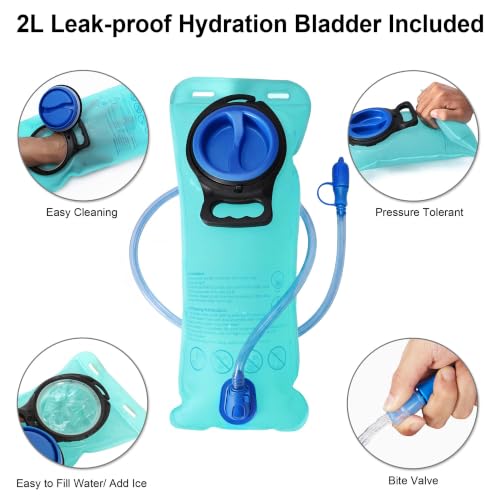
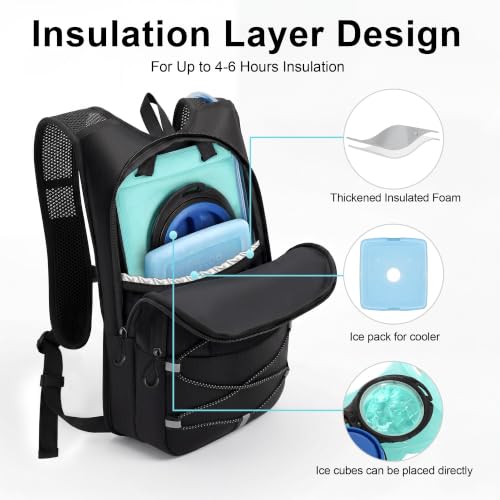
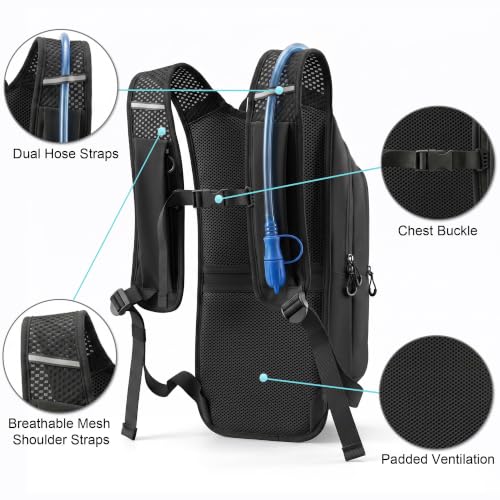
The MIYCOO 10L pack hits a sweet spot for riders who want breathability without breaking the bank. The silica-gel infused shoulder straps and ventilated mesh backing are consistently praised in owner reviews for reducing heat and pressure, important on long climbs or hot days. The 2L bladder is leakproof and includes an insulated sleeve that, with an ice pack, keeps water cold for several hours.
Storage is decent but not deep, three pockets keep things organized, but don’t expect to fit a full rain jacket or tool kit. Compared to the Teton Oasis, it’s lighter and more breathable but lacks the same rugged features like a sewn-in rain cover. For the price, it’s a strong contender, especially for runners or casual bikers.
Product photos
How We Evaluated water backpacks for biking
My team and I approached evaluating water backpacks for biking by first compiling a detailed list of models available from reputable retailers. We then compared published specifications – reservoir capacity, pack volume, weight, and materials – across all contenders. Crucially, we didn’t stop there. We spent considerable time reading owner reviews from multiple sources, and cross-referenced those with professional reviews from cycling and outdoor gear websites. This research-led comparison allowed us to rank packs against a set of criteria tailored to the needs of bike riders.
For biking packs, stability and comfort are paramount, followed closely by adequate hydration capacity. A bouncing pack is distracting and potentially unsafe, so features like adjustable straps, hip belts, and close-to-body designs were heavily weighted. We also prioritized reservoir size, recognizing that longer rides demand larger capacities. Finally, we considered the practicality of features like tool organization and accessible storage, understanding that riders need to carry more than just water.
Specifications reliably indicate reservoir volume and overall pack weight, helping to predict comfort and capacity. However, real-world usability, how well a pack actually stays put while riding, or how durable the materials feel, is best gleaned from owner feedback. We paid particular attention to comments regarding chafing, bounce, and long-term durability. Understanding the typical capacity needed for a day’s ride is also important; for example, knowing the 20l backpack capacity can help you gauge if a pack will hold everything you need.
What To Look For In water backpacks for biking
Choosing the right water backpack for biking can make or break your ride. It’s about more than just carrying water; it’s about comfort, stability, and having quick access to essentials.
A quality water backpack for biking balances hydration capacity with a secure, comfortable fit. Key features include a reservoir size appropriate for ride length, a stable harness system to minimize bouncing, and convenient storage for tools, snacks, and layers. Breathable materials and adjustable straps are also crucial for all-day comfort.
Reservoir Size and Type
The size of the hydration reservoir is the first thing I consider. A 2.5L reservoir, like the one included with the Osprey Berm 8L, is a good starting point for many rides, but longer excursions, especially in warmer weather, will demand more capacity. Don’t automatically assume “bigger is better” though. An overfilled, sloshing reservoir throws off balance. Consider how frequently you’ll be able to refill, and match the capacity to your usual ride length. Beyond capacity, think about the reservoir’s shape and how easy it is to clean. Wide-mouth openings are a must for adding ice or thoroughly cleaning the bladder – a 25-liter backpack size is generally large enough to accommodate these reservoirs, but always double-check the dimensions.
Harness and Fit
A poorly fitting hydration pack will bounce and shift, quickly becoming a source of irritation. Look for packs with bike-specific harnesses. These are designed to sit lower on your back and feature adjustable sternum and waist straps to lock the pack in place. The CamelBak Rogue Bike Hydration Pack, for example, has an Air mesh back panel that provides ventilation. The fit is also critical.
Here’s what to look for when considering fit: * Adjustability: Straps should be easily adjustable, even while riding. * Torso Length: Some packs come in different torso sizes, while others are “one size fits most.” If you’re between sizes, it’s usually better to size up. * Women’s Specific Fits: Women’s-specific packs have contoured shoulder straps and a shorter torso length for a more comfortable fit.
A stable pack is a happy pack. Prioritize packs with adjustable straps and a snug fit, even when fully loaded. A bouncing pack will quickly ruin your ride.
Storage and Features
Beyond hydration, you’ll want a pack that can carry essential gear. Think about what you typically bring on your rides – a multi-tool, spare tube, pump, snacks, and a light jacket. The MARCHWAY Tactical Molle Hydration Pack demonstrates how versatile storage can be with its MOLLE webbing, allowing you to customize the pack to your specific needs. Consider the placement of pockets. Quick-access pockets are great for snacks and your phone, while a dedicated tool compartment keeps everything organized. If you often ride in wet conditions, look for packs with a built-in rain cover or water-resistant materials. For those seeking all-around versatility, exploring options like these cycling hydration backpacks will help you find the right balance of features.
Water Backpacks for Biking Compared
Here’s a comparison of key specifications for popular water backpacks designed for biking.
| Product Title | Capacity (L) | Reservoir (L) | Weight (lb) | Back Panel Ventilation | MOLLE Compatible |
|---|---|---|---|---|---|
| Osprey Berm 8L Biking Backpack | 8 | 2.5 | 1.27 | AirScape | No |
| CamelBak Rogue Bike Hydration Pack | N/A | 85oz (2.5) | N/A | Air Mesh | No |
| CamelBak HydroBak Light Bike Pack | N/A | N/A | N/A | Air Support Light | No |
| 2 Pack TNYSPORT Hydration Backpack | N/A | 2 | 0.37 | Mesh | No |
| MARCHWAY Tactical Molle Hydration Pack | N/A | 3 | N/A | Air-mesh | Yes |
| Teton Oasis Hydration Backpack | 18/22 | 2 | N/A | N/A | No |
| MIYCOO Hydration Backpack | N/A | 2 | N/A | Mesh | No |
Frequently Asked Questions
What reservoir size is best for all-day biking?
A 3L reservoir is generally sufficient for all-day rides (6+ hours), but consider your sweat rate and the availability of refill points. Many riders find a 2.5L reservoir adequate if they can refill during their ride, while those tackling very dry or challenging terrain may prefer the extra capacity.
Are bike-specific hydration packs really necessary?
Yes, bike-specific packs are beneficial because they’re designed with a lower profile and stability features to minimize bouncing while you ride. Regular hiking packs tend to shift around more, which can be distracting and even unsafe on a bike, so investing in a pack designed for cycling is a good idea.
How important is the back panel ventilation?
Back panel ventilation is very important, as it helps to reduce sweat buildup and keep your back cooler. Packs with mesh or ventilated foam padding, like the CamelBak Rogue Bike Hydration Pack, create airflow and improve comfort, especially during hot weather or intense efforts.
What should I carry in the storage compartments of my hydration pack?
Besides water, you should carry a multi-tool, spare tube, tire levers, a small pump or CO2 inflator, energy snacks, and a lightweight rain jacket. Some riders also like to include a phone, keys, and a small first-aid kit, and those exploring specialized cycling backpacks may find additional storage options.
How can I prevent my hydration pack from bouncing while biking?
Properly adjusting all the straps, sternum, waist, and shoulder straps, is the most important step. Tighten them enough to secure the pack snugly to your body, minimizing movement. Look for packs with bike-specific harnesses designed for stability, and consider packs with hip belts for added support, especially for heavier loads or durable mountain bike packs.
The Bottom Line
Choosing a water backpack for biking often comes down to balancing how much you want to carry with how comfortably you want to carry it. For the best overall combination of features, comfort, and capacity, I recommend the Osprey Berm 8L Biking Backpack. It strikes a great balance for day-long rides and offers a well-regarded fit.
If you’re on a tighter budget, or need something ultra-lightweight, the 2 Pack TNYSPORT Hydration Backpack is a solid choice. For riders who prioritize customization and versatility, the MARCHWAY Tactical Molle Hydration Pack stands out with its MOLLE webbing, allowing you to adapt the pack to your specific gear needs. Understanding the 22l backpack capacity can also help you choose a pack that’s the right size for your typical ride.
Ultimately, the best water backpack is the one that fits you best and encourages you to ride further. Don’t get too hung up on specific specs like reservoir size or pack weight. Focus instead on a secure, comfortable fit, a reliable hydration system, and convenient access to the essentials that will keep you fueled and prepared on the trail.