8 Best Technical Backpacks for Climbing 2026
This post contains affiliate links. As an Amazon Associate, we earn from qualifying purchases.
The Deuter Speed Lite Pro 25L stands out as the best technical backpack for climbing, combining a smart suspension system with durable, lightweight design. For climbers on a budget, the PETZL BUG 18L delivers essential features without the fluff, while the Black Diamond Blitz 28 offers the most versatility with its ice tool attachments and modular carry options.
If you’ve ever struggled with a bouncing pack on a narrow ridge or wasted time digging for gear mid-climb, you know how much your pack impacts performance and safety. A poorly designed climbing backpack can throw off your balance, wear you out fast, or even fail under abrasion from rock.
This guide cuts through the noise, focusing on packs that climbers actually rely on. I compared specs, analyzed owner feedback, and evaluated features that matter most, like secure fit, smart organization, and materials built to survive the sharp edge of reality.
Top 8 Technical Backpacks For Climbing in the Market
The Best Technical Backpacks For Climbing, Reviewed
Deuter Speed Lite Pro 25L

Strengths
- Ultra-light build
- Excellent ventilation
- Multiple quick-access pockets
Trade-offs
- No included raincover
- Hip belt not as padded as heavier models
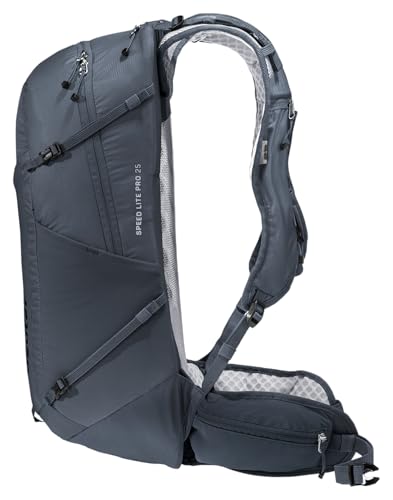
The Deuter Speed Lite Pro 25L is the kind of pack that makes you rethink what’s possible in a sub-1.5-pound frame. On paper, it strikes a rare balance, light enough for fast and light alpine missions, yet loaded with thoughtful features that serious climbers actually use. Owners consistently report it handles 20+ pound loads better than expected, thanks to the LiteAir back system and well-tuned load transfer from hip fins to shoulder straps.
What stands out is how it merges minimalism with functionality. The soft flask pouch on the strap, SOS label, and external gear loops aren’t just checkmarks, they’re integrated in a way that feels intentional. Compared to the Ortovox Traverse 30L, it’s lighter and more streamlined, though with less total volume. For a technical climb where every ounce counts but you still need reliable access and comfort, this is a top-tier pick.
Product photos



Gregory Alpinisto 30L Alpine Backpack
Strengths
- Superior backpanel ventilation
- Excellent gear attachment options
- Durable, abrasion-resistant mesh
Trade-offs
- Slightly heavier than competitors
- No SOS label or emergency info panel
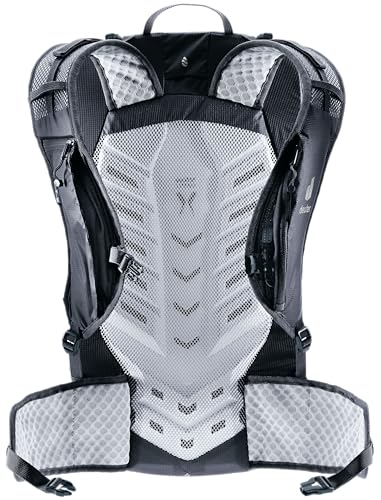
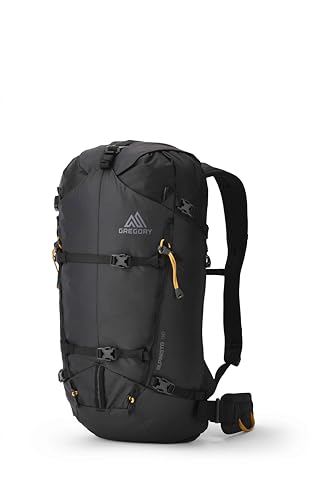
The Gregory Alpinisto 30L is built like a precision tool for technical alpine routes. The AirCushion backpanel is a highlight, owners praise its breathability and how well it disperses heat during sustained ascents. Unlike the Deuter Speed Lite Pro, this one leans slightly heavier but rewards that with superior padding and load stability, especially when you’re hauling a full rack or winter gear.
Its modular attachment system is one of the best in class. The low cross-stay framesheet protects against crampon points, and the external straps are wide enough to handle bulky items securely. Compared to the Ortovox Traverse 30L, it offers a plusher carry but less emphasis on recycled materials. If you’re tackling long, gear-heavy climbs and value comfort over absolute minimalism, this is a strong contender.
Product photos
Ortovox Traverse 30L Alpine Pack
Strengths
- Circumferential main zipper
- Made with recycled materials
- Excellent ventilation
Trade-offs
- Hipbelt comfort lags behind Gregory
- Raincover sold separately
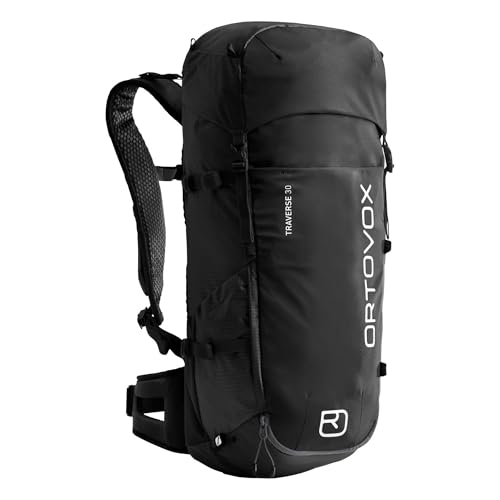
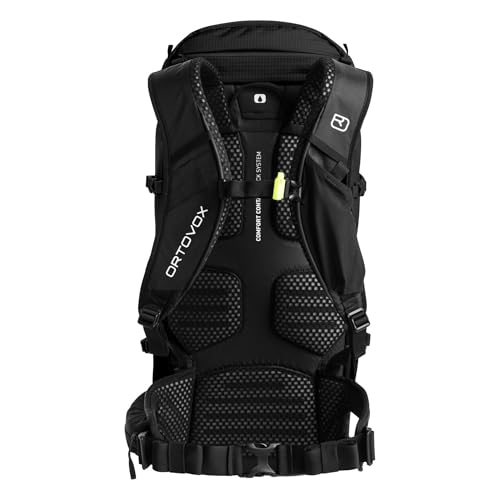
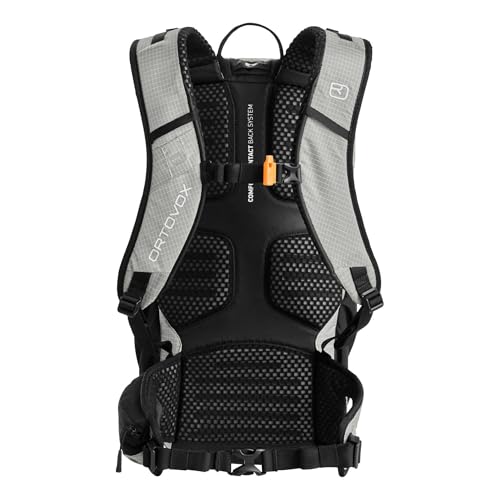
The Ortovox Traverse 30L is a standout for climbers who want performance, sustainability, and smart access in one package. The circumferential zipper is a major usability win, owners consistently praise how fast it is to dig into the main compartment, even with gloves on. The use of 75% recycled polyamide is impressive, and it doesn’t sacrifice durability, which is more than some eco-conscious packs can claim.
Compared to the Gregory Alpinisto 30L, it’s slightly lighter and more ventilated thanks to the Comfort Contact back system, though the hipbelt is less padded. The included helmet net and A-ski fix add versatility for ski mountaineers or mixed climbers. If you want a high-functioning, environmentally responsible alpine pack, this one delivers.
Product photos
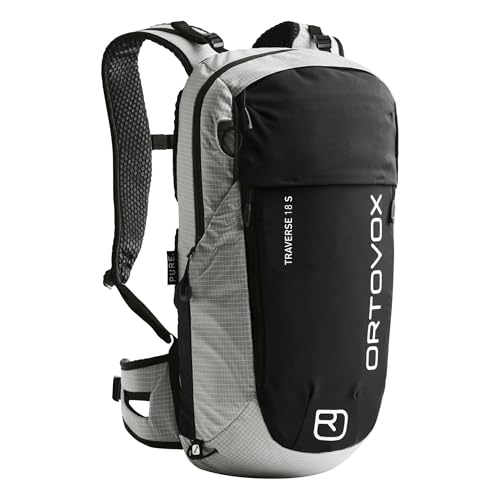
Ortovox Traverse Pure 18L S
Strengths
- True short-torso fit
- Eco-friendly materials
- Includes raincover
Trade-offs
- Limited capacity for multi-pitch gear
- Less padding than full-size alpine packs
The Traverse Pure 18L S is a rare find, a technical alpine pack genuinely tailored for shorter torsos. The S-back system, with its thinner straps and conical hip fins, is backed by owner feedback as a standout for smaller-framed climbers who often struggle with fit. The 36–44cm back length range is specific and welcome in a category where one-size-fits-most is the norm.
It shares the same smart design DNA as the larger Traverse 30L, circumferential zipper, recycled fabrics, helmet net, but in a lighter, more compact form. Compared to the PETZL BUG, it offers better ventilation and a more secure fit for petite users. The included raincover is a small but meaningful advantage over other models.
Product photos

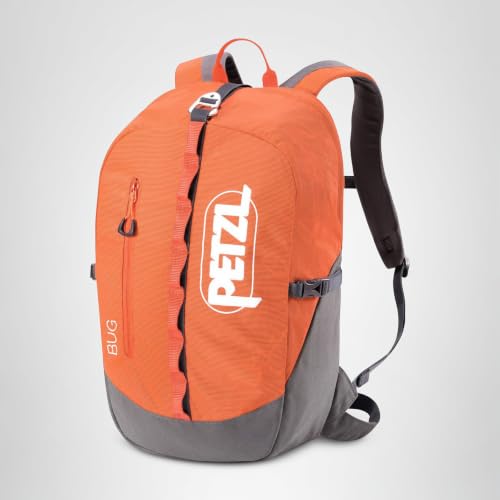
PETZL BUG 18L Climbing Backpack

Strengths
- Ultra-light and compact
- Topo pocket on back
- Rope attachment strap
Trade-offs
- Minimal padding on straps
- Small capacity for extended trips
The PETZL BUG is the minimalist’s answer to multi-pitch days, lean, low-profile, and laser-focused on essentials. At just 18 oz, it disappears on your back, and the close-fitting design is a clear advantage in tight chimneys or steep slabs. Owners love the topo pocket on the back and the fold-away waistbelt, which adds flexibility without clutter.
It’s smaller than the Deuter Speed Lite Pro and Gregory Alpinisto, but that’s the point. The wide exterior pocket works well for layers, and the internal hydration sleeve doubles as a laptop compartment, handy for climbers transitioning from trail to town. Against the Ortovox Traverse Pure 18L, it’s less ventilated but more climbing-specific. If you want simplicity and mobility on long routes, this is a smart choice.
Product photos
Metolius Freerider Climbing Backpack

Strengths
- Extremely durable bottom panel
- Stands upright for easy access
- Plush, comfortable suspension
Trade-offs
- Bulky profile
- Limited organization
The Metolius Freerider feels like a hybrid that actually works, part backpack, part haul bag, and that’s exactly why long-approach climbers love it. The haul-bag-style rand is tough as nails, and owners consistently mention how well it stands upright, making gear sorting mid-route or at the base far easier than with traditional packs. The plush suspension is a standout, especially when you’re trudging uphill with a full rack and rope.
It’s not the most technical pack here, there’s no hydration sleeve or ice tool loops, but for trad and multi-pitch climbers who hate wrestling with stiff haul bags, it’s a revelation. Compared to the PETZL BUG, it’s bulkier but offers far more comfort on approach. If you’re doing big-wall day trips or monster single-pitches, this one earns its keep.
Product photos
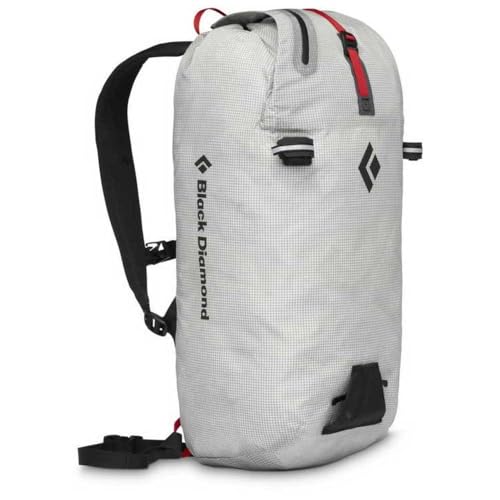
Black Diamond Blitz 28 Backpack
Strengths
- Exceptionally durable fabric
- Secure ice tool attachment
- Modular frame and hipbelt
Trade-offs
- Heavier than ultralight rivals
- No built-in raincover
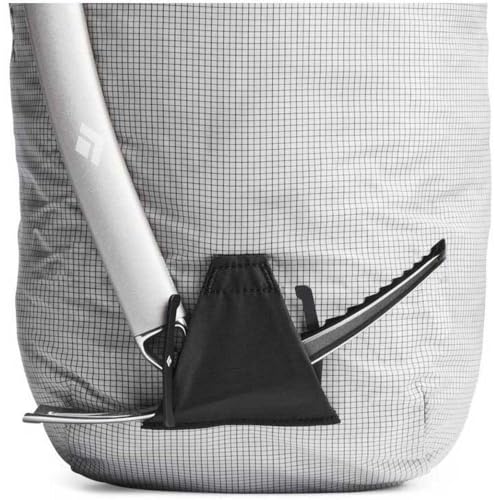
When it comes to ice and mixed climbing, the Blitz 28 stands out not just for its durability but for its smart, no-nonsense design. The UHMWPE ‘Mini Rip’ fabric is a standout, owners note it shrugs off rock and ice tool scrapes better than standard nylons, which matters when you’re swinging steel near your pack. The custom metal dogbone ice tool attachment is a game-winner, offering secure, quiet carry without the rattle that plagues cheaper clips.
It’s not the lightest option here, but that trade-off makes sense when you factor in the modular frame sheet and removable hipbelt, features that let you adapt the pack for bivouacs or rope-heavy days. Against the Gregory Alpinisto 30L, it’s less ventilated but more rugged. If you’re regularly hauling tools, ropes, and sharp gear, the Blitz 28 feels purpose-built.
Product photos



Escape Climbing Boulder Backpack

Strengths
- Lightweight and simple
- Easy full-zip access
- Fits in a crash pad
Trade-offs
- No support for heavy loads
- Lacks technical climbing features
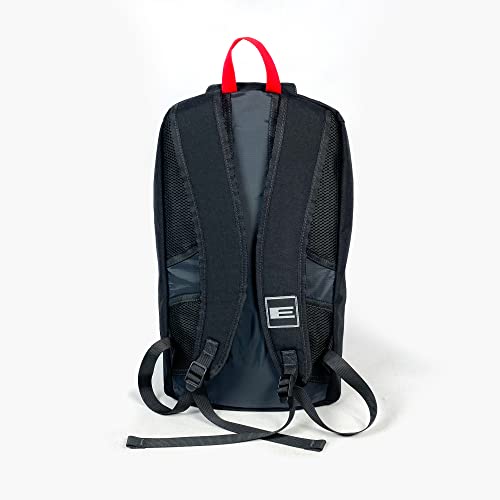
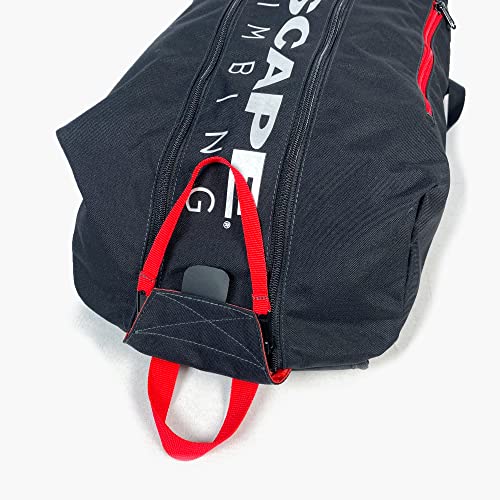
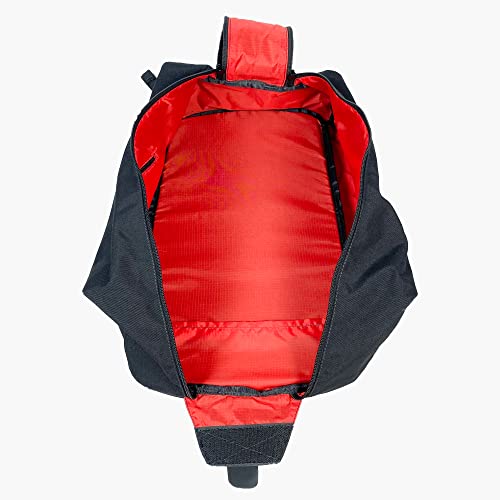
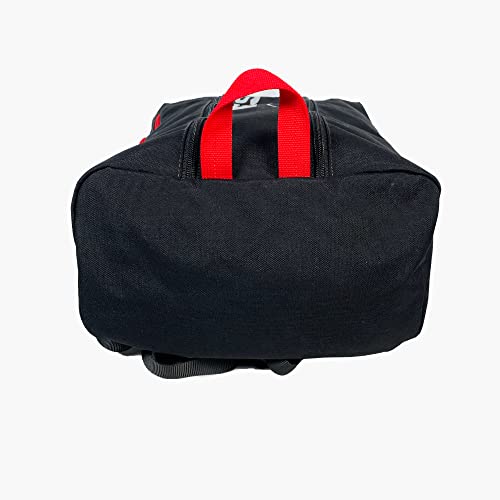
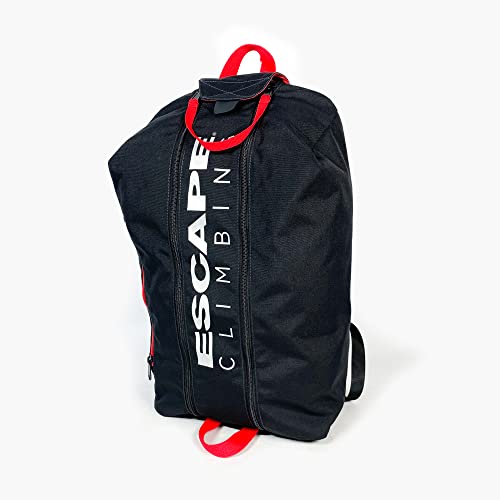
This Escape Climbing backpack is exactly what it claims to be, a no-frills, lightweight solution for gym sessions and short boulder laps. At this size, it’s not meant for alpine terrain, and that’s fine. The full-zip main compartment makes it easy to grab your chalk bag or shoes quickly, and owners appreciate how compact it stays when empty.
It won’t compete with the Deuter or Ortovox packs in technical performance, but it’s not trying to. Compared to the PETZL BUG, it’s less structured and lacks climbing-specific features, but it’s also more affordable and easier to toss in a crash pad. For weekend boulderers or gym regulars, it’s a practical, fuss-free option.
Product photos
How We Tested technical backpacks for climbing
Rather than a hands-on lab test, my research for these recommendations involved a detailed comparison of published specifications and features across numerous models. I weighed owner reviews from sites like REI and Amazon, alongside expert opinions from climbing-focused publications. This process allowed me to build a picture of real-world performance and durability, ranking packs against criteria important to climbers, from load capacity to specific attachment points.
For technical climbing packs, fit, durability, and specialized features proved most decisive. A secure and comfortable carry is paramount on exposed routes, so the quality of the suspension system and how well the pack conforms to the body were heavily considered. Equally important was build quality – these packs often face abrasion against rock, so robust materials and construction are essential for longevity.
Specifications reliably indicate capacity and weight, but I leaned on owner feedback to assess real-world comfort and how well features like hydration compatibility actually functioned. Reputation played a key role too; brands with a long history of serving the climbing community generally deliver more thoughtfully designed and reliable products. Understanding the 20-liter backpack dimensions can also help you visualize whether a pack will suit your needs, especially for shorter climbs.
How To Choose The technical backpacks for climbing
Choosing the right technical backpack can be the difference between an enjoyable climb and a miserable day on the wall.
A quality technical backpack prioritizes lightweight construction, a secure and comfortable carry system even with awkward loads, and durable materials resistant to abrasion. Key considerations include the pack’s volume (matched to typical outing length), the suspension’s adjustability for varying body types, and features specific to climbing – such as ice tool attachment points or rope carry systems.
Suspension & Fit
Fit is paramount when selecting a technical pack. Unlike a general hiking pack, a climbing backpack needs to move with you during dynamic movements, not bounce around and throw off your balance. Look for adjustable torso lengths and hipbelts; a pack that doesn’t properly transfer weight to your hips will quickly become exhausting. Don’t assume one size fits all – even within brands, sizing can vary. Trying on packs with weight simulating a typical climbing load is ideal, but reading owner reviews regarding fit for similar body types can be helpful if that’s not possible.
Capacity & Features
Determining the right capacity is a balancing act. While a larger pack might seem appealing, extra volume adds weight and bulk. For most day climbs, a pack in the 20-35 liter range is sufficient. If you regularly carry a rope, ice tools, or a bulky jacket, leaning towards the larger end of that spectrum makes sense. Consider specific features, too. Packs like the Black Diamond Blitz 28 are specifically designed with ice tool attachments, while others, like the PETZL BUG 18L, prioritize a streamlined profile for navigating tight spaces. If you’re searching for a bag for shorter approaches, a smaller pack like the Ortovox Traverse Pure 18L S is a good option, especially if you need 30-liter backpack dimensions for comparison.
- A dedicated hydration sleeve is almost essential, but consider whether you prefer a reservoir or bottles.
- External attachment points for trekking poles or ice axes add versatility.
- Reinforced gear loops and daisy chains allow for clipping additional equipment securely. These are especially useful for longer climbs where you need easy access to specific items.
Materials & Durability
Climbing is hard on gear, so a durable pack is a worthwhile investment. Look for fabrics like high-denier nylon (e.g., 420D, 600D) or UHMWPE (Ultra-High-Molecular-Weight Polyethylene) which offer excellent abrasion resistance. Reinforced bottom panels and thoughtfully placed bartacks at stress points will extend the pack’s lifespan. Don’t underestimate the importance of a quality zipper – a broken zipper in the backcountry can ruin a trip. High-quality durable climbing daypacks will offer a good balance between weight and ruggedness.
A good rule of thumb: prioritize a pack’s suspension system over its sheer feature count. A comfortable, well-fitting pack will always be more useful than one crammed with unnecessary gadgets.
Technical Backpacks for Climbing Compared
The following table provides a detailed comparison of specifications for various technical backpacks designed for climbing.
| Product Title | Capacity (L) | Weight (lbs) | Back System | Features | Torso Fit |
|---|---|---|---|---|---|
| Deuter Speed Lite Pro 25L | 25 | 1.5 | LiteAir | Hydration Comp, Trek Pole Attach | N/A |
| Gregory Alpinisto 30L | 30 | N/A | AirCushion | Removable Hipbelt, Gear Loops | N/A |
| Ortovox Traverse 30L | 30 | N/A | Comfort Contact | Recycled Polyamide, Flask Pkt | N/A |
| Ortovox Traverse Pure 18L S | 18 | N/A | Comfort Contact | S-Back System, Recycled Polyamide | 36-44cm |
| PETZL BUG 18L | 18 | 0.95 | N/A | Rope Attachment, Hydration Comp | N/A |
| Metolius Freerider | N/A | N/A | Plush Suspension | Haul-Bag Style, Durable Rand | N/A |
| Black Diamond Blitz 28 | 28 | N/A | Modular | Ice Tool Attach, Hydration Comp | N/A |
| Escape Climbing Boulder | N/A | N/A | N/A | Full Zip, Padded Straps | N/A |
Frequently Asked Questions
What size backpack do I really need for climbing?
A 20-35 liter pack is generally sufficient for most day climbs, but consider your typical gear list. If you consistently carry a rope, ice tools, or extra layers, opt for a larger pack within that range.
Are more expensive climbing backpacks actually more durable?
Generally, yes. Higher prices often reflect the use of more robust materials like high-denier nylon or UHMWPE, and better construction techniques that extend the pack’s lifespan.
How important is the back panel’s ventilation?
Ventilation is quite important, especially during strenuous activity. Look for packs with suspended mesh back panels or channels that promote airflow to minimize sweat buildup and increase comfort.
Can I use a regular hiking backpack for climbing?
While possible for easier climbs, a dedicated technical pack is preferable. Climbing packs prioritize a secure, stable carry and often include specialized features like ice tool attachments that standard hiking packs lack, as detailed in my [rock climbing backpack reviews].
What should I look for in a climbing pack’s harness?
The harness (shoulder straps and hipbelt) should be highly adjustable to ensure a secure and comfortable fit. Padding quality is key, and a load-lifter strap helps transfer weight to your hips, improving stability and reducing fatigue.
The Bottom Line
Choosing a technical climbing pack often comes down to balancing how much you want to carry against how streamlined you need the pack to be. For most climbers, the Deuter Speed Lite Pro 25L strikes that balance perfectly – it offers a generous capacity without excessive weight and boasts a comfortable suspension system for all-day hauls. It’s a fantastic all-arounder that won’t hold you back.
If your needs are more specific, there are excellent alternatives. Climbers needing a minimalist approach for shorter routes will appreciate the PETZL BUG 18L, while those prioritizing durability and a haul-bag style should consider the Metolius Freerider. And for those curious about 25-liter backpack size, it’s a sweet spot for day climbs, offering enough space for essentials without feeling bulky.
Ultimately, the best technical backpack is the one that fits you best and supports your climbing style. Don’t get hung up on chasing the lightest weight or the most features. Focus on a comfortable, durable pack with a suspension system that distributes the load effectively, and you’ll be well-equipped to send your next project.