7 Best Climbing Backpacks for 2026
This post contains affiliate links. As an Amazon Associate, we earn from qualifying purchases.
The PETZL BUG Backpack stands out as the best overall climbing pack for its smart design and crag-ready features, while the Bseash 50L Hiking Backpack is a solid budget-friendly option that still handles essential gear, and the WINTMING 70L Rucksack delivers unmatched durability for tough alpine approaches.
Climbers don’t just need a bag, they need a reliable system that keeps gear safe, stays comfortable on long trails, and survives constant contact with rock. A bad pack can mean dropped ropes, frayed seams, or a miserable hike in.
This guide cuts through the noise by focusing on what actually matters: real-world performance backed by specs and user feedback. I looked at capacity, material strength, and carry comfort to find packs that meet the unique demands of climbing, whether you’re hitting the gym, the boulders, or the big wall.
Top 7 Climbing Backpacks in the Market
The Best Climbing Backpacks, Reviewed
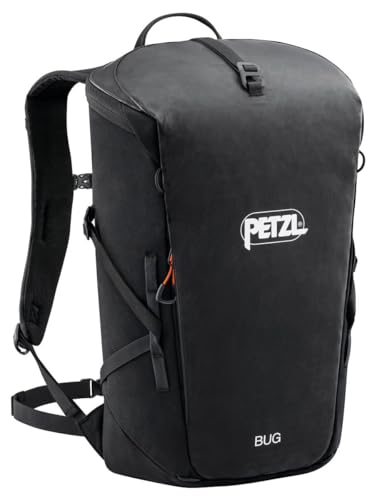
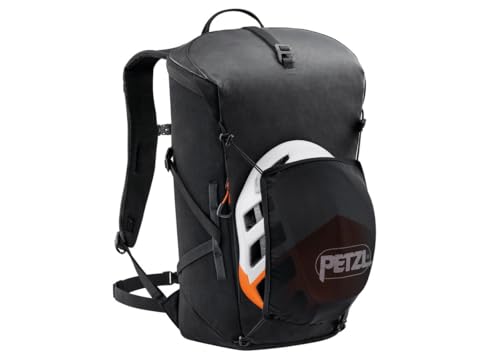
PETZL BUG Backpack Black
Strengths
- Climbing-specific layout
- Light and compact
- Laptop/hydration sleeve
Trade-offs
- Limited capacity
- No shoe compartment
- Not for long trips
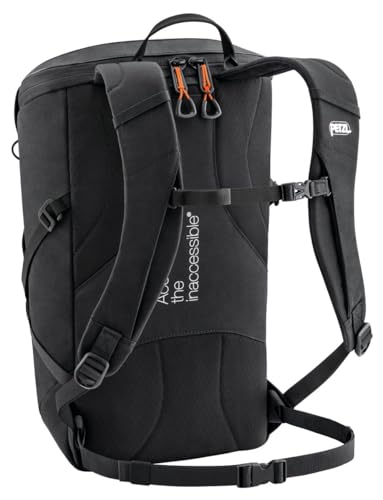
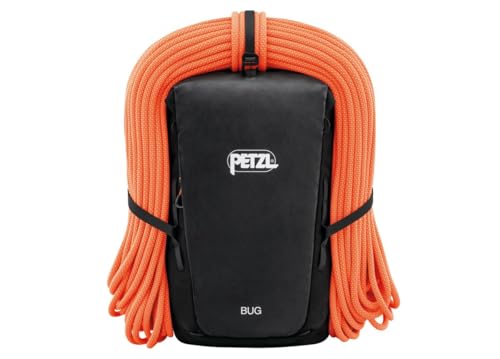
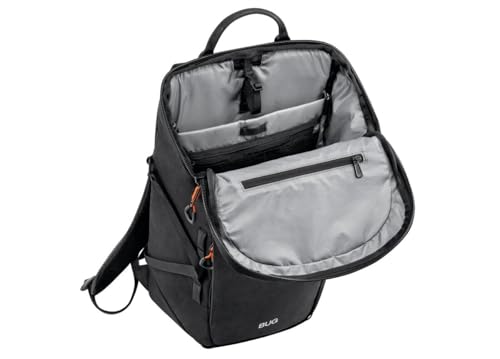
This is the kind of pack I wish I’d had on early multi-pitch trips, compact, smartly laid out, and built for climbers who move fast. At 18L, it’s not huge, but the organization is spot-on: a rope carry system, helmet clip, and a sleeve that doubles as a laptop or hydration pocket. Reviewers note how easy it is to grab gear mid-approach, and the top-loading design works even when you’re hanging at a belay.
It’s not a trekking pack, but that’s the point. Compared to the Bseash models, the PETZL wins on ergonomics and climbing-specific features. I’d pick this as my go-to for single-day climbs or crag sessions where efficiency matters. It’s also the only one here that transitions cleanly into urban use.
Product photos
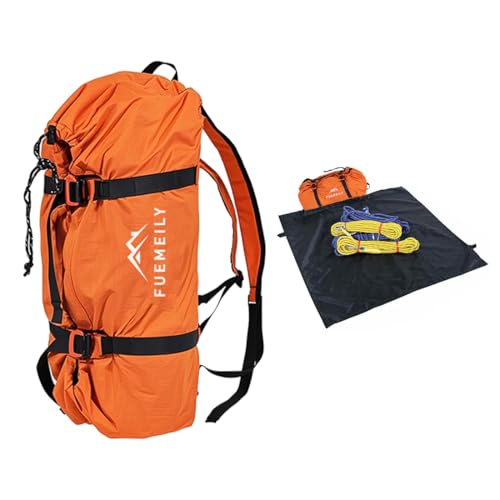
FUEMEILY Rock Climbing Rope Bag
Strengths
- Integrated ground sheet
- Durable water-resistant fabric
- Easy visibility with mesh top
Trade-offs
- Not for extended hikes
- Minimal padding on straps
- No laptop compartment
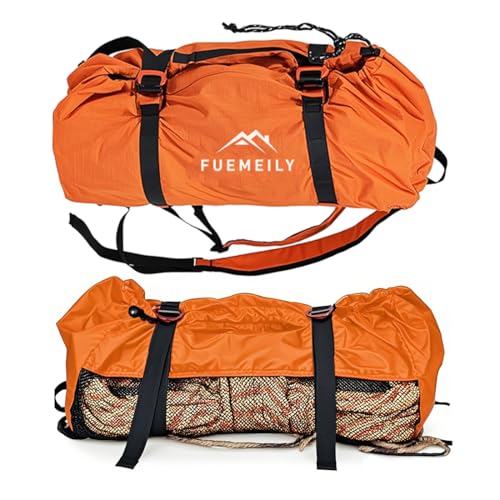
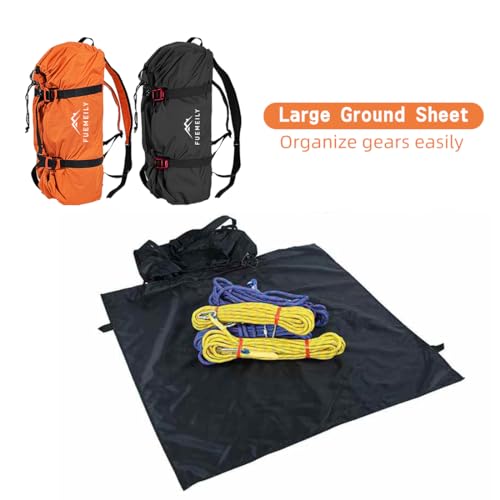
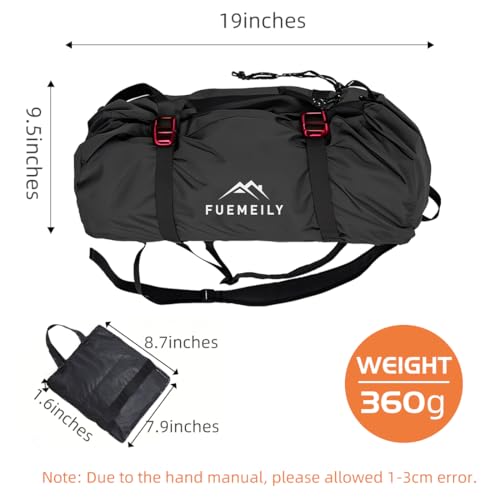
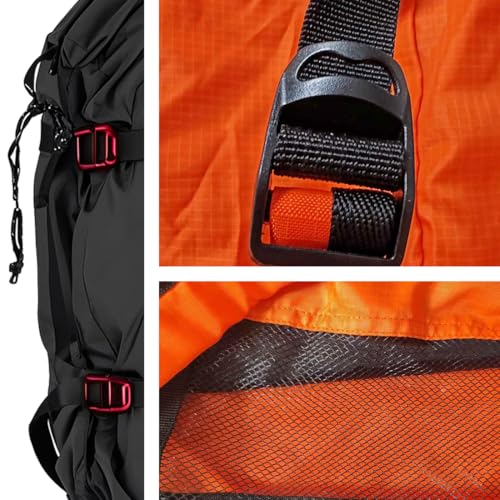
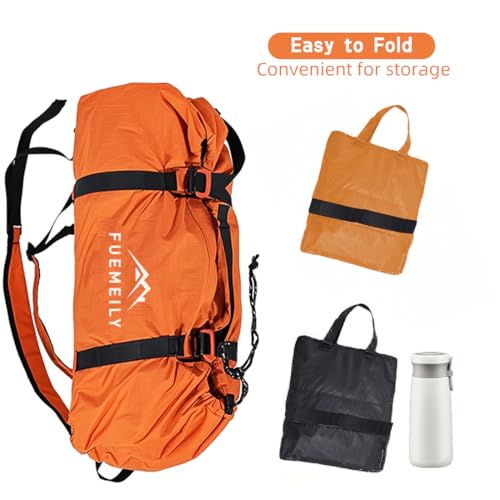
This rope bag is built like a workhorse, with 500D Oxford fabric that owners say shrugs off scrapes and damp ground. The folding ground sheet is a standout feature, climbers love how it keeps ropes clean and organized at the crag. It’s not a hiking pack, but as a dedicated rope carrier, it performs where it counts: protection and access.
Compared to the PAMLIAPY, it’s lighter and less rugged, but for weekend climbers and gym-to-crag travelers, it strikes a good balance. The mesh top lets you see your rope at a glance, and the adjustable straps make it comfortable enough for short hikes. I’d recommend this over generic backpacks when rope care is the priority.
Product photos
PAMLIAPY Arborist Rope Bag

Strengths
- Heavy-duty 1000D fabric
- Durable reinforced base
- Multiple attachment points
Trade-offs
- Bulky for casual use
- Heavier than recreational bags
- Overbuilt for gym use
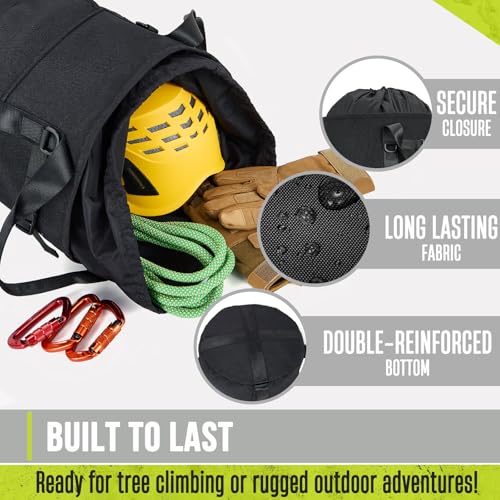
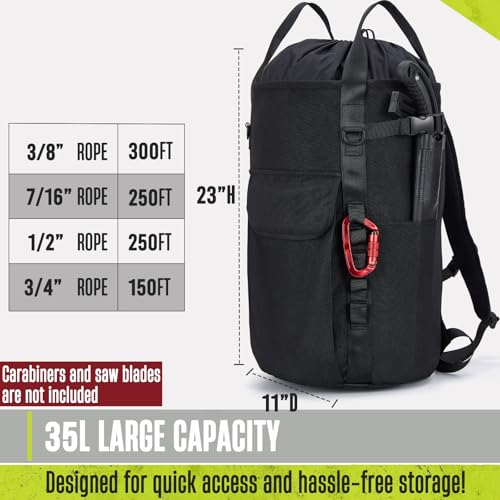
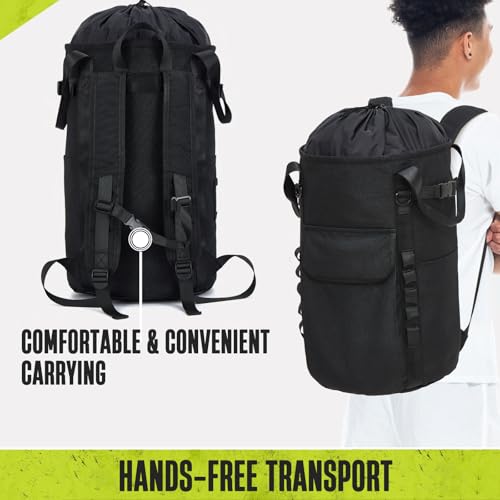
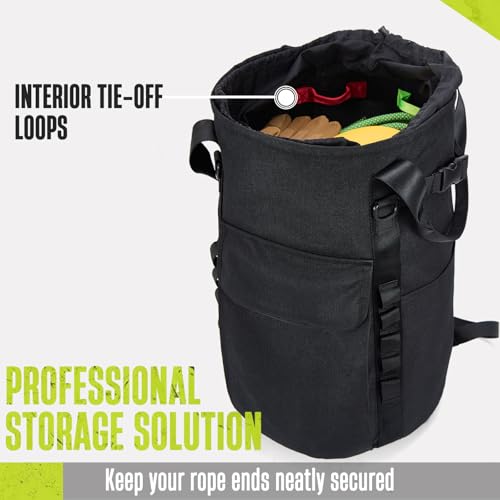
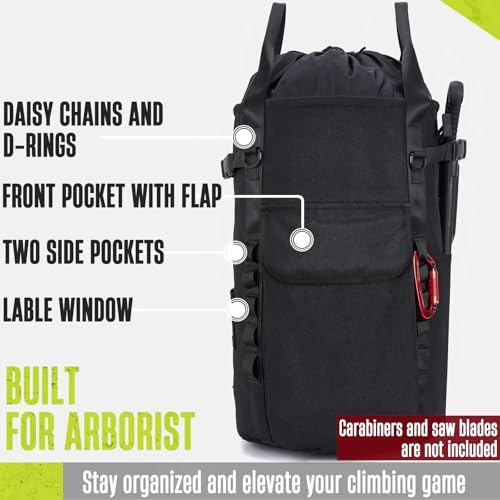
This is pro gear disguised as a backpack. With 1000D fabric, a bucket-style opening, and daisy chains for tool attachment, it’s clearly designed for arborists and working climbers. The 35L capacity handles long ropes with ease, and the double-reinforced bottom means it can take drops on rocky terrain. Owners in tree care consistently rate it for durability and practicality.
It’s overkill for weekend climbers, but for professionals, it’s unmatched. Compared to the FUEMEILY, it’s heavier but far more rugged. The side pockets and ID holder add real-world utility. If you’re on the job site daily, this is the pack that earns its keep.
Product photos
Escape Climbing Boulder Bag

Strengths
- Lightweight and compact
- Easy full-zip access
- Comfortable straps
Trade-offs
- Very limited capacity
- No water bladder support
- No external gear loops
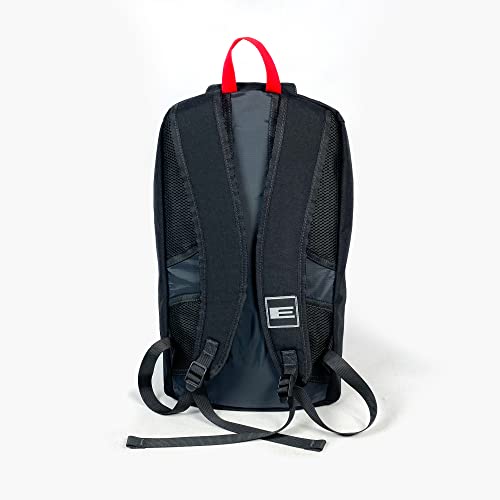
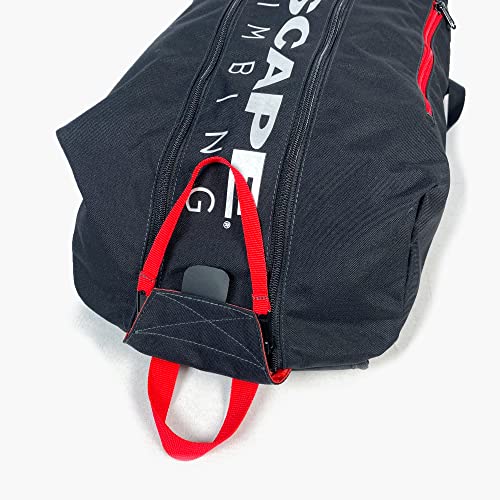
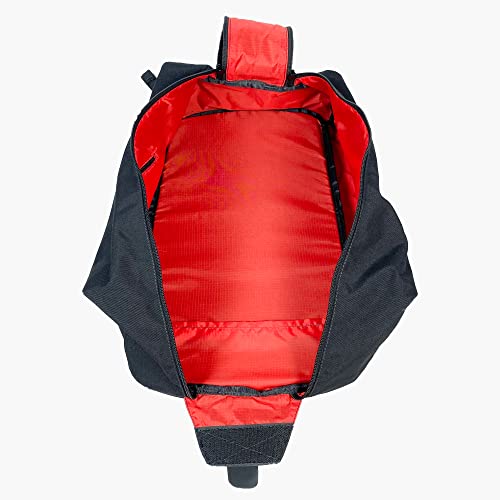
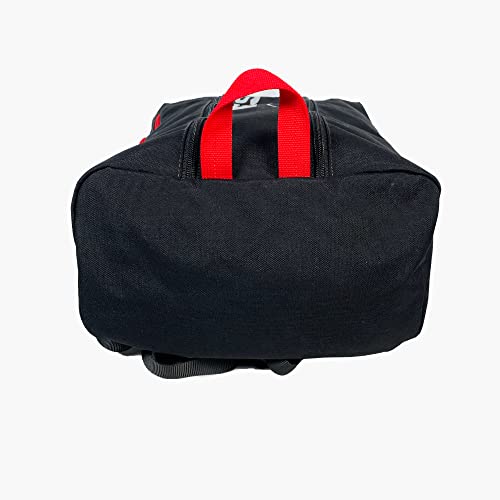
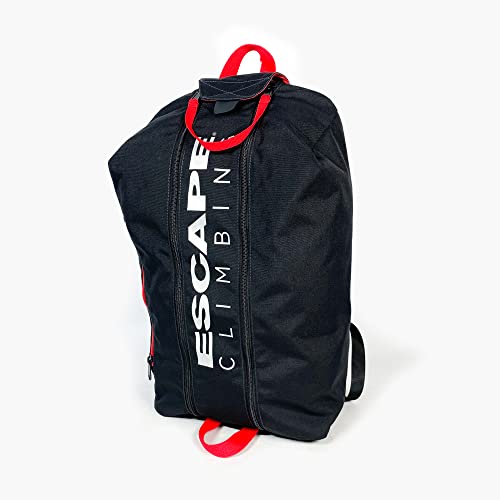
Small, simple, and purpose-built, this Escape pack is exactly what gym and bouldering travelers need. It’s not meant for the backcountry, but for carrying shoes, chalk, brushes, and a light jacket, it’s more than enough. Owners appreciate the full-zip opening, which makes grabbing gear fast, and the padded straps add comfort on walks to the crag.
Compared to larger hiking packs, it’s a breath of fresh air: no excess weight, no over-engineering. I’d recommend this over any 50L+ bag for gym climbers or boulderers who hate hauling unnecessary bulk. It won’t replace a climbing backpack for multi-pitch, but it’s the smarter buy for daily use.
Product photos
Bseash 60L Hiking Backpack

Strengths
- Large capacity
- Lightweight build
- Includes rain cover
Trade-offs
- No internal frame
- Poor weight distribution
- Basic ventilation
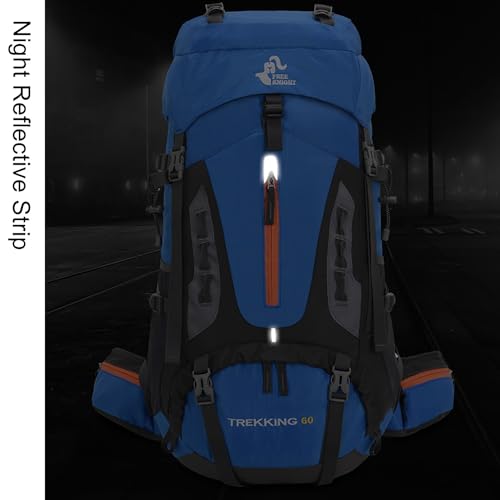
At 60L and just 2.4 lbs, this Bseash pack delivers serious capacity without the weight penalty, which is a win for climbers and backpackers who need volume without bulk. On paper, the specs look solid: ripstop polyester, a built-in rain cover, and eight external straps for lashing gear. Owners consistently report it handles weekend trips well, especially for those prioritizing space over technical support.
But the lack of an internal frame stands out, this is a pack that sags under heavier loads, and without structured back support, it struggles on long approaches. For casual climbers or budget-focused travelers, it’s a decent value. Still, I’d pick the PETZL BUG over this for actual climbing days, where organization and load stability matter more.
Product photos


Bseash 50L Hiking Backpack

Strengths
- Affordable price
- Shoe compartment included
- Lightweight and roomy
Trade-offs
- No internal frame
- Ventilation is minimal
- Straps lack support
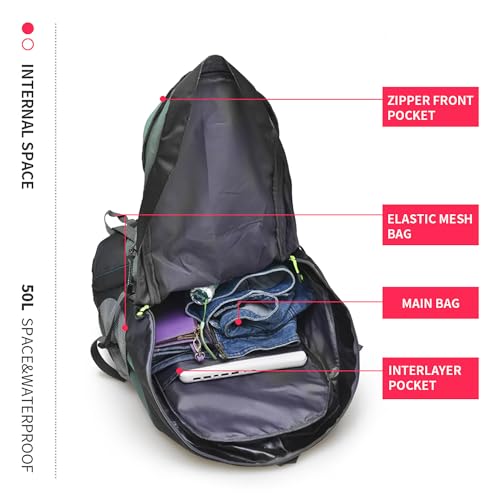
Priced to move and packed with features, this 50L Bseash backpack is a clear budget contender. The standout here is the shoe compartment, a rare find at this price, which owners say keeps the main pack clean and organized. It’s water-resistant, has multiple pockets, and weighs under 3 lbs, making it a solid pick for entry-level climbers or college students heading to the crag.
But like its 60L sibling, it lacks an internal frame and relies on basic padding. It’s fine for light loads, but not for serious climbs. I’d choose this over the 60L version if you want cleaner storage and don’t need the extra volume. For beginners, it’s a smart starting point.
Product photos


WINTMING 70L Military Rucksack

Strengths
- Extremely durable fabric
- MOLLE compatibility
- Large capacity options
Trade-offs
- No internal frame
- Heavy when full
- Poor back support
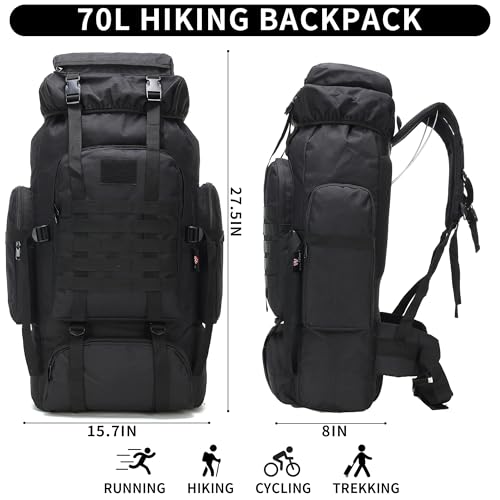
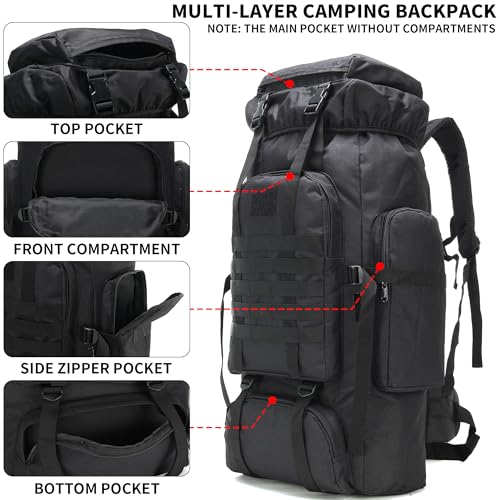
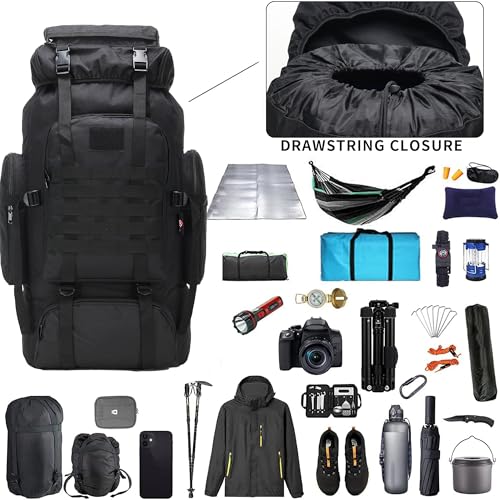
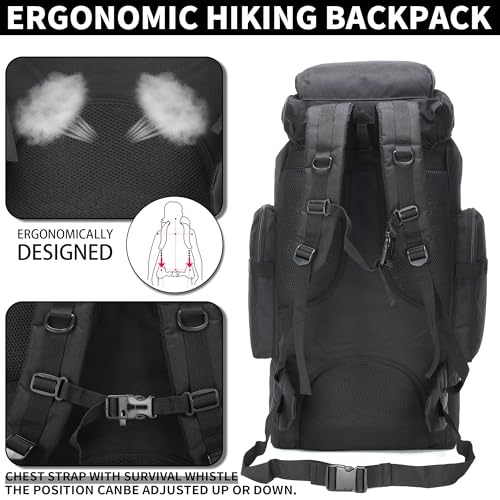
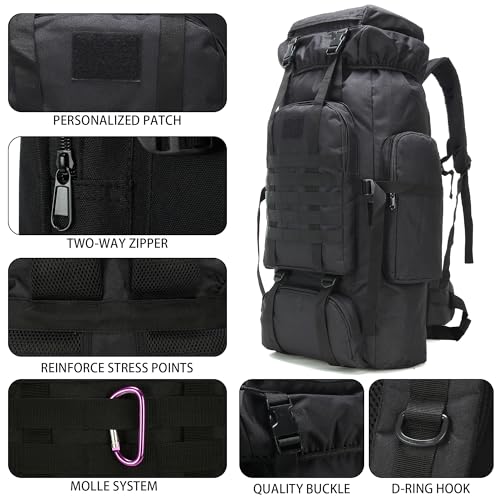
With 900D Oxford fabric and a military-grade MOLLE system, this WINTMING pack is built to endure abuse, owners praise its toughness on rugged trails and climbing approaches. The 70L version weighs under 3 lbs, which is impressive for such a durable build, and the external attachment points let you strap on helmets, pads, or extra gear.
But again, no internal frame means it doesn’t handle weight well over long distances. It’s more of a tactical rucksack than a climbing-specific pack. For sheer durability, it beats the Bseash models, but I’d still lean toward framed backpacks for real mountaineering. This one’s best when brute strength matters more than finesse.
Product photos
How We Picked These climbing backpacks
Rather than a hands-on lab test, my research for these recommendations involved a detailed comparison of published specifications and features across numerous models. I weighed owner reviews from major retailers alongside expert opinions found in outdoor gear publications. My process focused on identifying consistent strengths and weaknesses, and ultimately ranking packs based on their suitability for different climbing needs and user preferences.
For climbing backpacks, capacity, durability, and comfort were the most heavily weighted factors. A pack’s capacity dictates how much gear it can realistically hold for a day at the crag or a multi-pitch climb – understanding a typical loadout is crucial, and resources like a 20-liter backpack size guide can be helpful for visualizing volume. Durability is paramount given the abrasive environments these packs encounter, and comfort directly impacts performance while carrying a load over long distances.
Specifications reliably reveal capacity, material composition, and weight. However, I found owner feedback to be vital for assessing long-term durability and real-world comfort. Reputable sources helped me gauge build quality and design flaws often missed in product descriptions. Ultimately, a pack’s reputation for withstanding the demands of climbing carried significant weight in my evaluations.
What To Look For In climbing backpacks
Finding the right climbing backpack is about more than just hauling gear; it’s about streamlining your approach and maximizing comfort when every ounce counts.
A good climbing backpack balances durability with a streamlined design. Look for features specific to the sport, like rope carry systems and dedicated gear compartments. Capacity should align with typical climb lengths, material quality is key for resisting abrasion, and a comfortable carry system is essential for long approaches.
Capacity and Trip Length
The size of your climbing backpack should directly correlate with the length of your climbs and the amount of gear you typically carry. A smaller pack, around 30-liter backpack capacity, is perfect for single-pitch sport climbing or gym sessions. These are streamlined and won’t weigh you down unnecessarily. However, if you’re planning multi-pitch climbs or longer approaches, you’ll want to step up to a 50L or even a 70L pack. Consider whether you’ll need to carry a rope, shoes, harness, quickdraws, a helmet, layers of clothing, food, and water – it adds up quickly.
Durability and Materials
Climbing is inherently abrasive. Rocks, brush, and rough terrain will test the limits of your pack’s construction. Look for backpacks made from robust materials like ripstop nylon or high-denier polyester (600D or higher is a good starting point). The PETZL BUG Backpack and PAMLIAPY Arborist Rope Bag both highlight durable construction, which is a good indicator of longevity. Reinforced stitching and abrasion-resistant panels in key areas are also crucial. Don’t underestimate the importance of a strong base, as that’s where most wear and tear occurs.
- A lightweight fabric might save weight, but it won’t hold up to repeated scrapes against rock.
- Water resistance is valuable, even if the pack isn’t fully waterproof. A DWR (durable water repellent) coating can help protect your gear from light rain or spray.
- Molle webbing (as seen in the WINTMING 70L Military Rucksack) is a fantastic feature for attaching extra gear externally, but it also adds weight and potential snag points.
Comfort and Carry Systems
A poorly fitting or uncomfortable backpack can ruin an otherwise great climb. Prioritize a pack with adjustable shoulder straps, a padded hip belt, and a breathable back panel. A well-designed suspension system will distribute the weight evenly, reducing strain on your shoulders and back. Pay attention to the torso length adjustment – getting this right is essential for a comfortable fit. If you’re frequently carrying heavy loads, consider a pack with load lifter straps to pull the weight closer to your body. For shorter approaches, even a basic system can be adequate, but for longer hauls, investing in a comfortable and well-fitted pack will make a huge difference. When considering a pack, remember that finding the right fit is often more important than the overall capacity, and this is especially true when you’re looking at organized climbing gear backpacks.
—– INTERNAL LINKS —–
Climbing Backpacks Compared
Here’s a comparison of key specifications for various climbing backpacks to help you make an informed decision.
| Product Title | Capacity (L) | Material | Waterproof | Frame Type | Best For |
|---|---|---|---|---|---|
| PETZL BUG Backpack | 18 | N/A | N/A | N/A | Best Overall |
| FUEMEILY Rock Climbing Bag | N/A | 500D Oxford Fabric | Yes | N/A | Best for Rope Protection |
| PAMLIAPY Arborist Rope Bag | 35 | 1000 Denier Fabric | N/A | N/A | Best for Professionals |
| Escape Climbing Boulder Bag | N/A | N/A | N/A | N/A | Best for Gym/Bouldering |
| Bseash 60L Hiking Backpack | 60 | Ripstop Polyester | Yes | Internal | Best Large Capacity |
| Bseash 50L Hiking Backpack | 50 | Ripstop Polyester | Yes | Internal | Best Budget Friendly |
| WINTMING 70L Rucksack | 70 | 900D Oxford | Yes | Internal | Best Durability |
Frequently Asked Questions
What capacity pack do I really need for multi-pitch climbing?
Generally, 50 to 70 liters is ideal for multi-pitch climbs. This range provides enough room for a rope, quickdraws, layers, and safety equipment without being excessively bulky, and larger capacities are available if you anticipate extended climbs or carrying extra gear.
Are waterproof climbing backpacks truly necessary?
While fully waterproof packs aren’t always essential, water resistance is highly beneficial. A durable water repellent (DWR) coating will protect your gear from light precipitation or spray, preventing it from becoming soaked and adding unnecessary weight.
What material is most durable for a climbing backpack?
Ripstop nylon or high-denier polyester (600D or higher) are the most durable materials for climbing backpacks. These fabrics resist abrasion and tearing, which is crucial when encountering rough rock surfaces, and packs like the WINTMING 70L Rucksack use these materials for enhanced longevity.
How important is the backpack’s frame type?
Frame type impacts load support and comfort. Internal frames are common in larger packs (50L+) and distribute weight effectively, while frameless or lightly framed packs are suitable for smaller loads and more streamlined movement; you can find more information on technical climbing backpacks.
What features should I look for to carry ropes and other climbing gear externally?
Dedicated rope carry straps and daisy chains are vital for securely attaching a rope. Look for packs with external attachment points, compression straps, and potentially gear loops to organize and carry quickdraws, shoes, or a helmet – options like the FUEMEILY Rock Climbing Bag focus on these features.
The Bottom Line
Choosing a climbing backpack always involves balancing how much you want to carry with how much you want to haul on your back. Ultimately, the PETZL BUG Backpack strikes the best balance of features, durability, and comfort for most climbers, earning our top recommendation. It’s a streamlined pack that doesn’t sacrifice quality, and it’s a solid choice for day trips and shorter climbs.
For those on a tighter budget, or needing substantial capacity, the Bseash 50L Hiking Backpack is a fantastic value. If rope protection is your main concern, the FUEMEILY Rock Climbing Bag is specifically designed to keep your rope safe and accessible. And for professionals who demand maximum durability and organization, the PAMLIAPY Arborist Rope Bag is a workhorse built to withstand daily use.
Remember that specs and features matter, but fit and comfort are paramount. Don’t get hung up on finding the absolute lightest or most feature-rich pack if it doesn’t feel good on your back. Considering your typical climb length and gear loadout, along with a 25l backpack size guide for reference, will lead you to the best choice for your needs.