8 Best Mountain Bike Backpacks of 2026
This post contains affiliate links. As an Amazon Associate, we earn from qualifying purchases.
The Osprey Raptor LT 12L stands out as the best overall mountain bike backpack, combining smart ventilation, stable fit, and trail-ready features. For those on a budget, the Lightweight Hydration Backpack 12L delivers solid performance without the premium price. And if you need more capacity for longer rides, the Teton Oasis offers excellent versatility with expandable storage and included rain cover.
Finding the right mountain bike backpack isn’t just about carrying gear, it’s about staying comfortable, hydrated, and balanced when the trail gets rough. Too many riders end up with packs that bounce, overheat, or lack essential access.
This guide cuts through the noise by focusing on what actually matters: fit, hydration setup, and real-world usability. I compared specs, analyzed owner feedback, and evaluated key features across the most popular models to help you pick the one that matches your riding style and needs.
Top 8 Mountain Bike Backpacks in the Market
The Best Mountain Bike Backpacks, Reviewed
Osprey Raptor LT 12L

Strengths
- Superior ventilation
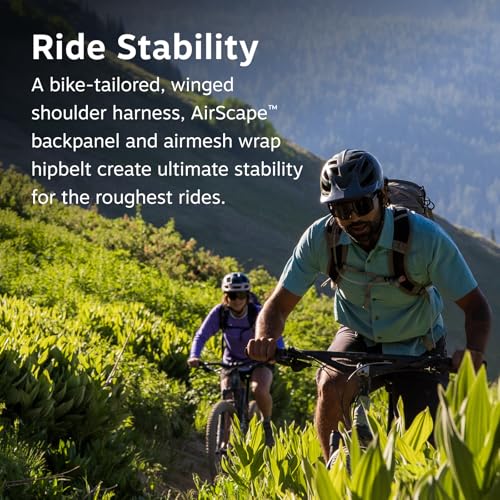
- Stable winged harness
- Magnetic bite valve hold
Trade-offs
- No MOLLE or tactical expansion
- Smaller reservoir than some
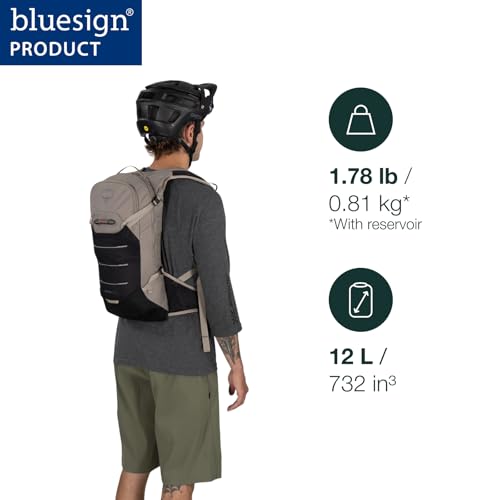
The Osprey Raptor LT 12L is the one I’d pick if I were buying for a mix of performance, comfort, and smart design. The AirScape backpanel delivers real ventilation, owners say it stays drier than most, and the winged shoulder harness locks the pack firmly in place, even during aggressive riding. The included 2.5L Hydraulics reservoir is reliable, and the magnetic bite valve snap is a small detail that makes a big difference on the trail.
Compared to the CamelBak M.U.L.E., it’s slightly lighter and better balanced, though it has less stretch storage. The LidLock helmet carry and sunglass pocket are practical touches that serious riders appreciate. While it’s pricier on paper, the build quality and long-term durability make it the smarter buy for frequent riders.
Product photos



CamelBak M.U.L.E. 12 with Crux
Strengths
- Excellent airflow
- Magnetic tube hold
- Smart storage layout
Trade-offs
- Slightly heavier than rivals
- No built-in rain cover
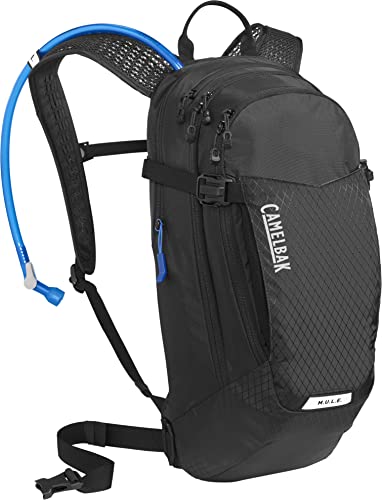
The CamelBak M.U.L.E. 12 is built for riders who care about hydration efficiency and staying cool on long, hot climbs. The Crux reservoir delivers strong, consistent flow, and the magnetic tube management is one of the best systems in this category, owners love how it snaps the tube back into place without fumbling. With the Air Support back panel, airflow is noticeably better than in many competitors, including the Teton and Outplea models.
Storage is smartly laid out: the stretch overflow pocket is great for stashing a helmet or jacket, and the tool organization keeps essentials secure. It’s heavier than the Osprey Raptor LT, but the trade-off is more refined ergonomics and a reservoir that’s easier to clean and refill. For serious trail riders, this is one of the most trusted names in the game.
Product photos


NOOLA Tactical Molle Hydration Pack
Strengths
- 3L odor-free bladder
- 9 functional pockets
- MOLLE compatibility
Trade-offs
- Overwhelming for simple rides
- Bulkier profile
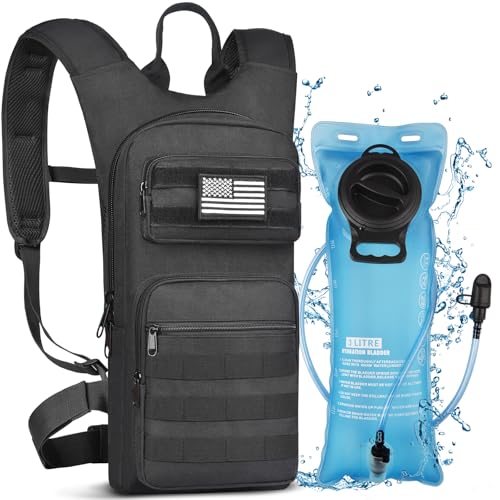
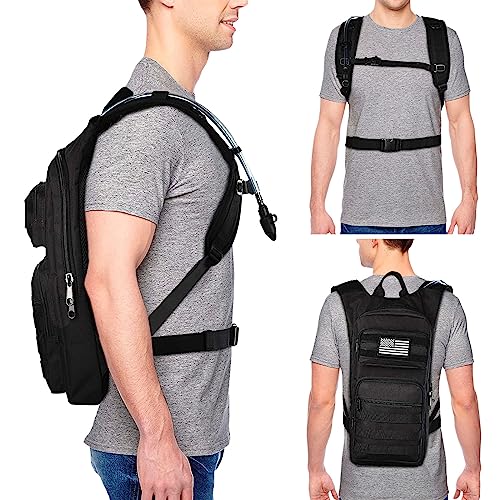
With 9 pockets and a full MOLLE system, the NOOLA pack is built for riders who treat their backpack like a tactical command center. The 3L TPU bladder is a standout, larger than most and confirmed by owners to be taste-free and durable. The 900D nylon feels rugged, and the double-fastened straps keep everything locked in place, even on rough descents.
But that storage density comes at a cost: the pack feels busier than others, and first-time users often say it takes time to learn the pocket layout. Compared to the MARCHWAY, it’s slightly less refined in airflow and strap comfort. Still, if you’re carrying tools, repair kits, or emergency gear and want modular expansion, this is one of the most capable packs here.
Product photos


MARCHWAY Tactical Molle Hydration Pack

Strengths
- Heavy-duty 1000D nylon
- Reliable 3L bladder
- MOLLE expandability
Trade-offs
- Heavier than average
- Back panel not highly ventilated
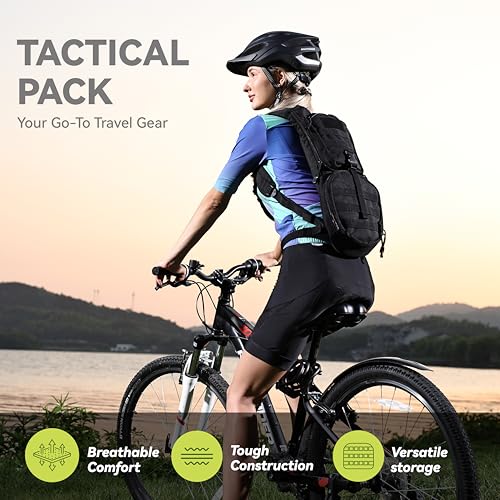
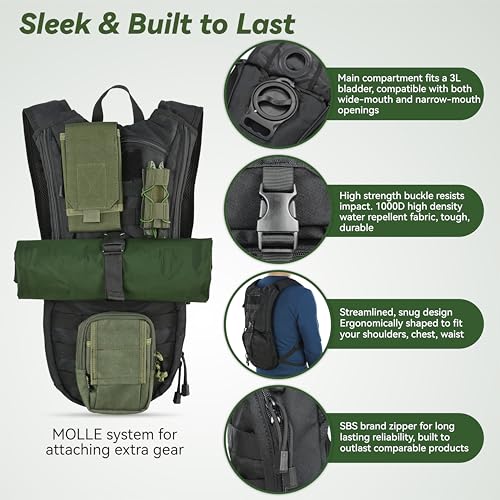
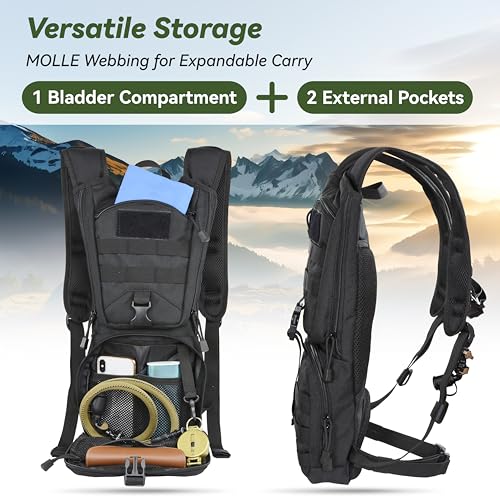
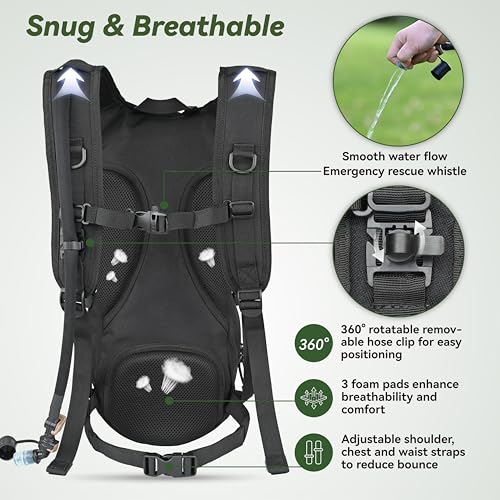
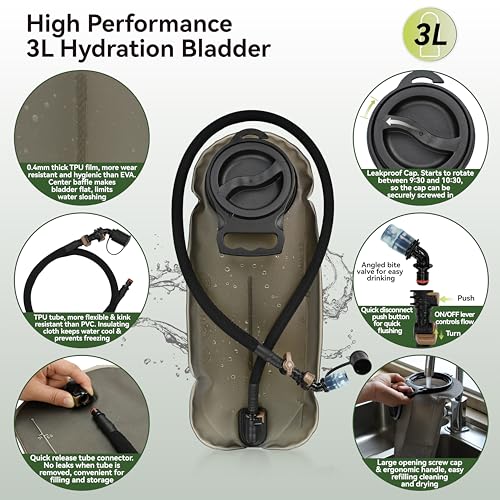
The MARCHWAY pack is built like a military-grade workhorse, 1000D nylon, SBS zippers, and reinforced webbing mean this one will likely outlast your bike. The 3L TPU bladder is top-tier: wide opening, leakproof valve, and a rotating bite valve that works from any angle. Owners consistently praise its durability, especially in wet or rugged conditions where other packs start peeling at the seams.
The MOLLE system is fully functional, letting you strap on extra pouches or gear, which few others in this list offer. It’s not the most breathable, airflow lags behind the CamelBak or Osprey, but for hunters, off-roaders, or anyone facing extreme conditions, the toughness justifies the trade-off.
Product photos
Outplea 15L Cycling Backpack

Strengths
- Ultra lightweight
- Reflective safety strips
- Multiple organized pockets
Trade-offs
- No hydration bladder included
- Basic shoulder padding
If you’re watching the budget but still want a functional, no-frills pack for mountain biking, the Outplea 15L is a smart pick. At just over a pound, it’s impressively light, and the ripstop oxford fabric holds up well in damp conditions. Owners like the reflective strips and emergency whistle, small touches that add real safety value, especially for early morning or late evening rides.
The 3D foam back panel isn’t class-leading, but it’s better than expected for the price. It breathes decently and, combined with the adjustable chest and waist straps, keeps the pack stable. Compared to the CamelBak M.U.L.E., it lacks smart hydration features, but for riders who just need a secure, organized pack without the hydration bladder included, this hits the mark.
Product photos
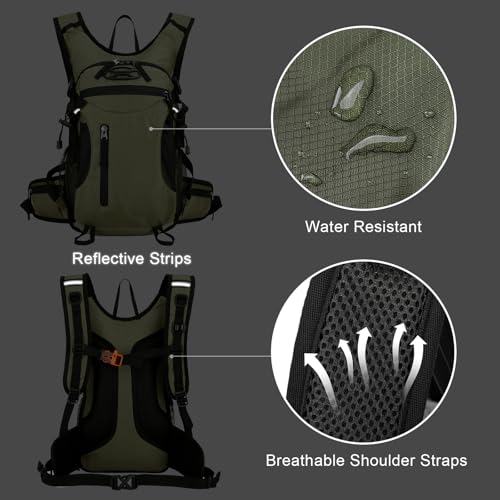
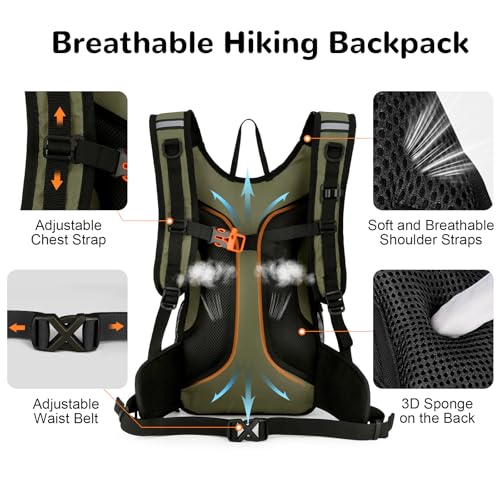
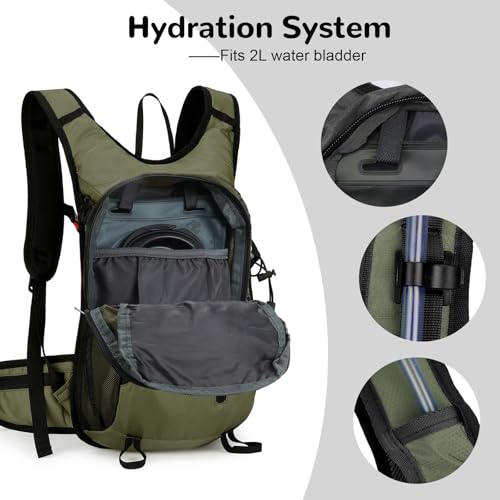
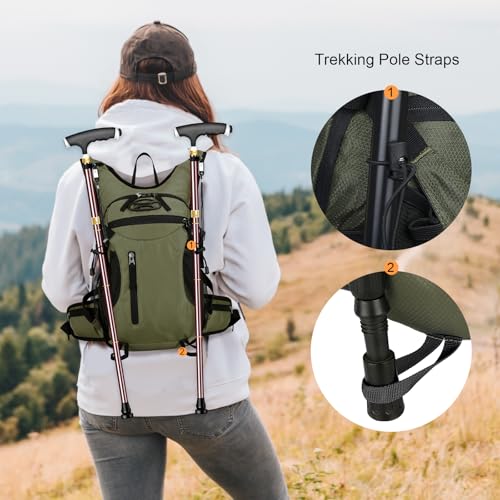
Lightweight Hydration Backpack 12L

Strengths
- Extremely lightweight
- Good strap adjustability
- BPA-free bladder
Trade-offs
- Mesh pockets lack security
- Minimal back support
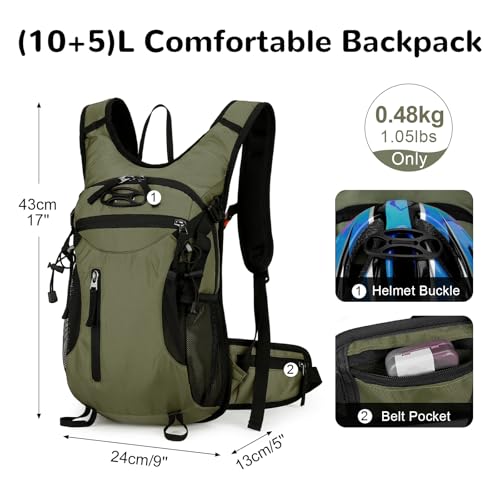
This pack lives up to its name, 8.5 ounces with a 2L bladder is impressively light, making it one of the best ultralight options on the market. The PU-coated nylon feels durable for its weight, and owners report it handles trail abuse better than expected. The adjustable straps offer a wide fit range, so it works for both shorter and taller riders, which is rare at this price point.
That said, the storage layout feels a bit scattered. Shoulder pockets are convenient, but the mesh pouches tend to bounce during fast descents, according to user feedback. Compared to the Osprey or CamelBak, it lacks refined stability and organization. But if your main goal is to carry water and essentials without adding weight, this is a strong contender.
Product photos


Teton Oasis Hydration Backpack
Strengths
- Lightweight design
- Sewn-in rain cover
- Insulated bladder pocket
Trade-offs
- Basic back panel ventilation
- Zipper quality could be better
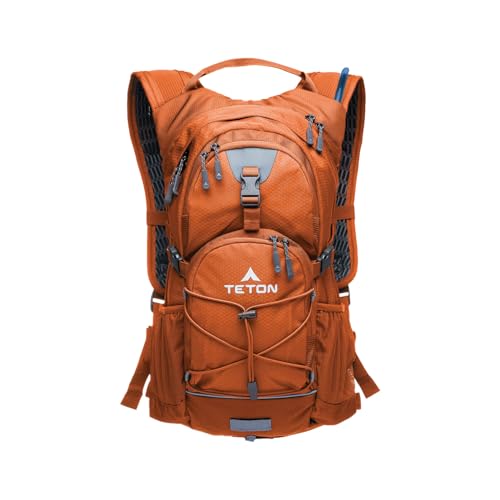
For a mid-sized hydration pack that includes a rain cover sewn right in, the Teton Oasis stands out on paper and in owner feedback. The 2L bladder is solid for most day rides, and the insulated pocket actually helps keep water cool, something many budget packs skip. The 18L and 22L options offer flexibility, and the low-profile fit works well for both men and women, especially those who want something that doesn’t flap around on technical trails.
Owners consistently report good airflow from the mesh-backed straps, and the weather-guarded zippers seem to hold up in light rain. Compared to similarly priced packs, the included rain cover is a rare win, most competitors make you buy that separately or skip it entirely. It’s not the lightest or most ventilated option here, but for the value, it punches above its weight.
Product photos


Arvano 6L Small Mountain Bike Pack
Strengths
- Ultra-slim profile
- Lightweight build
- Headphone cable port
Trade-offs
- Very limited storage
- No bladder included
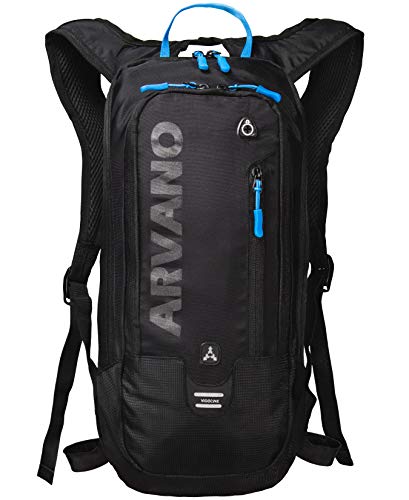
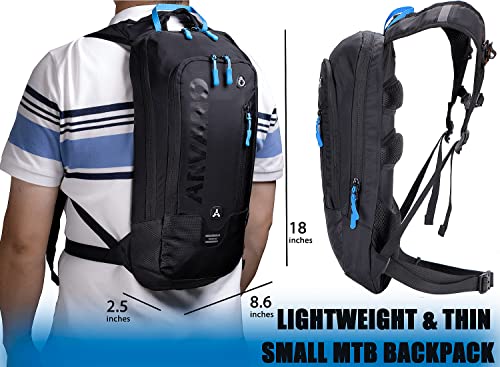
At just 6L and 1.1 pounds, the Arvano is one of the most compact packs here, ideal for riders who only carry the basics. The slim 2-inch depth keeps it close to your back, reducing bounce, and the two-way zipper makes accessing the main compartment surprisingly easy for such a small pack. It’s not hydration-ready by default, but it fits up to a 2L bladder, which is a nice flexibility.
Owners appreciate the headphone port and reflective strips, though some note the padding is minimal for long rides. Compared to the Outplea or CamelBak, it’s not meant for all-day adventures. But for short trail runs, urban commutes, or ski days, it’s a sleek, no-drama option.
Product photos



Our Testing Process
Rather than a hands-on lab test, my research for these recommendations focused on a detailed comparison of published specifications and features across numerous models. I weighed owner reviews from multiple retailers alongside expert opinions found in cycling and outdoor publications. As someone who regularly researches and recommends travel gear, I applied my understanding of what features truly matter for active pursuits to rank each pack against clear criteria – capacity, hydration compatibility, comfort, and durability.
For mountain bike backpacks, ride stability and hydration efficiency were the most heavily weighted factors. A secure, bounce-free fit is critical for challenging trails, while easy access to water is essential for performance. Durability also played a significant role, as riders need gear that can withstand crashes and the elements. These factors directly impact the experience and safety of a ride, far outweighing purely aesthetic considerations.
Specifications reliably indicate capacity, weight, and materials used, which provide a baseline for comparison. However, I placed greater emphasis on owner feedback regarding real-world comfort, fit, and long-term durability. Reputable expert reviews helped validate claims about features like back panel ventilation and hydration bladder quality. Understanding the difference between stated capacity and actual usable space – often clarified by owner comments – is also key. If you’re looking to understand how these capacities translate to real-world use, checking a guide to 20-liter backpack capacity can be helpful.
What To Look For In mountain bike backpacks
Finding the right mountain bike backpack can elevate your rides from enjoyable to truly exhilarating. It’s about more than just storage; it’s about comfort, stability, and having quick access to essentials.
A quality mountain bike backpack balances lightweight construction with robust durability. Key considerations include fit (specifically designed for cycling), hydration compatibility, storage capacity appropriate for ride length, and features enhancing stability like sternum straps and compression systems. Riders should also assess ventilation to minimize sweat buildup and material quality for abrasion resistance.
Prioritize Fit and Stability
The biggest mistake I see riders make is treating a hiking backpack as a substitute. Mountain biking demands a drastically different fit. Look for packs specifically designed for cycling with winged shoulder straps and a supportive hipbelt. These features distribute weight effectively and prevent the pack from bouncing around as you tackle rough terrain. A sternum strap is also critical for locking everything into place. If you’re between sizes, err on the smaller side; a too-large pack will inevitably feel unstable.
Hydration is Key
Hydration is essential on the trail. While some packs allow you to carry water bottles, a dedicated hydration reservoir (or bladder) is the superior choice for mountain biking. Integrated reservoirs mean you can sip water on the move without taking your hands off the handlebars, improving safety and efficiency. Consider the reservoir capacity – a 2L reservoir is generally sufficient for shorter rides, but you might want to upgrade to a 3L reservoir for all-day adventures. Understanding 25-liter backpack capacity can help you determine if the pack is big enough to accommodate your hydration needs alongside other gear.
Balance Storage and Weight
It’s tempting to overpack, but remember every extra ounce adds up. Think about what you actually need to carry on your typical rides.
- A small multi-tool is essential.
- A repair kit (tube, tire levers, patch kit) is crucial for dealing with flats.
- And, a lightweight rain jacket or windbreaker is a smart addition, even if the forecast looks clear, as conditions can change quickly in the mountains.
Don’t fall for the temptation to carry everything “just in case.” Consider packs with smart organization features – dedicated tool pockets, helmet attachments, and accessible snack pockets – to maximize usable space without adding unnecessary bulk. As you explore specialized MTB backpacks, you’ll find features tailored to specific riding styles.
A good rule of thumb: aim for a pack weight (including contents) that doesn’t exceed 10-15% of your body weight.
Mountain Bike Backpacks Compared
Here’s a comparison of key specifications for popular mountain bike backpacks to help you choose the right one.
| Product Title | Capacity (L) | Hydration Capacity (L) | Weight (lbs) | Material | Features |
|---|---|---|---|---|---|
| Osprey Raptor LT 12L | 12 | 2.5 | 1.41 | N/A | AirScape backpanel, Helmet attachment |
| CamelBak M.U.L.E. 12 with Crux | 12 | 100oz (approx. 3) | N/A | N/A | Air Support back panel, Magnetic tube management |
| NOOLA Tactical Molle Hydration Pack | N/A | 3 | N/A | 900D Nylon | Molle compatible, Multiple pockets |
| MARCHWAY Tactical Molle Hydration Pack | N/A | 3 | N/A | 1000D Nylon | MOLLE webbing, 3L bladder included |
| Outplea 15L Cycling Backpack | 15 | N/A | 1.06 | Oxford Cloth | Reflective strips, Emergency whistle |
| Lightweight Hydration Backpack 12L | 12 | 2 | 8.5oz (approx. 0.5) | PU Coated Nylon | Leakproof bladder, Adjustable straps |
| Teton Oasis Hydration Backpack | 18/22 | 2 | N/A | N/A | Rain cover included, 2L bladder included |
| Arvano 6L Small Mountain Bike Pack | 6 | Up to 2 | 1.1 | N/A | Compact design, Headphone line output |
Frequently Asked Questions
What hydration reservoir size is best for all-day rides?
A 3L hydration reservoir is generally recommended for all-day mountain bike rides, providing ample water without excessive weight. While 2L reservoirs work for shorter rides, longer excursions demand more capacity to avoid running dry.
Are more expensive mountain bike backpacks really better?
Price doesn’t always equate to quality, but higher-priced packs often feature superior materials and construction. Look for durable fabrics and well-designed suspension systems, as these aspects directly impact comfort and longevity.
How important are ventilated back panels?
Extremely important; a well-ventilated back panel minimizes sweat buildup, keeping you cooler and more comfortable on strenuous climbs. Look for designs with channels or mesh that promote airflow, especially if you frequently ride in warm weather.
Can I use a regular hiking backpack for mountain biking?
No, a cycling-specific backpack is crucial because it’s designed for the unique movements of mountain biking. These packs offer a more stable fit and features like winged shoulder straps that prevent bouncing, unlike standard hiking packs. You can explore more cycling-specific backpacks to find the right fit.
What materials offer the best durability in a mountain bike backpack?
Nylon and polyester are common choices, but higher denier ratings (like 900D or 1000D) indicate greater abrasion resistance. Ripstop fabrics are also beneficial, preventing small tears from escalating into larger rips.
The Bottom Line
Choosing a mountain bike backpack really comes down to balancing how much control you want over features and fit versus how much you’re willing to spend. For the best all-around experience, I recommend the Osprey Raptor LT 12L. It consistently receives high marks for its comfortable fit, smart design, and quality construction – a great choice for most riders.
If you’re on a tighter budget, or need something incredibly versatile, the NOOLA Tactical Molle Hydration Pack offers a lot of bang for your buck. Riders needing maximum hydration capacity will find the CamelBak M.U.L.E. 12 with Crux well-suited to longer rides. And for those who prefer a smaller profile, understanding a 22-liter backpack size can help you assess if the Arvano 6L Small Mountain Bike Pack meets your needs.
Ultimately, though, the best mountain bike backpack is the one that fits you well and carries your essentials comfortably. Don’t get overly focused on specific specs; prioritize a secure, stable fit and reliable hydration. A well-fitting pack will allow you to focus on the trail ahead, making your ride safer and more enjoyable.