8 Best Hydration Backpacks for Mountain Biking 2026
This post contains affiliate links. As an Amazon Associate, we earn from qualifying purchases.
The CamelBak M.U.L.E. 12 stands out as the best hydration backpack for mountain biking, offering a secure fit, smart storage, and reliable hydration. For a budget-friendly option, the EVERFUN Hydration Backpack 18L delivers impressive capacity and features without the high price. If you’re after lightweight versatility for shorter rides, the Osprey Berm 8L is a strong contender.
A bouncing pack or a leaking bladder can ruin even the most scenic ride. As a frequent traveler and gear tester, I know how critical it is to have equipment that performs under pressure, whether on a trail or a long journey.
This guide cuts through the noise, focusing on real-world feedback, build quality, and practical features. I researched each pack based on capacity, fit, ventilation, and what actual riders have to say, so you can choose with confidence.
Top 8 Hydration Backpack Mountain Biking in the Market
The Best Hydration Backpack Mountain Biking, Reviewed
CamelBak M.U.L.E. 12 Mountain Bike Pack

Strengths
- 100oz Crux reservoir
- Body-mapped ventilation
- Helmet carry
Trade-offs
- Slightly heavier
- Higher price point
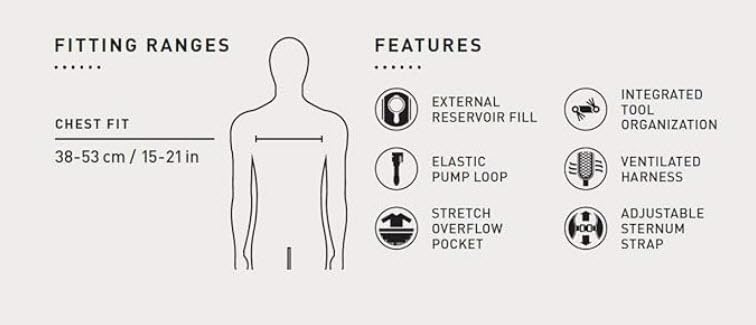
If I had to pick one pack for most mountain bikers, it would be the CamelBak M.U.L.E. 12. The 100oz Crux reservoir is the real deal, more water, fewer refills, and the quick-connect system makes cleaning and filling a breeze. The Air Support back panel uses body-mapped ventilation, and owners consistently report staying cooler on climbs compared to lesser packs.
Storage is where it really pulls ahead: integrated tool organization, a stretch overflow pocket, helmet carry, and a removable waist strap make this a true trail-ready companion. It’s not the lightest, but the weight is justified by features that matter. Compared to the Osprey Raptor, it’s slightly roomier and more ventilated. For riders who want one do-it-all pack that balances hydration, comfort, and smart layout, the M.U.L.E. is the smarter buy.
Product photos


Osprey Raptor 10L Men’s MTB Pack

Strengths
- Winged harness
- 2.5L reservoir
- Tool roll included
Trade-offs
- Heavier than ultralight options
- Bulkier profile
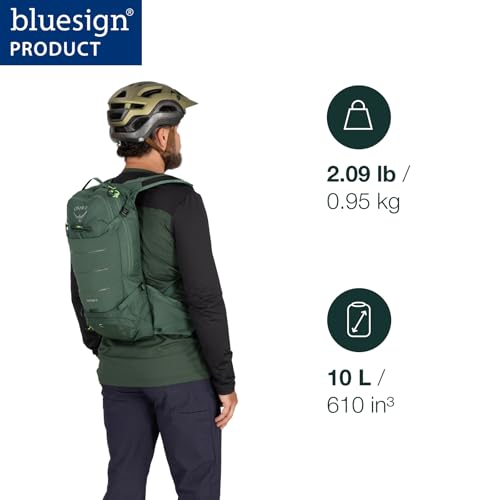
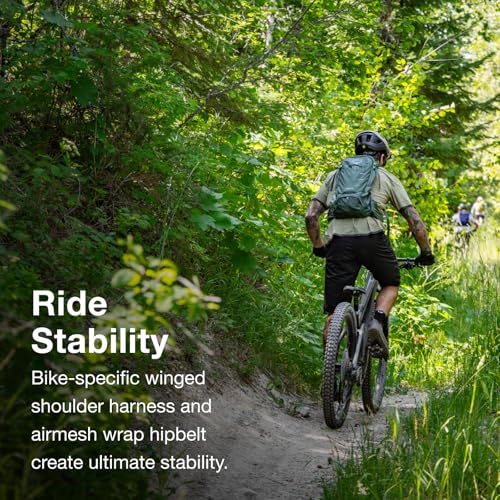
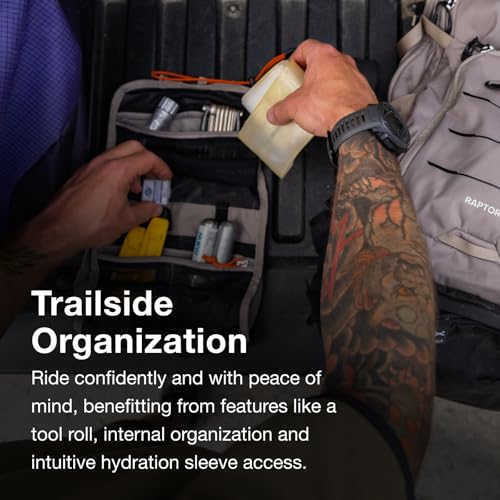
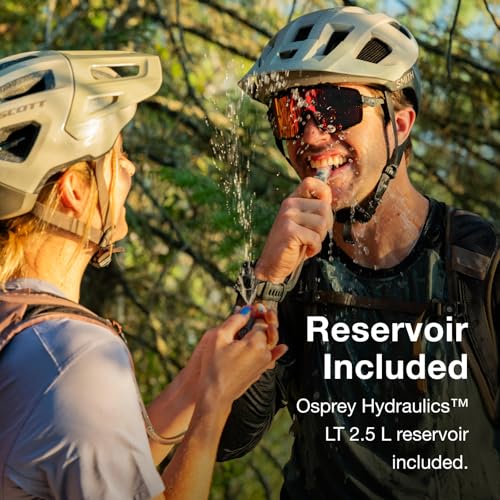
The Osprey Raptor 10L is built like a proper mountain biking workhorse, and on paper, it shows. With its winged harness and airmesh wrap hipbelt, this pack delivers the kind of stability that serious trail riders actually need when things get technical. Owners consistently report that it stays locked in place even during aggressive descents, which is rare in this category. The inclusion of a full 2.5L Hydraulics LT reservoir and smart trailside organization, like the internal tool roll, makes it a strong pick for all-day rides or bike park laps.
It’s not the lightest option, tipping the scales at just over 2 pounds, but that weight brings substance. The front stretch mesh pocket is a small detail that gets praised in reviews for stashing layers or a helmet. Compared to slimmer packs like the Berm 8, the Raptor trades some minimalism for real utility. For riders who want one pack to handle long missions without constant refills, this hits a sweet spot.
Product photos

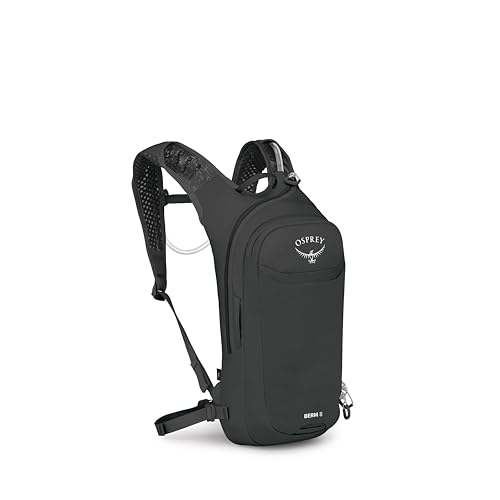
Osprey Berm 8L Biking Backpack
Strengths
- Ultra-lightweight
- AirScape backpanel
- Magnetic bite valve
Trade-offs
- Smaller storage
- No hipbelt padding
- Shorter ride focus
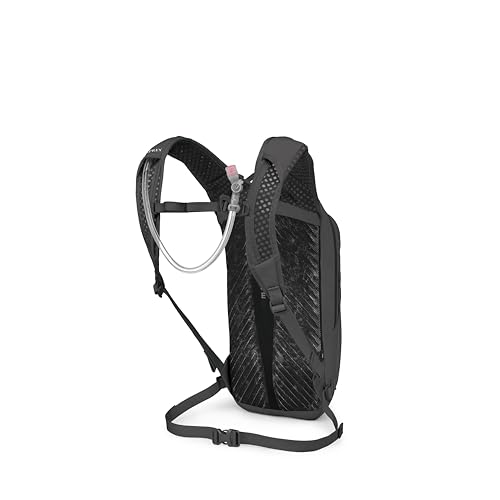
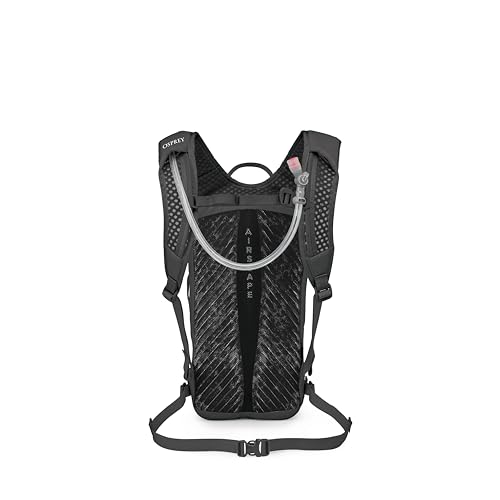
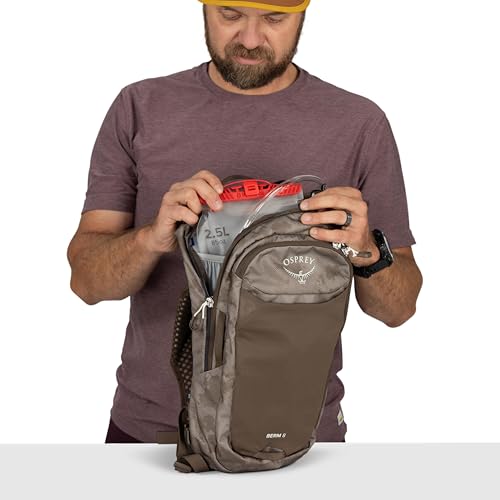
The Osprey Berm 8 is a masterclass in lightweight performance. At just 1.27 lbs, it’s one of the lightest fully-featured bike packs here, yet it still includes a 2.5L Hydraulics LS reservoir and a magnetic bite valve for easy access. The AirScape backpanel, covered in breathable mesh, delivers solid ventilation without adding weight, and the unisex fit works well across body types.
It’s not built for all-day epics, but for mid-distance rides, it’s ideal. The front shove-it pocket is perfect for a windbreaker or snack, and the internal tool pockets keep essentials secure. Compared to the Raptor 10, it sacrifices some storage and hipbelt stability for featherlight carry. If you’re doing 2–3 hour rides and want something that disappears on your back, the Berm 8 is my pick over bulkier models.
Product photos


MARCHWAY Tactical Molle Hydration Pack

Strengths
- 3L bladder capacity
- MOLLE compatibility
- 1000D nylon build
Trade-offs
- Bulky design
- Stiff fit
- Overbuilt for biking
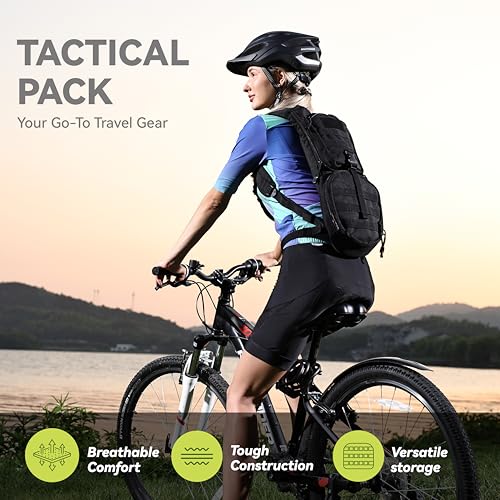
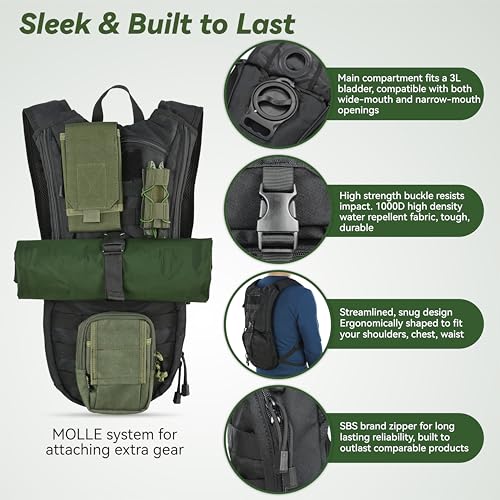
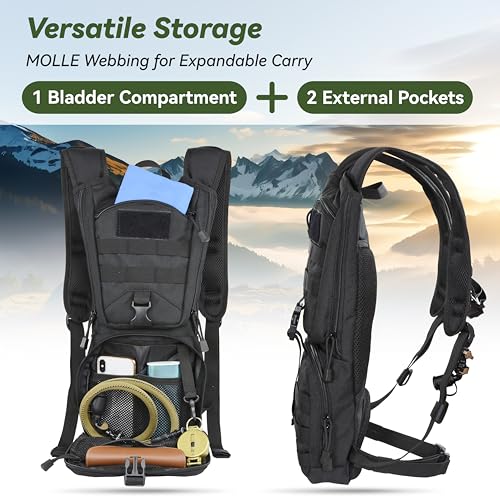
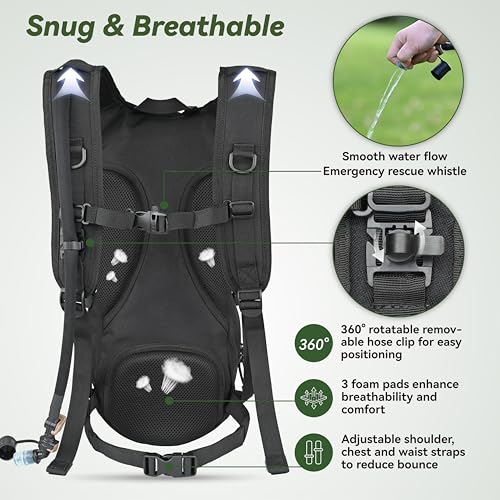
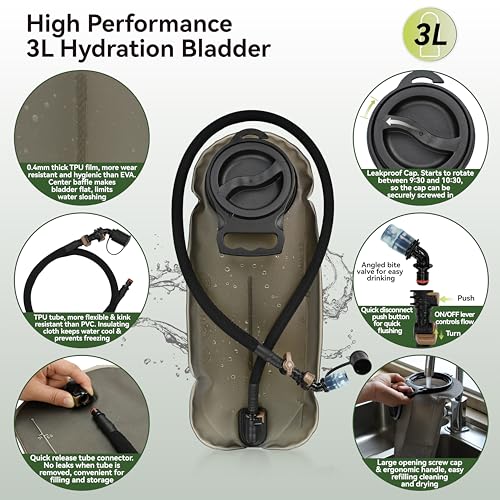
The MARCHWAY pack is built like a tank, literally. Constructed from 1000D water-repellent nylon and loaded with military-grade zippers and MOLLE webbing, it’s overbuilt in the best way for rugged use. The 3L bladder is a standout, one of the largest here, and the wide-mouth design with quick-release valve makes refills and cleaning easier than most. Owners praise its durability on hunting trips and long backcountry hikes.
But that toughness comes with trade-offs. It’s bulkier and stiffer than bike-specific packs, and the fit isn’t as refined for fast mountain biking. The MOLLE system is great if you’re attaching extra gear, but unnecessary for most casual riders. Compared to the Osprey or CamelBak models, it’s less about ride-tuned ergonomics and more about brute resilience. I’d recommend it for hunters, hikers, or anyone in harsh environments, but not for nimble trail riders.
Product photos
CamelBak Rogue Bike Hydration Pack

Strengths
- External refill flap
- Magnetic tube trap
- Crux reservoir
Trade-offs
- Smaller capacity
- Limited tool storage
- No helmet carry
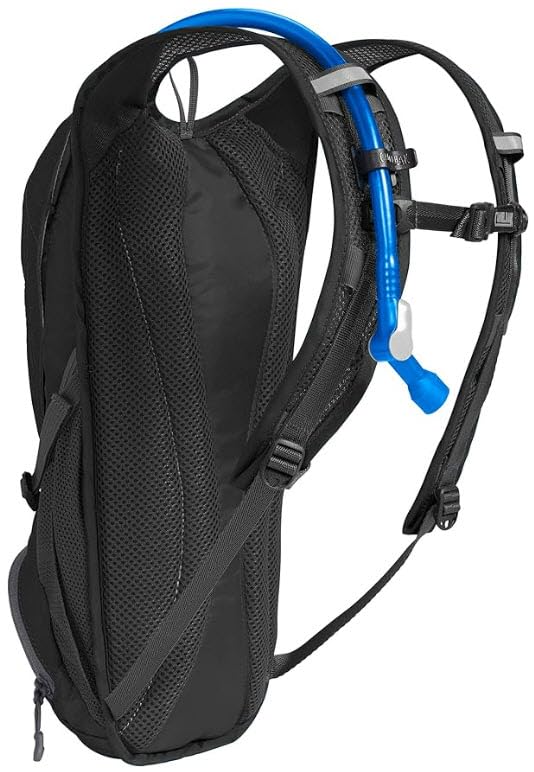
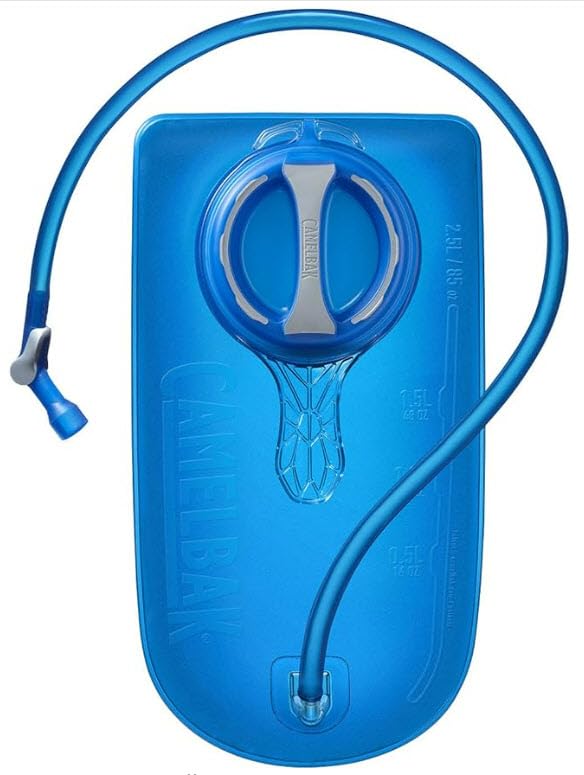
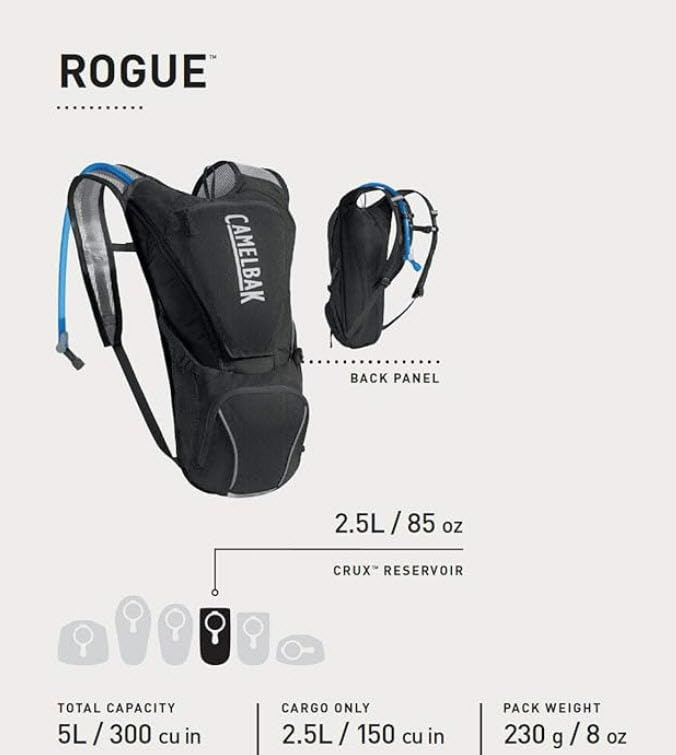
The CamelBak Rogue stands out for one standout feature: the external refill flap. Being able to top off the 85oz Crux reservoir without pulling it out is a real time-saver, owners love this on long rides when every stop counts. The Crux reservoir itself is proven tech, delivering strong flow with fewer sips needed per gulp. Paired with the magnetic tube trap, hydration stays smooth and distraction-free.
It’s not the largest pack here, but it’s smartly designed. The air mesh back panel keeps airflow moving, though it doesn’t match the body-mapped cooling of the M.U.L.E. Still, for road riders or trail cyclists who value efficiency and ease, the Rogue hits the mark. It falls just short of the M.U.L.E. in storage and capacity, but if quick refills are your priority, this is the pack to beat.
Product photos
INOXTO Running Hydration Vest

Strengths
- Extremely lightweight
- Breathable mesh
- Reflective trim
Trade-offs
- Limited storage
- No back support
- Small bladder
This INOXTO vest leans hard into the ultra-lightweight category, and at just 140 grams, it’s nearly featherweight. The 1.5L bladder keeps hydration modest, but that’s by design, it’s meant for runners and racers who prioritize speed over storage. The ventilated mesh and ergonomic fit are well-aligned with what trail runners need, and owners note the bounce-free carry when straps are properly adjusted.
Still, it’s not without compromises. The lack of structured back support means it’s not ideal for rougher terrain or technical trails. Compared to the Osprey or CamelBak offerings, it feels more like a race-day specialist than an all-rounder. And while the front pockets are convenient for gels or a phone, they’re shallow, some reviewers mention items bouncing out during sprints. If you’re logging miles on foot and want minimal drag, it works. But for mountain biking? I’d look elsewhere.
Product photos


2 Pack TNYSPORT Lightweight Hydration
Strengths
- 2-pack value
- 3-layer pockets
- Reinforced straps
Trade-offs
- Basic strap padding
- No magnetic hose trap
- No external refill
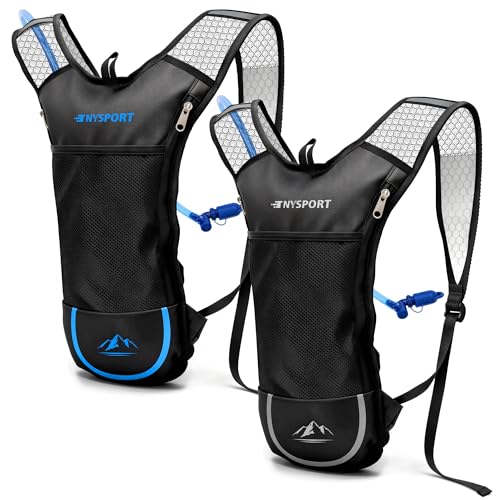
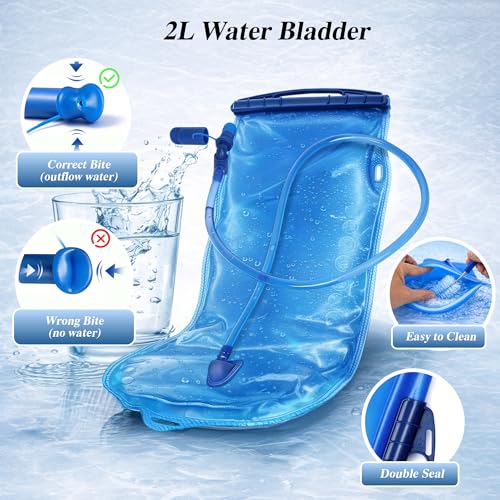
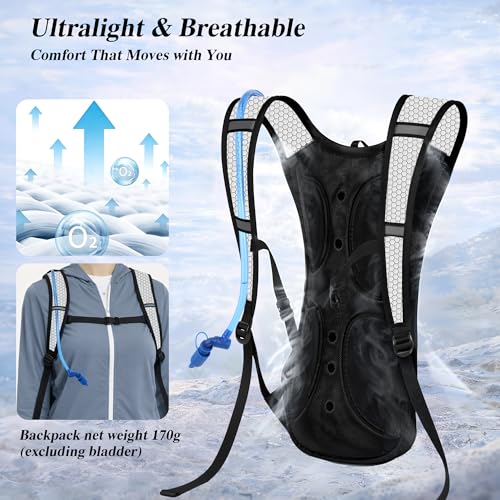
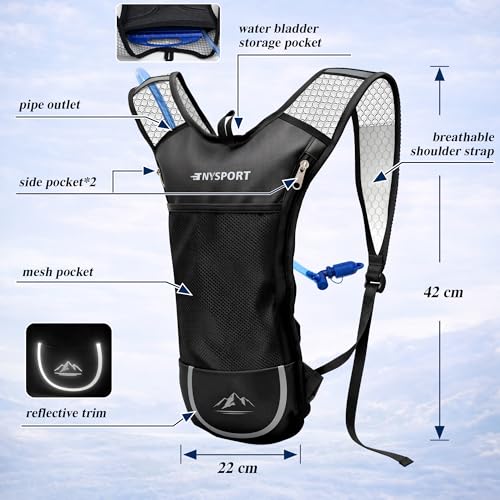
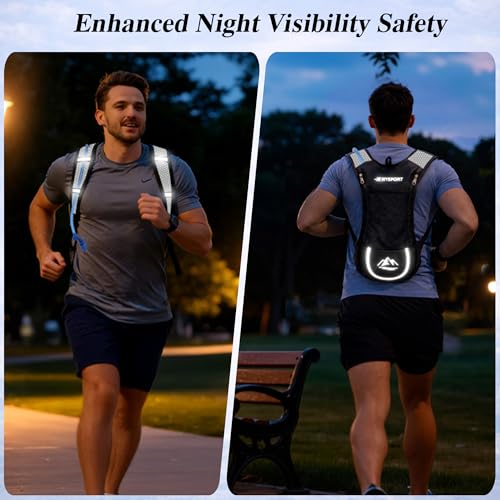
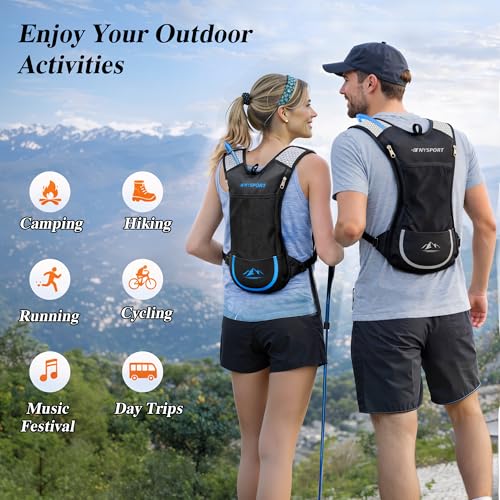
At first glance, the big sell here is obvious: two full hydration packs for the price of one. The 2L bladder in each gives solid capacity, and the 3-layer pocket system adds real organization, more than you’d expect at this tier. The nylon build is durable enough for regular trail use, and owners say the reinforced stitching holds up well over time. For couples or friends who hike or run together, this set makes logistical sense.
But it’s not premium. The shoulder straps, while padded, lack the sculpted support of higher-end models, and the back panel, though breathable, doesn’t offer targeted ventilation. There’s no magnetic hose clip or external refill flap, conveniences that matter on longer rides. Still, for the budget-conscious buyer who wants reliability without overspending, this two-pack delivers. It won’t outperform a CamelBak M.U.L.E., but it’s a smarter buy than grabbing two random no-name packs off the shelf.
Product photos
EVERFUN Hydration Backpack 18L
Strengths
- Built-in rain cover
- 18L storage
- Insulated bladder sleeve
Trade-offs
- Less bike-specific fit
- Heavier than minimalist packs
- Bladder not top-tier
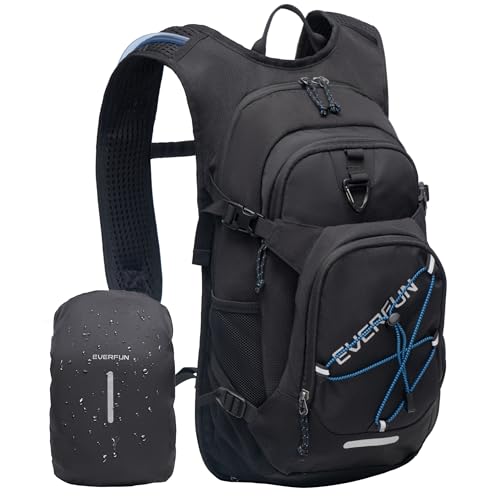
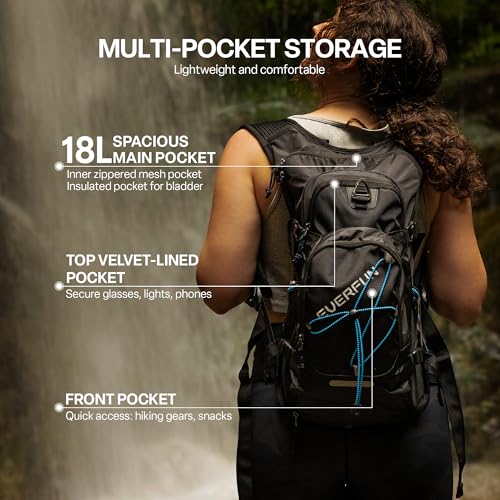
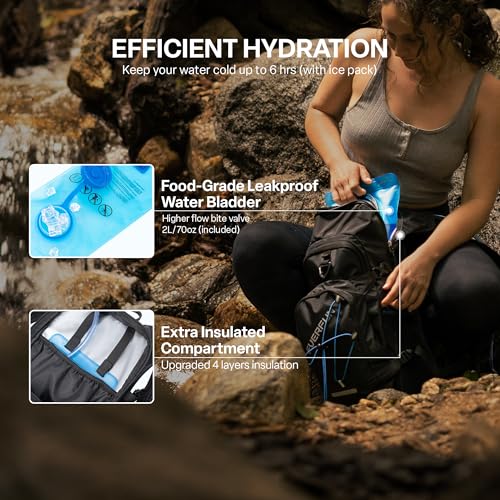
The EVERFUN 18L pack is one of the most weather-ready options here, and the built-in rain cover is a standout for unpredictable conditions. The 18L volume gives serious storage, more than most hydration packs, and the 8-pocket layout keeps gear well-organized. The insulated compartment helps keep water cool for hours, a small but appreciated detail on hot rides.
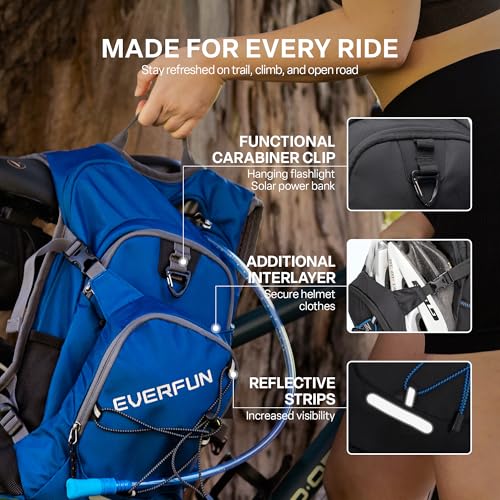
Owners highlight the 360° reflective strips and emergency whistle on the chest clip as smart safety touches. It’s also one of the most versatile packs, equally at home on a mountain bike, ski trail, or festival grounds. But that versatility means it’s not the most specialized, its fit is good but not as bike-optimized as the Osprey Raptor or M.U.L.E. Still, for travelers or all-season adventurers who hate carrying multiple packs, this is a strong all-weather workhorse.
Product photos


How We Chose These hydration backpack mountain biking
Rather than a hands-on lab test, my research for these recommendations involved a detailed comparison of published specifications and features across numerous models. I weighed owner reviews from multiple sources – including major retailers and dedicated outdoor gear sites – alongside expert opinions from cycling publications and blogs. My evaluation focused on identifying packs that consistently received positive feedback for comfort, durability, and practical features relevant to mountain biking.
For mountain biking hydration packs, capacity and fit are paramount. I prioritized packs offering at least 10 liters of storage, understanding riders need room for tools, layers, and snacks. More importantly, a secure, bounce-free fit is crucial for technical trails, so I heavily weighted reviews discussing harness stability and adjustability. Those factors ultimately determined the rankings. Understanding your needs for storage might also mean considering a larger pack, like a 25-liter backpack capacity for longer rides.
Product specifications reliably indicate reservoir size, materials used, and overall pack dimensions. However, I found owner feedback to be more insightful regarding real-world comfort and long-term durability. Reputable review sites provided valuable perspectives on bladder quality and ease of cleaning, factors not always evident from manufacturer descriptions. Ultimately, I looked for consistent themes in both data sets to build a trustworthy ranking.
How To Pick The Right hydration backpack mountain biking
Choosing the right hydration backpack can be the difference between a fantastic ride and a miserable slog.
A good hydration backpack balances water capacity with comfortable carry, stability, and storage for essentials. Key considerations include reservoir size (matching ride length and personal hydration needs), fit (ensuring minimal bounce and even weight distribution), ventilation (preventing overheating), and durable materials capable of withstanding trail conditions. Look for features like magnetic hose attachments and dedicated tool organization.
Reservoir Capacity & Ride Length
I often see people overestimate how much water they actually need on a ride. A good starting point is 750ml for shorter rides (under an hour), but that number increases dramatically with distance, intensity, and weather. Don’t fall into the trap of thinking “bigger is always better”; a fully loaded 3L reservoir adds significant weight, and most riders won’t finish a ride completely empty. Consider the availability of water sources along your typical routes. If refills are common, a smaller reservoir paired with a convenient refill system (like those found in the CamelBak Rogue) might be ideal.
Fit & Stability
This is where many backpacks fall short. A poorly fitting pack will bounce, shift, and generally make your ride less enjoyable. Look for adjustable sternum straps, a comfortably padded waist belt, and a back panel designed to conform to your body. Osprey’s winged harness design, for example, is specifically engineered for bike stability. Pay attention to torso length measurements when choosing a size. Your hydration pack should feel secure and balanced, almost like an extension of your body.
Here’s what I look for in a stable fit: * A snug fit against your back (no gaps). * A waist belt that effectively transfers weight to your hips. * Adjustable straps that allow you to fine-tune the fit and prevent bouncing.
A well-fitted hydration pack shouldn’t move more than an inch or two while riding, even on rough terrain. Prioritize a secure fit over maximizing capacity.
Storage vs. Weight & Features
Beyond water, you’ll need to carry tools, a spare tube, snacks, and potentially a light jacket. A dedicated tool organization pocket (like the ones in the CamelBak M.U.L.E.) is a huge plus. However, every extra pocket and attachment point adds weight and complexity. If you’re focused on lightweight performance, like with trail running or racing, prioritize a minimalist design like the INOXTO Running Hydration Vest. For longer, more technical rides where you need to carry more gear, the EVERFUN Hydration Backpack 18L offers a lot of storage space without being overly bulky. If you’re looking for more options, check out our guide to the best hydration packs for trail rides. Understanding your typical ride needs will help you strike the right balance. Also consider if you need to know the 22l hydration pack space to ensure it fits all of your gear.
Hydration Backpacks Compared
This table provides a spec-by-spec comparison of features for various hydration backpacks designed for mountain biking and other activities.
| Product Title | Capacity (L) | Reservoir (L) | Weight (lbs) | Material | Features |
|---|---|---|---|---|---|
| CamelBak M.U.L.E. 12 | 12 | 100oz (approx 3) | N/A | N/A | Magnetic Tube, Air Support Back |
| Osprey Raptor 10L | 10 | 2.5 | 2.09 | N/A | Winged Harness, Tool Roll |
| Osprey Berm 8L | 8 | 2.5 | 1.27 | N/A | AirScape Backpanel, Magnetic Valve |
| MARCHWAY Tactical Molle | N/A | 3 | N/A | 1000D Nylon | MOLLE Webbing, 3L Bladder |
| CamelBak Rogue Bike | N/A | 85oz (approx 2.5) | N/A | N/A | Magnetic Tube Trap |
| INOXTO Running Hydration Vest | 1.5 | N/A | 0.31 | Nylon | Ventilated Mesh, Reflective |
| 2 Pack TNYSPORT Lightweight | N/A | 2 | 0.37 | Nylon | 3-Layer Pockets |
| EVERFUN Hydration Backpack 18L | 18 | 2 | 1.74 | High-Density Nylon | Rain Cover, 2nd Gen Bladder |
Frequently Asked Questions
What hydration pack capacity is best for all-day rides?
A 20-30 liter pack is generally ideal for all-day rides. This allows enough room for a 3-liter reservoir, layers of clothing, tools, a repair kit, and sufficient food without being overly bulky or uncomfortable.
Are all hydration reservoirs compatible with all backpacks?
No, reservoir compatibility isn’t universal. While many packs are designed for specific reservoir sizes and shapes, a standard 3-liter reservoir will generally fit most packs designed to hold hydration bladders, but always check dimensions beforehand.
How often should I clean my hydration reservoir?
You should thoroughly clean your hydration reservoir after every use. This prevents the growth of bacteria and mold, which can affect the water’s taste and potentially cause illness. Complete drying is also important.
What materials are most durable for a mountain biking hydration pack?
Nylon and polyester are common materials, but packs made with ripstop nylon or high-denier fabrics (like 1000D nylon) offer superior abrasion resistance. Considering durable MTB backpacks will extend the lifespan of your investment.
How can I prevent my hydration pack from bouncing while riding?
Proper adjustment is key. Tighten all straps – sternum, waist, and load lifters – to create a snug, secure fit. A pack designed with a close-to-body profile and features like a supportive back panel and trail-ready mountain biking packs will minimize bounce.
The Bottom Line
Choosing a hydration backpack ultimately comes down to balancing how much you want to carry with how comfortably you want to carry it. While there are many options available, the CamelBak M.U.L.E. 12 consistently rises to the top as the best all-around performer, offering a great mix of capacity, features, and rider-approved comfort. It’s a solid starting point for most mountain bikers.
For those on a tighter budget, or prioritizing a lightweight setup, the INOXTO Running Hydration Vest is a fantastic choice. Riders who frequently embark on longer adventures and require substantial storage will find the EVERFUN Hydration Backpack 18L to be a more suitable option, providing ample room for gear without sacrificing comfort. If you need to understand more about the size, check out our guide to 30l backpack capacity.
Ultimately, the best hydration pack is the one that fits you best and meets the specific demands of your rides. Don’t get too hung up on chasing the latest features or highest reservoir capacity. Prioritize a secure, stable fit, a bladder that’s easy to fill and clean, and enough storage for your essential tools, snacks, and layers – those are the fundamentals that will make or break your experience on the trail.