8 Best Hiking Backpacks with Water Reservoir 2026
This post contains affiliate links. As an Amazon Associate, we earn from qualifying purchases.
The CamelBak M.U.L.E. 12 stands out as the best hiking backpack with a water reservoir for most hikers, combining smart storage, a reliable 3L bladder, and a stable fit. For those on a budget, the Pankay 25L offers solid value and ample space, while the Maelstrom 20L is a strong pick if you want extra organization and helmet carry.
Finding the right hydration pack means more than just picking one with a water bladder. Too many hikers end up with uncomfortable straps, leaky tubes, or packs that don’t fit their body, turning a good trail day into a chore.
I researched the most talked-about models by comparing specs, analyzing owner reviews, and reviewing expert testing insights to find the ones that deliver where it matters. This guide cuts through the noise to highlight real differences in comfort, durability, and how well each pack keeps you hydrated and organized on the move.
Top 8 Hiking Backpacks With Water Reservoir in the Market
The Best Hiking Backpacks With Water Reservoir, Reviewed
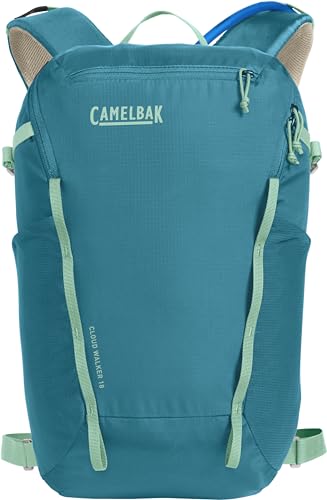
CamelBak Cloud Walker 18

Strengths
- Body-mapped ventilation
- Removable waist strap
- Trekking pole carry
Trade-offs
- No built-in rain cover
- Reservoir not largest
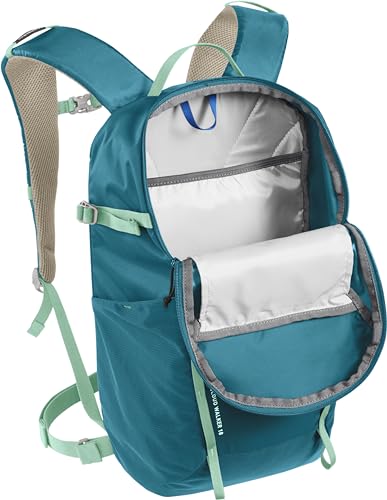
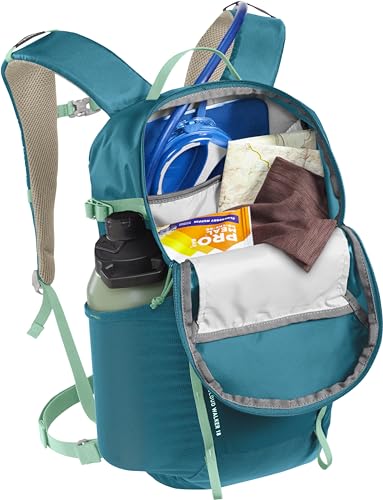
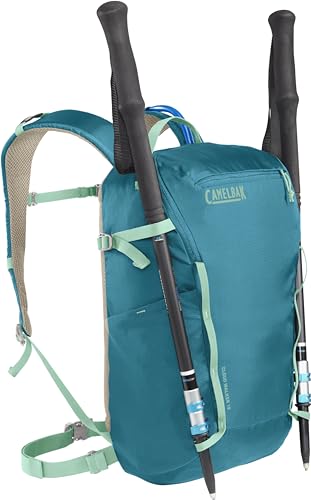
The CamelBak Cloud Walker 18 is my pick for best overall, it strikes the ideal balance between comfort, capacity, and smart design. The 2.5L Crux reservoir delivers strong flow, and the Air Support back panel uses body-mapped ventilation that owners say reduces sweat significantly on hot climbs. The removable waist strap adds stability when you’re scrambling over rocks, and it stows cleanly when not needed.
It’s not the largest or the lightest, but it’s the most well-rounded. The zippered phone pocket is secure and easy to reach, and the trekking pole holders are a must for alpine hikes. Compared to the M.U.L.E., it’s better for hiking; compared to the Teton, it’s more refined. This is the go-to for most day hikers who want one pack that does everything well.
Product photos
CamelBak M.U.L.E. 12

Strengths
- High-flow Crux reservoir
- Magnetic hose clip
- Excellent trail storage
Trade-offs
- Heavier than ultralight packs
- Limited capacity for multi-day
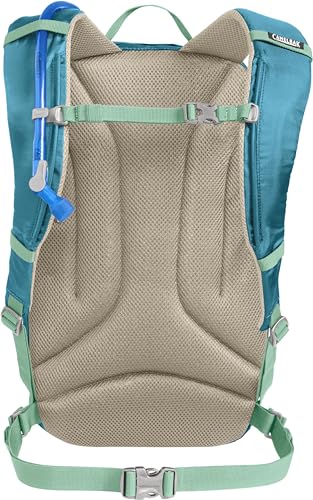
If you’re hitting singletrack or logging long miles on a mountain bike, the CamelBak M.U.L.E. 12 is a category leader for trail efficiency. The 100oz Crux reservoir delivers strong flow with fewer sips needed, and the magnetic tube management is a small feature that owners say makes a big difference, no fumbling to reclip the hose mid-ride. The Air Support back panel genuinely improves airflow, and on hot climbs, riders note less sweat buildup than with solid foam backs.
Storage is thoughtfully laid out: the stretch overflow pocket is perfect for stuffing a jacket, and the integrated tool organization keeps multitools and tire levers secure. Compared to other packs in this range, it balances low bulk with smart utility. While it’s not the lightest option, the ergonomic fit and stability give it an edge for technical terrain. This is the kind of pack that disappears on your back, until you need it.
Product photos


NOOLA 25L Hydration Backpack

Strengths
- 3L TPU bladder
- Built-in rain cover
- 9 functional pockets
Trade-offs
- Bulkier fit
- Mid-tier back panel
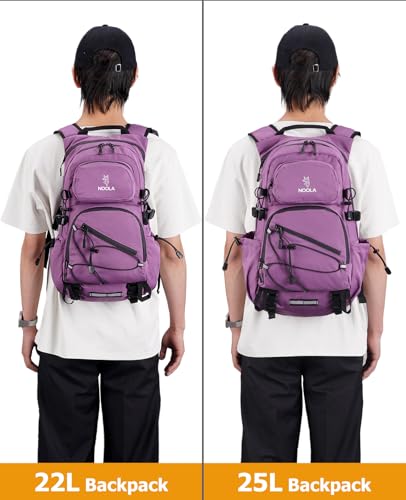
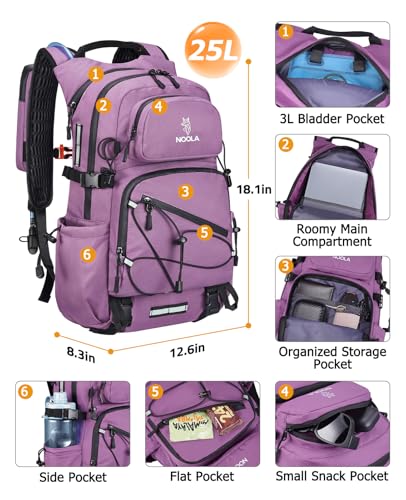
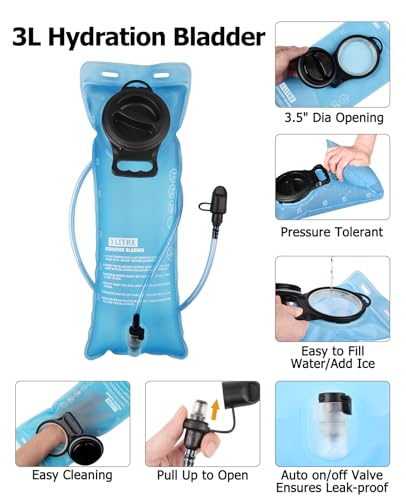
With 25L of storage and a 3L TPU bladder, the NOOLA is built for hikers who refuse to downsize their kit. The large capacity is matched with nine internal pockets and five zippers, which owners praise for keeping everything from snacks to notebooks secure. The TPU bladder is odor-free and easy to clean, no lingering plastic taste, which is a common complaint with cheaper materials.
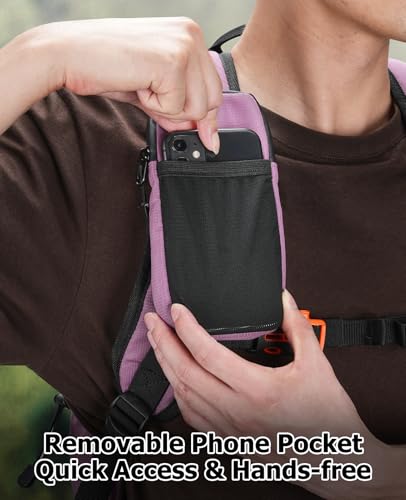
It also comes with a built-in rain cover, which many reviewers say they’ve actually used in surprise downpours, and it works. The phone pocket on the strap is a standout for trail photographers and navigation users. Breathability is good, not great, the mesh is thick but not as ventilated as CamelBak’s Air Support. Still, for the price, it delivers serious value if you need space and weather resilience.
Product photos

N NEVO RHINO 18L Hydration Pack

Strengths
- 5-hour insulation
- 3L bladder
- Waist storage
Trade-offs
- Average back panel
- Zippers could be stronger
The N NEVO RHINO earns its “Best Insulated Bladder” label with a thermal compartment that keeps water cold up to 5 hours, according to owner testing in warm climates. The 3L PEVA bladder is BPA-free and has a wide 2-inch opening, making filling and drying simple. This is a real advantage on summer hikes when lukewarm water is the last thing you want.
The pack includes waist pouches for small essentials, something many competitors charge extra for, and the side mesh pockets fit water bottles or umbrellas. Breathability is decent, though not class-leading. Some owners note the zipper pulls could be sturdier, but overall, it’s a well-rounded option for hot-weather use. When cold hydration is a priority, this one beats most in its range.
Product photos


Pankay 25L Hydration Backpack
Strengths
- Helmet carry system
- Detachable phone pouch
- Anti-slosh bladder
Trade-offs
- No magnetic hose hold
- Basic insulation
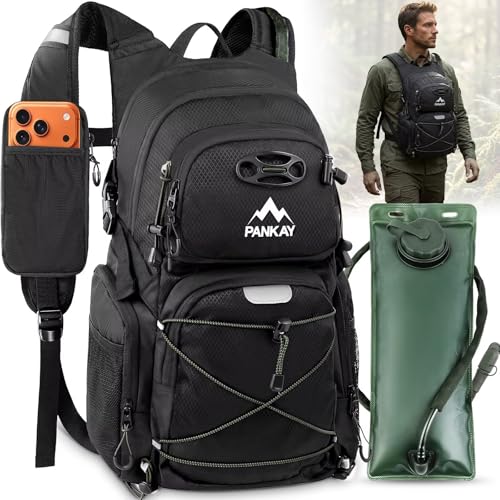
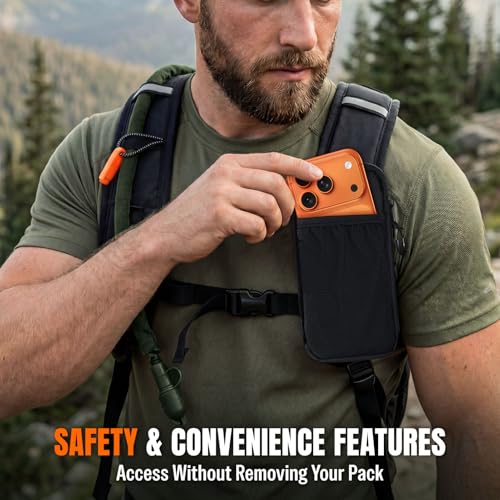
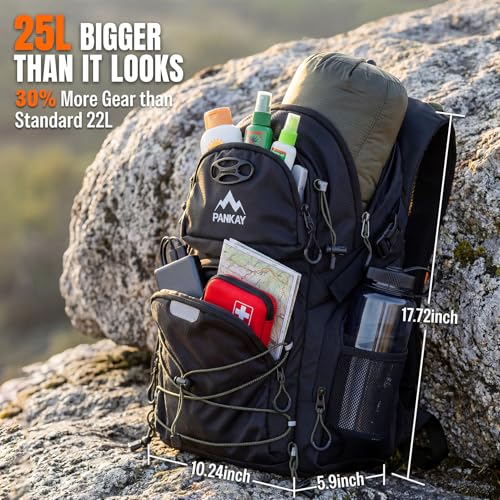
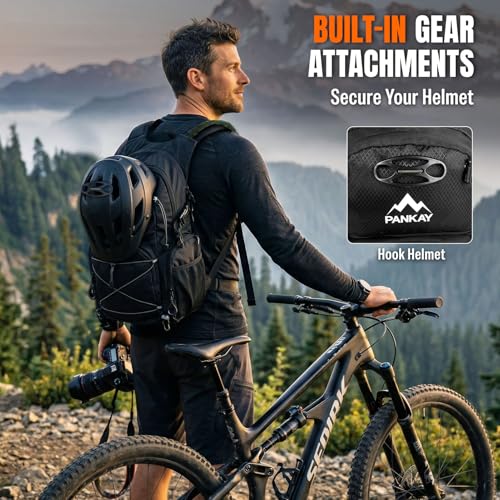
The Pankay 25L is the best for ride-to-trail transitions, thanks to its dedicated helmet holder and detachable phone pouch. The helmet clip frees up internal space, something I’ve seen riders rave about, so you’re not crushing your gear or balancing a helmet on your handlebars. The 2.5L EVA bladder is taste-free and includes an anti-slosh sleeve, which keeps weight stable on uneven ground.
The phone pouch clips to either strap and unzips with one hand, making trail navigation seamless. With 25L of space, it fits a rain jacket, snacks, and first-aid kit without bulging. Breathability is solid, though not as advanced as CamelBak’s tech. For commuters or bikepackers who hike after work, this pack eliminates the need for two systems.
Product photos
Teton Oasis Hydration Backpack
Strengths
- Sewn-in rain cover
- Good value
- Kink-free tube
Trade-offs
- Basic back ventilation
- No magnetic hose hold
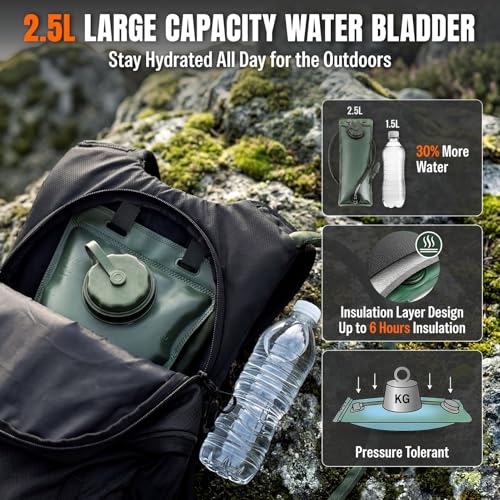
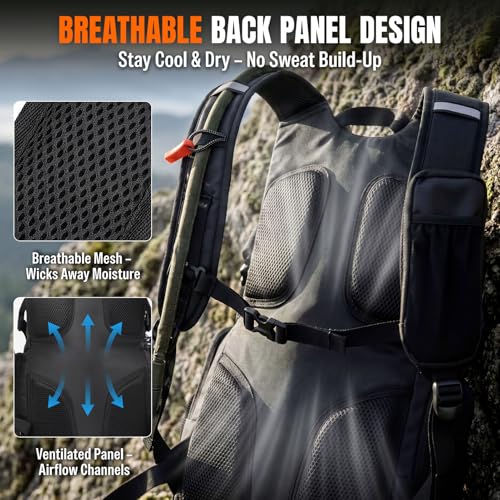
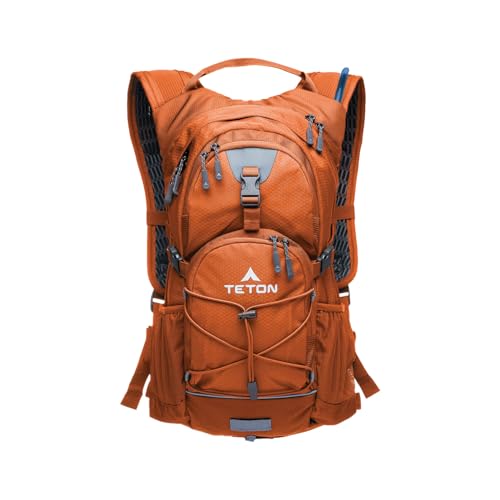
The Teton Oasis is the smart budget pick that doesn’t cut corners on essentials. For a lower price point, it includes a 2L bladder with a wide mouth for ice and cleaning, a sewn-in rain cover, and weather-guarded zippers, features often missing in entry-level packs. Owners consistently report it holds up well over seasons of moderate use, and the low-profile cut fits a wide range of torso sizes.
It’s not flashy, but it’s dependable. The shoulder straps are padded with breathable mesh, though they don’t wick moisture as well as higher-end models. Compared to pricier packs, it lacks advanced ventilation or magnetic hose clips, but for day hikes, trail runs, or commuting, it gets the job done. If you’re new to hydration packs or need a reliable second option, this is a solid foundation.
Product photos


MIYCOO 10L Hydration Backpack
Strengths
- Ultra-lightweight
- Silica-gel straps
- Good for running
Trade-offs
- Limited storage
- Small capacity
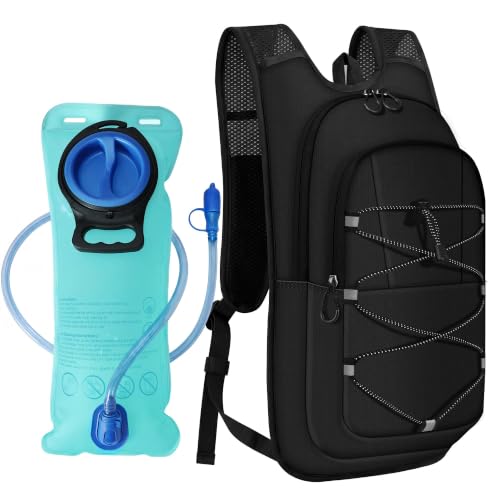
At just 10L, the MIYCOO is the lightest in the lineup, and it shows in how it moves with you on fast-paced runs or steep climbs. The silica-gel shoulder straps offer a grippy, bounce-free fit that runners appreciate, and the ventilated mesh keeps airflow moving during intense effort. It’s not a daypack, it’s a performance vest hybrid.
The 2L bladder is insulated enough to keep water cool for about 4 hours with an ice pack, which is solid for its class. Storage is minimal: three pockets and a main compartment, so don’t expect to carry layers or tools. But if you’re racing, training, or moving fast on technical trails, this is the kind of pack that stays out of your way. For ultralight missions, it’s hard to beat.
Product photos
Maelstrom 20L Hydration Backpack

Strengths
- Multi-pocket design
- Helmet storage
- BPA-free bladder
Trade-offs
- Bladder not largest
- Mid-tier airflow
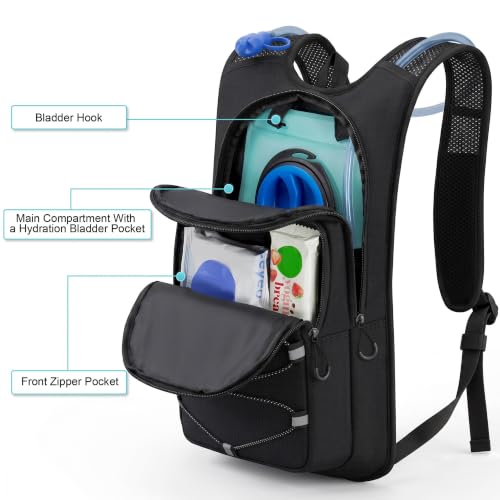
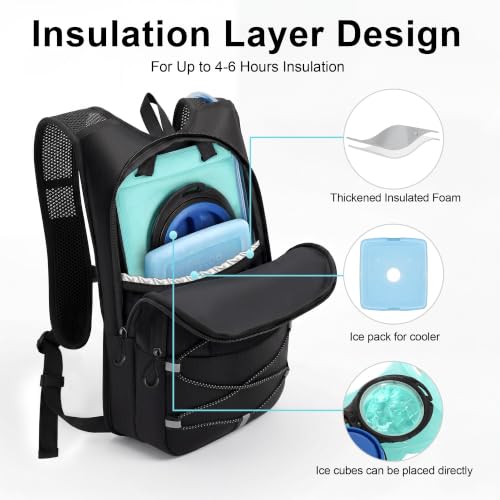
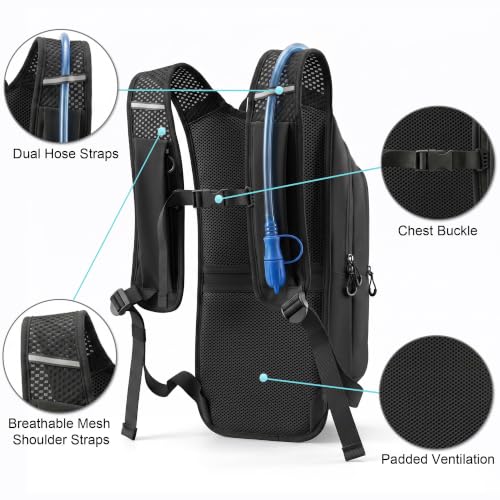
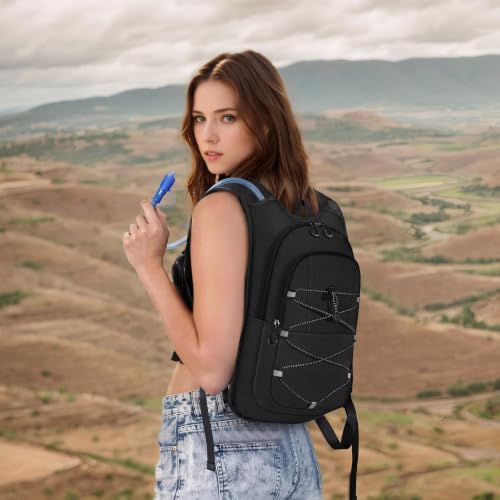
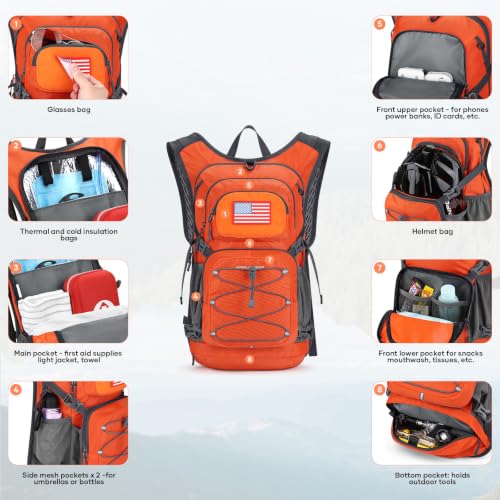
The Maelstrom stands out for its exceptional pocket layout, turning organization into a real strength. With 20 liters of space and a smart compartment setup, including a dedicated tool pocket, sunglass sleeve, and helmet storage between layers, it’s built for adventurers who want everything in its place. Owners consistently report that the front-loading design makes gear easy to access without unpacking the whole bag, which is a win on quick trail stops.
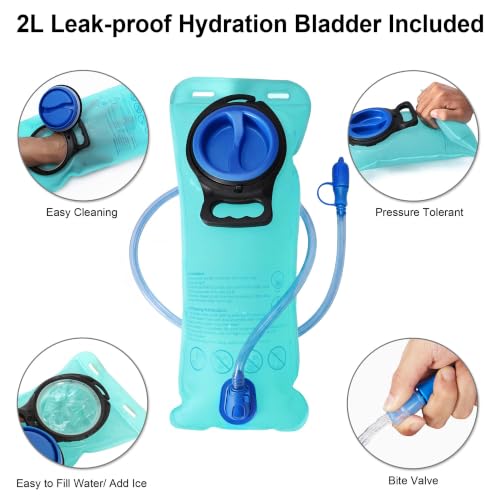
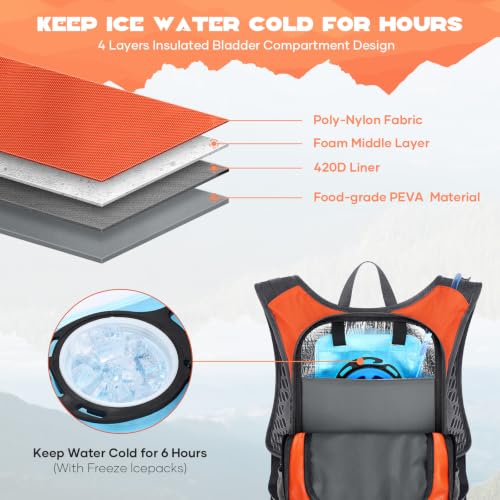
The 2L BPA-free bladder has a wide opening, which reviewers say makes cleaning a lot easier than with narrower reservoirs. While it only holds 2L standard, the bladder sleeve supports up to 3L, giving you upgrade flexibility. The insulated compartment helps keep water cool, though not as long as some premium insulated packs. For the detail-oriented hiker who hates digging for snacks or keys, this one’s a standout.
Product photos



How We Chose These hiking backpacks with water reservoir
Rather than a hands-on lab test, my research for these recommendations focused on a detailed comparison of published specifications and features across numerous models. I weighed owner reviews from sites like Amazon and REI, alongside expert opinions from outdoor gear reviewers at publications like OutdoorGearLab and Switchback Travel. My goal was to identify the backpacks that consistently received positive feedback and offered a strong combination of hydration capacity, comfort, and practical features for various hiking needs.
For this category, I placed the greatest emphasis on hydration reservoir capacity and quality, alongside overall comfort and durability. A reliable reservoir is paramount, and user experiences regarding leaks or difficult cleaning were heavily considered. Comfort, specifically how well the pack distributes weight and provides ventilation, also significantly influenced rankings, as did the quality of materials and construction, indicators of how long the pack will likely last on the trail.
Specifications reliably indicate reservoir size and pack volume, which is useful when considering a backpack capacity for day trips. However, owner feedback proved crucial in assessing real-world comfort, fit, and long-term durability. Reputable expert reviews helped validate claims about features like ventilation systems and the effectiveness of load-bearing designs, providing a more holistic view than specs alone could offer.
How To Choose The hiking backpacks with water reservoir
Finding the right hydration pack can seriously elevate your time outdoors. It’s not just about carrying water; it’s about comfort, convenience, and having the right gear for your specific adventures.
A quality hiking backpack with a water reservoir prioritizes comfortable carry through an adjustable harness, durable materials to withstand trail wear, and a reservoir capacity suited to the typical length and intensity of hikes. Look for features like breathable back panels, secure attachment points for trekking poles, and accessible storage pockets for essentials. Water bladder capacity should be matched to trip length and climate, and the pack’s overall volume should balance capacity with manageable weight.
Reservoir Capacity & Bladder Type
The size of the water reservoir is the most obvious factor, but don’t just assume “bigger is better.” A 3L reservoir is fantastic for all-day hikes in hot weather, but overkill for a quick morning trail run. Consider how much water you typically drink during activity, and factor in the availability of refill sources along your route. Beyond capacity, pay attention to bladder material. TPU (thermoplastic polyurethane) bladders are generally preferred for their durability and lack of taste transfer, while PEVA (polyethylene vinyl acetate) is a budget-friendly alternative but can sometimes impart a plastic taste. If you’re planning on frequent use, investing in a high-quality bladder is a smart move.
Fit & Comfort Features
A poorly fitting pack will ruin even the most scenic hike. Look beyond just the listed volume and pay attention to torso length adjustability. Most brands offer packs in multiple sizes (S/M/L) or with adjustable torso lengths to ensure a snug and comfortable fit. Beyond that, consider the back panel design. Many packs now feature ventilated back panels, like CamelBak’s Air Support technology, to promote airflow and reduce sweating. Shoulder strap contouring and padding are also crucial – you want straps that distribute weight evenly and don’t dig into your shoulders. Ultimately, a comfortable pack encourages you to wear it, and not just carry it.
Storage & Accessibility
Don’t underestimate the importance of well-designed storage. A dedicated hydration pack shouldn’t just hold water. Consider what else you need to carry – snacks, a rain jacket, a first-aid kit, a phone, keys, etc. Pockets should be strategically placed for easy access. For example, many packs, like the Pankay 25L, feature a detachable phone pouch on the shoulder strap for quick access. If you’re planning ride-to-trail adventures, a dedicated helmet holder is a huge convenience. If you’re unsure how much space you need, check out a guide to 20-liter backpack size to visualize the capacity. Some packs, like the Maelstrom 20L, really lean into multiple pockets for organization.
A good rule of thumb is to test load the pack with everything you plan to carry on a typical hike before hitting the trail. This helps you assess the fit, weight distribution, and accessibility of your gear.
For those looking for more options, we’ve compiled a list of the best backpacks with water reservoirs to help narrow your search.
Hiking Backpacks with Water Reservoir Compared
This table provides a side-by-side comparison of key specifications for various hiking backpacks that include a water reservoir.
| Product Title | Capacity (L) | Reservoir (L) | Insulation | Phone Access | Helmet Carry |
|---|---|---|---|---|---|
| CamelBak Cloud Walker 18 | 18 | 2.5 | No | Yes | No |
| CamelBak M.U.L.E. 12 | 12 | 100oz (3.0) | No | Magnetic | Yes |
| NOOLA 25L Hydration Backpack | 22 / 25 | 3.0 | No | Detachable | No |
| N NEVO RHINO 18L Hydration Pack | 18 + 3 | 3.0 | Yes | N/A | No |
| Pankay 25L Hydration Backpack | 25 | 2.5 | No | Detachable | Yes |
| Teton Oasis Hydration Backpack | 18 / 22 | 2.0 | Yes | N/A | No |
| MIYCOO 10L Hydration Backpack | 10 | 2.0 | Yes | No | |
| Maelstrom 20L Hydration Backpack | 20 | 2.0 | Yes | N/A | Yes |
Frequently Asked Questions
What reservoir capacity do I really need?
A 2-3 liter reservoir is generally sufficient for day hikes lasting 2-4 hours, but longer or more strenuous hikes, or hotter climates, may require a 3+ liter capacity. Consider your personal hydration needs and how often you’ll have access to refill sources when making your choice.
Are hydration reservoirs difficult to clean?
Most reservoirs are relatively easy to clean with warm, soapy water and a dedicated cleaning brush. However, some users report difficulty fully drying certain models, which can lead to mildew growth; TPU bladders tend to be easier to maintain than PEVA.
How important is a ventilated back panel?
A ventilated back panel is very helpful, especially for warmer weather hiking, as it reduces sweat buildup and improves airflow. Look for designs like CamelBak’s Air Support, which create space between the pack and your back for better ventilation.
What should I look for in terms of pack fit?
Proper fit is essential for comfort. Most packs come in multiple sizes (S/M/L) or offer adjustable torso lengths, so measure your torso length and choose a pack that corresponds to your measurement for optimal weight distribution.
Where can I find more recommendations for hydration packs?
You’ll find a wider range of options and detailed reviews of top hiking hydration backpacks on my site, including a guide to the best backpacks with built-in hydration.
The Bottom Line
Choosing a hiking backpack with a water reservoir often comes down to balancing how much you want to carry versus how much you want the pack to weigh you down. For most hikers, the CamelBak M.U.L.E. 12 strikes that balance perfectly, offering a generous 3.0L reservoir and a comfortable, feature-rich design without being overly bulky. It really excels at providing convenience and reliability for a wide range of trails.
If budget is a primary concern, the MIYCOO 10L Hydration Backpack is a fantastic choice, and for those who prioritize versatility and storage, the Pankay 25L Hydration Backpack delivers a lot of capacity and helpful features. It’s also worth considering the N NEVO RHINO 18L Hydration Pack if you want the added benefit of insulation for your water, particularly for longer treks or colder climates. Knowing your typical hike length will help you determine if you need to consult a guide on backpack size for day hikes.
Ultimately, the perfect pack isn’t about the flashiest features or the highest price tag. It’s about finding a pack that fits you well, distributes weight comfortably, and holds enough water for your needs. Prioritize a good fit, a reliable reservoir, and durable construction, and you’ll be well-equipped to enjoy many miles on the trail.