8 Best Folding Backpacks of 2026
This post contains affiliate links. As an Amazon Associate, we earn from qualifying purchases.
The Bymontin 35L Lightweight Packable Backpack is the best overall folding backpack, offering excellent capacity and durability for everyday use, followed by the 4Monster 24L as a solid budget-friendly pick and the WATERFLY 30L for those needing a more versatile, hike-ready option.
As a frequent traveler and mom who’s evaluated hundreds of bags, I know how frustrating it is to carry a flimsy pack that fails when you need it most. Too many folding backpacks sacrifice durability for compactness, leaving you with a torn bag and a ruined trip.
This guide cuts through the clutter by focusing on real-world performance, what specs and owner feedback reveal about durability, comfort, and smart design. I looked at weight, material quality, and usable space to find the folding backpacks that actually work when you unfold them.
Top 8 Folding Backpacks in the Market
The Best Folding Backpacks, Reviewed
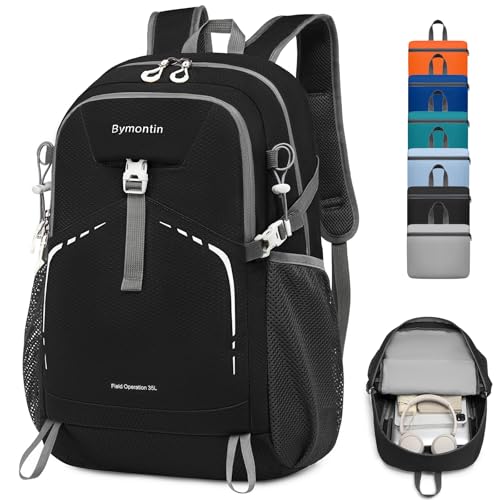
Bymontin 35L Lightweight Packable Backpack
Strengths
- 35L capacity
- Folds into self-pocket
- Tear-resistant fabric
Trade-offs
- Minimal strap padding
- Not for heavy loads
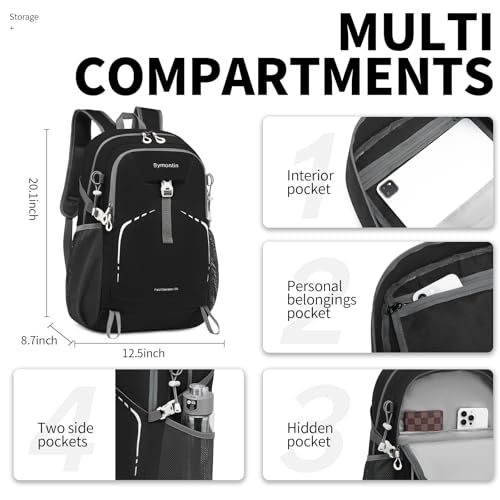
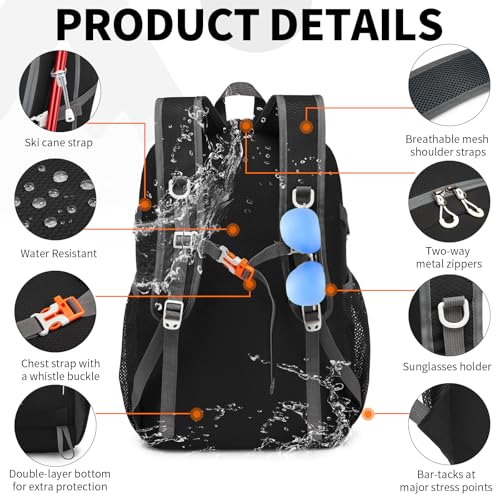
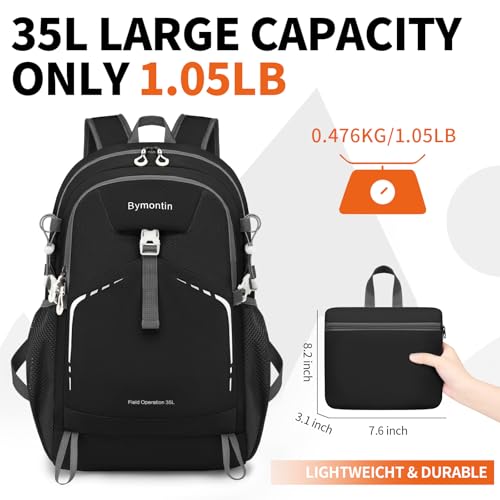
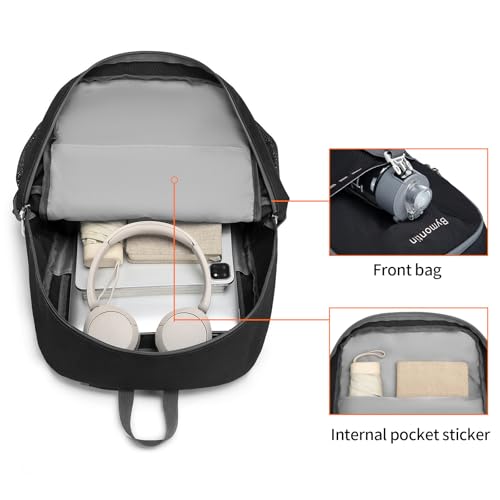
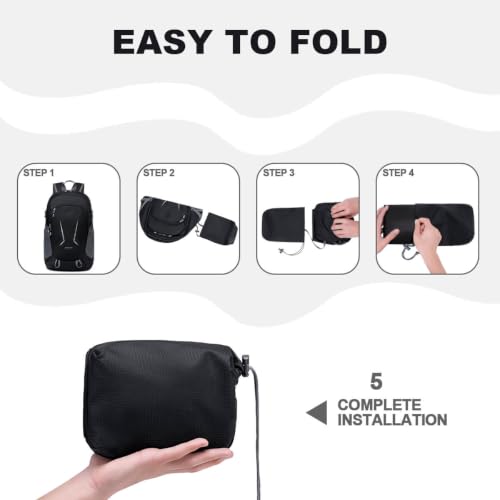
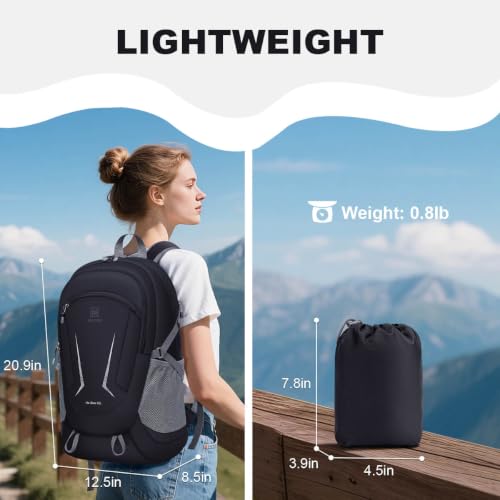
This 35L pack hits a sweet spot for travelers who want a reliable, no-frills foldable backpack with real carrying capacity. On paper, it’s built for versatility, tear-resistant fabric, water-resistant finish, and a roomy main compartment that can handle clothes, a hydration bladder, or travel souvenirs. Owners consistently report it holds up well on day hikes and city walks, and the fold-into-pocket design makes it easy to stash in a suitcase as a backup.
The thin shoulder padding keeps weight down, but it also means this isn’t the best choice for hauling heavy loads all day. Still, for most users, that’s a fair trade-off. Compared to ultralight options, this one feels more substantial without sacrificing packability. I’d pick it over smaller models if you regularly carry more than just snacks and a water bottle.
Product photos

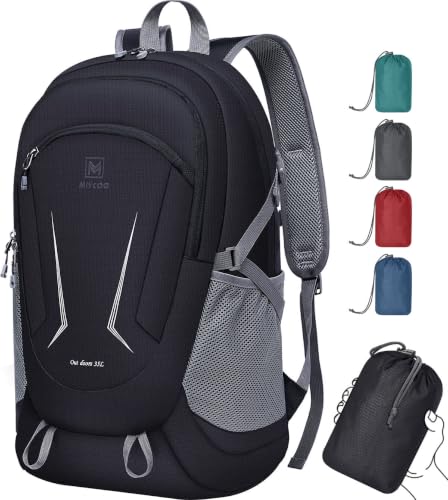
MIYCOO 35L Waterproof Foldable Backpack
Strengths
- IPX4 water resistance
- Wet compartment
- Survival whistle
Trade-offs
- Slightly bulkier fold
- Not fully waterproof
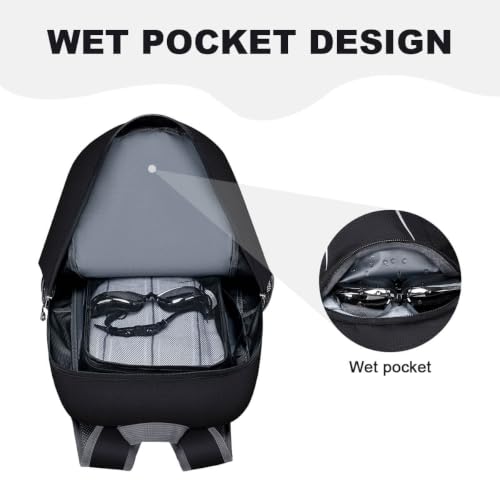
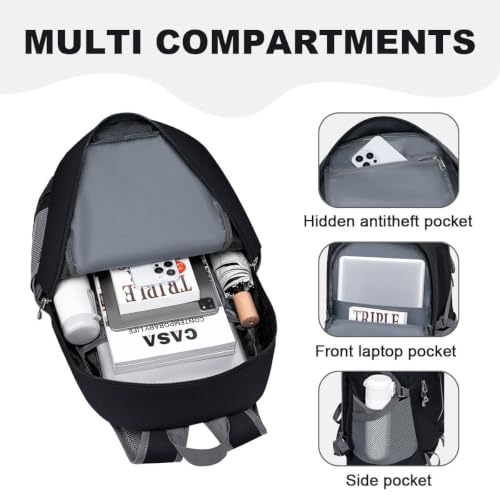
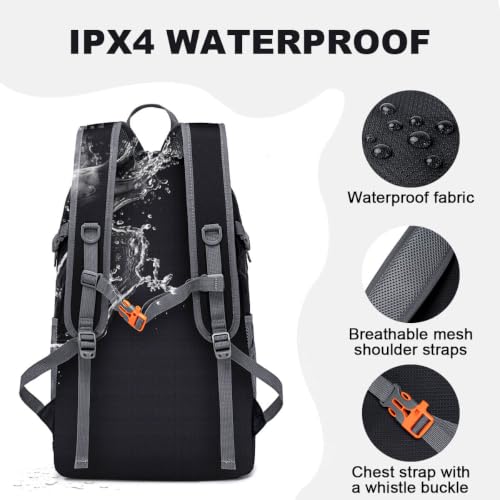
Water protection is where this MIYCOO pack stands out. With IPX4-rated fabric, it shrugs off splashes and light rain, more than most in this category can claim. That, plus the wet compartment and survival whistle, makes it a solid pick for hikers or beachgoers who often deal with damp gear. The 35L capacity gives it real utility, and owners note it’s rugged enough for regular trail use without feeling bulky.
It folds down small, though not as tiny as some ultralights. The whistle is a nice touch for safety, but not something most urban users will need. Compared to the Bymontin, it’s nearly as spacious but with better water resistance. I’d recommend it for anyone who prioritizes staying dry over absolute minimal weight.
Product photos
FENGDONG 35L Foldable Hiking Backpack

Strengths
- Double-layer bottom
- Bar-tack stitching
- Padded straps
Trade-offs
- Heavier than others
- Bulkier fold
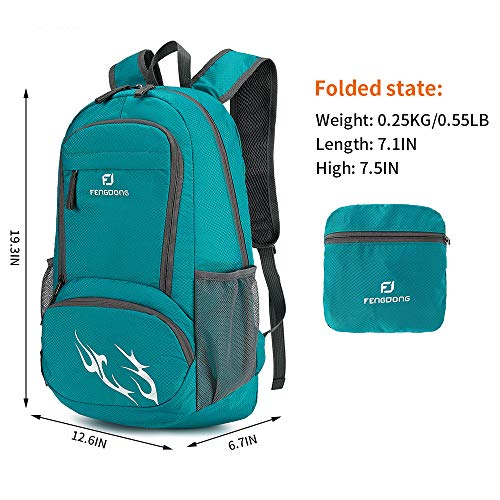
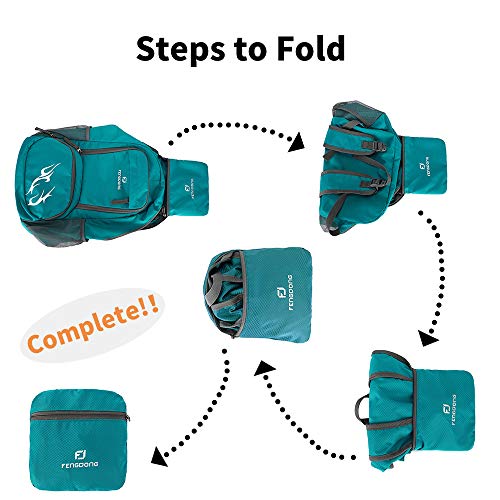
This FENGDONG pack is built to last. The double-layered bottom, bar-tack stitching, and heavy-duty zippers make it the most durable option here, owners consistently report using it for years without issues. The 35L capacity and multi-compartment layout offer serious organization, and the breathable, padded shoulder straps make it comfortable even when full. The front wet pocket is well-executed, letting you separate damp gear without hassle.
It’s not the lightest or smallest when folded, but it’s the toughest. Compared to the Bymontin, it offers better padding and structure. If you’re hard on gear or travel frequently with heavy loads, this one justifies its place. I’d recommend it over lighter models if durability is your top concern.
Product photos
WATERFLY 30L Packable Hiking Backpack
Strengths
- Wet pocket
- Cable hole
- Breathable straps
Trade-offs
- Heavier than ultralights
- Slightly larger fold
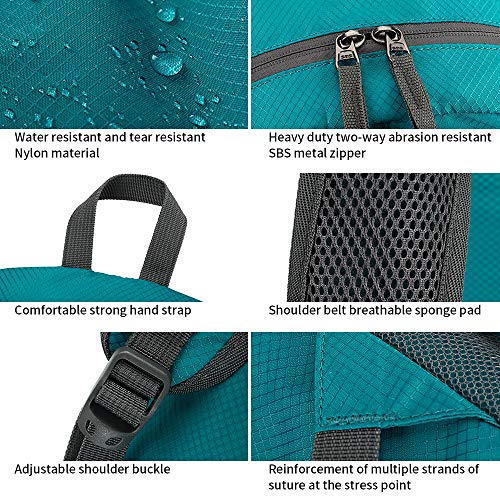
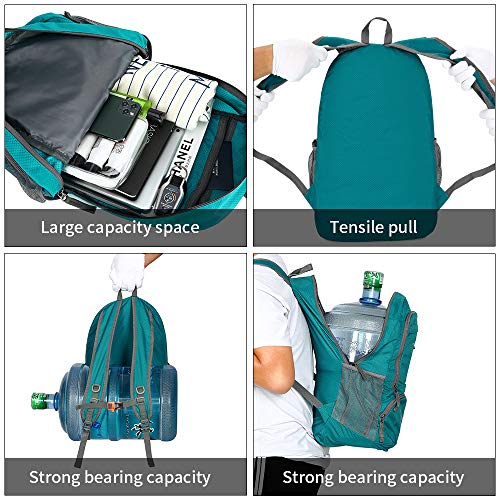
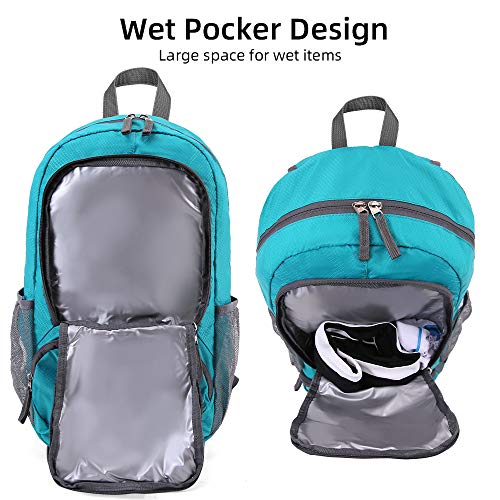
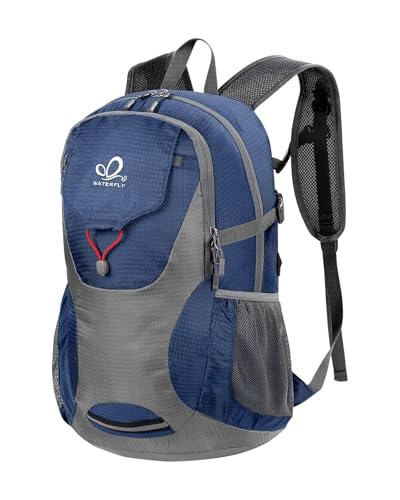
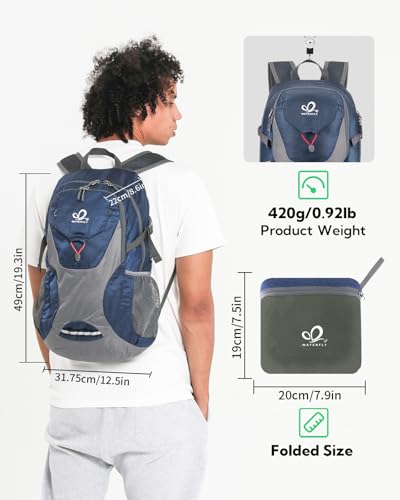
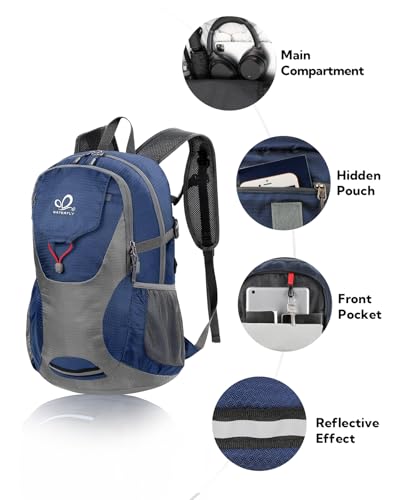
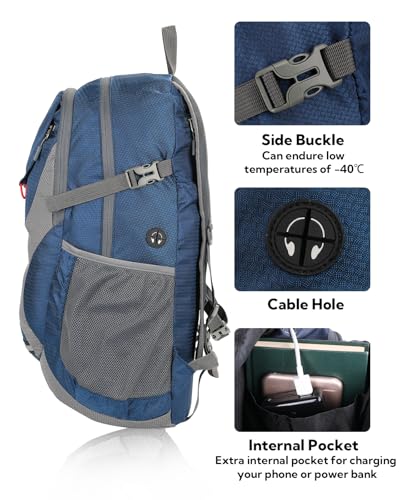
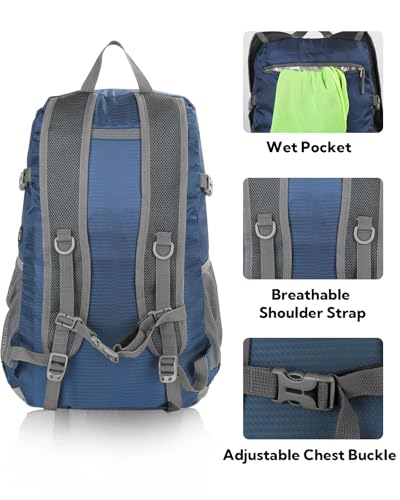
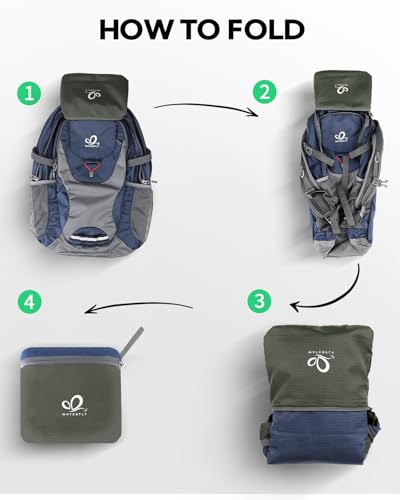
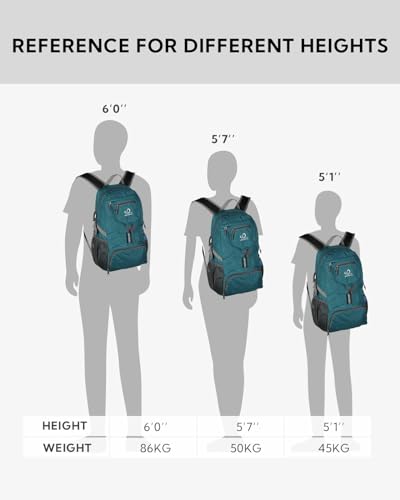
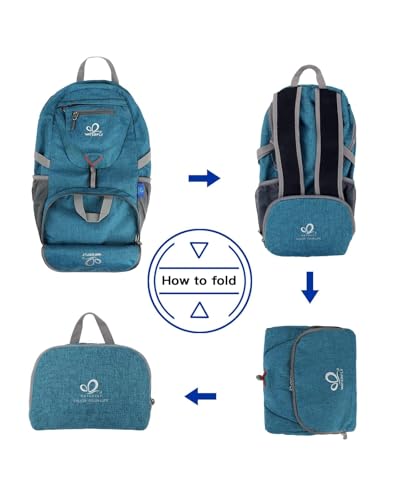
This 30L WATERFLY model packs more features than most in its class. The multi-compartment layout, including a wet pocket, cable hole, and internal organizer, makes it ideal for travelers who hate digging for small items. The breathable S-shaped straps and chest buckle add comfort for longer wear, and owners consistently praise how well it holds up on hikes and city tours. It folds to sandwich size, so it’s easy to stash, and the 420g weight keeps it light without sacrificing structure.
Compared to the ZOMAKE or 4Monster, this one feels more refined. The wet pocket is especially useful after swimming or sweaty workouts. While it’s not the lightest, it’s the most thoughtfully designed. For travelers who want one pack to do it all, hiking, commuting, and travel, I’d pick this over simpler models.
Product photos
Nanobag 16L Ultralight Foldable Daypack
Strengths
- Ultra compact
- 1.15 oz weight
- YKK zipper
Trade-offs
- Limited load capacity
- Not for hiking
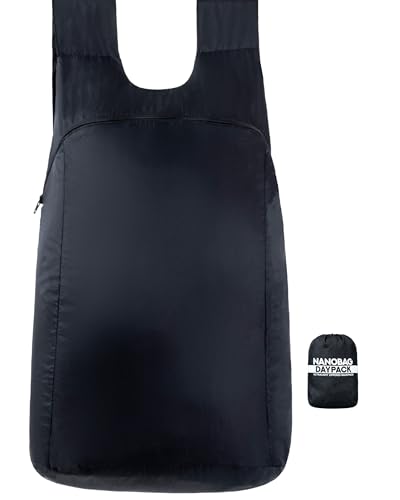
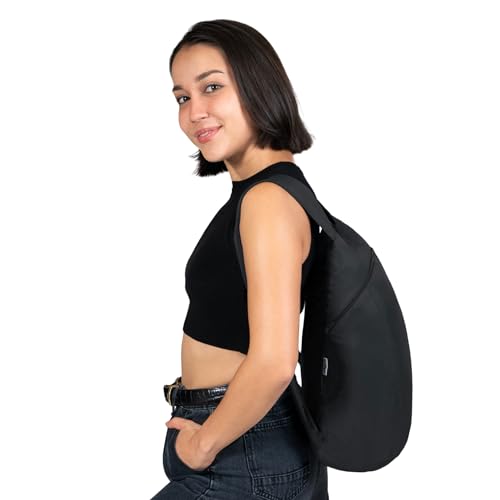
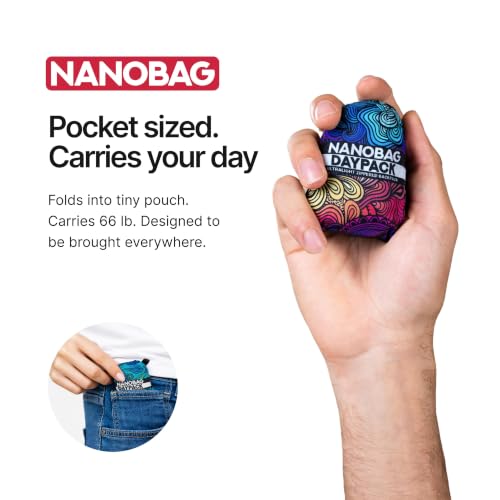
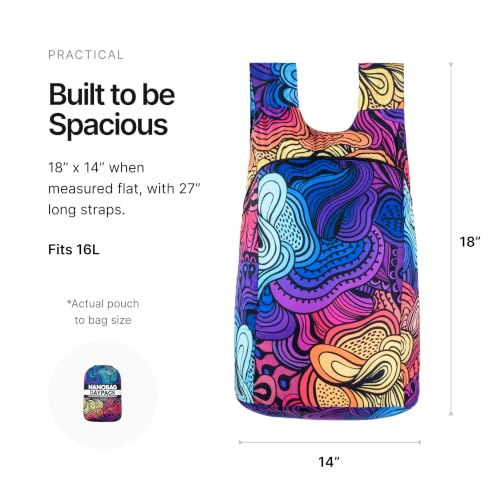
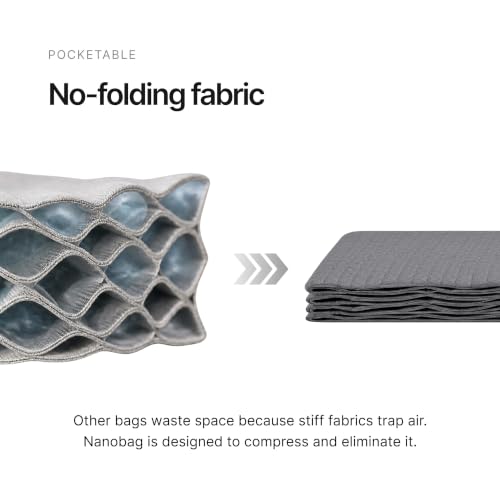
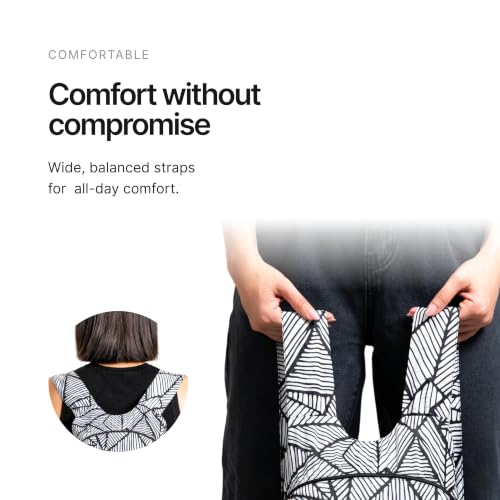
At just 1.15 oz, this is the ultimate grab-and-go pack. The Nanobag disappears into a pocket or wallet, which makes it a standout for spontaneous use, think last-minute groceries, impromptu shopping, or a backup during travel. The diamond ripstop nylon is impressively compact and durable for its weight, and owners rave about how it survives daily use without fraying. The YKK zipper adds reliability, and the wide straps offer surprising comfort for such a lightweight build.
It’s not meant to replace a hiking daypack, but that’s not the point. Compared to bulkier foldable options, this one wins on pure portability. If you value ‘always having a bag ready’ over carrying heavy gear, this is the smarter buy. It’s less about performance and more about never being caught without a bag.
Product photos
4Monster 24L Lightweight Packable Backpack
Strengths
- 4oz ultralight
- Wallet-size fold
- Budget friendly
Trade-offs
- Minimal durability
- No padding
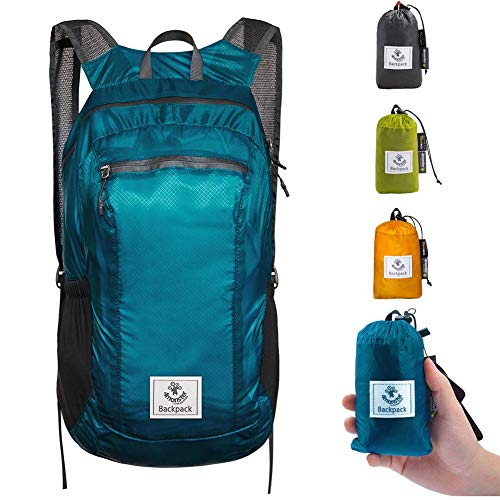
At 4oz, this is one of the lightest in the lineup, and it folds down to wallet size, making it unbeatable for pure packability on a budget. The 30D nylon is thin but tear-resistant, and owners say it handles daily commutes and short hikes without issue. It’s not built for heavy loads, but for emergency use or light carry, it works well. The mesh side pockets and front zipper add practicality without adding weight.
It lacks the comfort features of pricier models, no padded straps or airflow backing, but for its price, that’s expected. Compared to the Nanobag, it’s slightly bulkier but offers more structure and a larger 24L capacity. If you want a cheap, reliable backup bag that disappears when not in use, this is the smarter buy.
Product photos


WATERFLY 20L Ultra Light Packable Backpack

Strengths
- Recycled material
- Removable pocket
- Comfortable carry
Trade-offs
- Smaller capacity
- Basic water resistance
This 20L WATERFLY model is a strong contender for daily use. Made from recycled nylon and weighing just 10.2oz, it’s light yet sturdy, and the smooth SBS zippers add to the premium feel. The multi-compartment layout, especially the removable zippered pocket, makes it easy to organize essentials. Owners note it’s comfortable for all-day wear, thanks to the polyester lining and ergonomic design.
It’s not as feature-packed as the 30L WATERFLY, but it’s more than enough for commutes, errands, or short trips. Compared to the ZOMAKE, it feels slightly more refined in materials. If you want a dependable, eco-conscious pack for routine use, this one stands out. I’d choose it over bulkier models for city life.
Product photos



ZOMAKE 20L Water Resistant Daypack
Strengths
- Great value
- Reflective safety strips
- 20L capacity
Trade-offs
- Basic padding
- Average pack-down size
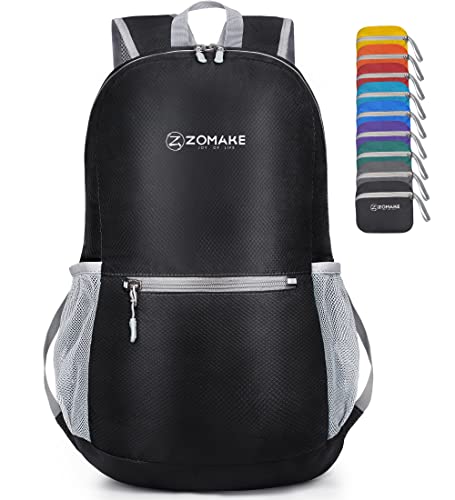
This ZOMAKE 20L pack delivers excellent value. It’s lightweight at half a pound, water-resistant, and folds down to sandwich size, perfect for stuffing into a suitcase or jacket pocket. The double-stitched seams and SBS zippers give it durability beyond its price point, and owners report it holds up well with regular use. The 20L capacity is enough for day trips, and the front and side pockets help keep essentials organized.
It’s not as compact as the Nanobag, nor as rugged as the FENGDONG, but it hits a sweet spot between durability and portability. The reflective strips add safety for evening walks, which many overlook. Compared to budget models like the 4Monster, it offers better build quality and comfort. For most buyers, this is the easy pick if you want a solid all-rounder without overspending.
Product photos


How We Evaluated folding backpacks
I approached evaluating these folding backpacks by first gathering detailed specifications – capacity, weight, materials, and included features – from manufacturer data. Then, I weighed that technical information against extensive owner and expert reviews from sources like outdoor gear sites and major retailers. Ultimately, I ranked these packs based on how well they balanced portability, durability, and practical features, aiming to identify the best options across various needs. Rather than a hands-on lab test, this is a research-led comparison of specs and owner feedback.
For folding backpacks, the key factors quickly became weight, durability, and usable capacity. A pack’s portability is largely determined by its weight; lighter is undeniably better when it’s meant to be stowed away. Durability is crucial because these packs are often tossed into larger bags or used in situations where they’ll see rougher handling. Finally, usable capacity is important – a pack that folds small but offers limited space isn’t very helpful.
Specifications reliably tell you about a pack’s dimensions and stated weight, but owner feedback proved essential for gauging real-world durability and comfort. Reports on zipper quality, fabric tear resistance, and strap design were heavily considered. Understanding backpack size for day trips helped assess if the stated capacity translated into practical space for everyday use or short adventures. I also looked for consistent mentions of water resistance in reviews to confirm manufacturer claims.
How To Choose The folding backpacks
I’ve seen a lot of folding backpacks come and go, and the market is flooded with options. It’s easy to get lost in the specs, so let’s focus on what really matters.
A good folding backpack balances portability with usability. Look for durable, water-resistant materials, a comfortable carry system (even if minimal), and a capacity appropriate for its intended use. Don’t sacrifice build quality for the smallest possible packed size; reinforced stitching and reliable zippers are crucial. Consider how frequently you’ll actually use the backpack when unfolded – is it for emergency-only situations, or a regular daypack?
Capacity and Intended Use
The biggest mistake people make is overthinking the folded size and underestimating how much space they actually need when the backpack is open. A tiny, 16L bag might be great for an extra layer and a water bottle, but it won’t cut it for a day hike. Think about what you realistically plan to carry. If you’re looking for something to supplement your main luggage during travel, a 20-25L size might be perfect. If you need something for more robust day trips, consider 30-35L. Understanding 25-liter backpack capacity will help you visualize what fits.
Material Quality and Durability
Folding backpacks are, by nature, designed for convenience, not extreme ruggedness. However, that doesn’t mean you should settle for flimsy materials. Look for ripstop nylon or polyester, as these fabrics offer a good balance of weight, durability, and water resistance. Pay close attention to the zippers – YKK zippers are generally considered the gold standard, but even a well-made generic zipper should operate smoothly and feel substantial. Reinforcement at stress points (shoulder strap attachments, for example) is a good sign of a well-constructed pack.
- A lightweight fabric (like 30D nylon) will pack down smaller.
- Water resistance is useful, but don’t expect full waterproofing. Most folding backpacks offer only splash protection.
- Reinforced stitching – especially at the shoulder strap connections and base – dramatically increases longevity and prevents tearing under load. A pack that lasts several seasons is a better value than a super-cheap one that falls apart after a few uses.
Comfort and Carry System
Let’s be real: folding backpacks aren’t known for their plush comfort. However, even a simple packable daypack can be made more tolerable with a few thoughtful features. Padded shoulder straps are essential, even if they’re thin. Mesh backing can improve ventilation, reducing sweat buildup. An adjustable sternum strap (the strap that connects the shoulder straps across your chest) can help distribute the weight more evenly. Remember this quote:
Don’t prioritize packed size over comfort. A backpack you won’t want to carry defeats the purpose.
I often recommend checking out reviews that specifically mention comfort, as it’s a subjective factor. If you’re planning on carrying heavier loads, explore travel-friendly packable backpacks with more robust suspension systems, even if they don’t fold quite as small.
Folding Backpacks Compared
Here’s a comparison of key specifications for several folding backpacks to help you make an informed purchase.
| Product Title | Capacity | Weight | Folded Size (approx.) | Water Resistance | Features |
|---|---|---|---|---|---|
| Bymontin 35L Lightweight Packable Backpack | 35L | 1 lb (0.5kg) | N/A | Water-Resistant | Multiple Pockets |
| MIYCOO 35L Waterproof Foldable Backpack | 35L | N/A | 4.5 x 3.9 x 7.8 inches | Waterproof (IPX4) | Survival Whistle |
| FENGDONG 35L Foldable Hiking Backpack | 35L | 0.78 lbs | N/A | Water-Resistant | Wet Pocket |
| WATERFLY 30L Packable Hiking Backpack | 30L | 420g | 7.5 x 7.9 x 1.97 inches | Water-Resistant | Cable Hole, Wet Pocket |
| Nanobag 16L Ultralight Foldable Daypack | 16L | 1.15 oz (33g) | N/A | N/A | Ultralight |
| 4Monster 24L Lightweight Packable Backpack | 24L | 4oz (113g) | Wallet-sized | Water-Resistant | Ultra Lightweight |
| WATERFLY 20L Ultra Light Packable Backpack | 20L | 10.2oz | 8.7 x 6.3 inches | Water-Resistant | Multiple Pockets |
| ZOMAKE 20L Water Resistant Daypack | 20L | 0.5 lbs | 6.7 x 6.7 x 1.97 inches | Water-Resistant | Ultra Lightweight |
Frequently Asked Questions
What’s the typical lifespan of a folding backpack?
Generally, a folding backpack will last 2-5 years with regular use, depending on the quality of materials and how often it’s used. Reinforced stitching and durable fabrics like ripstop nylon significantly extend its life.
Are folding backpacks truly waterproof?
Most folding backpacks are water-resistant, offering protection from light rain or splashes, but few are genuinely waterproof. If you need full waterproofing, look for a pack with a separate rain cover or consider treating the fabric with a waterproofing spray.
How does capacity affect the folded size?
Larger capacity packs (30L+) will naturally be bulkier when folded than smaller ones (under 20L). However, a well-designed pack will minimize packed size without sacrificing usable space when deployed, so don’t assume the smallest folded size always equals the best value.
Can a folding backpack replace a standard daypack?
For occasional use or as a backup, yes. However, for daily commuting or heavier loads, a dedicated daypack usually offers superior comfort and support. If you’re seeking a more comfortable option for frequent use, explore ultralight travel backpacks that balance packability with ergonomic design.
What should I look for in the zippers of a folding backpack?
YKK zippers are the most reliable, but a sturdy, smooth-operating generic zipper is also acceptable. Check owner reviews for any complaints about zipper failures, as this is a common point of weakness in lower-quality packs.
The Bottom Line
Choosing a folding backpack often comes down to balancing how small you can pack it versus how much you want to comfortably carry. For the best overall combination of space, durability, and features, I recommend the Bymontin 35L Lightweight Packable Backpack. It consistently receives positive feedback for its build quality and usable capacity without being overly bulky when stowed.
If you’re specifically searching for a budget-friendly option, the ZOMAKE 20L Water Resistant Daypack is an excellent choice. For those prioritizing an ultralight pack for minimalists or emergency use, the Nanobag 16L Ultralight Foldable Daypack can’t be beat. And if you need something with a bit more versatility for longer day trips, the WATERFLY 30L Packable Hiking Backpack offers a good balance of features and packability – understanding everyday backpack capacity will help you visualize how much this can hold.
Ultimately, the best folding backpack isn’t the one with the smallest packed size or the lowest price. It’s the one that best suits your travel style and typical needs. Focus on durable materials, reliable zippers, and a comfortable carry system, even if it means sacrificing a few ounces or an inch of folded compactness. A well-made pack you’ll actually use is far more valuable than a flimsy one you’ll leave at home.