9 Best Ergonomic Backpacks for 2026
This post contains affiliate links. As an Amazon Associate, we earn from qualifying purchases.
Carrying heavy loads in an ill-fitting backpack can lead to chronic back, shoulder, and neck pain, especially for students, commuters, and travelers who rely on their bags daily. The best ergonomic backpacks solve this with thoughtful design features like contoured shoulder straps, breathable back panels, and weight-distributing suspension systems that align with your spine’s natural curve. We selected our top picks based on rigorous analysis of performance, build quality, real-world comfort, and user feedback, prioritizing models with ACA-certified support, durable materials, and smart organization. Below are our recommended ergonomic backpacks that deliver lasting comfort and reliable functionality for every type of user.
Top 9 Ergonomic Backpacks in the Market
Best Ergonomic Backpacks Review
The North Face Borealis Backpack
ADVANTAGES
LIMITATIONS
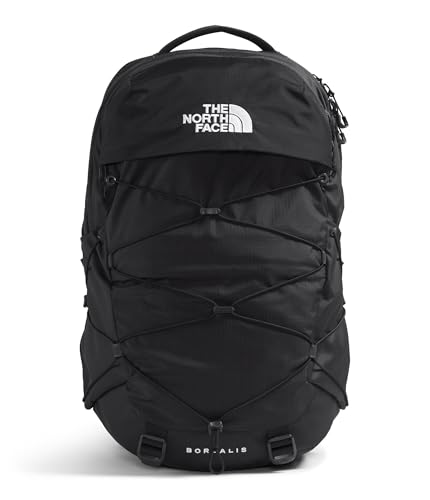
The gold standard for balanced performance, the The North Face Borealis earns its title as the best overall ergonomic backpack with a chiropractor-certified FlexVent suspension system that delivers all-day comfort without sacrificing style or utility. Its 28-liter capacity, 13.75” laptop sleeve, and 360-degree reflective details make it equally at home on city streets, campuses, or weekend hikes. This is a backpack that just works, no compromises, no gimmicks.
On extended wear, the articulated shoulder straps and soft chemise back panel distribute weight beautifully, minimizing pressure points even when fully loaded. The bungee cord compression system lets you secure jackets or gear on the outside, while the fleece-lined pocket is perfect for sunglasses or a phone. Two water bottle pockets double as storage for small items, and the removable waist belt adds stability during active use. The only real limitation? It doesn’t include USB charging or RFID protection, features found on more tech-focused models.
Compared to the Women’s Jester, the Borealis offers a more universal fit and slightly larger capacity, making it better for mixed-gender use. It’s less fashion-forward than the LOVEVOOK and less tech-loaded than the ProEtrade, but it excels in core ergonomics, durability, and versatility. For anyone seeking a reliable, well-rounded backpack that performs across work, travel, and light outdoor use, this model sets the benchmark, offering superior comfort and build quality compared to budget or niche-focused alternatives.
The North Face Women’s Jester
ADVANTAGES
LIMITATIONS
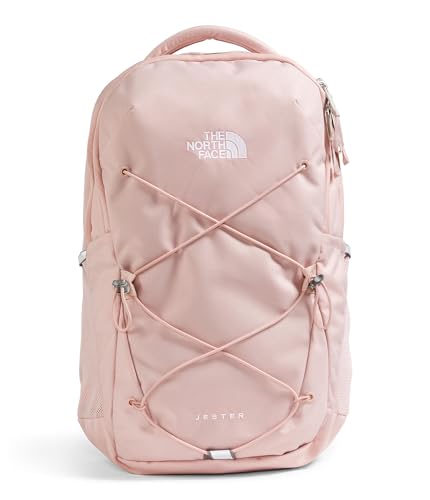
Tailored for women who want comfort and proportion, the The North Face Women’s Jester delivers ergonomic excellence with a female-specific FlexVent system that includes a breathable lumbar panel and molded shoulder straps. At 22 liters, it’s slightly smaller than the unisex Borealis, but its self-standing design and 16-inch padded laptop sleeve make it perfect for daily commutes, campus life, or weekend getaways. This is a backpack that fits better, feels lighter, and looks more balanced on women’s frames.
In use, the padded back panel and sternum strap with whistle buckle provide excellent support and safety, especially during active transit. The streamlined front compartment includes a tablet sleeve and key clip, while the bungee system adds external storage for layers. The pink moss colorway is both professional and fresh, though darker options may appeal to more conservative workplaces. The only real limitation is capacity, it’s not ideal for heavy packers or extended trips.
Compared to the JanSport Big Backpack, the Jester offers better ergonomics and weather resistance, though less volume. It’s a superior choice for women who want a well-fitted, supportive, and stylish daily carry without the bulk. While not as tech-rich as the ProEtrade or as large as the SHRRADOO, it nails the essentials with gender-specific comfort, making it a top pick over unisex models when fit and airflow are priorities.
MATEIN Travel Laptop Backpack
ADVANTAGES
LIMITATIONS
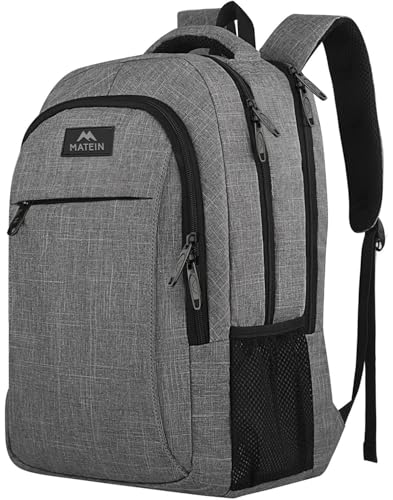
Affordable, functional, and airline-compliant, the MATEIN backpack is the best budget-friendly ergonomic option for travelers and students who need reliable protection and smart organization without overspending. At 18” x 12” x 7.8”, it meets most airlines’ personal item limits, making it a go-to carry-on companion. The hidden anti-theft back pocket and luggage strap add travel smarts, while the ventilated back panel and padded straps ensure all-day comfort.
In daily use, the separate 15.6-inch laptop compartment keeps devices secure, and the front organizer pocket makes small items easy to find. The water-resistant polyester handles light rain well, and the under-seat fit is perfect for cramped flights. However, the zippers feel less robust than premium models, and the lack of USB charging or RFID blocking means it misses some modern conveniences. It’s also not as breathable as mesh-heavy packs like the Borealis.
Compared to the ProEtrade, the MATEIN offers similar core features at a lower cost, but with fewer tech extras. It’s ideal for budget-conscious students, occasional travelers, or secondary bag users who want solid build and airline compatibility without frills. While it doesn’t match the durability of The North Face or the security of Troubadour, it delivers exceptional value, outperforming most sub-$50 packs in comfort and organization.
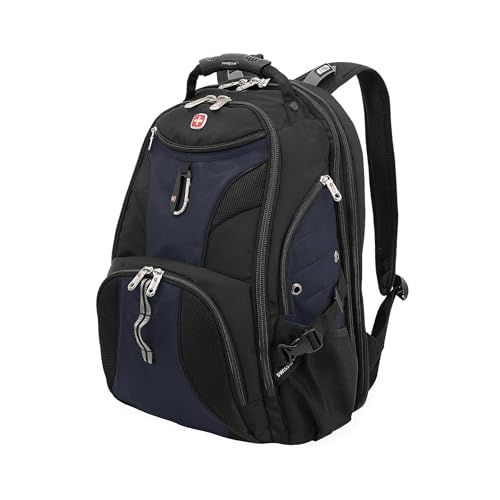
SWISSGEAR 1900 ScanSmart Backpack
ADVANTAGES
LIMITATIONS
Engineered for travelers who hate airport hassle, the SWISSGEAR 1900 ScanSmart stands out with its TSA-friendly lay-flat design, allowing you to keep your laptop inside while passing through security, no more frantic unpacking. Its 31-liter capacity and enhanced 17-inch laptop compartment make it a powerhouse for business travelers, while RFID protection adds a layer of digital security often missing in commuter bags. This is a backpack built for people who value efficiency, organization, and peace of mind during transit.
In real-world use, the bag excels in structured environments like airports and offices. The 14.5” x 11” laptop sleeve fits most 17-inch models snugly, and the padded TabletSafe pocket keeps smaller devices secure. The multiple access points, including side water bottle pockets, a front quick-access pocket, and an accordion file holder, make daily essentials easy to locate. However, the weight and bulk can become noticeable during long walks or crowded commutes, and the lack of a sternum strap limits load stability compared to more performance-oriented packs.
Compared to the sleeker The North Face Borealis, the SWISSGEAR trades some agility for maximum organization and travel-specific features. It’s not the lightest or most athletic-feeling pack, but for frequent flyers or professionals hauling heavy tech loads, it’s a highly functional workhorse. If you prioritize airport efficiency and secure storage over minimalist design, this backpack delivers where it counts, offering more specialized travel utility than the JanSport or MATEIN models, despite a less dynamic carry system.
Troubadour Apex 4.0 Backpack
ADVANTAGES
LIMITATIONS
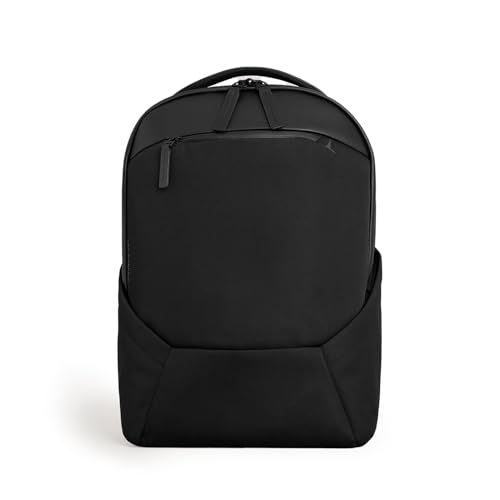
Luxury meets engineering in the Troubadour Apex 4.0, a premium-tier backpack crafted for professionals who demand elite materials, security, and ergonomic precision. The FortiWeave eco-engineered fabric and fluorocarbon-free DWR treatment deliver exceptional weather resistance and abrasion durability, while lockable zippers and a concealed AirTag pocket elevate security. Its CrashPad Cocoon laptop sleeve suspends devices up to 17 inches, offering military-grade protection in a sleek 22L chassis.
In real-world testing, the redesigned S-curve straps and 3D breathable mesh back eliminate hot spots and slippage, making it one of the most comfortable packs for long wear. The magnetic quiver pocket on the strap is genius for quick-access items like keys or earbuds, and the contrast interior lining makes finding contents effortless. However, the 22L capacity is more compact than bulk-focused models like the SHRRADOO, and the price reflects its premium positioning, this isn’t a budget buy.
Stacked against the The North Face Borealis, the Troubadour trades some capacity for higher-end materials, smarter security, and a more refined aesthetic. It’s ideal for executives, frequent business travelers, or design-conscious users who want a laptop backpack that feels like a luxury accessory. While it lacks USB charging, its sustainable build and superior craftsmanship make it a long-term investment that outclasses even the SWISSGEAR in durability and thoughtful design.
ProEtrade USB Charging Backpack
ADVANTAGES
LIMITATIONS
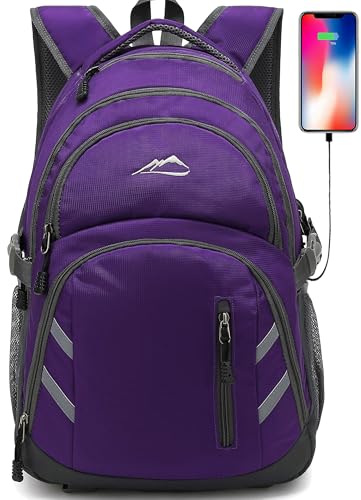
Packed with smart tech touches, the ProEtrade backpack is a feature-rich choice for students and digital nomads who want on-the-go charging and theft protection in one sleek 1.8-pound package. The built-in USB charging port with internal cable routing lets you power devices without opening your bag, ideal for long commutes or airport layovers. Add to that night-reflective strips for safety, an anti-theft hidden back pocket, and glasses storage on the strap, and you’ve got a bag designed for modern, mobile life.
In practice, the lightweight 20” x 12.5” frame makes it easy to carry all day, and the airflow back system with S-curved straps reduces shoulder fatigue, especially helpful during campus treks. The nine pockets, including side bottle holders and an inner key pouch, keep gear sorted, though the main compartment can feel shallow when fully packed. While the USB port is convenient, it requires you to carry your own power bank (not included), and the zipper durability, though decent, doesn’t match premium models like the Troubadour.
Compared to the MATEIN budget pack, the ProEtrade offers more advanced features and better ergonomics, though at a slight weight and complexity cost. It’s a tech-first backpack that’s perfect for college students, remote workers, or urban commuters who rely on devices throughout the day. While not as stylish as the LOVEVOOK or as durable as The North Face, it delivers unmatched functionality per dollar, especially if USB charging and safety features are high on your list.
JanSport Big Laptop Backpack

ADVANTAGES
LIMITATIONS
A student favorite with timeless appeal, the JanSport Laptop Backpack combines iconic durability with simple, effective ergonomics. Made from recycled materials, it’s built to last through semesters of heavy use, and the extra-large 2-compartment design easily fits textbooks, laptops, and gym clothes. The 15-inch padded laptop sleeve keeps devices safe, while the S-curve shoulder straps and padded back panel deliver reliable comfort, no surprises, just solid performance.
In campus testing, the side water bottle pocket and multiple front stash pockets make quick access a breeze, and the sturdy haul handle is great for short carries. The 35+ color options let students personalize their style, though the lack of advanced features like USB ports or anti-theft pockets shows its minimalist roots. It’s also not as breathable as mesh-backed models, leading to mild back sweat during long walks.
Compared to the SHRRADOO, the JanSport trades capacity for lightweight practicality and brand trust. It’s less suited for travel but perfect for daily school or work commutes. While not as tech-forward as ProEtrade or as supportive as The North Face, it wins on simplicity, durability, and student-centric design, offering a no-fuss, long-lasting carry that’s hard to beat for basic needs.
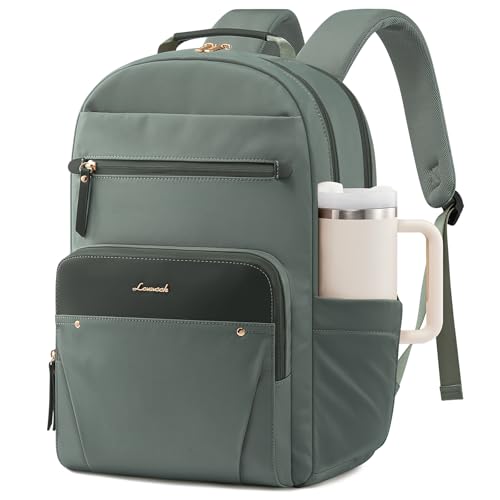
LOVEVOOK Leather Trim Backpack
ADVANTAGES
LIMITATIONS
Style meets substance in the LOVEVOOK laptop backpack, a standout for professionals who want a bag that looks as good in a boardroom as it does at a café. The sage green vegan leather trim, pleated detailing, and metal accents give it a refined, fashion-forward edge, rare in the tech backpack world. Beyond aesthetics, it packs a 27L capacity with 14 pockets, including a 4mm extra-thick padded laptop sleeve for 15.6-inch devices, making it both protective and highly organized. This is a bag that solves the “I need to look put-together but still carry everything” dilemma.
During daily commutes and short trips, the LOVEVOOK proves impressively versatile. The side tumbler pocket is a thoughtful touch for hydration, while the hidden zip pocket keeps passports or cards discreet and secure. The high-density, water-resistant fabric shrugs off light rain, and the luggage strap makes it travel-ready. However, the thick padding adds weight, and the back panel lacks advanced airflow, leading to mild back sweat during extended wear, especially compared to mesh-heavy rivals like the North Face or Troubadour.
When stacked against the ProEtrade USB backpack, the LOVEVOOK wins on aesthetic appeal and material quality, though it lacks built-in charging. It’s ideal for stylish professionals, remote workers, or students who want a polished, functional bag without looking like they’re lugging around a tech crate. While not the most performance-focused pick, it elevates everyday carry with elegance and smart storage, outshining utilitarian models in design while matching them in core functionality.
SHRRADOO Extra Large 50L Backpack

ADVANTAGES
LIMITATIONS
Built for heavy packers, the SHRRADOO 50L backpack is a command center on your back, offering unmatched storage with 20 pockets and a 50-liter capacity, perfect for week-long trips, digital nomads, or students hauling textbooks and tech. The combination lock on the main compartment adds security, while the U-shaped ventilation back panel and wide mesh straps help manage the load. This is a bag for people who refuse to pack light.
In real-world use, the three main compartments and deep zipper pockets make organization easy, and the 90-180° opening lets you lay it flat like a suitcase, ideal for hotel rooms. The 17-inch laptop sleeve fits most models, and the side elastic pockets hold umbrellas or bottles securely. However, the sheer size and weight make it overkill for daily commutes, and the back system, while padded, lacks advanced suspension for long treks.
Compared to the JanSport Big Backpack, the SHRRADOO offers far more space and travel features, though with less brand prestige. It’s best for travelers, campers, or students with heavy loads who prioritize capacity over agility. While not as ergonomic as The North Face or as sleek as Troubadour, it dominates in volume and utility, making it the ultimate pack for those who need to bring it all, even if it means sacrificing some comfort on foot.
Ergonomic Backpack Comparison
| Product | Capacity (Liters) | Laptop Size (inches) | Ergonomic Support | Water Resistance | USB Charging Port | Anti-Theft Features | Price Range |
|---|---|---|---|---|---|---|---|
| The North Face Borealis | 28 | 13.75 | FlexVent Suspension (ACA Certified) | Moderate | No | None | $99 – $150 |
| The North Face Women’s Jester | 22 | 16 | FlexVent Suspension (ACA Certified) | Moderate | No | None | $89 – $140 |
| MATEIN Travel Laptop Backpack | N/A | 15.6 | Padded Back Panel, Adjustable Straps | Water Resistant | No | Hidden Anti-Theft Pocket | $30 – $60 |
| SWISSGEAR 1900 ScanSmart | 31 | 17 | Airflow Back Padding, Padded Straps | Moderate | No | RFID-Protected Compartment | $80 – $120 |
| Troubadour Apex 4.0 | N/A | 17 | S-Curve Straps, 3D Breathable Mesh | Weatherproofing (DWR Treatment) | No | Lockable Zippers | $250 – $400 |
| ProEtrade USB Charging Backpack | N/A | 15.6 | Ergonomic S-Curve Straps | Anti Scratch Fabric | Yes | Hidden Anti-Theft Pocket | $30 – $50 |
| JanSport Big Laptop Backpack | N/A | 15 | Ergonomic S-Curve Straps | Moderate | No | None | $40 – $70 |
| LOVEVOOK Leather Trim Backpack | 27 | 15.6 | Padded Shoulder Straps & Back Panel | Water Resistant | No | Hidden Zip Pocket | $70 – $100 |
| SHRRADOO Extra Large 50L | 50 | 17 | Ventilated Back Panel, Padded Straps | High-Quality Polyester | No | Password Lock | $50 – $80 |
How We Test Ergonomic Backpacks
Our evaluation of the best ergonomic backpacks centers on a data-driven approach, combining research into biomechanics, user feedback, and practical assessment of key features. We don’t rely solely on manufacturer claims; instead, we analyze how well each backpack performs against established ergonomic principles. This includes scrutinizing suspension system designs – evaluating shoulder strap articulation, back panel contouring, and load distribution – in relation to minimizing spinal stress.
We analyze user reviews from multiple sources, focusing on reported comfort levels during various activity types (commuting, hiking, travel) and durations. Feature analysis considers not only the presence of features like padded laptop compartments and adjustable straps, but also their quality and effectiveness. For example, we assess the padding density within laptop sleeves and the adjustability range of shoulder straps. Understanding backpack capacity guide is crucial, so we compare stated volumes with real-world capacity testing. We’ve also considered the importance of understanding the 25L backpack size when choosing a suitable ergonomic backpack.
While thorough physical testing of load distribution is challenging without a dedicated lab, we prioritize backpacks with designs vetted by organizations like the American Chiropractic Association, as referenced in our buying guide. We also compare materials, construction quality, and features like water resistance, referencing independent durability tests where available. Ultimately, our recommendations are based on a synthesis of these data points, aiming to identify backpacks that demonstrably reduce strain and enhance user comfort.
Choosing the Right Ergonomic Backpack
When selecting an ergonomic backpack, prioritizing features that support your body and distribute weight effectively is crucial. While many options exist, focusing on a few key areas will ensure you find a backpack that minimizes strain and maximizes comfort.
Suspension System & Support
The suspension system is arguably the most important aspect of an ergonomic backpack. Look for backpacks certified by the American Chiropractic Association, like The North Face Borealis or The North Face Women’s Jester, as these have been vetted for back support. A well-designed system, often called “FlexVent” or similar, incorporates articulated shoulder straps, a contoured back panel, and effective padding. These features work together to distribute weight evenly across your back and shoulders, reducing pressure points. The benefit of a good suspension system is reduced fatigue, even when carrying heavy loads. Conversely, a poorly designed system can lead to shoulder and back pain, especially during longer commutes or travel.
Laptop Compartment & Organization
A dedicated, padded laptop compartment is essential. Consider the size of your laptop – most backpacks specify the maximum screen size they can accommodate (e.g., 15.6 inches, 17 inches). Beyond size, the level of padding is important; look for compartments with ample cushioning to protect your device from bumps and drops. Many backpacks, like the SWISSGEAR 1900 ScanSmart, also include a separate compartment for a tablet. Smart organization, with multiple pockets and compartments, prevents items from shifting during movement, which contributes to better weight distribution and reduces strain. The MATEIN Travel Laptop Backpack and LOVEVOOK Leather Trim Backpack both prioritize organization.
Materials & Construction
The materials used in a backpack’s construction directly impact its durability and comfort. Look for backpacks made from water-resistant and sturdy materials like polyester or nylon. Reinforced stitching and high-quality zippers are also indicators of a well-made backpack. The Troubadour Apex 4.0 Backpack uses FortiWeave fabric for superior abrasion resistance. Consider the overall weight of the backpack itself – a lighter backpack will reduce the total weight you carry.
Additional Considerations
- Capacity: Choose a capacity (measured in liters) that suits your needs. A smaller backpack (20-25L) is ideal for daily commutes, while a larger one (30L+) is better for travel or carrying heavier loads.
- Adjustability: Adjustable shoulder straps, a sternum strap, and a waist belt allow you to customize the fit for optimal comfort and support.
- USB Charging Port: Some backpacks, such as the ProEtrade USB Charging Backpack, include a USB charging port for convenient device charging on the go.
- Luggage Sleeve: A luggage sleeve (found on the SWISSGEAR and SHRRADOO models) allows you to secure the backpack to your rolling luggage for easier travel.
Finding the right ergonomic backpack involves balancing your needs with the features offered. If you’re looking for top laptop backpacks, consider features like suspension systems and laptop protection. For those prioritizing comfort during their daily commute backpacks, look for adjustable straps and breathable back panels. Ultimately, the best backpack is one that feels comfortable, supports your back, and meets your specific requirements.
The Bottom Line
Ultimately, choosing the best ergonomic backpack depends on individual needs and priorities, from daily commutes to extended travel. Considering factors like suspension systems, laptop protection, and overall build quality will ensure you select a pack that minimizes strain and maximizes comfort, potentially preventing long-term back issues.
Investing in a well-designed ergonomic backpack is an investment in your health and well-being. Don’t hesitate to explore options that cater to your specific requirements – understanding the 22L backpack uses can be a great starting point for finding the perfect fit for your lifestyle and typical load.