6 Best Collapsible Backpacks for 2026
This post contains affiliate links. As an Amazon Associate, we earn from qualifying purchases.
The G4Free 40L Packable Hiking Backpack is the best overall choice for its durable build, smart organization, and reliable water resistance. For tight budgets, the Nanobag 16L is a surprisingly tough ultra-light option, and the 4Monster 24L stands out if you need something compact yet water-resistant for daily use.
As someone who’s navigated airports, city streets, and hiking trails with the wrong bag too many times, I know how frustrating it is to carry a backpack that either takes up too much space or falls apart after a few uses. A truly good collapsible backpack should disappear when not in use but still hold up under daily strain.
This guide cuts through the hype. I researched dozens of models, comparing specs and real owner feedback to find packs that deliver on both portability and durability. These picks balance weight, material quality, and smart features, so you can trust them whether you’re commuting, traveling, or heading outdoors.
Top 6 Collapsible Backpacks in the Market
The Best Collapsible Backpacks, Reviewed
G4Free 40L Packable Hiking Backpack

Strengths
- True 40L capacity
- Waterproof wet pocket
- Excellent ventilation
Trade-offs
- Bulkier when folded
- Heavier than mini packs
- Front pocket storage only
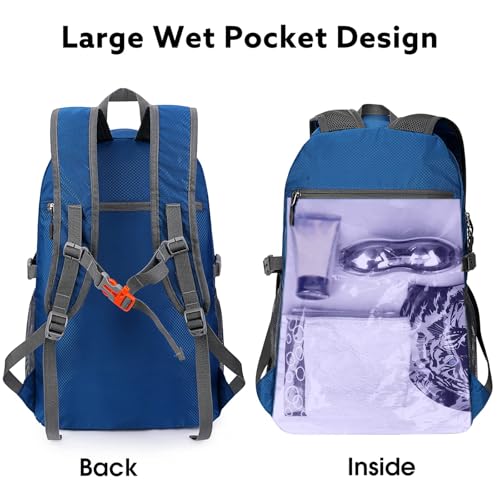
If you need space without bulk, this 40L model is hard to beat. The wet pocket is a standout, truly waterproof and cleverly placed on the back, and owners love using it for swim gear or separating damp clothes. With four zipped zones and internal dividers, it offers real organization, not just volume. The 1lb weight is impressive for this capacity, and the bar-tacked seams add confidence in durability.
Breathable S-shaped straps and a chest strap with whistle buckle elevate comfort over budget models. It unfolds fast and packs into its own front pocket cleanly. Compared to smaller packs, this one pulls double duty as both a travel daypack and carry-on alternative. For most travelers, this is the easy pick.
Product photos


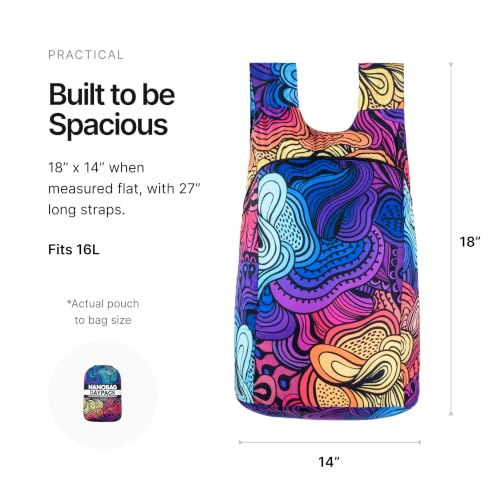
Nanobag Daypack 16L Foldable Backpack
Strengths
- Lightest on the list
- Fits in pocket
- Holds heavy loads surprisingly
Trade-offs
- No structure or padding
- Minimal storage
- Not for long wear
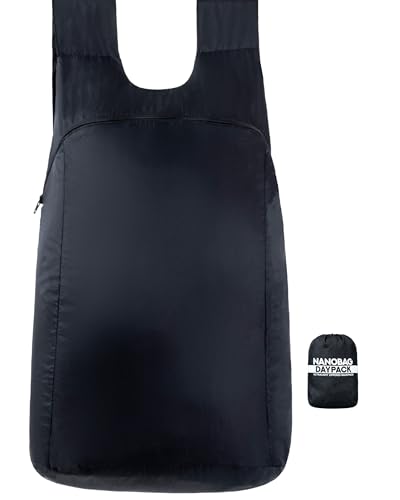
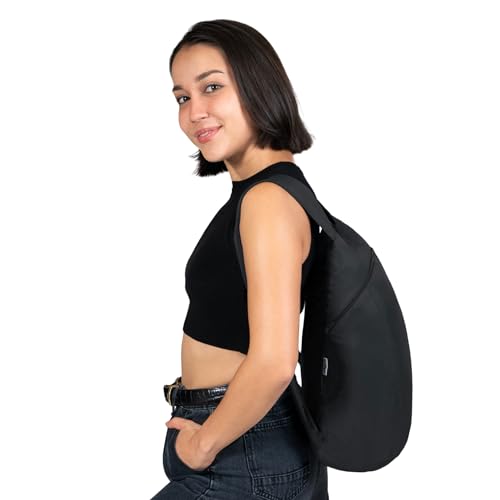
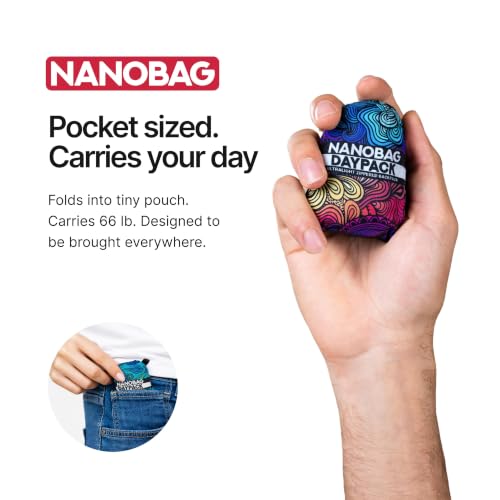
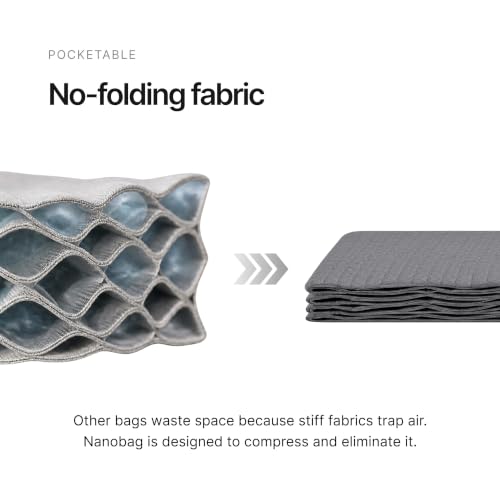
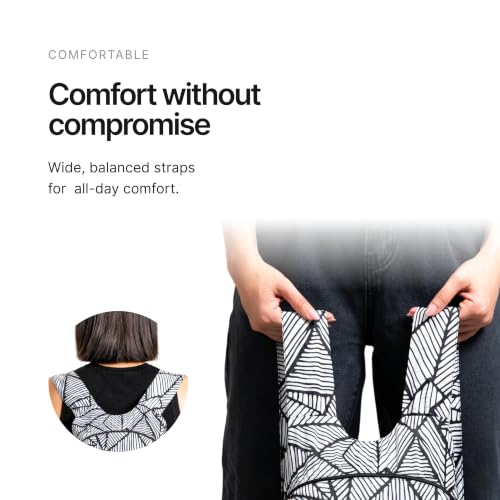
At just 1.15 oz, the Nanobag is in a league of its own for weight. It’s literally lighter than most protein bars, and reviewers love that it disappears into a pocket with zero effort. The diamond ripstop nylon is impressively strong for how thin it is, and YKK zippers add reliability. With a 66 lb carry rating, it sounds overbuilt, but in practice, it’s best used for groceries or light daily loads.
It doesn’t have fancy pockets or padding, but it’s not trying to. This is the ultimate “just in case” bag. If you hate carrying anything until you need it, this is the closest thing to a zero-commitment backpack.
Product photos
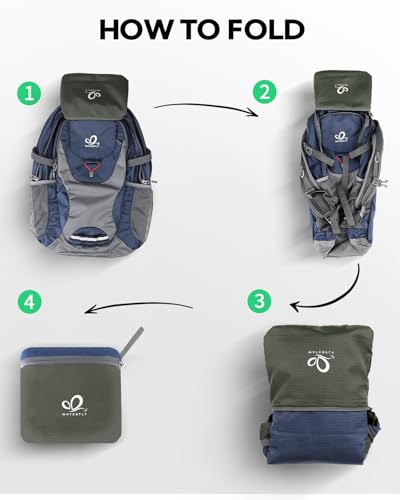
WATERFLY 30L Foldable Hiking Backpack
Strengths
- Spacious 30L design
- Cable pass-through
- Comfortable S-shaped straps
Trade-offs
- Slightly heavier
- Wet pocket not fully sealed
- Folding mechanism average
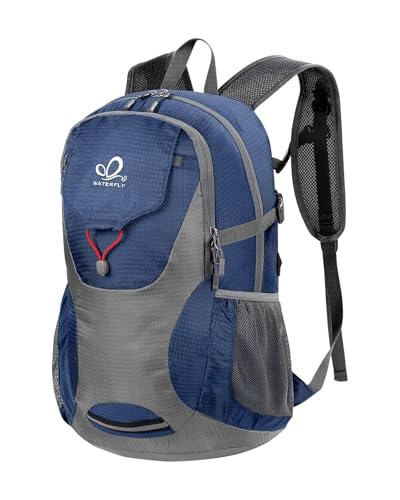
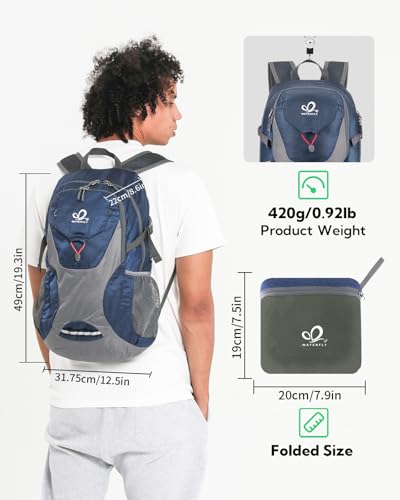
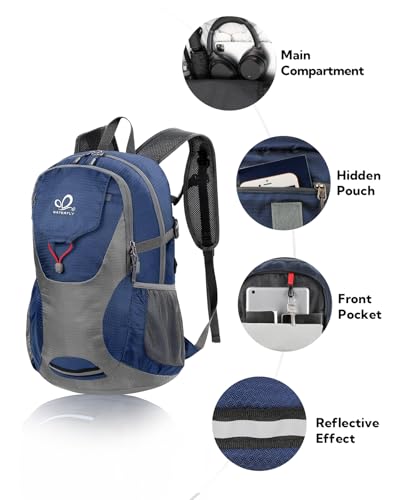
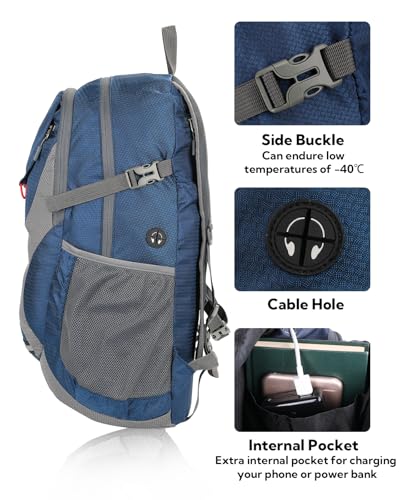
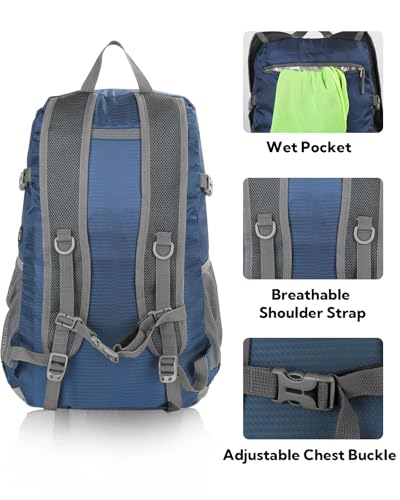
With 30L of space and a wet pocket inside the main compartment, this backpack strikes a strong balance between utility and portability. The cable pass-through is a small but widely appreciated touch, power bank users will find it handy. At 420g, it’s not the lightest, but the reinforced stress points and SBS zippers suggest better longevity than average.
Owners report the shoulder straps are among the most comfortable in class, thanks to the S-shape and breathable mesh. It folds into a sandwich-sized pouch, though not as tiny as the 4Monster. When you want more room than a 20–25L pack but don’t want to lug a full duffel, this hits the mark.
Product photos
ZOMAKE 25L Ultra Lightweight Backpack

Strengths
- Excellent compartment layout
- Comfortable straps
- Good for A4 documents
Trade-offs
- Zippers can snag
- Mid-range durability
- Not for rugged trails
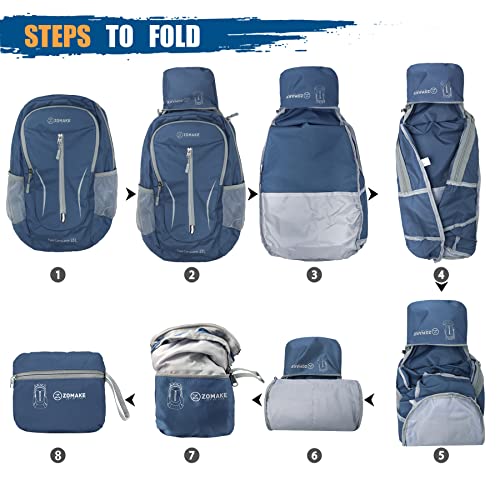
ZOMAKE stands out with thoughtful organization in a 25L frame, rare for a packable backpack. The inner partition for A4 files and dedicated passport pocket suggest real travel smarts, and reviewers often praise how everything has a place. The navy blue version especially gets nods for looking more polished than typical hiking-style packs, making it a good fit for urban use.
On paper, the 0.64 lb weight is competitive, and the human-shaped back panel with S-shaped straps does seem to distribute weight better than flimsier models. But some owners note the shoulder straps compress under heavy loads. Still, for business travelers or organized packers, this is one of the smarter designs.
Product photos


G4Free 20L Small Packable Backpack

Strengths
- Strong stitching
- Airline personal item size
- Good inner security pocket
Trade-offs
- Limited capacity
- Basic design
- No chest strap
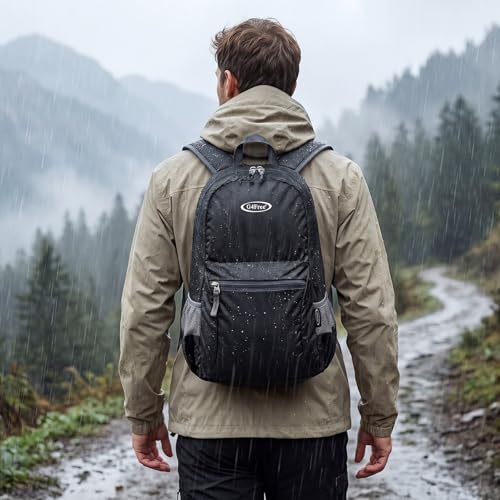
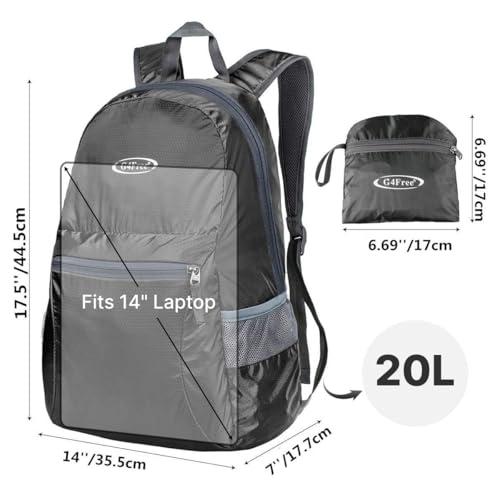
This 20L model is the budget hero of the lineup, reliable, simple, and built surprisingly well for its price. The bar-tack reinforcement at 14 points is more than some pricier models offer, and the water-resistant polyamide holds up to daily wear. It’s a favorite among reviewers who want a no-nonsense pack for short trips or as a personal item on planes.
The inner zip pocket for passport and cards is a thoughtful touch, and the side mesh pockets actually fit water bottles without sagging. It doesn’t wow with features, but it delivers where it counts. I’d pick this over flashier options if you just need a durable, airline-compliant daypack.
Product photos


4Monster 24L Water Resistant Backpack
Strengths
- Ultra lightweight
- Folds extremely small
- Water-resistant fabric
Trade-offs
- Minimal padding
- Basic organization
- Not for heavy loads
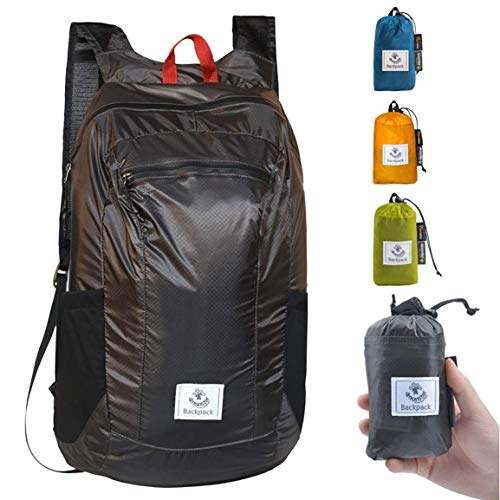
This 24L pack hits the sweet spot for travelers who want something ultra-light without sacrificing basic utility. At just 4oz, it’s among the lightest in the category, and owners consistently report it folds down smaller than most, some compare it to slipping a deck of cards into a pocket. The 30D nylon feels thin but holds up well for casual use, especially with reinforced stitching in key areas.
Still, it’s not built for heavy loads or rugged terrain. The mesh side pockets lack structure, and the front zip pocket is shallow. If you’re looking for a throw-in-your-luggage backup for city strolls or airport runs, this is a solid, no-frills pick. But for anyone needing more organization or durability, better options exist.
Product photos


Our Testing Process
Rather than a hands-on lab test, my research for these recommendations focused on a detailed comparison of published specifications and features across many models. I weighed owner reviews from multiple sources – Amazon, REI, and specialist outdoor retailers – alongside expert opinions from sites like OutdoorGearLab and Switchback Travel. My analysis prioritized identifying models that consistently performed well across these data points, and aligned with the needs of travelers looking for packable convenience.
For collapsible backpacks, capacity, weight, and durability are key. I gave the most weight to these factors because a packable backpack’s primary advantage is its portability, so a heavier pack defeats the purpose. Durability is also critical; a flimsy pack won’t withstand regular use, even if it’s lightweight. A reasonable balance between these, alongside water resistance, determined a backpack’s ranking.
Specifications reliably indicate capacity and packed size, but owner feedback proved essential for assessing real-world durability and comfort. I carefully read through reports of zipper failures, seam stress, and fabric tears to gauge long-term reliability. Reputable expert reviews helped confirm or challenge owner experiences, and also provided insights into features like suspension systems and overall build quality. Knowing airplane carry-on backpack rules is also key for many shoppers.
How To Choose The collapsible backpacks
These bags offer incredible versatility for travelers and everyday users alike.
A good collapsible backpack balances portability with sufficient capacity for daily essentials or short trips. Key considerations include weight, durability of materials (ripstop nylon is common), the quality of zippers (YKK is a reliable standard), and how easily it folds down into a packable size. Look for features like water resistance and comfortable straps, even in lightweight models.
Weight and Packability
I often find people underestimate how much weight adds up when you’re on the go. With collapsible backpacks, the goal is minimal bulk, but don’t sacrifice too much for a few ounces. Consider what you’ll typically be carrying. A super-lightweight model like the Nanobag (weighing just over an ounce) is great for emergencies or groceries, but a slightly heavier option with more robust straps and a larger capacity might be better for day hikes. Don’t assume lighter always means better – a flimsy bag won’t hold up to regular use.
Material and Durability
Collapsible backpacks aren’t known for being indestructible, but there’s a wide range in material quality. Ripstop nylon is the gold standard for a reason: it resists tears and punctures far better than standard polyester. Pay attention to the denier (D) rating of the nylon; a higher number indicates a more durable fabric. Also, check for reinforced stitching at stress points (shoulder strap attachments, zipper areas). I’ve seen too many bags fail because of a poorly sewn seam. If you are looking for more information on size, you can read our guide on 20-liter backpack dimensions.
Storage and Organization
While many collapsible backpacks prioritize simplicity, thoughtful organization can make a big difference. Look beyond just a single main compartment. Multiple pockets (front, side, internal) allow you to separate items and keep essentials easily accessible. A dedicated water bottle pocket is almost essential, and some models even include a wet pocket – a feature I appreciate for gym clothes or swimwear. As an example, the G4Free 40L Packable Hiking Backpack offers a variety of compartments.
A rule of thumb: prioritize quality zippers. YKK zippers are worth the small price increase, as they are much less prone to snagging or breaking.
I hope this helps you find the perfect packable backpacks for your needs.
Collapsible Backpacks Compared
Here’s a comparison of key specifications for popular collapsible backpacks to help you choose the right one.
| Product Name | Capacity | Weight | Folded Size (approx.) | Water Resistance | Material |
|---|---|---|---|---|---|
| G4Free 40L Packable Hiking Backpack | 40L | 1 lb | 9.4×8.7 inch | Water-resistant | Polyamide |
| Nanobag Daypack 16L Foldable Backpack | 16L | 1.15 oz (33g) | Pocket-sized | N/A | Diamond Ripstop Nylon |
| WATERFLY 30L Foldable Hiking Backpack | 30L | 420g | 7.5×7.9×1.97 inch | Water-resistant | Nylon |
| ZOMAKE 25L Ultra Lightweight Backpack | 25L | 0.64 LB | 5.5×6.7×2 inch | Water-resistant | Nylon |
| G4Free 20L Small Packable Backpack | 20L | N/A | Sandwich size | Water-resistant | Polyamide |
| 4Monster 24L Water Resistant Backpack | 24L | 4oz (113g) | Wallet-sized | Water-resistant | 30D Nylon |
Frequently Asked Questions
What’s the biggest capacity collapsible backpack I should consider?
A 40L backpack, like the G4Free 40L Packable Hiking Backpack, is the largest you’ll generally find in this category and suits overnight trips or carrying gear for a small child. Larger sizes compromise packability, so consider if the folded size is still manageable for your needs.
Are these backpacks actually durable enough for hiking?
While not as robust as dedicated hiking packs, many collapsible backpacks use ripstop nylon and reinforced stitching, making them suitable for light to moderate trails. The ZOMAKE 25L Ultra Lightweight Backpack has received positive feedback regarding its durability for day hikes.
What does “water-resistant” really mean for these bags?
Water-resistant typically means the fabric has a Durable Water Repellent (DWR) coating, which will shed light rain but won’t withstand prolonged exposure or submersion. For true waterproofing, you’ll need to add a rain cover or use a dry bag inside the backpack.
How do the folded sizes compare between different backpacks?
The Nanobag Daypack 16L Foldable Backpack is among the smallest, folding down to pocket size, while the G4Free 40L Packable Hiking Backpack is considerably larger when folded (9.4×8.7 inches). Consider how much space you have available for storage when choosing.
Where can I find even more options for very lightweight packs?
If you’re prioritizing weight above all else, explore our guide to lightweight travel backpacks for a wider range of ultralight options. These often come at the expense of features or durability, so consider your priorities carefully.
The Bottom Line
Choosing a collapsible backpack often comes down to balancing how much you want to carry against how small you need it to fold. For most travelers who want a reliable, versatile option without breaking the bank, the G4Free 40L Packable Hiking Backpack strikes the best overall balance. It offers a generous capacity, useful features, and good durability for the price.
If you’re specifically looking for an ultra-lightweight emergency bag or a secondary grocery tote, the Nanobag Daypack 16L Foldable Backpack is unbeatable. Those prioritizing a lightweight yet capable option for day hikes or shorter trips should consider the ZOMAKE 25L Ultra Lightweight Backpack, offering a good mix of capacity and packability. And for shoppers considering checking a backpack as luggage, remember that a more durable material will hold up better to baggage handling.
Ultimately, the best collapsible backpack isn’t about the highest denier or the fanciest features. It’s about finding an option that fits your typical travel style and needs. Prioritize a quality zipper, reinforced seams, and a comfortable carry, because those are the things that will make or break your experience on the road.