8 Best Camping Backpacks for 2026
This post contains affiliate links. As an Amazon Associate, we earn from qualifying purchases.
The Teton 65L Explorer stands out as the best overall camping backpack for its thoughtful design and solid performance across key areas. If you’re watching your budget, the Loowoko 50L Hiking Backpack delivers reliable features at a lower price, while the W WINTMING 70L/100L Rucksack offers unmatched versatility for longer or gear-heavy trips.
As someone who’s planned countless trips and helped travelers choose the right gear, I know how frustrating it is to end up with a backpack that fails on the trail. A poor choice can mean discomfort, damaged gear, or even cutting a trip short.
This guide cuts through the noise by focusing on what really matters: capacity, fit, durability, and real-world feedback. I compared specs and owner reviews to find packs that deliver where it counts, so you can pick one with confidence.
Top 8 Camping Backpacks in the Market
The Best Camping Backpacks, Reviewed
Teton 65L Explorer Internal Frame Backpack
Strengths
- Adjustable torso fit
- Internal frame support
- Excellent ventilation
Trade-offs
- Slightly heavier
- Rain cover not full-coverage
- Zipper placement could be better
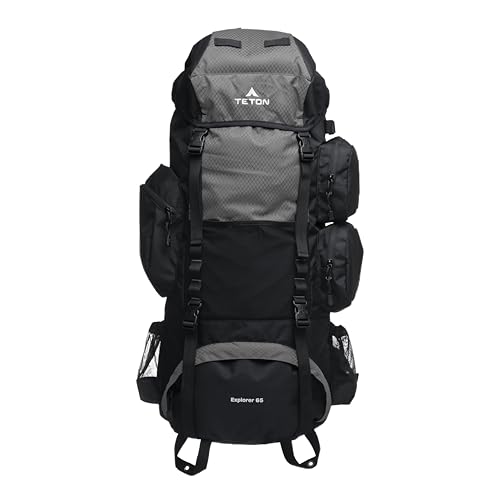
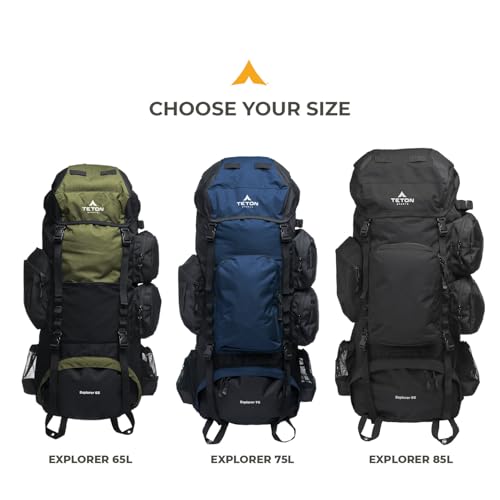
This is the kind of pack that makes beginners feel confident and experienced hikers nod in approval. The adjustable torso fit is a standout, few packs at this price offer real customization for different body types. With a full internal frame, molded lumbar support, and compression straps that actually work, it handles weight far better than frameless options like the Bseash or Loowoko. Owners praise how well it balances a full load, even on multi-day treks.
The 65L size strikes a smart middle ground: big enough for 4–5 days, but not so oversized that it encourages overpacking. It comes with a hydration pocket and rain cover, and the organizational layout, sleeping bag compartment, multiple access points, feels purposeful. Compared to the Wintming or kookoomia tactical models, it’s less aggressive in design but far more comfortable for sustained trail use.
Product photos


Loowoko 50L Hiking Backpack
Strengths
- Affordable price
- Rain cover included
- Good storage layout
Trade-offs
- No internal frame
- Back panel lacks airflow
- Straps can feel stiff
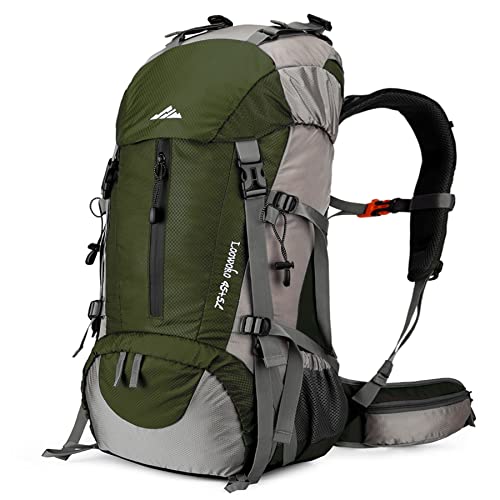
For budget-conscious buyers, the Loowoko hits a sweet spot: 50L capacity, rain cover included, and a clean layout with six external pockets and a shoe compartment, all for a fraction of the cost of higher-end models. It’s also just 2.1 lbs, which is impressive. But the trade-off is clear: no internal frame and only moderate back support. On paper, it looks like a deal. In practice, owner feedback shows it’s best for light to moderate loads.
It’s a favorite among college students and casual campers who need something functional without overspending. The upgraded zippers and materials help longevity, but it doesn’t breathe as well as the Teton or Maelstrom models. If your hikes are under 3 days and your gear isn’t super heavy, this gets the job done.
Product photos


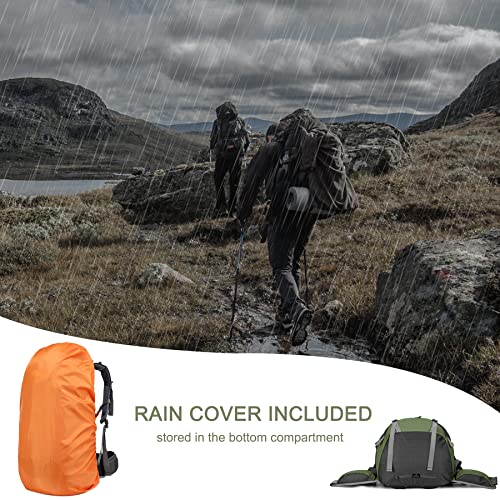
W WINTMING 70L/100L Military Rucksack

Strengths
- Extremely durable
- MOLLE attachment points
- Large capacity options
Trade-offs
- No internal frame
- Poor load distribution
- Bulky when full
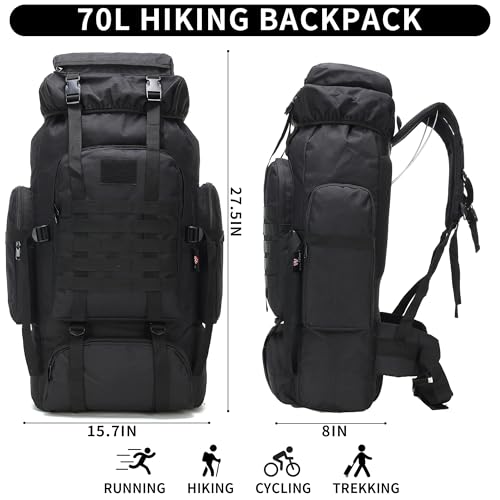
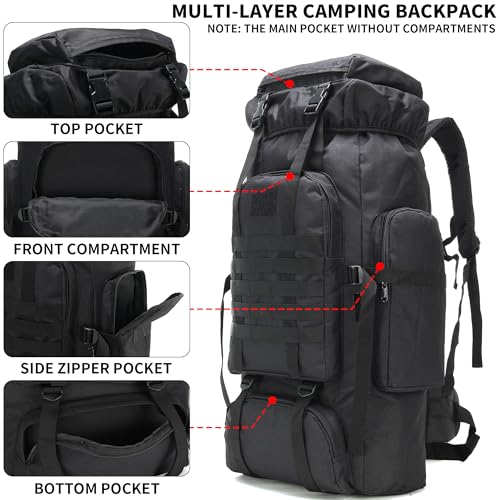
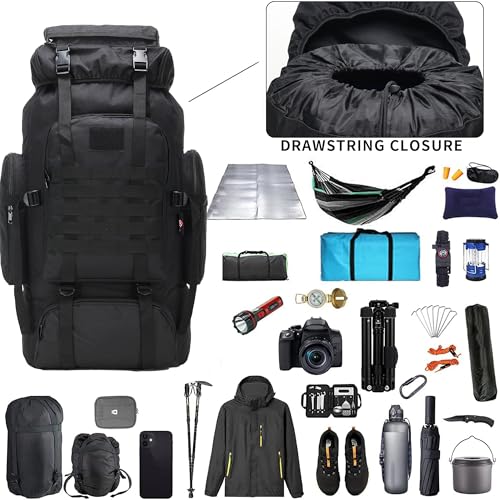
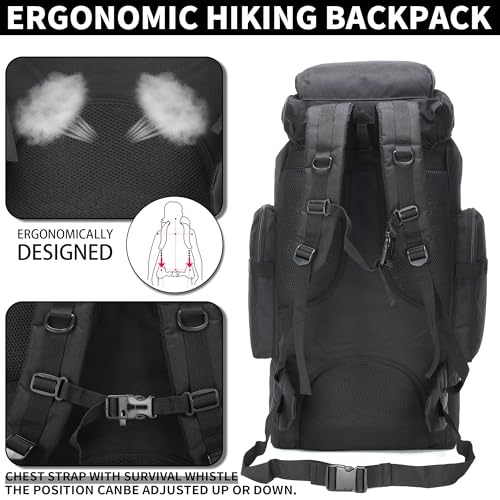
With 900D Oxford fabric and a military-inspired build, this Wintming pack is built for abuse. At 70L or 100L, it’s massive, meant for hunters, preppers, or anyone hauling serious gear into remote areas. The MOLLE system lets you strap on extra pouches, and the drawstring main compartment keeps things secure. But it’s still only 2.86 lbs, which is impressive for such a rugged build.
That said, the lack of an internal frame hurts long-term comfort. Owners report it’s great for short carries or vehicle-based trips, but not ideal for miles under load. Compared to the Teton, it’s less refined for trail hiking. But if you need a bombproof bag for bug-out scenarios or gear drops, this one delivers. The laptop sleeve is a bonus for hybrid use.
Product photos
kookoomia 50L Military Tactical Backpack

Strengths
- Tactical MOLLE system
- Hidden security pocket
- Heavy-duty zippers
Trade-offs
- No internal frame
- Stiff out of the box
- Overbuilt for casual use
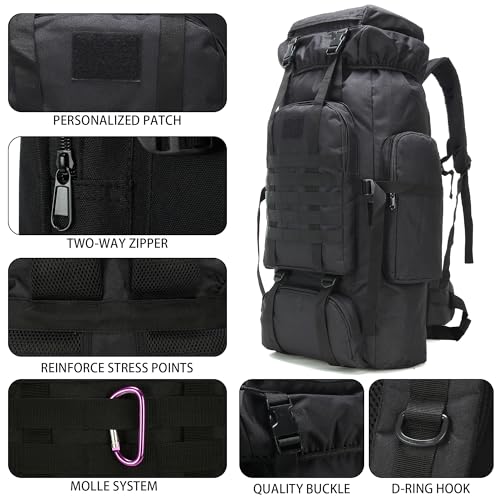
This kookoomia pack leans hard into the tactical aesthetic, and it delivers. With double stitching, MOLLE webbing, a hidden back pocket, and a gifted flag patch, it’s clearly designed for users who want modular, mission-ready gear. The 50L size is manageable, and the padded back panel helps with comfort, but like others in this class, it lacks an internal frame. That limits its appeal for long hikes.
It’s more polished than many budget tactical packs, and the organization is excellent: bottle holders, compression straps, and multiple access points. Owners use it as a bug-out bag, range pack, or urban carryall. But for actual backpacking, it can’t match the Teton or even the Maelstrom in trail comfort. If you want one bag for preparedness and daily use, this one covers both.
Product photos


Maelstrom 40L Waterproof Hiking Daypack
Strengths
- Water-resistant fabric
- Wet/dry compartment
- Reflective safety details
Trade-offs
- No internal frame
- Hydration sleeve not included
- Limited torso support
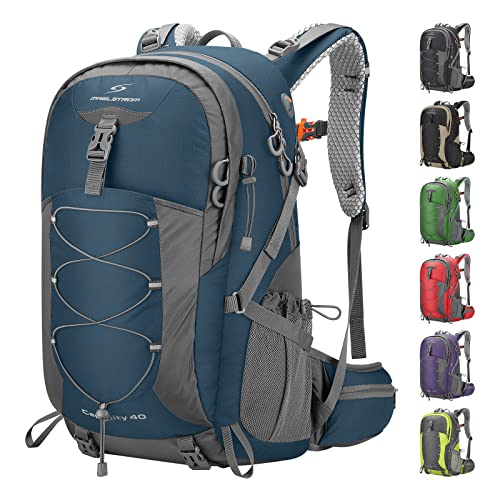
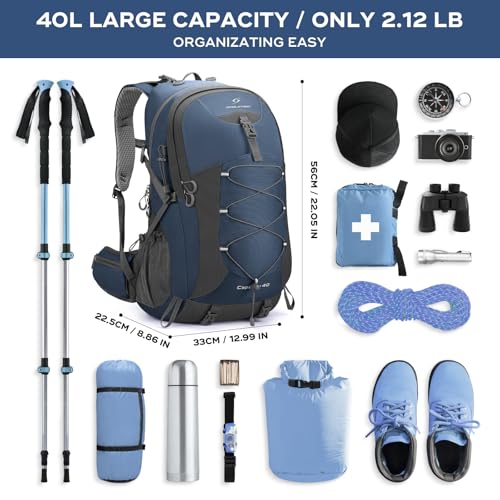
The Maelstrom stands out for blending water resistance, comfort, and smart features in a 40L frameless design. The 210D ripstop nylon holds up well, and the reflective logos add visibility, something I appreciate for early morning or late-day hikes. The wet pocket is a real win, letting you stash damp clothes without contaminating the rest. Plus, the headphone port and hydration routing make it surprisingly commuter-friendly.
It’s not built for expedition loads, but for day hikes, overnighters, or travel days, it’s a strong contender. Compared to the IGOLUMON, it has better organization and a more refined fit, though it’s slightly heavier. The chest strap doubling as a survival whistle is a nice safety touch. If you want one pack that transitions from trail to town, this one bridges the gap better than most.
Product photos


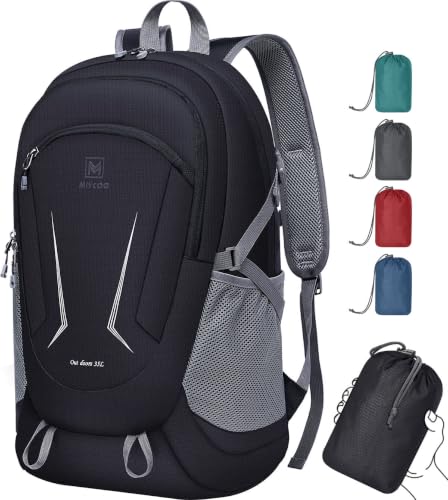
MIYCOO Ultra Lightweight Packable Backpack
Strengths
- Ultra packable
- Lightweight design
- Wet/dry compartment
Trade-offs
- Limited weather protection
- Not for heavy loads
- Zippers feel light-duty
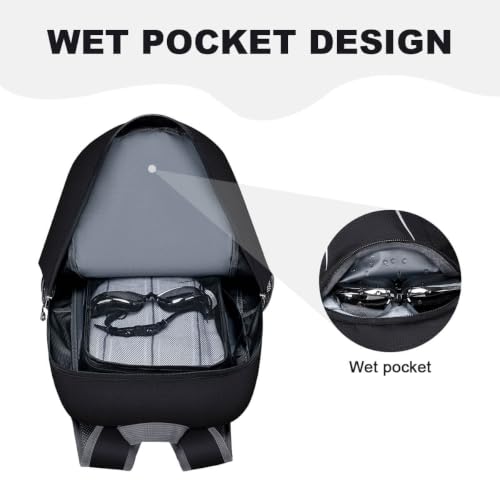
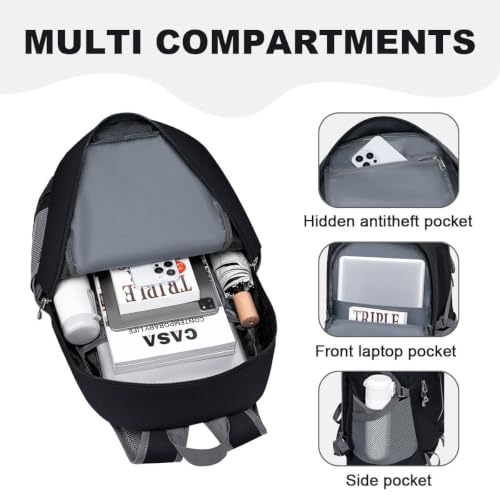
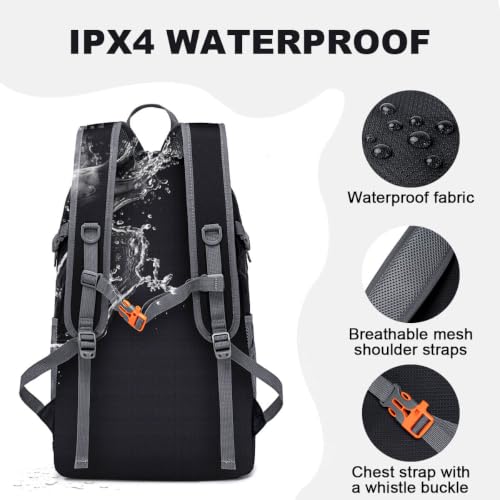
If you’re looking for a throw-in-your-bag emergency backpack, this MIYCOO folds down to the size of a small book, smaller than most water bottles. At just under 35L, it’s not huge, but it’s ideal as a secondary pack or for travel days when you need extra space. The IPX4 splash resistance is fine for light drizzle, but it won’t survive a downpour without additional protection. Still, the survival whistle on the strap and the wet/dry compartment are smart touches for a pack this light.
It’s not built for multi-day hikes, and the zippers, while upgraded, don’t feel as robust as those on heavier-duty models. But for the traveler who wants something packable and ready to expand when duty calls, this one fills a niche the others don’t. I’d pair it with a larger suitcase or duffel as a daypack add-on.
Product photos
IGOLUMON 40L Foldable Camping Backpack

Strengths
- Ultra lightweight at 1 lb
- Packable design
- Reinforced bottom
Trade-offs
- Minimal padding
- Not for heavy loads
- Basic back support
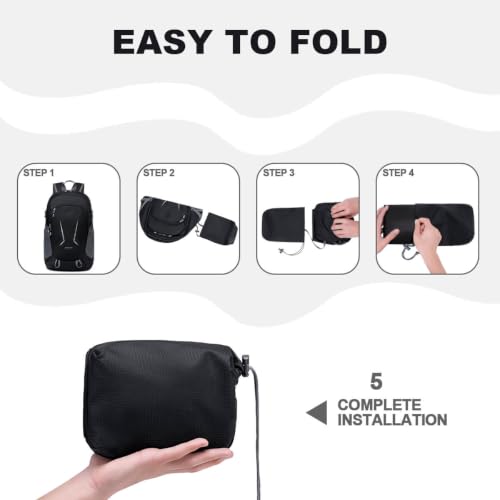
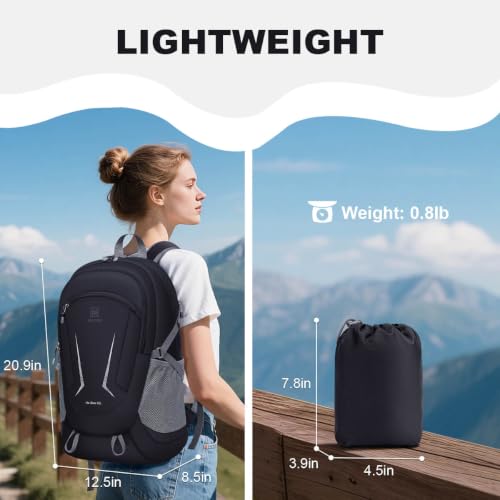
At just 1 pound and 40L, this IGOLUMON is one of the lightest packable options here, and it folds into its own pocket. That makes it a favorite for travelers who need a daypack that doesn’t take up space. The waterproof wet pocket is cleverly placed on the back, and the double metal zippers add durability. Reflective logos and trekking pole loops make it trail-ready despite the minimalist build.
But like all ultra-light packable packs, it’s a compromise. It’s not for heavy loads or multi-day hikes. Still, for weekend trips, airport transfers, or as a secondary bag, it holds its own. Compared to the MIYCOO, it has better external attachment points and a sturdier base. If you’re looking for a do-it-all daypack that disappears when not in use, this one earns its spot.
Product photos


Bseash 60L Waterproof Camping Backpack
Strengths
- Lightweight at 2.1 lbs
- Includes rain cover
- Separate shoe compartment
Trade-offs
- No internal frame
- Limited load support
- Average airflow under load
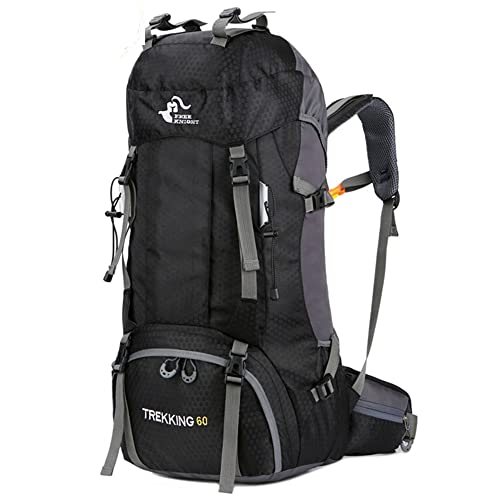
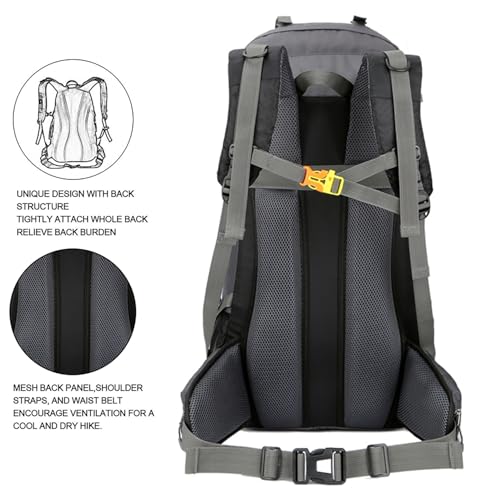
At 60L and just 2.1 lbs, this Bseash pack delivers solid value for weekend trips where weight matters but frame support doesn’t. The lack of an internal frame stands out, this is a trade-off. It keeps the pack ultralight and helps meet airline size limits, but don’t expect it to handle heavy loads comfortably over long distances. Owners consistently report it works well for casual hikers or those packing light for 3–4 days, but it sags under maximum capacity.
Breathability and shoulder padding are decent for the price, and the inclusion of a rain cover is a big plus. The separate shoe pouch and water bladder sleeve add thoughtful utility. Still, compared to framed packs like the Teton 65L, this one can’t compete on load transfer or back support. For occasional use or warmer climates where ventilation matters, it holds up.
Product photos


How We Picked These camping backpacks
Rather than a hands-on lab test, my research for these recommendations centered on a detailed comparison of published specifications and features across numerous models. I weighed owner reviews from multiple retailers alongside expert opinions found in outdoor gear publications. As someone who frequently plans trips and understands the needs of travelers, I applied my category knowledge to rank backpacks based on how well they meet common backpacking demands.
For camping backpacks, load capacity, durability, and comfort were the biggest deciding factors. A pack’s capacity dictates how much gear you can realistically carry for a trip, and I prioritized options offering a range of sizes. Durability – specifically fabric quality and construction – is critical for withstanding rugged terrain and frequent use. Finally, a comfortable suspension system (shoulder straps, hip belt, back panel) is essential for mitigating strain on long hikes.
Specifications reliably indicate a backpack’s capacity and materials, but owner feedback provided crucial insight into real-world performance. I paid close attention to comments regarding strap durability, zipper quality, and overall comfort. Reputation – how consistently a brand receives positive reviews – also factored into my assessment. Understanding backpack size for camping is also a key factor when making a purchase.
What To Look For In camping backpacks
Choosing the right camping backpack can make or break your trip, so it’s worth taking the time to find one that fits your needs.
A good camping backpack balances capacity, comfort, durability, and weight. Key features to assess include the frame type (internal or external), suspension system adjustability, materials used for water resistance and tear strength, and the overall organization offered through pockets and compartments. Prioritize a pack that distributes weight effectively and can withstand the rigors of trail use.
Capacity & Trip Length
First, be realistic about how much gear you actually need to carry. Bigger isn’t always better. Overpacking leads to fatigue, and a larger pack encourages you to bring unnecessary items. As a general rule, weekend trips (1-3 nights) can often be managed with a pack in the 30-50 liter range. Longer trips, or those requiring specialized equipment, will necessitate a larger capacity. Consider a pack in the 50-75 liter range for multi-day adventures, and 75+ liters for extended expeditions. Don’t underestimate how much space your sleeping bag and tent will take up. If you’re unsure, it’s better to err slightly on the larger side, but practice packing the pack to ensure it’s manageable.
Suspension & Fit
A poorly fitted backpack can lead to serious discomfort and even injury. The suspension system – encompassing the shoulder straps, hip belt, and back panel – is responsible for transferring the weight of the pack to your hips, which are much better equipped to handle the load than your shoulders. Look for adjustable torso lengths and hip belts to fine-tune the fit to your body. Most quality packs offer a range of sizes, and some even have interchangeable components. It’s also important to consider the back panel’s ventilation; mesh panels promote airflow and help keep your back cool and dry. For those planning extended trips, exploring best hiking and camping backpacks is a smart move to understand the range of features available.
Materials & Durability
Camping backpacks take a beating, so durability is paramount. Look for packs constructed from robust materials like ripstop nylon or polyester. Denier (D) rating indicates the fabric’s thickness and strength; higher numbers generally mean greater durability. Reinforcements in high-wear areas, such as the bottom panel and shoulder strap attachment points, are also crucial. Water resistance is another important factor. While many packs offer some degree of water resistance, a dedicated rain cover is essential for protecting your gear during heavy downpours. Knowing your 40-liter backpack capacity helps you understand how much protection you need.
Pack weight should never exceed 20% of your body weight. Prioritize distributing the heavier items closer to your back and higher up in the pack for optimal balance.
Camping Backpacks Compared
Here’s a comparison of key specifications for a variety of camping backpacks to help you make an informed decision.
| Product Title | Capacity (L) | Material | Waterproof | Frame Type | Weight (lbs) | Special Features |
|---|---|---|---|---|---|---|
| Teton 65L Explorer | 65 | N/A | No | Internal | N/A | Adjustable Torso, Hydration Compatible |
| Loowoko 50L Hiking Backpack | 50 | Polyester/Nylon | Yes | None | 2.1 | Rain Cover Included |
| W WINTMING 70L/100L Rucksack | 70/100 | 900D Oxford | Yes | None | 2.86 | Molle System |
| kookoomia 50L Tactical Backpack | 50 | N/A | Yes | N/A | N/A | MOLLE Webbing, US Flag Patch |
| Maelstrom 40L Waterproof Daypack | 40 | 210D Nylon | Yes | N/A | N/A | Reflective, Whistle |
| MIYCOO Ultra Lightweight Packable | 35 | N/A | Yes | N/A | N/A | Packable, Survival Whistle |
| IGOLUMON 40L Foldable Camping | 40 | N/A | Yes | N/A | 1 | Foldable, Whistle |
| Bseash 60L Waterproof Camping | 60 | Polyester | Yes | None | 2.1 | Shoe Compartment, Rain Cover |
Frequently Asked Questions
What capacity backpack do I really need for a week-long camping trip?
A 65-75 liter backpack is generally sufficient for a week-long camping trip, but it depends on the bulkiness of your gear and your packing style. If you have lightweight, compressible equipment, you might get away with a 60-liter pack, but it’s better to have a bit of extra space than to struggle to fit everything in.
Are external frame backpacks still a good option?
While less common now, external frame backpacks excel at carrying very heavy loads and often offer better ventilation. They’re a good choice for those carrying significant weight over rugged terrain, but internal frame packs are generally more stable and comfortable for most hikers.
How important is a rain cover, even if the backpack is water-resistant?
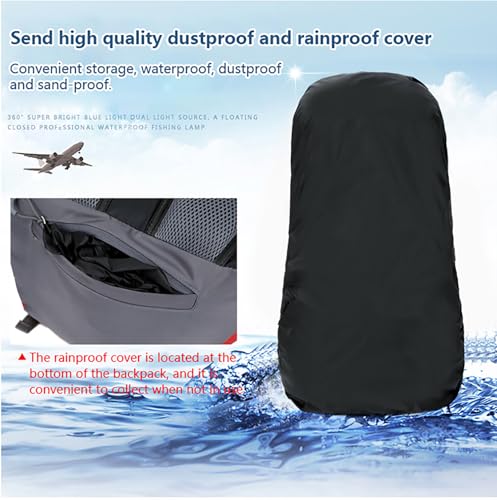
A rain cover is crucial, even with a water-resistant pack. Water-resistant fabrics only offer protection from light moisture; a heavy downpour will quickly soak through. A dedicated rain cover provides a complete waterproof barrier, safeguarding all your gear.
What should I look for in a backpack’s suspension system?
Prioritize an adjustable torso length and hip belt to ensure a secure and comfortable fit. A well-padded hip belt is essential for transferring weight to your hips, and adjustable shoulder straps allow you to fine-tune the load distribution. Considering best backpacks for long hikes can help you understand suspension options.
What does “denier” mean when looking at backpack materials?
Denier (D) refers to the thickness of the fabric fibers; a higher denier number indicates a more durable and abrasion-resistant material. For camping backpacks, look for packs with a denier of 420D or higher, especially in high-wear areas, to ensure it can withstand tough conditions and frequent use.
The Bottom Line
Choosing a camping backpack always involves balancing how much you want to carry with how much you want to feel like you’re carrying. Ultimately, for a blend of space, features, and a reasonable price, the Teton 65L Explorer stands out as the strongest all-around performer. It offers a good balance of capacity and adjustability to suit a variety of body types and trip lengths.
If you’re on a tighter budget, or prioritize lightweight portability, the MIYCOO Ultra Lightweight Packable is an excellent choice. For those needing serious versatility and modularity, the kookoomia 50L Tactical Backpack, with its MOLLE webbing, provides ample attachment points for extra gear. Understanding 50-liter backpack capacity will help you determine if this is the right size for your needs.
More than any specific feature or material, remember that fit and comfort are paramount. A well-fitted pack distributes weight effectively, preventing fatigue and allowing you to enjoy your time on the trail. Don’t get caught up in chasing the lightest weight or highest denier rating if it means sacrificing a comfortable and secure carry.