9 Best Backpacks for Europe 2026
This post contains affiliate links. As an Amazon Associate, we earn from qualifying purchases.
The HOMIEE 50L Hiking Backpack is the best overall choice for backpacking Europe, offering a smart balance of lightweight design, durability, and thoughtful features like full-contact suspension and panel-loading access. For those on a tighter budget, the Bseash 60L Waterproof Backpack delivers solid performance and extra capacity without breaking the bank.
Picking the wrong backpack can turn a dream trip across Europe into a daily slog. Between train platforms, narrow hostel hallways, and uneven streets, your bag has to be light enough to carry for hours but tough enough to survive constant use.
As someone who’s tested luggage in real travel conditions and helped thousands of travelers make smarter gear choices, I’ve focused this guide on what actually matters: weight, fit, durability, and access. These picks are based on a close look at specs, owner experiences, and real-world demands of European travel.
Top 9 Bags For Backpacking Europe in the Market
The Best Bags For Backpacking Europe, Reviewed
HOMIEE 50L Hiking Backpack

Strengths
- Excellent airflow
- U-shaped main zipper
- Airline-approved size
Trade-offs
- Lower max capacity than 60L models
- No internal frame
This is the pack I’d recommend to most first-time backpackers tackling European trails. At 1.8 lbs, it’s ultralight yet built with 420D waterproof nylon and YKK zippers, specs that signal long-term resilience. The full-contact back suspension system gets strong marks from owners for breathability and weight distribution, and the U-shaped zipper makes packing feel like opening a suitcase. The wet/dry compartment and hydration hook are thoughtful touches that elevate it above basic designs.
It’s not the largest option, but the 50L size fits airline carry-on limits in most cases, a real plus for Europe-bound travelers. Compared to the Bseash 60L, it’s lighter, better ventilated, and more stable under load, even without an internal frame. My pick for balance.
Product photos

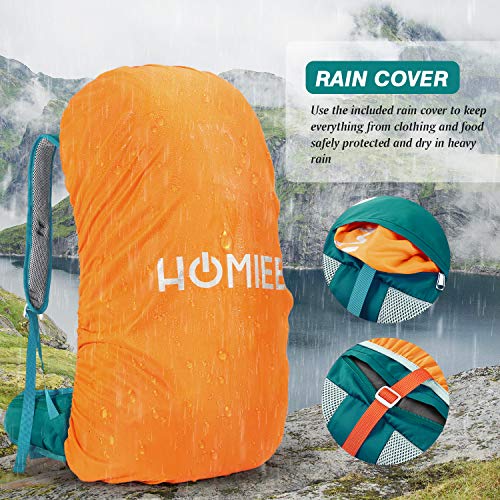

Bseash 60L Waterproof Backpack

Strengths
- Large 60L capacity
- Includes rain cover
- Shoe storage compartment
Trade-offs
- No internal frame
- Poor load stability over 25 lbs
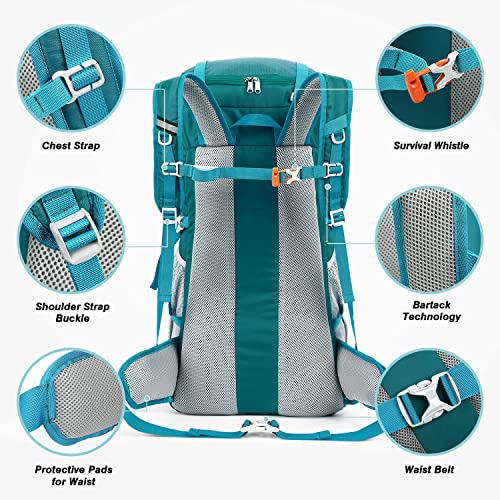
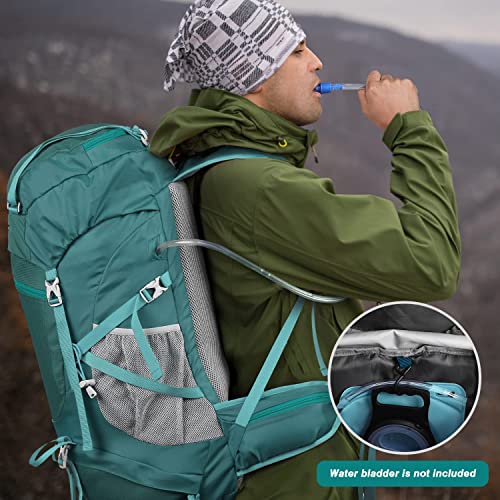
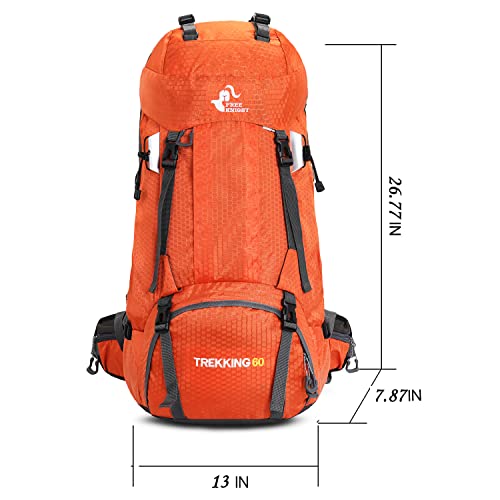
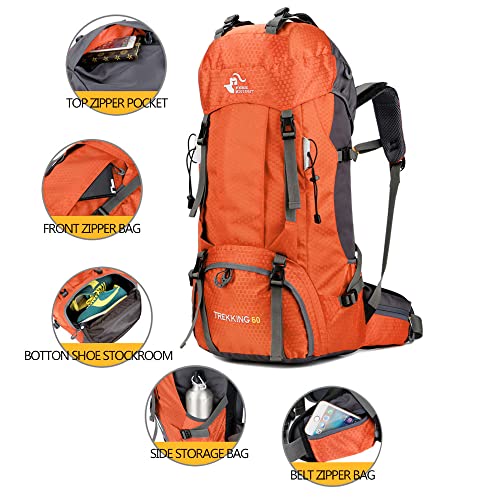
With a 60L capacity and a sub-2.1 lb weight, this pack delivers solid value on paper for multi-day trips where space matters more than frame support. The breathable mesh back panel and S-shaped shoulder straps are designed to reduce strain, and owners frequently mention comfort on moderate hikes. The separate shoe compartment is a standout, few packs at this price offer one, and the eight external attachment straps make it easy to lash down a sleeping pad or trekking poles.
Still, the lack of an internal frame shows in real-world feedback: when loaded beyond 25 lbs, the bag sags and stability drops. It’s also not as well ventilated as higher-end models. Compared to the HOMIEE 50L, it trades some comfort and airflow for raw volume.
Product photos
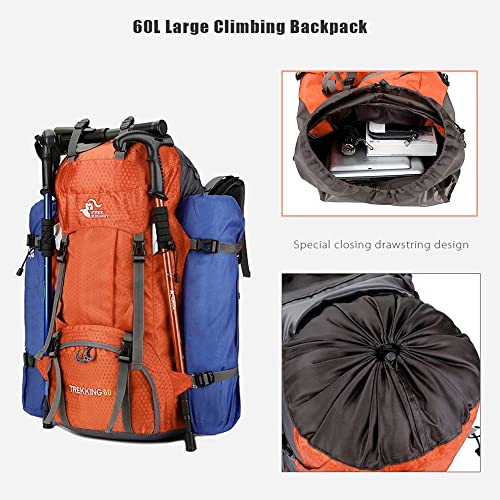

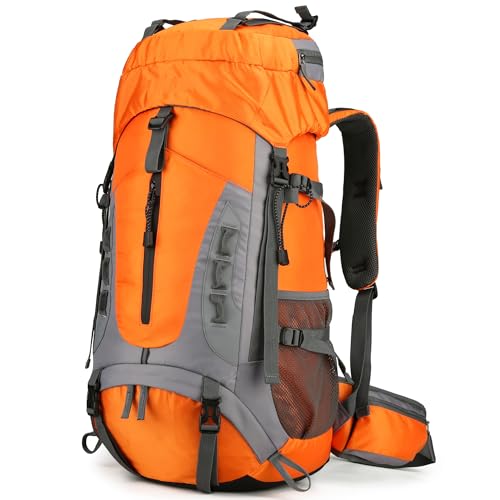
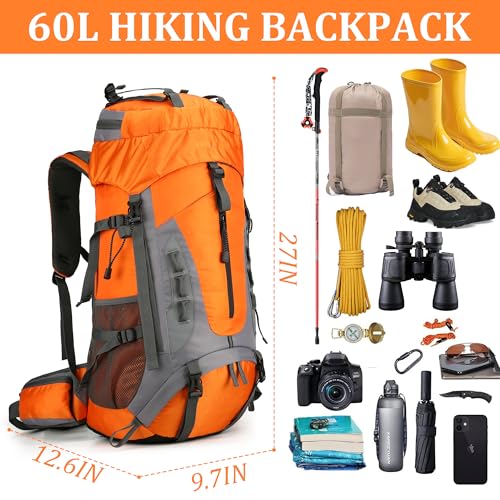
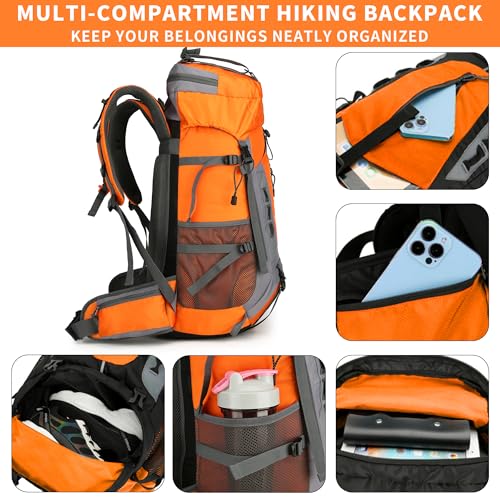
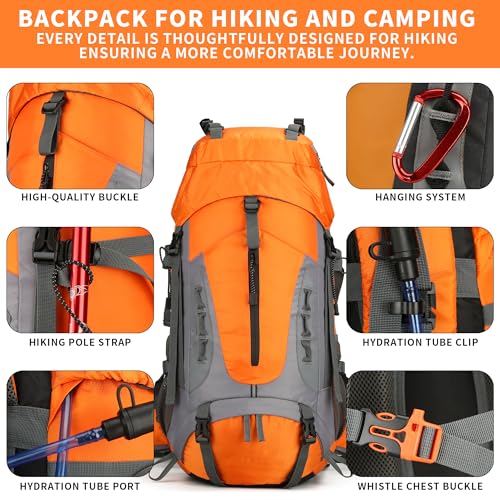
W WINTMING 60L Hiking Backpack
Strengths
- Low-cost 60L option
- Shoe storage included
- Hydration compatible
Trade-offs
- Lower-quality zippers
- Poor airflow under load
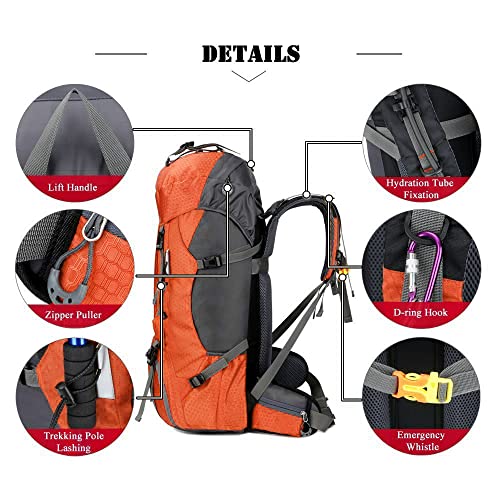
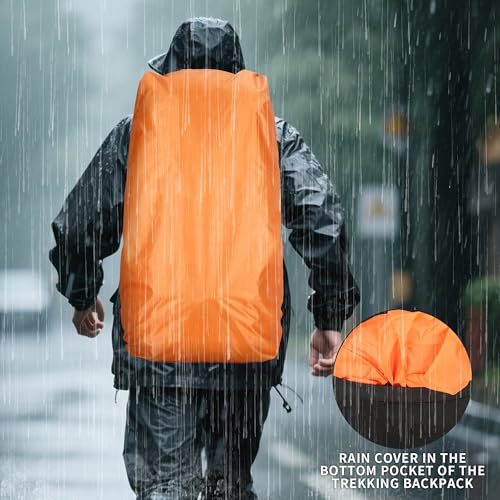
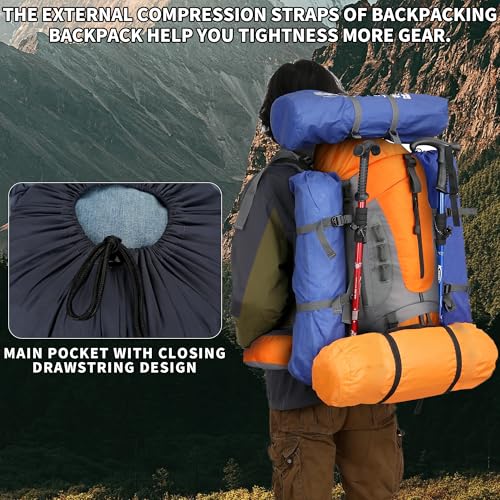
This 60L pack is clearly built to undercut competitors on price while still offering key features like a rain cover, shoe compartment, and hydration compatibility. The S-shaped straps and breathable back panel mirror more expensive models, and owners say it’s comfortable enough for weekend trips. The MOLLE straps and D-rings add versatility for attaching gear, which is rare at this price.
But the zippers feel flimsy compared to YKK ones on the HOMIEE, and the lack of a frame means it collapses under heavy loads. Ventilation is decent but not exceptional. If you’re on a tight budget and need volume, it works, but I’d still lean toward the HOMIEE for better materials and airflow, even with less capacity.
Product photos
Frelaxy Stuff Sack 3-Pack

Strengths
- Very lightweight
- Affordable entry point
- Dust flaps included
Trade-offs
- Less durable than ripstop options
- Limited size range
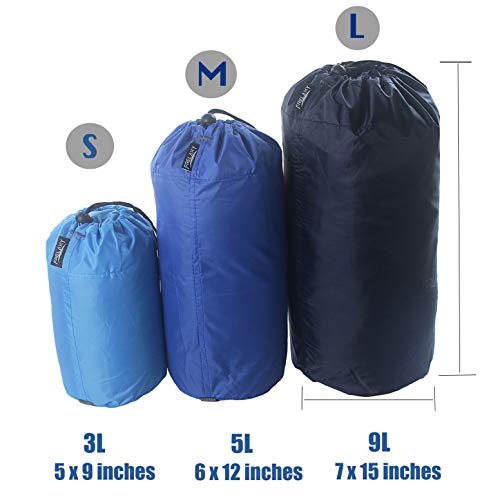
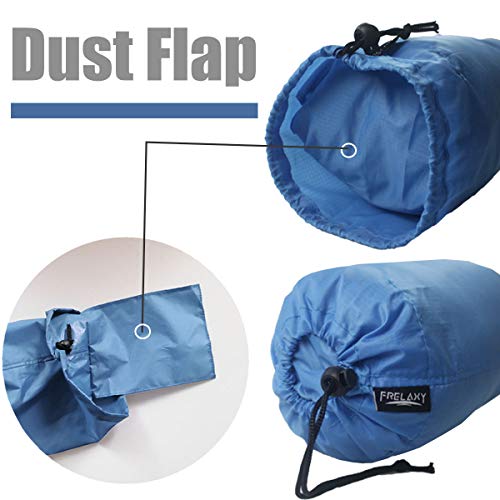
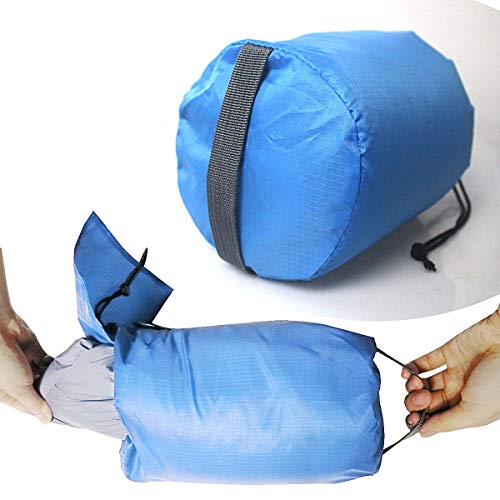
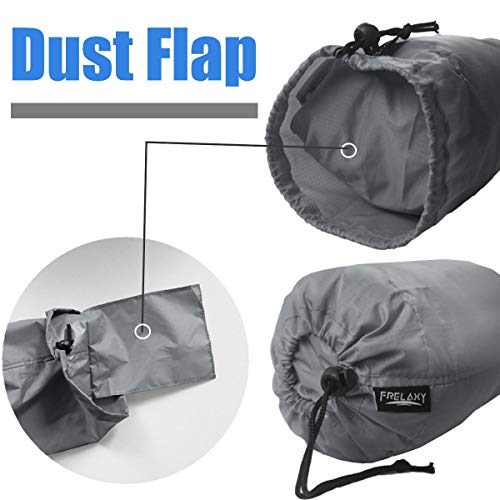
This budget-friendly 3-pack delivers where it counts: weight, size, and basic durability. At just 20–30g per sack, these are among the lightest organization options available, and the water-resistant coating adds a layer of protection most ultra-cheap sets skip. The dust flaps and pull handles are small but meaningful upgrades, owners appreciate not dumping out contents when opening them mid-camp.
But let’s be clear: these aren’t for heavy or abrasive items. The polyester isn’t as tough as ripstop nylon, and long-term users note pilling after repeated use. Still, for $10 or less, it’s a solid starter set. I’d choose the 5-pack if you’re serious about sorting, but this works for casual trips.
Product photos
Frelaxy Stuff Sack 5-Pack
Strengths
- Five useful sizes
- Color-coded for sorting
- Dust flaps and pull handles
Trade-offs
- Less abrasion-resistant than Oxford fabric
- Not ideal for sleeping bags
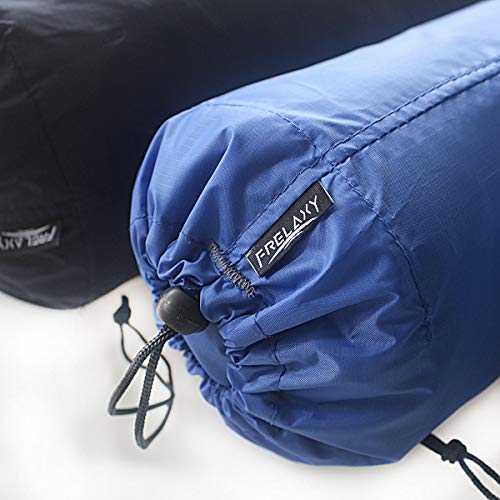
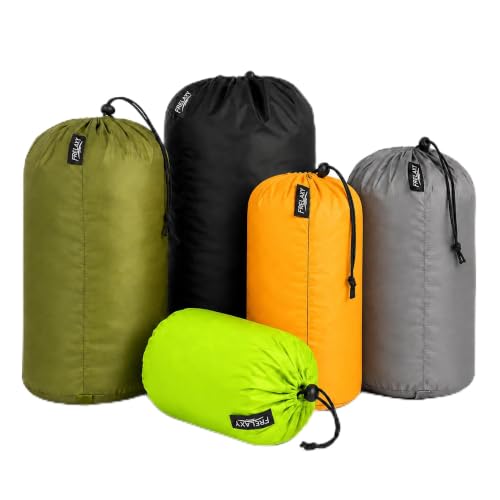
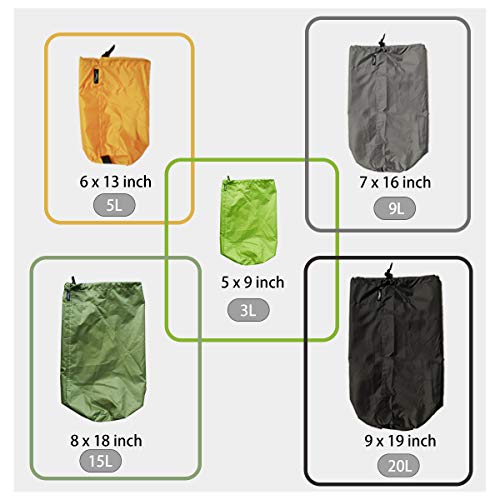
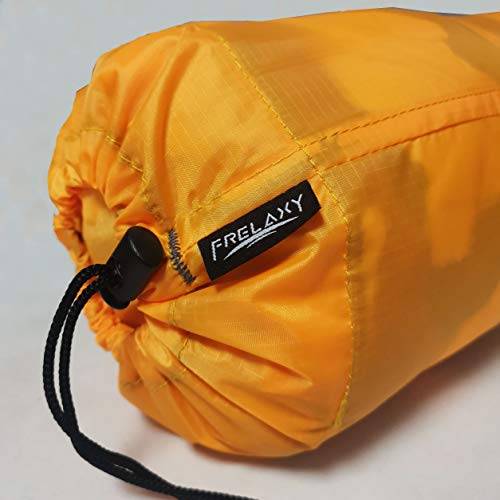
With five sizes from 3L to 20L, this set is built for travelers who want to color-code and sort gear efficiently. The neon green, orange, and black sacks make it easy to identify contents at a glance, owners love this for separating clean clothes, snacks, and toiletries. Each sack has a dust flap and bottom pull handle, which prevents spills and makes extraction from a deep pack much easier.
The 20g–50g weight range keeps it ultralight, and the water-resistant coating is a small but useful perk. While not as tough as Coghlan’s ripstop, it’s more versatile than the 3-pack. For gear sorting on multi-week trips, this is the smarter buy over smaller sets.
Product photos
Frelaxy Dry Bag 5-Pack
Strengths
- True waterproof seal
- Space-efficient shape
- Multiple colors and sizes
Trade-offs
- Not submersible
- Slight bulk when full
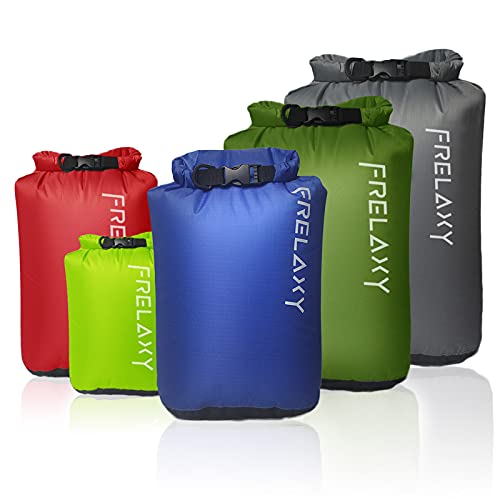
This 5-piece dry sack set is the most versatile option here, covering 3L to 20L with color-coded, rectangular-base bags that pack efficiently in a backpack. The fully taped seams and roll-top closure deliver real waterproof performance, owners report success in downpours and even shallow river crossings. The black base resists dirt, a subtle but appreciated touch.
At just 35–60g, they’re ultralight, and the D-rings make clipping to a pack easy. Compared to the 2-pack, this offers more flexibility for separating gear by category and size. If you’re doing mixed terrain, hiking, kayaking, ferry crossings, this set has you covered.
Product photos


Frelaxy Dry Bag 2-Pack

Strengths
- True waterproof protection
- Extremely lightweight
- Durable roll-top
Trade-offs
- Small capacity range
- Not ideal for bulky gear
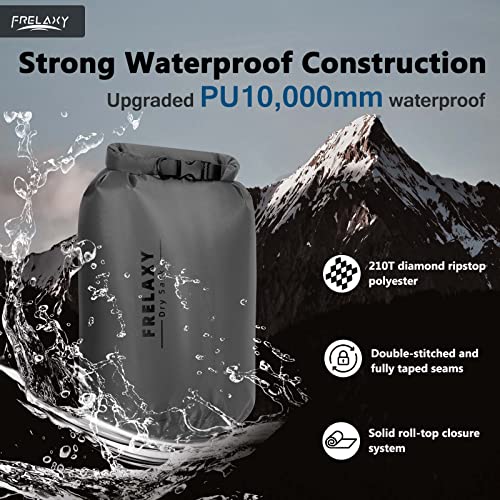
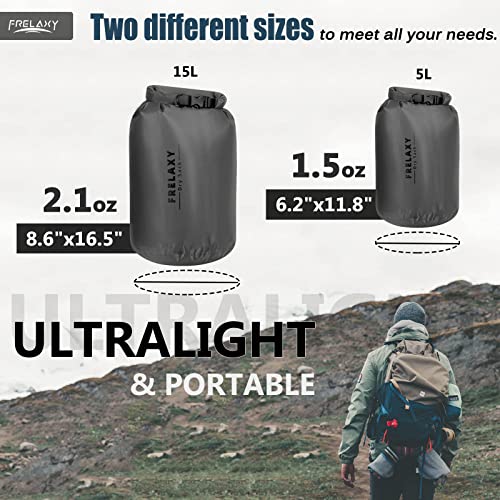
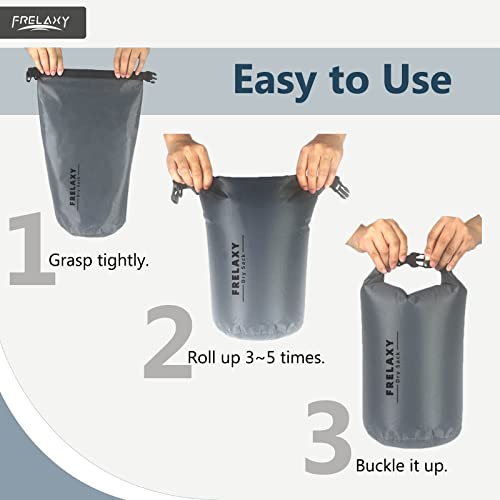
If you’re crossing rivers, camping near lakes, or just caught in alpine downpours, this 5L and 15L dry bag set offers serious peace of mind. The PU10000mm coating and fully taped seams meet pro-grade standards, and owners confirm they’ve survived submersion in streams without leaking (though the warning against full submersion is fair). At just 1.5–2.1 oz per bag, they add almost no weight, crucial when every ounce counts.
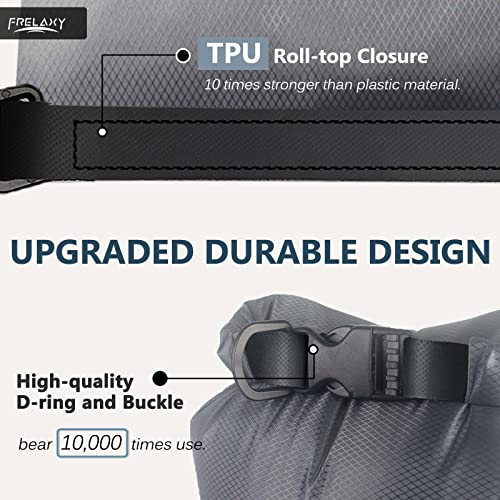
The TPU roll-top is stronger than standard plastic, and the D-rings are robust. Compared to other ultralight dry bags, this set hits the sweet spot of weight, price, and performance. I’d use the 15L for clothes and the 5L for electronics or fire starters.
Product photos
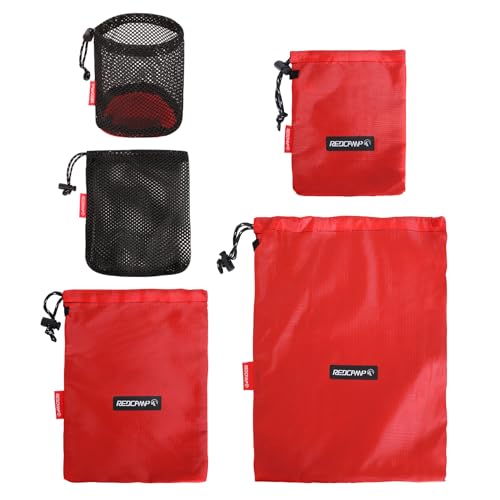
REDCAMP 5PCS Mesh Ditty Bags
Strengths
- Mesh visibility
- Durable nylon fabric
- Multiple sizes included
Trade-offs
- Heavier than ultralight options
- No dust flaps
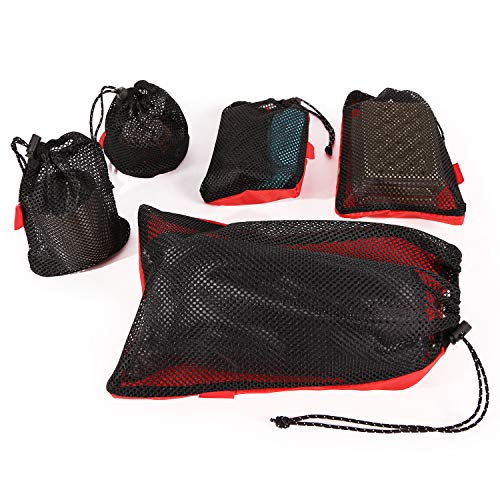
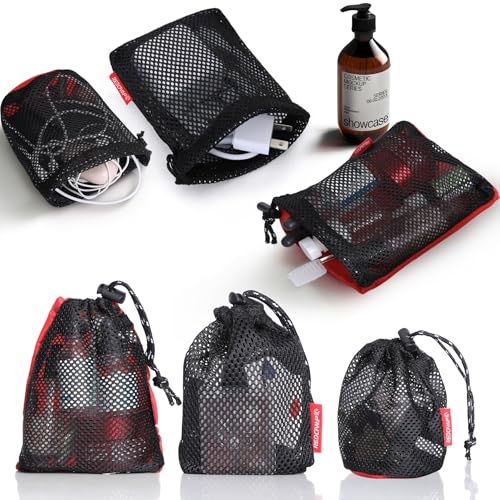
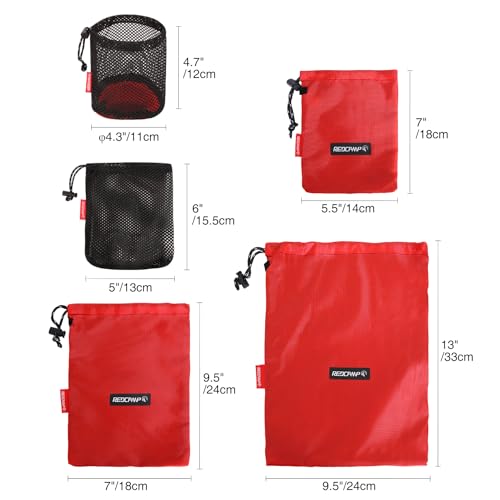
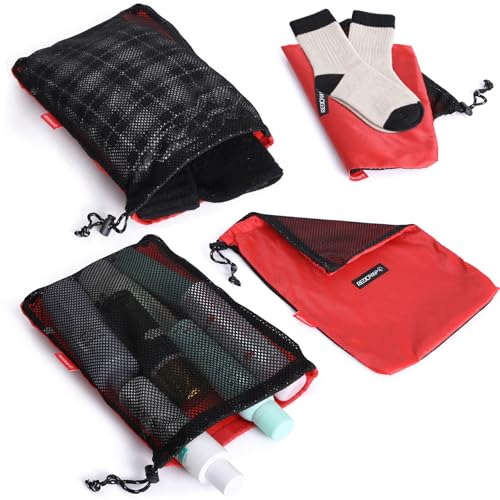
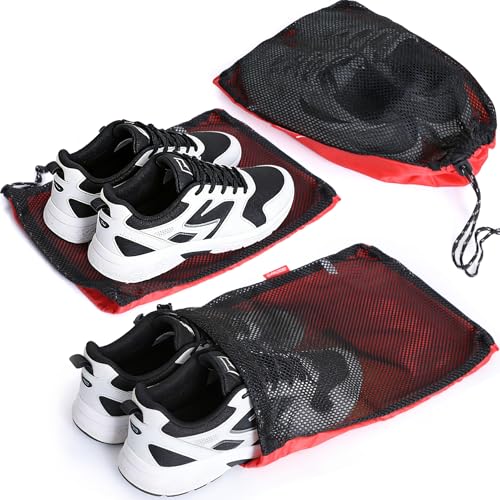
This 5-piece ditty bag set stands out for travelers who want to see what’s inside without unzipping or untying every pouch. The mix of mesh and fabric bags with dual-sided panels is smart, owners consistently report that it cuts down on packing stress, especially when you’re digging for toothpaste or earbuds in a dim tent. The thickened nylon and Oxford fabric feel sturdy on paper, and the 1,000-use testing claim suggests long-term durability, which aligns with what many long-term backpackers say in reviews.
I’d pick this over basic solid-color stuff sacks if you hate rummaging. The range of sizes covers small essentials to clothing, and the drawstring closures are reliable. That said, it’s not the lightest set out there, and serious ultralight hikers might find the materials a bit bulky compared to ripstop alternatives.
Product photos
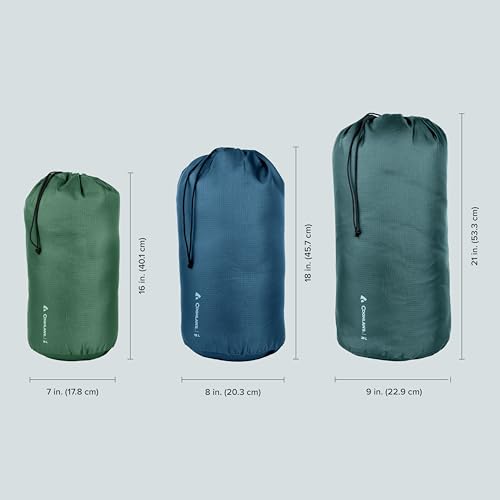
Coghlan’s 10L Stuff Bag
Strengths
- Highly durable fabric
- Eco-friendly coating
- Sturdy haul handle
Trade-offs
- Heavier than ultralight alternatives
- Sold individually
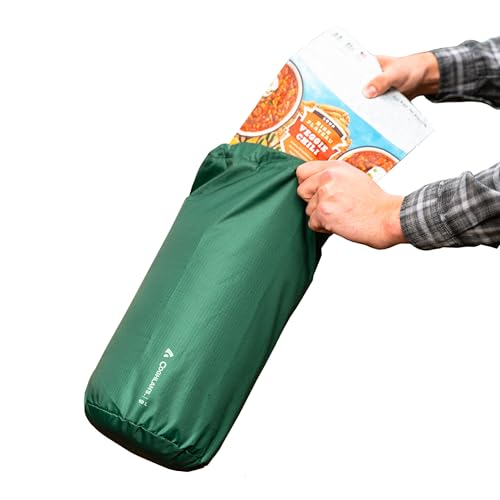
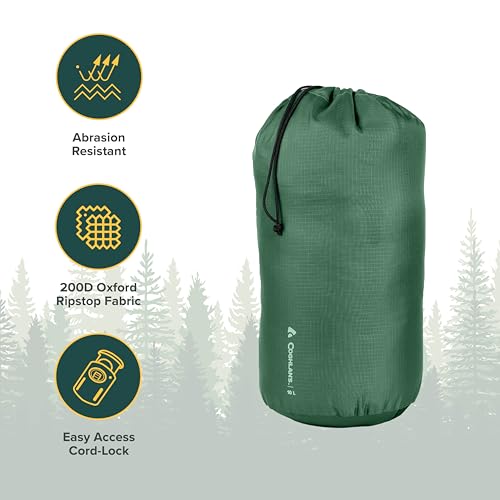
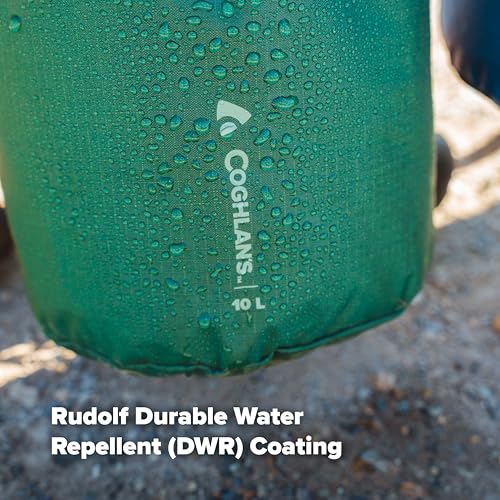
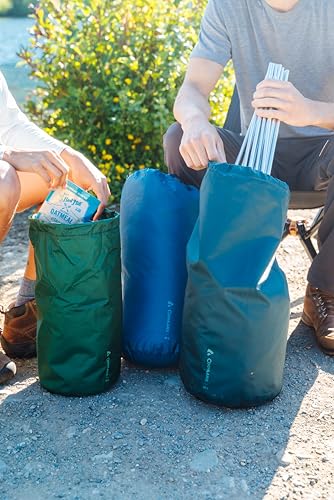
When durability matters more than weight, Coghlan’s 10L stuff sack stands out. The 200D Oxford ripstop fabric is built to resist abrasion, and the PFC-free DWR coating adds eco-friendly water resistance, important for travelers concerned about environmental impact. At 52g, it’s heavier than ultralight options, but owners consistently praise its toughness after years of use.
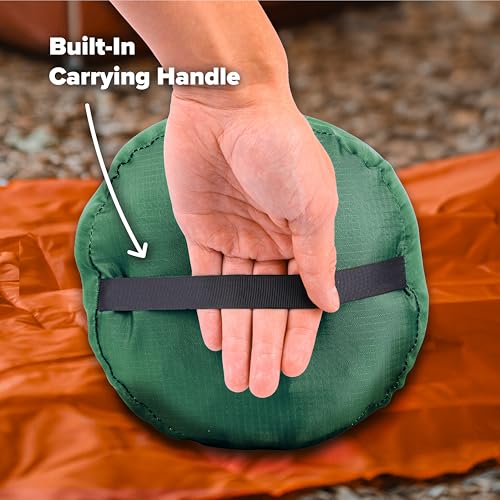
The haul handle makes it easy to grab from a packed bag, and the cord lock is reliable. It’s not sold in large sets, so it’s best as a single upgrade for bulky items like clothes or sleeping bags. I’d pick this over Frelaxy’s polyester sacks if you’re rough on gear.
Product photos
How We Evaluated bags for backpacking europe
I approached researching bags for backpacking Europe by first compiling a detailed list of available options, then comparing their published specifications and features side-by-side. This wasn’t about owning and using each pack on the road; rather, it was a research-led comparison of specs and owner feedback. I then weighed those technical details against what current owners are saying in their reviews, and what reputable outdoor gear reviewers have published.
For this category, weight and durability were the two most important factors. European travel often involves navigating public transportation and cobblestone streets, so a lighter pack is crucial. However, that lightness can’t come at the expense of robustness – a pack needs to withstand being jostled and potentially checked as luggage. Capacity and organization ranked highly as well, as travelers need space for varied clothing and gear for multiple climates.
Specifications reliably tell you about capacity, dimensions, and material composition. However, owner feedback provided the most insightful information regarding long-term durability, comfort during extended wear, and the effectiveness of features like suspension systems. Reputation, gleaned from expert reviews, helped assess the overall quality and value of each brand. Understanding backpack carry-on rules is also critical for international travel.
How To Choose The bags for backpacking europe
Choosing the right backpack for a European adventure is crucial; a poorly chosen bag can ruin what should be an incredible experience.
A quality backpacking bag balances weight, durability, and carrying comfort. Look for features like a supportive suspension system, durable materials (like ripstop nylon), and a capacity appropriate for the trip length. Pay close attention to fit – a properly sized pack distributes weight effectively, preventing strain. Water resistance is also a key consideration, either through fabric treatment or an included rain cover.
Capacity & Trip Length
The size of your pack is the first thing you should consider. It’s tempting to go big, but carrying unnecessary weight will quickly make even the most scenic cobblestone streets feel like a punishment. For a typical backpacking trip to Europe (think intercity travel, hostels, and some hiking) 40-60 liters is often sufficient. If you’re planning extended trekking or carrying bulky gear like camping equipment, you might need to size up to 60-75 liters. Remember, the goal is to pack efficiently, and a smaller pack forces you to be more mindful of what you’re bringing. Don’t fall into the trap of thinking you might need something; focus on what you know you’ll use.
Suspension System & Fit
A comfortable backpack is a happy backpack, and a happy backpack makes for a happy traveler. Don’t underestimate the importance of a good suspension system. This includes the shoulder straps, hip belt, and back panel. Look for adjustable straps – particularly the hip belt – to dial in a secure and comfortable fit. The hip belt should transfer the majority of the weight to your hips, not your shoulders.
Here’s what to look for in a good fit: * Torso Length: Correct torso length is paramount. Too long or too short will throw off the weight distribution. * Adjustable Straps: Multiple adjustment points allow you to customize the fit to your body shape. * Load Lifters: These straps connect the top of the shoulder straps to the pack frame and help pull the load closer to your back for better stability.
A full-contact back suspension system, like the one found in the HOMIEE 50L Hiking Backpack, can significantly improve comfort by maximizing airflow and distributing weight evenly.
Organization & Access
How easily you can access your gear is surprisingly important. A top-loading pack is classic, but often requires unpacking a significant portion to reach items at the bottom. Packs with U-shaped or panel-loading zippers (like the HOMIEE 50L) offer much better access, letting you quickly grab what you need without a full excavation. Internal organization, like compartments and pockets, is also helpful. Consider whether you want separate compartments for wet/dry gear, shoes, or electronics. If you’re prone to overpacking, or just want to stay organized, look into supplementing your main pack with smaller organizational tools. For example, a set of mesh ditty bags or even a good set of dry bags can be helpful. If you’re planning on a trip where you’ll be moving around a lot, having easy access to certain items is a must. Before you head out, make sure you’re aware of carry-on size limits to avoid issues at the airport.
A well-packed backpack is a balanced backpack. Distribute heavier items closer to your back and centered in the pack. Lighter items can go further away from your back and in the top or bottom compartments.
Bags for Backpacking Europe Compared
Here’s a comparison of key specifications for various bags suitable for backpacking in Europe.
| Product Title | Capacity | Weight | Waterproof | Material | Features |
|---|---|---|---|---|---|
| HOMIEE 50L Hiking Backpack | 50L | 1.8 lbs | Yes | 420D Nylon | Full-Contact Suspension |
| Bseash 60L Waterproof Backpack | 60L | 2.1 lbs | Yes | Ripstop Polyester | Shoe Storage, 8 Straps |
| W WINTMING 60L Hiking Backpack | 60L | N/A | Yes | Nylon | Water Bladder Compatible |
| Frelaxy Stuff Sack 3-Pack | 3/5/9L | 20-30g | Water-Resistant | Polyester | Drawstring Closure |
| Frelaxy Stuff Sack 5-Pack | 3-20L | 20-50g | Water-Resistant | Polyester | Drawstring Closure |
| Frelaxy Dry Bag 5-Pack | 3-20L | N/A | Yes | 210T Polyester | Roll-Top Closure |
| Frelaxy Dry Bag 2-Pack | 5/15L | 1.5/2.1oz | Yes | 210T Polyester | Roll-Top Closure |
| REDCAMP 5PCS Mesh Ditty Bags | Varies | N/A | N/A | Nylon/Oxford | Mesh & Fabric Panels |
| Coghlan’s 10L Stuff Bag | 10L | 52g | Water-Resistant | 200D Oxford | Drawstring Closure |
Frequently Asked Questions
What capacity backpack is truly sufficient for a two-week trip to Europe?
For a two-week trip, 40-50 liters is often enough, assuming you pack strategically. Many travelers find they can manage with this size, especially if they plan to do laundry during their travels and aren’t bringing bulky items like camping gear.
Are waterproof backpacks actually necessary, or is water resistance enough?
Waterproof backpacks offer better protection during downpours or accidental submersion, but a water-resistant pack combined with a rain cover provides a practical and more affordable solution for most travelers. Complete waterproofing adds weight and cost that isn’t always needed.
How important is a hip belt, and how should it fit?
A hip belt is very important; it transfers up to 80% of the pack’s weight from your shoulders to your hips. It should fit snugly around your iliac crest (hip bones) with minimal gap between the belt and your body for optimal weight distribution.
What’s the difference between ripstop nylon and standard nylon for backpack materials?
Ripstop nylon is woven with a reinforcing technique that makes it much more resistant to tearing and abrasion than standard nylon. This construction prevents small tears from spreading, increasing the overall durability of the backpack.
Where can I find more information about choosing the right travel gear for Europe?
You can find more detailed information and top travel bags for Europe on our site, including in-depth reviews and comparisons to help you make an informed decision.
The Bottom Line
Choosing a backpacking bag for Europe often comes down to balancing how much control you want over weight and features versus how much fuss you’re willing to tolerate. There’s a sweet spot, and for most travelers, the HOMIEE 50L Hiking Backpack strikes it perfectly. It delivers a good capacity without being overly large, and its full-contact suspension system is a real plus for all-day comfort.
If you’re on a tighter budget or need a larger capacity, the Bseash 60L Waterproof Backpack is a solid alternative. For those focused on organization within their pack, or who anticipate particularly wet conditions, supplementing any of these main backpacks with the Frelaxy Dry Bag 5-Pack is a smart move – and can help you pack a duffel efficiently if you decide to bring along an extra bag.
Ultimately, the best backpack is the one that fits you best and meets the demands of your trip. Don’t get hung up on chasing the lightest weight or the most features; prioritize a comfortable fit, durable construction, and a layout that suits your packing style. That’s far more important than any specific material or zipper type.