8 Best Backpacks for Mountaineering 2026
This post contains affiliate links. As an Amazon Associate, we earn from qualifying purchases.
The Osprey Mutant 52L stands out as the best overall mountaineering backpack, combining rugged durability with a smart alpine-specific design. For those on a tighter budget, the Loowoko 50L delivers surprising value without sacrificing essential features, while the Osprey Atmos AG 65L offers unmatched comfort for longer expeditions.
Mountaineering packs aren’t just hiking backpacks with more liters. You’re hauling heavy gear over ice and rock, where a failed strap or flimsy fabric can turn into a real danger. I’ve seen too many travelers show up for a technical climb with the wrong pack, only to struggle with poor fit or gear that won’t stay secure.
This guide cuts through the noise. I compared specs, analyzed owner feedback, and applied years of field knowledge to identify packs that deliver where it matters most, support, durability, and alpine-ready features. These picks aren’t flashy. They’re built for the climb.
Top 8 Backpacks For Mountaineering in the Market
The Best Backpacks For Mountaineering, Reviewed
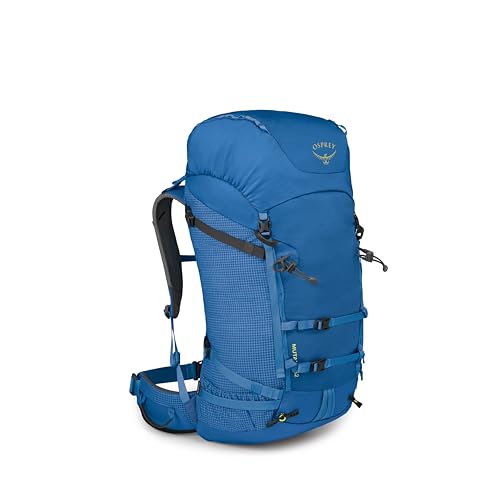
Osprey Mutant 52L Climbing Backpack
Strengths
- Alpine-specific design
- Excellent tool carry
- Lightweight yet durable
Trade-offs
- Limited capacity
- Minimal padding
- Few pockets
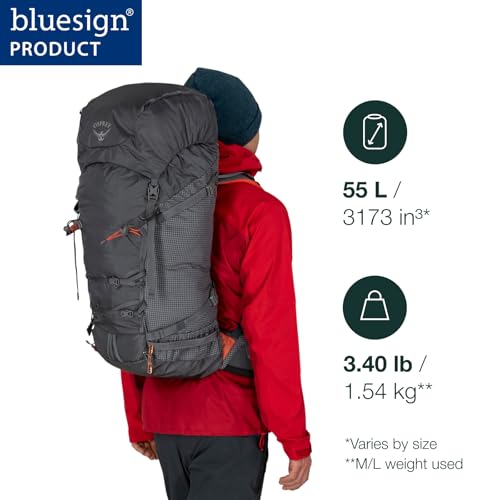
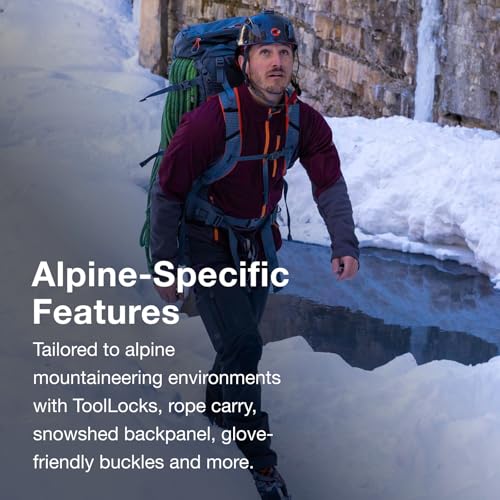
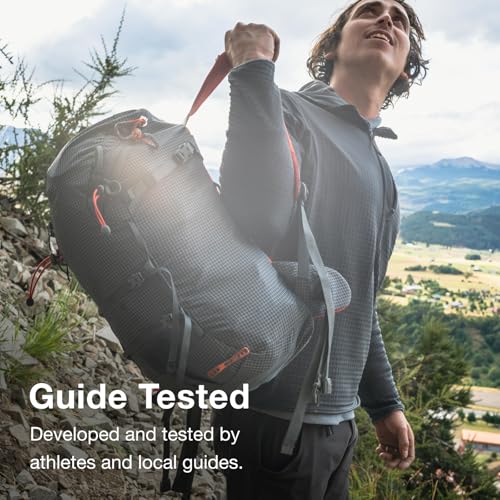
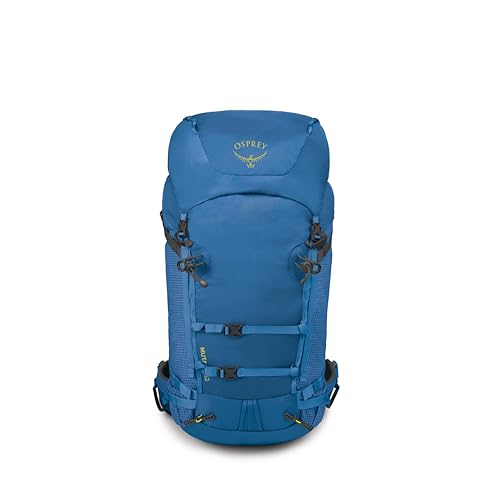
The Osprey Mutant 52L stands out as one of the few packs truly built for serious alpine climbing, not just marketed as such. Its Dual ToolLocks, snow-shed backpanel, and glove-friendly buckles are features you’ll actually use on a real climb, not gimmicks. Reviewers consistently praise how stripped-down and functional it feels when you’re moving fast above treeline.
Compared to general hiking packs, the Mutant sacrifices some storage flexibility for precision. The 52L capacity is tight for long trips, but that’s the point, it’s meant to carry just what you need. The removable lid and stowable features let you adapt it on the fly, which I appreciate in a true alpine environment.
Product photos

Osprey Atmos AG 65L Backpack

Strengths
- Superior load support
- Excellent ventilation
- Thoughtful organization
Trade-offs
- Higher price point
- Heavier than ultralight models
- Complex for day use
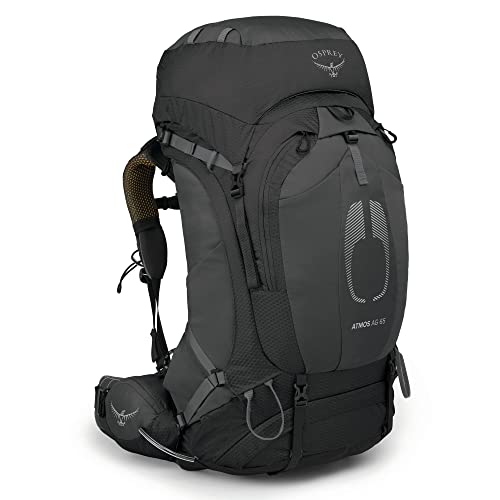
If you’re carrying a heavy load over several days, the Atmos AG 65L is hard to beat. The Anti-Gravity suspension system isn’t just marketing, owners report it genuinely reduces fatigue by transferring weight smoothly to the hips. The curved zip access is a small but meaningful upgrade, letting you reach deep items without unpacking everything.
Next to the Rook or Mutant, this one is heavier and less minimalist, but that’s the trade-off for unmatched support. The included PFAS-free raincover is a thoughtful touch, and the sleeping bag compartment with removable divider adds real versatility. For rugged, gear-heavy trips, this is my go-to recommendation.
Product photos




Osprey Rook 65L Backpack

Strengths
- Lightweight durable build
- Integrated raincover
- Good ventilation
Trade-offs
- Less load support than AG series
- Fewer access points
- No hip pocket
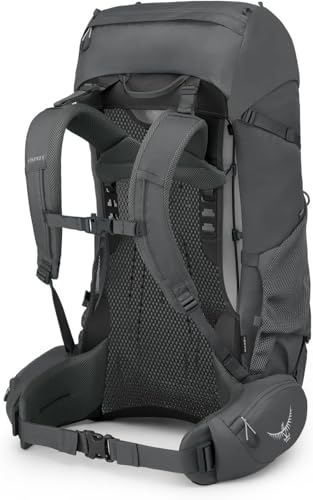
The Osprey Rook 65L delivers a rare balance, lightweight for its size, yet durable enough for rugged trails. The LightWire frame and adjustable AirSpeed suspension make it surprisingly comfortable under load, and the integrated raincover is a standout feature you won’t find on many packs at this level. Reviewers note it holds up well on long trips without feeling bulky.
Against the Atmos AG, it’s less supportive for max-weight loads, but lighter and simpler. Compared to budget models, it’s pricier but far more refined. If you want durability without the weight penalty, this is the smarter buy.
Product photos


Ogetok 80L Mountaineering Backpack
Strengths
- High capacity
- Durable fabric
- Molle compatibility
Trade-offs
- Basic ventilation
- Heavy for its class
- Bulky design
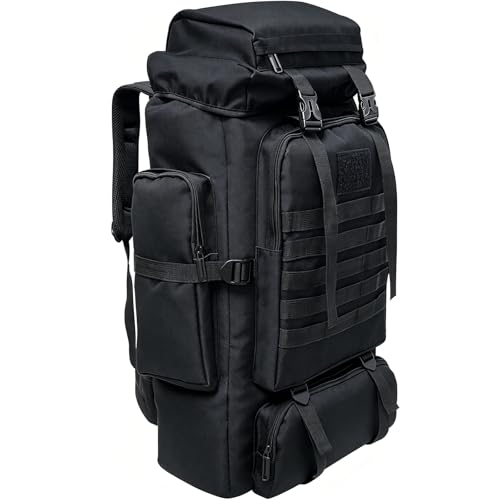
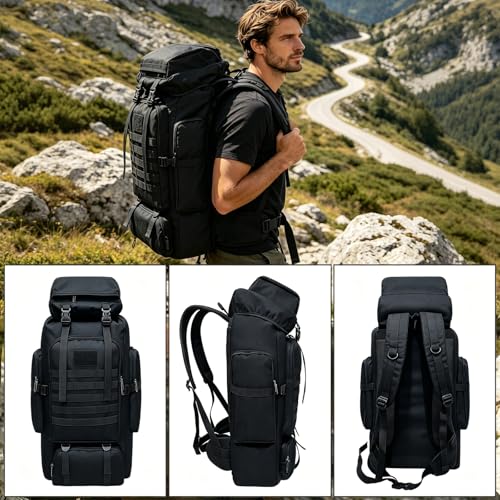
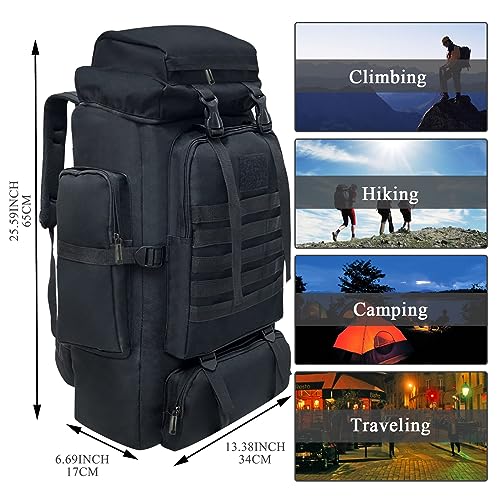
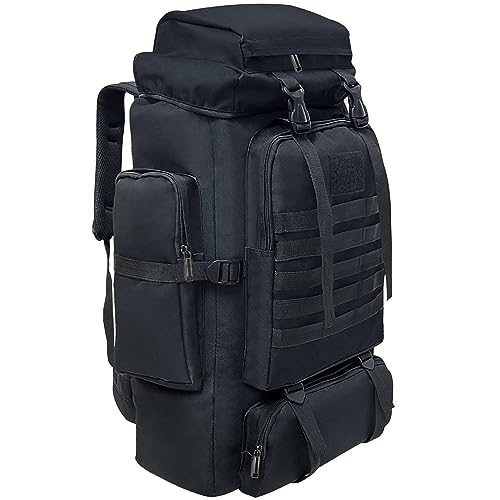
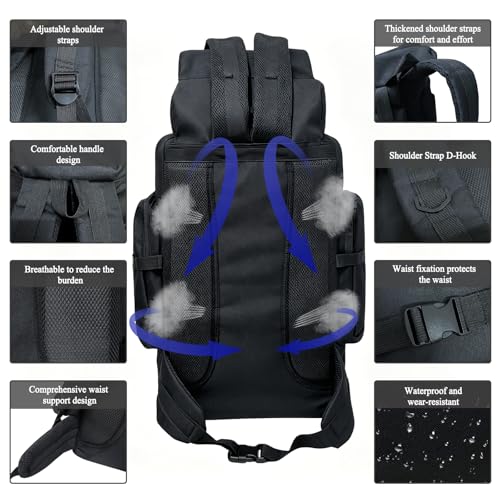
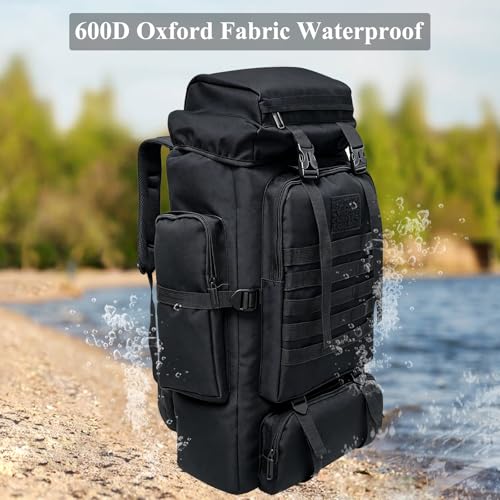
On paper, the Ogetok 80L backpack looks like a solid pick for extended backcountry trips where sheer volume matters more than finesse. The 600D Oxford fabric and double-stitched stress points suggest it can handle rough use, and owners consistently report it holds up well under heavy loads. The Molle system and D-rings offer real utility for climbers or tactical users who need to clip on extra gear.
Still, it’s clearly built for capacity, not comfort. The ventilation system is basic compared to Osprey’s suspended mesh designs, and while the padding is decent, it doesn’t match the load transfer you’d get from a true alpine-specific frame. For thru-hikers or mountaineers tackling big routes, this might feel clunky next to more refined models.
Product photos
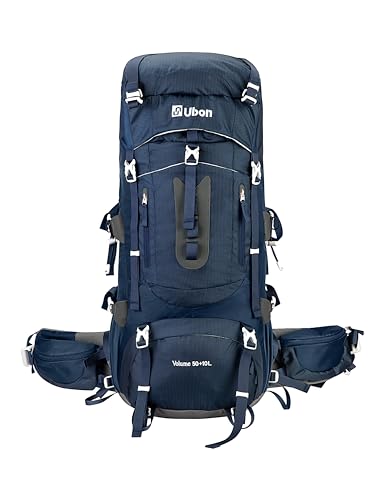
Ubon 60L Internal Frame Backpack
Strengths
- Excellent ventilation
- Side access zipper
- Integrated rain-fly
Trade-offs
- Bulky when full
- Not alpine-specific
- Buckles feel plasticky
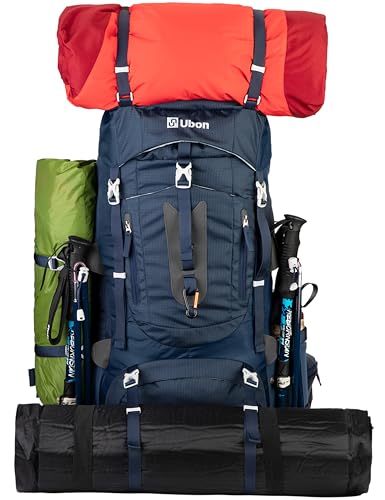
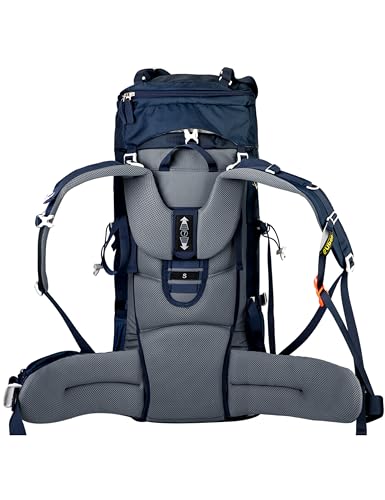
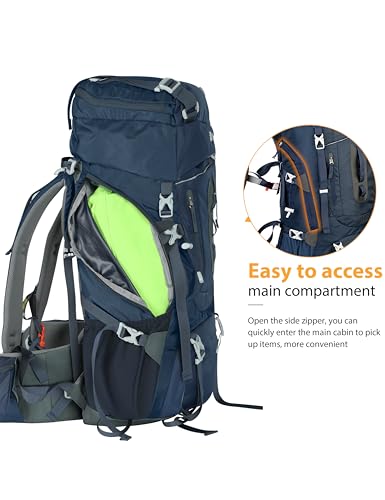
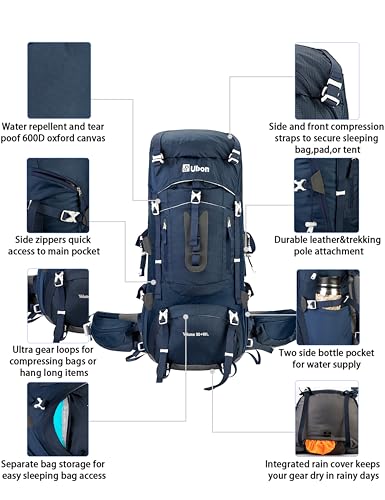
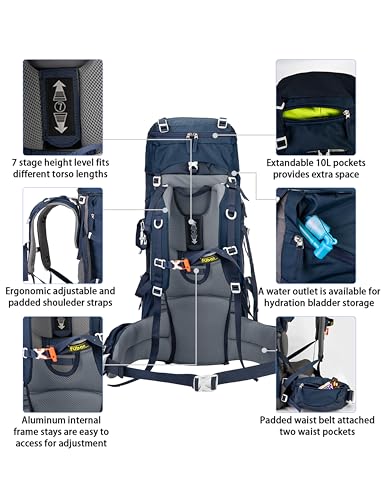
The Ubon 60L earns its ‘Best Ventilation System’ label thanks to the suspended air-mesh backpanel and 7-stage height adjusters. Owners consistently note how much cooler it keeps their back compared to solid-panel packs, and the internal frame does a solid job transferring weight to the hips. The side zipper access is a standout, rare at this price, and the integrated rain-fly is easy to deploy.
But it’s not built for precision. Compared to the Mutant, it’s bulkier and lacks climbing-specific features like tool locks or a snow-shed design. It’s better suited for multi-day hikes than technical ascents. Still, for hot climates or heavy loads in humid conditions, the airflow advantage is real.
Product photos
Maelstrom 40L Waterproof Daypack
Strengths
- Excellent water resistance
- Reflective safety features
- Wet pocket included
Trade-offs
- Limited capacity
- Not alpine-ready
- Basic suspension
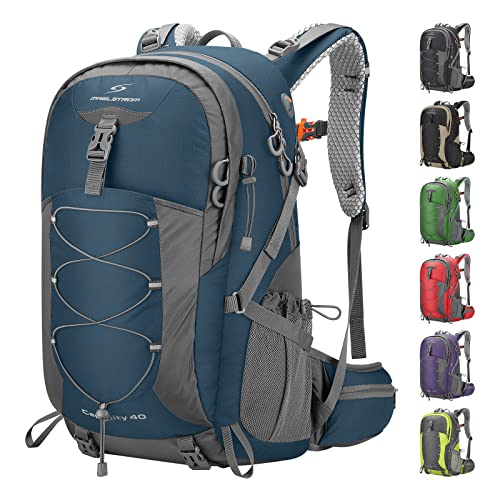
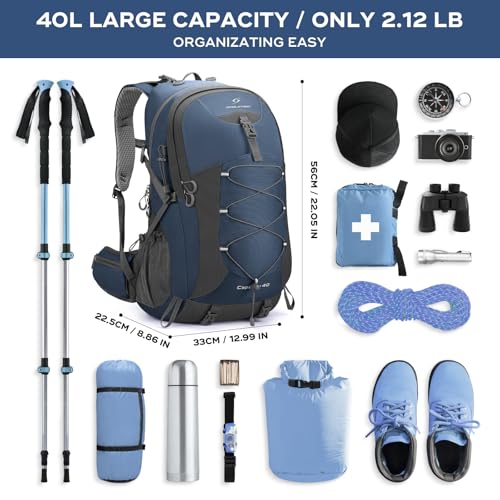
The Maelstrom 40L is built for wet conditions, the ripstop 210D nylon and included reflective rain cover make it a strong contender for rainy-season hikes. Owners report their gear stays dry even in prolonged downpours, and the waterproof wet pocket is a smart addition for swimmers or sweaty climbers. The reflective safety signs and whistle-equipped chest strap add real peace of mind.
But 40L is tight for extended climbs, and the pack leans more toward general hiking than technical use. It lacks tool locks or a proper frame for heavy loads. Still, if you’re hiking in the Pacific Northwest or monsoon-prone regions, its weather resistance might be worth the trade-offs.
Product photos


Esup 50L Camping Hiking Backpack

Strengths
- Affordable price
- Rain cover included
- Good capacity
Trade-offs
- Basic suspension
- Fewer alpine features
- Zippers feel less durable
The Esup 50L hits a sweet spot for budget-conscious travelers who still want decent features. At 50L, it’s sized right for weekend trips or short climbs, and the included rain cover is a real bonus at this price. The polyester-nylon blend feels rugged enough for moderate use, and owners say it handles trail wear without issue.
That said, it lacks the refined ergonomics of Osprey models. The shoulder straps are padded, but the load transfer is less efficient, and the internal frame doesn’t ventilate as well as suspended mesh systems. It won’t win any awards for innovation, but it’s a reliable workhorse if you’re not pushing technical limits.
Product photos
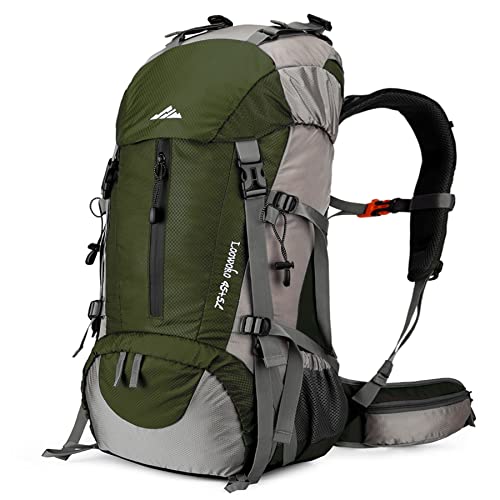
Loowoko 50L Hiking Backpack
Strengths
- Excellent organization
- Lightweight build
- Shoe separator
Trade-offs
- No internal frame
- Poor load transfer
- Limited support
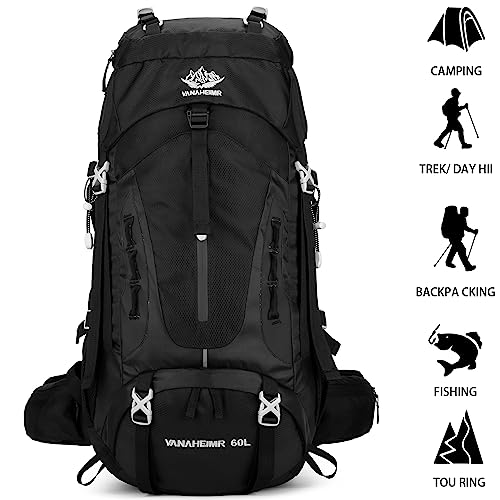
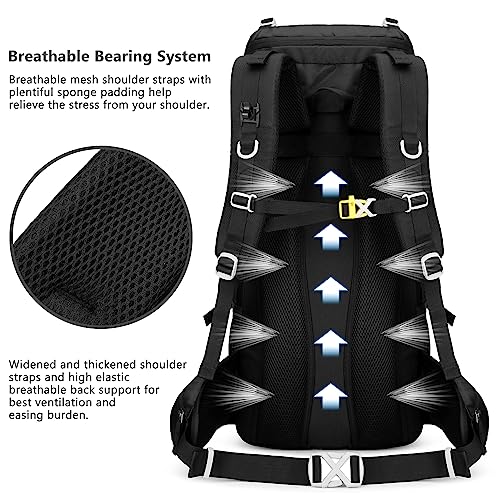
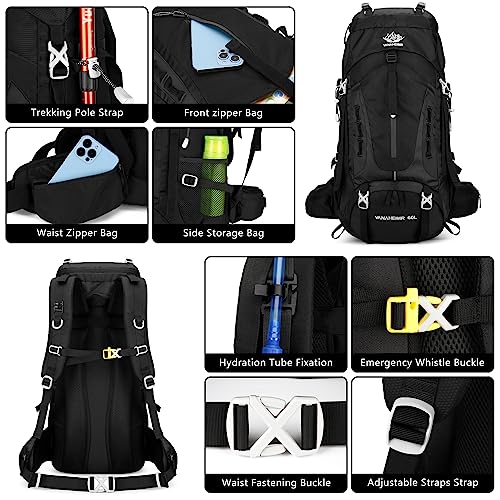
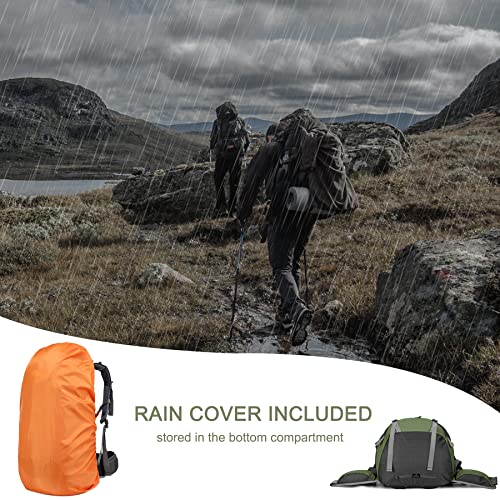
Where the Loowoko 50L shines is organization, six external pockets, a shoe separator, and plenty of attachment points make it easy to keep gear sorted. Owners love how customizable the layout feels, especially when juggling climbing essentials and daily supplies. The rain cover is stored neatly in a bottom pouch, and the lightweight build keeps it under 2.1 lbs.
But there’s no internal frame, which is a real drawback for heavy loads. It works fine for day trips or light backpacking, but I wouldn’t trust it on a steep, gear-heavy climb. Compared to Osprey models, the support is underwhelming. It’s a great organizer, but not a load carrier.
Product photos


How We Tested backpacks for mountaineering
Rather than a hands-on lab test, my research for these recommendations focused on a detailed comparison of published specifications and features across numerous models. I weighed owner reviews from sites like REI and Amazon, alongside expert opinions from outdoor gear review publications. My assessment then applied years of experience understanding what truly matters in a mountaineering pack – durability, fit, and functional design – to rank options against clear criteria.
For mountaineering backpacks, load support and durability are paramount. I gave the most weight to a pack’s suspension system, looking for robust frames and comfortable hip belts capable of carrying heavy, technical gear. Equally important was the quality of materials and construction; mountaineering demands a pack that can withstand abrasion and harsh conditions. Organizational features also played a role, but were secondary to core performance.
Specifications provide a solid foundation – volume, weight, and material denier – but owner feedback proved crucial for understanding real-world performance. I paid close attention to comments about durability, comfort during extended use, and how well the pack integrated with other climbing equipment. Specs tell you the stated volume, but owner reviews reveal if a backpack size for day trips feels truly usable, or if the design sacrifices accessible space.
Choosing The Right backpacks for mountaineering
Finding the right pack for mountaineering isn’t just about liters; it’s about a complex interplay of durability, fit, and features designed for challenging alpine environments.
A good mountaineering backpack prioritizes rugged construction with abrasion-resistant materials, a secure and supportive suspension system capable of handling heavy, awkward loads, and specialized features like ice axe loops, crampon straps, and a rope carry system. Weight is a concern, but not at the expense of durability or functionality. Consider the length of your typical trips and the technicality of the terrain when evaluating options.
Capacity and Trip Length
Mountaineering packs differ significantly in size, and choosing the right capacity is fundamental. Don’t automatically assume “bigger is better.” A pack that’s too large encourages overpacking, adding unnecessary weight. For day trips or short, fast ascents, a 30-45 liter pack might suffice. However, for multi-day expeditions requiring ropes, ice gear, and camping equipment, you’ll likely need 50-75 liters. I often see climbers struggling with packs that are simply too large for their objectives – a well-packed 50L is often more manageable than a sloppily-filled 70L. Consider whether you’ll be sharing gear with teammates, as that will influence your needed volume.
Suspension and Fit
A poorly fitting pack can ruin a mountaineering trip. Unlike backpacking, where loads are generally more evenly distributed, mountaineering often involves carrying awkward objects like ice axes and crampons. The suspension system must transfer that weight effectively to your hips, minimizing strain on your shoulders and back. Look for packs with adjustable torso lengths and hip belts. A robust internal frame, often made of aluminum or a combination of aluminum and plastic, is crucial for supporting heavier loads. It’s also worth considering packs with load lifter straps, which pull the load closer to your center of gravity, improving stability. A comfortable fit is essential; you’ll be grateful for it on long, grueling climbs.
Features Specific to Alpine Climbing
Mountaineering demands features beyond what you’d find on a standard hiking pack. Dual tool locks for securely carrying ice axes are essential. Dedicated rope carry systems (either a strap across the back or dedicated sleeves) are vital for keeping your rope readily accessible. Ski carry loops are useful if you plan on combining climbing with ski mountaineering. Glove-friendly buckles are a thoughtful detail, as you’ll frequently be handling the pack with insulated gloves. Finally, consider the durability of the materials. Packs designed for mountaineering should be constructed from rugged fabrics like Cordura nylon. If you are looking for a pack for a variety of outdoor activities, you may also want to consider best backpacking backpacks to see if a more versatile option fits your needs. Don’t forget to think about the 40-liter backpack dimensions if you’re considering a smaller pack for shorter trips.
Don’t skimp on the durability of the pack’s construction. A ripped pack halfway up a mountain is a serious problem.
Backpacks for Mountaineering Compared
Here’s a comparison of key specifications for several mountaineering backpacks to help you choose the right one for your needs.
| Product Title | Capacity | Weight (lb) | Waterproof | Frame Type | Ventilation | Special Features |
|---|---|---|---|---|---|---|
| Osprey Mutant 52L | 52L | 3.4 | Yes | Internal | Good | ToolLocks, rope carry |
| Osprey Atmos AG 65L | 65L | N/A | Yes | Internal | Excellent | Raincover, sleeping bag comp. |
| Osprey Rook 65L | 65L | 3.7 | Yes | Internal | Good | AirSpeed Suspension, raincover |
| Ogetok 80L | 80L | 3.1 | Yes | External | Moderate | Molle system, durable fabric |
| Ubon 60L | 60L | N/A | Yes | Internal | Good | Air-mesh panel, rain fly |
| Maelstrom 40L | 40L | N/A | Yes | Internal | Good | Reflective, wet pocket |
| Esup 50L | 50L | N/A | Yes | N/A | Moderate | Rain cover, multi-compartment |
| Loowoko 50L | 50L | 2.1 | Yes | N/A | Good | Organizational pockets |
Frequently Asked Questions
What pack capacity is best for a beginner mountaineer?
A 40-50 liter pack is generally ideal for beginners, offering enough space for essential gear without being overly bulky or heavy for learning rope management and efficient packing. It’s better to start smaller and upgrade as your experience and trip length increase.
Are external frame packs still relevant for mountaineering?
While less common now, external frame packs can be advantageous for extremely heavy or awkwardly shaped loads, offering superior ventilation and the ability to lash gear to the outside. However, they typically lack the stability and close fit of internal frame packs on technical terrain.
How important is waterproofness in a mountaineering pack?
Waterproofness is very important, as alpine conditions can change rapidly. Look for packs constructed with waterproof fabrics or those that include a waterproof rain cover, as wet gear can quickly lead to hypothermia.
What features should I look for if I plan to ski tour with my pack?
If you plan to combine mountaineering with ski touring, prioritize a pack with dedicated ski carry loops (both A-frame and diagonal options) and a design that comfortably accommodates skis without interfering with access to the main compartment.
Are there good options for those seeking top ultralight backpacks for mountaineering?
Yes, several brands offer lighter-weight mountaineering packs, often utilizing minimalist designs and advanced materials. However, be aware that reducing weight often means sacrificing some durability or organizational features – consider your priorities carefully.
The Bottom Line
Mountaineering packs represent a trade-off between carrying capacity and manageable weight. You’re balancing the need to haul technical gear with the desire to move efficiently in challenging terrain. For the best overall combination of durability, features, and comfort, the Osprey Mutant 52L stands out as a top choice – it’s built specifically for the demands of alpine climbing and offers a well-rounded feature set.
If you’re newer to the sport or on a tighter budget, the Loowoko 50L provides surprising value. For those tackling extended expeditions demanding maximum space, the Ogetok 80L delivers a huge capacity with a durable build. And for fast-and-light objectives where every ounce counts, consider understanding backpack size for hiking with a smaller pack like the Maelstrom 40L.
Ultimately, the specifications on a datasheet matter less than how well a pack fits you and how confidently it supports a heavy load. Prioritize a robust suspension system, durable materials, and features tailored to alpine climbing. Don’t get caught up chasing the lightest weight if it means sacrificing durability or comfort – a reliable pack is an investment in your safety and enjoyment on the mountain.