9 Best Backpack Lunchboxes for Kids 2026
This post contains affiliate links. As an Amazon Associate, we earn from qualifying purchases.
The MOZETO Dual-Compartment Cooler Backpack is the best overall, combining rugged insulation and smart design. For budget-conscious buyers, the MATEIN 17 Inch Laptop Lunch Backpack delivers solid performance with a dedicated laptop sleeve, while the MOZETO Laptop Lunch Backpack offers strong versatility for work commutes.
Packing lunch shouldn’t mean choosing between cold food and a sore shoulder. Too many backpack lunchboxes fail at the basics, keeping meals safe, surviving daily wear, or fitting comfortably into your routine.
After researching the field and analyzing specs and owner feedback, I focused on insulation, durability, and real-world usability. This guide breaks down what actually matters so you can pick a bag that works as hard as you do.
Top 9 Backpack Lunchbox in the Market
The Best Backpack Lunchbox, Reviewed
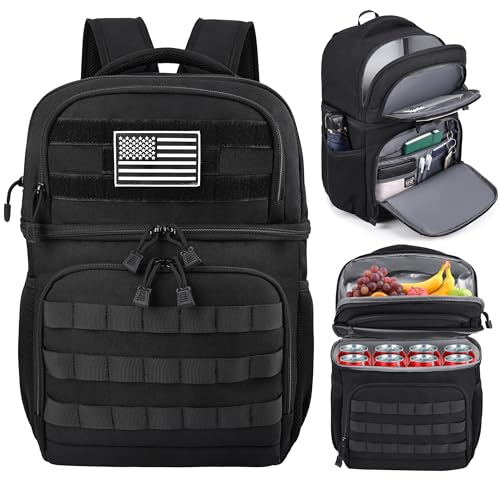
MOZETO Dual-Compartment Cooler Backpack
Strengths
- MOLLE-compatible webbing
- Over 20-hour cooling
- RFID blocking
Trade-offs
- Slightly heavier than basics
- Cooler not huge
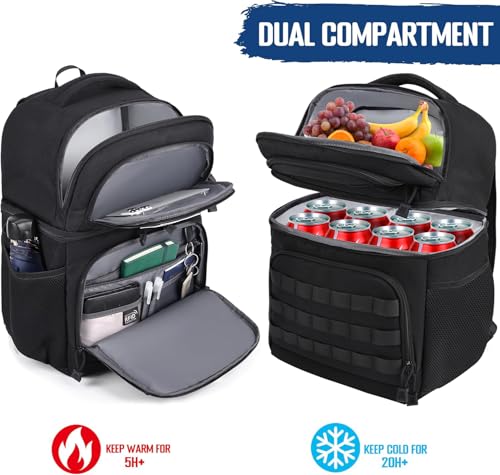
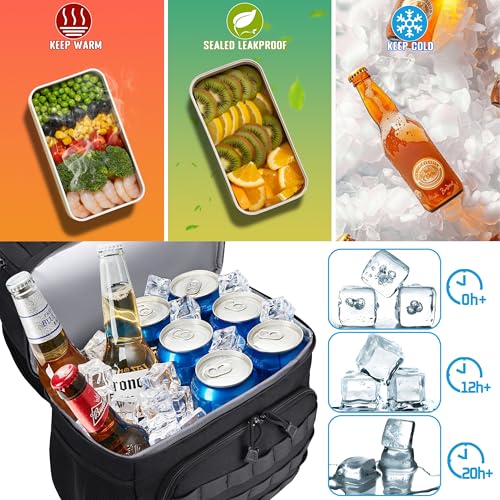
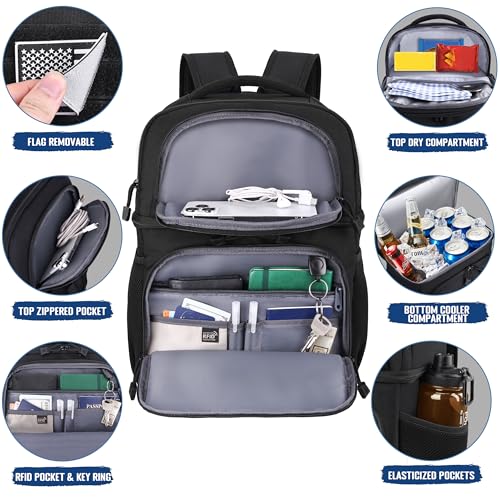
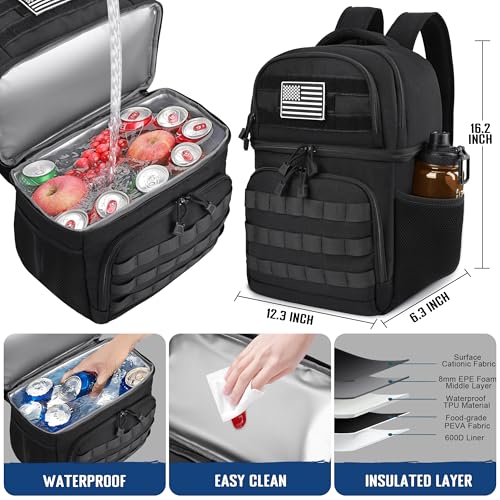
This is the one I’d choose as an all-rounder. It balances cooling, comfort, and versatility better than any other in the list. The dual compartments are leak-proof and hold 16 cans total, with superior 20+ hour insulation backed by owner reports. The MOLLE webbing is a standout, you can actually clip on extra gear, which makes it a favorite among truckers and outdoor workers.
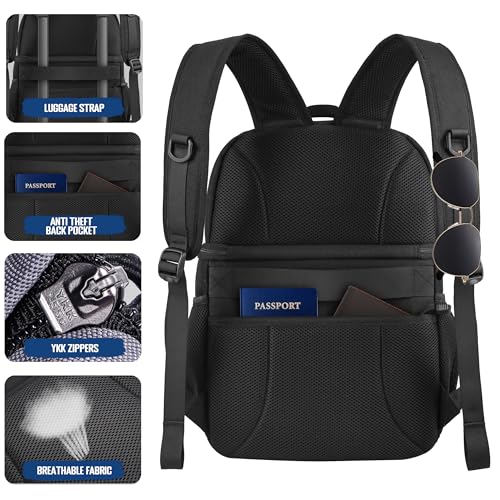
It’s also one of the most durable, with breathable mesh padding, adjustable waist straps, and RFID protection. Compared to the SPARTER, it adds real utility without inflating the price. The YKK zippers and rugged fabric suggest it’ll last years. My recommendation: if you want one bag for work, travel, and weekend adventures, this is the most complete package.
Product photos
MIYCOO 40 Cans Cooler Backpack
Strengths
- Largest capacity
- Side bottle straps
- Spacious dual compartments
Trade-offs
- Bulky for daily use
- No sternum strap
- Basic back support
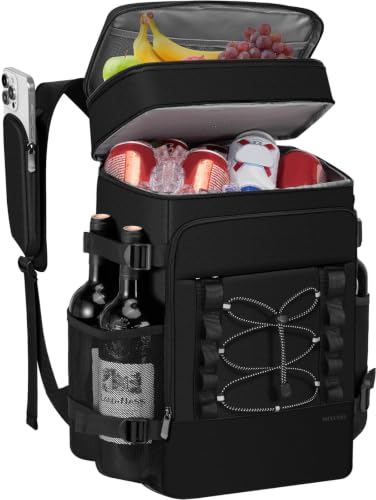
If you need space above all else, this 40-can MIYCOO is the only real choice here. It’s built like a portable picnic hub, two large compartments, side bottle straps, and an extendable zip pocket for quick access to essentials. The top/bottom layout is practical: drinks below, food and utensils up top. Owners love how it fits a full meal setup for four, making it a favorite for weekend family outings.
But that size comes with trade-offs. It’s bulkier and less streamlined than others, and the back padding is basic. It lacks a sternum strap, which is a miss at this capacity. Compared to the Hulongo, it holds more but isn’t as weather-resistant. I’d recommend this only if you’re regularly feeding a group and don’t mind the heft.
Product photos
SPARTER 33 Cans Insulated Backpack

Strengths
- Affordable price
- 20-hour insulation
- Lightweight build
Trade-offs
- Minimal padding on back
- No sternum strap
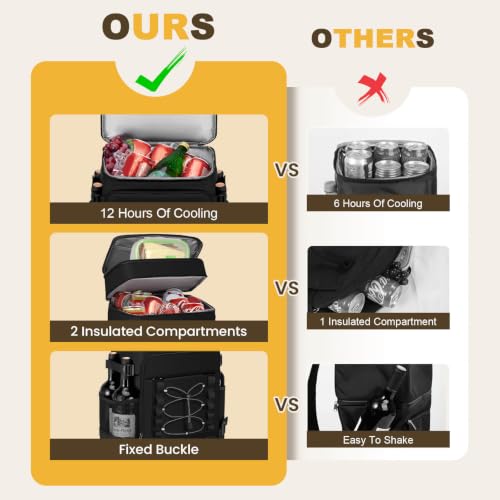
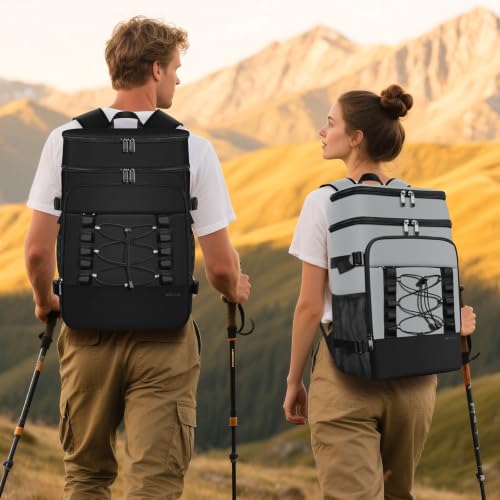
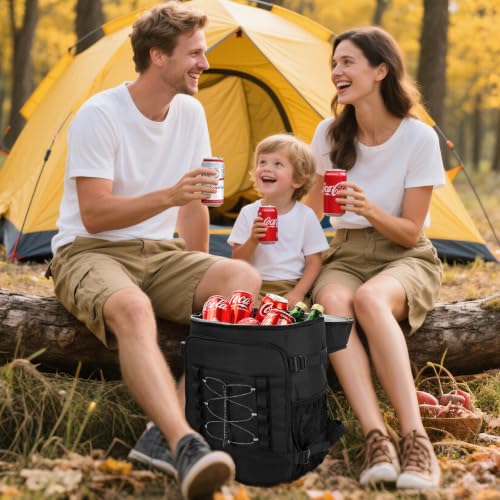
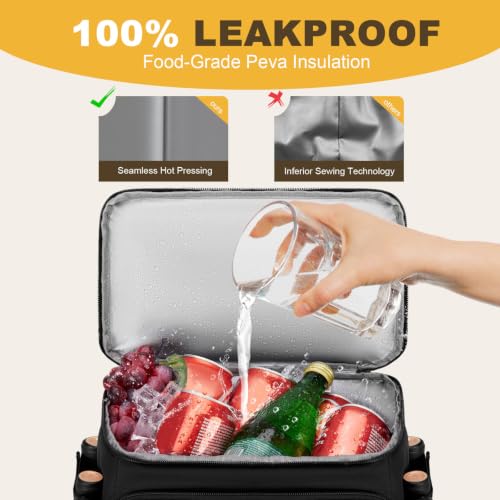
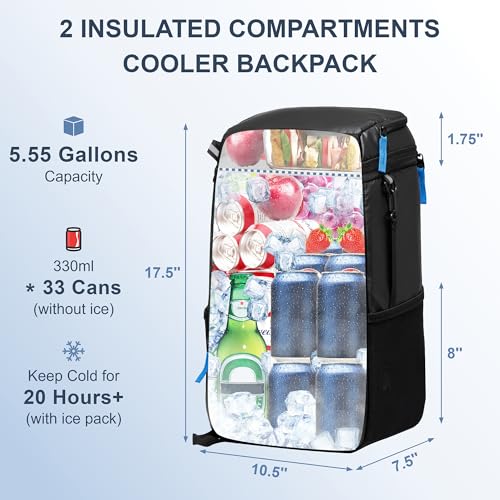
This is the budget pick that doesn’t cut corners where it counts. The 8 mm insulation and silver PEVA liner deliver the same 20-hour cooling promise as pricier models, and owners confirm it holds up well for weekend trips and lunch runs. It’s basic, but the double insulated compartments and multi-pocket layout keep things functional without clutter.
It’s not as breathable as the Bagparkk, and the back panel is thinner, so long hikes might feel less comfortable. But for the price, you’re getting reliable performance and a clean, no-frills design. When stacked against the MIYCOO, it loses on capacity, but wins on weight and simplicity. My recommendation: go with this if you want proven cooling without paying extra for bells and whistles.
Product photos


Hulongo 48 Cans Waterproof Backpack

Strengths
- Waterproof exterior
- Leak-proof liner
- Dual insulated compartments
Trade-offs
- Heavier than others
- No sternum strap
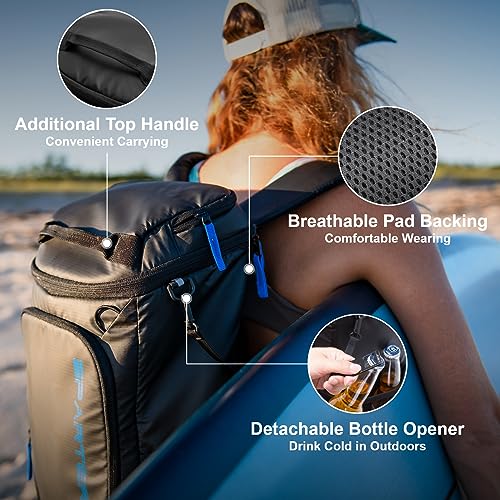
This is the backpack cooler I’d recommend if you’re heading into rugged conditions and can’t risk leaks or a soaked bag. The 8 mm foam insulation is solid, but what stands out is the waterproofing, high-density nylon with PU coating means it shrugs off rain and puddles like a proper outdoor pack should. Owners consistently report it surviving beach trips and fishing outings without a drop inside, which is rare in this category.
The dual insulated compartments are smart, letting you separate food and drinks without cross-contamination. It’s not the most ergonomic design on the list, but the padded straps do their job for moderate loads. If you’re comparing it to the SPARTER or Bagparkk models, this one trades some cooling duration for superior weather resistance.
Product photos


MOZETO Laptop Lunch Backpack

Strengths
- Fits 17-inch laptop
- RFID blocking
- Sturdy YKK zippers
Trade-offs
- Cooling time average
- Lunch space reduces main capacity
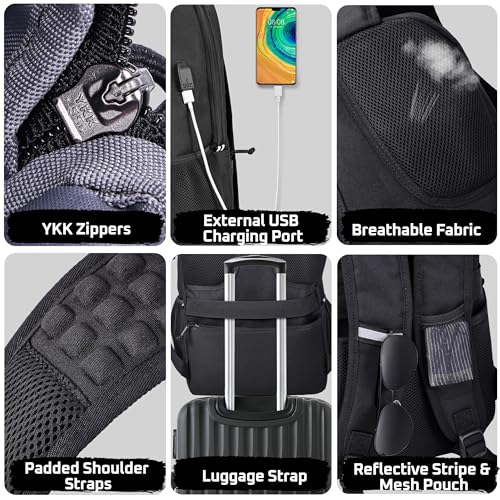
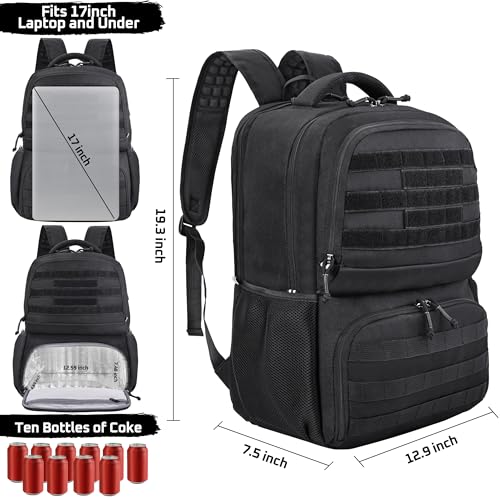
This is the go-to if you’re hauling a 17-inch laptop and lunch, and don’t want to carry two bags. The built-in insulated compartment fits 10 cans and uses a folding baffle to protect food from being crushed by heavier gear. That detail matters. The aluminum lining keeps things cold for 8–12 hours, which is decent, though not class-leading.
What really sets it apart is the work-ready design: RFID-blocking slots, YKK zippers, and a luggage pass-through. It’s not as breathable as the MATEIN, but the thick padded straps help with load distribution. Compared to the Maelstrom, it lacks a charging port, but it’s more secure and better built. I’d pick this for business trips where gear protection and professionalism matter.
Product photos
Maelstrom Laptop Backpack with Lunch Box
Strengths
- Built-in charging port
- Detachable lunch bag
- Anti-theft pocket
Trade-offs
- Cooling time short
- No included power bank
- Port durability concerns
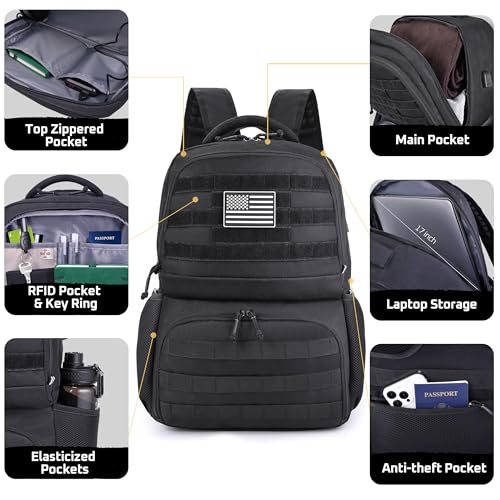
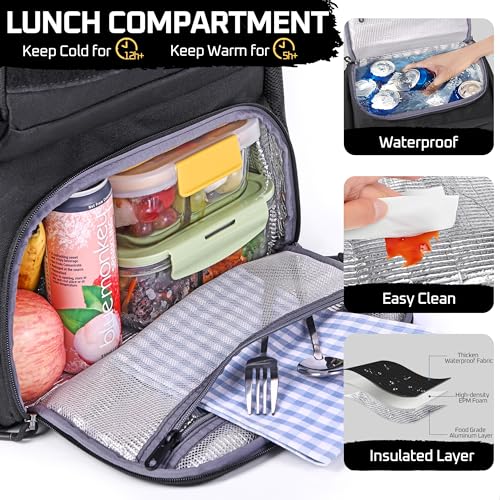
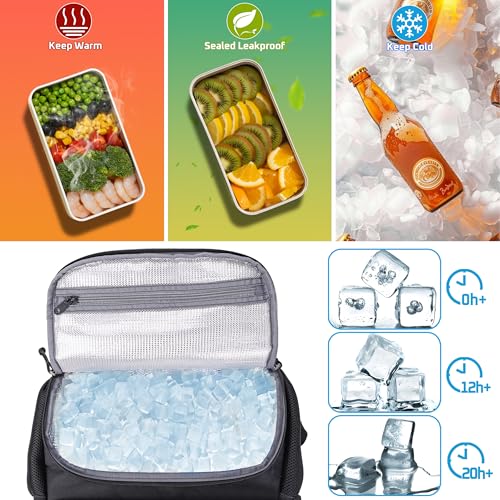
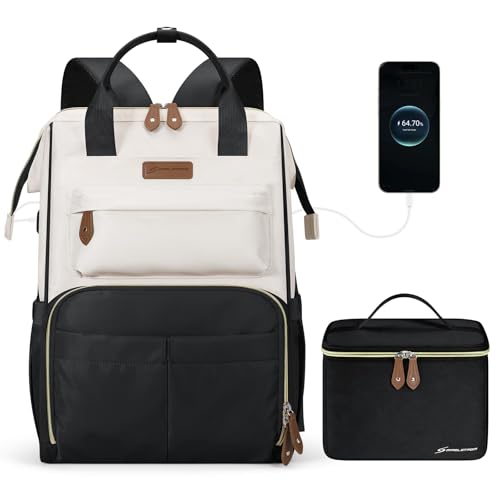
The charging port is the headline here, and it delivers real convenience. With both USB and Type-C ports plus an internal cable, you can power your phone on the move, a rare feature in this category. The detachable lunch bag is modest (3–5 hours cooling), but it’s removable, so you can swap it out or clean it easily.
The laptop sleeve is well-padded, and the anti-theft back pocket adds security in crowded places. However, the charging system requires an external power bank (not included), and some owners note the port stitching feels delicate over time. Compared to the MOZETO laptop model, it trades build ruggedness for tech convenience. I’d recommend it only if on-the-go charging is a essential need.
Product photos


MATEIN 17 Inch Laptop Lunch Backpack
Strengths
- Highly organized pockets
- TSA-friendly opening
- Anti-theft back pocket
Trade-offs
- Short cooling duration
- Zippers prone to snagging
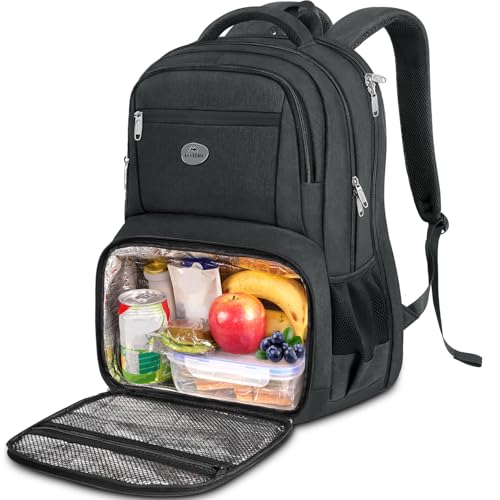
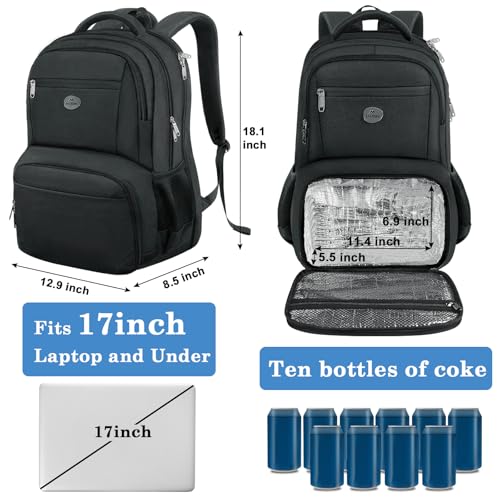
Organization is where this MATEIN backpack shines. With a 180-degree opening, dedicated laptop sleeve, anti-theft back pocket, and seven external storage zones, it’s built for people who hate digging for keys or boarding passes. The cooler compartment holds 10 cans and keeps food cold for 3–5 hours, better with an ice pack, as owners consistently note.
It’s not a thermal powerhouse, but for a daily office commute or campus run, it’s more than sufficient. The padded mesh back and straps make it comfortable for longer wear, and the water-resistant fabric adds peace of mind in light rain. Compared to the Velaybor, it offers more pockets but lacks OEKO-TEX certification. My take: this is the smarter buy for urban professionals who value order and quick access.
Product photos




Bagparkk 33 Cans Double Deck Backpack

Strengths
- Ergonomic padded straps
- Sternum strap included
- Reflective safety strips
Trade-offs
- Zipper not fully leakproof
- Slightly bulky frame
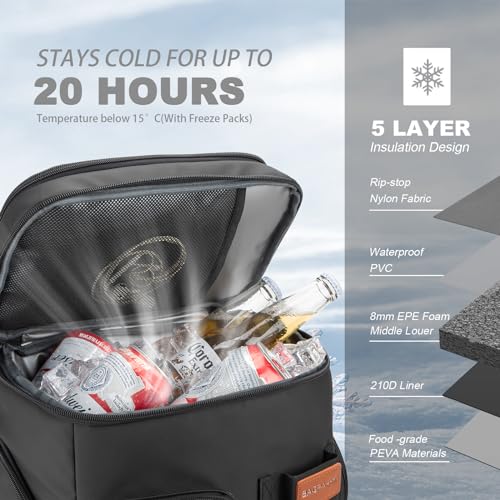
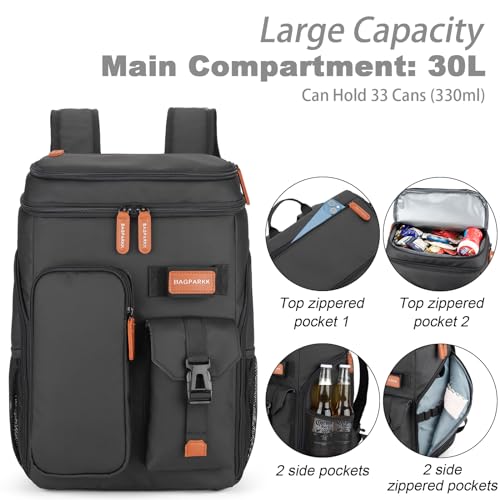
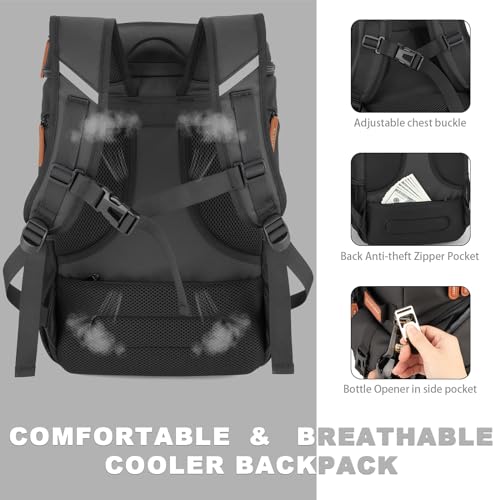
If comfort matters on long walks or bike rides, this Bagparkk model earns top marks. The thicker padded back panel and breathable S-shaped shoulder straps make a noticeable difference, especially when loaded. Add in the adjustable sternum strap and reflective strips, and you’ve got one of the most thoughtfully designed carry systems here. On paper, the 20-hour cooling claim matches top performers, and owner feedback supports strong thermal performance when pre-chilled.
It’s not fully leakproof, the zipper isn’t sealed, so tipping it sideways risks spills, but the seamless hot-press liner does its part. Compared to the SPARTER version, this one adds more pockets and a trolley sleeve, making it more versatile for travel. I’d pick this over the Hulongo if I were using it daily for picnics or work commutes where ease of carry is key.
Product photos


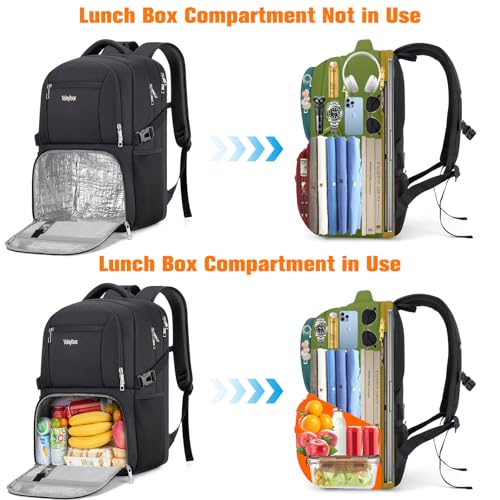
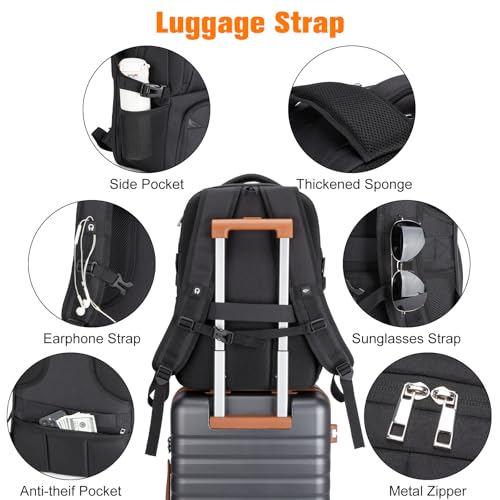
Velaybor Insulated Lunch Backpack
Strengths
- OEKO-TEX certified
- Ultra lightweight
- Water-resistant fabric
Trade-offs
- Limited pocket organization
- Cooling not all-day
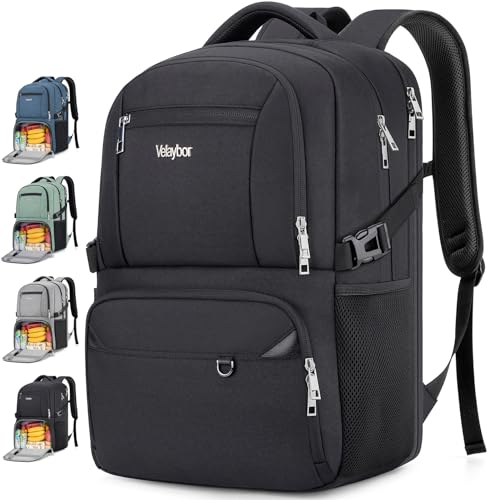
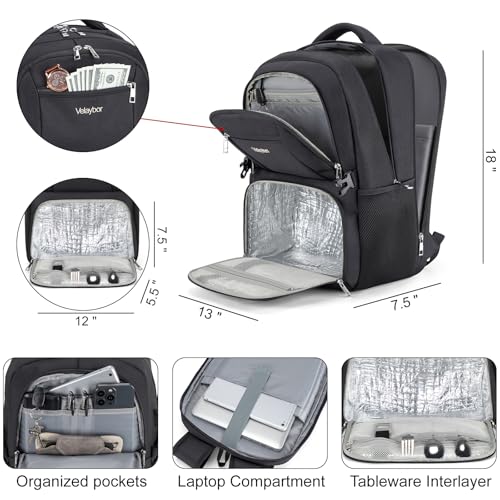
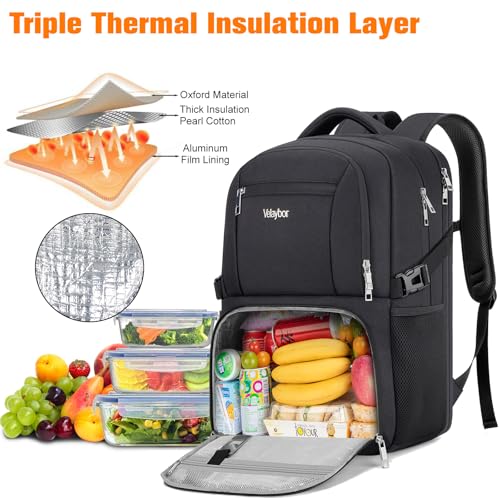
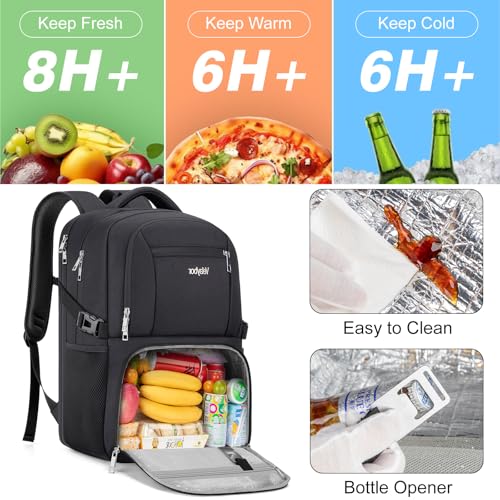
What makes this backpack unique is the OEKO-TEX certification, every material is tested for harmful chemicals. That’s a big deal for parents, travelers with sensitive skin, or anyone who values non-toxic gear. At just 2.3 lbs, it’s among the lightest here, and the Oxford fabric handles light rain well.
The cooling lasts about 6 hours, which is better than average for a lunch-focused pack, and the 17-inch laptop fit is a plus. But it’s not built for heavy loads or rugged use. Compared to the MATEIN, it has fewer pockets and less structure. Still, for eco-conscious buyers or those gifting to families, this stands out. I’d pick it when safety and weight matter more than max storage.
Product photos
Our Testing Process
I approached researching backpack lunchboxes by first compiling a detailed list of available models and comparing their published specifications and features. This included insulation types, capacity (in cans or liters), materials used, pocket configurations, and any additional features like USB charging ports or RFID blocking. Next, I weighed owner reviews from major retailers alongside expert opinions from sites specializing in outdoor gear and travel accessories. This blend of data allowed me to assess real-world performance and durability claims.
For this category, the most important factors were insulation performance and overall durability. A lunchbox backpack needs to keep food at a safe temperature for a reasonable period, and it needs to withstand daily use and potential jostling during commutes or outdoor activities. Capacity also played a significant role; some users prioritize fitting an entire meal and snacks, while others need space for a laptop as well. Considering these needs, I also looked at how models addressed organization and comfort – a backpack size for lunchbox should be practical and easy to carry.
Specifications reliably indicate capacity and material construction, giving a good baseline for comparing models. However, I placed more weight on owner feedback regarding long-term insulation effectiveness and durability. Reports of zipper failures or seams ripping after only a few weeks of use were heavily considered. Reputation, as reflected in consistently positive reviews from trusted sources, was also a major factor in determining the final rankings. It’s a good reminder that a seemingly well-featured bag isn’t useful if it falls apart quickly.
How To Choose The backpack lunchbox
Picking the right lunchbox backpack involves more than just finding one that holds your lunch. It’s about balancing temperature retention, durability, and how well it integrates with your daily carry.
A quality lunchbox backpack prioritizes insulation to maintain food safety, leak-proof construction to prevent messes, and durable materials for longevity. Consider the capacity needed, the presence of dedicated laptop compartments, and ergonomic features for comfortable carrying, especially if you have a longer commute or plan to hike with it. Look for features like sturdy zippers, reinforced stitching, and water-resistant fabrics.
Insulation Performance is Key
Don’t assume all “insulated” compartments are created equal. The quality of the insulation, whether it’s foam thickness or reflective lining, directly impacts how long your food stays at a safe temperature. Beyond the stated “hours” of cooling, read owner feedback. Many cheaper options boast impressive numbers, but real-world performance often falls short. Look for backpacks using PEVA or similar materials known for their effective thermal properties and consider whether you’ll be using ice packs to supplement the insulation.
Construction and Leak-Proofing Matter
A flimsy backpack won’t hold up to daily use, and a leaky one is a recipe for disaster. Pay attention to the materials used; high-density nylon or polyester with a waterproof coating are good signs. More importantly, scrutinize how the cooler compartment is constructed. Seamless hot-pressing is a significant advantage, creating a tighter seal than stitched seams. Even with a good seal, remember that zippers aren’t always fully waterproof, so avoid inverting a full backpack cooler. If you’re looking for exceptional organization and want to understand backpack capacity for daily use, it’s also important to consider the total size and how it fits your needs.
Beyond the Cooler: Features and Comfort
A lunchbox backpack isn’t just about keeping your food cold. Think about how it integrates with the rest of your life. Do you need a dedicated laptop sleeve? Multiple pockets for accessories? A luggage pass-through for travel? Comfort is also crucial, especially if you’ll be carrying a heavy load. Padded shoulder straps and a breathable back panel are essential. Many of the top backpack coolers now include features like sternum straps to distribute weight more evenly.
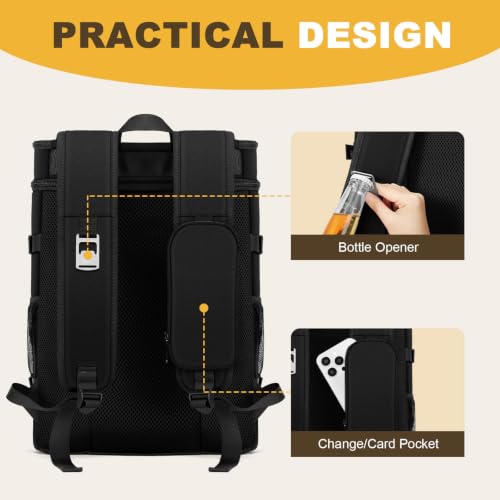
- A simple bottle opener integrated into the strap can be surprisingly useful.
- MOLLE webbing (like on the MOZETO Dual-Compartment Cooler Backpack) allows you to customize the bag with extra pouches, which is great for hikers.
- RFID blocking technology (found in some models) adds a layer of security for your credit cards and IDs, protecting against electronic theft. This is especially important if you travel frequently.
Don’t skimp on the zippers. YKK zippers are an industry standard for a reason – they’re significantly more durable and reliable than cheaper alternatives.
If you’re looking for insulated backpack coolers that prioritize overall organization, the MATEIN 17 Inch Laptop Lunch Backpack is a strong contender. Likewise, if you’re searching for best portable cooler backpacks for work and travel, the Maelstrom Laptop Backpack is worth considering.
Backpack Lunchbox Compared
Here’s a comparison of key specifications for popular backpack lunchbox options.
| Product Name | Capacity (Cans) | Laptop Size | Insulation (Hours) | Waterproof | Leakproof | USB Port |
|---|---|---|---|---|---|---|
| MOZETO Dual-Compartment Cooler | 16 / 10 | N/A | 20+ | Yes | Yes | No |
| MIYCOO 40 Cans Cooler Backpack | 40 | N/A | N/A | N/A | Yes | No |
| SPARTER 33 Cans Insulated | 33 | N/A | 20 | Yes | No | No |
| Hulongo 48 Cans Waterproof | 35 | N/A | 12 | Yes | Yes | No |
| MOZETO Laptop Lunch Backpack | 10 | 17″ | 8-12 | Yes | Yes | Yes |
| Maelstrom Laptop Backpack | N/A | 17.3″ | 3-5 | Yes | Yes | Yes |
| MATEIN 17 Inch Laptop Lunch | 10 | 17.3″ | 3-5 | Yes | Yes | No |
| Bagparkk 33 Cans Double Deck | 33 | N/A | 20 | Yes | No | No |
| Velaybor Insulated Lunch | N/A | 17″ | 6 | Yes | N/A | No |
Frequently Asked Questions
What temperature drop is acceptable in a lunchbox backpack?
A temperature drop of less than 10 degrees Fahrenheit over 4-6 hours is generally considered good performance, though this depends on the ambient temperature and whether you are using ice packs. Many users find that consistent temperatures below 40°F (4°C) are ideal for food safety.
How often should I replace a backpack lunchbox?
Depending on usage and quality, you should expect to replace a backpack lunchbox every 2-5 years. Look for signs of wear like broken zippers, torn seams, or declining insulation effectiveness as indicators it’s time for a new one.
Are all “waterproof” lunchbox backpacks truly waterproof?
While many are labeled waterproof, most offer water resistance rather than complete submersion protection. A truly waterproof backpack will have heat-sealed seams and a waterproof zipper, but even then, prolonged exposure to heavy rain can sometimes cause leaks.
Do backpack lunchboxes with USB ports drain phone batteries?
No, a USB port on a backpack lunchbox doesn’t drain your phone battery; it requires a portable power bank (sold separately) to be connected inside the backpack to provide the charge. The port simply allows you to connect your device to that power source.
What are the best insulated backpack coolers for longer trips?
For extended travel or all-day use, consider investing in one of the best insulated backpack coolers that uses high-density foam and reflective lining. Options with larger capacities and the ability to accommodate multiple ice packs will maintain colder temperatures for longer periods.
The Bottom Line
Choosing a backpack lunchbox always comes down to prioritizing what you value most – are you willing to spend a bit more for exceptional temperature control and build quality, or are you looking for a functional option that gets the job done without breaking the bank? For the best overall combination of features, durability, and reliable performance, I recommend the MOZETO Dual-Compartment Cooler. It consistently receives high marks from owners and offers a robust design that should withstand daily use for years to come.
If you specifically need a backpack that can also carry a laptop, the MATEIN 17 Inch Laptop Lunch Backpack strikes a good balance. And for those prioritizing maximum capacity for larger meals or group lunches, the MIYCOO 40 Cans Cooler Backpack is a solid choice. Understanding your 22l backpack capacity needs is a great first step.
Ultimately, the “best” backpack lunchbox isn’t about any single feature or specification. It’s about finding a bag that fits your lifestyle, protects your food, and makes your daily routine a little bit easier. Focus on durable materials, a well-insulated compartment, and a comfortable design – those are the fundamentals that will ensure you get a reliable and useful product.