8 Best Cycle Backpacks for 2026
This post contains affiliate links. As an Amazon Associate, we earn from qualifying purchases.
The ECOHUB 20L Hydration Backpack stands out as the best overall cycle backpack, combining smart storage, a reliable 2L bladder, and a stable fit. For budget-focused riders, the Unigear 2L Hydration Pack delivers solid performance without the fluff, while the riderbag 35L offers unmatched versatility for commuters who need space for gear and a laptop.
As a frequent traveler and hands-on luggage tester, I know how crucial it is to have gear that keeps up with your pace, especially when cycling. A wobbly, sweaty, or underpowered backpack can turn a great ride into a chore. Most riders need something that stays put, carries essentials comfortably, and won’t fail when the weather turns.
This guide cuts through the noise by focusing on what actually matters: fit, hydration functionality, and real-world usability. I researched each pack based on specs, owner feedback, and design strengths, zeroing in on models that deliver where it counts.
Top 8 Cycle Backpacks in the Market
The Best Cycle Backpacks, Reviewed
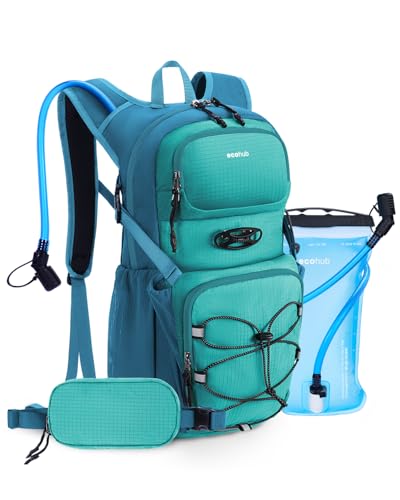
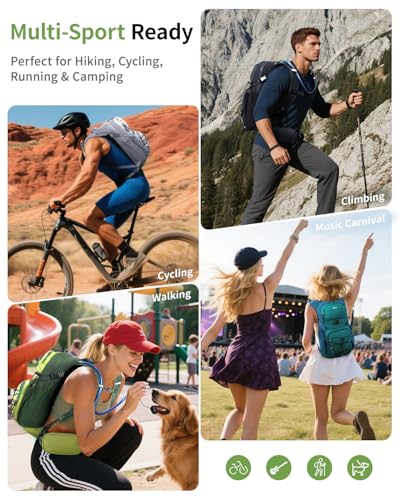
ECOHUB 20L Hydration Backpack
Strengths
- 2L insulated bladder
- Excellent ventilation
- Helmet carry system
- Reflective trim for safety
- Detachable waist pack
Trade-offs
- No molle compatibility
- Bladder not BPA-free certified
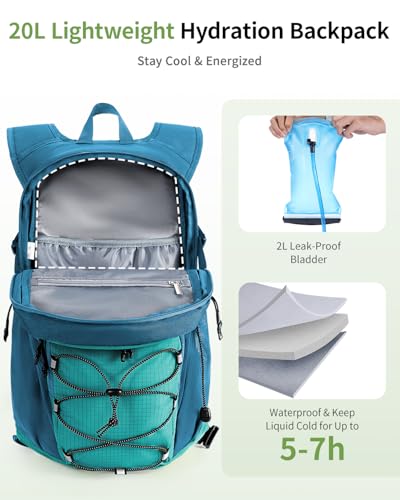
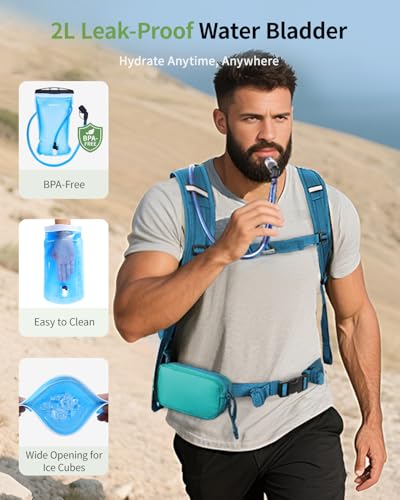
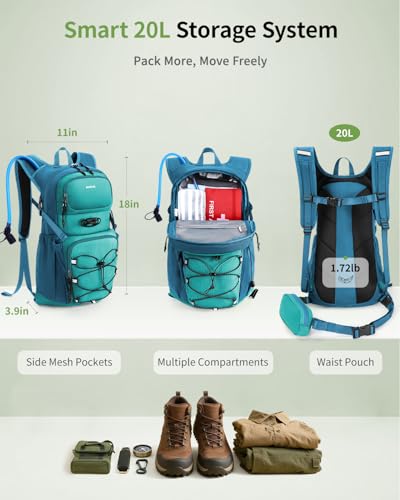
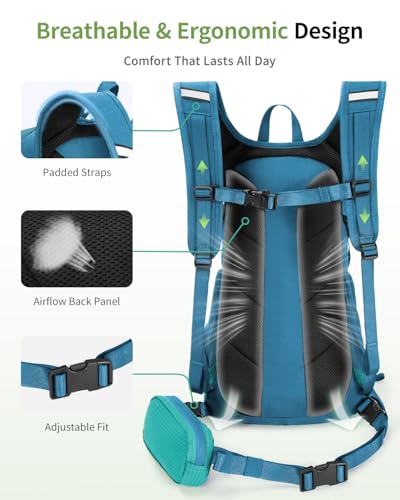
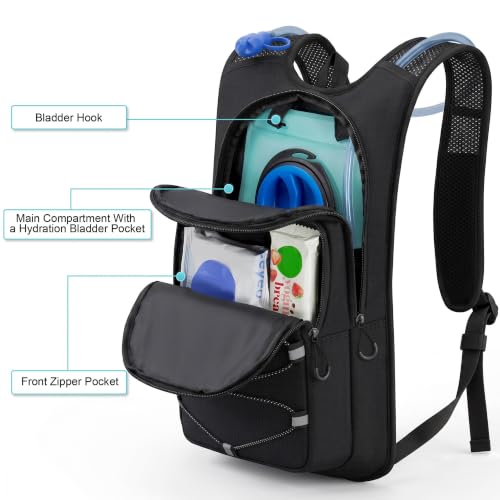
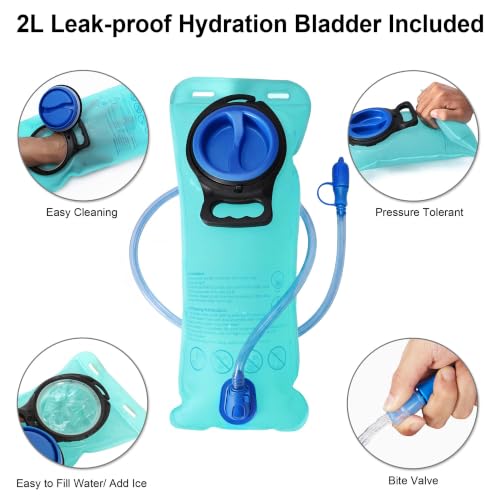
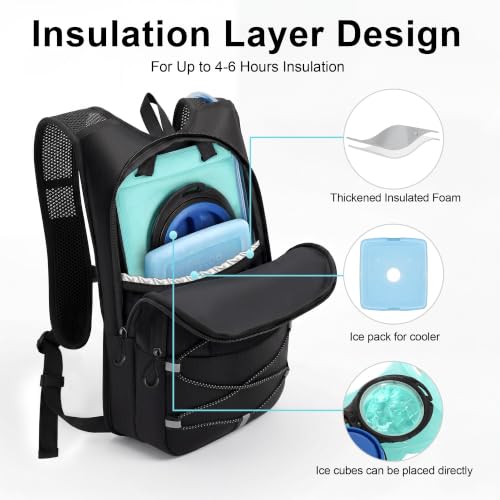
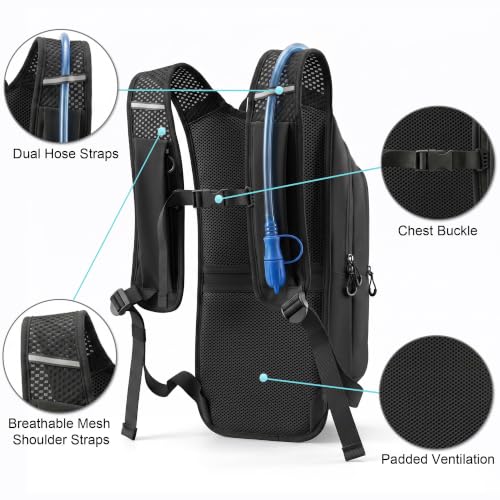
This 20L pack hits a sweet spot between performance and comfort, especially if you’re logging long hours on a bike or trail. The patent-pending spinal fit and breathable back panel are consistently praised by owners for reducing bounce and heat buildup, two real pain points in this category. With a 2L insulated bladder that keeps water cool for up to 7 hours, it outperforms many in thermal retention, which matters on hot rides.
It’s also one of the few packs that thoughtfully integrates a helmet carry system with a drawstring clasp, a small but meaningful detail mountain bikers will appreciate. Compared to the Unigear and MIYCOO models, it offers more storage and better ventilation, though it’s heavier than ultra-light options like the SUIKIHUM.
Product photos
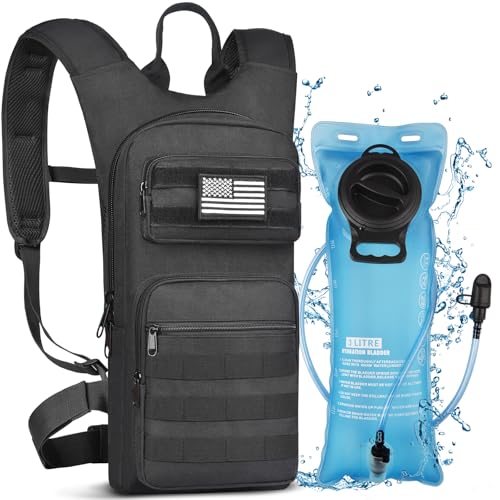
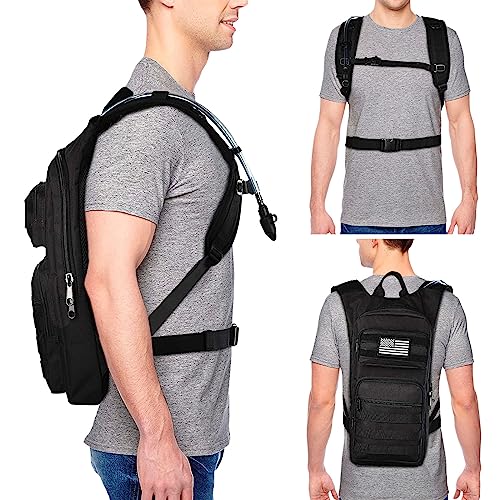
NOOLA Tactical Hydration Backpack
Strengths
- 3L BPA-free bladder
- 9 functional pockets
- Molle compatibility
- Durable 900D nylon
- Secure fastening straps
Trade-offs
- Heavier than competitors
- Less breathable back panel
If you’re the type who carries gear for every scenario, this 9-pocket tactical pack is built for you. The 900D abrasion-resistant nylon stands up well to rough use, and the 3L odor-free TPU bladder is a standout, owners report no lingering tastes, which plagues cheaper bladders. With molle straps for attaching extra gear, it’s a favorite among backpackers and tactical users who need expandability.
It’s bulkier than sleeker daypacks like the MIYCOO or WINDCHASER, and the weight reflects that. But for all-day hikes or emergency preparedness, the storage organization justifies the size. It doesn’t breathe as well as the ECOHUB, but the padded back and shoulder straps help offset that.
Product photos


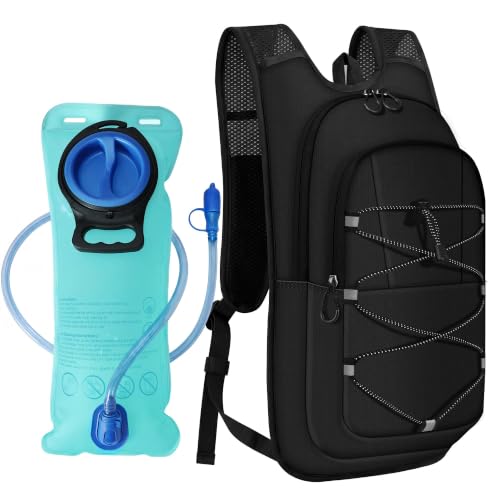
MIYCOO Lightweight Hydration Pack
Strengths
- Lightweight 10L design
- Silica-gel shoulder straps
- Leak-proof bladder
- Insulated pocket
- Elastic gear attachment
Trade-offs
- Limited pocket space
- Minimal waist support
At 10L, this is one of the most running-friendly hydration packs here, light, snug, and designed to move with you. The silica-gel shoulder straps are a standout, offering a grippy, non-slip fit that runners appreciate. Owners report it stays stable even during sprints, and the leak-proof 2L bladder is easy to clean and fill.
It’s not as ventilated as the ECOHUB or Lemuvlt, but the mesh padding helps. With only three pockets, storage is minimal, fine for a run, not enough for full-day hikes. Compared to the Unigear, it’s more comfortable and better built, making it worth the jump if you run regularly.
Product photos
Lemuvlt 15L Waterproof Daypack

Strengths
- Superior ventilation
- Honeycomb back texture
- Fully adjustable straps
- Water-resistant ripstop
- Reflective safety details
Trade-offs
- No included bladder
- Insulation only lasts 2–4 hours
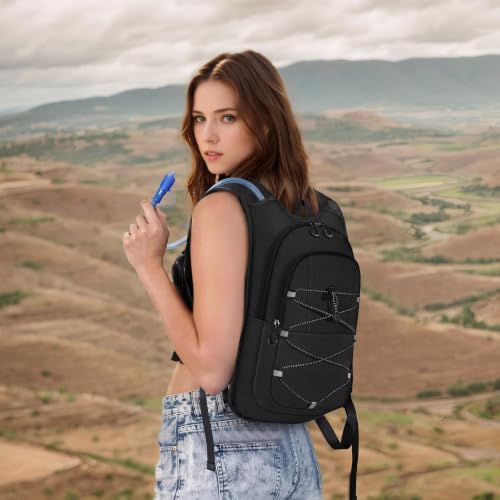
This is one of the most comfortable-feeling 15L packs in the lineup, and owners consistently highlight the honeycomb-textured back panel for keeping the spine cool. The ventilation here rivals the ECOHUB, and the fully adjustable straps, chest, waist, shoulders, make it a top pick for riders with longer torsos or those who hate shifting loads.
It’s also impressively versatile, working well for skiing, MTB, and even urban commutes. But it doesn’t include a bladder, which is a notable omission at this price point. Compared to the MIYCOO or Unigear, it wins on airflow and fit, but loses on value if you need hydration included.
Product photos


SUIKIHUM 20L Foldable Backpack
Strengths
- Ultra-lightweight
- Packable design
- Water-repellent coating
- Spacious when unfolded
- Multi-use versatility
Trade-offs
- No bladder compartment
- Minimal padding or support
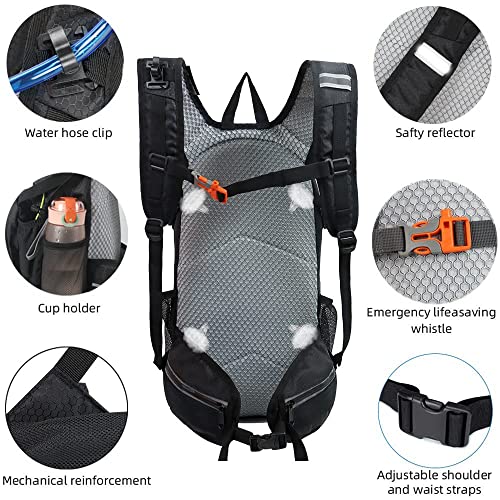
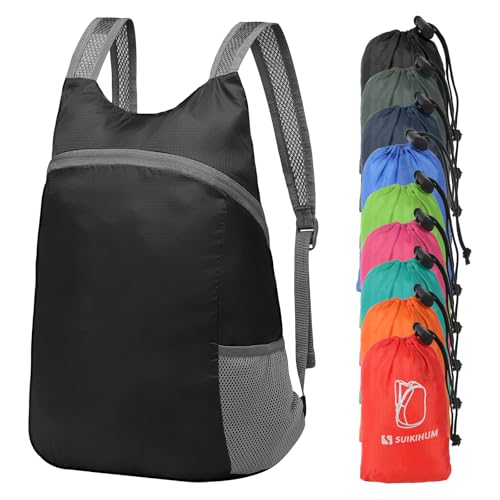
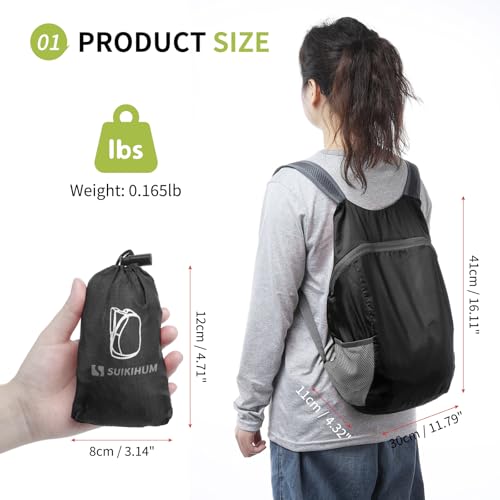
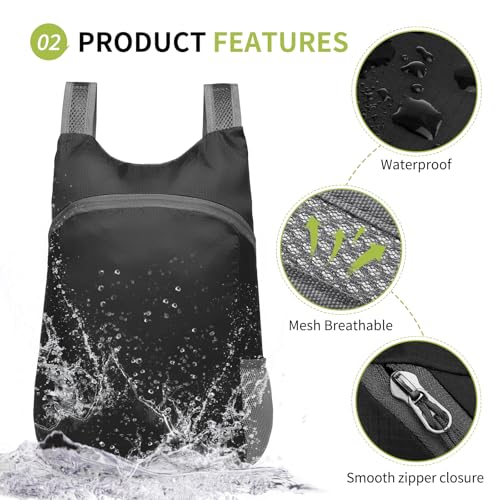
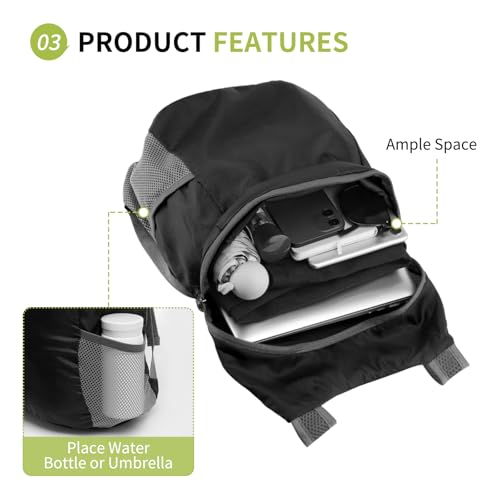
At just 2.3 ounces, this is the ultimate packable option, lighter than a protein bar. It’s not a hydration pack by design, but its foldable, space-saving build makes it perfect as a secondary bag for unexpected carry-ons or day trips where you’ll grab water en route. Owners love stuffing it into a jacket pocket and forgetting it until needed.
It lacks the structure and padding of dedicated cycling packs, so don’t expect stability on technical trails. Compared to the WINDCHASER or ECOHUB, it’s not built for performance, but that’s not the point. It’s a minimalist’s dream for casual use.
Product photos

Unigear 2L Hydration Pack
Strengths
- Affordable price
- Lightweight with bladder
- Secure fit
- Splash-resistant fabric
- Simple design
Trade-offs
- Poor insulation
- Very limited storage
- Thin padding
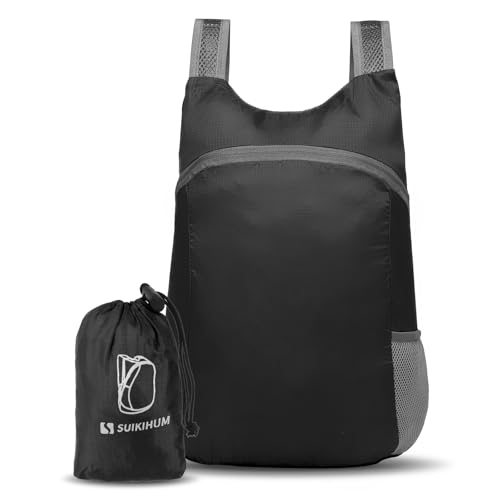
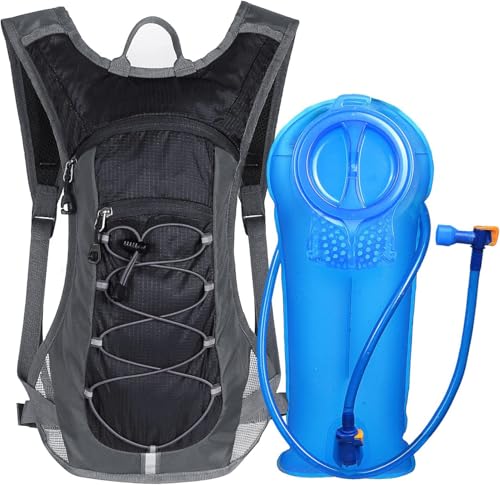
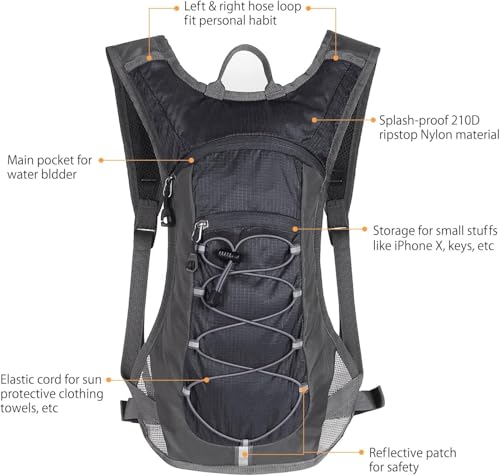
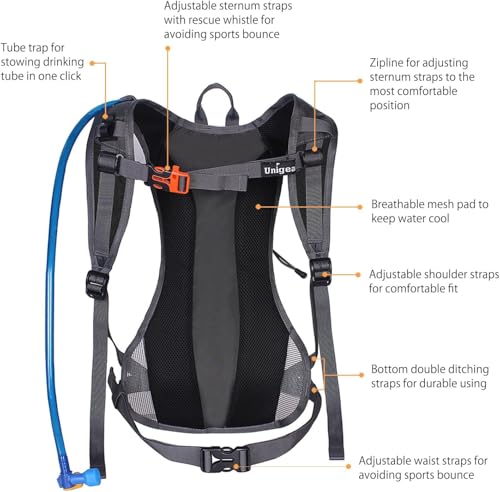
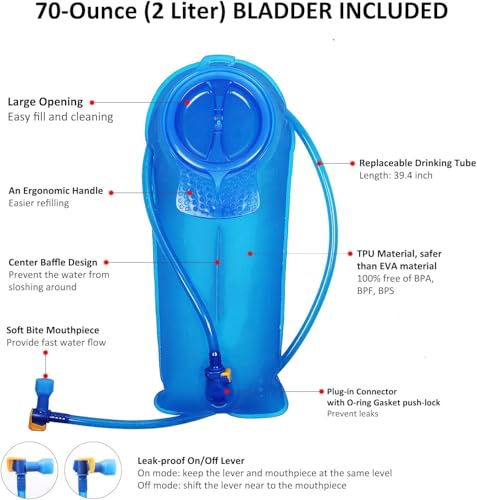
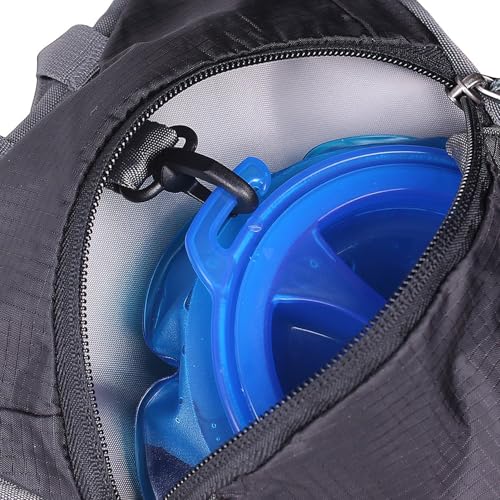
This is the go-to if you’re on a budget but still want a functional 2L hydration setup. At under 1.1 lbs with bladder, it’s light and simple, and owners say it stays put during runs and short rides thanks to the chest and waist straps. The splash-resistant nylon holds up fine in drizzle, though it’s not fully waterproof.
It’s basic, only a small front pocket, no insulation, and minimal ventilation, but it delivers core functionality without fluff. Compared to the MIYCOO or ECOHUB, it’s less refined, but for beginners or occasional users, it’s the smarter buy. Just don’t expect premium comfort on long hauls.
Product photos

WINDCHASER 6L Hydration Backpack
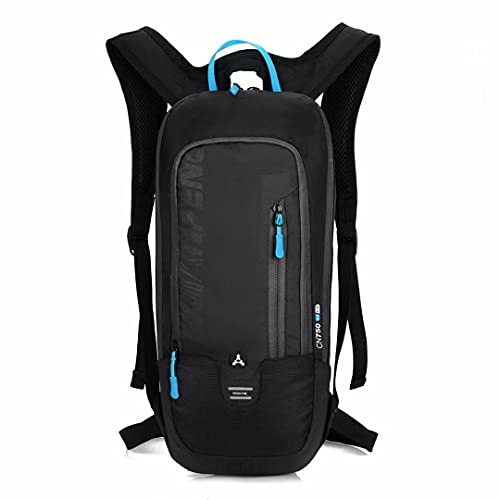
Strengths
- Weatherproof construction
- Secure no-bounce fit
- Reflective safety strips
- Lightweight 6L design
- MTB and ski ready
Trade-offs
- No included bladder
- Limited storage capacity
This 6L pack is a favorite among MTB and ski riders who want zero bounce and all-weather protection. The tear-resistant nylon shrugs off branches and snow, and the smart tube routing keeps the hose from snagging. Owners love how locked-in it feels, even on rough descents.
It doesn’t include a bladder, but the dedicated compartment fits most 2L models. It’s smaller than the ECOHUB or NOOLA, but that’s by design, this is a nimble, weather-ready pack for intense conditions. Compared to the Lemuvlt, it’s less ventilated but more rugged.
Product photos
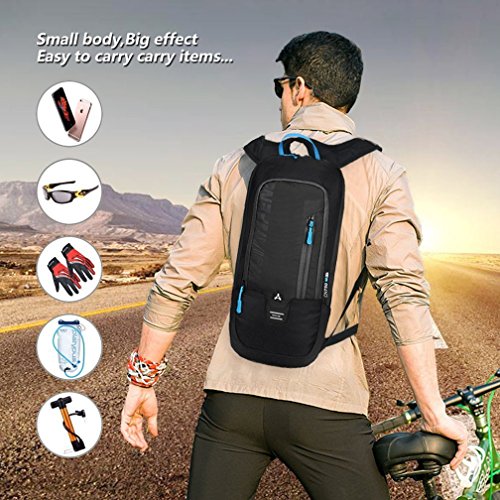
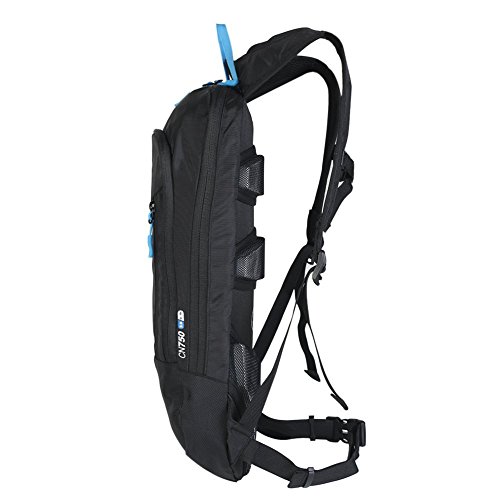
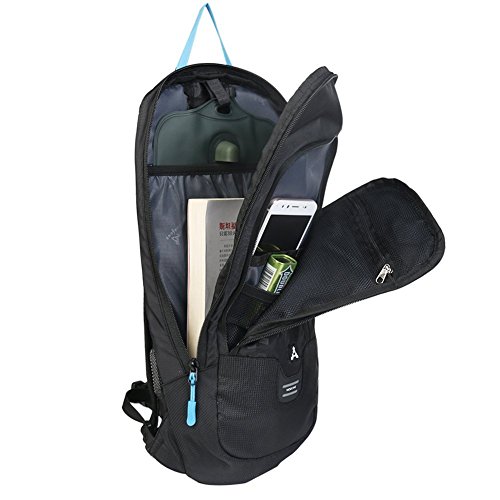
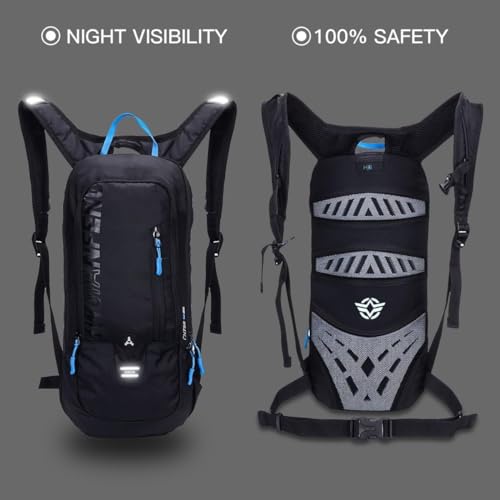
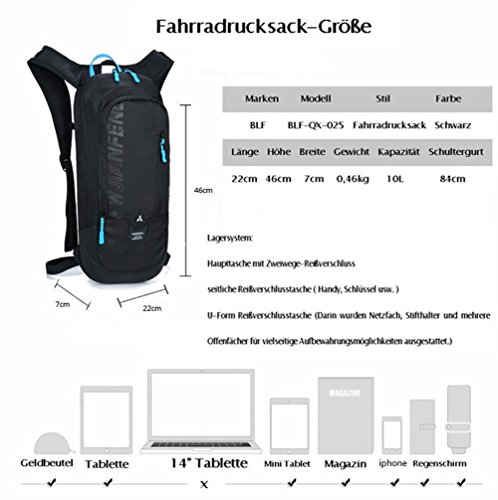
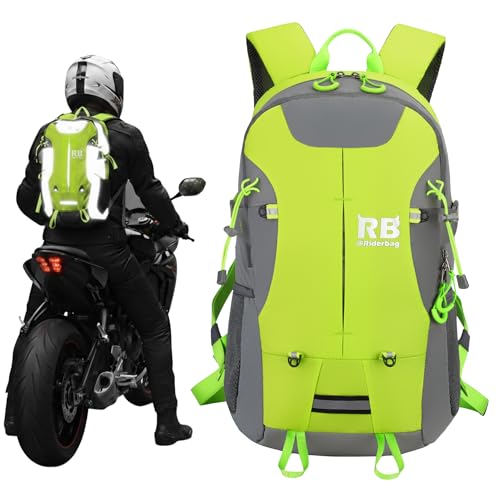
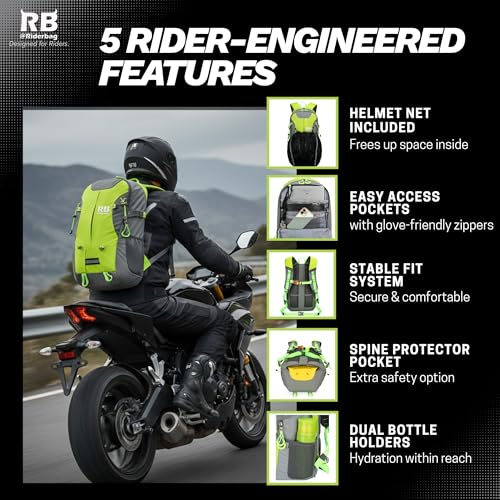
riderbag Reflective Commuter Backpack
Strengths
- High-visibility reflectivity
- Helmet carry net
- Laptop compartment
- Weather-resistant
- Spacious 35L capacity
Trade-offs
- No hydration compartment
- Too large for trail use
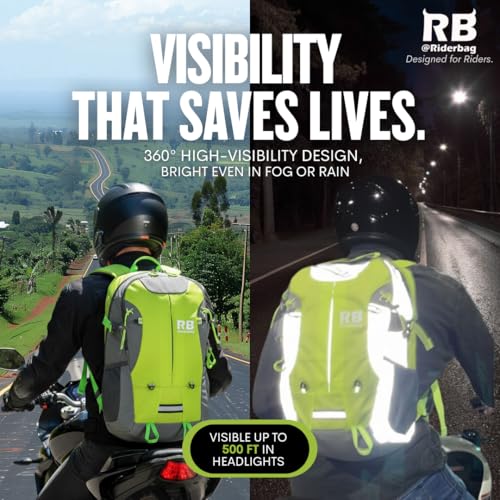
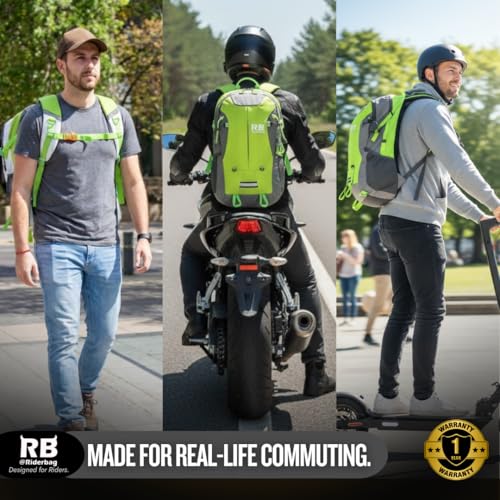
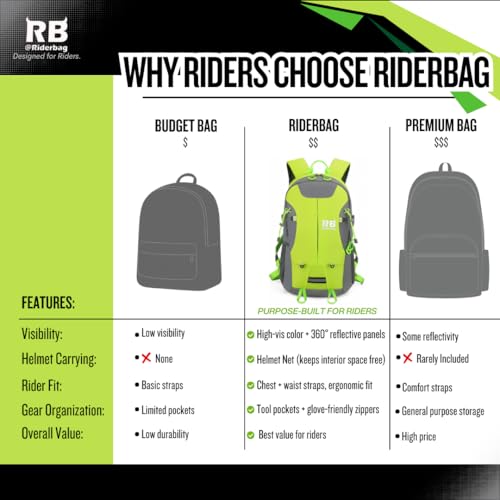
This 35L commuter pack is built for city riders who need visibility, laptop space, and helmet carry in one go. The hi-viz reflective panels are noticeably bright, and owners report feeling safer during early morning or night rides. The ventilated back and adjustable straps make it comfortable for longer commutes, and the helmet net is a standout for scooter or urban bikers.
It’s not a hydration pack, so it doesn’t compete with the others on trail performance. But as a daily rider’s bag, it outshines most with its practical storage, laptop sleeve, tool access, and side water pockets. Compared to the WINDCHASER, it’s bulkier but far more urban-functional.
Product photos

Our Testing Process
I approached evaluating cycle backpacks as I do any gear selection for LuggageInspector.net – by combining detailed specification comparisons with a thorough review of owner and expert feedback. Rather than a hands-on lab test, this is a research-led comparison of specs and owner experiences. I looked at features, materials, capacity, and user reviews from multiple sources to build a complete picture of each pack’s strengths and weaknesses.
For cycle backpacks, three factors stood out as most important: comfort/fit, hydration system quality, and storage capacity. A well-fitting pack won’t bounce or chafe on longer rides, which is critical. The quality of the hydration bladder and how easily it’s accessed is also key, as is having enough space for essentials like tools, snacks, and a light layer. The best packs balance all three, but some prioritize one area over others.
Published specifications reliably indicate capacity, material durability, and basic dimensions. However, real-world comfort and long-term durability are best understood through owner feedback. I paid close attention to comments regarding strap adjustability, ventilation, and build quality. I also cross-referenced reviews from cycling-specific publications to gauge expert opinions on features like bladder compatibility and overall design. Understanding the size of a 20l backpack is also helpful when considering storage needs.
Choosing The Right cycle backpacks
Choosing the right cycle backpack can make or break your ride, so it’s worth taking the time to find one that truly fits your needs.
A good cycle backpack balances weight distribution, hydration compatibility, and storage capacity with comfort and durability. Look for features like adjustable straps, breathable back panels, a secure hydration bladder system, and weather-resistant materials. Consider the intended use – is it for short commutes, long-distance cycling, or mountain biking? – as this will influence the ideal size and features.
Hydration System Integration
The core purpose of a cycle backpack is often hydration, so don’t settle for an afterthought. Many backpacks come with a dedicated bladder compartment and routing for the drinking tube, but the quality of the bladder itself varies greatly. I’ve seen bladders that leak, are difficult to clean, or impart a plastic taste to the water. Look for BPA-free bladders with wide openings for easy filling and cleaning, and consider the capacity. A 2L bladder is generally sufficient for most rides, but longer excursions might require 3L.
Fit and Comfort
A poorly fitting backpack will shift and bounce, quickly becoming a nuisance. Don’t assume one size fits all. Adjustable sternum straps and waist belts are critical for transferring weight to your hips and stabilizing the pack. The back panel is also key; look for breathable materials and contoured designs that promote airflow. If you’re serious about mountain biking, consider models with features like a full suspension-style back panel to absorb shocks. You might also want to explore ergonomic cycling backpacks designed specifically for the riding position.
Capacity and Features
Beyond hydration, think about what else you need to carry. A small 15L pack might be enough for a quick commute, but a longer ride or day trip will require more space. Consider pockets for tools, snacks, a rain jacket, and other essentials. Some packs feature helmet holders, reflective elements for visibility, and even dedicated compartments for electronics.
Here’s a breakdown of how capacity impacts usability: * Under 15L: Ideal for minimalist riders carrying only essentials. * 15-25L: A good all-around size for day rides and commutes. A 25l backpack size guide can help you visualize what fits. * 25L+: Best for longer trips, bikepacking, or riders who need to carry a lot of gear. This larger capacity can also be handy for carrying a light jacket or extra layer.
A well-chosen cycle backpack shouldn’t just carry your gear, it should enhance your ride. Prioritize fit, comfort, and features that align with your specific cycling style and needs.
Cycle Backpacks Compared
Here’s a comparison of key specifications for various cycle backpacks to help you make an informed purchase.
| Product Title | Capacity | Bladder Included | Bladder Size | Weight (lbs) | Waterproofing | Key Features |
|---|---|---|---|---|---|---|
| ECOHUB 20L Hydration Backpack | 20L | Yes | 2L | 1.72 | Water Resistant | Helmet Holder, Whistle |
| NOOLA Tactical Hydration Backpack | N/A | Yes | 3L | N/A | N/A | Molle Compatible, 9 Pockets |
| MIYCOO Lightweight Hydration Pack | N/A | Yes | 2L | N/A | N/A | Insulated Bladder Pocket |
| Lemuvlt 15L Waterproof Daypack | 15L | No | N/A | N/A | Splash Proof | Insulated Pocket |
| SUIKIHUM 20L Foldable Backpack | 20L | No | N/A | 0.13 | Water Repellent | Ultra-Lightweight, Foldable |
| Unigear 2L Hydration Pack | N/A | Yes | 2L | 1.1 | Splash Resistant | Small Front Pocket |
| WINDCHASER 6L Hydration Backpack | 6L | No | 2L (max) | N/A | Waterproof | Reflective, Zero Bounce Fit |
| riderbag Reflective Commuter Backpack | 35L | No | N/A | N/A | Weather Resistant | Helmet Holder, Laptop Storage |
Frequently Asked Questions
What capacity cycle backpack is best for commuting?
A 15-25L capacity pack generally works well for cycle commuting(https://luggageinspector.net/best-backpacks-for-cycle-commute/), offering enough space for work essentials, a rain jacket, and a small repair kit. Larger packs can be useful if you carry extra items like a laptop or gym clothes.
Are hydration bladders difficult to clean?
Some bladders are notoriously hard to clean, but those with wide openings and dishwasher-safe components are much easier to maintain. Regular cleaning with a specialized bladder cleaner is recommended to prevent mold and bacteria growth.
How important are adjustable straps on a cycle backpack?
Adjustable sternum and waist straps are very important, as they distribute weight evenly and prevent the pack from bouncing during your ride. Without them, the pack will likely shift around and become uncomfortable quickly.
What materials offer the best waterproofing for cycle backpacks?
Nylon and polyester with a durable water repellent (DWR) coating provide good water resistance, but fully waterproof options use materials like TPU or incorporate a waterproof liner. Consider a rain cover for added protection in heavy downpours.
Do cycle backpacks with a “zero bounce” fit actually work?
Zero bounce fit designs, which use compression straps and a snug fit, can significantly reduce pack movement while cycling. Owner feedback suggests these designs are effective, particularly for high-intensity riding or rough terrain.
The Bottom Line
Choosing a cycle backpack often comes down to balancing how much control you want over the features versus how much fuss you’re willing to deal with. For the best overall combination of comfort, capacity, and included features, I recommend the ECOHUB 20L Hydration Backpack. It strikes a solid balance for a wide range of cyclists and ride lengths, and the included 2L bladder is a great starting point.
If you’re on a tighter budget, the Unigear 2L Hydration Pack delivers surprisingly good performance for its price. For those needing maximum versatility, the NOOLA Tactical Hydration Backpack stands out with its Molle compatibility and generous pocket space. And if you’re looking for something ultra-lightweight for shorter rides, you might find the SUIKIHUM 20L Foldable Backpack suits your needs; understanding a 22-liter backpack size will help put its capacity in perspective.
Ultimately, the specs matter less than how well a pack fits you and how reliably it carries your essentials. Prioritize a comfortable fit with adjustable straps, a quality hydration system, and durable materials. A well-chosen backpack will disappear on your ride, letting you focus on the road ahead.