7 Best Hiking Backpacks for 2026
This post contains affiliate links. As an Amazon Associate, we earn from qualifying purchases.
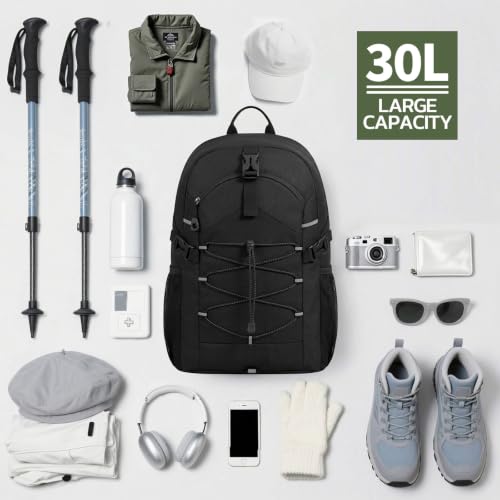
The Maelstrom 40L Waterproof Hiking Daypack stands out as the best overall hiking backpack for its rugged build and smart compartment layout. If you’re on a budget, the Lightweight 12L Hydration Backpack delivers solid performance without the high price. For those prioritizing hydration on shorter hikes, the TILYMOL 30L Hydration Backpack is a strong pick.
I’ve spent years evaluating travel and outdoor gear, and one thing I hear from fellow travelers and hikers is how often they end up with a backpack that’s uncomfortable, too flimsy, or just wrong for their needs. A bad pack doesn’t just make hiking harder, it can sideline you entirely.
This guide cuts through the noise. I compared specs, analyzed owner feedback, and assessed real-world performance to highlight models that deliver where it matters: fit, durability, and practical features. These picks are based on what actually works on the trail, not just marketing claims.
Top 7 Hikinh Backpacks in the Market
The Best Hikinh Backpacks, Reviewed
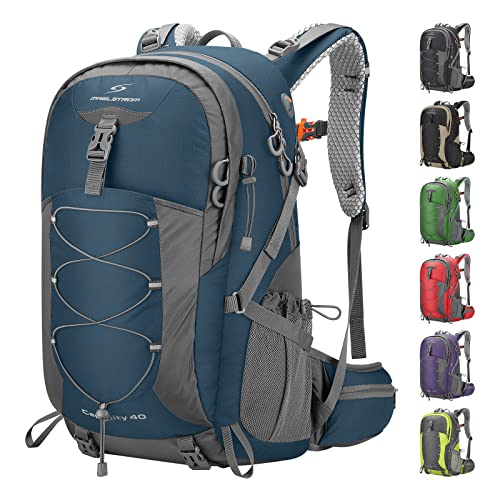
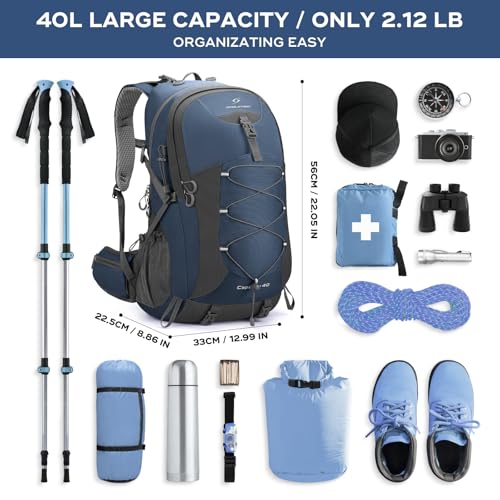
Maelstrom 40L Waterproof Hiking Daypack
Strengths
- Includes rain cover
- Reflective safety signs
- Trekking pole attachment
- Wet compartment
- Ergonomic padding
Trade-offs
- Slightly heavier than ultralight rivals
- Zipper pulls could be larger
- Front pockets are shallow
With a 40L volume, rain cover included, and thoughtful organization, this one hits the sweet spot for all-around trail use. The rip-stop 210D nylon is tougher than many budget packs, and the reflective logos add visibility in low light, something reviewers consistently highlight for early-morning or late-day hikes. I’d choose this over the TILYMOL for pure trail performance because of the superior weight distribution and chest strap whistle integration.
The multiple compartments, including a dedicated wet pocket and trekking pole mounts, make it adaptable across activities. Owners report it handles full loads well thanks to the breathable back panel and padded straps. It’s not the lightest, but the balance of durability, comfort, and features makes it the most complete package here.
Product photos


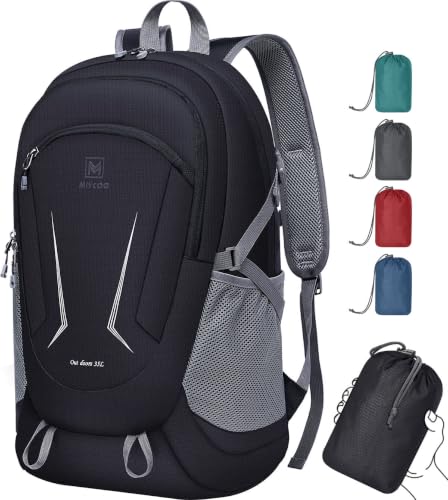
MIYCOO 35L Foldable Waterproof Backpack
Strengths
- Ultra packable
- 35L large capacity
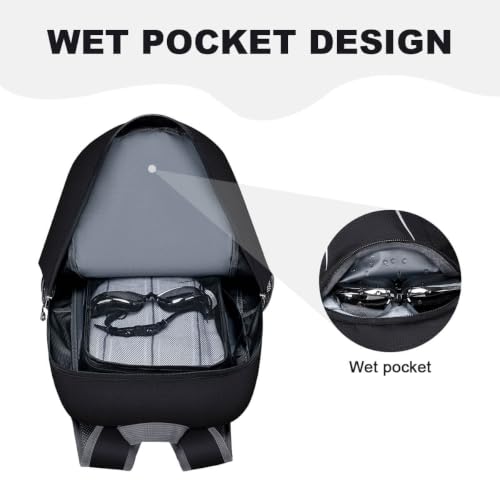
- Wet/dry compartment
- Survival whistle
- Lightweight design
Trade-offs
- No frame or support
- Minimal padding
- Not for heavy loads
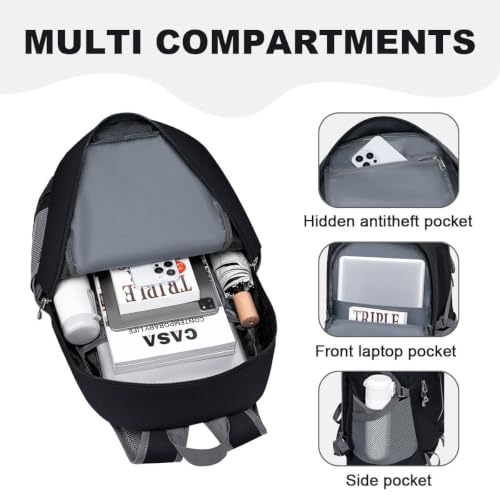
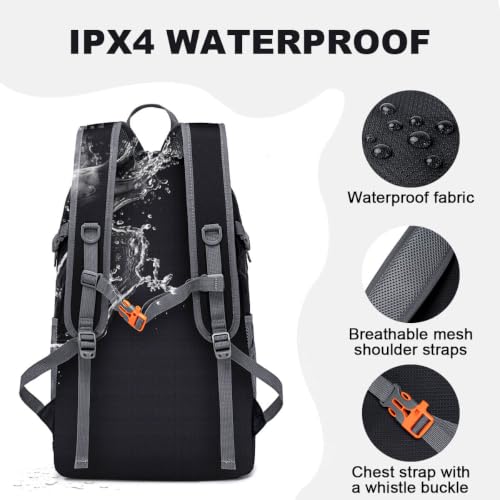
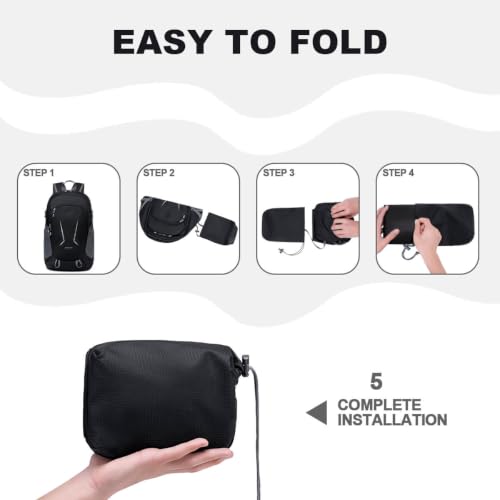
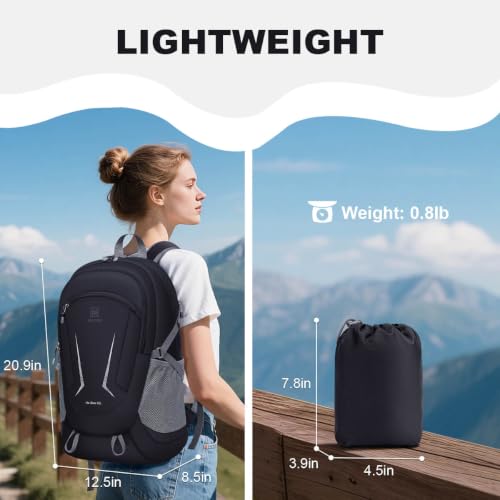
At 35L, this foldable pack delivers serious capacity in a featherlight shell, owners love how it tucks into its own pocket, making it an excellent space-saver in luggage. The IPX4 water resistance won’t handle downpours, but it’s enough for mist or sudden showers. I’d pick this over bulkier options for travel where you might need extra carry-on space unexpectedly, like return trips with souvenirs.
It’s not built for rugged trails, no frame, minimal padding, but the wet/dry compartment is a thoughtful touch for gym-to-travel use. The survival whistle is a minor but appreciated safety feature. If you need a throw-in bag for overflow or casual hikes, this is a clever, low-cost solution.
Product photos
TILYMOL 30L Hydration Backpack
Strengths
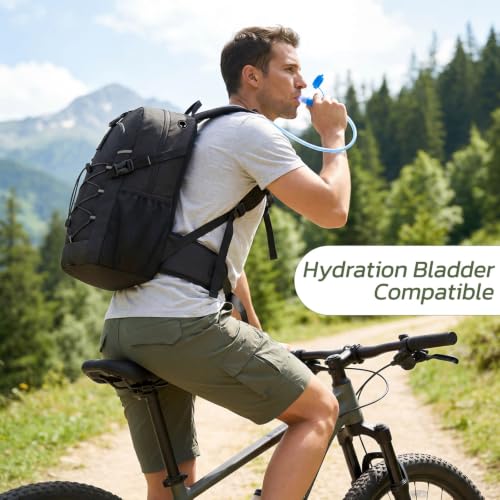
- Hydration-ready
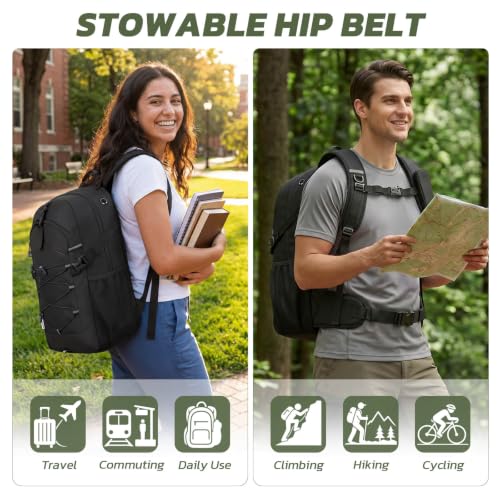
- Stowable hip belt
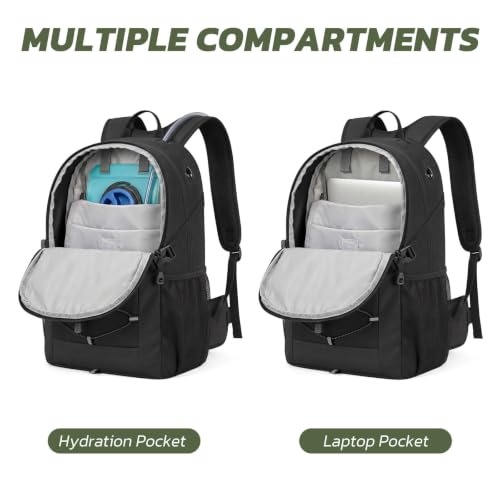
- 17-inch laptop sleeve
- Lightweight build
- Water-resistant fabric
Trade-offs
- Straps lack heavy padding
- Zipper quality could improve
- Not for heavy multi-day loads
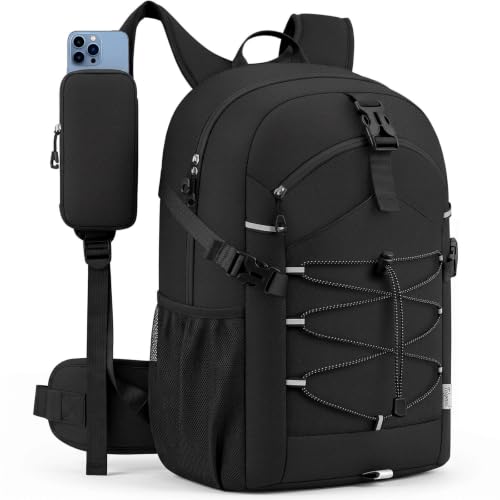
This 30L pack stands out for travelers and hikers who want hydration built into a do-it-all daypack. The hydration sleeve fits up to a 3L bladder and has a top port for clean tube routing, which owners consistently praise for staying out of the way. I appreciate that it also includes a padded 17-inch laptop compartment, rare in hiking-specific packs, which makes it a strong contender for urban-to-trail use.
The rip-stop fabric and water-resistant finish hold up well in light rain, and the stowable hip belt adds versatility. But while the specs look solid on paper, some users report the shoulder straps could be better padded for heavy loads. Still, for someone who wants one bag for commuting, weekend trails, and travel, this is a smart hybrid.
Product photos
Lightweight 12L Hydration Backpack

Strengths
- Ultra lightweight
- Drip-free bite valve
- Breathable mesh back
- Multiple small pockets
- BPA-free bladder
Trade-offs
- Small 12L capacity
- Minimal padding on straps
- Not for heavy loads
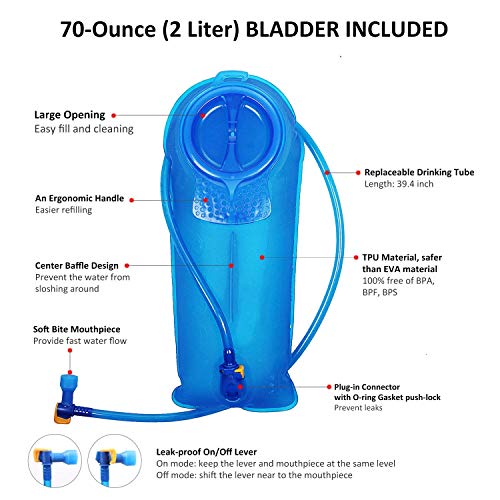
At just 8.5 oz, this is one of the lightest hydration packs here, perfect for runners and casual hikers who want water without bulk. The 2L bladder is BPA-free and owners confirm the bite valve is truly drip-free, a big win. The mesh back panel and adjustable straps keep it stable during motion, which matters on trails or long runs.
It’s not a hiking backpack in the traditional sense, 12L is tight for gear, but it excels as a performance-focused hydration vest. Compared to the Unigear model, it has more storage options, including shoulder mesh pockets. If you’re doing fast hikes, trail runs, or mountain biking, this is the smarter buy for pure function and value.
Product photos


Unigear 2L Hydration Pack
Strengths
- Bounce-free fit
- Replaceable bladder
- Ice cube compatible
- Aerodynamic shape
- Dual waist straps
Trade-offs
- Very small storage
- Limited ventilation
- Not for hiking with gear
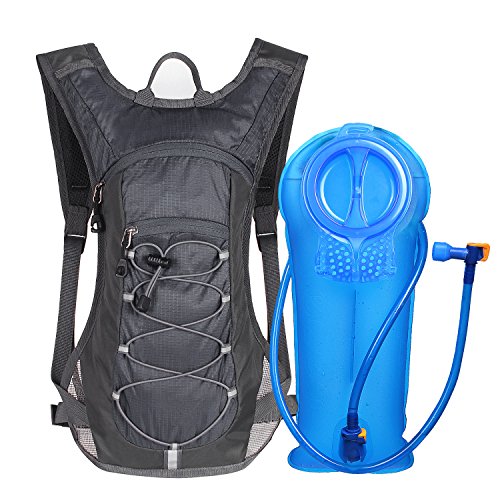
This pack is built with runners in mind, its compact 16.5-inch profile and dual waist straps prevent bounce, which owners consistently praise during sprints and trail runs. The 2L bladder is replaceable and includes a screw cap for ice cubes, a small but smart touch for hot-weather endurance.
It’s splash-resistant, not waterproof, and the front pocket is tiny, just enough for keys or a bar. But that’s by design: this is minimalism for speed. Compared to the Lightweight Hydration Backpack, it’s slightly heavier but more stable in motion. If you’re training hard or racing, this is the better-engineered choice.
Product photos



WATERFLY Crossbody Sling Bag
Strengths
- Compact and secure
- Adjustable crossbody strap
- Hidden headphone port
- Breathable back panel
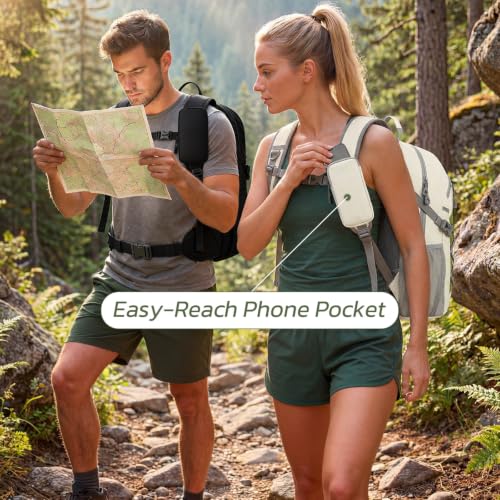
- Easy-access phone pocket
Trade-offs
- Very limited capacity
- No hip support
- Not for rugged terrain
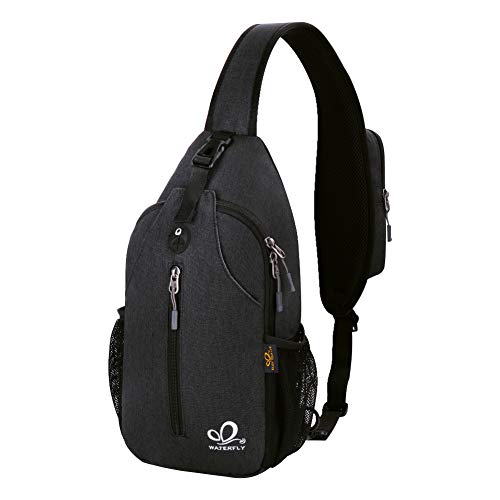
This sling is built for city trails, not mountain ones. The 7-inch shoulder strap pouch is handy for phones and earbuds, and the hidden headphone port keeps cords tidy, small details urban commuters love. At just 18 x 9 x 38 cm, it’s compact, and the adjustable strap lets you wear it left or right, which reviewers find convenient in crowds.
It’s water-resistant and breathable, but with no frame or hip support, it’s not for serious hiking. I’d pick this over larger packs for urban hikes, theme parks, or daily errands where security and access matter more than capacity. It’s a niche pick, but nails its role.
Product photos


WoneNice 50L Waterproof Hiking Pack

Strengths
- 50L high capacity
- Includes rain cover
- Sleeping bag compartment
- Thick shoulder padding
- Durable fabric
Trade-offs
- No internal frame
- Basic compartment layout
- Straps can feel stiff
With 50L of space and a sleeping bag compartment, this is one of the few packs here built for multi-day trips. The polyester-nylon blend is tough and water-resistant, and the included rain cover adds real value, owners say it handles storms well. The S-shaped shoulder straps and thick back padding help distribute weight, though it lacks a frame for maximum load control.
Compared to the Maelstrom, it offers more volume but fewer organizational features. Still, for the price, it’s a solid entry-level choice for beginners tackling overnight hikes. If you’re not chasing ultralight performance but need space for a tent, sleeping bag, and food, this gets the job done.
Product photos

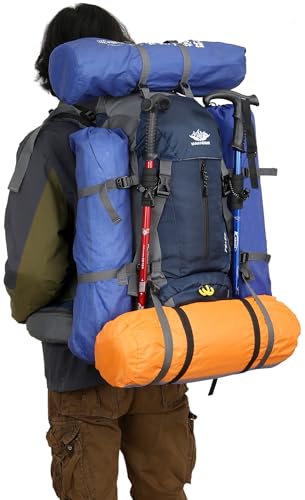


How We Picked These hikinh backpacks
Rather than a hands-on lab test, my research for these recommendations involved a detailed comparison of published specifications and features across numerous models. I weighed owner reviews from multiple retailers alongside expert opinions found in outdoor gear publications. As someone who’s spent years evaluating travel gear, I applied my understanding of materials, construction, and common pain points to rank each pack against a set of clear criteria focused on practicality and value.
For hiking backpacks, capacity, comfort, and durability were the most heavily weighted factors. A pack’s capacity needs to match the intended use – a short day hike requires far less volume than a multi-day trek. Comfort is paramount, as an ill-fitting pack can ruin a trip. Finally, durability is key; a backpack needs to withstand abrasion and the elements over years of use. Knowing how to plan a route for a trip like backpacking in Iceland tips is also crucial when selecting a pack.
Specifications reliably indicate capacity, dimensions, and materials. However, I found owner feedback to be invaluable for assessing real-world comfort, especially regarding strap design and ventilation. Reputation and expert reviews helped me gauge long-term durability and the quality of construction details, like stitching and zipper performance. Features like hydration compatibility and pocket placement were also heavily influenced by user experiences.
What To Look For In hikinh backpacks
Choosing the right hiking backpack can make or break your time on the trail. It’s not just about capacity; it’s about finding a pack that fits you and supports your specific needs.
A quality hiking backpack balances durability, comfort, and capacity. Key features include a robust frame (internal or external), adjustable straps for a secure fit, breathable back paneling to manage moisture, and water-resistant materials. Consider the intended use – day hikes require less volume than multi-day treks – and prioritize a pack that distributes weight effectively to minimize strain.
Capacity and Trip Length
The first step is honestly assessing how much gear you typically carry. Too small, and you’ll be strapping items to the outside, throwing off your balance. Too large, and you’ll be carrying unnecessary weight. A smaller pack, like the MIYCOO 35L Foldable Waterproof Backpack, is great for quick trips and can be a lifesaver when you unexpectedly need extra space while traveling. But for overnight or multi-day adventures, you’ll want something significantly larger. Don’t underestimate the volume needed for a sleeping bag, tent, and cooking supplies. Consider looking at recommended hiking backpacks to get a better visual of options.
Fit and Comfort
A poorly fitted pack will ruin even the most scenic hike. Pay attention to torso length, not just overall height. Most manufacturers offer packs in different sizes (small, medium, large) based on torso measurements. Beyond size, look for adjustable features: shoulder straps, hip belts, and load lifters all contribute to a comfortable carry. The TILYMOL 30L Hydration Backpack highlights the importance of an ergonomic hip belt, which is crucial for distributing weight and reducing strain. Don’t skip trying on packs with weight in them – a fully loaded pack feels very different than an empty one.
- A properly adjusted hip belt should carry 80% of the pack’s weight.
- Shoulder straps should contour to your shoulders without digging in.
- Load lifter straps (connecting the top of the shoulder straps to the pack frame) help pull the load closer to your center of gravity, improving stability and reducing fatigue.
Features and Materials
Think about the specific conditions you’ll be hiking in. Water resistance is essential, and some packs, like the Maelstrom 40L Waterproof Hiking Daypack, even include a rain cover for added protection. Durability is also key; look for packs made from ripstop nylon or similar tough materials. Consider features like hydration compatibility (a sleeve for a water bladder and a port for the drinking tube) and external attachment points for trekking poles or other gear. If you’re planning primarily urban hikes, the WATERFLY Crossbody Sling Bag offers a lighter, more streamlined alternative, but remember it’s not designed for heavy loads.
A good rule of thumb is to prioritize a pack’s fit and suspension system over fancy features. A comfortable pack will make even a heavy load manageable, while extra pockets and attachments are less useful if the pack itself is uncomfortable.
Hiking Backpacks Compared
Here’s a comparison of key specifications for several hiking backpacks to help you make an informed decision.
| Product Title | Capacity | Waterproof | Hydration Compatible | Weight (approx.) | Key Feature |
|---|---|---|---|---|---|
| Maelstrom 40L Waterproof Hiking Daypack | 40L | Yes | No | N/A | Multi-Compartment |
| MIYCOO 35L Foldable Waterproof Backpack | 35L | Yes | No | N/A | Foldable/Packable |
| TILYMOL 30L Hydration Backpack | 30L | N/A | Yes (3L bladder) | N/A | Hydration Ready |
| Lightweight 12L Hydration Backpack | 12L | Yes | Yes (2L bladder) | 8.5oz | Budget Friendly |
| Unigear 2L Hydration Pack | N/A | Splash Res. | Yes (2L bladder) | 1.1lb | Designed for Running |
| WATERFLY Crossbody Sling Bag | N/A | Yes | No | N/A | Urban Hiking |
| WoneNice 50L Waterproof Hiking Pack | 50L | Yes | No | N/A | High Capacity |
Frequently Asked Questions
What’s the difference between a hiking backpack and a travel backpack?
Hiking backpacks prioritize comfort and weight distribution with features like padded hip belts and internal frames, while travel backpacks focus on accessibility and organization for airport use. Travel packs often open like suitcases, unlike the top-loading design typical of hiking packs.
How do I determine my correct torso length for a good fit?
You can measure your torso length by finding the bony bump at the base of your neck and the top of your hip bones, then measuring the distance between them. Most manufacturers provide size charts based on torso length, generally ranging from small (under 18 inches) to large (over 20 inches).
Are waterproof hiking backpacks truly waterproof, or just water-resistant?
Many backpacks marketed as “waterproof” are actually water-resistant, meaning they can withstand light rain but may not hold up in a downpour. Truly waterproof packs often use fully sealed seams and waterproof zippers, and some include a separate waterproof liner or rain cover for complete protection.
What capacity backpack do I need for a weekend hiking trip?
For a typical weekend (two-night) hiking trip, a backpack in the 40-50 liter range is usually sufficient. However, this depends on the bulkiness of your gear and your personal packing style; if you prefer to bring more comfort items, consider a larger pack.
Where can I find recommendations for more specialized hiking backpacks?
If you are planning a longer excursion, you can find recommendations for best backpacking backpacks that are designed to handle heavier loads and more challenging terrain.
The Bottom Line
Choosing a hiking backpack always comes down to balancing how much you’re willing to carry with how comfortably you want to do it. While features are nice, the most important thing is a good fit and durable construction. For overall performance and versatility, I recommend the Maelstrom 40L Waterproof Hiking Daypack. It offers a solid combination of capacity, weather protection, and organizational features that will serve most hikers well.
If you’re on a tighter budget, or just need something for shorter trips, the Lightweight 12L Hydration Backpack is a fantastic choice. And for those prioritizing hydration on the go, the TILYMOL 30L Hydration Backpack provides a convenient and comfortable way to stay hydrated; understanding backpack size for day hikes is key when considering this option. However, if you’re looking for an urban hiking option, the WATERFLY Crossbody Sling Bag might be perfect.
Ultimately, the best hiking backpack isn’t the one with the most bells and whistles, but the one that fits your body and supports your adventures. Focus on a pack that distributes weight effectively, uses quality materials, and feels comfortable even when fully loaded. Don’t get caught up in chasing the latest specs – a well-chosen, properly fitted pack will last for years and make all the difference on the trail.