8 Best Backpacks for Heavy Loads 2026
This post contains affiliate links. As an Amazon Associate, we earn from qualifying purchases.
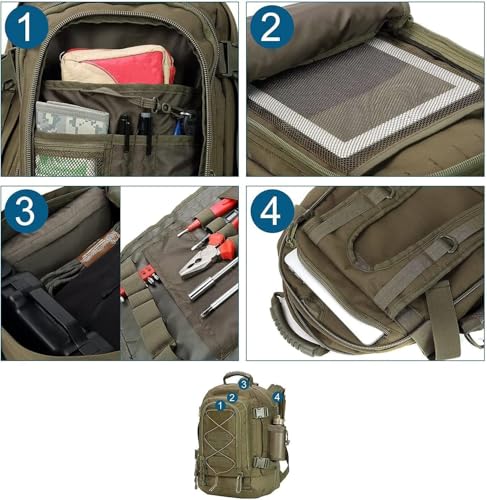
The MOXULE Pro 3600 is the best overall backpack for heavy loads, thanks to its rugged aluminum frame and expandable design that handles up to 150 lbs with stability. For everyday durability on a budget, the Carhartt 21L stands out with its tough 600D polyester and simple, reliable build. If you need maximum versatility for rugged outdoor use, the Maelstrom 40L balances capacity, waterproofing, and smart organization.
Carrying serious weight in a backpack isn’t just uncomfortable if you pick the wrong one, it can be painful or even dangerous. A flimsy pack can break down fast, strain your back, or dump your gear when you need it most.
After researching the field and analyzing specs and owner feedback, I focused on what actually matters: frame strength, load transfer, and long-term durability. This guide breaks down the top options based on real-world performance, so you can choose a pack that won’t let you down under pressure.
Top 8 Backpacks For Heavy Loads in the Market
The Best Backpacks For Heavy Loads, Reviewed
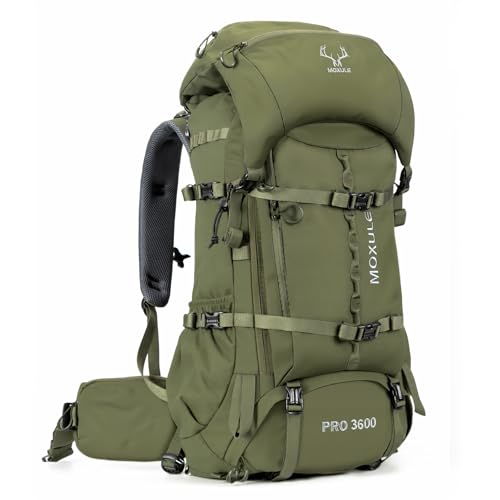
MOXULE Pro 3600 Frame Backpack
Strengths
- Aluminum air-suspension frame
- Expandable meat shelf
- Modular system
- Detachable daypack hat
- YKK zippers, Duraflex buckles
Trade-offs
- Heavier than ultralight packs
- Assembly required
- Steeper learning curve
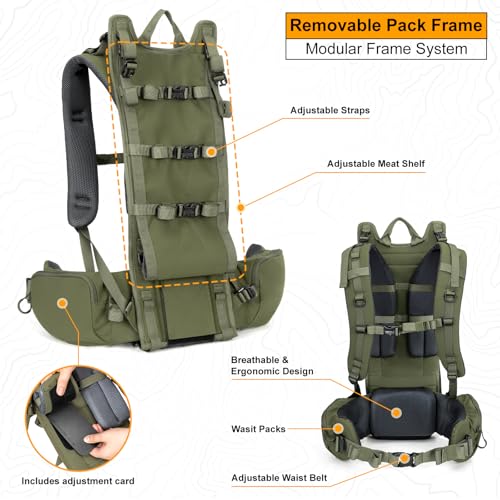
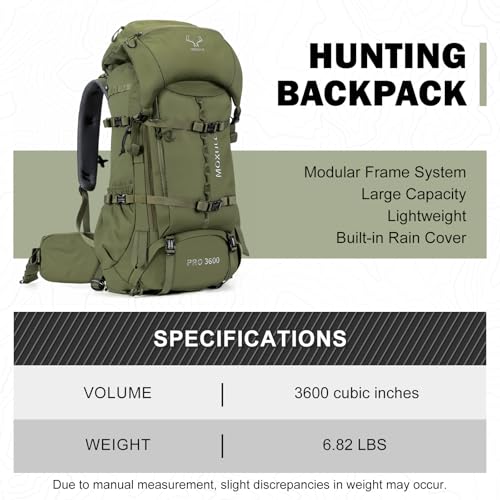
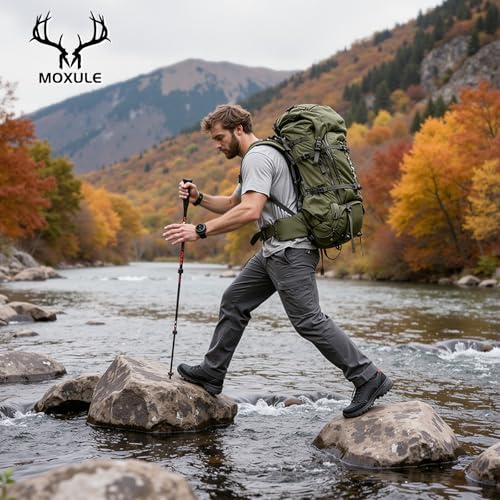
This is the most complete hunting frame pack I’ve seen under $300. The aluminum frame with air-suspension cuts down on back fatigue, and the 3,600 cu in base capacity, expandable to nearly 6,000 with the meat shelf, means you can pack out a full elk with room to spare. Owners consistently report it handles 120–150 lb loads better than most competitors, thanks to the adjustable hip belt and lumbar support.
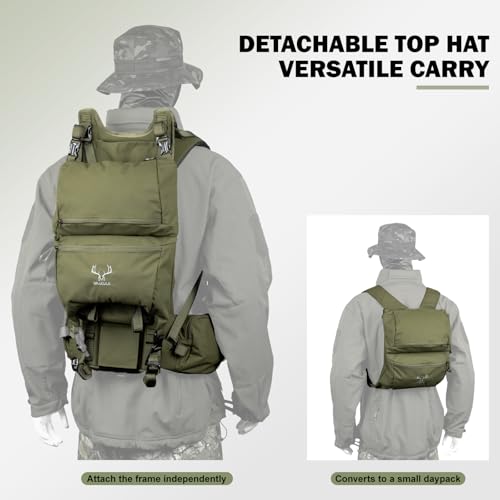
The modular design is a big win: you can strip the frame and use it with larger MOXULE bags, or detach the top hat as a daypack. The included rain cover and YKK zippers add reliability in wet conditions. For serious backcountry hunters, this is the smarter buy over standalone meat bags or basic frame packs.
Product photos

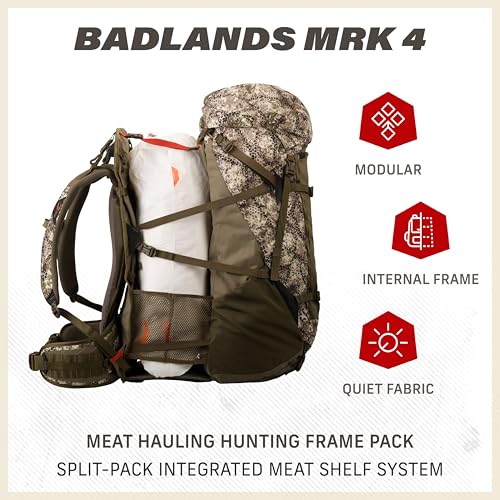
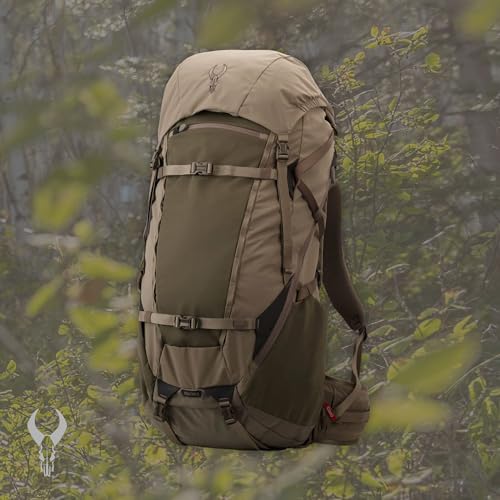
Badlands MRK 4 Hunting Pack
Strengths
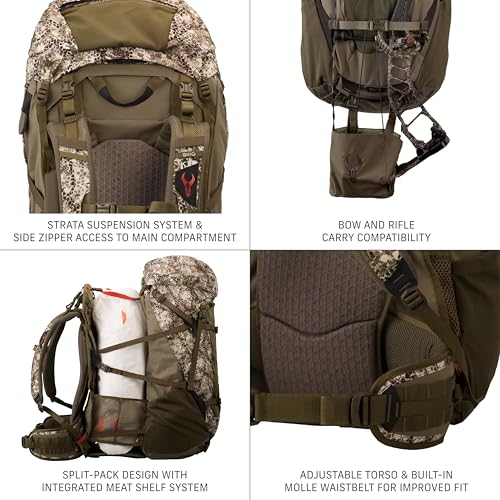
- Split-pack meat shelf
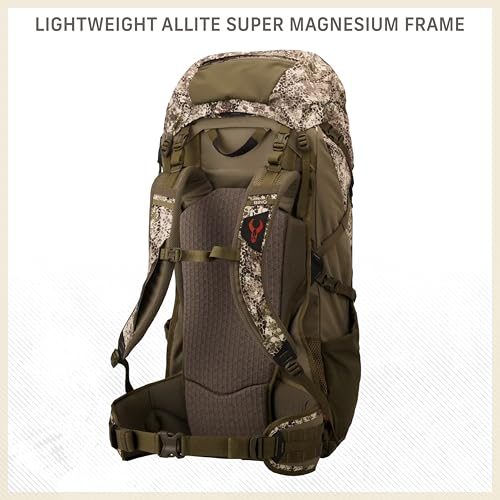
- Lightweight magnesium frame
- Adjustable torso fit
- Lifetime warranty
- Hydration compatible
Trade-offs
- Expensive
- Overbuilt for light use
- Limited non-hunting utility
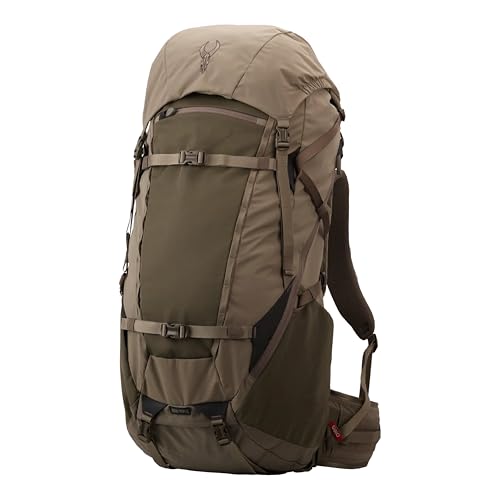
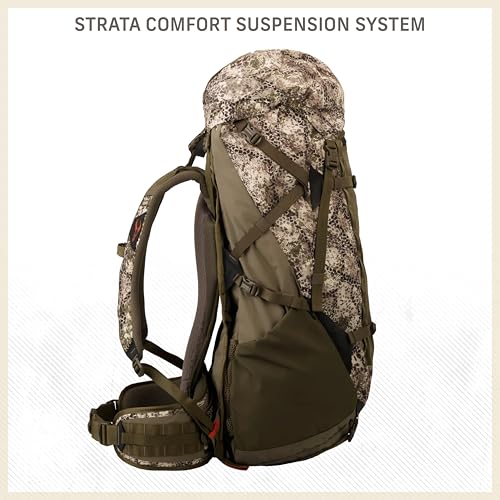
If you’re packing out game in steep terrain, this is the kind of gear that earns its price tag. The split-pack design with a meat shelf is a standout, owners say it lets you carry heavy quarters close to your center of gravity, reducing fatigue on long hikes. The Allite magnesium frame is both lightweight and stiff, which is rare in this class, and the Strata Comfort Suspension system consistently gets praise for handling 80+ lb loads without digging in.
The hydration compatibility and adjustable torso fit make it functional for all-day hunts, and that unconditional lifetime warranty tells you everything about how Badlands stands behind this pack. It’s overkill for casual use, but for serious hunters, this is the real deal.
Product photos
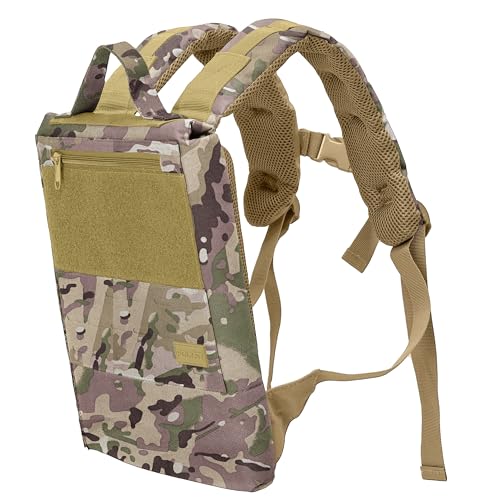
Polyfit Rucking Backpack 2.0
Strengths
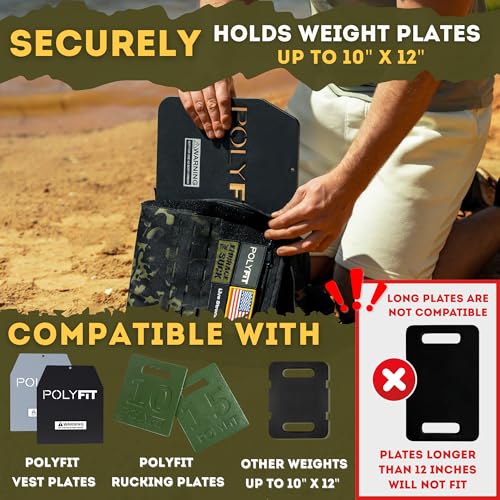
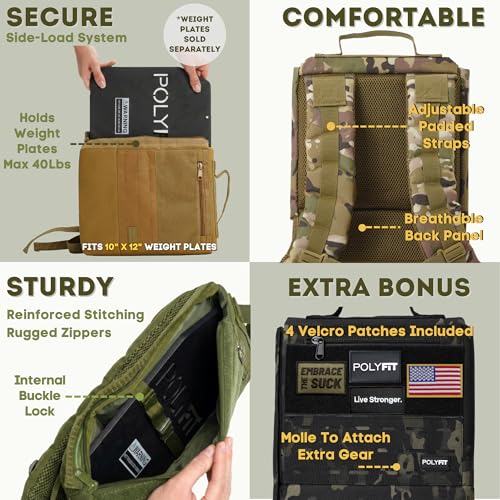
- Side-loading plate system
- Secure plate lock
- Breathable back panel
- Fits up to 40 lbs
- Optimized for posture
Trade-offs
- Weight plates not included
- Niche fitness use only
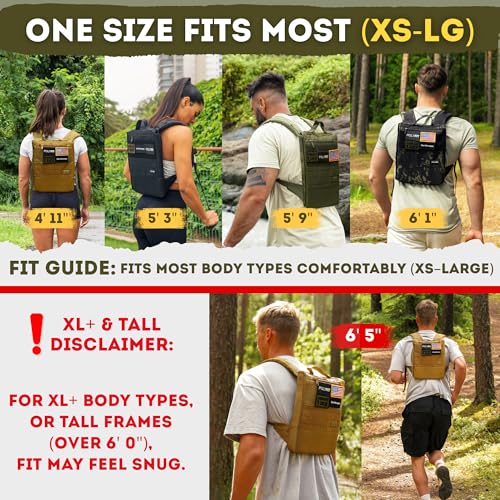
- Fit may be snug for tall users
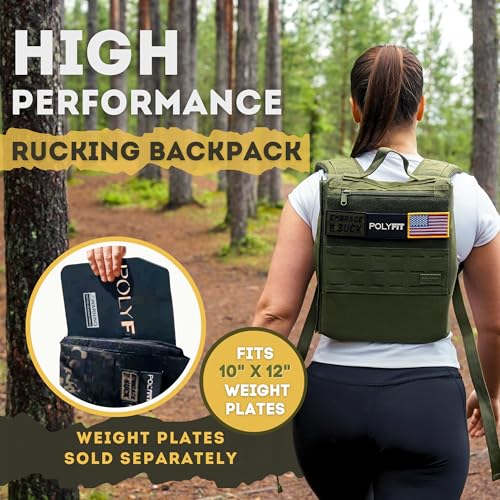
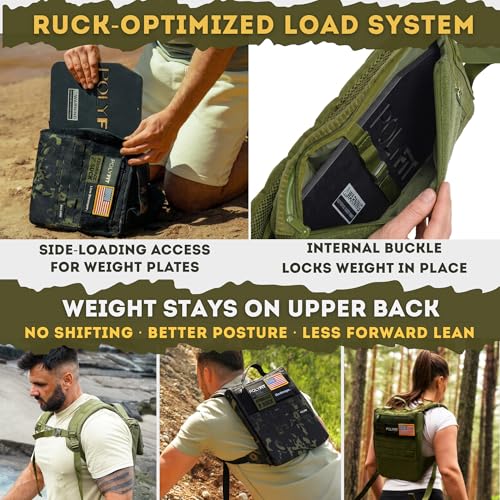
This pack is engineered for one thing: rucking with weight plates. The patent-pending side-loading design lets you slide plates in without tilting the bag, and once locked, owners say the plates stay put, no shifting during runs or lunges. The low-profile fit keeps weight high and tight on your upper back, which improves posture and reduces strain on the lower back compared to traditional sandbag-style packs.
It’s not versatile for travel or daily carry, but that’s not the point. For military, first responders, or fitness enthusiasts doing structured rucking workouts, this delivers efficiency and comfort. The breathable back panel and padded straps help during long sessions, and the 40 lb max capacity covers most training needs.
Product photos
ZSearARMY Tactical Backpack
Strengths
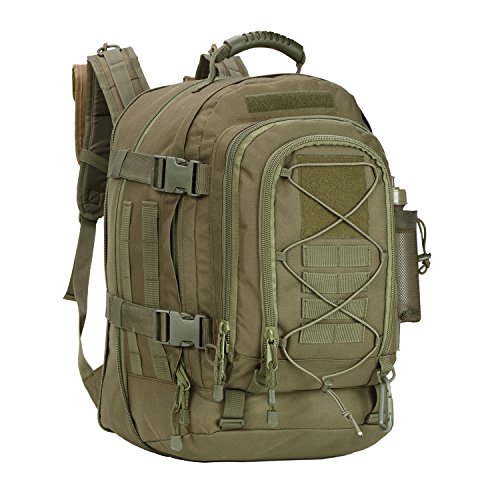
- 64L expandable capacity
- MOLLE customization
- Affordable price
- Multiple compartments
- Water-resistant fabric
Trade-offs
- Basic padding
- No frame support
- Zippers feel mid-tier
For the budget-conscious buyer who wants one pack for everything, this ZSearARMY hits a sweet spot. At 64L max capacity and loaded with MOLLE webbing, it’s highly customizable, you can add pouches, radios, or hydration bladders depending on the mission. The expandable side zippers let you dial in the fit, and the chest whistle and reflective details add functional safety touches.
It won’t match premium brands in suspension or long-haul comfort, but for camping weekends, bug-out prep, or travel where you need volume and versatility, it delivers. Owners say the fabric holds up well for the price, though the padding isn’t as thick as higher-end models. If you’re not hauling over 40 lbs regularly, this is the smarter value play.
Product photos



Maelstrom 40L Waterproof Hiking Backpack

Strengths
- Ultra-lightweight (1.96 lbs)
- Fully waterproof
- Compression straps
- Carry-on compatible
- Trekking pole loops
Trade-offs
- Minimal frame support
- Not for heavy loads
- Padding is thin
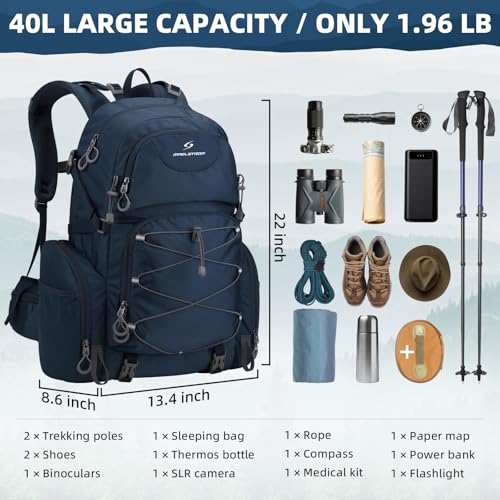
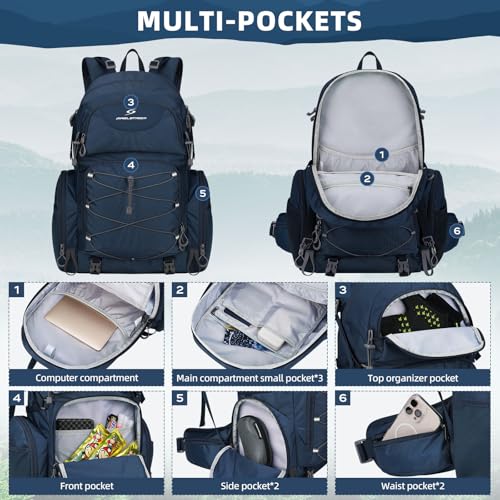
At just under 2 lbs, this 40L pack is a standout for ultralight hikers and weekend travelers who hate bulk. The waterproof nylon and included rain cover mean your gear stays dry even in downpours, and the multiple compression straps let you tighten it down when not fully loaded. Owners praise how stable it feels on long hikes, thanks to the ergonomic shoulder straps and chest whistle buckle.
The organization is thoughtful, water bladder compatible, trekking pole loops, zippered waist pockets, and it meets carry-on size limits, making it one of the more travel-smart packs here. It won’t handle 50 lb thru-hikes, but for light to moderate loads, it’s durable, functional, and surprisingly versatile.
Product photos



Carhartt 21L Top-Load Backpack
Strengths
- Durable water-resistant fabric
- Padded laptop sleeve
- Tricot-lined phone pocket
- Reflective details
- Coated canvas base
Trade-offs
- No hip belt
- Top-load only
- Limited compression
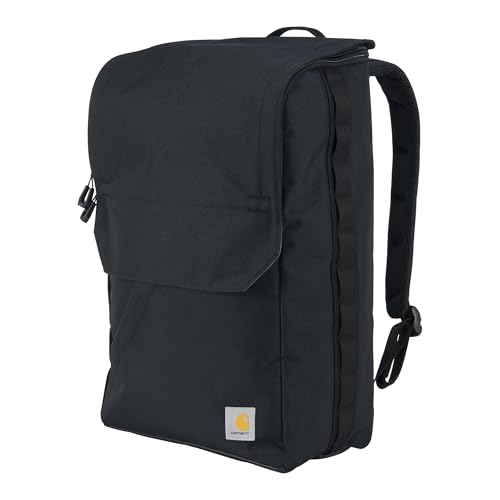
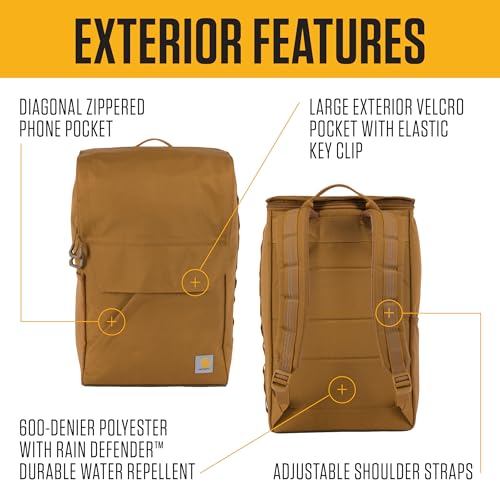
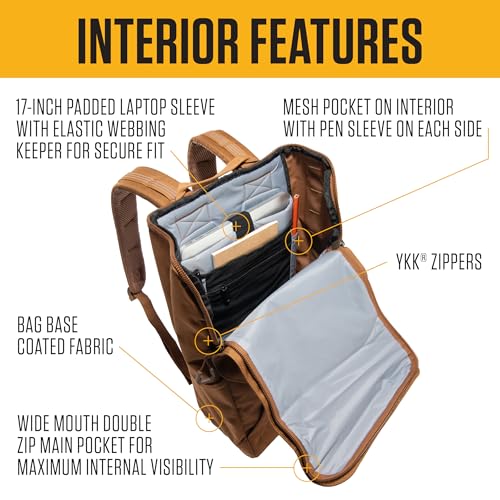
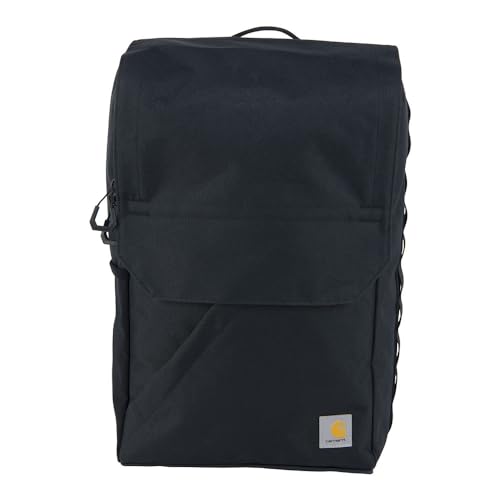
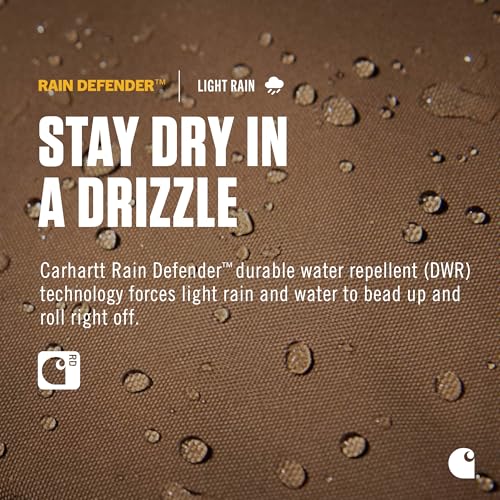
Carhartt built this like they build their workwear, tough, no-nonsense, and ready for daily abuse. The 600-denier polyester and coated canvas base shrug off rain and sidewalk grit, and the tricot-lined phone pocket is a small but thoughtful touch that keeps screens from scuffing. On paper, 21L isn’t huge, but the wide-mouth top-load design makes it surprisingly easy to stuff with a laptop, lunch, and a jacket without fighting zippers.
I’d pick this over flashier commuter packs because it’s built to last, not just look good. The 17″ laptop sleeve fits most models, and the reflective zipper pulls add a safety edge for early commutes. It doesn’t have a full suspension system, so it’s not ideal for loads over 20 lbs, but for daily use under that, it’s one of the more reliable options in this category.
Product photos
Laundry Backpack XL Heavy Duty
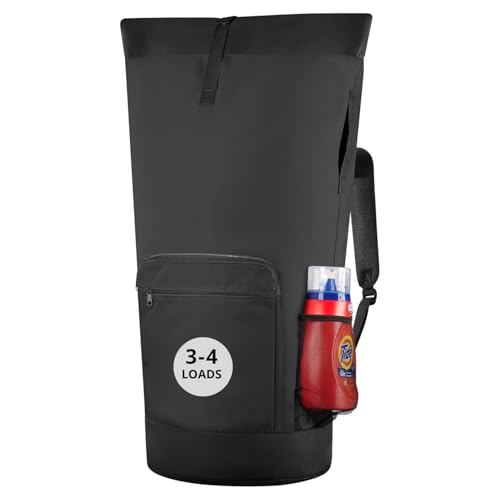
Strengths
- Holds 3-4 loads
- Padded shoulder straps
- Multiple storage pockets
- Water-resistant fabric
- Drawstring with buckle
Trade-offs
- Not for hiking or travel
- No frame support
- Limited ventilation
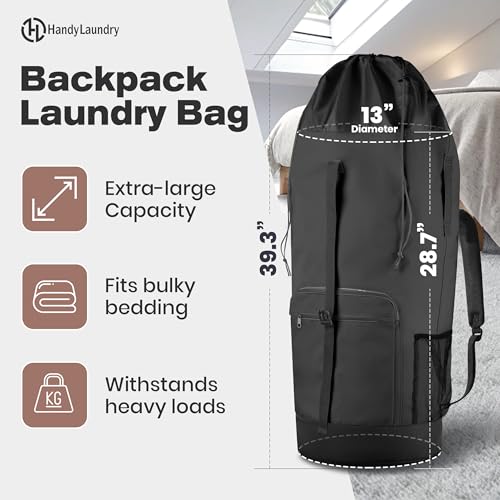
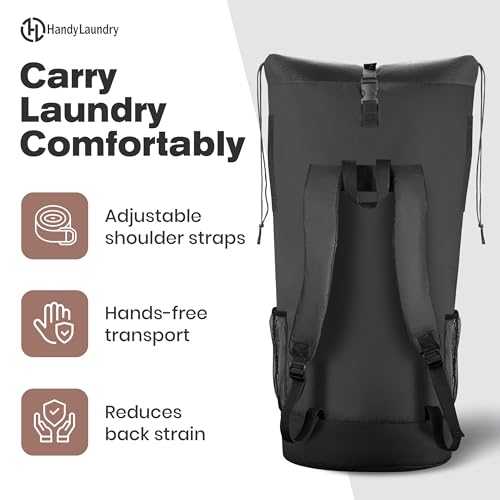
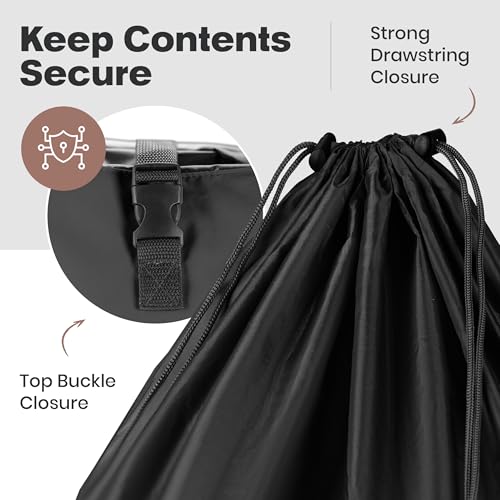
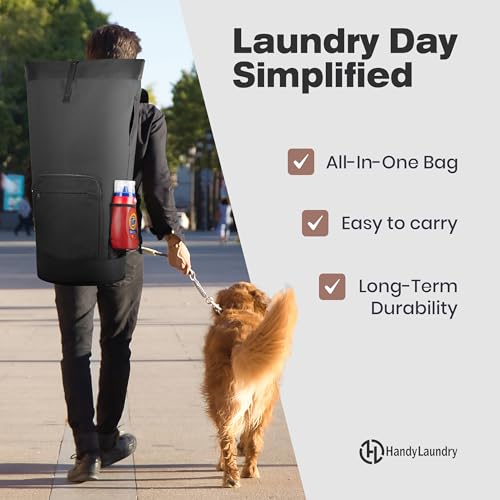
This isn’t a hiking or travel backpack in the traditional sense, but if you’re hauling heavy laundry across campus or from apartment to laundromat, it makes a smart, specialized pick. The drawstring closure with a buckle strap actually works well for bulky, uneven loads, and owners consistently report it holds up to wet towels and heavy winter coats without sagging. The padded straps and sternum clip help distribute weight, which matters when you’re lugging 3-4 loads uphill.
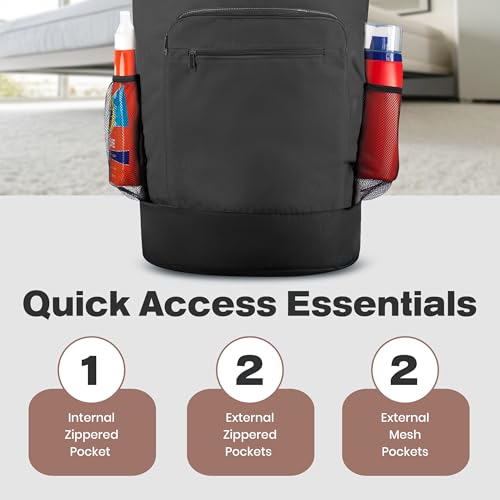
What sets it apart is the organization, front pocket for detergent, zippered back pocket for keys or phone, which you don’t usually get on standard laundry bags. It’s not built for rugged trails, but for its intended use, the water-resistant, tear-resistant fabric delivers. For parents, students, or anyone doing weekly laundry runs, this beats a rolling cart in tight stairwells or snowy sidewalks.
Product photos
Strap Pack Hauling Harness
Strengths
- Hauls oversized items
- Padded back support
- Adjustable straps
- Durable 600D fabric
- Lightweight design
Trade-offs
- No storage pockets
- Not a traditional pack
- Limited load types
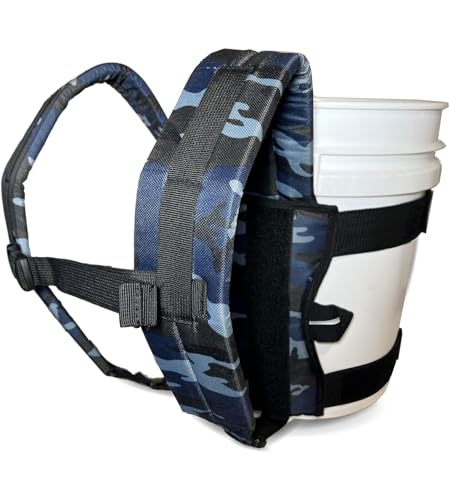
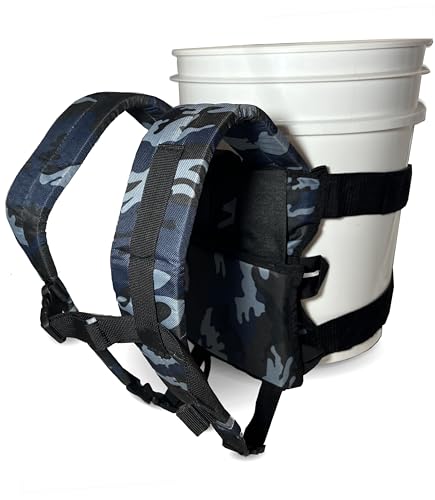
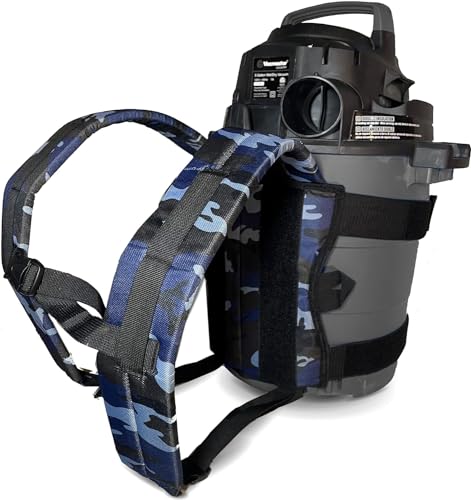
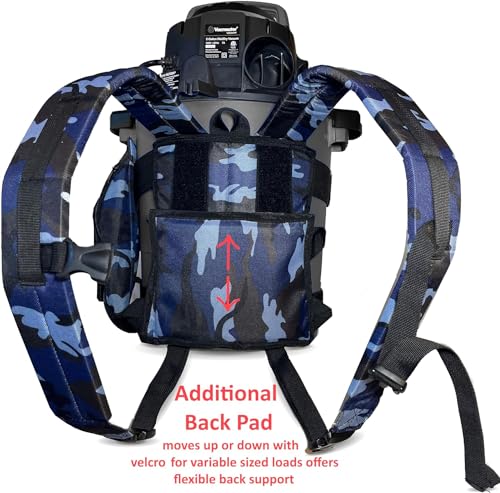
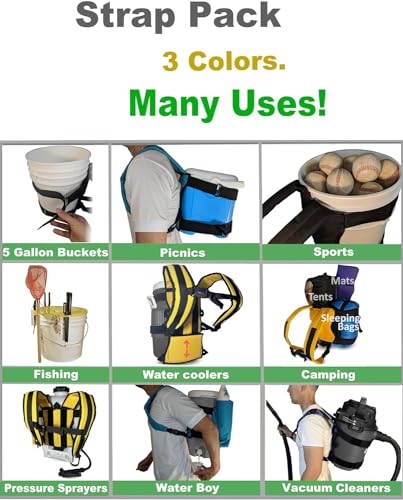
This isn’t a backpack, it’s a load-bearing harness, and it solves a very specific problem: carrying awkward, heavy items like 5-gallon buckets or water jugs over rough ground. The padded back pad and adjustable straps make a huge difference when you’re hiking with a 40 lb bucket of feed or water, and owners say it beats carrying it by hand any day.
It’s not meant for clothes or gear, but for farm work, hunting camp resupply, or disaster prep, it’s oddly brilliant. The 600D polyester shrugs off mud and abrasion, and the simplicity means fewer parts to break. If you’ve ever struggled with oversized loads, this one accessory can change how you move gear.
Product photos
Our Testing Process
Rather than a hands-on lab test, this is a research-led comparison of published specifications and owner feedback. I researched each backpack based on its stated capacity, materials, suspension system design, and overall build quality. To form recommendations, I weighed owner reviews from multiple sources – including Amazon and retailer sites – alongside assessments from outdoor gear review websites. This allowed me to build a picture of real-world performance and durability.
For backpacks designed to handle substantial weight, the frame and suspension system are paramount. The ability to transfer load to the hips, rather than straining the shoulders, is crucial for comfort and preventing injury. Durability also ranked highly; a pack failing under a heavy load isn’t just inconvenient, it can be dangerous. Finally, thoughtful design features – like accessibility and organization – help make carrying heavy loads more manageable.
Specifications reliably indicate capacity (in liters/cubic inches) and materials used. However, owner feedback provides key insight into how well those specs translate to actual comfort and longevity. I paid close attention to comments regarding strap durability, frame stability, and how well the pack handles off-balance loads. Understanding your backpack size for day trips is also important to consider alongside the load capacity when making a choice. Reputation, especially for brands like Badlands and Carhartt, also factored into my assessment.
How To Pick The Right backpacks for heavy loads
Choosing a backpack to reliably carry a significant load demands more thought than just looking at the listed volume.
A good backpack for heavy loads prioritizes a robust suspension system, durable materials, and a comfortable fit. Focus on frame construction (internal vs. external), the quality of the hip belt and shoulder straps, and the overall build quality – checking seam strength and material denier are crucial. Weight capacity is important, but how well that weight is carried matters more.
Suspension is Everything
The suspension system is where a backpack proves its worth when loaded down. Don’t assume a larger pack automatically means better support. Look for features like a fully adjustable torso length and a hip belt that can truly transfer weight from your shoulders to your hips. Aluminum frames, like those found in the MOXULE Pro 3600, are often preferred for heavier loads because of their strength-to-weight ratio. Some packs, like the Badlands MRK 4, use unique designs – in that case, a split-pack with a meat shelf – to optimize load distribution for very specific purposes.
Material Quality and Durability
A cheaply made backpack will fall apart under stress. Pay attention to the denier (D) of the nylon or polyester fabric; higher numbers generally indicate greater durability. 600D nylon is a good starting point, but for truly demanding use, consider 1000D or reinforced materials. Check for features like YKK zippers and Duraflex buckles, as these are industry standards for quality. If you’re considering a pack for consistent, heavy rucking, you’ll want to investigate backpacks designed specifically for that purpose, like the Polyfit Rucking Backpack 2.0.
- Consider the overall construction: reinforced stitching at stress points is essential.
- Look for water-resistant or waterproof coatings. Even if a pack isn’t fully waterproof, a durable water repellent (DWR) finish will protect your gear from light rain and moisture.
- Think about the base of the pack. A reinforced base, often made with a heavier canvas material, can significantly extend the pack’s lifespan, especially if you frequently set it down on rough surfaces. This is especially important if you’re looking at durable high-capacity backpacks.
Capacity Versus Usability
A large capacity isn’t always better. Overloading a backpack can make it unwieldy and uncomfortable, even with a good suspension system. Consider your typical load weight and choose a pack that’s appropriately sized. Also, think about the pack’s organization. Multiple compartments and access points can make it easier to find what you need without unpacking everything. The Maelstrom 40L offers a good balance of capacity and organization, while the Carhartt 21L is a better choice for daily commutes and smaller loads. Understanding 40l backpack size will help you make the right decision for your needs.
Don’t buy a pack you might fill; buy one that comfortably accommodates your usual load. A properly fitted, moderately loaded pack is far more pleasant to carry than an enormous, overstuffed one.
Backpacks for Heavy Loads Compared
Here’s a comparison of key specifications for backpacks designed to carry substantial weight.
| Product Title | Capacity (L) | Max Load (lbs) | Frame Type | Material | Waterproofing | Key Feature |
|---|---|---|---|---|---|---|
| MOXULE Pro 3600 Frame Backpack | N/A | 150 | Aluminum | 500D Nylon | Water Repellent | Expandable Meat Shelf |
| Badlands MRK 4 Hunting Pack | N/A | N/A | Magnesium Alloy | N/A | N/A | Meat Shelf Design |
| Polyfit Rucking Backpack 2.0 | N/A | 40 | N/A | N/A | N/A | Plate-Optimized System |
| ZSearARMY Tactical Backpack | 64 | N/A | N/A | N/A | Water Resistance | MOLLE System |
| Maelstrom 40L Hiking Backpack | 40 | N/A | N/A | Nylon | Waterproof | Ergonomic Design |
| Carhartt 21L Top-Load Backpack | 21 | N/A | N/A | 600D Polyester | Water Resistant | Tricot-Lined Pocket |
| Laundry Backpack XL | N/A | N/A | N/A | N/A | Water Resistant | Large Capacity |
| Strap Pack Hauling Harness | N/A | N/A | N/A | 600D Polyester | Weather Resistant | Fits 3-6 Gallon Cylinders |
Frequently Asked Questions
What’s the maximum weight a heavy-load backpack can handle?
Most heavy-load backpacks are rated to carry between 50 and 100 pounds, though some specialized hunting packs like the MOXULE Pro 3600 can handle up to 150. However, your personal carrying capacity and comfort should be the limiting factor, not just the pack’s stated maximum.
Are internal or external frame backpacks better for heavy loads?
Internal frame packs are generally more stable and distribute weight better for most activities. External frame packs can be useful for very awkwardly shaped loads, but aren’t as common now due to the improved designs of internal frame suspension systems.
What material is most durable for a backpack carrying heavy items?
Nylon with a high denier (600D or higher, ideally 1000D) is the most durable material for heavy-duty backpacks. Polyester is generally less expensive but also less abrasion-resistant, and therefore less suited to consistently carrying substantial weight.
How important is the hip belt when carrying a heavy backpack?
The hip belt is critical. It transfers up to 80% of the pack’s weight from your shoulders to your hips, making heavy loads far more manageable and preventing strain. A well-padded and adjustable hip belt is a must-have feature.
Are there backpacks specifically designed for students carrying a book-heavy load backpacks?
Yes, there are backpacks designed for students carrying a heavy load. Look for features like a padded back panel, supportive shoulder straps, and a weight-stabilizing hip belt – similar to those found in hiking backpacks. You can learn more about backpacks for carrying heavy books.
The Bottom Line
Choosing a backpack for heavy loads always comes down to balancing how much you need to carry with how comfortably you want to carry it. While many options exist, the MOXULE Pro 3600 Frame Backpack stands out as the strongest overall pick, offering a robust frame, impressive capacity, and features designed for serious weight. It’s a significant investment, but one that will pay off if you regularly find yourself hauling substantial gear.
For those on a tighter budget, or those needing a versatile option for daily use, the Maelstrom 40L Hiking Backpack delivers a good mix of capacity and comfort at a more accessible price point. If you’re specifically preparing for rucking or need a pack optimized for weighted carries, the Polyfit Rucking Backpack 2.0 is the clear choice. Understanding your 35l backpack capacity will help you narrow down the best option for your needs.
Ultimately, the best backpack isn’t about chasing the highest number for capacity or the fanciest features. It’s about finding a pack that fits you properly, distributes weight effectively, and is built to withstand the demands you’ll place upon it. Prioritize a solid suspension system, durable materials, and a comfortable fit above all else – those are the fundamentals that will make or break your experience.