9 Best EDC Backpacks of 2026
This post contains affiliate links. As an Amazon Associate, we earn from qualifying purchases.
The North Face Recon stands out as the best overall EDC backpack, combining smart organization, durable materials, and a comfortable suspension system. For those on a tighter budget, the tomtoc 7L Sling Backpack offers solid protection and thoughtful details without the premium price. If you need maximum versatility for work and travel, the tomtoc Travel Backpack 40L delivers with its expandable design and TSA-friendly laptop access.
Picking the right EDC backpack isn’t just about looks, it’s about finding one that handles daily wear, carries your gear safely, and doesn’t leave you sore by noon. Too many people end up with bags that fall apart, dig into their shoulders, or can’t fit what they actually need.
This guide cuts through the noise, focusing on real-world performance. I researched each pack based on owner experiences, material specs, and functional design to highlight the ones that consistently deliver where it matters most.
Top 9 Edc Backpacks in the Market
The Best Edc Backpacks, Reviewed
The North Face Recon Backpack

Strengths
- Spacious 30L design
- 16-inch laptop sleeve
- Durable recycled fabric
Trade-offs
- No hip belt
- Heavier than slings
- Basic water resistance
This is the benchmark by which most EDC backpacks are measured. At 30 liters, it strikes the sweet spot between capacity and portability. The 16-inch laptop sleeve is one of the most generous in the category, and the recycled ripstop fabric with non-PFC DWR finish means it’s tough and eco-conscious. Owners love the fleece-lined pocket and daisy chain loops, small touches that add real utility.
It’s heavier than some (2 lbs 9 oz), but the FlexVent system handles the load well. Compared to the Vault, it’s roomier and more versatile. My pick for most people who want one bag for work, travel, and light outdoor use. It’s not the best in any single niche, but it’s the most balanced.
Product photos


Osprey Axis Laptop Backpack

Strengths
- 16-inch laptop sleeve
- Recycled materials
- Good ventilation
Trade-offs
- Basic aesthetics
- Fewer premium touches
- Limited MOLLE options
Osprey delivers a lot of value here. For a budget-friendly pack, it offers a padded 16-inch laptop sleeve, recycled materials, and AirScape back panel ventilation, features usually seen in pricier models. The build quality holds up well, and owners note it feels sturdier than expected for the price. The compression straps are a nice touch, letting you cinch it down when not fully packed.
It’s not flashy, but it’s functional. The front organizer is well laid out, and the dual water bottle pockets add convenience. Compared to the North Face Recon, it lacks the brand cache but matches much of the utility at a lower cost. My pick for students or budget-conscious commuters who still want reliable ergonomics and eco-conscious materials.
Product photos


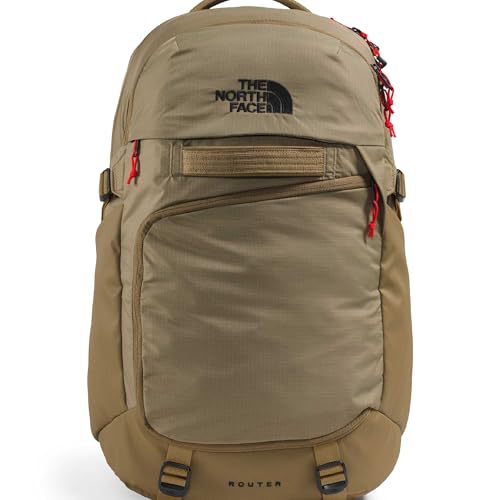
The North Face Router Backpack
Strengths
- High 40L capacity
- Chiropractor-approved carry
- Removable waist belt
Trade-offs
- Bulky for small loads
- Heavier at nearly 3 lbs
- Less stealthy design
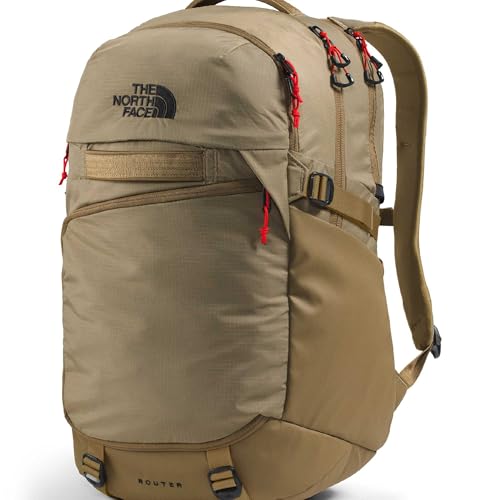
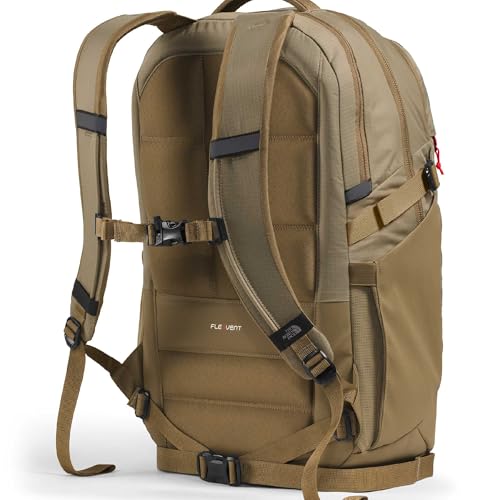
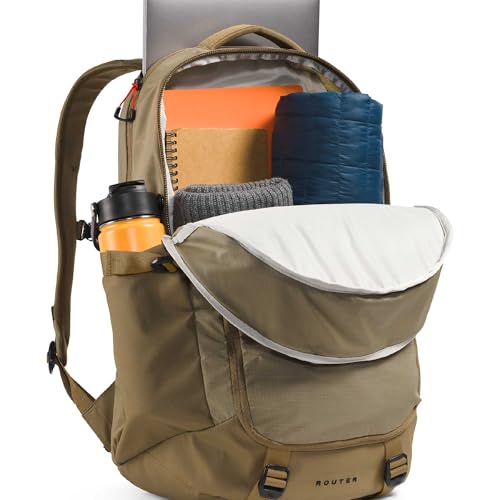
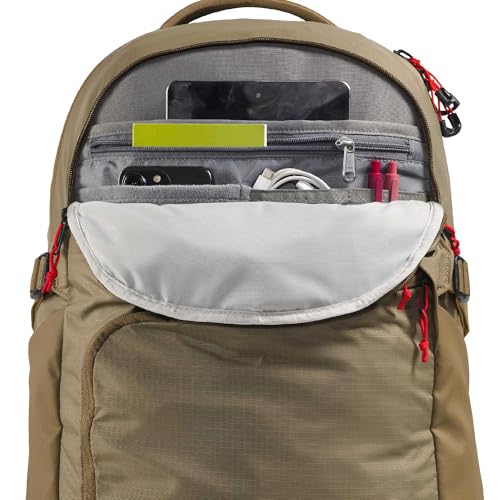
With 40 liters of space, this is the pack you grab when you need to carry everything. It’s the largest in The North Face’s lifestyle lineup, and that volume shows, binders, extra layers, gym clothes, and a 14-inch laptop all fit without strain. The updated FlexVent system keeps it comfortable even when loaded, and the removable waist belt helps stabilize heavier loads, which reviewers appreciate on longer commutes.
It’s not the most discreet, its size draws attention, but the reflective details and whistle buckle add real safety value. Compared to the Recon, it trades some agility for capacity. If you’re a student, a field worker, or someone who refuses to make multiple trips, this is your workhorse. But it’s overkill for minimalist EDC.
Product photos

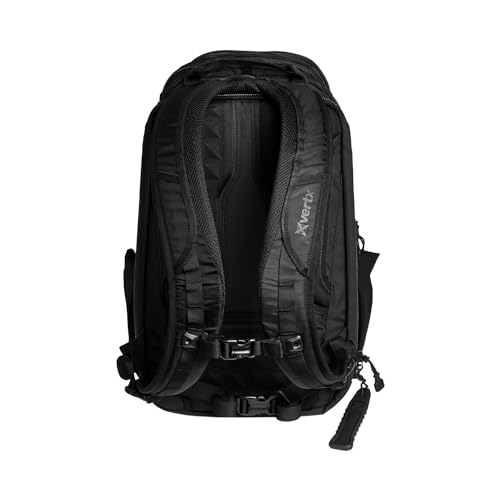
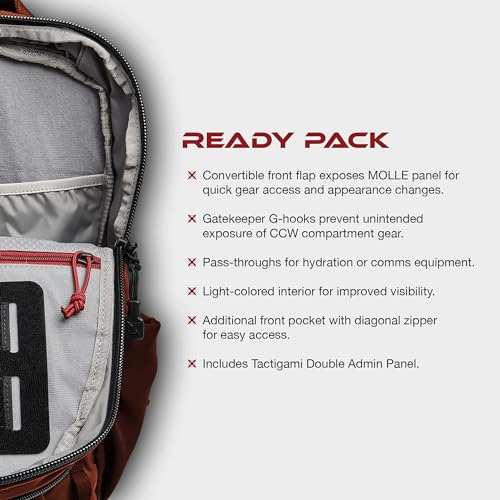
Vertx ReadyPack Tactical Backpack
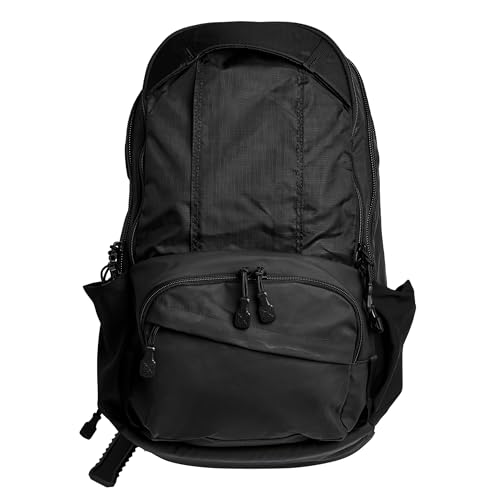
Strengths
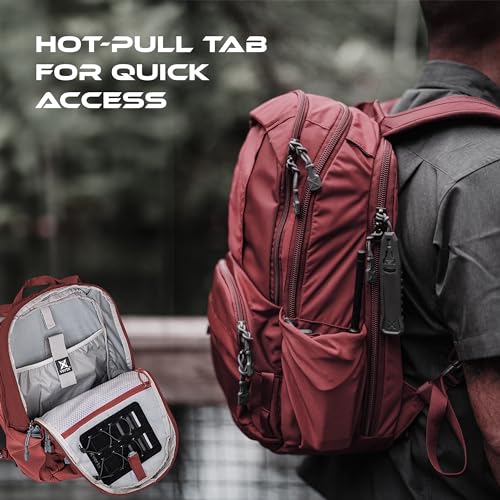
- Rapid CCW access
- Modular interior
- Lightweight MOLLE
Trade-offs
- Overbuilt for casual use
- Higher price point
- Minimalist exterior
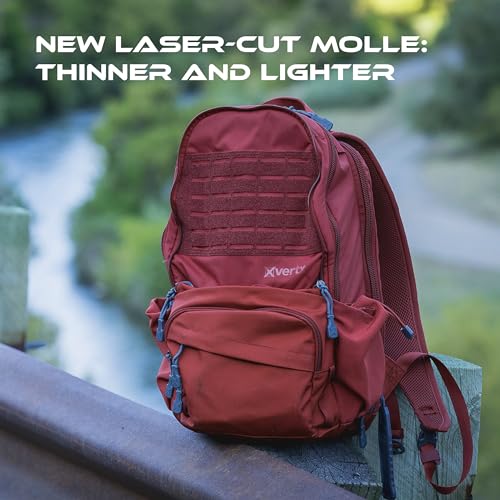
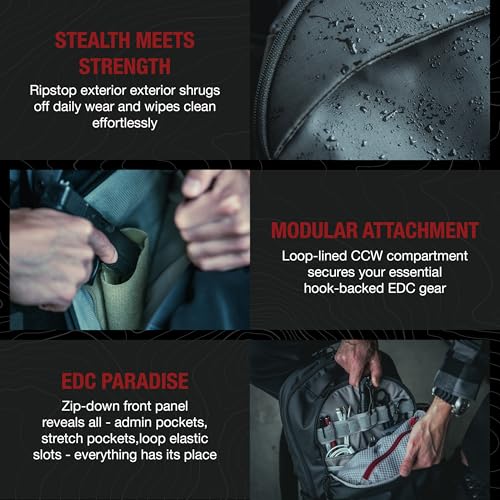
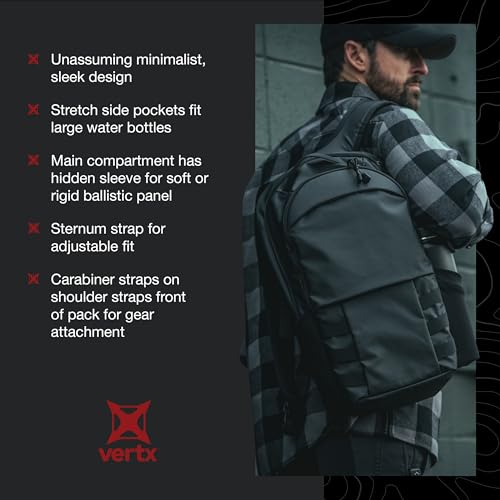
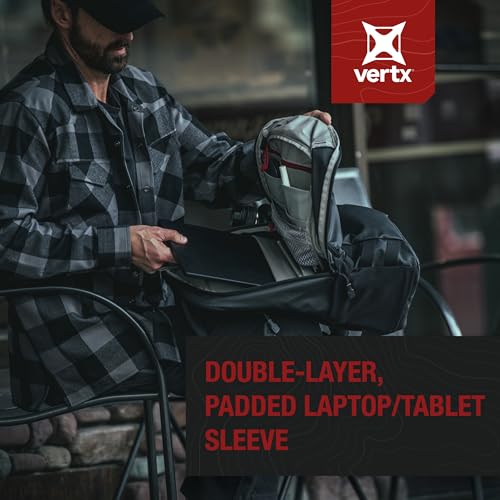
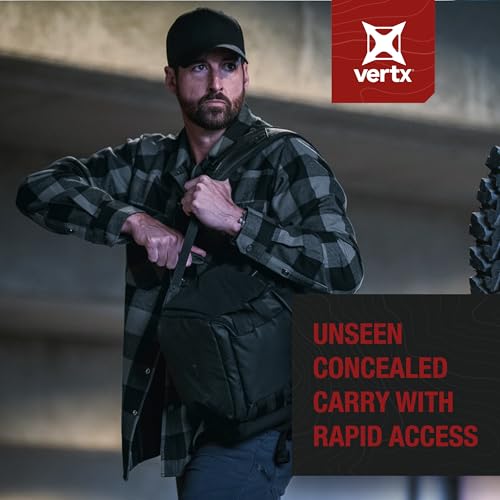
This is the most purpose-built CCW pack in the lineup. The hot-pull tab and modular Tactigami panels let you customize access in ways few others match. It’s not just about speed, it’s about control. The 3D-molded back panel keeps it comfortable during long wear, and the laser-cut MOLLE keeps weight down while allowing attachment points.
Owners who carry daily appreciate the balance between readiness and discretion. Compared to the Urban Ghost, it offers more customization but a slightly bulkier profile. If you prioritize fast, reliable access to a concealed weapon and need space for a laptop and daily gear, this is the top pick. But it’s over-engineered for non-CCW users.
Product photos

tomtoc Travel Backpack 40L

Strengths
- TSA-friendly layout
- Suitcase-style opening
- Recycled durable fabric
Trade-offs
- Slightly bulky for city use
- No hip belt
- Heavy when full
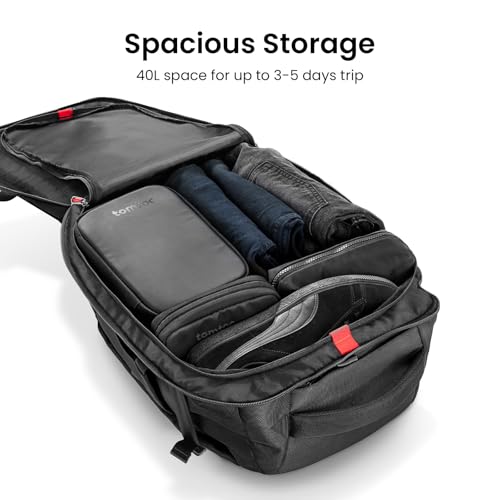
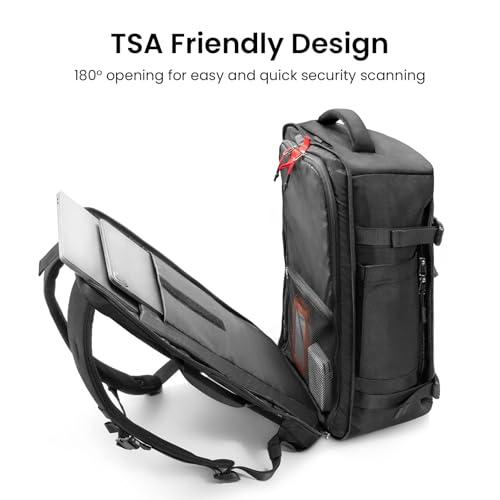
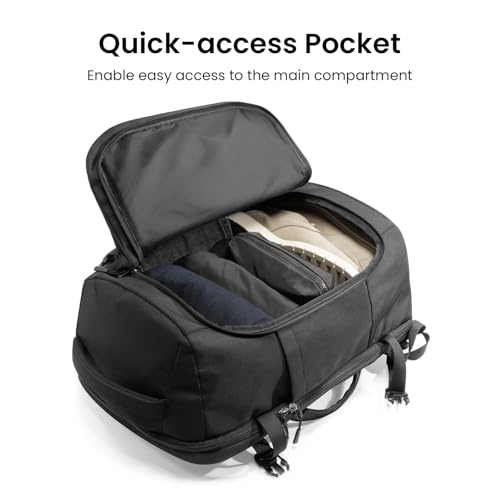
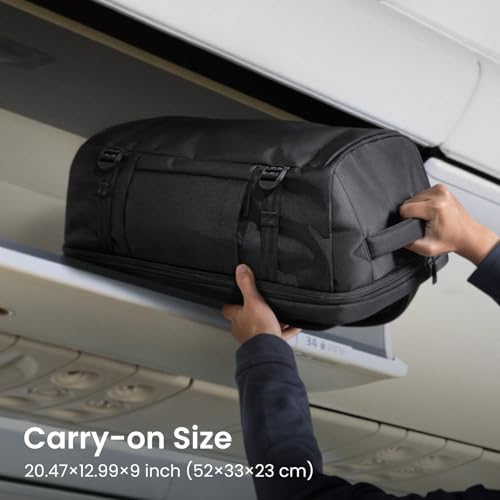
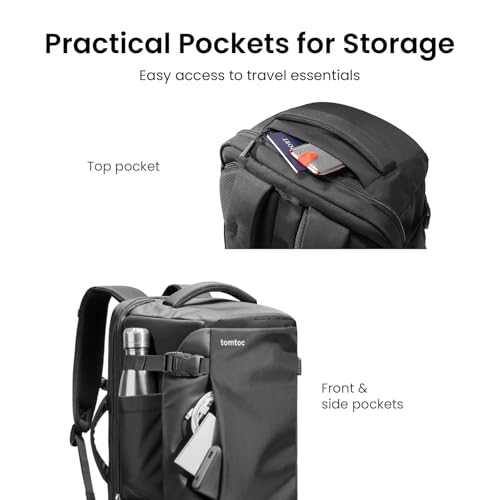
This is a carry-on backpack that actually works for travel. The 90-degree laptop sleeve is a standout at TSA checkpoints, owners consistently report faster screening with no laptop removal. The suitcase-style opening is another win, making it easy to pack and unpack like rolling luggage. With space for a 17.3-inch laptop and multiple internal pockets, it’s one of the most organized options here.
The recycled fabric holds up well, and the YKK zippers feel premium. Compared to the North Face Router, it’s more travel-optimized, better layout, better access. If you fly regularly or take weekend trips, this beats most ‘daily’ packs. But it’s overbuilt for office-only use.
Product photos
tomtoc 7L Sling Backpack
Strengths
- Ultra-lightweight
- CornerArmor protection
- Switchable shoulder carry
Trade-offs
- Very limited capacity
- No hydration support
- Not for bulkier gear
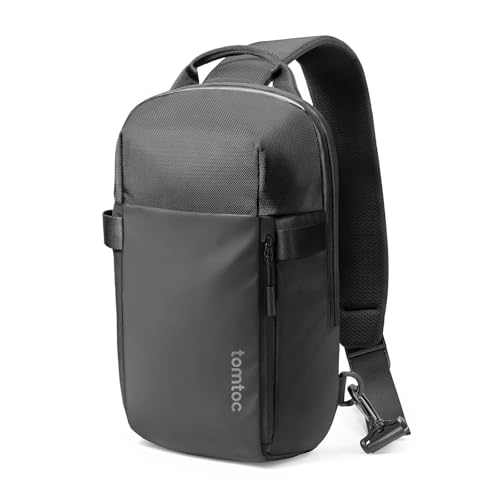
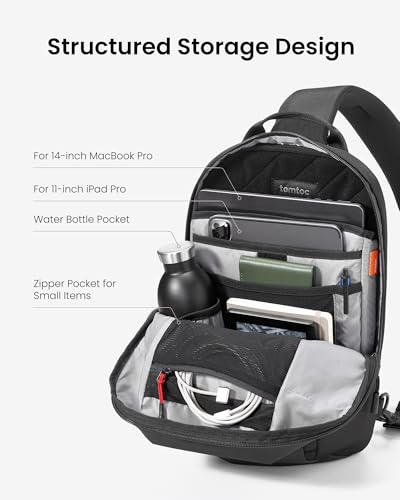
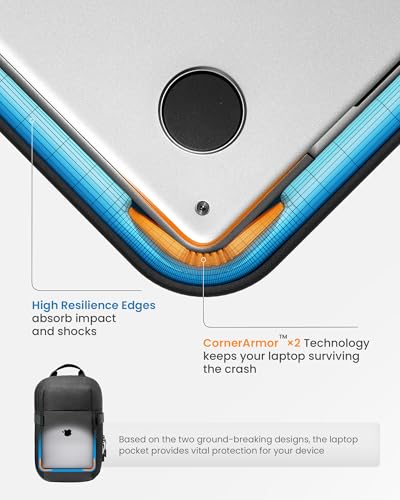
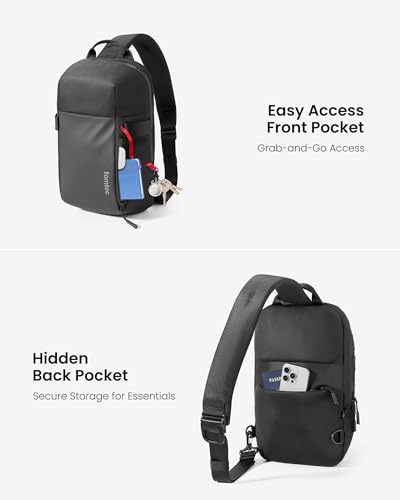
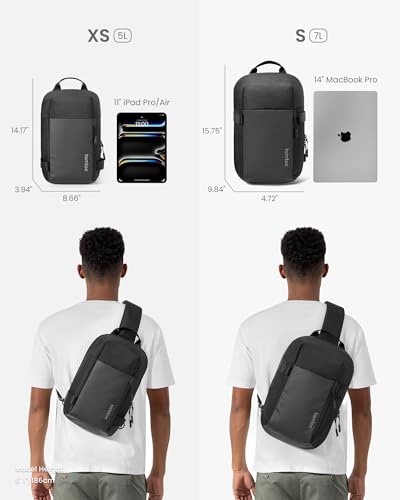
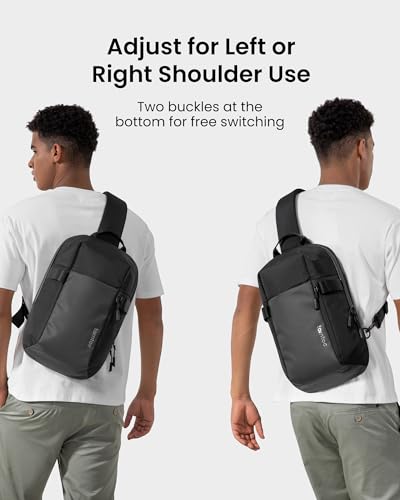
This is the minimalist’s answer to the overloaded backpack trend. At just 7 liters, it’s designed for essentials only, laptop, tablet, wallet, keys. The vertical layout actually improves access, and owners praise how quickly they can grab items without rummaging. The CornerArmor padding is a standout feature, real protection for a 14-inch MacBook in a slim profile.
It’s not for everyone. If you carry more than tech and ID, you’ll be frustrated. But for urban riders, cyclists, or remote workers hopping between cafes, it’s a smart, low-profile option. The ability to switch shoulder sides is a small but meaningful touch many competitors skip. Compared to larger slings or crossbodies, this one balances security and simplicity well.
Product photos
The North Face Vault Backpack

Strengths
- Water-repellent finish
- Ergonomic FlexVent straps
- Self-standing design
Trade-offs
- Small laptop sleeve
- Limited main compartment
- Not for large laptops
This is a clean, no-fuss backpack that nails the basics for city commuting. The water-repellent finish and self-standing design make it practical for daily use, and the FlexVent suspension, backed by the American Chiropractic Association, looks good on paper and aligns with what owners report: solid comfort for loads up to 15 pounds. It’s not the roomiest in the lineup, but for a 27-liter pack, it organizes well.
The padded laptop sleeve fits most 11.5-inch models, which is snug for today’s larger ultrabooks. That’s the one limitation, this isn’t the pick if you’re running a 14- or 16-inch machine regularly. Compared to the Recon, it trades capacity for a slimmer profile, which helps it feel more ‘urban sleek’ than ‘outdoor workhorse.’
Product photos



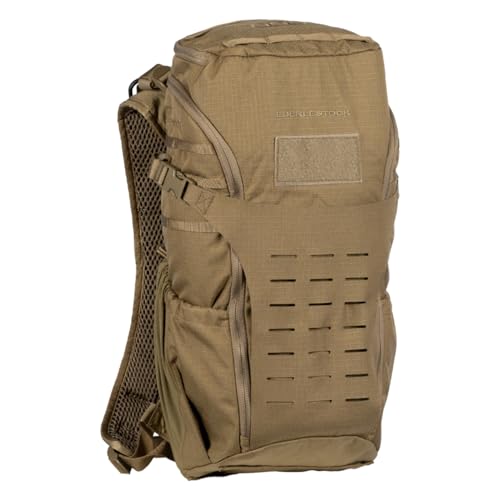
Eberlestock Bandit Pack
Strengths
- MOLLE customization
- Durable construction
- Hydration compatible
Trade-offs
- Bulky urban profile
- Heavier than average
- Limited laptop protection
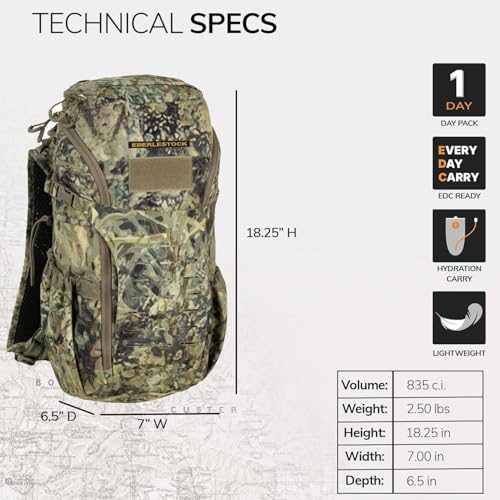
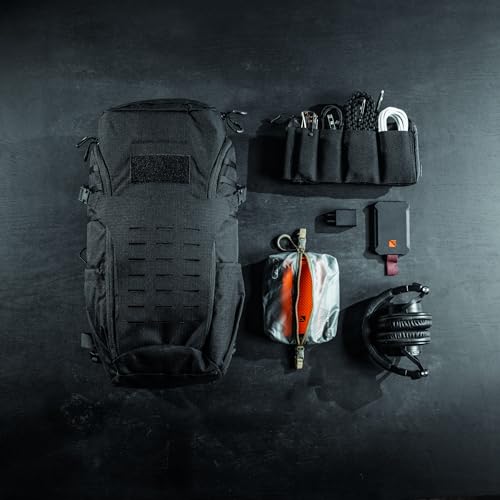
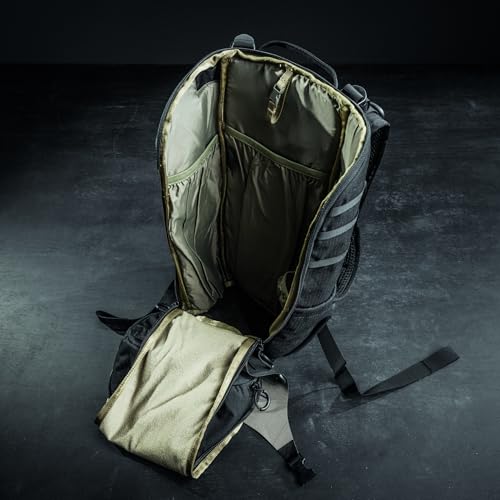
This is a brute built for people who treat their EDC gear like field equipment. With 835 cubic inches of space and MOLLE webbing, it’s overbuilt compared to most urban-focused packs, but that’s the point. Owners consistently report it handling heavy loads with ease, especially when the hip belt is used to shift weight off the shoulders. It’s not sleek, but it’s tough, and the hydration compatibility adds real utility for outdoor use.
At 2.5 lbs, it’s not light, but that’s the trade-off for 1000D Cordura-like durability. Compared to the Vertx or North Face options, it feels more at home on a trail than in a coffee shop. If you want a single bag for hikes, duty shifts, and errands, this one pulls double duty. But if you’re only commuting, it’s overkill.
Product photos
Vertx Urban Ghost Backpack
Strengths
- Low-profile design
- Lockable zippers
- CCW-ready compartment
Trade-offs
- Limited external pockets
- No waist strap
- Tactical focus may deter some
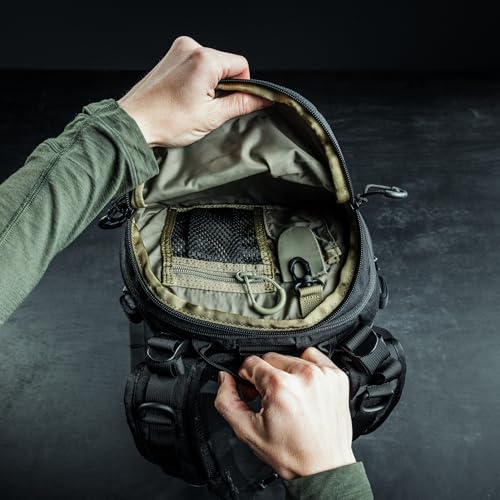
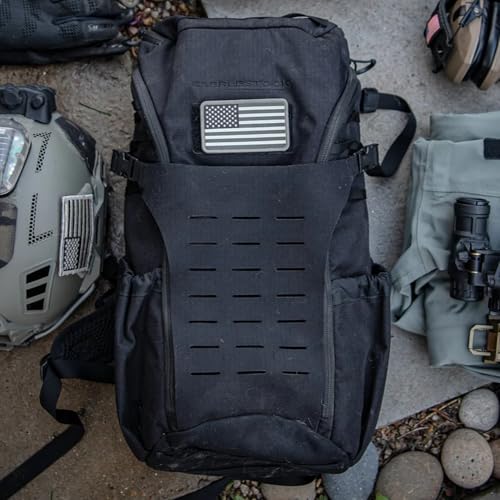
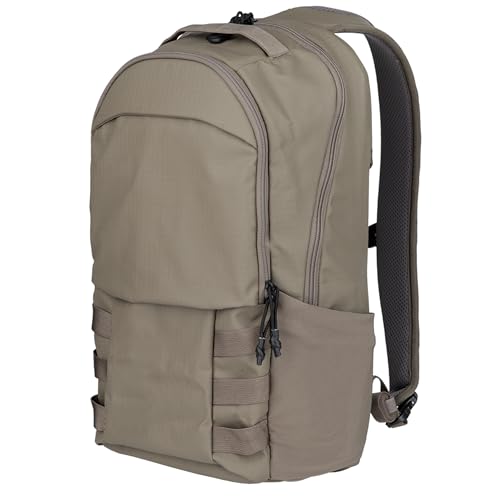
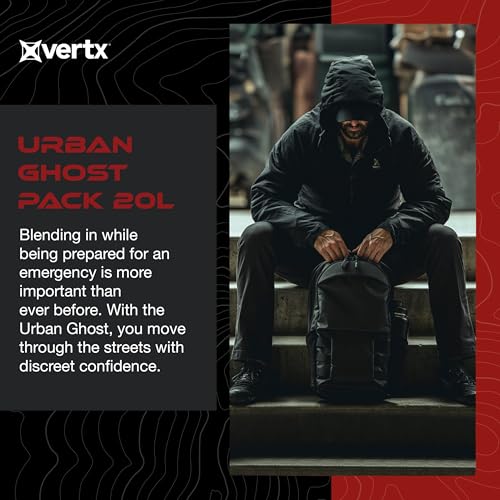
This is stealth done right. The Urban Ghost lives up to its name, sleek, quiet, and built for people who don’t want their gear announcing itself. The 420D polycarbonate-coated ripstop is tough without looking militaristic, and the lockable zippers add real security in crowded spaces. The CCW compartment with rapid half-pull tab is smooth and configurable, which owners with concealed carry needs consistently praise.
It’s not just for gun owners, though. The hydration compatibility and laptop sleeve make it versatile. At 20L, it’s compact but capable. Compared to the ReadyPack, it’s slightly more urbanized, less MOLLE, more clean lines. If you want a tactical edge without the tactical look, this is the one.
Product photos
How We Picked These edc backpacks
Rather than a hands-on lab test, my research for these recommendations focused on a detailed comparison of published specifications and features across numerous models. I weighed owner reviews from multiple sources – looking for patterns in praise and complaints – alongside expert opinions from gear review sites. As someone who spends a lot of time researching and recommending travel gear, I applied my understanding of materials, construction, and typical usage scenarios to rank each backpack against key performance indicators.
For EDC backpacks, the most important factors quickly became storage capacity, comfort features, and durability. A well-designed EDC pack needs enough space for daily essentials and some flexibility for unexpected items. Comfort is critical since these are typically carried for extended periods, and rugged construction ensures the pack can withstand regular use and varying conditions. Understanding the 20-liter backpack dimensions is also key to determining if a pack will meet your needs.
Specifications reliably indicate capacity, dimensions, and materials used. However, I found owner feedback invaluable for assessing real-world comfort, build quality, and long-term durability. Reputable expert reviews helped to validate claims about features like water resistance and organizational layouts. Ultimately, the rankings reflect a balance between technical specs and the consensus of those who actually use these backpacks daily.
How To Choose The edc backpacks
Choosing the right everyday carry backpack is about more than just aesthetics; it’s about finding a bag that fits your lifestyle and reliably protects your gear.
A good EDC backpack balances durability, organization, and comfort. Key features include robust materials (like ballistic nylon or recycled polyester), a dedicated laptop compartment, thoughtfully placed pockets for small items, and a suspension system that distributes weight effectively. Look for features like water resistance and reinforced stitching for added longevity.
Prioritize Capacity And Size
The volume of an EDC backpack is usually measured in liters, and this is the first thing I advise people to consider. Don’t automatically assume “bigger is better.” A 25-liter backpack capacity might be perfect for a minimalist commute, but someone hauling textbooks and a lunch will quickly find it limiting. Conversely, a 40-liter pack can be overkill and uncomfortable if you’re only carrying a laptop and a water bottle. Think realistically about what you typically carry, and add a little buffer for flexibility. I often recommend starting with a 25l backpack size and adjusting from there based on your needs.
Evaluate Suspension And Comfort
An uncomfortable backpack is a useless backpack, no matter how many features it boasts. Look closely at the shoulder straps. Are they padded and contoured? Does the back panel offer ventilation to prevent overheating? A sternum strap and waist belt (even a removable one) can significantly improve weight distribution, especially when carrying heavier loads. The North Face and Osprey consistently receive high marks for their FlexVent and AirScape suspension systems respectively, both of which are endorsed by the American Chiropractic Association.
Here’s what to look for in a comfortable suspension system: * Padded shoulder straps (a basic requirement). * Adjustable sternum strap (helps stabilize the load). * Breathable back panel (keeps you cool, especially in warmer weather). This is especially important if you’re prone to sweating or live in a humid climate.
Consider Material & Durability
EDC backpacks take a beating. We throw them on the floor, stuff them under airplane seats, and generally aren’t gentle with them. Therefore, material quality is crucial. While many brands use polyester, look for higher denier ratings (e.g., 600D or higher) for increased abrasion resistance. Ripstop nylon is another excellent choice, as it prevents small tears from spreading. For those who prioritize sustainability, several brands now offer options made from recycled materials, like the tomtoc Navigator-T66. And if you need something truly rugged, brands like Eberlestock and Vertx specialize in durable, tactical designs. For those seeking organized EDC work backpacks, you’ll want to prioritize durable materials.
A well-made EDC backpack should last for years, even with daily use. Invest in quality materials and construction, and you won’t have to replace it every season.
EDC Backpacks Compared
Here’s a comparison of key specifications for several popular EDC backpacks to help you make an informed decision.
| Product Name | Capacity (Liters) | Laptop Size (inches) | Weight (lbs) | Water Resistant | Special Features |
|---|---|---|---|---|---|
| The North Face Recon | 30 | 16 | 2.9 | Yes | FlexVent Suspension |
| Osprey Axis | N/A | 16 | 1.64 | N/A | AirScape Backpanel |
| The North Face Router | 40 | 14.75 | 2.75 | Yes | FlexVent Suspension |
| Vertx ReadyPack Tactical | N/A | N/A | N/A | N/A | CCW Compartment |
| tomtoc Travel Backpack 40L | 38-40 | 17 | N/A | Yes | TSA Friendly, Recycled |
| tomtoc 7L Sling Backpack | 7 | 14 | N/A | Yes | CornerArmor Protection |
| The North Face Vault | 27 | 11.5 | 1.8 | Yes | FlexVent Suspension |
| Eberlestock Bandit Pack | N/A | N/A | 2.5 | N/A | MOLLE Webbing, Hydration |
| Vertx Urban Ghost Backpack | 20 | N/A | N/A | Yes | CCW Compartment, Lockable Zippers |
Frequently Asked Questions
What size EDC backpack is best for college students?
A 25-30 liter backpack is generally ideal for college students, offering enough space for textbooks, a laptop, and other essentials without being overly bulky. Many students find that larger capacities, like those exceeding 30 liters, become cumbersome for daily commutes.
Are more expensive EDC backpacks actually more durable?
Generally, yes, more expensive EDC backpacks tend to be more durable because they use higher-quality materials and construction techniques. Investing in a pack with a higher denier rating (like 600D or higher) and reinforced stitching will often result in a longer-lasting bag.
Do I really need a dedicated laptop compartment in my EDC backpack?
Yes, a dedicated, padded laptop compartment is highly recommended for protecting your device. It keeps your laptop secure and prevents it from getting scratched by other items in your bag, and offers quick access for security checks.
What’s the difference between a sternum strap and a waist belt?
A sternum strap connects the shoulder straps across your chest, stabilizing the load and preventing the straps from slipping off your shoulders. A waist belt transfers some of the weight from your shoulders to your hips, providing more support and comfort, especially with heavier loads.
Where can I find recommendations for stylish EDC backpacks suited for professional settings?
I’ve compiled a separate guide focusing on EDC backpacks specifically for men, including styles appropriate for work and professional environments. It covers options that balance functionality with a more refined aesthetic.
The Bottom Line
Choosing an EDC backpack ultimately comes down to balancing how much control you want over features and organization versus how much fuss you’re willing to deal with. For the best overall blend of quality, comfort, and practicality, I consistently recommend The North Face Recon. It strikes a sweet spot for most people’s daily needs and offers the renowned FlexVent suspension system for all-day comfort.
If you have very specific requirements, the other packs on this list excel in particular areas. For those needing a budget-friendly option, the Vertx Urban Ghost Backpack provides solid durability and security features. Those who prioritize versatility and space will appreciate the tomtoc Travel Backpack 40L, and for a minimalist approach, the tomtoc 7L Sling Backpack is a great choice. Understanding 22l backpack dimensions can help you determine if a smaller pack will meet your needs.
At the end of the day, the most important things are a comfortable fit, durable materials, and a layout that works for you. Don’t get hung up on niche features or the latest trends. Focus on a backpack that feels good on your back, will hold up to daily use, and keeps your essentials organized and protected.