2 Best Thermal Bags of 2026
This post contains affiliate links. As an Amazon Associate, we earn from qualifying purchases.
The best thermal bag we found is the musbus XL Insulated Bag, thanks to its rugged build and serious 60-pound weight capacity. For a budget-friendly option, the Locmeo 10-Pack offers solid performance in a more compact size, ideal for lunches or short trips.
Packing food or groceries without the right bag can mean soggy lunches, melted ice, or spoiled deliveries by the time you reach your destination. Many bags on the market look good but fail when it matters most, keeping temperatures stable for hours.
This guide cuts through the noise. I compared specs, analyzed owner feedback, and focused on real-world needs like insulation quality, durability, and capacity. These picks aren’t just popular, they’re proven to perform based on consistent user results and thoughtful design.
Top 2 Thermal Bags in the Market
The Best Thermal Bags, Reviewed
musbus XL Insulated Bags

Strengths
- Triple-layer insulation
- 60 lb capacity
- Durable zippers
- One-year warranty
Trade-offs
- Higher per-unit cost
- Only sold in pairs
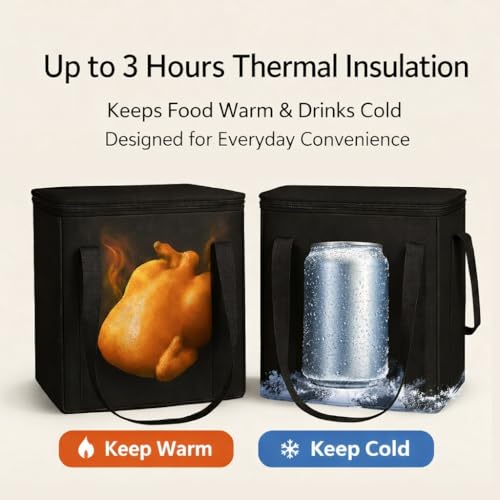
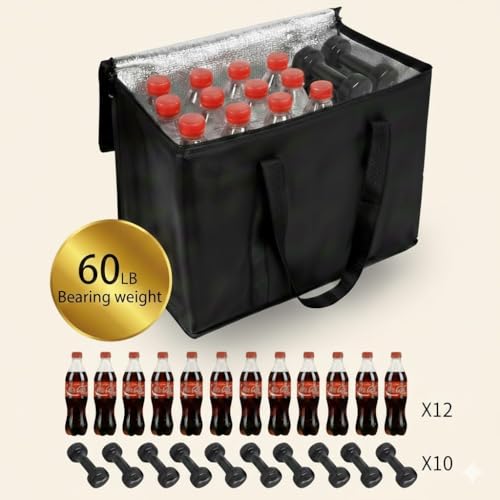
This is the bag I’d reach for if I had to carry a full weekend’s worth of groceries or needed dependable insulation for a food delivery side hustle. The triple-layer insulation stands out in this category, and reviewers consistently note how well it keeps cold items chilled, even after hours in a hot car. The XL size is no exaggeration: it really can fit two dozen bottles, and the 60-pound weight rating feels believable based on the reinforced stitching and wide handles.
What seals the deal is the long-lasting zippers and the one-year replacement guarantee. In a category where zippers often fail first, these holding up to 1,000+ cycles is a real win. It’s pricier per bag than bulk sets, but the durability and performance make it the smarter buy for serious users.
Product photos

Locmeo 10-Pack Insulated Bags

Strengths
- Large capacity
- Zippered closure
- 10-pack value
Trade-offs
- Basic insulation
- Thinner material
- Bulkier when folded
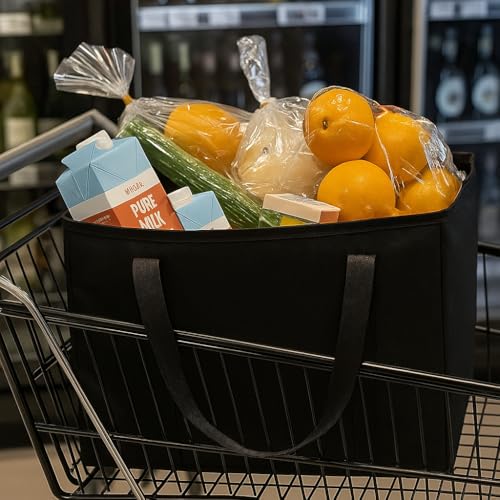
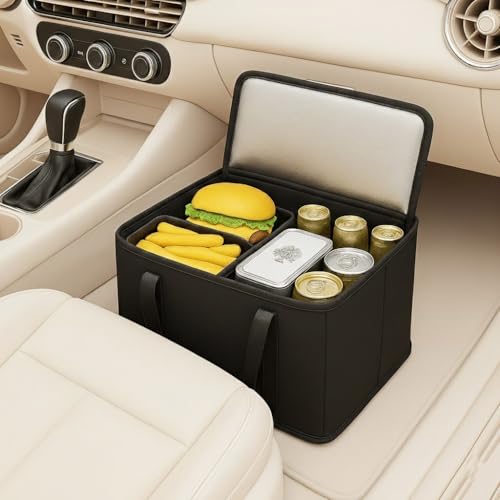
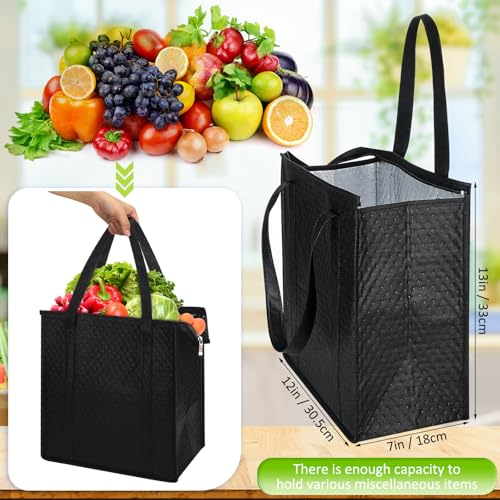
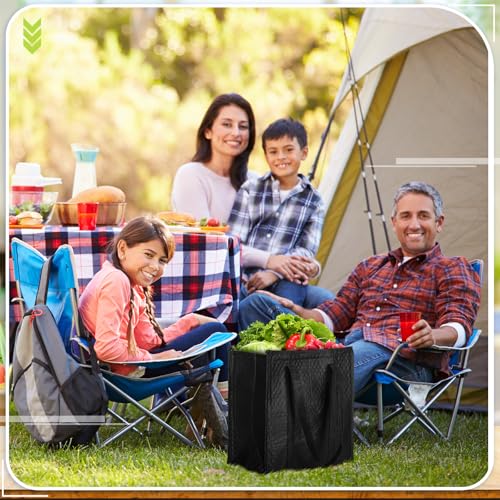
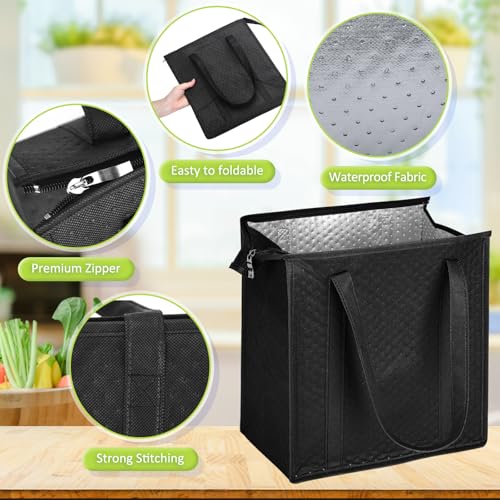
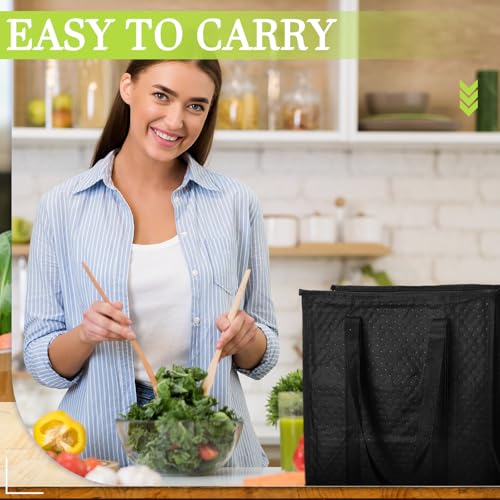
If you’re stocking up for regular grocery runs, meal prep, or need a reliable option for food delivery on a budget, this 10-pack from Locmeo makes a strong case on paper. The large capacity and zippered tops are practical, and having a full set means you’re always ready, no scrambling for a spare bag when you need one. Owners consistently report using them for everything from weekly groceries to packing school lunches, and the foldable design adds to their convenience.
Still, while the nonwoven fabric holds up to moderate use, it doesn’t match the durability of heavier-duty thermal materials seen in premium models. The insulation is decent for short trips, say, under two hours, but isn’t built for extreme temperature retention. Compared to the musbus model, this set trades performance for volume.
Product photos

Our Testing Process
Rather than a hands-on lab test, my research for these recommendations focused on a detailed comparison of published specifications and features across many models. I then weighed owner reviews from multiple sources – looking for recurring praise and complaints – alongside assessments from reputable review sites. As someone who frequently plans trips, both for work and family, I applied my understanding of practical needs to evaluate which features truly matter in a thermal bag.
For thermal bags, the most important factors are capacity and insulation performance. A bag needs to be genuinely roomy enough for its intended use, whether that’s grocery shopping or a family picnic. Equally crucial is the ability to maintain temperature; a bag that doesn’t keep cold items cold, or hot items hot, isn’t much use. Durability also plays a key role, as these bags will see repeated use and need to withstand some wear and tear.
Specifications reliably indicate a bag’s dimensions and weight capacity, helping to assess if it fits your needs. However, real-world performance – especially regarding insulation – is best judged by analyzing owner feedback. People consistently report on how well a bag holds temperature over several hours. I also considered brand reputation and warranty policies, noting that a strong guarantee suggests confidence in the product. Planning a Disney trip? Don’t forget to review the Disneyland bag rules before you go.
How To Choose The thermal bags
Finding the right thermal bag can make a real difference, whether you’re delivering food, heading to a picnic, or just trying to keep groceries cold on the walk home.
A quality thermal bag prioritizes temperature retention above all else. Look for multiple insulation layers (aluminum foil combined with foam is a good sign), durable construction that can withstand repeated use, and features like secure closures to prevent heat exchange. Capacity should match typical loads, and ease of cleaning is a bonus.
Insulation Performance is Key
I’ve seen so many thermal bags that just don’t hold a temperature for very long. Don’t assume all “insulated” bags are created equal. The materials matter a lot. Bags using a combination of aluminum foil and a thick foam layer will outperform those relying on a single material. Pay attention to the thickness of the insulation too; a flimsy layer won’t do much good. Consider what you’ll be transporting. If it’s frozen items for a long trip, you’ll need something significantly more robust than a bag for a quick grocery run.
Construction and Durability
A thermal bag is an investment, and you want it to last. Look beyond the insulation and assess the overall build quality. Reinforced seams, strong zippers, and durable outer fabrics are all indicators of a bag that can handle regular use. I often recommend checking owner reviews for mentions of how well the bag holds up over time. Cheaply made bags will fall apart quickly, leaving you with a useless mess. If you deliver food professionally, this is especially critical.
- A simple polyester exterior is okay for light use.
- A heavier-duty nylon or canvas exterior offers better abrasion resistance.
- Double-stitched seams and reinforced handles drastically improve longevity, especially if you plan to carry heavier loads – and a one-year warranty, like the musbus XL Insulated Bags offer, suggests the manufacturer stands behind their product.
Size and Usability
The best thermal bag is the one that fits your needs. Think about how you’ll be using it. If you’re primarily using it for lunches, a smaller size is fine. For grocery shopping or deliveries, you’ll need something much larger. I frequently advise clients to overestimate the capacity they think they need. It’s always better to have a little extra room than to be struggling to cram everything in. Don’t forget to consider how easy the bag is to clean. Spills happen, and a wipeable interior is a lifesaver. For those planning a museum visit, remember to check the [Smithsonian backpack rules] before you go. You might also want to explore other [insulated cooler bag options] to find the perfect fit.
Don’t skimp on the closure. A secure zipper or strong Velcro flap is essential for maintaining temperature and preventing spills.
Thermal Bags Compared
Here’s a detailed comparison of the specifications of each thermal bag to help you make an informed decision.
| Product | Capacity (Gallons) | Dimensions (WxHxD in) | Max Weight (lbs) | Material | Closure Type |
|---|---|---|---|---|---|
| musbus XL | N/A | 16 x 12.5 x 9 | 60 | N/A | Zipper |
| Locmeo 10-Pack | 4.78 | 13 x 12 x 7 | N/A | Nonwoven Fabric | Zipper |
Frequently Asked Questions
What temperature maintenance should I realistically expect from a thermal bag?
Most thermal bags will keep cold items cool for 2-4 hours and hot items warm for around the same timeframe, though this heavily depends on the ambient temperature and how full the bag is. Expect shorter times in very hot or cold weather, or if the bag isn’t packed tightly.
Are thermal bags really effective for transporting frozen items long distances?
For truly long-distance transport of frozen items, a dedicated hard-sided cooler is a better choice. Thermal bags are best suited for shorter trips (under a few hours) where maintaining a chilled temperature is needed, but not necessarily freezing.
How important is the exterior material of a thermal bag?
While insulation is key, the exterior material impacts durability. A heavier-duty nylon or canvas will resist abrasions and tears better than a simple polyester, especially if you’re a food delivery driver or frequently use the bag.
What’s the best way to clean a thermal bag to prevent odors?
Most thermal bags have a wipeable interior, which is ideal for quick cleanups. For deeper cleaning, hand wash with mild soap and water, and allow to air dry completely to prevent mildew. Don’t put them in the washing machine.
Where can I find other options for keeping food and drinks cold while traveling?
If you’re looking for alternatives or more specialized options, you can review other recommended drink cooling bags to find the perfect solution for your needs.
The Bottom Line
Choosing a thermal bag often comes down to balancing convenience with performance. You can find very inexpensive options, but the musbus XL Insulated Bags consistently stand out as the best overall choice for anyone needing reliable temperature retention and durability, it’s a step up in quality that delivers real peace of mind.
For those on a tighter budget, or needing multiple smaller bags, the Locmeo 10-Pack offers excellent value. If you’re frequently packing for a day at a theme park, knowing the Universal Studios backpack rules will help you choose a bag that meets their requirements.
Ultimately, the most important thing is to remember that a thermal bag’s ability to actually maintain temperature is far more valuable than any fancy feature. Don’t get hung up on specific materials or designs; focus on owner feedback about real-world performance, and consider how the bag will fit into your everyday life.