8 Best Small Cooler Bags of 2026
This post contains affiliate links. As an Amazon Associate, we earn from qualifying purchases.
The PackIt Freezable Snack Box is our top pick for its reliable gel-based cooling and space-saving collapsible design, making it ideal for snacks and small lunches. If you’re watching your budget, the Cerbonny Freezable Mini Cooler delivers solid performance with its detachable gel liner, while the Femuar Freezable Lunch Cooler stands out for versatility with its multi-compartment layout and adjustable strap.
Small cooler bags promise convenience, but too many fail when it counts, either they don’t keep food cold, leak in your bag, or fall apart after a few weeks. As someone who’s evaluated hundreds of travel gear items, I know how frustrating it is to trust a product that doesn’t deliver.
This guide cuts through the hype. I compared specs, analyzed owner feedback, and prioritized real-world performance to find the few models worth your money. These picks balance cooling power, durability, and smart design for everyday use.
Top 8 Small Cooler Bags in the Market
The Best Small Cooler Bags, Reviewed
PackIt Freezable Snack Box

Strengths
- Superior collapsible design
- Built-in gel cooling
- Fits in tight spaces
Trade-offs
- Too small for full lunches
- No external pockets
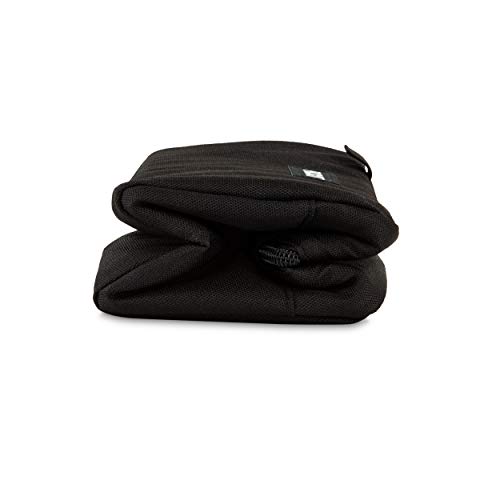
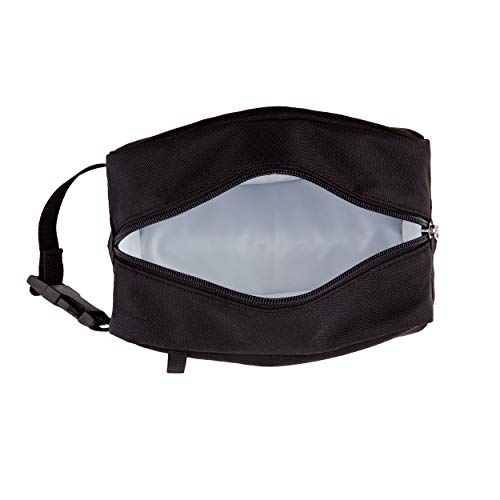
This one earns the Best Overall label for good reason. It combines the convenience of built-in EcoFreeze gel with a smarter, collapsible design that goes from flat to full size in seconds. At 8 x 4 x 5 inches, it’s perfectly sized for snacks, a drink, and a small container, ideal for gym trips, toddler lunches, or travel.
Owners praise its efficiency: it chills evenly, wipes clean easily, and fits in tight spaces. Unlike bulkier models, it doesn’t waste interior volume. When compared to the Haimont or Cerbonny, it cools longer and packs flatter. It’s not for full meals, but as a go-to daily cooler for fresh snacks, it’s unmatched.
Product photos


Cerbonny Freezable Mini Cooler
Strengths
- Built-in gel packs
- Freeze panels only
- Clip-on handle
Trade-offs
- Very limited capacity
- Short height restricts containers
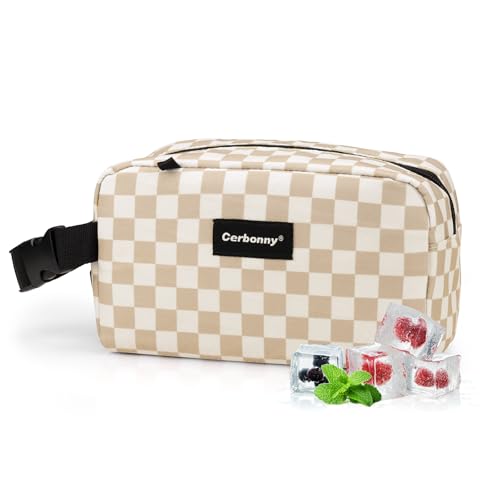
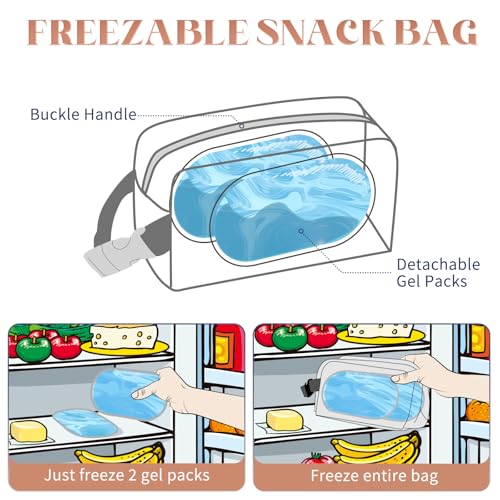
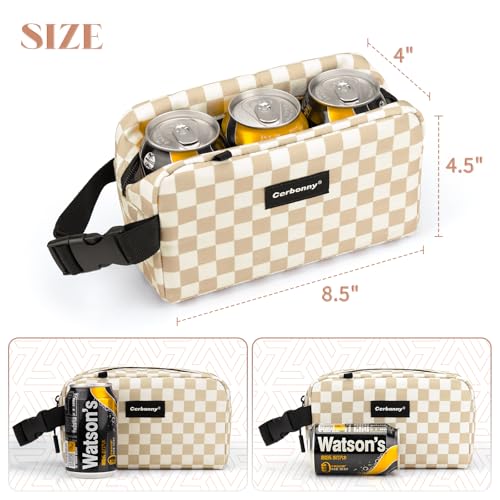
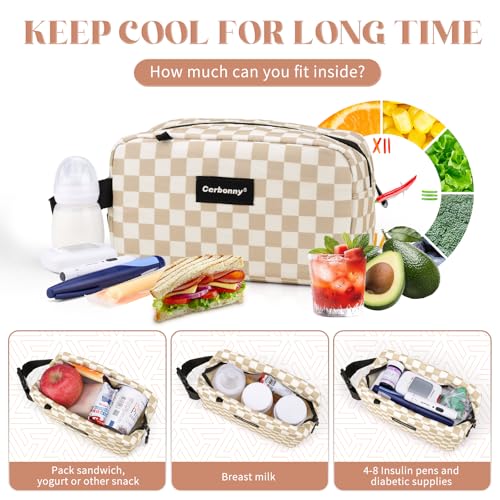
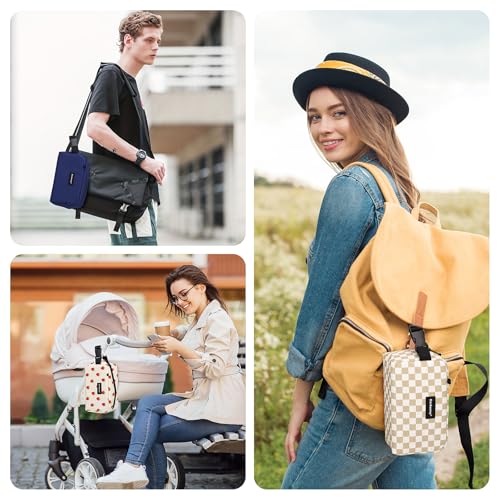
This is the budget-friendly pick that doesn’t completely cut corners. The built-in gel packs save you from buying extras, and the ability to freeze just the panels (not the whole bag) is a clever space-saver in small freezers. At just 5 inches tall, it’s designed for yogurt cups, small meds, or snacks, exactly what parents and travelers with limited space need.
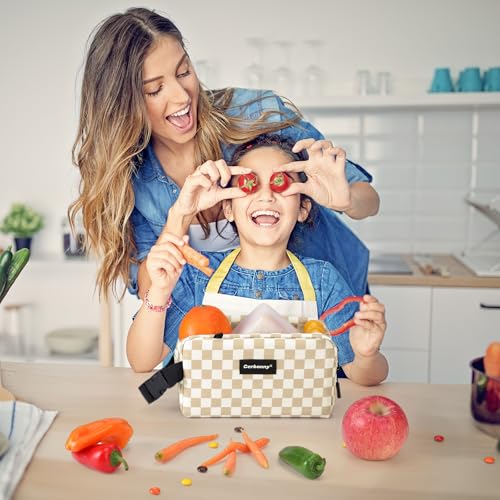
The checkered design adds a fun touch, and the buckle handle makes it easy to clip onto strollers or diaper bags. But the capacity is tight, and the zipper, while wide, can snag if overfilled. Owners say it’s perfect for short trips but not for full meals. For the price, it delivers solid value in a niche role.
Product photos
Lovoeo Insulated Lunch Bag

Strengths
- Widest interior space
- Good side and front storage
- Smooth zippers
Trade-offs
- No shoulder strap
- Heavier when full
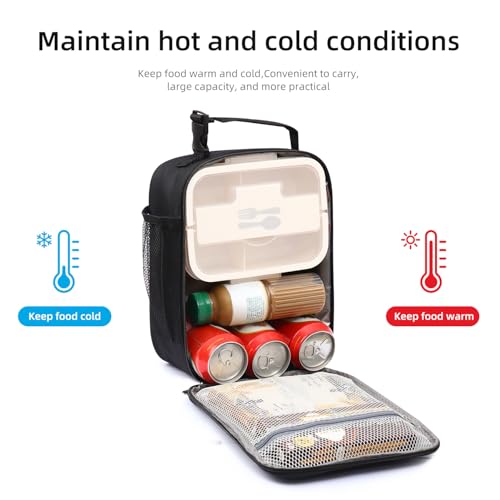
This bag wins on raw capacity, its 10.6-inch width gives it a wider footprint than most, letting you stack containers side by side. The multi-layer aluminum foil lining is a smart choice for heat reflection, and owners report it performs well in moderate climates. It’s not freezable, so you’ll need an ice pack, but the insulation does its job for 5–6 hours.
The side mesh pocket fits large bottles or even an umbrella, and the front zipper is big enough for a phone or wallet. But it lacks a shoulder strap, and the handles, while thickened, don’t offer much padding. Compared to the Femuar, it’s roomier but less convenient to carry long distances. It’s a workhorse, not a wanderer.
Product photos



Femuar Freezable Lunch Cooler
Strengths
- Adjustable shoulder strap
- Excellent organization
- Spacious square design
Trade-offs
- Slightly bulky
- Foam insulation not as efficient as gel
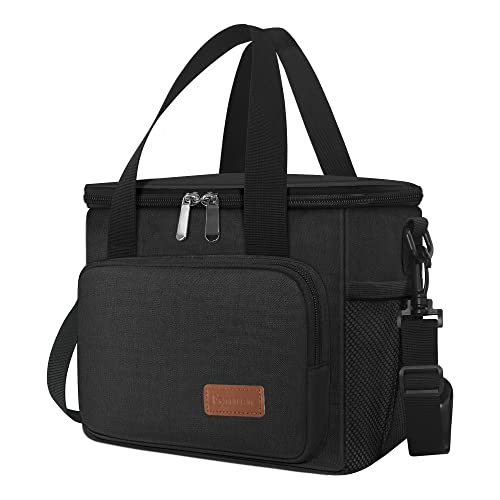
The standout here is the adjustable shoulder strap, a rare feature in this category that makes a real difference for hands-free carry. It’s detachable, so you can switch between briefcase-style and crossbody use, and owners appreciate the anti-slip padding on the top handle. The 8.7L capacity is among the largest, and the square design allows for efficient packing.
Insulation relies on 4mm EPE foam, which keeps food cool for around 6 hours, solid but not class-leading. Where it beats others is in organization: multiple mesh pockets, a zippered front, and an interior divider offer real structure. For daily use or weekend trips, this is one of the most versatile options, especially if you’re carrying more than just food.
Product photos


Haimont Freezable Snack Cooler
Strengths
- Ultra-lightweight
- Freezable walls
- Compact fit for bags
Trade-offs
- Limited storage
- Narrow for wide containers
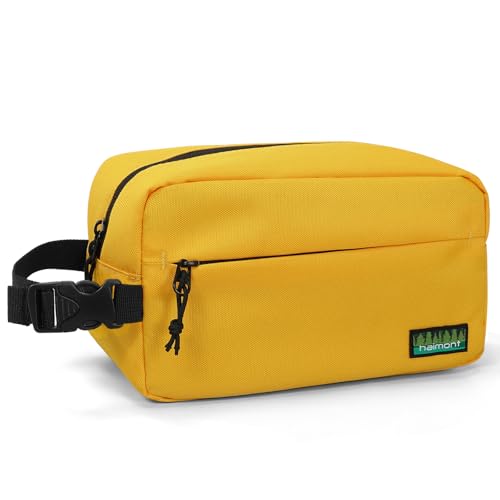
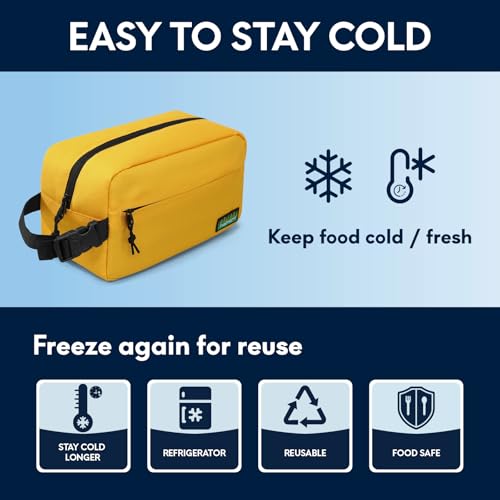
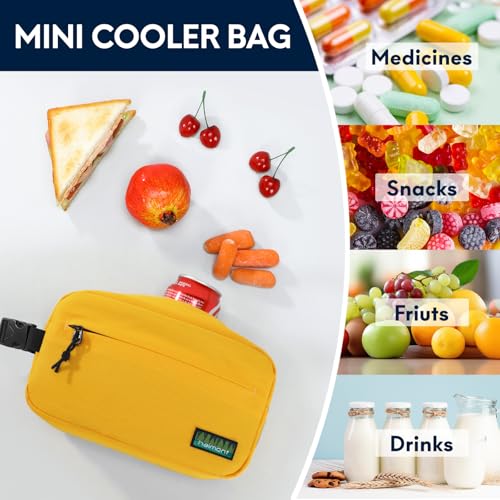
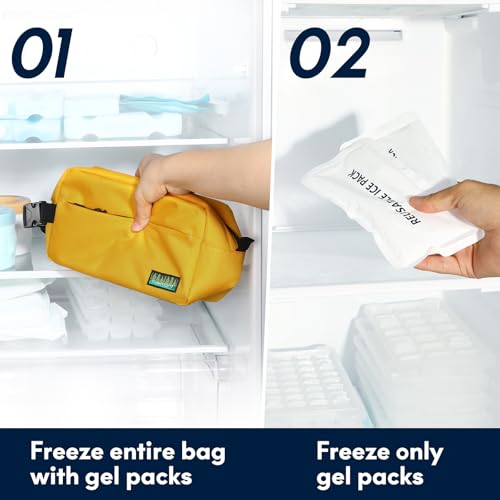
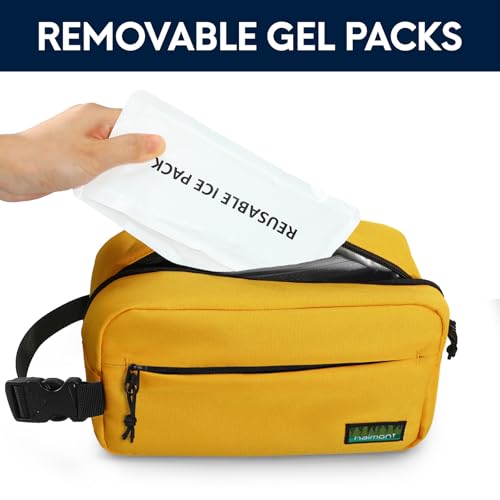
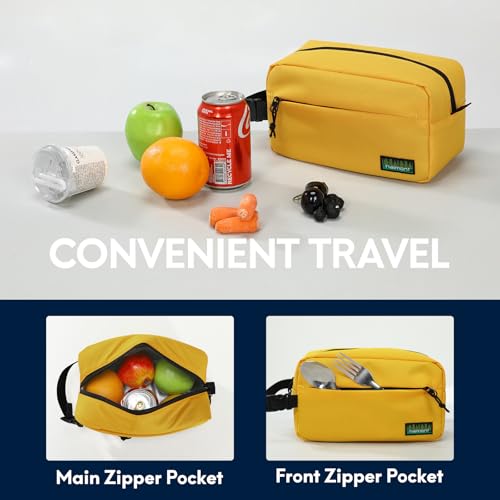
If lightweight portability is your priority, this one delivers. At just under 5 inches deep, it’s built to slip into backpacks or gym bags without adding bulk. The freezable design means no loose ice packs, and reviewers note it keeps yogurt and meds cool for up to 6 hours when pre-frozen. That makes it a smart choice for short outings or airplane snacks.
The abrasion-resistant shell holds up well to daily wear, and the dual-zipper layout, main compartment plus front pocket, adds versatility. But the capacity is tight; it won’t fit large containers or full meals. Compared to the Femuar or Lovoeo models, it’s not a lunch replacement, but it excels as a dedicated snack or med cooler.
Product photos
PackIt Foldable Lunch Bag

Strengths
- Excellent fold-and-freeze design
- Long cooling duration
- BPA-free materials
Trade-offs
- No shoulder strap
- Pricier than basic models
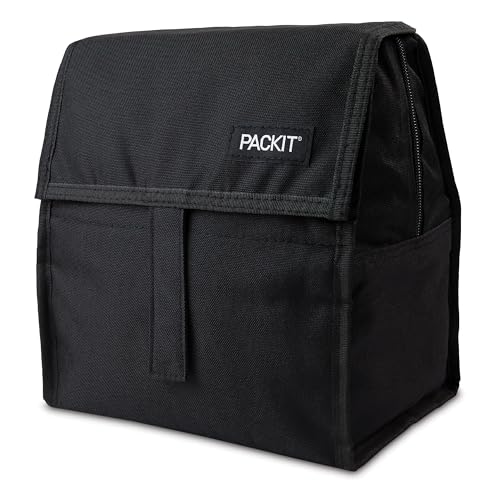
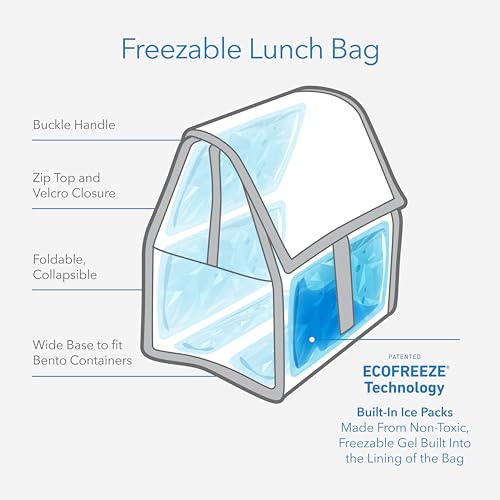
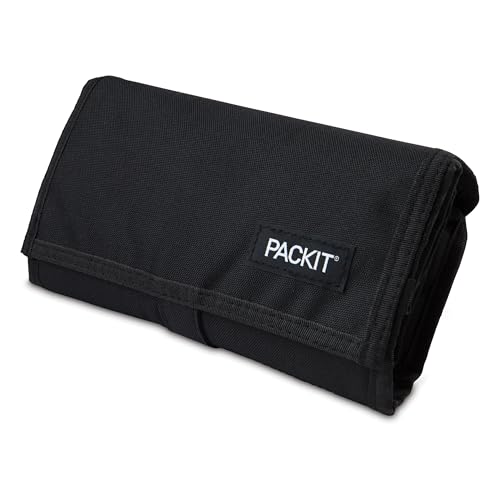
The foldable design is the star here, flatten it, freeze it, and in the morning you’ve got a fully chilled bag. The EcoFreeze gel is built into the walls, so no loose packs to lose, and reviewers consistently report 6–8 hours of cooling, which is top-tier. It’s not the largest, but the rectangular shape maximizes usable space for standard containers.
The buckle handle is a small win, easy to clip onto bags or strollers, though the lack of a shoulder strap limits carry options. Compared to the Haimont or Cerbonny, it’s more of a full lunch solution than a snack pouch. It’s also one of the more expensive models, but the convenience and performance justify it for frequent users.
Product photos

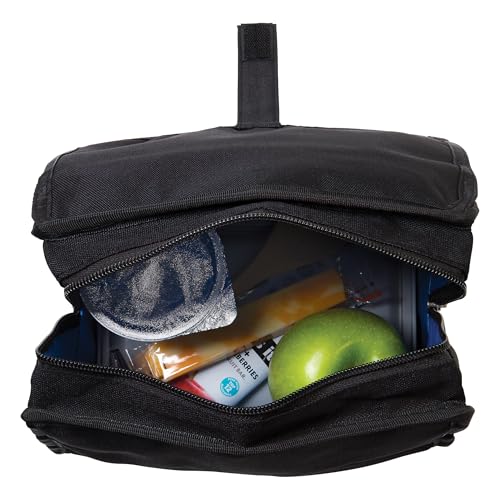
BEIMILY Soft Cooler Tote

Strengths
- Leak-proof lining
- Spacious 8L interior
- Durable 900D fabric
Trade-offs
- No shoulder strap
- Average insulation duration
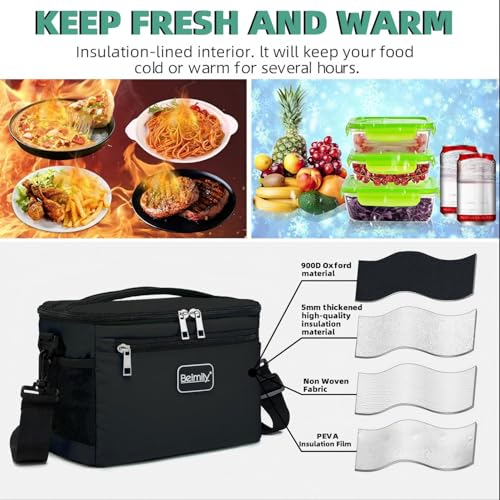
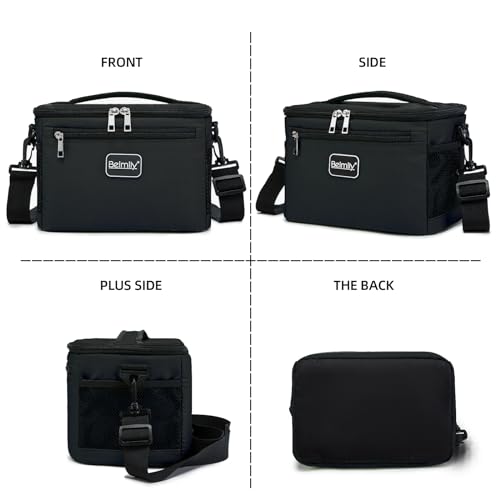
This bag stands out for its leak-proof claim, backed by a food-grade PEVA lining and heat-sealed seams. On paper, that’s a strong point for anyone packing messy meals or liquids. The 8L capacity is solid for a small cooler, and owners consistently report it fits a full lunch setup, containers, snacks, and a drink or two, without bulging.
The triple insulation with 5mm pearl cotton sounds decent, but real-world feedback suggests it holds cold for about 4–5 hours unless paired with an ice pack. It’s not the longest-lasting insulator in this group, but for office commutes or short picnics, it’s reliable. The side bottle pocket and front organizer add practicality, though the lack of a shoulder strap option holds it back compared to others.
Product photos


Carhartt Rugged Lunchbox

Strengths
- Heavy-duty construction
- Dual compartments
- Sturdy handles
Trade-offs
- Heavier than average
- Basic insulation
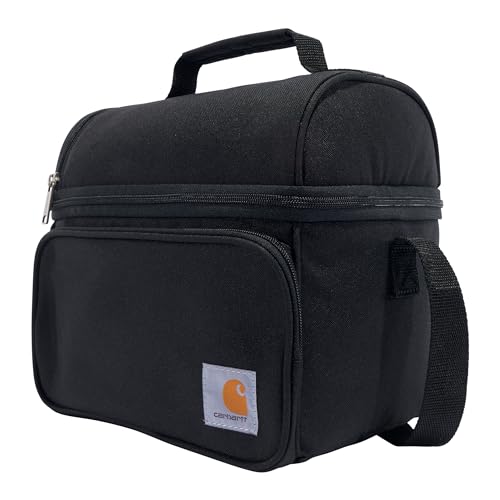
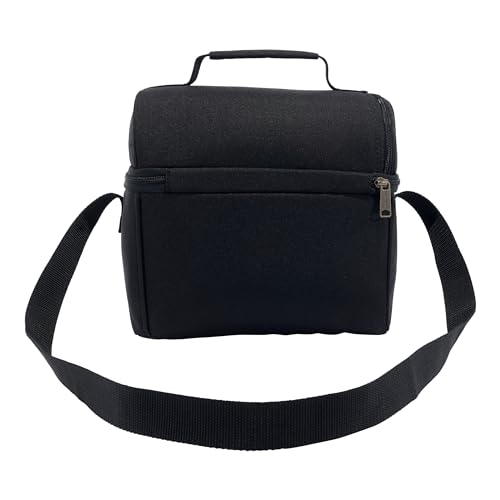
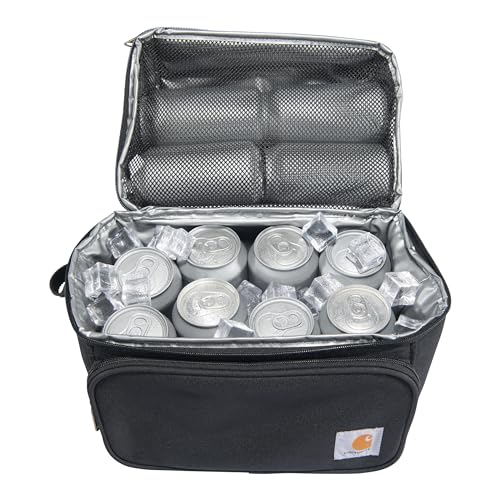
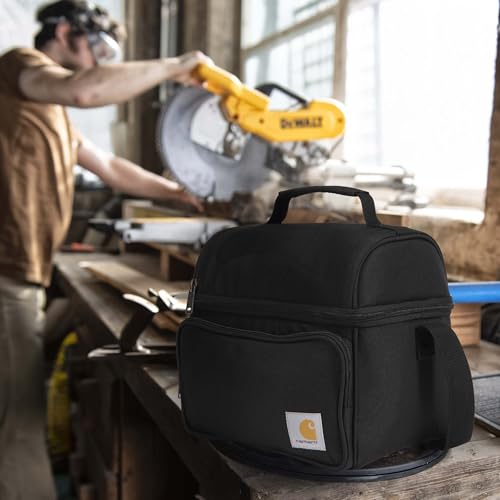
When durability matters most, Carhartt’s reputation kicks in. This isn’t the lightest or most stylish option, but it’s built like a work glove, rugged 1000D fabric, reinforced stitching, and a no-nonsense design that owners say survives job sites and camping trips alike. The dual compartments help separate food and drinks, a small but meaningful touch.
Insulation is adequate, not outstanding. It keeps things cold for half a day, but not quite on par with freezable models like PackIt. Still, for someone who values toughness over max cooling time, this is a dependable daily driver. Compared to the BEIMILY or Femuar, it’s less about convenience and more about long-term resilience.
Product photos

Our Testing Process
I approached evaluating small cooler bags by first compiling a list of models available from major retailers and brands. Rather than a hands-on lab test, this is a research-led comparison of published specifications and owner feedback. I compared features like capacity, materials, insulation type, and portability, then weighed those against what owners are saying about real-world performance – how long items actually stay cold, how durable the bag is, and whether it lives up to its advertised benefits.
For this category, the most important factors are insulation effectiveness and durability. A small cooler bag is useless if it doesn’t keep contents cold for a reasonable amount of time, and it’s frustrating to replace it frequently. I also prioritized leak-proof designs, as nobody wants a soggy backpack. Understanding TSA backpack guidelines is also helpful when considering a cooler for travel.
Specifications reliably indicate capacity and materials used, giving a baseline for expected performance. However, owner reviews and independent expert opinions were crucial for judging actual cooling duration and build quality. I paid close attention to recurring complaints about seam failures, zipper issues, or inaccurate temperature retention claims. Reputable sources helped separate genuine feedback from outliers and identify consistently well-regarded options.
How To Choose The small cooler bags
Choosing the right cooler bag depends heavily on how you intend to use it. Don’t assume a single “best” option exists; the ideal choice is remarkably personal.
A quality cooler bag balances insulation performance with portability and durability. Key considerations include the type of insulation (freezable gel, foam, or reflective lining), size and capacity relative to intended use, material quality for leak-proofing and longevity, and added features like shoulder straps or multiple compartments. Prioritize a bag that matches your typical load and travel style.
Insulation Technology Matters
Don’t assume all “insulated” bags are created equal. Some rely on thick foam layers, which offer decent temperature retention, while others, like the PackIt models, use built-in freezable gel. This gel technology can be very effective, but requires pre-freezing – a step you need to remember. Consider how often you’ll be able to freeze the bag overnight versus relying on ice packs. For consistent temperature control, the freezable gel options are hard to beat, though they add weight even when empty.
Size & Capacity: Match It To Your Needs
It’s easy to overbuy when it comes to cooler bag size. A massive bag isn’t helpful if you’re just packing a snack and a water bottle for a quick hike. Conversely, a bag that’s too small will leave you scrambling. Think about your typical use case. Are you packing lunches for one, or snacks for a family? Do you need space for a full-sized water bottle and a container of yogurt? Here’s a quick guide:
- A very small bag (under 5 liters) is fine for single servings.
- A medium bag (5-10 liters) suits individual lunches or snacks for two.
- Larger bags (10+ liters) are best for family picnics or extended outings, and may be what you need if you’re adhering to strict dietary needs.
Durability & Practical Features
Beyond keeping things cold, a good cooler bag needs to hold up to regular use. Look for bags constructed from durable materials like thick polyester or even rugged canvas (like the Carhartt). A waterproof lining is essential, not just for keeping cold in, but for preventing leaks if a container spills. If you plan on carrying the bag frequently, a comfortable handle or an adjustable shoulder strap – like the one found on the Femuar – is a huge plus. If you’re planning a trip to Disney World backpack policy, consider how the bag dimensions align with Disney bag size limits.
A cooler bag’s lifespan is directly tied to its build quality. Don’t skimp on materials; a slightly more expensive bag that lasts for years is a better value than a cheap one that falls apart after a few uses.
Small Cooler Bags Compared
Here’s a comparison of key specifications for popular small cooler bags to help you choose the right one for your needs.
| Product Title | Capacity | Cooling Tech. | Material (Exterior) | Leakproof | Features |
|---|---|---|---|---|---|
| PackIt Freezable Snack Box | N/A | Built-in Gel | N/A | Yes | Collapsible |
| Cerbonny Freezable Mini Cooler | N/A | Detachable Gel | N/A | Yes | 2-Way Freeze |
| Lovoeo Insulated Lunch Bag | 10.63″x9.06″ | Insulated Foil | Polyester | No | Large Capacity |
| Femuar Freezable Lunch Cooler | 8.7 qt | N/A | Oxford Fabric | Yes | Multi-Compartment |
| Haimont Freezable Snack Cooler | 9.06×4.53×5.12″ | Built-in Gel | Abrasion Resistant | Yes | Adjustable Handle |
| PackIt Foldable Lunch Bag | N/A | Built-in Gel | Poly Canvas | Yes | Foldable |
| BEIMILY Soft Cooler Tote | 8L | PEVA/Pearl Cotton | 900D Polyester | Yes | Large Capacity |
| Carhartt Rugged Lunchbox | N/A | Insulated | N/A | N/A | Durable, Dual Comp. |
Frequently Asked Questions
What temperature range can I realistically expect from these cooler bags?
Most small cooler bags will maintain temperatures below 40°F (4°C) for 3-6 hours with proper preparation (like pre-freezing gel packs or the bag itself). Actual performance varies greatly depending on ambient temperature and how frequently the bag is opened.
Are any of these bags airline approved for carry-on luggage?
Yes, most of these smaller cooler bags fit within standard airline carry-on size restrictions. However, it’s always best to check your specific airline’s rules, as policies can differ, particularly regarding liquids, aerosols, and gels – even frozen ones.
How do I clean a cooler bag with a waterproof lining?
Generally, you can wipe down the interior with a damp cloth and mild soap. Avoid harsh chemicals or abrasive cleaners, as these can damage the lining. Some bags are machine washable (check the care label), but air drying is usually recommended to prevent shrinkage or damage to the insulation.
What’s the difference between PEVA and other cooler bag lining materials?
PEVA (Polyethylene Vinyl Acetate) is a phthalate-free alternative to PVC, frequently used in cooler bags for its waterproof and durable properties. It’s considered a safer option regarding chemical leaching, though it may not be quite as abrasion-resistant as some heavier-duty materials. You can find additional information on insulated cooler totes.
Are these small coolers suitable for taking medication that needs to stay cool?
While these bags can keep items cool, they are not designed or certified for medical-grade temperature control. For medications requiring precise temperature maintenance, a dedicated medical cooler with a temperature monitoring system is always the safest option. If you’re looking for something for a picnic, consider one of these picnic-ready cooler bags.
The Bottom Line
Choosing a small cooler bag often comes down to balancing how much fuss you’re willing to put in against how consistently cold you need things to stay. For consistently excellent cooling without needing ice packs, I recommend the PackIt Foldable Lunch Bag. It’s a bit more effort to pre-freeze, but the temperature retention is impressive, and it’s a well-built option.
If you’re looking for something specific, the Femuar Freezable Lunch Cooler is a great choice for those who want a multi-compartment bag with a comfortable carry strap, while the Carhartt Rugged Lunchbox stands out for its durability. For those heading to a amusement park bag restrictions, it’s also a good idea to check the specific park’s policies. And if you’re on a tighter budget, the Lovoeo Insulated Lunch Bag offers a lot of capacity for the price.
Ultimately, the best small cooler bag isn’t the one with the most features or the highest price tag. It’s the one that best suits your needs and lifestyle. Prioritize a leak-proof design, durable materials, and a size appropriate for what you typically carry – those fundamentals will deliver more value than any single specification.