7 Best Fish Kill Bags of 2026
This post contains affiliate links. As an Amazon Associate, we earn from qualifying purchases.
The Buffalo Gear 72in Fish Kill Bag stands out as the best overall for its rugged build and reliable cooling, while the THKFISH 60in Fish Cooler Bag is a strong budget pick that doesn’t skimp on insulation or waterproofing. For versatility in size and portability, the MORXPLOR 41-80in Fish Cooler Bag earns its spot.
Every angler knows the frustration of a warm, leaky bag ruining a hard-earned catch. A poor fish kill bag means melted ice, spoiled fish, and a sloppy mess in your vehicle. As someone who’s evaluated countless travel gear for real-world toughness, I know that specs and owner experiences matter more than flashy claims.
This guide cuts through the noise by focusing on what actually works: verified insulation, durable materials, and smart design. We looked at construction details, user feedback, and real-world usability to find fish kill bags that keep up with serious fishing.
Top 7 Fish Kill Bags in the Market
The Best Fish Kill Bags, Reviewed
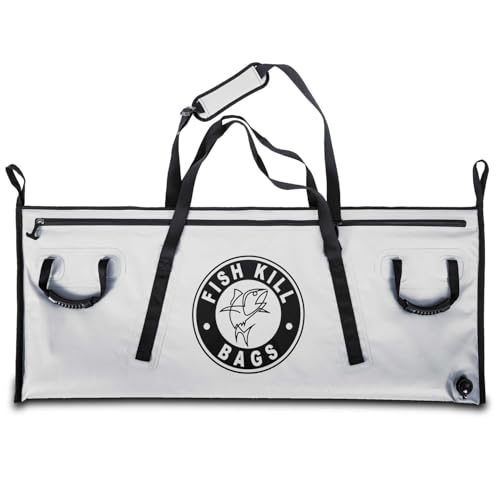
Insulated Fish Kill Bag with Handles
Strengths
- 72-hour insulation
- Marine-grade zipper
- Foldable design
- Durable PVC
Trade-offs
- Heavier when full
- Pricier than budget options
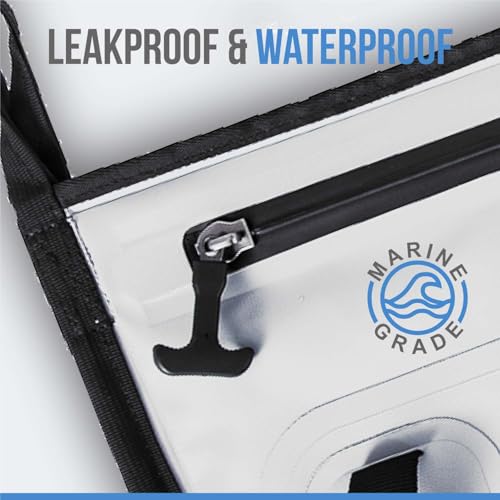
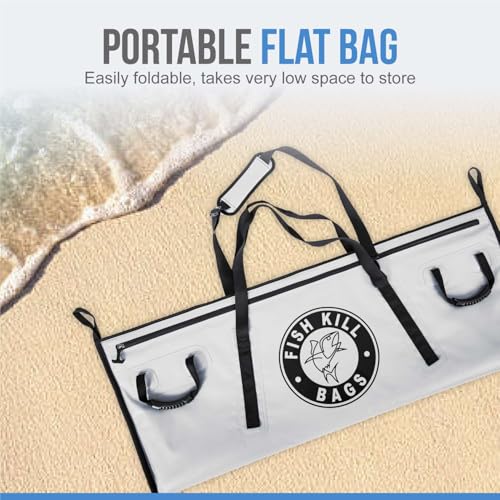
If I had to pick one bag for most anglers, this would be it. The 72-hour cooling claim sounds aggressive, but the double-wall premium insulation and 55C PVC tarpaulin construction back it up, owners report consistent performance on multi-day trips. The marine-grade zipper is a big reason this earns ‘Best Overall’. Unlike standard zippers, it resists saltwater corrosion and actually seals tight, which makes a huge difference when you’re draining water or transporting fish in a car.
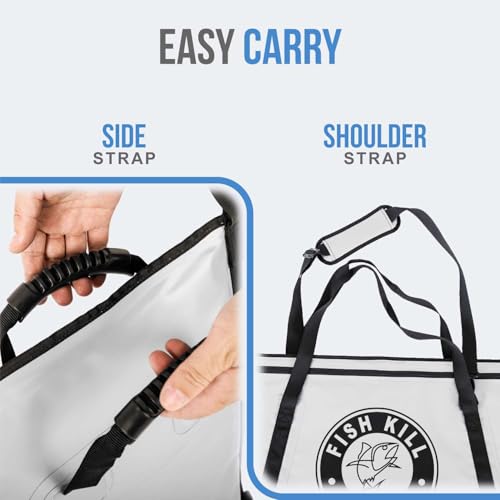
The non-slip handles and detachable shoulder strap make hauling heavy loads manageable, and the foldable design means it won’t eat up storage space. Compared to the THKFISH 40-inch models, this one feels more durable and better sealed. For serious fishing, this is the smarter buy.
Product photos
THKFISH 60in Fish Cooler Bag
Strengths
- Large 60-inch size
- Six reinforced handles
- Long zipper pull
- Easy to clean
Trade-offs
- Bulky when empty
- Zipper not fully leakproof
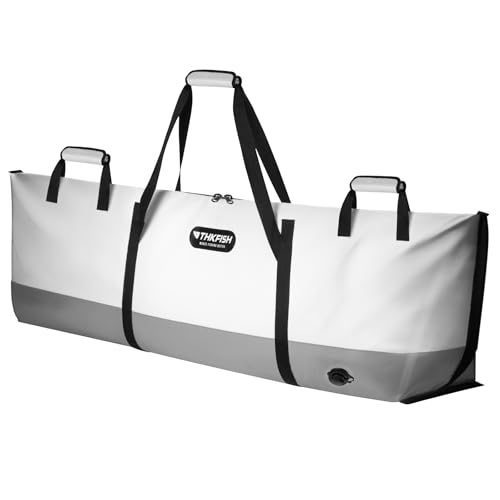
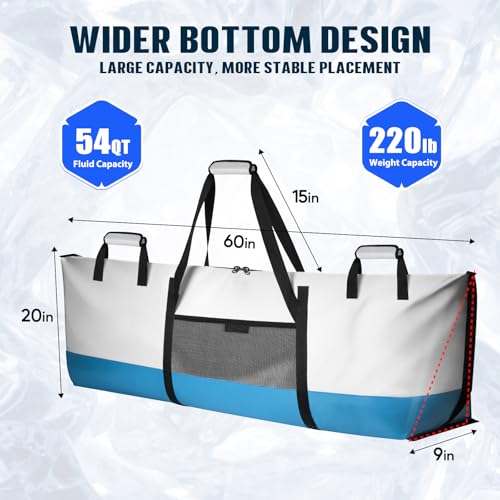
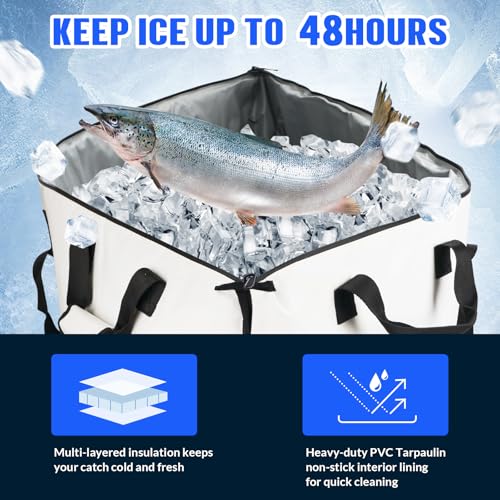
This is the go-to if you’re regularly landing large fish, tuna, dorado, or multi-species hauls. At 60 inches long and with a wide base, it can lie flat on a deck or be stood upright. The 48-hour ice retention is backed by owner feedback, especially when pre-chilled. The six reinforced handles are a standout for team lifting, and the padded shoulder strap spreads weight well.
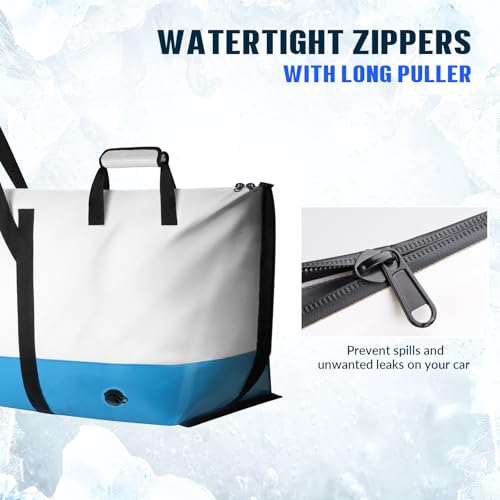
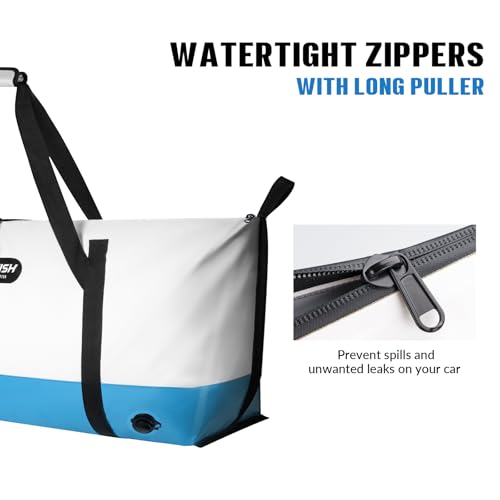
It shares the same RF-welded, non-stick interior as other THKFISH bags, so cleanup is a rinse-and-dry job. The zipper has a long puller, which works even with gloves, critical on cold mornings. It’s not as tough as the 55C PVC model, but for sheer capacity and usability, it’s unmatched.
Product photos

Buffalo Gear 72in Fish Kill Bag
Strengths
- 72-inch length
- YKK marine zipper
- Heavy-duty construction
- Cord closure option
Trade-offs
- Very bulky
- Minimal padding on straps
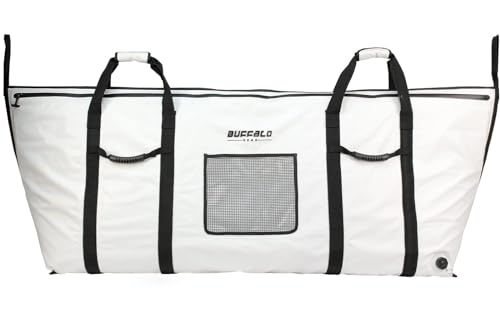
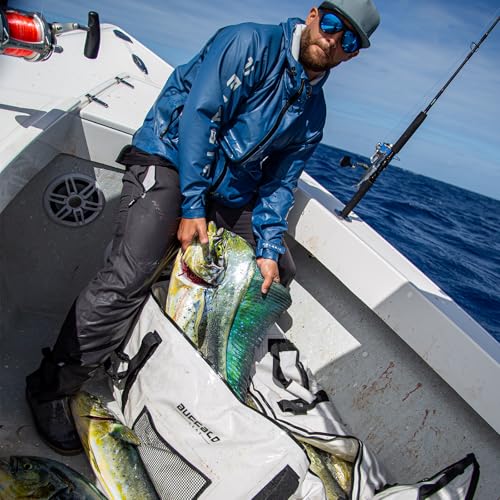
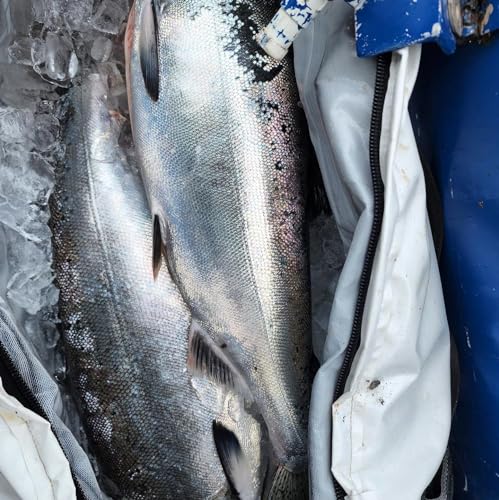
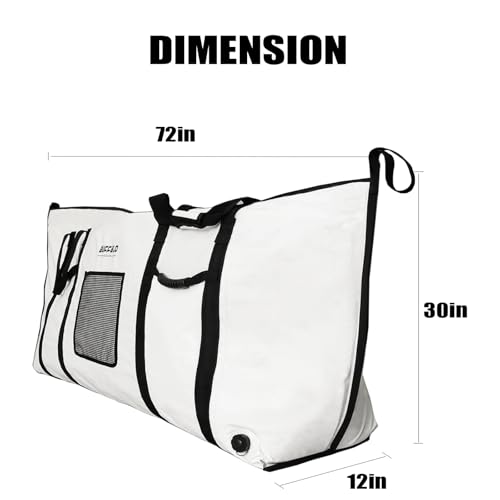
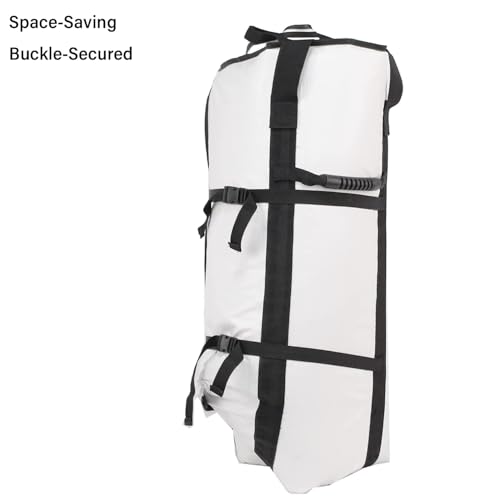
When you’re targeting tuna or billfish, size and strength matter, and this 72-inch monster delivers. The YKK zipper upgrade is a major plus; it’s smoother and more salt-resistant than generic zippers, which reduces failure risk on long trips. Owners praise its ability to handle violent thrashing fish without tearing. The cord closure option adds flexibility, zip it for transport or cinch it down for storage.
It’s not the most insulated bag out there, but 48 hours is solid for this size. The real win is the handcrafted thick walls and shoulder straps, which make carrying a 100-pound tuna feasible. Compared to the THKFISH 60-inch, this one feels sturdier and more purpose-built for serious game fishing.
Product photos

MORXPLOR 41-80in Fish Cooler Bag
Strengths
- Multiple size options
- Electrowelded seams
- Fold-up design
- Durable PVC
Trade-offs
- Not leakproof
- Basic handle setup
- Zipper prone to seepage
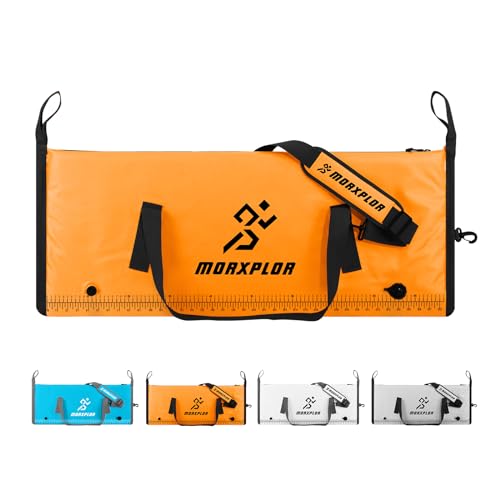
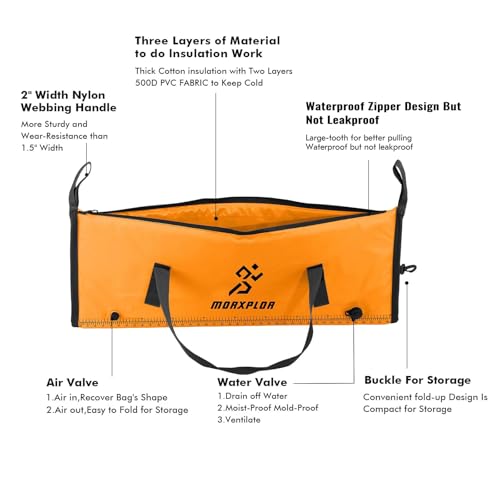
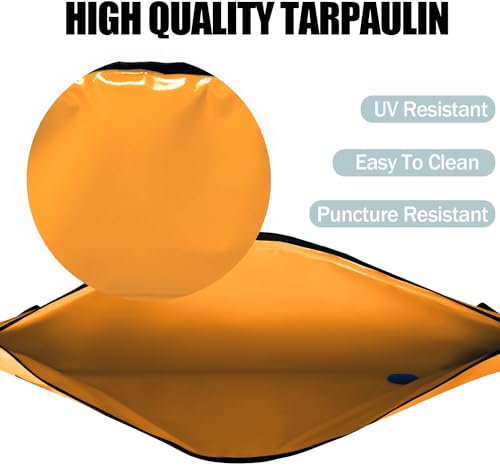
What sets this MORXPLOR bag apart is the range of sizes, up to 80×40 inches, making it the most flexible option for different fishing styles. Whether you’re in a kayak or running a charter boat, there’s a size that fits. The electrowelded seams and 10mm insulation suggest solid durability, and owners say it holds up well after repeated use.
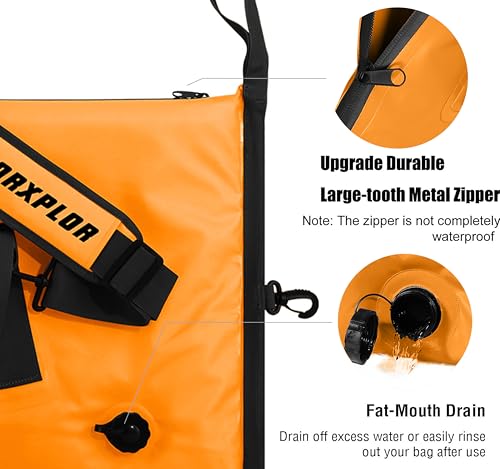
But like the budget THKFISH model, it uses a common waterproof zipper, not a sealed one. That means it’s not leakproof, owners warn against tipping it. The single carry handle is also a weak point for heavy loads, though the removable strap helps. I’d recommend this only if you need a specific large size not offered elsewhere. Otherwise, the THKFISH or Buffalo Gear models are better sealed and built.
Product photos
THKFISH 40in Fish Kill Bag

Strengths
- Low cost
- Easy to clean
- Lightweight
- Comfortable grip
Trade-offs
- Not leakproof
- Standard zipper
- Limited ice retention
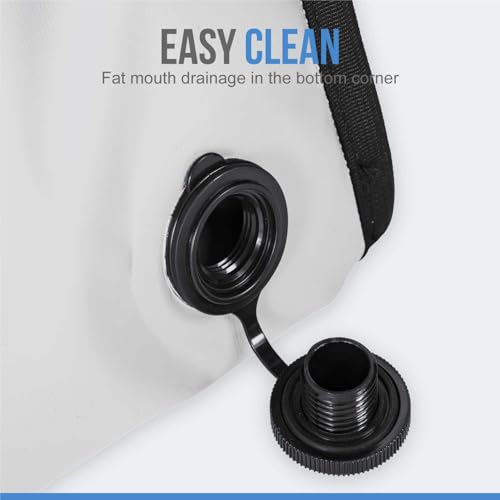
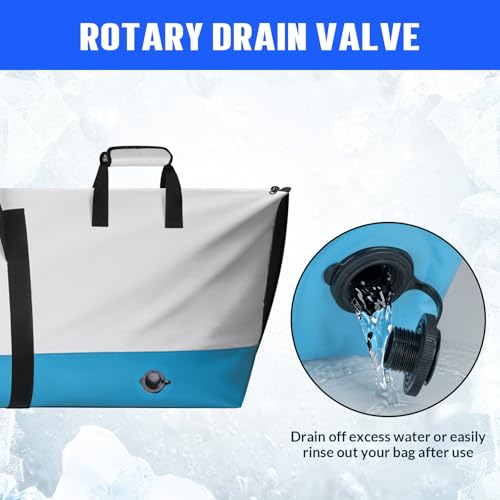
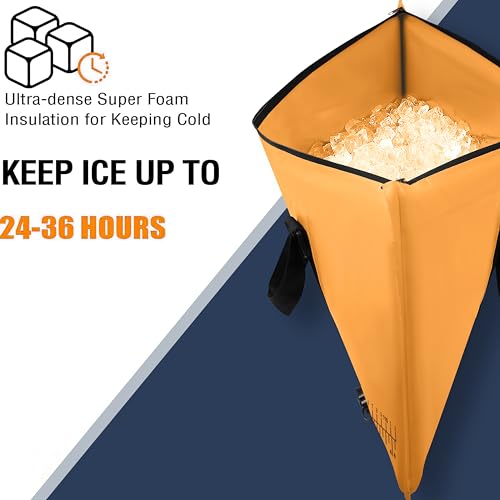
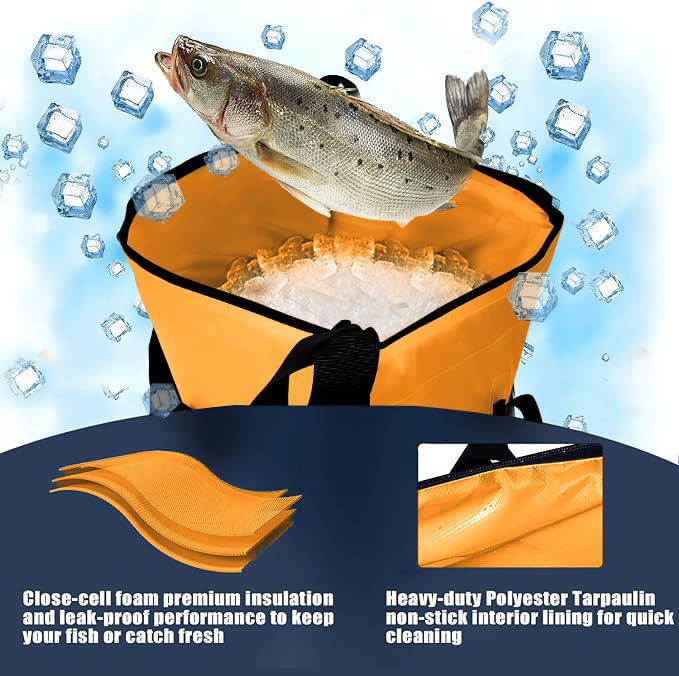
This is the most budget-friendly option that still delivers core functionality. It uses the same double-layer PVC and 10mm insulation as pricier models, so cooling performance is decent, owners say it keeps fish cold for about 24 hours with a good ice-to-fish ratio. The push-down drain valve works well, and the non-stick interior makes cleanup simple.
But there’s a catch: it’s waterproof, not leakproof. The standard zipper will seep if tipped, so you can’t lay it sideways in your truck bed. That makes it riskier than others if you’re transporting a sloppy catch. Still, for occasional use or beginners, it’s a capable, affordable entry point. Just don’t expect it to match the sealed performance of RF-welded models.
Product photos

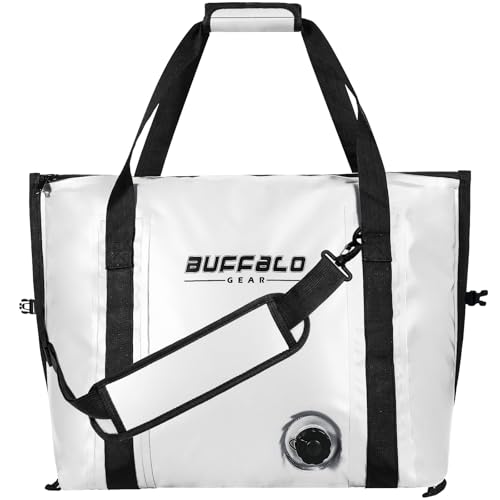
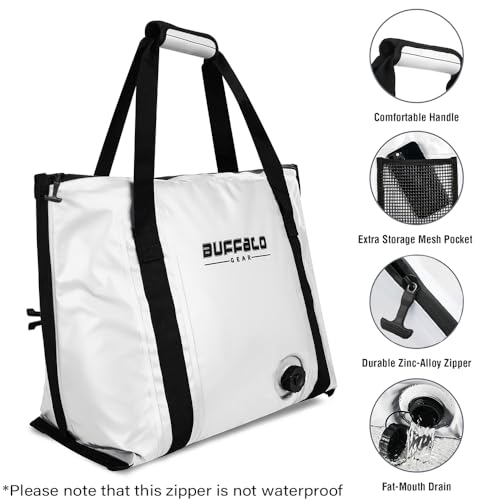
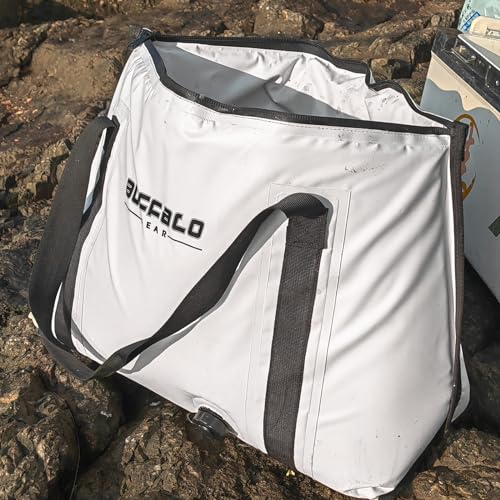
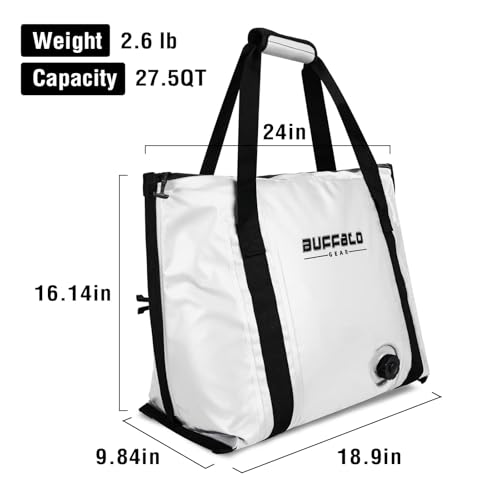
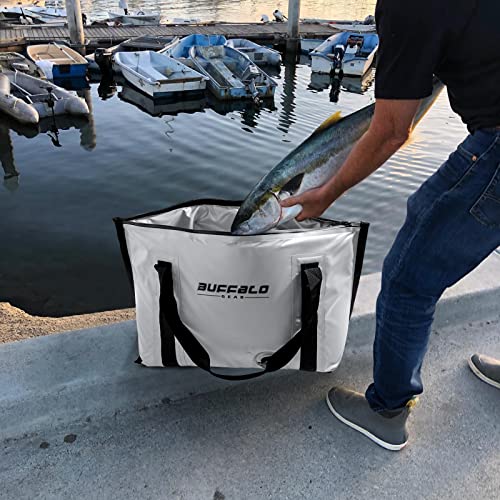
Buffalo Gear 26L Small Fish Bag
Strengths
- Lightweight
- Leakproof lining
- Screw-on drain plug
Trade-offs
- Small capacity
- Not for large fish
- Limited insulation depth
This compact fish bag is a solid pick for anglers who need a no-fuss solution for smaller catches. On paper, its 26L capacity and flat bottom stand out, making it stable on boat decks or car floors. The claim of 24–36 hours of ice retention in summer is ambitious, but owners consistently report it holds up well with a mix of ice and fish, especially when kept out of direct sun. The screw-on drain plug is a thoughtful touch, fewer leaks mean less mess in your vehicle.
Where it really wins is portability. It’s lightweight and folds flat, so it’s easy to stash in a tackle box or under a seat. That said, it’s not built for tuna or multi-day offshore trips. For weekend bass or panfish outings, though, it’s more than capable.
Product photos
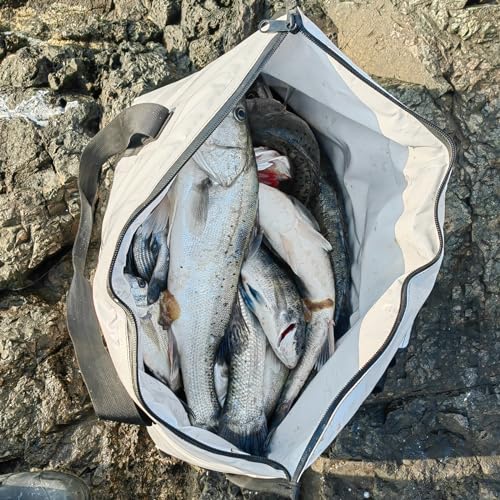
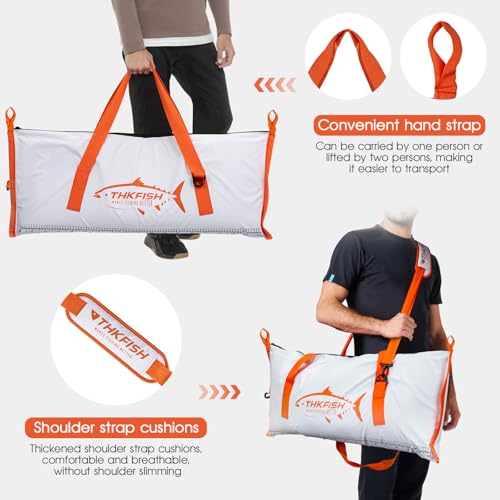
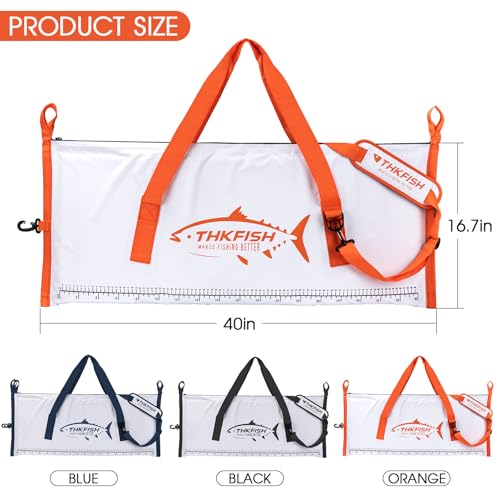
THKFISH 40x16in Insulated Fish Bag
Strengths
- RF welded seams
- Mesh storage pocket
- Effective drain valve
- Good insulation
Trade-offs
- Zipper not fully leakproof
- Slightly stiff when cold
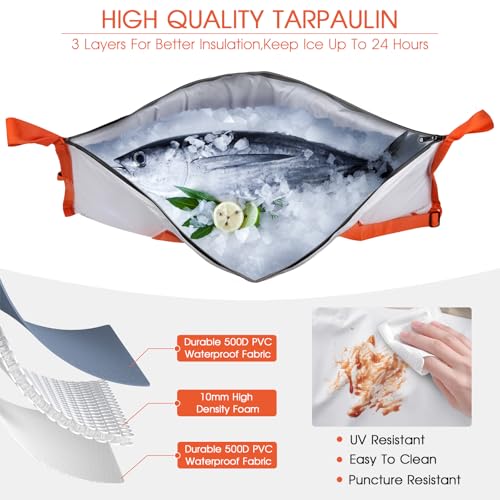
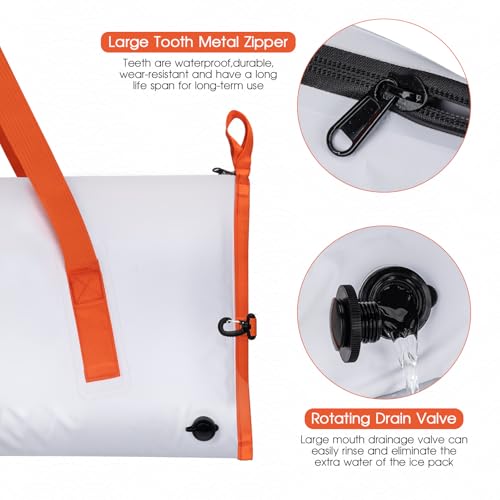
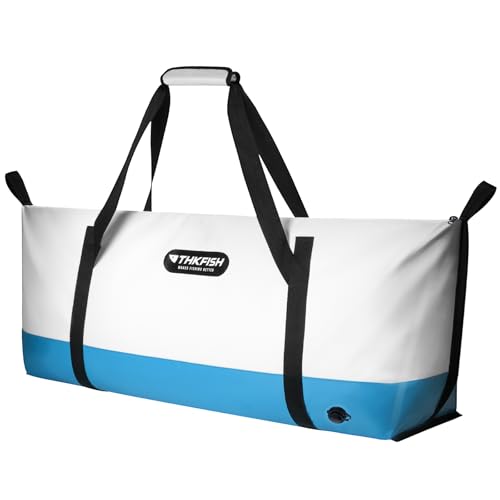
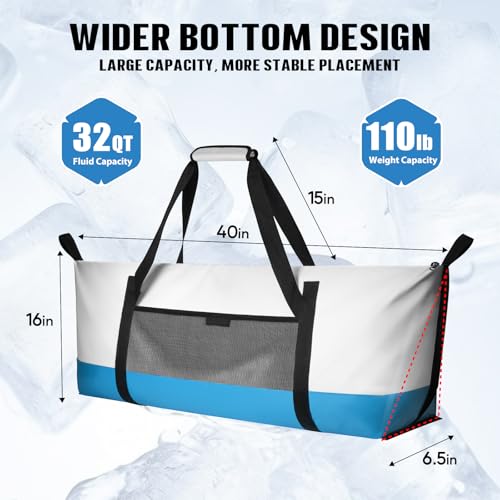
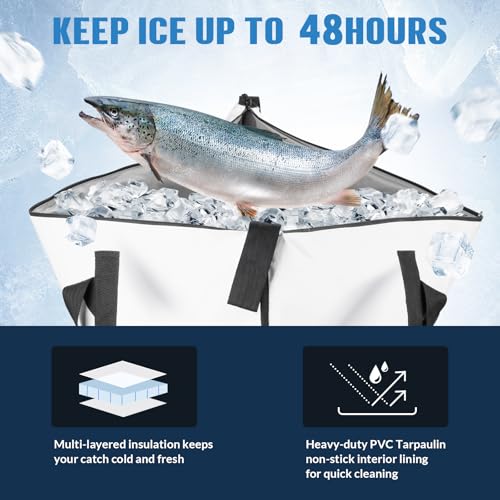
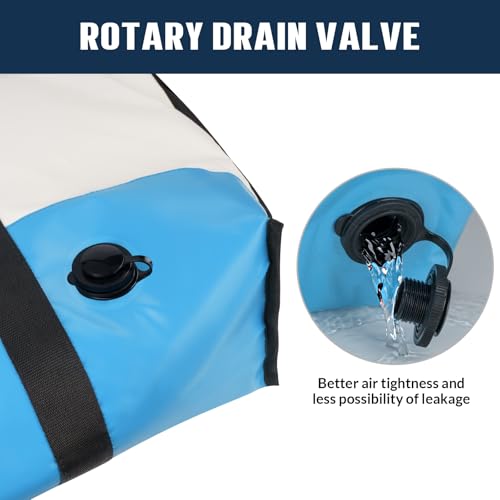
This mid-range THKFISH model hits a sweet spot between size, durability, and price. With RF-welded seams and 10mm pearl cotton insulation, it’s built to keep fish cold for a full day, owners confirm it handles 24 hours with ease, and some stretch it to 36 with extra ice. The double-layer PVC material feels rugged, and the push-down drain valve is a standout, sealing better than most in this class.
It’s also one of the few with a mesh pocket for gear, which adds real utility. I’d pick this over the Buffalo Gear small bag if you’re fishing from a kayak or small boat and need more room without going bulky. It’s not the largest, but it’s the most balanced for regular use.
Product photos
How We Picked These fish kill bags
We approached this guide by researching the specifications and features of numerous fish kill bags available on the market. Rather than a hands-on lab test, this is a research-led comparison of published details and owner feedback. We weighed owner reviews from multiple sources – including retailer sites and fishing forums – alongside expert opinions to build a clear picture of real-world performance and durability. The goal was to identify the bags offering the best combination of cooling capability, construction quality, and practicality.
For fish kill bags, insulation thickness and material durability were the most significant factors. Effective cooling relies on substantial insulation (measured in mm of foam or layers of material) to maintain consistent temperatures, even in hot weather. Equally important is the bag’s construction; anglers need a bag that can withstand the weight of a catch and resist tears from hooks or rough surfaces. Knowing that many anglers also consider portability, we also prioritized bags with convenient carry options.
Specifications reliably indicate insulation levels and material type (like PVC thickness), but owner feedback proved critical for assessing leak-proof claims and long-term durability. I found that reviews often highlight issues with zippers or drain plugs that aren’t apparent from the product description alone. Considering long trips and the potential mess, ensuring a truly waterproof design is crucial, and that’s where user experiences became especially valuable. Planning to bring your catch home? You might also want to review duffel bag airline checking rules to ensure a smooth journey.
How To Pick The Right fish kill bags
Finding the right fish kill bag can make a real difference in the quality of your catch – and how much of a mess you have to deal with afterward.
A good fish kill bag prioritizes insulation to maintain consistently low temperatures, durable construction to withstand the rigors of fishing and transport, and practical features like leak-proof design and easy cleaning. Look for bags utilizing RF welded seams, substantial insulation thickness (at least 10mm pearl cotton is a good benchmark), and robust materials like heavy-duty PVC tarpaulin. Consider the size needed for typical catches and how easily the bag can be carried and stored.
Insulation & Ice Retention
The whole point of a fish kill bag is to keep fish cold. Don’t assume all “insulated” bags are created equal. Some use minimal insulation, offering little more benefit than a standard cooler tote. Pay attention to the type and thickness of the insulation. Pearl cotton and closed-cell foam are effective, and anything less than 10mm thickness is likely to struggle holding temperature for extended periods, especially in warmer climates. If you’re serious about keeping your catch in prime condition, especially on longer trips, look for bags boasting 24+ hour ice retention claims, and read owner reviews to verify those claims hold up. Many anglers also find that pairing a quality bag with frozen gel packs, rather than loose ice, helps maintain consistent temperatures without creating a watery mess.
Material & Durability
Fish, hooks, and the general marine environment aren’t kind to gear. A flimsy bag will quickly tear or develop leaks, defeating its purpose. PVC tarpaulin is a common and reliable material, but the gauge (thickness) matters. Thicker PVC offers better puncture and abrasion resistance. Beyond the material itself, look at the construction. RF welded seams are far superior to stitched seams, as they create a watertight seal. The zipper is another critical point; YKK zippers, as seen on the Buffalo Gear models, are known for their durability and resistance to corrosion. For those who frequently check duffle bags as checked luggage, understanding material durability is even more crucial.
Size & Portability
Think about the size of your typical catch and how you’ll be transporting the bag. A massive bag is great for a tuna tournament but overkill for a day of bass fishing. Many brands, like MORXPLOR, offer multiple sizes to cater to different needs. Portability features are also key. Look for comfortable handles (padded is a plus) and a detachable shoulder strap.
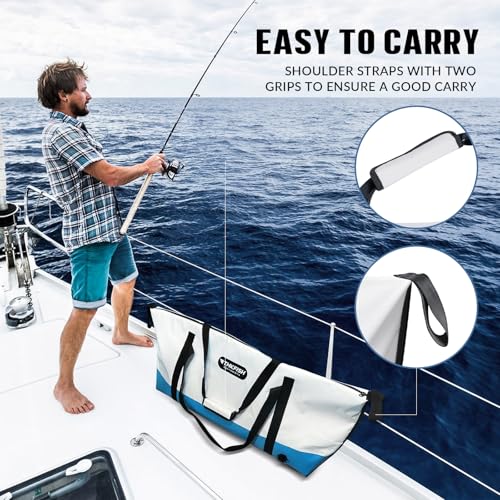
Here’s what to consider when thinking about portability: * A simple carry handle is okay for short distances. * Padded handles are much more comfortable when carrying a heavy, fully-loaded bag. * A detachable, adjustable shoulder strap distributes weight more evenly, making longer carries much easier. This is especially important if you’re walking any distance from your boat or kayak.
Don’t skimp on size. It’s better to have a bag that’s slightly too large than one that’s too small, especially if you’re targeting larger species.
If you’re also looking for other ways to keep your food and drinks cold on the go, consider checking out some of the best insulated cooler bags and portable cooler totes available.
Fish Kill Bags Compared
Here’s a comparison of key specifications for various fish kill bags to help you choose the right one for your needs.
| Product Title | Capacity | Insulation (mm) | Waterproof | Leakproof | Carry Options |
|---|---|---|---|---|---|
| Insulated Fish Kill Bag | N/A | N/A | Yes | Yes | Handles, Shoulder Strap |
| THKFISH 60in Fish Cooler Bag | 60x20x9 in | 10 | Yes | Yes | Handles, Shoulder Strap |
| Buffalo Gear 72in Fish Kill Bag | N/A | N/A | Yes | Yes | Handles, Shoulder Strap |
| MORXPLOR 41-80in Fish Cooler Bag | 41-80in | 10 | Yes | No | Handle, Shoulder Strap |
| THKFISH 40in Fish Kill Bag | 40×16 in | 10 | Yes | Yes | Handles |
| Buffalo Gear 26L Small Fish Bag | 26L | N/A | Yes | Yes | Handles |
| THKFISH 40x16in Insulated Fish Bag | 40x16x6.5/25×17.5×10 in | 10 | Yes | Yes | Handles, Shoulder Strap |
Frequently Asked Questions
What temperature should a fish kill bag maintain?
Ideally, a fish kill bag should maintain a temperature below 40°F (4°C) to slow bacterial growth and preserve fish quality. Maintaining this temperature relies on adequate insulation and sufficient ice or gel packs – though some anglers supplement with ice water.
Are all fish kill bags truly leakproof?
Not all fish kill bags are completely leakproof. While most advertise waterproof construction, owner feedback reveals that cheaper models sometimes leak at the seams or around the zipper. Bags with RF welded seams and robust zippers, like those found in some Buffalo Gear models, are more likely to be reliably leakproof.
How important is the material of the bag?
The material is very important because it directly impacts durability. Heavy-duty PVC tarpaulin is the standard, but thicker gauges (measured in denier) provide better resistance to punctures and tears from hooks and rough surfaces.
What size fish kill bag do I really need?
Bag size depends on your typical catch. For freshwater fishing or smaller saltwater species, a 40-inch bag might suffice. Tournament anglers or those targeting larger fish like tuna or marlin will likely need a 60-inch or even 80-inch bag.
What’s the best way to transport fish in a kill bag long distances?
For longer trips, consider using frozen gel packs instead of loose ice to avoid a watery mess. Also, investing in a quality bag with a detachable, adjustable shoulder strap will distribute weight more comfortably, and for extra protection, research waterproof dry sacks to safeguard your catch during transport.
The Bottom Line
Choosing a fish kill bag often comes down to balancing how much you want to spend against how seriously you take keeping your catch in top condition. While price is a factor, the Buffalo Gear 72in Fish Kill Bag consistently rises to the top due to its robust construction and thoughtful features – it’s a worthwhile investment for serious anglers.
For those on a tighter budget, the THKFISH 40in Fish Kill Bag offers a good level of insulation and waterproofing at a more accessible price point. If versatility is key and you need a bag that can adjust to different sized catches, the MORXPLOR 41-80in Fish Cooler Bag is an excellent choice, though you’ll need to confirm leak-proof performance with user reviews. Knowing whether a duffel bag as checked luggage is an option on your preferred airline might also influence your choice.
Ultimately, the specifications matter, but don’t get lost in the details. A thicker material, welded seams, and a reliable zipper are more vital than chasing the highest millimeter measurement of insulation. Prioritize a bag that will actually hold up to use and keep your catch cold, and you’ll be far happier with your purchase in the long run.