7 Best 72-Hour Backpacks of 2026
This post contains affiliate links. As an Amazon Associate, we earn from qualifying purchases.
The best 72 hour backpack for most people is the EVERLIT 72 Hours Earthquake Kit, thanks to its high-calorie food supply, robust first aid kit, and included water filter. If you’re on a budget, the Blue Coolers Blue Seventy-Two offers solid basics at a lower price, while the AMHEH 52L stands out for travelers needing an airline-approved bag with room to customize.
Packing for disaster readiness isn’t just about stuffing a bag and forgetting it. Too many kits are overloaded with junk, lack critical supplies, or come in flimsy packs that won’t survive a short hike, let alone an emergency evacuation. As someone who’s tested gear across continents and helped thousands plan smarter travel and preparedness kits, I know what separates a reliable 72-hour pack from a liability.
This guide cuts through the marketing hype. I researched each backpack based on real owner feedback, build quality, and the practicality of included supplies, focusing on what actually matters when the power’s out and you’re on the move.
Top 7 72 Hour Backpacks in the Market
The Best 72 Hour Backpacks, Reviewed
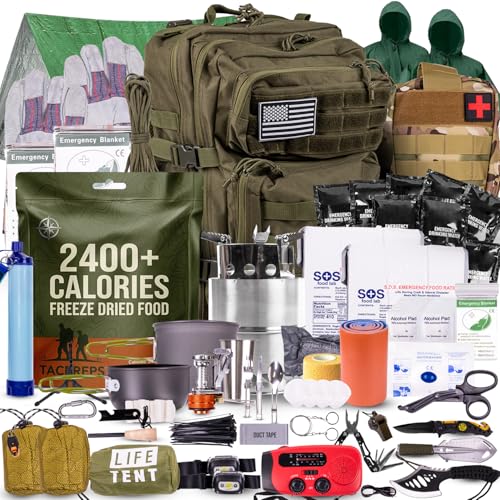
TacPreps 72 Hour Survival Kit
Strengths
- Water filter included
- Cooking system with stove
- Rechargeable headlamps
- Bivy bags and tent
- Solar/hand-crank radio
Trade-offs
- Slightly heavier pack
- Food variety limited
- Stove fuel not always included
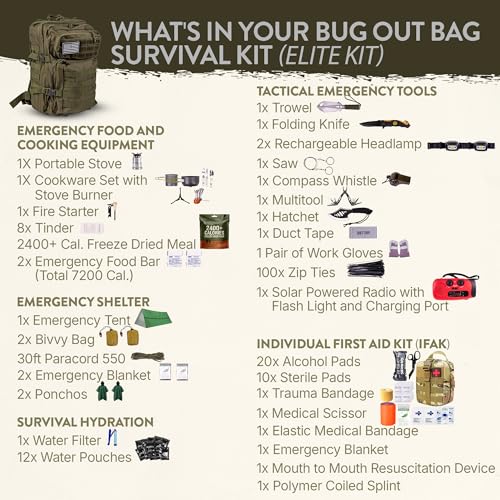
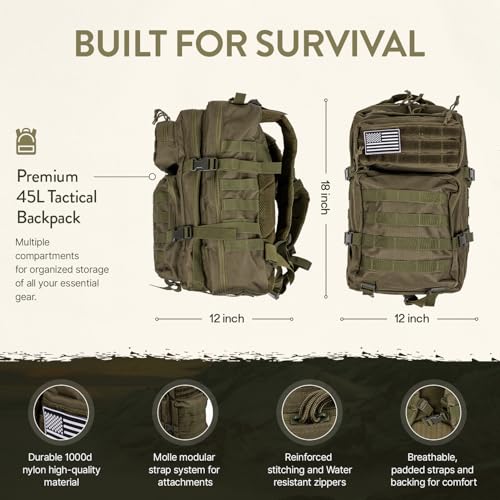
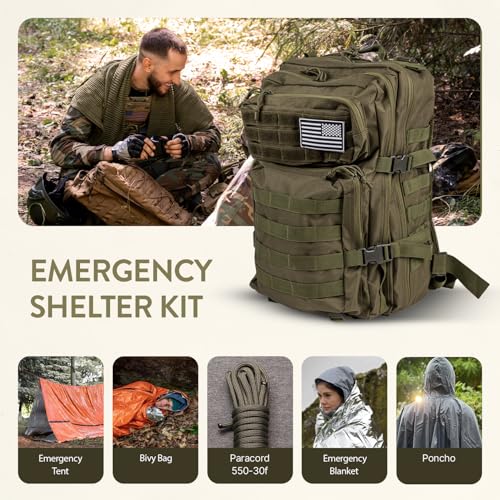
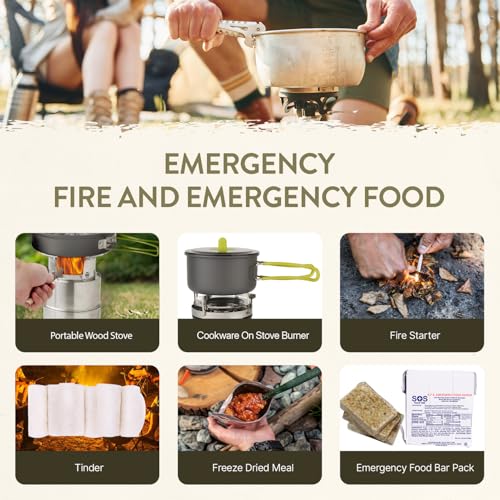
This is the most complete all-in-one survival kit in the lineup, and it earns the ‘Best Overall’ label. With freeze-dried food, a portable stove, cookware, a water filter, 12 water pouches, a solar/hand-crank radio with light, bivy bags, headlamps, and a full multitool set, it’s built for real-world use beyond the first 72 hours. The 45L backpack is well-organized and comfortable, and owners consistently report it feels like a genuine field-ready system.
Compared to the EVERLIT or Ready America kits, this one bridges the gap between urban preparedness and backcountry survival. The inclusion of a cooking system and water filter makes it far more capable in extended scenarios. My recommendation: if you want one kit that can handle evacuation, camping, or disaster response without needing upgrades, this is the smarter buy.
Product photos

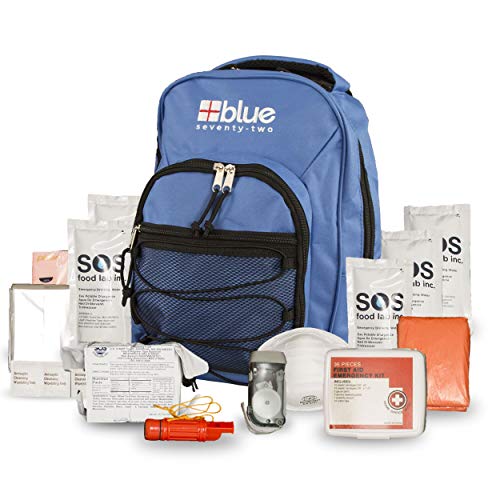
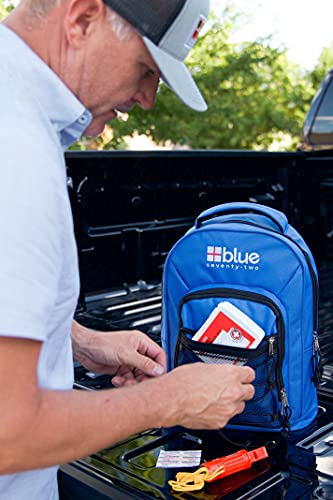
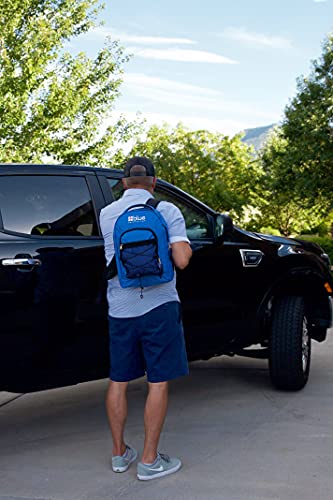
Blue Coolers Blue Seventy-Two
Strengths
- Low entry cost
- Red Cross essentials
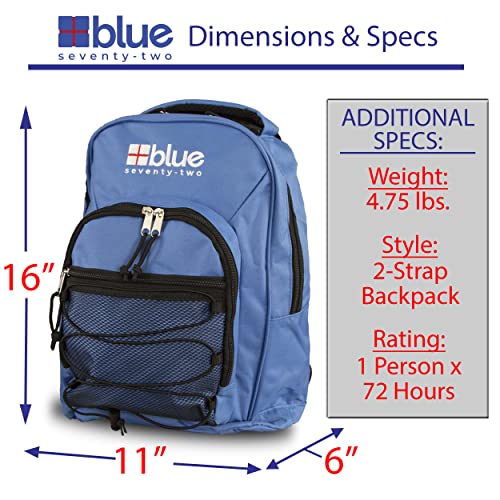
- Compact and lightweight
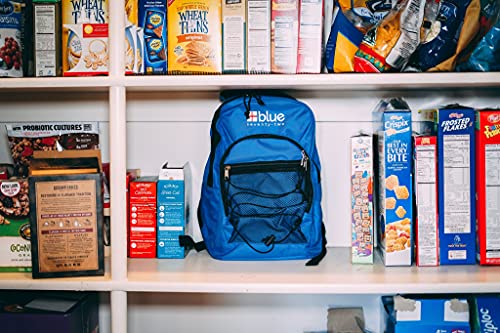
- Easy to store
- Simple to use
Trade-offs
- Minimal medical supplies
- No power or communication tools
- Only 5 water pouches
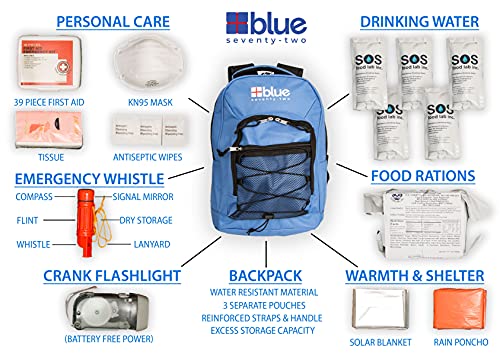
This is the bare-bones budget option, and it shows. It includes the Red Cross basics, food, water, emergency blanket, poncho, whistle, and a small first aid kit, all in a no-frills backpack. At this price point, you’re not getting extras like power banks or water filters, but you are getting a functional 72-hour kit for one person.
Owners report it’s perfect as a secondary kit, tossed in a car trunk or under a desk, but underwhelming as a primary emergency solution. Compared to the EVERLIT or TacPreps kits, it’s clearly stripped down. But for someone needing a low-cost entry point into preparedness, this gets the job done without overpromising. I’d recommend it as a starter kit or for stocking multiple locations cheaply.
Product photos
EVERLIT 72 Hours Earthquake Kit

Strengths
- 200-piece first aid kit
- CAT tourniquet included
- 24 emergency water pouches
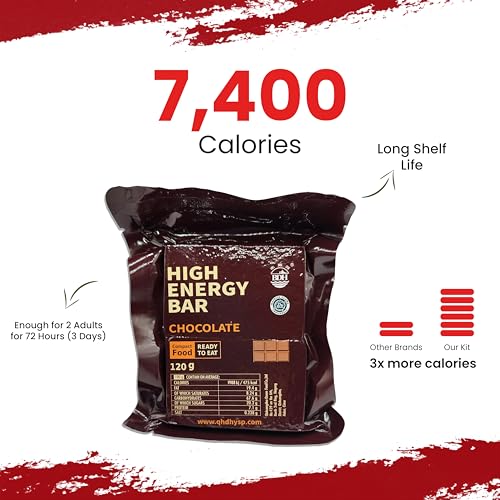
- 3600-calorie food bars
- MOLLE tactical backpack
Trade-offs
- No water filter
- Bulky for single use
- Limited food variety
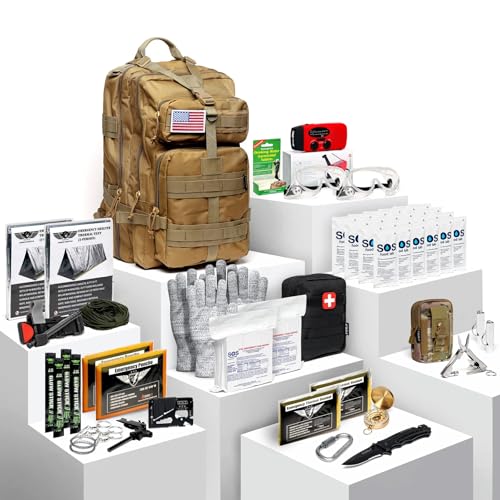
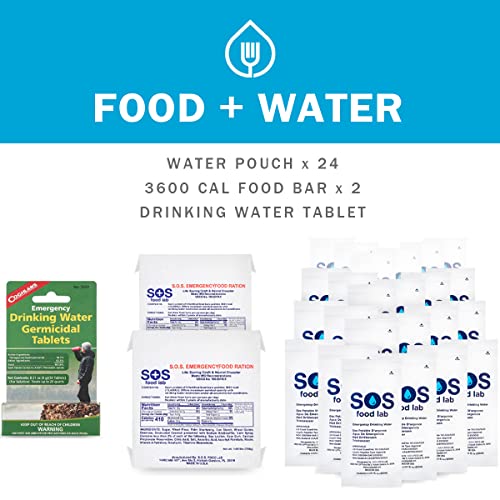
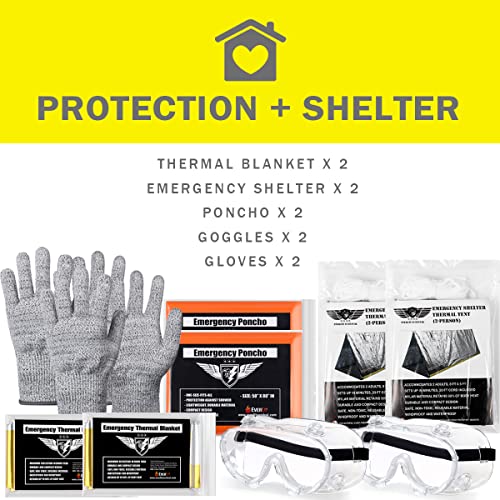
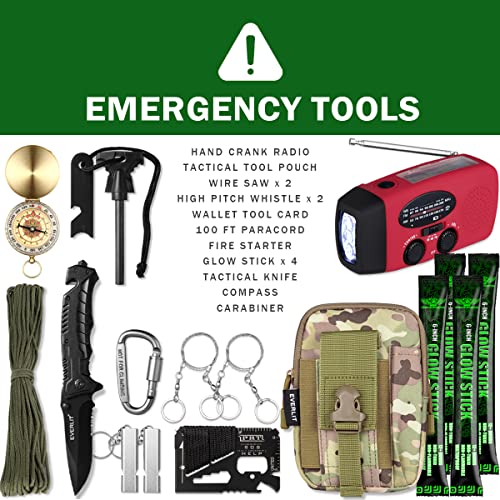
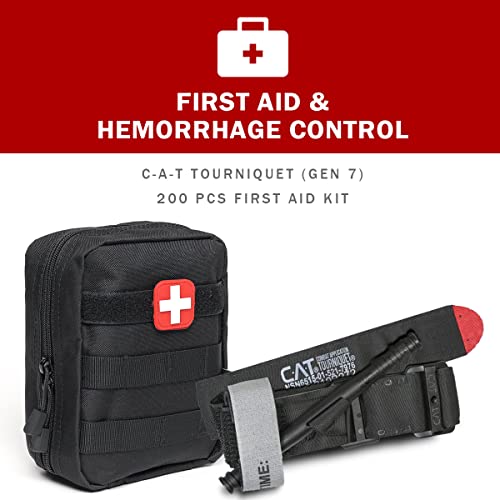
EVERLIT’s kit stands out for families who want confidence in a single, well-organized pack. With 24 water pouches, 3600-calorie food bars, a CAT tourniquet, and a 200-piece first aid kit, it’s clearly designed with trauma response in mind. The hand-crank flashlight with radio and phone charging adds serious utility, and the 1000D polyester backpack feels built to last, with MOLLE panels and an organized four-compartment layout.
Reviewers consistently praise the medical gear and the inclusion of items like glow sticks and goggles, which add layers of safety during chaotic evacuations. Compared to the Ready America kit, this one feels more complete for active disasters like earthquakes or wildfires. My recommendation? This is the smarter buy for families who want one pack that covers medical, shelter, and communication thoroughly.
Product photos
Blue Seventy-Two Pro Series Red

Strengths
- Larger tactical backpack
- Canteen cup included
- Red color for visibility
- Slightly roomier design
- Basic survival essentials
Trade-offs
- No water filter
- No power generation
- Minimal upgrade over base model
The Pro Series adds a few thoughtful touches, like a canteen cup and playing cards, but doesn’t meaningfully upgrade the core survival functionality. It still lacks a water filter, power bank, or robust medical kit, despite the ‘deluxe’ label. The larger tactical backpack is a nice improvement, and the red color aids visibility, but otherwise, it’s hard to justify over the standard Blue Seventy-Two unless you really want that cup.
Reviewers note the inclusion of playing cards feels gimmicky, and the first aid kit remains basic. Compared to the TacPreps or EVERLIT kits, this one doesn’t deliver premium value. My take? It’s a modest step up in aesthetics, but not in preparedness. If you’re paying more, you should expect better tools, not just novelty items.
Product photos


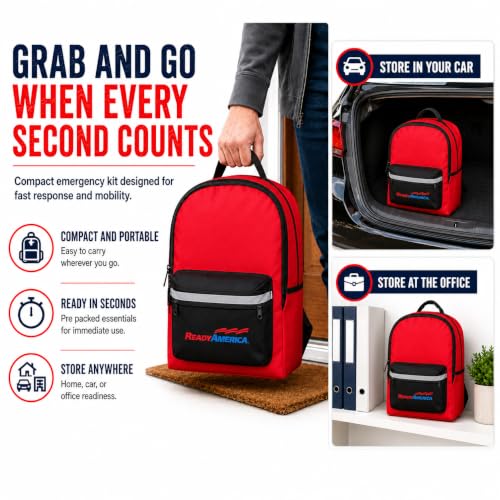
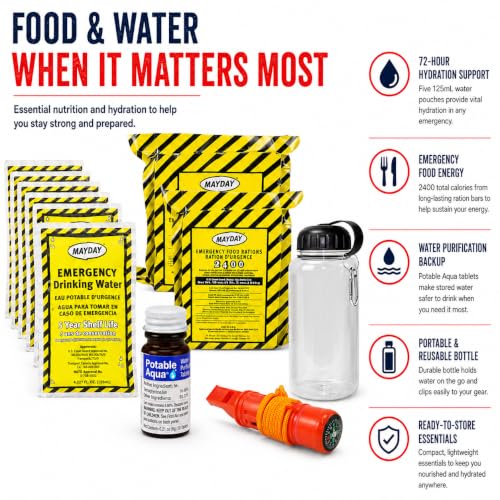
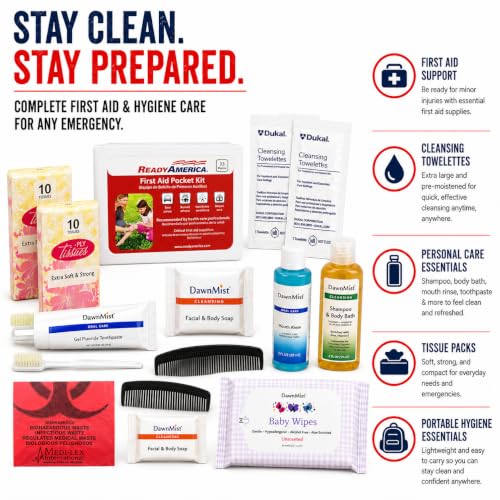
Ready America 72 Hour Deluxe 2-Person
Strengths
- Hand-crank power station
- Red Cross compliant
- 2400-calorie food bars
- 33-piece first aid kit
- Radio with USB charging
Trade-offs
- Limited water supply
- Basic tool inclusion
- No water filter
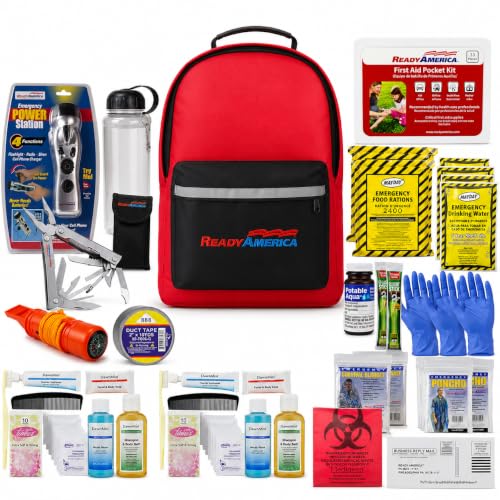
This kit hits the sweet spot for urban dwellers and families who want a reliable, no-fuss emergency pack focused on shelter-in-place or short evacuations. The inclusion of a hand-crank power station with radio and USB charging is a standout, critical during prolonged power outages when cell networks are spotty. With Red Cross-recommended supplies, two 2400-calorie food bars, and a 33-piece first aid kit, it covers the basics well.
Owners appreciate the simplicity and reliability, though some wish the water supply was more generous. Compared to pricier kits, this one skimps on tools but excels in communication and medical readiness. The power station alone makes it a smarter pick than basic kits if you’re worried about blackouts or storm-related grid failure.
Product photos


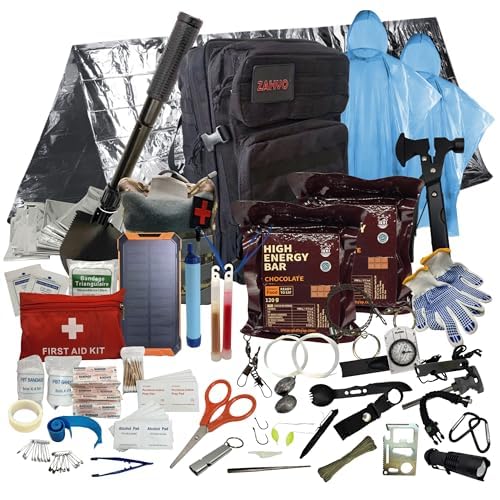
72 Hour Survival Kit with Solar Power Bank
Strengths
- 72-hour food for two
- Water filtration included
- Solar power bank
- MOLLE-compatible backpack
- Full survival toolkit
Trade-offs
- Solar charging inconsistent
- Bulky for quick evac
- Some tools underused
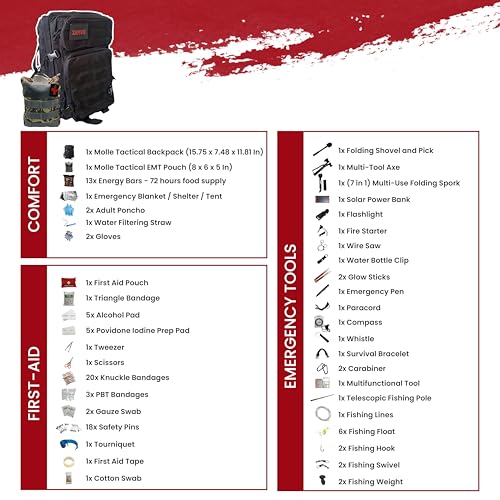
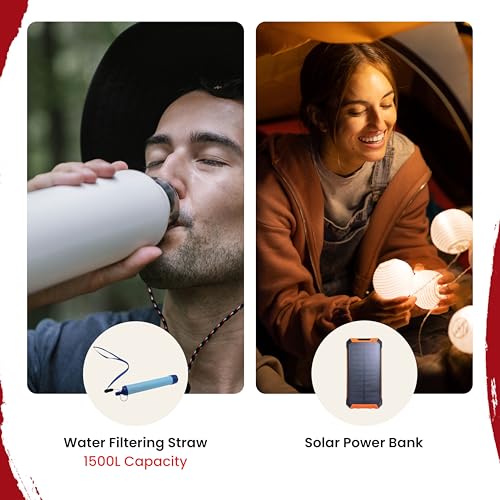
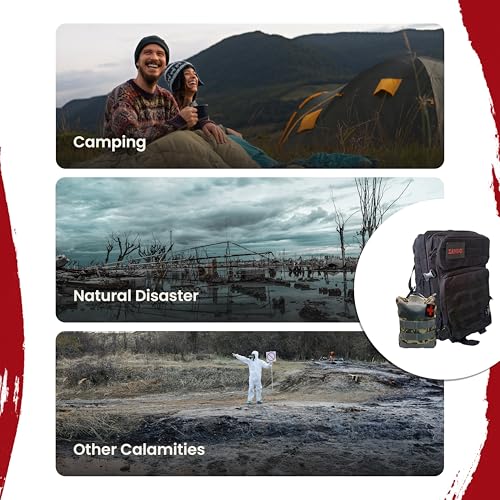
This kit leans hard into the off-grid survival fantasy, and on paper, it delivers. With calorie-dense food rations for two, a water filtration straw, solar power bank, shelter, and a full toolkit, it’s clearly aimed at those who want everything in one deployable unit. The inclusion of a hatchet, wire saw, and fishing tackle suggests it’s built for more than just urban evacuation, it wants to be your backcountry lifeline.
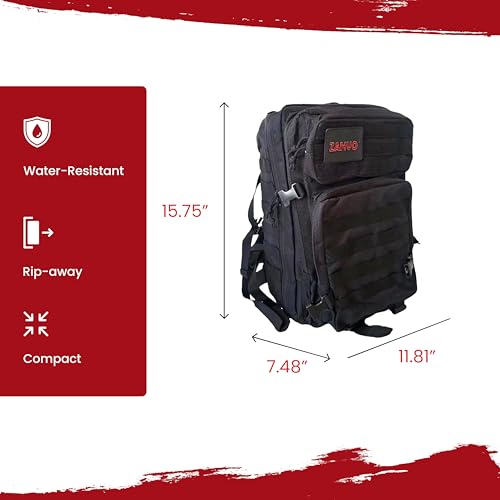
Owners consistently report that the MOLLE backpack feels rugged and the gear selection is thorough, though some note the solar power bank performs better in direct sun than cloudy conditions. Compared to simpler kits, this one gives you real tools for extended isolation, but that also means more components that could fail or require user knowledge. If you’re serious about self-reliance, this is a strong starting point.
Product photos
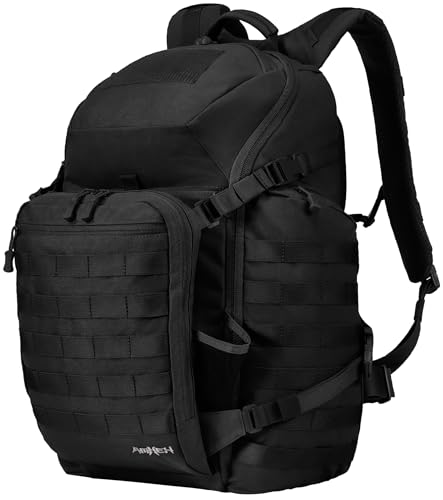
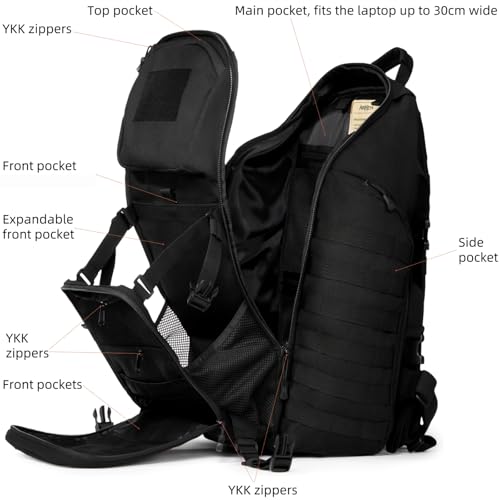
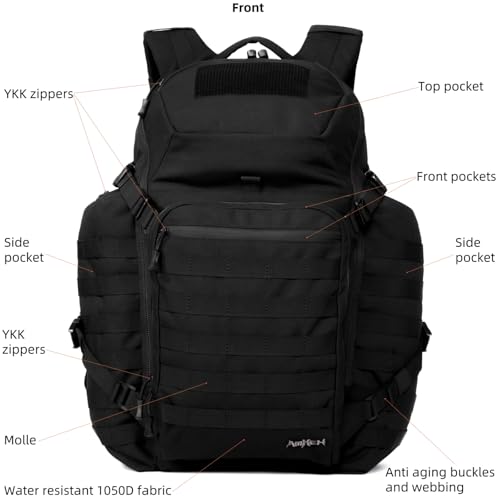
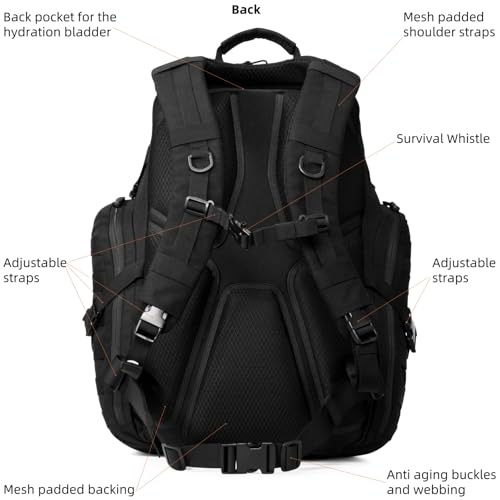
AMHEH 52L Airplane Approved Backpack
Strengths
- Airline approved size
- 1050D heavy-duty fabric
- 60 lb load capacity
- 17-inch laptop sleeve
- Expandable wet/dry compartment
Trade-offs
- Heavy empty weight
- Minimal padding on waist belt
- No included survival gear
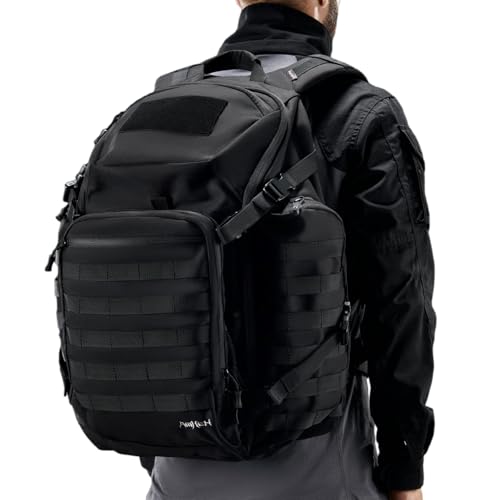
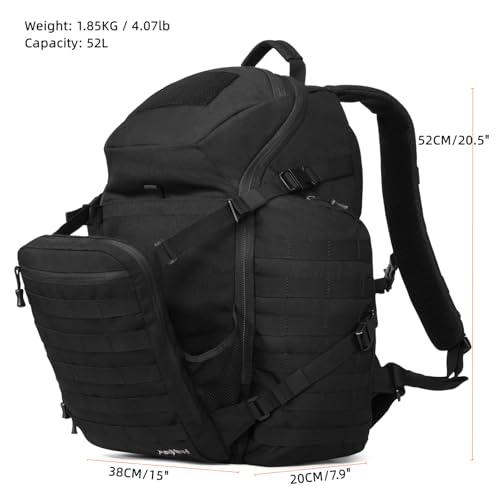
This isn’t a survival kit, it’s a high-capacity, airline-compliant tactical backpack built for travelers who want to move fast and carry heavy. With 52L of space and a 60 lb load capacity, it’s engineered for 3–5 days of gear, making it a solid choice for extended trips where rolling luggage isn’t practical. The 1050D fabric and YKK zippers suggest durability, and the airflow back panel with thickened mesh straps should help with comfort under load.
Reviewers note the expandable helmet bay is clever for separating wet or dirty gear, and the 17-inch laptop compartment adds serious utility for business travelers or digital nomads. While it lacks survival-specific contents, its rugged build and airline approval make it the best platform if you’re building your own 72-hour travel or evacuation pack. I’d pick this over softer carry-ons for anyone prioritizing durability and capacity.
Product photos
How We Evaluated 72 hour backpacks
As a frequent traveler and someone deeply invested in preparedness, I approached researching 72-hour backpacks by first outlining the core needs these kits address: immediate survival and self-sufficiency for a short duration. Rather than a hands-on lab test, this is a research-led comparison of published specifications, detailed feature lists from manufacturers, and, crucially, extensive owner and reputable expert reviews. I focused on identifying patterns in reported reliability, usability, and overall value.
For this category, three factors rose to the top as most decisive. First, the quality and thoroughness of the included first-aid supplies. Second, the durability of the backpack itself – specifically, material quality and construction. Finally, the practicality of the included food and water solutions, considering shelf life and ease of use in an emergency. A well-designed backpack can be a lifesaver, and understanding backpack size for short trips is essential.
Published specifications are reliable for understanding capacity, dimensions, and basic material composition. However, owner feedback proved invaluable for gauging real-world durability and the practicality of included tools. I weighed reviews discussing how easily the kit packed, how comfortable the backpack was to carry, and whether promised features – like the solar power bank – actually performed as advertised. Reputation and brand history also played a role, indicating a commitment to quality and customer satisfaction.
Choosing The Right 72 hour backpacks
Picking the right 72-hour backpack isn’t about finding the biggest one; it’s about smart preparedness.
A quality 72-hour backpack balances capacity (typically 40-50 liters) with comfortable carry, durable construction, and a thoughtfully curated kit of essentials. Focus on water resistance, robust zippers (YKK is a good sign), and a design that allows for organized packing of food, water, first aid, shelter, and communication tools. Prioritize a pack that fits your torso length for optimal comfort during extended use.
Capacity and Organization
Don’t assume “bigger is better.” A 72-hour kit needs to be manageable. Overpacking leads to exhaustion, and a poorly organized pack renders essential items inaccessible in a crisis. I often see people get caught up in wanting to bring everything, but a streamlined kit is far more effective. Look for backpacks with multiple compartments, a dedicated sleeping bag compartment, separate pockets for first aid, and easily accessible pouches for frequently needed items are all valuable. Remember, you might be carrying this for extended distances, so every ounce counts.
Durability and Comfort
The materials matter immensely. While many packs look tactical, not all are truly built to withstand harsh conditions. I recommend prioritizing backpacks constructed from high-denier nylon (1000D is excellent) with reinforced stitching. Water resistance is also crucial; a durable water repellent (DWR) coating is a good start, but some packs offer fully waterproof designs. More importantly, the harness system, shoulder straps, hip belt, and back panel, must be comfortable. Consider whether you need a pack designed to fit a range of torso lengths or one that is adjustable. For longer hauls, look at options with load lifters and a supportive hip belt to transfer weight from your shoulders. If you’re planning to travel by plane frequently, you’ll want to check out some of the top travel backpacks to ensure carry-on compliance.
Kit Contents and Customization
Many 72-hour backpacks come pre-packed, but I’ve found these often contain items of questionable quality or that don’t meet individual needs. A good starting point is a pack that includes the core essentials, food, water, shelter, first aid, but be prepared to supplement or replace items as necessary.
Here’s what I suggest when evaluating pre-packed kits: * Food: Check calorie counts and expiration dates. Freeze-dried meals and energy bars are common, but ensure they align with any dietary restrictions. * Water: Prioritize a combination of sealed water pouches and a water filter or purification tablets. * First Aid: A thorough kit should include supplies for wound care, pain relief, and potentially more advanced treatments like a tourniquet. Don’t skimp here.
A well-stocked 72-hour backpack is a personal investment. Tailor the contents to your specific environment, potential threats, and individual medical needs.
If you’re aiming for a minimalist approach, understanding 40l backpack dimensions can help you maximize space and stay within airline carry-on limits.
72 Hour Backpacks Compared
This table provides a specification comparison of several 72-hour backpacks to aid in informed purchasing decisions.
| Product Title | Capacity (L) | Food Calories (per person) | Water Included (oz) | First Aid Kit | Special Features |
|---|---|---|---|---|---|
| TacPreps 72 Hour Survival Kit | 45 | N/A | 12 | Yes | Food/Water, Radio, Headlamp |
| Blue Coolers Blue Seventy-Two | N/A | 2,400 | 21 | 36-piece | Food Bars, Water Pouches |
| EVERLIT 72 Hours Earthquake Kit | N/A | 3,600 | 24 (plus tablets) | 200-piece | Water Filter, CAT Tourniquet |
| Blue Seventy-Two Pro Series Red | N/A | 2,400 | 21 | 36-piece | Canteen Cup, Playing Cards |
| Ready America 72 Hour Deluxe 2-Person | N/A | 2,400 | 6 | 33-piece | Multi-tool, Hand-Crank Radio |
| 72 Hour Survival Kit with Solar Power Bank | N/A | N/A | N/A | Yes | Solar Power Bank, Shelter |
| AMHEH 52L Airplane Approved Backpack | 52 | N/A | N/A | N/A | Airline Approved, MOLLE |
Frequently Asked Questions
What backpack capacity is truly ideal for a 72-hour kit?
A 40-50 liter backpack strikes the best balance between carrying essential supplies and remaining manageable for extended periods. Anything larger risks becoming too heavy and unwieldy, while smaller packs simply won’t accommodate everything you might need.
Are pre-packed kits generally a good value, or should I build my own?
Pre-packed kits offer convenience but often contain lower-quality items. I recommend using a pre-packed kit as a starting point and then upgrading components, particularly food, water, and first aid, to match your specific needs and preferences.
How important is water resistance in a 72-hour backpack?
Water resistance is critical. Even a DWR (durable water repellent) coating is beneficial, but fully waterproof backpacks provide superior protection for sensitive items like food, medications, and electronics.
What features should I prioritize in a 72-hour backpack’s harness system?
Look for adjustable shoulder straps, a padded hip belt, and a supportive back panel. Load lifters are also valuable, as they help transfer weight to your hips for greater comfort during long carries. You might also consider suitable carry-on backpacks if you plan to travel by air.
What’s the typical shelf life of the food included in these kits?
Most kits include freeze-dried meals or energy bars with a shelf life of 5-10 years when stored properly. However, it’s essential to check expiration dates regularly and rotate out older items to maintain preparedness.
The Bottom Line
Choosing a 72-hour backpack always involves a trade-off between having everything you might need and keeping the load manageable. For overall value and a well-rounded kit, I recommend the EVERLIT 72 Hours Earthquake Kit. It strikes a good balance between thoroughness and practicality, and the inclusion of a water filter alongside pouches is a smart move.
If budget is your primary concern, the Ready America 72 Hour Deluxe 2-Person kit provides a solid baseline of essentials at a lower price point. For those who prioritize versatility and want a pack they can customize extensively, the AMHEH 52L Airplane Approved Backpack offers ample space and MOLLE webbing for attaching additional gear – understanding 35l backpack use cases will help you maximize its potential.
Ultimately, the best 72-hour backpack isn’t about fancy features or a high price tag. It’s about having reliable shelter, clean water, and essential first aid supplies, all carried in a comfortable and durable pack that you know how to use. Don’t get hung up on specs; focus on the fundamentals of preparedness.