7 Best Waterproof Backpacks for Kayaking 2026
This post contains affiliate links. As an Amazon Associate, we earn from qualifying purchases.
The OSAH DRYPAK 35L/55L/85L Backpack stands out as the best overall waterproof backpack for kayaking, thanks to its rugged 500D PVC build and high-capacity options. For a budget-friendly choice that still floats, the Lamicall Floating Roll Top Backpack delivers solid performance. If you want maximum versatility, the Trudave Submersible TPU Dry Bag offers an air valve and detachable straps for multiple carry styles.
Kayakers don’t just need dry gear, they need gear that stays dry even when fully submerged, and that won’t vanish beneath the surface if dropped. Too many backpacks claim to be waterproof but fail at buoyancy or seam integrity when it matters most.
In this guide, I break down the top options based on waterproofing strength, floatation, comfort, and real-world feedback. These picks reflect what matters most on the water: reliability, smart design, and durability backed by specs and user experiences.
Top 7 Waterproof Backpacks For Kayaking in the Market
The Best Waterproof Backpacks For Kayaking, Reviewed
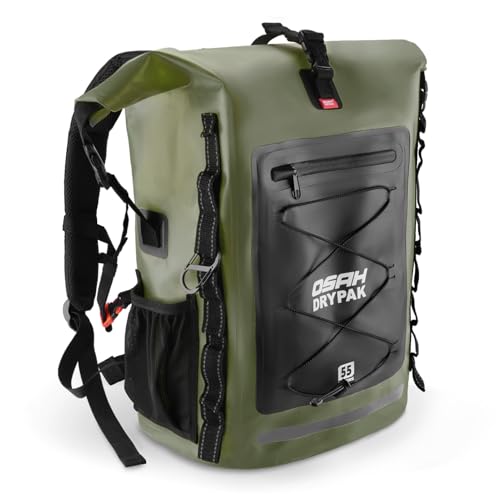
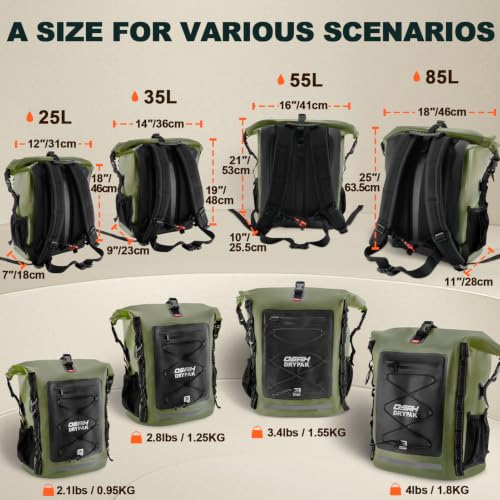
OSAH DRYPAK 35L/55L/85L Backpack
Strengths
- Excellent ventilation and support
- Smart storage options
- Highly durable construction
Trade-offs
- No floatation without air trapping
- Roll-top less convenient than zippers
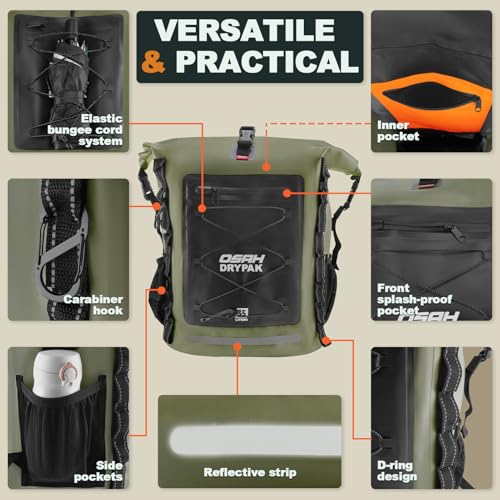
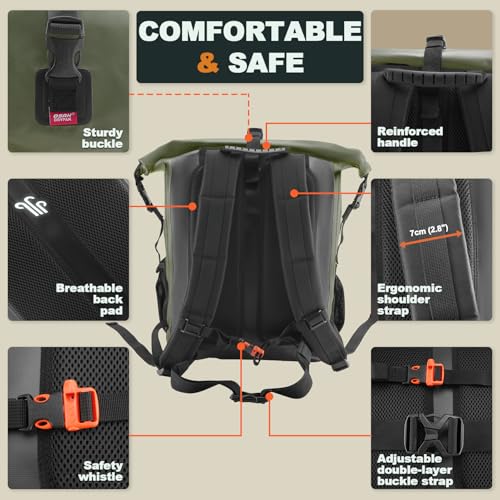
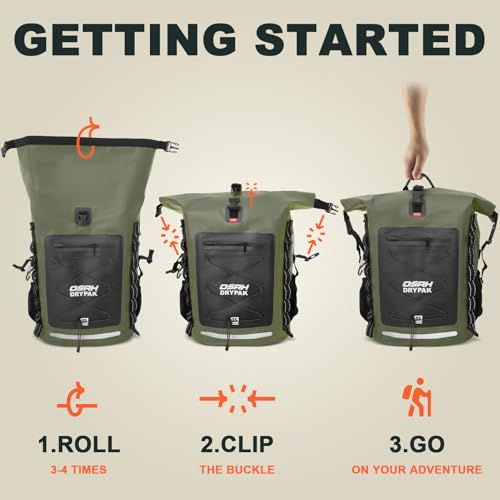
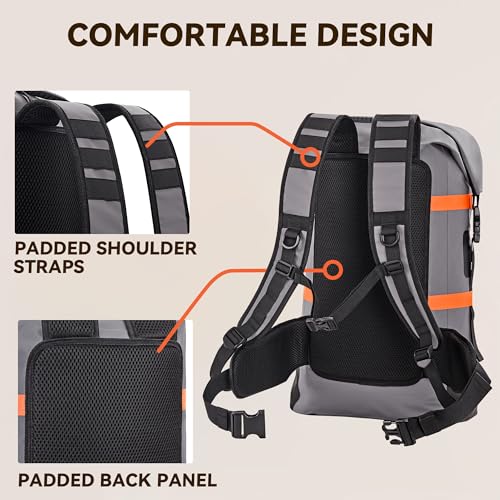
With its rugged 500D PVC build and high-frequency welded seams, the OSAH DRYPAK earns its ‘Best Overall’ label by balancing performance, comfort, and smart features. The roll-top closure is tried-and-true, and paired with the reinforced base and reflective strip, it’s built for serious outdoor use. What sets it apart is the breathable back padding and chest strap with safety whistle, small touches that make a big difference on longer trips.
Owners highlight the inner zip pockets and elastic bungee cords as genuinely useful for organization, especially when packing for multi-day kayaking or backcountry hikes. The 35L to 85L range gives real flexibility. While it doesn’t float by default like some PVC bags, its sheer capacity and durability make it a favorite among those who prioritize gear protection and load stability over buoyancy.
Product photos
Lamicall Floating Roll Top Backpack

Strengths
- 500D PVC durability
- Floats without inflation
- Includes waterproof phone case
Trade-offs
- Roll-top requires careful sealing
- No back padding for comfort
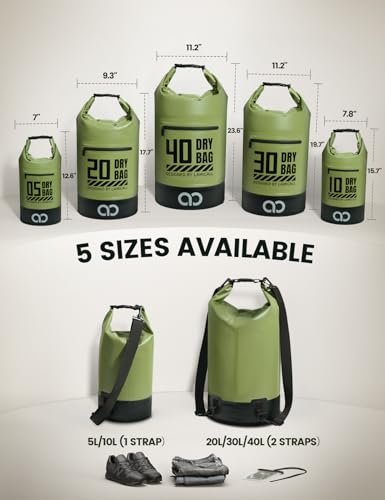
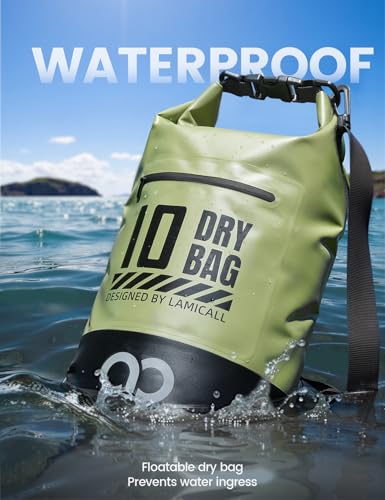
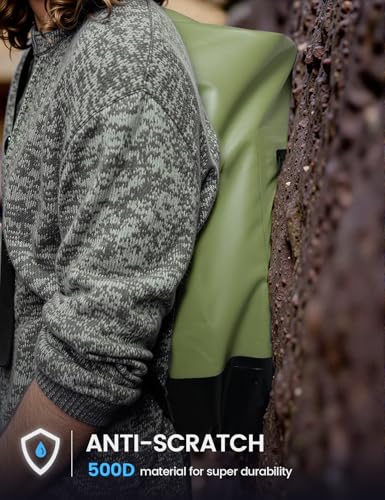
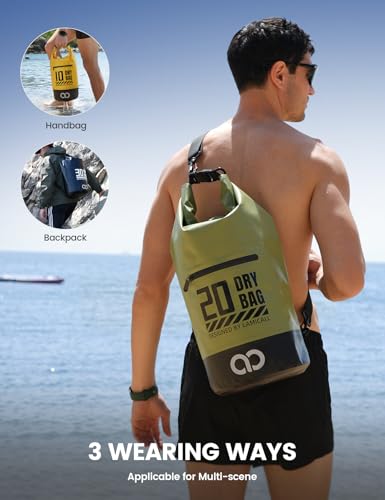
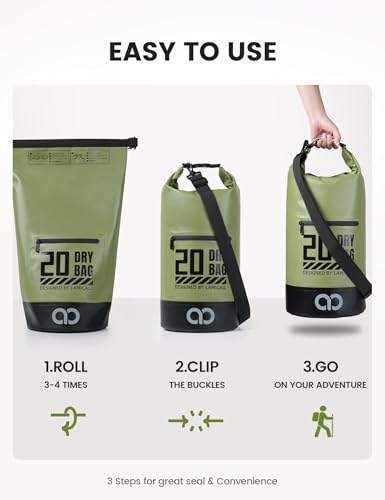
If floating performance is your top priority, the Lamicall 10L stands out in a crowded field. The 500D PVC construction and fully welded seams deliver real-world protection that aligns with its IPX6 rating, and owners consistently report gear staying dry even during capsizes and rough paddling. The fact that it floats without needing inflation is a major plus, there’s no extra step, no air valve to manage.
The included IPX8 phone pouch is a thoughtful addition, and its touch-sensitive design works well for quick snaps on the water. While the roll-top closure is reliable, it does require proper technique, under-rolling is the most common cause of moisture ingress, according to user feedback. The front splashproof pocket is handy, but true waterproofing only applies to the main chamber.
Product photos
Trudave Submersible TPU Dry Bag
Strengths
- Submersible TPU material
- Lightweight and flexible
- Comfortable ergonomic fit
Trade-offs
- Less abrasion-resistant than PVC
- Inflation required for floatation
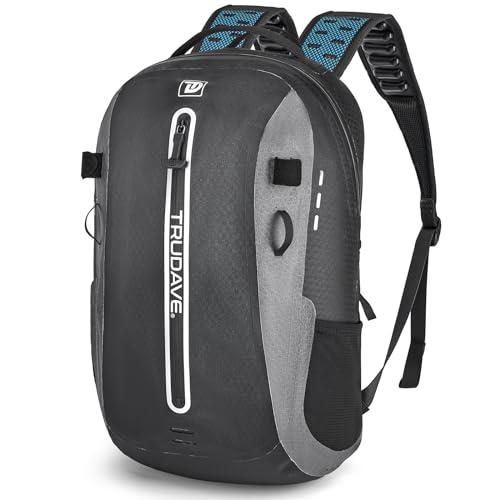
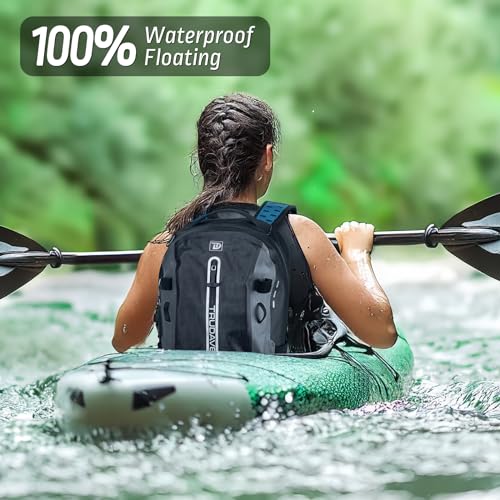
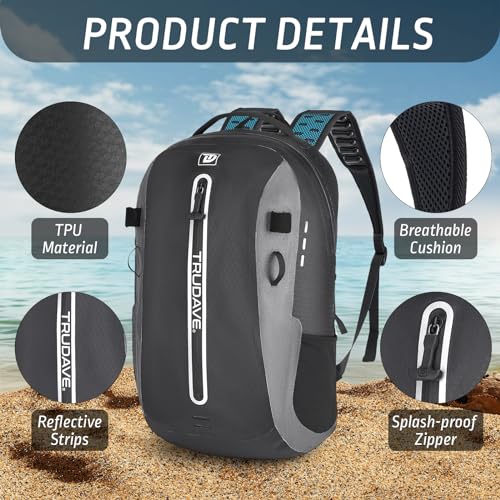
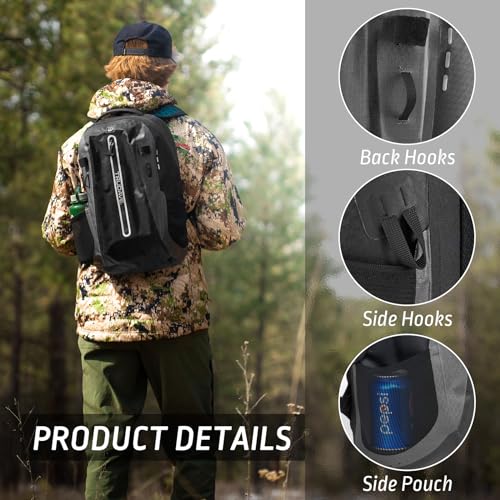
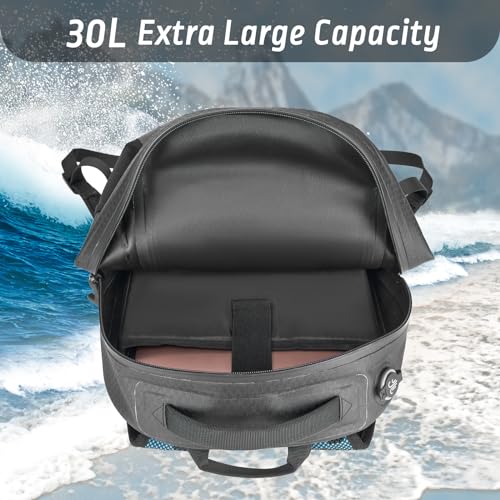
The Trudave 30L is a strong option for anyone who might fully submerge their gear, its TPU construction and airtight zipper are rated for true submersion, not just splash protection. TPU is lighter and more flexible than PVC, and it won’t crack in extreme cold, which owners in colder climates appreciate. The inflation valve lets it float, and the material stays odor-free and environmentally friendlier than traditional PVC.
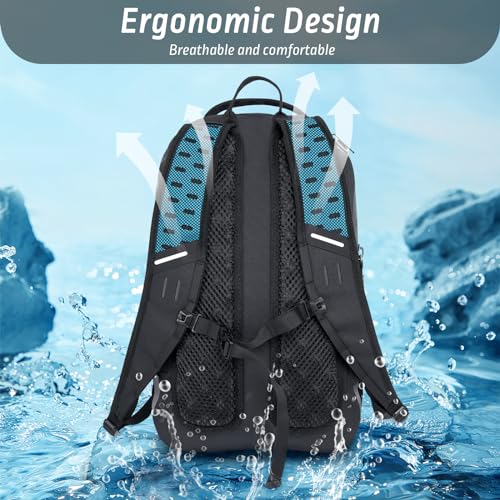
The breathable back panel and detachable waist belt make it comfortable for mixed-use scenarios, like hiking to a remote paddle spot. Side water bottle pockets add convenience. While it doesn’t have the rugged heft of PVC bags, its submersion rating and eco-friendly material give it a niche edge. For technical users who need to go underwater, this is a compelling choice.
Product photos
Xelfly Inflatable Waterproof Submersipack

Strengths
- Comfortable padded carry system
- True submersible airtight zipper
- Lifetime warranty
Trade-offs
- Must inflate to float
- Slightly higher learning curve with valve
The Xelfly Submersipack feels like a step up in comfort and usability, especially if you’re carrying more than just snacks and a towel. Its TPU-coated nylon body is lighter than PVC alternatives, and the airtight zipper, not a roll-top, makes access faster and more intuitive. That zipper is the star here, backed by a lifetime guarantee, and it’s consistently praised in reviews for smooth operation and true submersion protection.
Owners who use this for longer excursions appreciate the foam-padded back and straps, along with the sternum and hip belts that keep it stable during active use. The mesh side pockets and D-rings add real utility. While you do have to blow it up to float, the inflation valve works reliably, and the bag stays buoyant. For those who want one bag to handle kayaking, hiking, and even snow sports, this is a strong contender.
Product photos
Piscifun Floating Waterproof Backpack
Strengths
- Affordable price point
- Floats reliably
- Comes with phone case
Trade-offs
- Minimal padding for carry
- No sternum or waist support
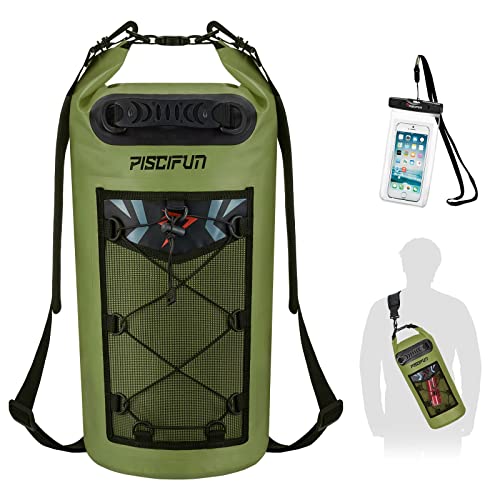
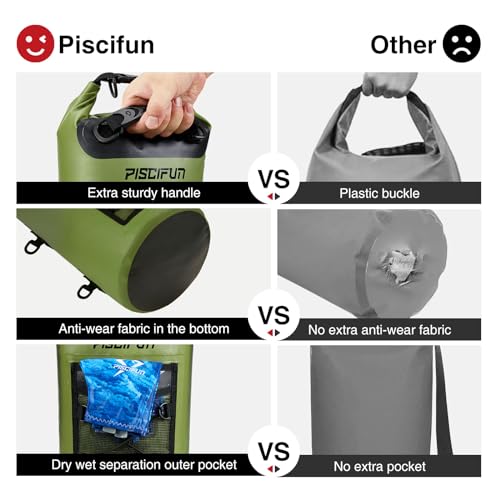
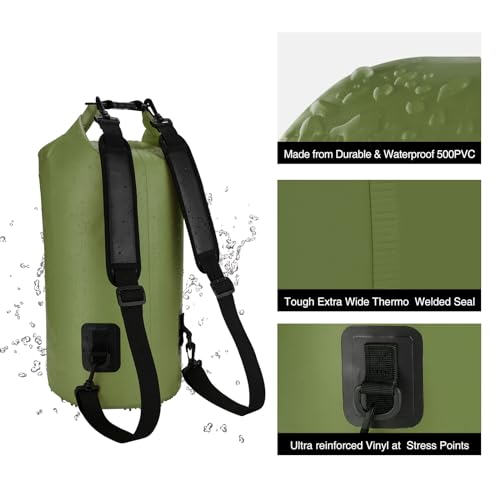
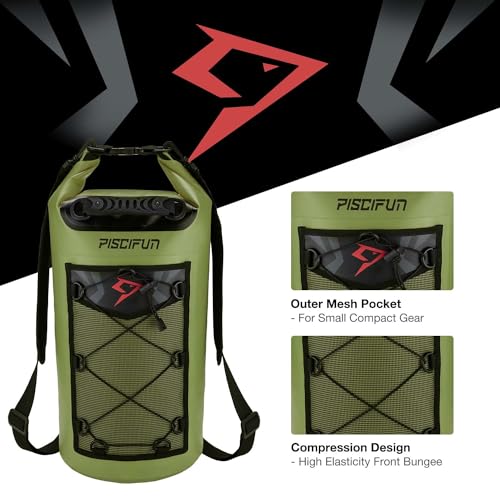
The Piscifun 10L is a solid entry-level option that punches above its weight for the price. It uses the same 500D PVC material as pricier models and delivers reliable waterproofing through a tight roll-top seal. The included waterproof phone case is a real perk, and its touch-friendly design works well for taking photos mid-paddle.
It’s basic, no padding, no hip belt, just adjustable straps, but that keeps it lightweight and simple. Owners say it floats predictably and holds up well to abrasion from boat decks and rocky shores. If you’re a casual kayaker or beachgoer who wants dependable protection without spending top dollar, this is a smart starting point. Just don’t expect all-day comfort.
Product photos

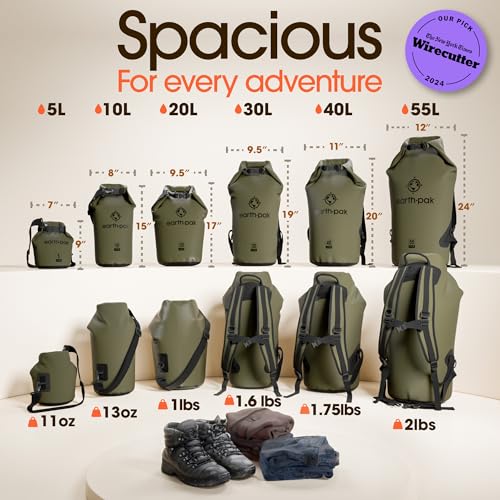
Earth Pak Roll Top Dry Bag

Strengths
- Excellent warranty
- Trusted by Wirecutter
- Includes quality phone case
Trade-offs
- Basic back support
- Roll-top less convenient than zippers
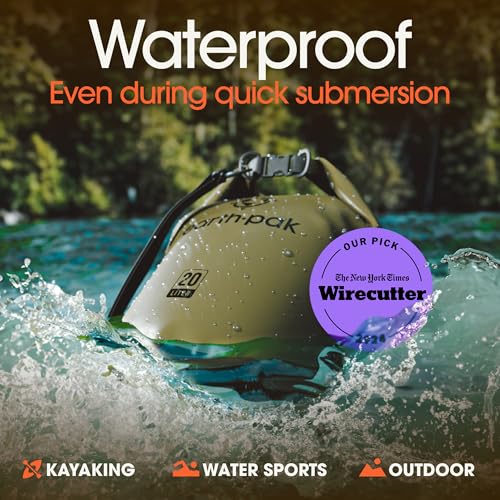
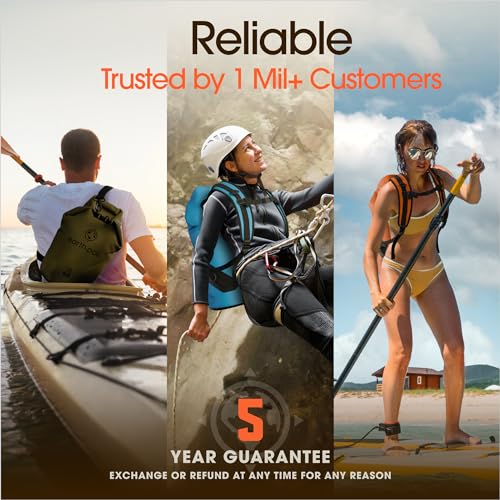
The Earth Pak stands out for its five-year warranty and Wirecutter recognition, signaling strong value and reliability. It uses a classic roll-top design with 500D PVC and delivers what it promises, dry gear, without gimmicks. The IPX8-certified phone case is well-made, with dual-sided clarity for photos, and fits larger phones comfortably.
Available in sizes up to 55L, it’s versatile for both travel packing and outdoor use. The larger models include a sternum strap and waist belt, which help with load distribution. While it lacks advanced comfort features like molded back padding, owners appreciate its simplicity and durability. For travelers who want a trustworthy, no-nonsense dry bag that won’t break the bank, this is a strong pick.
Product photos


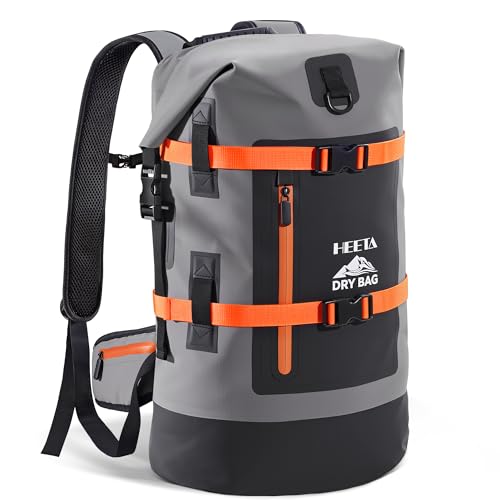
HEETA 40L Heavy Duty Backpack
Strengths
- Spacious 40L capacity
- Padded for comfort
- Multiple storage pockets
Trade-offs
- Contains DEHP (Prop 65 warning)
- PVC can feel stiff initially
With a 40L capacity, the HEETA backpack is built for those who need space, think full-day kayaking trips, family beach outings, or hiking with extra gear. The padded back panel and waist belt make carrying this volume actually manageable, a big upgrade over basic roll-tops. The front zip pocket and side storage add convenience, and the D-rings let you attach it to watercraft securely.
It uses 500D PVC, so it’s tough and floatable when properly sealed. However, the DEHP warning under California Prop 65 is a real concern, this plasticizer has known health risks, and while it’s common in PVC gear, it’s worth noting for health-conscious buyers. Owners like its durability and layout, but some mention the straps can feel stiff at first.
Product photos


Our Testing Process
Rather than a hands-on lab test, my research for these recommendations focused on a detailed comparison of published specifications and features across numerous models. I then weighed owner reviews from major retailers alongside assessments from reputable outdoor gear reviewers. As someone who’s spent years evaluating travel gear, I applied my understanding of materials, construction, and practical needs to rank these options against clear criteria for kayaking and similar water sports.
For waterproof backpacks intended for kayaking, buoyancy and reliable waterproofing were the most significant factors. A bag that sinks when fully submerged is useless for watersports; it needs to float with gear inside. Beyond that, comfort and durability ranked highly. Kayaking often involves extended use, so ergonomic design and robust construction are essential to withstand repeated exposure to sun, water, and abrasion.
Specifications clearly indicate a bag’s stated capacity and material composition, but owner feedback provided crucial insights into real-world performance. I paid close attention to reports of leaks, strap durability, and ease of use. Reputation also mattered; brands known for quality outdoor gear generally delivered on their promises, while less established brands required more scrutiny of owner experiences. Understanding backpack drying methods is also important after a day on the water.
What To Look For In waterproof backpacks for kayaking
Choosing the right waterproof backpack is about more than just keeping your belongings dry; it’s about confidence and convenience on the water.
A quality waterproof backpack for kayaking balances durable, airtight construction with comfortable carry features. Look for heavy-duty PVC or TPU materials, well-sealed seams (welded is superior to stitched), and a reliable closure system like a roll-top. Consider capacity needs, comfort features like padded straps, and added safety elements such as reflective strips.
Capacity and Intended Use
The size of the waterproof backpack you select should directly relate to the length of your kayaking trip and the amount of gear you plan to bring. A smaller 10-20L bag is sufficient for a quick paddle or a day trip with minimal essentials. However, for overnight trips or longer expeditions, you’ll want to consider a larger 30-55L capacity. Don’t overestimate your needs, though. A fully loaded, oversized backpack can become unwieldy and uncomfortable on the water. I often see people choosing a bag far larger than necessary, which just adds unnecessary weight.
Construction and Waterproofing
Not all “waterproof” backpacks are created equal. The material is key. TPU (thermoplastic polyurethane) is generally more durable and environmentally friendly than PVC (polyvinyl chloride), though both are commonly used. More important than the material itself is how the bag is constructed. Welded seams are far superior to stitched seams, as stitching creates tiny holes that can allow water to seep in. A reliable roll-top closure is essential, and look for models with multiple buckles or a robust clasp to ensure a tight seal. If you’re planning on full submersion, also investigate if the bag is buoyant – some models, like the Lamicall, are designed to float. For truly demanding conditions, explore those with an IPX rating; IPX6 and IPX8 are common designations for water resistance.
- A basic roll-top closure is a good starting point for splash protection.
- Welded seams offer a significant improvement in waterproofing over stitched seams, preventing leaks even under pressure.
- A floating design (like in the OSAH DRYPAK) provides an added layer of safety, ensuring your gear doesn’t sink if accidentally dropped overboard, which is particularly useful when considering recommended waterproof backpacks.
Comfort and Features
While waterproofing is paramount, comfort shouldn’t be overlooked. Look for backpacks with padded shoulder straps and back panels to distribute weight evenly and prevent chafing. Adjustable sternum and waist straps are also beneficial for stabilizing the load, especially during more strenuous paddling. Beyond comfort, consider features like external attachment points for gear, a dedicated water bottle holder, and even a waterproof phone case (many models, like the Trudave, include one). If you’re frequently kayaking in low-light conditions, a reflective strip can increase visibility. I always recommend checking out top waterproof backpacks to see what features are available and which ones align with your needs.
Don’t assume a tight seal means a comfortable carry. Always prioritize ergonomic design and adjustable straps to distribute weight effectively.
Ultimately, the best waterproof backpack is the one that best suits your specific kayaking needs and preferences. If you’re looking for additional options and guidance on best waterproof bags for kayaking, I’ve compiled a more extensive list on my site.
Waterproof Backpacks for Kayaking Compared
Here’s a comparison of key specifications for various waterproof backpacks designed for kayaking and other water sports.
| Product Title | Capacity | Material | Waterproof Rating | Floating | Shoulder Straps | Additional Features |
|---|---|---|---|---|---|---|
| OSAH DRYPAK 35L/55L/85L Backpack | 35/55/85L | 500D PVC | N/A | No | Yes | Reflective strip, D-rings |
| Lamicall Floating Roll Top Backpack | 10L/20L | 500D PVC | IPX6 | Yes | Yes (20L only) | Phone case, splash pocket |
| Trudave Submersible TPU Dry Bag | N/A | TPU | N/A | Yes | Yes, Detachable | Air valve, phone case |
| Xelfly Inflatable Waterproof Submersipack | 25L | TPU Nylon | N/A | Yes | Yes | Foam padding, mesh pockets |
| Piscifun Floating Waterproof Backpack | N/A | 500D PVC | N/A | Yes | Yes | Phone case, mesh pocket |
| Earth Pak Roll Top Dry Bag | 5/10/20/30/40/55L | N/A | IPX8 | No | Yes (30L+) | Phone case, warranty |
| HEETA 40L Heavy Duty Backpack | 40L | 500D PVC | N/A | No | Yes | D-rings, waist belt |
Frequently Asked Questions
What’s the difference between waterproof and water-resistant backpacks?
Waterproof backpacks, constructed with materials like TPU or heavy-duty PVC and welded seams, are designed to keep contents dry even when fully submerged. Water-resistant backpacks offer protection from light rain or splashes but aren’t suitable for complete submersion or extended exposure to water.
Are roll-top closures truly waterproof?
Roll-top closures are effective at preventing water entry when properly sealed, but their waterproofness depends on the quality of the material and how tightly the bag is rolled. Look for models with multiple buckles or a secure clasp to reinforce the seal, and consider that they offer more splash protection than full submersion security.
What capacity backpack do I need for a day of kayaking?
A 10-20L capacity waterproof backpack is generally sufficient for a day of kayaking, holding essentials like water bottles, snacks, sunscreen, and a dry change of clothes. However, if you anticipate bringing bulky items like camera equipment or a larger first-aid kit, a 25-30L bag might be a better choice.
Can a waterproof backpack float even when full?
Some waterproof backpacks are designed with buoyant materials or air chambers allowing them to float, but this isn’t universal. If buoyancy is a priority, specifically look for models advertised as “floating” or check the product specifications for buoyancy information; the OSAH DRYPAK, for example, doesn’t float.
Where can I find a good lightweight waterproof backpack for shorter trips?
You can find a selection of lightweight waterproof backpacks specifically designed for shorter trips and minimal packing, offering a balance between weight and water protection. These options are ideal if you prioritize portability and don’t need to carry a large amount of gear.
The Bottom Line
Choosing a waterproof backpack for kayaking often comes down to balancing how much you’re willing to spend against how much protection and comfort you require. For overall performance and reliability, the OSAH DRYPAK stands out; it provides a generous capacity and durable construction without breaking the bank, making it a solid choice for most kayakers.
If you’re on a tighter budget or only need a small bag for short trips, the Lamicall Floating Roll Top Backpack is a fantastic option. For those prioritizing versatility and the peace of mind of a fully submersible, floating bag, the Trudave Submersible TPU Dry Bag is a worthwhile investment. Finding the best kayaking dry bags can make all the difference.
Ultimately, the specific liters or features matter less than a well-constructed bag with a secure closure and comfortable straps. Don’t get lost in the details of IPX ratings or material comparisons; focus on finding a backpack that fits your body well and inspires confidence that your gear will stay dry, so you can focus on enjoying your time on the water.