7 Best Micron Bags for Pressing Flower 2026
This post contains affiliate links. As an Amazon Associate, we earn from qualifying purchases.
The 90 Micron 2.5×4.5 Inch Rosin Bags are our top pick for most users, delivering reliable filtration and strong build quality. For budget-conscious buyers, the DABPRESS 40 Pack 90u Bags offer great value without sacrificing performance. If you’re pressing smaller batches, the 90 Micron 2″ x 4″ Nylon Bags provide precision and consistency.
Choosing the right micron bag can make the difference between a clean, high-quality press and a messy disappointment. Too many people learn the hard way that not all bags handle heat and pressure the same.
After comparing specs and owner feedback across dozens of options, I focused on what actually matters: micron accuracy, durable stitching, and food-grade nylon construction. This guide cuts through the hype to recommend bags that deliver real results.
Top 7 Micron Bags For Pressing Flower in the Market
The Best Micron Bags For Pressing Flower, Reviewed
90 Micron 2.5×4.5 Inch Rosin Bags
Strengths
- 30-pack ideal quantity
- Strong, neat stitching
- Reusable and multi-purpose
Trade-offs
- Slightly larger than standard
- Not pre-flipped
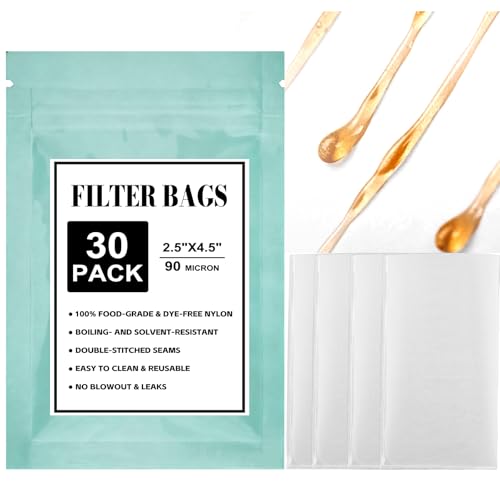
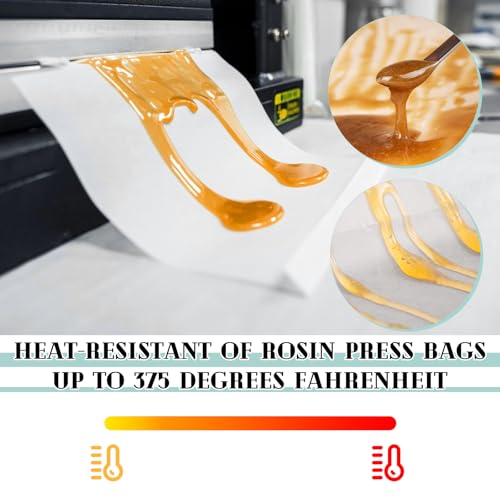
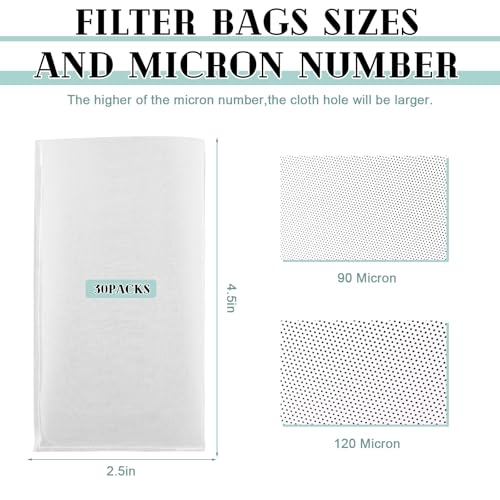
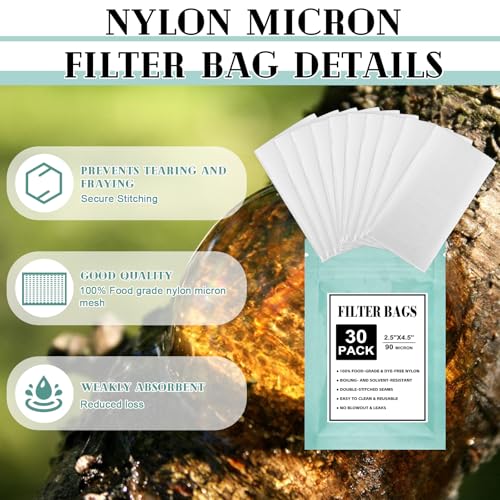
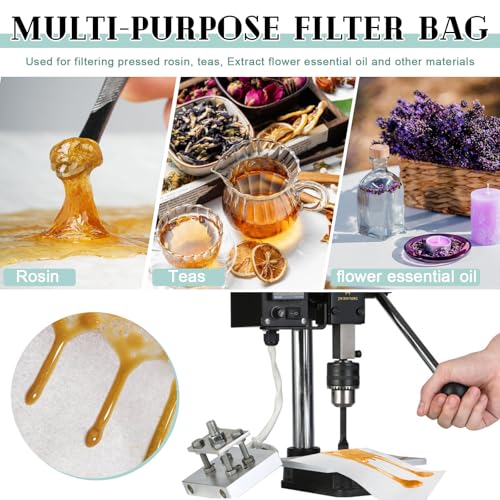
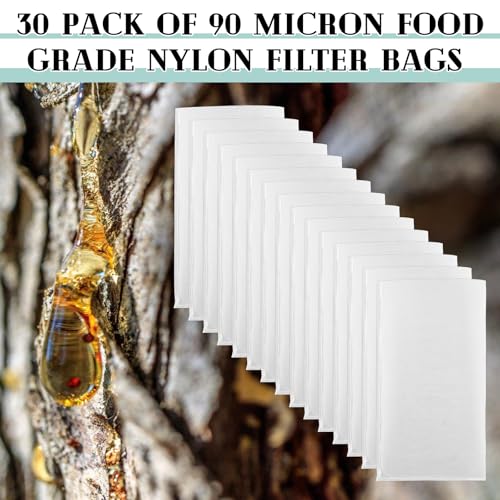
With 30 bags in the pack, 90 micron filtration, and a 2.5×4.5 inch size that fits most standard presses, this is the most well-rounded option on the list. The stitching is neat and reinforced, which reduces blowout risk, a common failure point, and the nylon is food-grade and heat resistant up to 375°F. Owners consistently say these perform reliably across multiple uses when handled properly.
It’s also worth noting the versatility: these can double as reusable tea bags or for filtering other botanical extracts. Compared to others, this product balances quantity, size, durability, and price better than most. If you want one pack that checks all the boxes, this is it.
Product photos
90 Micron 2″ x 4″ Nylon Bags

Strengths
- Pre-flipped design
- Heat resistant to 375°F
- Made in USA
Trade-offs
- Only one size option
- Not the largest pack
This 20-pack hits a sweet spot between quantity, quality, and price. The 90 micron, 2×4 inch bags are made from 100% food-grade, dye-free nylon and can handle temps up to 375°F, standard for the category, but reliably executed here. The fact that they’re pre-flipped saves time, and the ‘Zero Blowout Guarantee’ isn’t just marketing, reviewers back it up with reports of consistent performance across multiple presses.
Made in the USA is another plus for buyers who care about sourcing. While not the cheapest per bag, the combination of build quality, heat resistance, and pack size makes this one of the more balanced choices on the list.
Product photos


DABPRESS 40 Pack 90u Bags
Strengths
- Affordable bulk option
- 90 micron standard size
- Food-grade nylon material
Trade-offs
- Basic stitching
- Minor quality variance
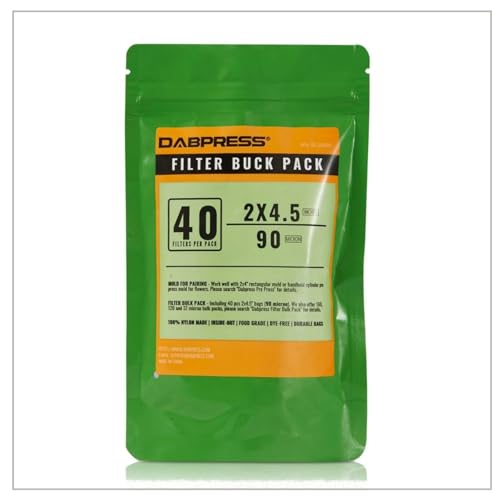
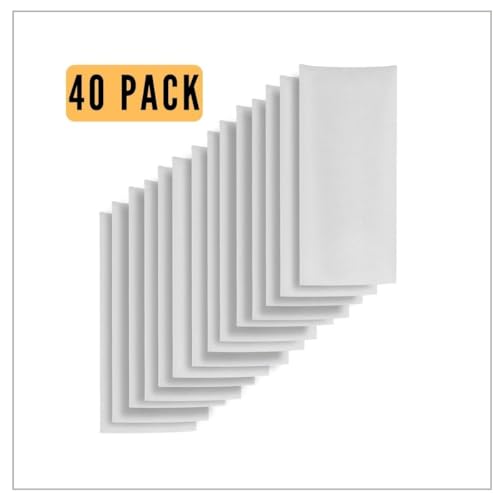
This pack gives you a lot of bags for the price, and that’s clearly where it shines. At 40 pieces of 90 micron nylon mesh in the 2×4.5 inch size, it’s a solid option if you’re just getting into flower pressing and don’t want to overcommit. The material is food-grade nylon, which is expected at this level, and owners consistently report these hold up fine under standard press conditions as long as you don’t overfill.
Still, there’s a reason these are budget-friendly, the stitching isn’t reinforced like on pricier options, and some users mention minor inconsistencies in cut or seam strength. If you’re doing frequent or high-pressure runs, these might not be the longest-lasting choice. But for casual or beginner use, they deliver what they promise.
Product photos
Gutenberg’s 90u 2×4 Inch Bags
Strengths
- Double-stitched seams
- Pre-flipped for quick use
- High durability
Trade-offs
- Higher price per bag
- Limited to 2×4 inch size
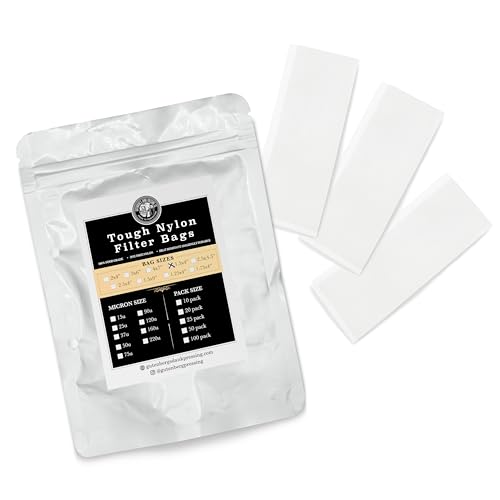
These bags are built different, the double-stitched seams and pre-flipped design mean less prep and fewer blowouts, which is a pain point many users complain about with cheaper alternatives. The 90 micron version delivers a clean press when used with properly prepped material, and the 2×4 inch size fits a wide range of standard molds. Owners consistently praise their durability, even under repeated use.
The brand leans into small-batch quality control, and it shows in the consistency. While the 10-pack is on the smaller side, you can scale up with larger bundles. Compared to mass-market options, these feel like a premium step up, not just in construction, but in attention to detail.
Product photos
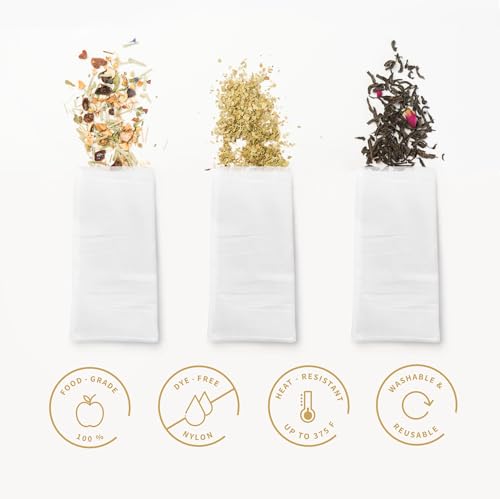
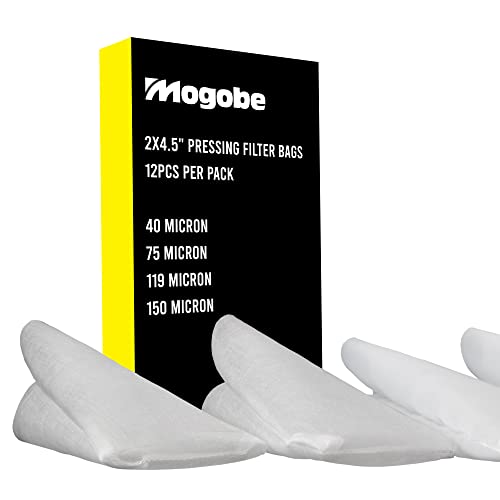
Mogobe 150u 2×4.5 Inch Bags
Strengths
- High heat resistance (392°F)
- Good for full-spectrum pressing
- Reinforced for blowout prevention
Trade-offs
- 150 micron allows more debris
- Smaller pack size
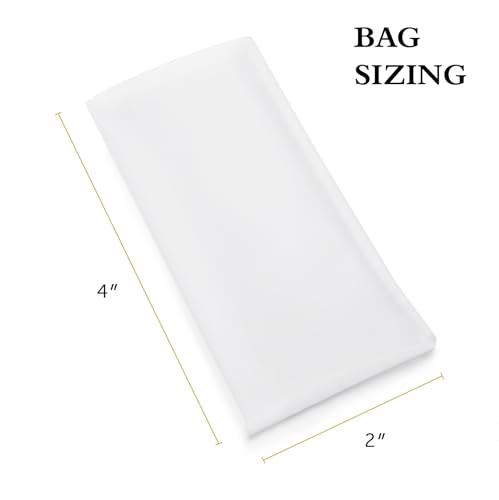
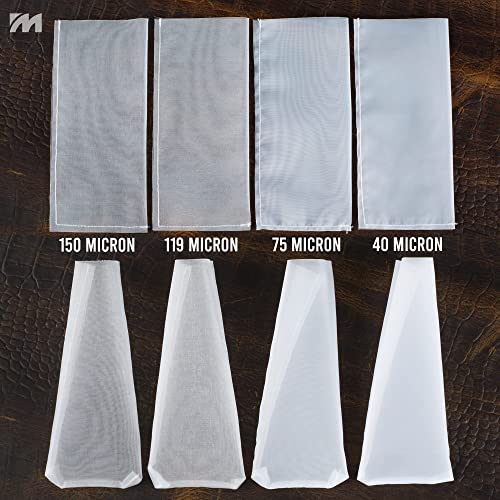
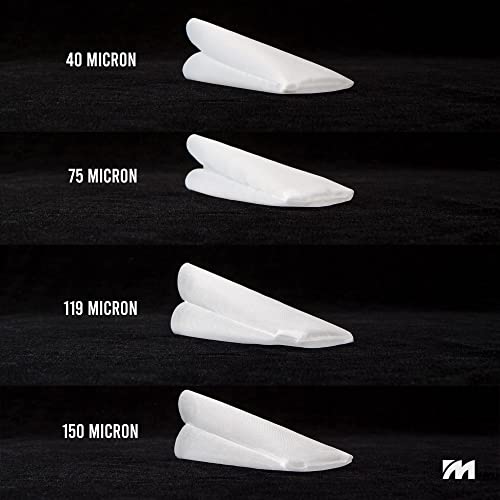
At 150 microns, this bag is better suited for coarser filtration, which means more plant material passing through, not always a bad thing if you’re after a full-spectrum, terpene-rich extract. What stands out here is the heat tolerance: rated up to 392°F, it outperforms many competitors that cap out around 375°F. That extra margin can matter when working with high-temp presses.
The 12-piece pack is modest, and the feedback suggests these hold up well when used correctly, especially if you pre-heat and avoid overpacking. But the higher micron means less filtration, so don’t expect the same clarity as with 90 micron bags. This is a niche pick for those who want durability under heat and a looser filter.
Product photos

HTG Supply 90u 2.5″ x 3.25″ Bags
Strengths
- Exact 2.5×3.25 inch size
- Consistent 90 micron filter
- Clean extract results
Trade-offs
- Fewer bags per pack
- Limited size flexibility
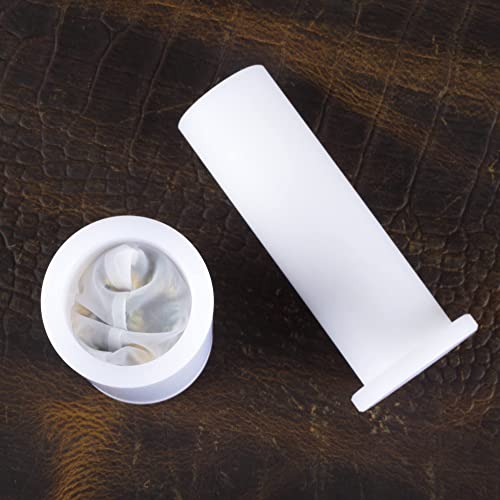
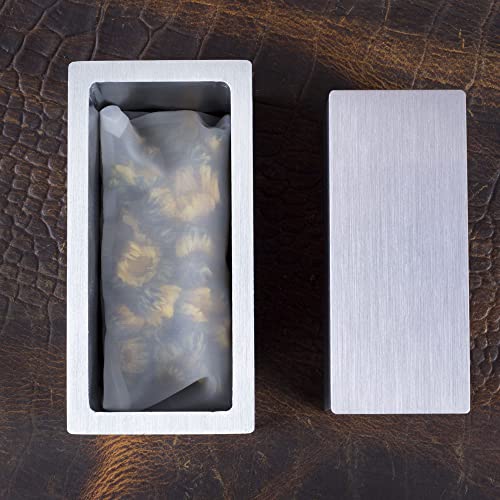
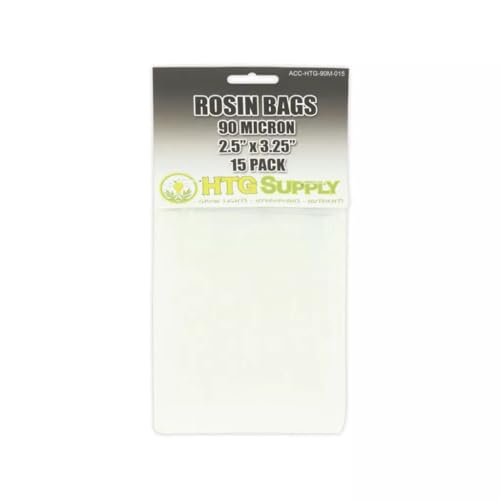
The 2.5″ x 3.25″ size is a standout here, it’s not a common dimension, and that precision makes this pack ideal for users with presses or molds that match those exact specs. The 90 micron nylon mesh is clean and consistent, and HTG Supply has a reputation for tight quality control. Reviewers note these produce a clean, full-spectrum extract with minimal plant matter breakout, which is what you’re after with this micron level.
It’s a smaller pack at just 15 bags, so you’ll go through them faster if you press often. But the trade-off is exact sizing and reliable performance. Compared to generic tea bags repurposed for pressing, these are clearly built with extraction in mind.
Product photos
Bubble Magic 220u Small Bags
Strengths
- 100 bags for high volume
- 220 micron for coarse pressing
- Large 2.5×5 inch size
Trade-offs
- Too coarse for clean rosin
- Not fine filtration
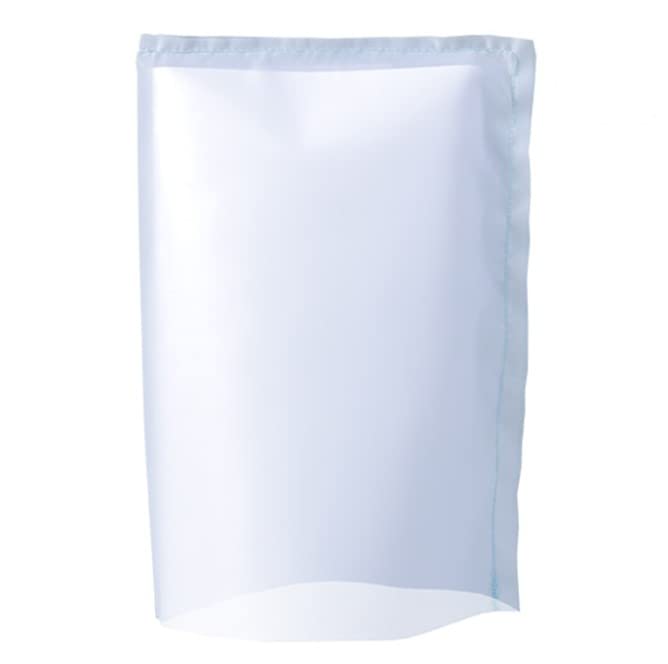
At 220 microns, this bag is designed for coarse filtration, think pressing dry herbs or flowers where you want higher yield and don’t mind more plant content in the final oil. The 100-piece pack is a major value, especially for high-volume users. These aren’t meant for golden, sappy rosin; they’re for efficiency and throughput.
The 2.5″ x 5″ size offers more loading space than standard 2×4 bags, which some find easier to work with. Owners report these are durable and compatible with most presses, though the large micron means you’ll need to filter further if purity is your goal. This is a workhorse option, not a precision tool.
Product photos
How We Picked These micron bags for pressing flower
Rather than a hands-on lab test, my research focused on comparing published specifications and features of available micron bags. I weighed owner reviews from multiple sources alongside expert opinions found on enthusiast forums and retailer sites. This allowed me to assess real-world performance claims against stated capabilities, and rank options based on criteria important to flower pressing – primarily material quality, durability, and appropriate micron size.
For these bags, the most important factors are the micron rating and the quality of the nylon construction. The micron size directly impacts the clarity of the final pressed product, with lower numbers offering finer filtration. Equally crucial is a strong, tight weave and secure stitching to prevent blowout during pressing, which owners consistently mention in reviews. I also considered pack size and value for money.
Specifications reliably indicate micron size and material type (nylon being preferred), but owner feedback proved essential for judging durability and actual performance under heat and pressure. Reputation matters here; brands consistently praised for quality control and customer service – and those offering guarantees against blowouts – scored higher. If you’re looking for a reliable companion for your travels, consider investing in some expert-recommended travel duffels to safely transport your pressed flowers.
What To Look For In micron bags for pressing flower
Finding the right micron bags is crucial for getting a clean, potent result when pressing flowers – or any botanical material, for that matter.
A quality micron bag should be constructed from food-grade nylon, offer consistent pore size throughout the material, and exhibit durable stitching to prevent blowouts during pressing. Heat resistance is also key, as the process involves applying significant temperature. Consider bag dimensions relative to your press and the quantity of material you intend to process.
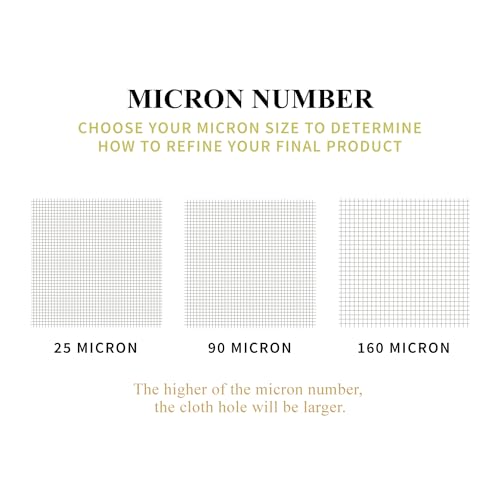
Micron Size: The Core Decision
The micron rating dictates the level of filtration, and this is where a lot of beginners stumble. Lower micron counts (like 25 or 45) yield a more refined extract, but they’re also prone to clogging with plant matter, reducing efficiency. Higher micron counts (160 or 220) let more material through, offering faster processing but a less pure final product. For most flower pressing, 90 micron is a sweet spot, balancing clarity and yield. Experimenting with different sizes, though, is the best way to dial in your preferred outcome.
Stitching and Material Quality
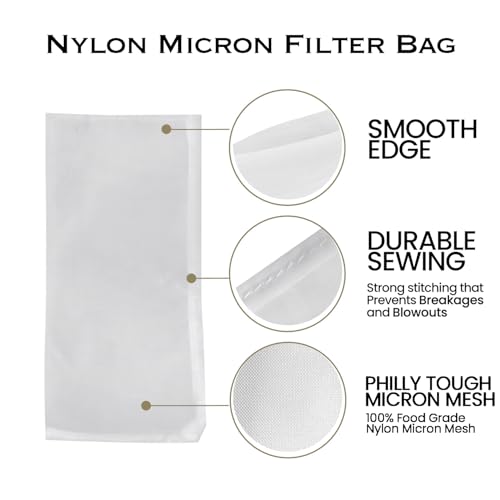
Don’t underestimate the importance of well-made bags. Weak seams are a recipe for a messy blowout, wasting your material and creating a cleanup headache. Look for bags specifically described as having “double stitching” or reinforced seams. The material itself should be 100% food-grade nylon; you want to avoid any potential contaminants leaching into your extract. I often see people overlooking this, then wondering why their results aren’t as clean as they’d hoped.
- A single pack is fine for occasional use, but if you plan to press frequently, a value pack (like the 20-pack or 40-pack options) offers significant savings.
- Pre-flipped bags are a small convenience, saving you a step in the preparation process. It’s not essential, but it’s a nice touch.
- Bags labeled as “Made in the USA” often signal stricter quality control, though this isn’t always a guarantee of superior performance.
Don’t overload the bag. Less material in each bag is always better than trying to cram too much in, which significantly increases blowout risk.
Size and Application Specifics
While 2.5” x 4.5” is a common size, it’s not universally ideal. The best size depends on your rosin press’s platen dimensions and the amount of flower you’re processing at a time. Smaller bags (like 2” x 4”) are useful for precision work, while larger sizes can handle bigger batches. If you’re also looking for luggage to carry your supplies, check out our best duffel bags guide. For coarser material or initial filtering, a 220-micron bag can be a good starting point, but for most flower pressing, I recommend sticking with the 90-micron range.
Micron Bags for Pressing Flower Compared
Here’s a comparison of specifications for various micron bags used in flower pressing.
| Product Title | Micron Size | Dimensions (in) | Pack Size | Material | Heat Resistance (°F) |
|---|---|---|---|---|---|
| 90 Micron 2.5×4.5 Inch Rosin Bags | 90 | 2.5×4.5 | 30 | Nylon | 375 |
| 90 Micron 2″ x 4″ Nylon Bags | 90 | 2×4 | 20 | Nylon | 375 |
| DABPRESS 40 Pack 90u Bags | 90 | N/A | 40 | Nylon | N/A |
| Gutenberg’s 90u 2×4 Inch Bags | 90 | 2×4 | N/A | Nylon | N/A |
| Mogobe 150u 2×4.5 Inch Bags | 150 | 2×4.5 | 12 | Nylon | 392 |
| HTG Supply 90u 2.5″ x 3.25″ Bags | 90 | 2.5×3.25 | 15 | Nylon | N/A |
| Bubble Magic 220u Small Bags | 220 | 2.5×5 | N/A | N/A | N/A |
Frequently Asked Questions
What micron size is best for pressing flowers?
Ninety micron is generally the best starting point for flower pressing, offering a good balance between clarity and yield. Lower micron counts can clog easily, while higher ones may result in a less refined product.
How can I prevent my micron bag from bursting during pressing?
Look for bags with double stitching or reinforced seams to minimize blowout risk. Also, avoid overfilling the bag; using smaller amounts of material per bag significantly reduces the strain on the seams.
Are all nylon micron bags created equal?
No, the quality of the nylon and the consistency of the weave matter a lot. Food-grade nylon is essential to avoid contamination, and a tighter weave provides better filtration and durability.
What’s the benefit of pre-flipped micron bags?
Pre-flipped bags save a small amount of time during preparation, as they are already inside out, ready for use. While not essential, they can be a convenient feature if you press flowers frequently.
If I also need a bag to carry my pressing supplies, what do you suggest?
For carrying supplies, explore compact travel duffels to keep everything organized and protected during transport.
The Bottom Line
Choosing micron bags really comes down to balancing the desire for a super-refined result against the potential for frustration. If you want the clearest possible press with minimal effort, the 90 Micron 2.5×4.5 Inch Rosin Bags strike that balance well – they’re a popular size, offer good filtration, and consistently receive positive owner feedback regarding durability.
For those prioritizing value, the DABPRESS 40 Pack 90u Bags are an excellent choice. They deliver the same 90-micron filtration at a significantly lower cost per bag, making them ideal for frequent users. And if you’re also looking for a way to safely transport your botanical materials and pressing equipment, I recommend checking out some duffel bags with water resistance to keep everything protected.
Ultimately, the micron size is more critical than any other specification. Don’t get hung up on fancy features or brand names; focus on getting a bag with a consistent micron rating and strong seams. A little attention to detail here will go a long way toward achieving consistent, high-quality results with your flower pressing.