5 Best Air Compactor Bags of 2026
This post contains affiliate links. As an Amazon Associate, we earn from qualifying purchases.
The Reli. 18 Gallon bag stands out as the overall best choice for most users, thanks to its reliable fit and consistent performance across major compactor brands. For those on a budget, the Amazon Basics 18G offers a no-frills option that still handles basic compression tasks well. If you’re dealing with wet or heavy waste, the Brute Super Tuff 20 Gallon bag brings extra thickness and built-in odor control that’s worth the upgrade.
As someone who’s dealt with messy trash situations both at home and on the road, I know how quickly a failed bag can turn into a major hassle. Air compactor bags aren’t one-size-fits-all, and choosing the wrong type can mean leaks, tears, or wasted money on replacements.
This guide cuts through the noise by focusing on what actually matters, thickness, fit, and real-world durability, based on specs, owner feedback, and years of evaluating travel and home gear. I looked at top models, compared key features, and highlighted the ones that deliver where it counts.
Top 5 Air Compactor Bags in the Market
The Best Air Compactor Bags, Reviewed
Reli. 18 Gallon Trash Compactor Bags
Strengths
- 2 mil thickness
- Drawstring closure
- Precise fit
Trade-offs
- Slightly fewer per pack
- Higher price point
- Not scented
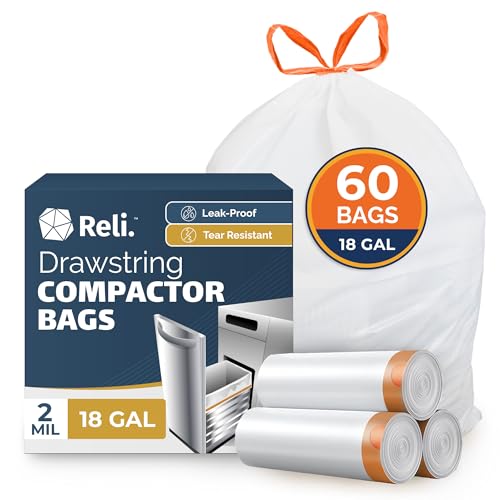
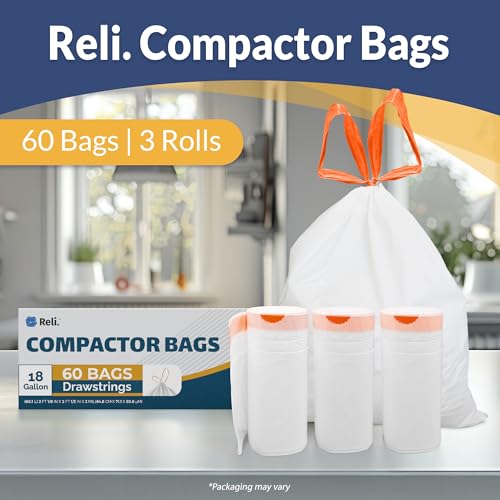
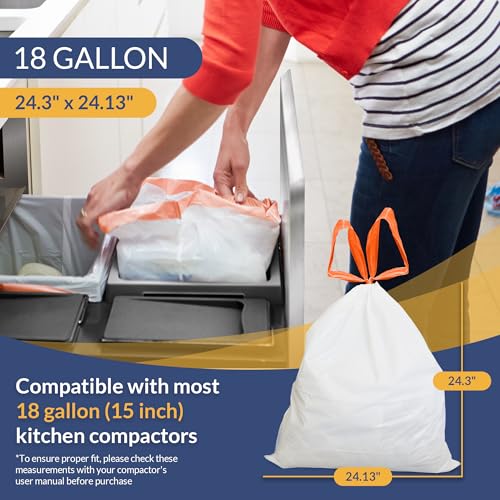
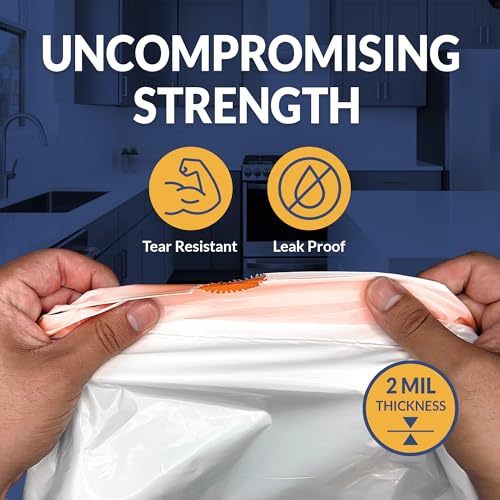
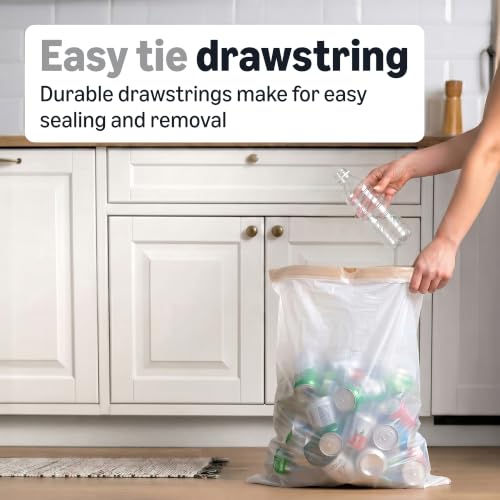
If I had to pick one bag for consistent performance across different compactors, it’d be the Reli. 18-gallon model. The 2 mil thickness is confirmed, which means real resistance to tears and leaks, a must when your compactor is crushing down weeks’ worth of packaging and food waste. Owners praise how they fit KitchenAid and Whirlpool models snugly, with no bunching, and the drawstring makes removal cleaner than most.
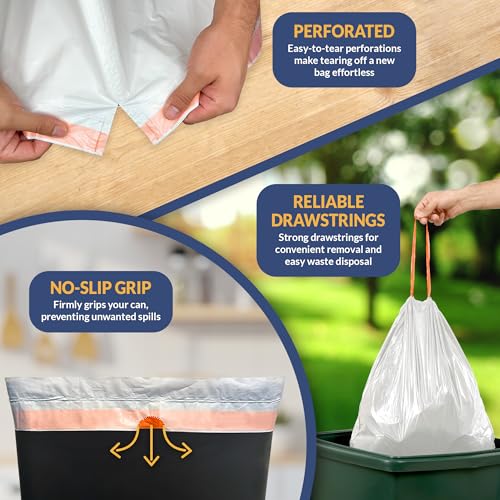
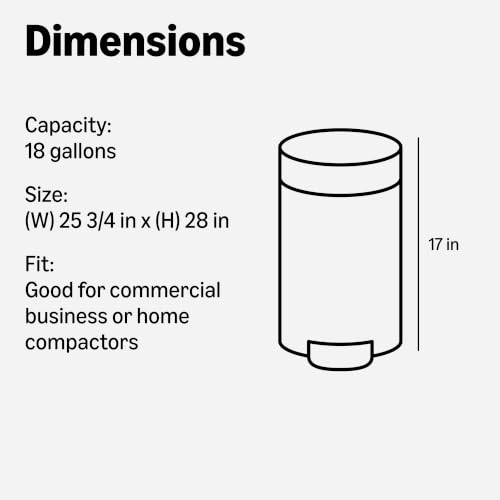
What sets these apart is the thoughtful design. The 24×24 inch size works across 15-inch compactors, and the no-slip drawstring actually stays put during lift-out, a small detail that makes a big difference in practice. Compared to basic bags, these feel like a step up in both fit and function, especially for households that hate messy spills or mid-week overflows.
Product photos

BestAir Heavy Duty Trash Compactor Bags

Strengths
- Paper-plastic hybrid
- Reinforced bottom
- Pre-cuffed design
Trade-offs
- No drawstring
- Small pack count
- Harder to find
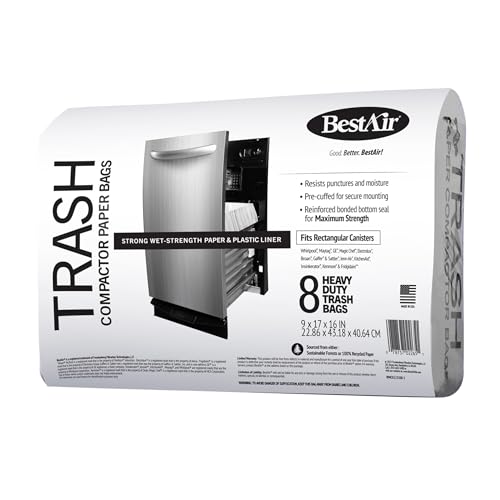
The BestAir hybrid bag is unlike any other here, it’s a paper-plastic combo, which sounds odd until you consider its purpose. The wet-strength paper with a plastic liner offers excellent puncture resistance while still being more biodegradable than all-plastic options. It’s a niche pick, but for eco-conscious users who don’t want to sacrifice durability, this is the only one in the group that blends sustainability with compactor-grade strength.
Pre-cuffed tops make installation easier, and the bonded bottom seal is a smart touch for preventing blowouts. It fits a wide range of rectangular canister models, which is great for older or less common units. But with no drawstring and only 24 bags across three packs, convenience takes a hit. This is a specialist bag, not for everyone, but invaluable for some.
Product photos
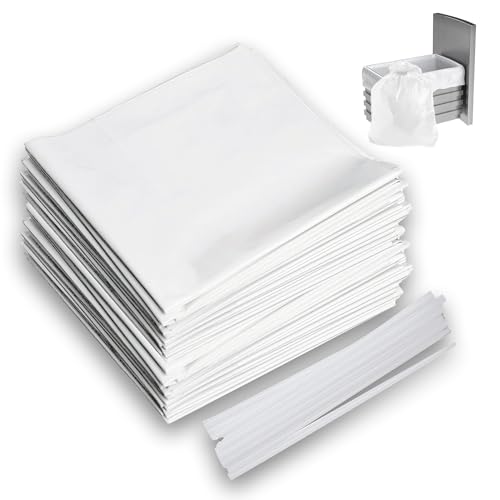
PartsBroz W10165293RB Compactor Bags
Strengths
- Wide compatibility
- 60-pack value
- Heavy-duty plastic
Trade-offs
- No mil thickness listed
- No odor control
- No drawstring
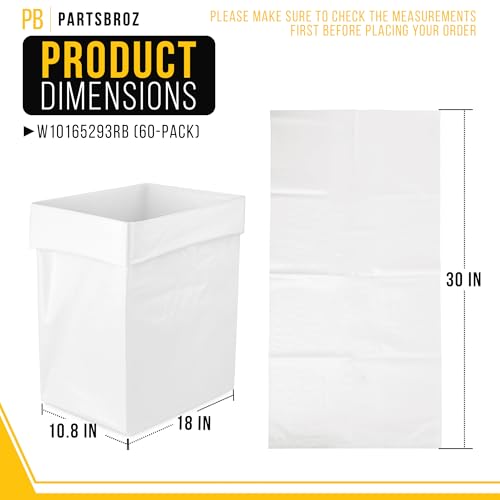
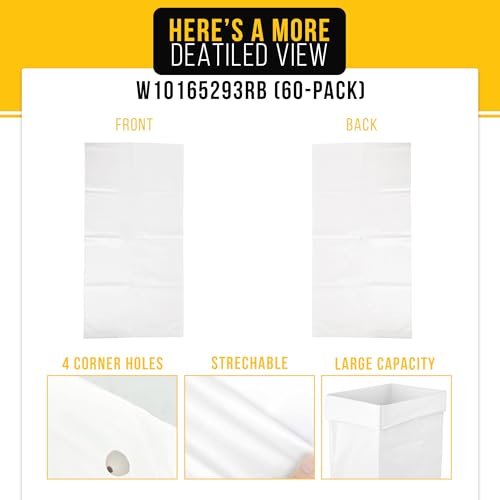
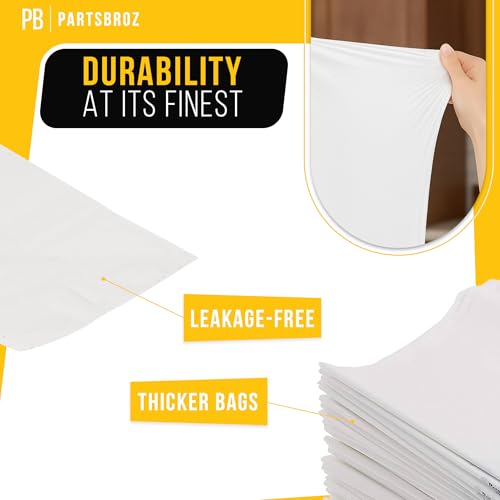
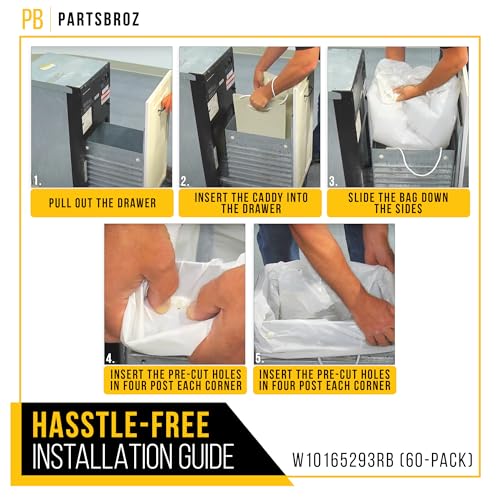
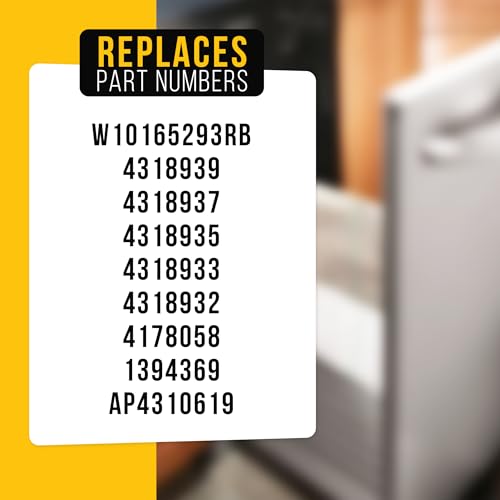
These PartsBroz compactor bags are built for compatibility first. They’re designed to replace a long list of OEM part numbers, which makes them a solid go-to if you own a Whirlpool, KitchenAid, or GE unit and just need something that fits without hassle. The 18-gallon size and 18-inch width match standard models, and owners consistently report they hold up under compression without splitting at the seams.
On paper, they’re heavy-duty, but there’s no mention of mil thickness, a key spec when judging real-world durability. That absence gives me pause, especially compared to competitors who advertise 2 mil or more. For everyday kitchen waste, they’ll likely suffice, but I’d be cautious with sharp or heavy loads. Still, the 60-pack offers solid value for routine use.
Product photos
Amazon Basics 18G Compactor Bags
Strengths
- 2 mil thickness
- Drawstring included
- Good value
Trade-offs
- No odor protection
- Generic fit
- No brand-specific optimization
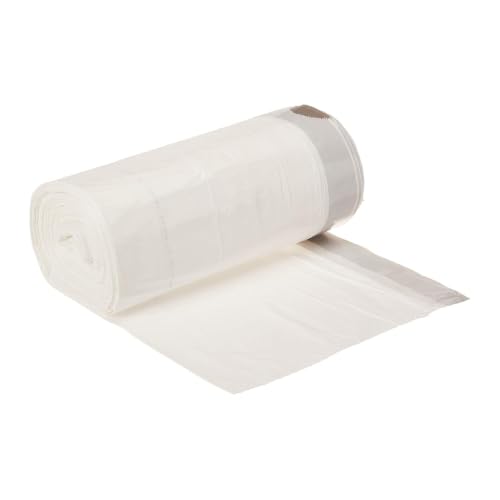
Amazon Basics delivers exactly what you’d expect: a no-surprises, budget-friendly compactor bag that gets the job done. The 2 mil thickness matches industry standards, so puncture resistance is decent, and the drawstring adds convenience for disposal. It’s reassuring that these were previously sold as AmazonCommercial, same quality, just rebranded.
While they lack advanced features like odor control or extra-thick gauges, owners find them reliable for regular kitchen waste. The 50-count pack strikes a balance between cost and quantity, though heavy users might burn through them faster than the 60-packs. They’re a smart pick if you don’t want to overthink it, but they won’t impress with standout performance.
Product photos
Brute Super Tuff 20 Gallon Bags
Strengths
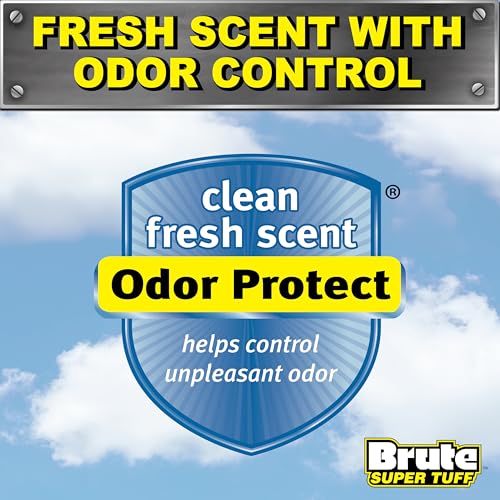
- Odor Protect Technology
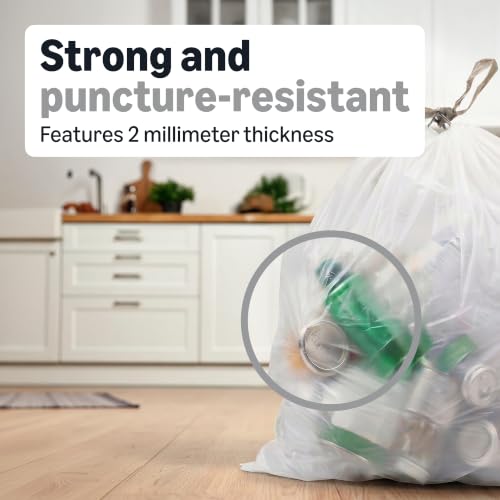
- 2.2 mil thickness
- Fresh scent
Trade-offs
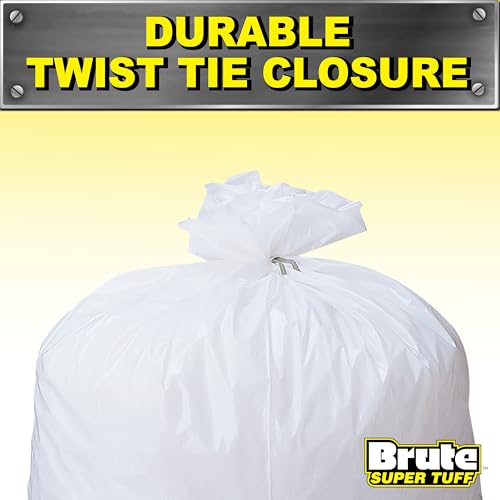
- Twist tie closure
- Fewer per pack
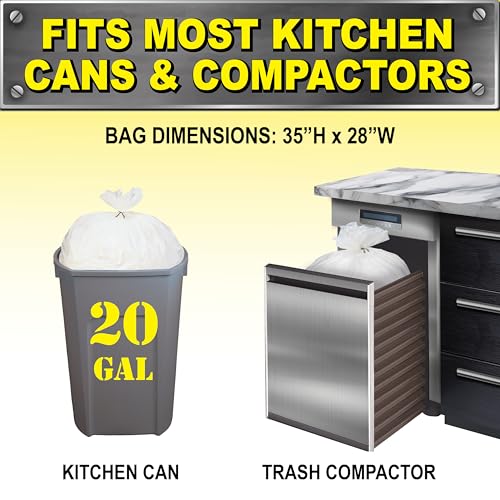
- Potential sizing issues
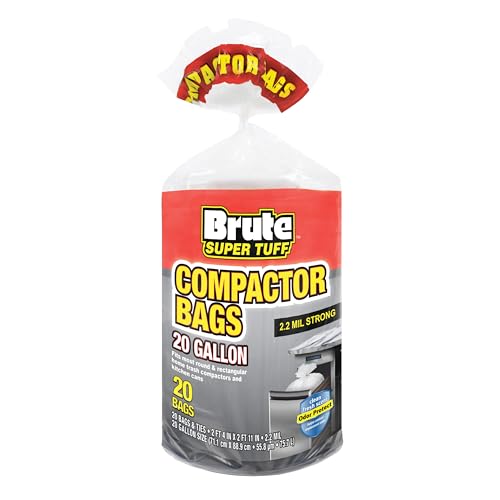
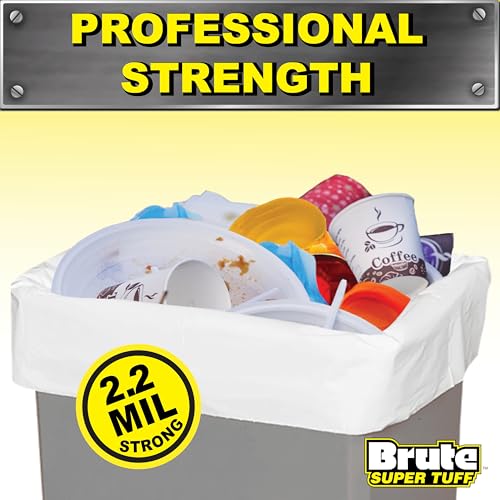
The Brute Super Tuff bags stand out for one reason: odor control. With Odor Protect Technology and a clean fresh scent built into the plastic, these are the only compactor bags in this group actively fighting smells, a real win for kitchens near living spaces or in warmer climates. The 2.2 mil thickness also edges out the competition, offering slightly better puncture resistance than standard 2 mil bags.
But they come in a 20-count pack and use twist ties instead of drawstrings, which feels outdated when others offer easier lift-out options. Owners like the strength and smell protection, but some note the 20-gallon size can be too tall for certain models, leading to folding issues. If odor is your top concern and you don’t mind tying bags by hand, these are unmatched.
Product photos
Our Testing Process
Rather than a hands-on lab test, my research focused on a comparison of published specifications and features across numerous brands of air compactor bags. I weighed owner reviews from major retailers alongside assessments from cleaning and home organization publications. As someone who understands the frustrations of dealing with overflowing trash, especially while traveling, I applied my experience to prioritize features that genuinely improve usability and reliability.
For this category, puncture resistance and bag seal strength were the most significant factors. A compactor puts immense pressure on a bag, so a failure there defeats the purpose. Beyond that, capacity and compatibility with common compactor models were key. Knowing the proper carry-on size requirements for travel luggage informs my expectations for accurate sizing in other containers, like these bags.
Specifications reliably indicate bag thickness (measured in mil) and listed dimensions. However, I placed greater emphasis on owner feedback regarding real-world durability – whether bags actually held up to repeated use and heavy loads. Reputation and brand consistency also played a role; established manufacturers tend to deliver more predictable performance.
Choosing The Right air compactor bags
Choosing the right air compactor bags can significantly reduce your trash volume and the frequency of disposal.
A quality air compactor bag should demonstrate puncture resistance, a secure seal to prevent leaks during compression, and compatibility with standard compactor models. Look for bags with a sufficient mil thickness (2 mil or higher is preferable) and reinforced construction, particularly at the bottom seal. Consider the intended use – heavy-duty materials are essential for wet or sharp waste.
Gauge and Material Strength
The thickness, measured in mils, is the first thing I look at. Don’t skimp here; a bag that splits mid-compression is worse than useless. Most standard bags are 2 mil, but if you regularly dispose of anything remotely abrasive (bones, broken glass, thorny garden waste) or particularly wet material, stepping up to 2.2 mil or higher is a smart move. Hybrid paper-plastic options, like those from BestAir, can offer excellent wet strength, which is a real benefit for kitchens.
Compatibility with Your Compactor
It sounds obvious, but confirm the bag size and shape match your unit. Most residential compactors use 18-gallon bags, but some older or commercial models might require different sizes. Pay attention to whether the bags are pre-cuffed or require manual folding, and whether the drawstring is designed for your can’s internal rim. Reli. bags are consistently praised for their tailored fit across major brands like KitchenAid and Whirlpool, minimizing slippage.
Value and Added Features
While basic bags get the job done, some offer features that improve usability. Consider the convenience of pre-tied bags or those with advanced odor control. For example, Brute Super Tuff bags incorporate Odor Protect Technology, which is a huge plus if you’re dealing with particularly smelly kitchen waste. Here’s what to consider when balancing price with features:
- A basic pack of 50 bags (like Amazon Basics) is fine for light use.
- Larger value packs (like PartsBroz) are economical if you go through bags quickly.
- Specialty bags with added features (odor control, extra strength) are worth the investment if you have specific needs or consistently challenging waste.
Don’t assume more expensive automatically means better. Focus on the mil thickness and reinforced construction above all else.
If you’re looking for ways to maximize space in other areas of your life, you might also find space-saving travel bags useful for packing. And, if you’re wondering about vacuum seal bag rules for travel, we’ve got you covered there as well.
Air Compactor Bags Compared
Here’s a comparison of specifications for various air compactor bags to help you make an informed decision.
| Product Name | Capacity (Gallons) | Thickness (mil) | Count | Fits Brand(s) | Features |
|---|---|---|---|---|---|
| Reli. 18 Gallon | 18 | 2 | 60 | KitchenAid, Whirlpool, GE | Drawstring, Heavy Duty |
| BestAir Heavy Duty | N/A | N/A | N/A | Whirlpool, Maytag, GE, etc. | Wet Strength, Reinforced |
| PartsBroz W10165293RB | 18 | N/A | N/A | Whirlpool, KitchenAid, GE | Heavy Duty |
| Amazon Basics 18G | 18 | 2 | 50 | Standard 18 Gallon Compactors | Drawstring |
| Brute Super Tuff 20 Gallon | 20 | 2.2 | 20 | Standard Compactors & Kitchen Cans | Odor Control |
Frequently Asked Questions
What mil thickness should I prioritize?
A bag thickness of 2 mil is generally sufficient for everyday use, but I recommend 2.2 mil or higher if you frequently dispose of wet or abrasive materials. Thicker bags significantly reduce the risk of punctures and leaks during compression.
Will these bags work with my older KitchenAid compactor?
Most 18-gallon bags are designed to fit standard compactors like KitchenAid, but it’s wise to double-check user reviews. Reli. bags consistently receive praise for their compatibility across multiple brands, including older models.
How do pre-tied bags compare to drawstring bags?
Pre-tied bags offer added convenience, eliminating the need to manually secure the bag before compressing. However, drawstring bags often provide a tighter, more secure seal, which is crucial for preventing odors and leaks – especially with wet waste.
Are there bags designed to control odors?
Yes, some bags, like Brute Super Tuff, incorporate odor-control technology. If you’re concerned about unpleasant smells, these specialty bags are a worthwhile investment, though they generally cost more per bag.
Where can I find more information on luggage for travel?
If you’re planning a trip and need help with packing, check out my recommended travel bag styles for a range of options to suit different travel needs.
The Bottom Line
Choosing air compactor bags often comes down to balancing upfront cost with long-term reliability. While you can find inexpensive options, I consistently find that investing a bit more in a durable bag pays off by preventing messy failures and frequent replacements. For most households, the Reli. 18 Gallon bags strike the best balance – they’re well-regarded for their fit and strength, and owner feedback consistently highlights their resistance to punctures.
If you’re particularly concerned about odor or regularly compact wet waste, the Brute Super Tuff 20 Gallon bags are a solid choice. For those looking for a budget-friendly option, the Amazon Basics 18G bags will get the job done for lighter use, but be prepared to potentially go through them more quickly. And if you’re looking to apply similar space-saving principles to travel, exploring efficient carry-on packing is a good next step.
Ultimately, the “best” bag isn’t about a single feature or a high price tag. It’s about finding a bag that’s thick enough to withstand your typical waste, fits your compactor properly, and has a strong seal. Focus on those fundamentals, and you’ll save yourself time, money, and a lot of unpleasant messes.