8 Best Backpacking Backpacks for Travel 2026
This post contains affiliate links. As an Amazon Associate, we earn from qualifying purchases.
The tomtoc Travel Backpack 40L is the best overall backpacking backpack for travel, combining smart organization, durable materials, and carry-on compatibility. For longer trips, the Loowoko 50L Hiking Backpack offers reliable performance at a solid value. If you need something ultralight and packable, the Gonex 20L Ultra Lightweight is a strong budget pick.
As a frequent traveler and founder of LuggageInspector.net, I know how frustrating it is to lug around a backpack that’s uncomfortable, poorly designed, or just not built for real travel. Too many packs sacrifice practicality for style or cram in features that don’t work in real-world conditions.
This guide cuts through the noise. I researched the top backpacking backpacks for travel, comparing specs and analyzing owner feedback to find the ones that deliver on durability, comfort, and smart design. These picks are based on what actually matters when you’re moving through airports, hiking to a campsite, or navigating city streets.
Top 8 Backpacking Backpacks For Travel in the Market
The Best Backpacking Backpacks For Travel, Reviewed
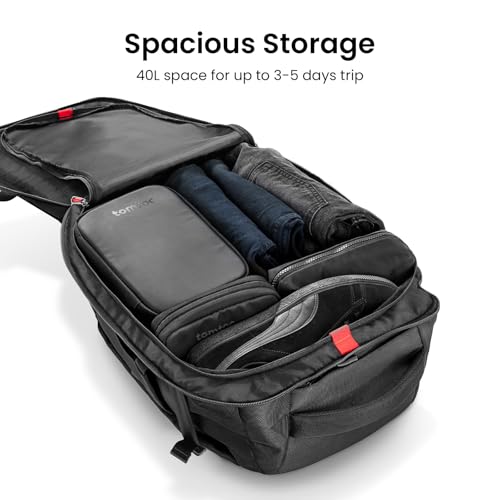
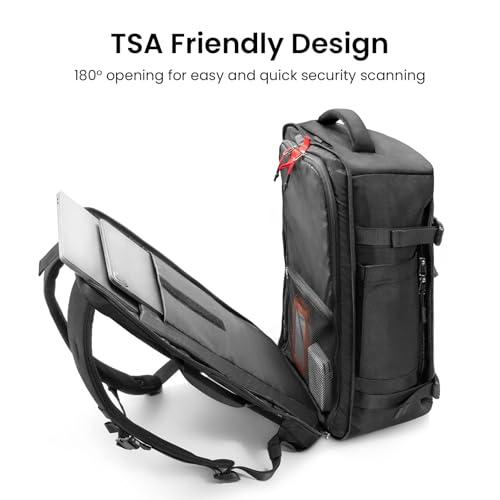
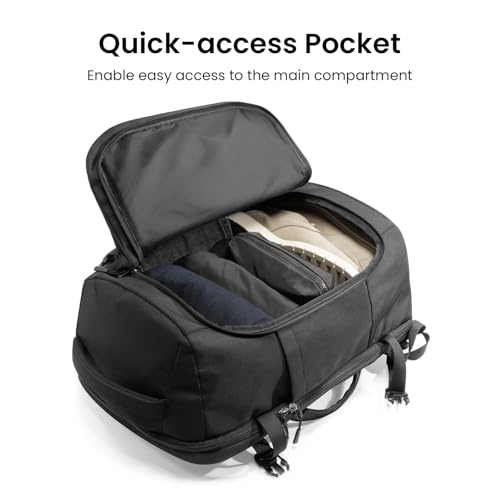
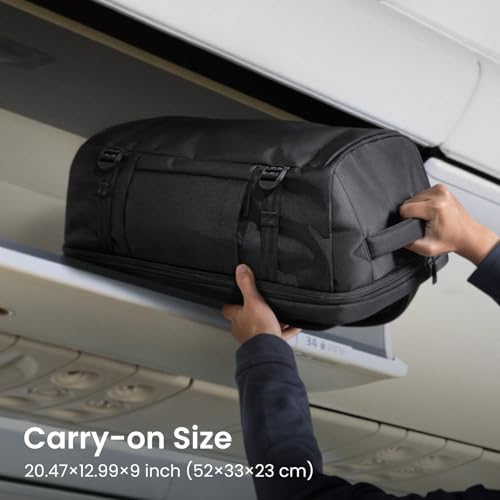
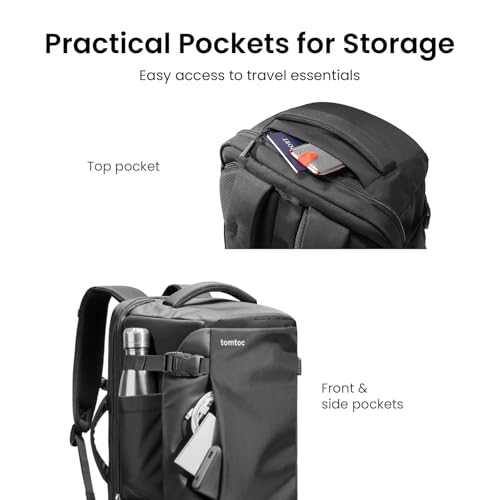
tomtoc Travel Backpack 40L

Strengths
- TSA-friendly laptop access
- Premium recycled fabric
- Suitcase-style opening
- Excellent organization
Trade-offs
- Not for rugged trails
- Slight learning curve
- Less airflow than hiking packs
This is the pack I’d recommend to most travelers who want one bag that does it all. The tomtoc 40L blends business-ready looks with travel-smart features: TSA-friendly laptop access, suitcase-style opening, and a 17.3-inch padded tech sleeve. Made from recycled fabric and equipped with YKK zippers, it feels built to last. Owners consistently praise how smoothly it moves through airports and how well it organizes gear.
Compared to outdoor-focused models, it’s less ventilated, but that’s expected for a hybrid urban pack. The 3D padded back and chest strap still offer solid comfort for extended wear. If you’re looking for a single bag that transitions from flight to city to hotel meeting, this is the most balanced option on the list.
Product photos
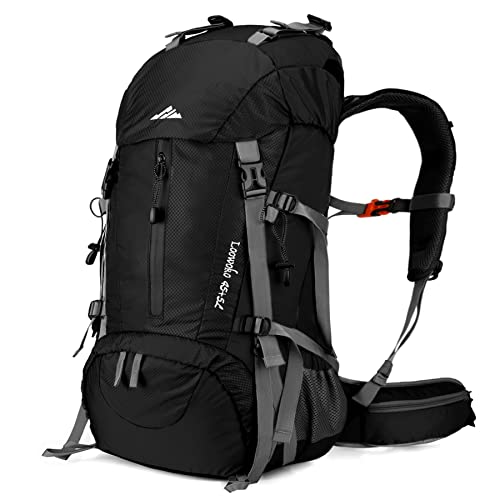
Loowoko 50L Hiking Backpack
Strengths
- Large 50L capacity
- Rain cover included
- Good ventilation
- Multiple storage pockets
Trade-offs
- No internal frame
- Basic back support
- Zippers can snag
With a 50L capacity and rain cover included, this Loowoko pack stands out as a solid contender for multi-day hikes or minimalist backpacking trips. The tear-resistant polyester and nylon blend feels durable on paper, and owners praise the breathable mesh back panel for reducing sweat on long trails. The six external pockets and shoe compartment offer real organizational value, something many budget packs skimp on.
Still, the lack of an internal frame means weight distribution suffers with full loads. Compared to higher-end models, it’s less supportive on steep ascents. But for its price tier, the balance of capacity, ventilation, and weather resistance is impressive. I’d recommend it over less-structured alternatives for weekend trekkers who don’t need ultralight tech specs.
Product photos


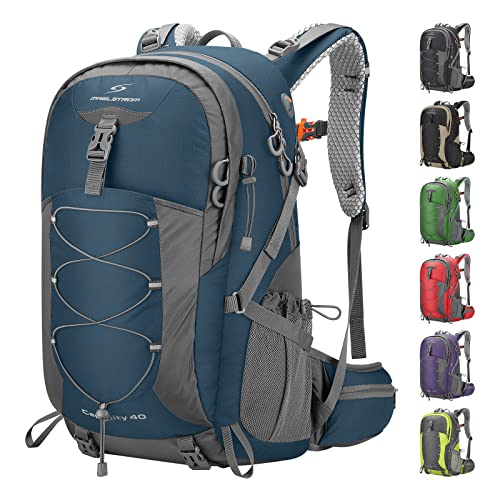
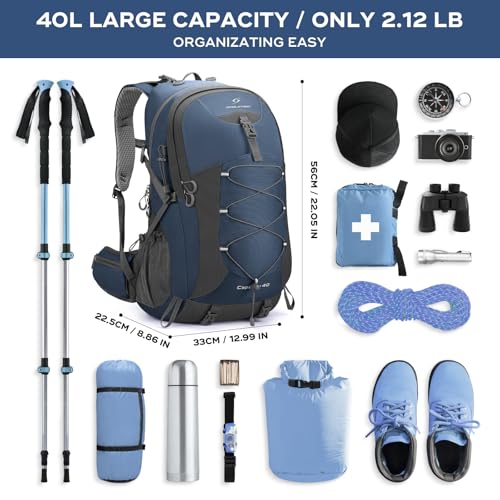
Maelstrom 40L Hiking Daypack
Strengths
- Trekking pole attachments
- Reflective safety strips
- Wet compartment
- Rain cover included
Trade-offs
- Heavier than ultralights
- Mid-tier frame support
- Mesh pockets stretch
The Maelstrom 40L stands out with thoughtful features that serious hikers will appreciate: a breathable padded back, trekking pole attachments, reflective safety strips, and a dedicated wet pocket. The ripstop 210D nylon feels rugged, and the included rain cover adds peace of mind in storm-prone areas. Owners highlight the chest strap whistle and headphone port as small but useful touches.
It’s not the lightest in its class, but the weight is justified by the durable materials and solid structure. Compared to the Loowoko, it offers better organization and a more ergonomic fit. For weekend hikes or travel with gear, this is the kind of pack that balances performance and practicality without breaking the bank.
Product photos


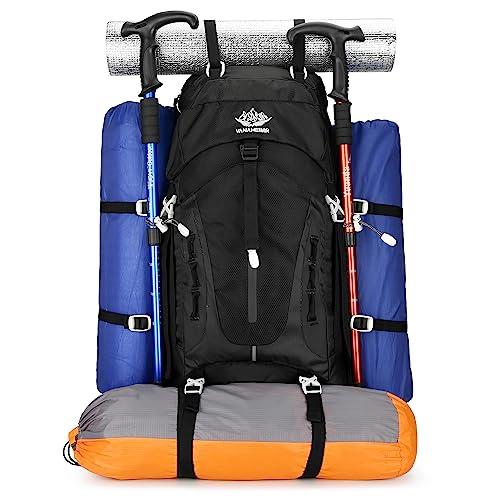
Esup 50L Camping Backpack

Strengths
- Budget-friendly
- Rain cover included
- Sleeping bag compartment
- Breathable back panel
Trade-offs
- Basic frame support
- Mid-tier zipper quality
- Bulkier fit
The Esup 50L is clearly aimed at budget-conscious backpackers who still want core outdoor functionality. At 50L with a rain cover and sleeping bag compartment, it covers the basics for weekend trips. The S-type shoulder straps and breathable mesh back offer decent comfort, and owners report it handles moderate loads without strain.
But like other no-frills packs, the frame support is minimal and the zippers aren’t top-tier. It won’t match the Maelstrom or Loowoko in long-term durability, but for occasional use or first-time hikers, it’s a sensible entry point. If you’re building a kit on a tight budget, this gets you outside without overspending.
Product photos
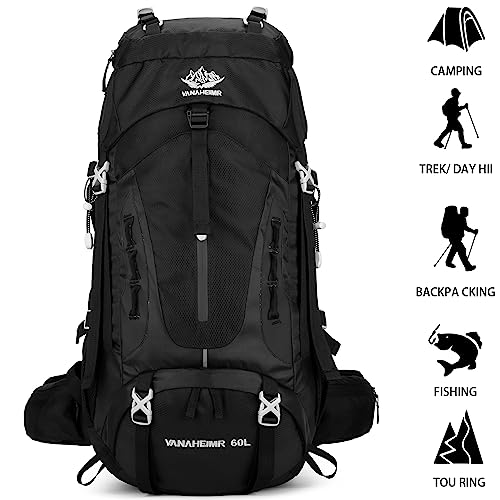
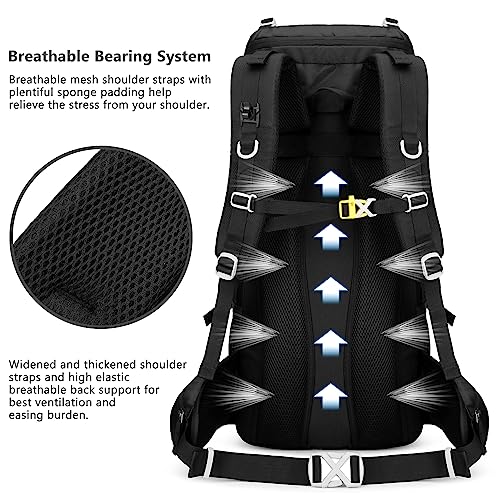
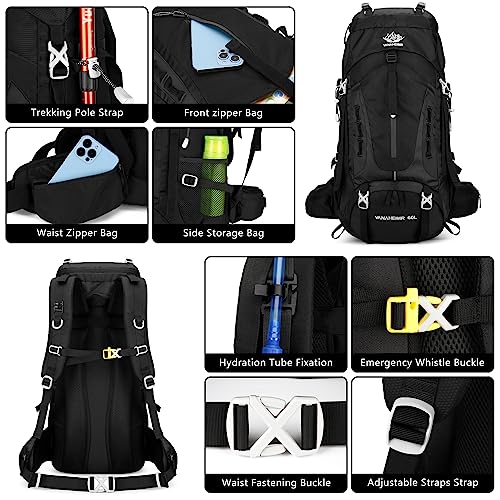
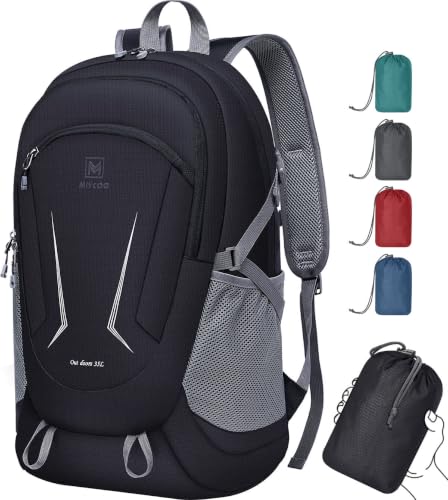
MIYCOO 35L Packable Backpack
Strengths
- Water-resistant fabric
- Wet/dry compartment
- Survival whistle
- Lightweight
Trade-offs
- Limited organization
- Bulky when folded
- Shallow main pocket
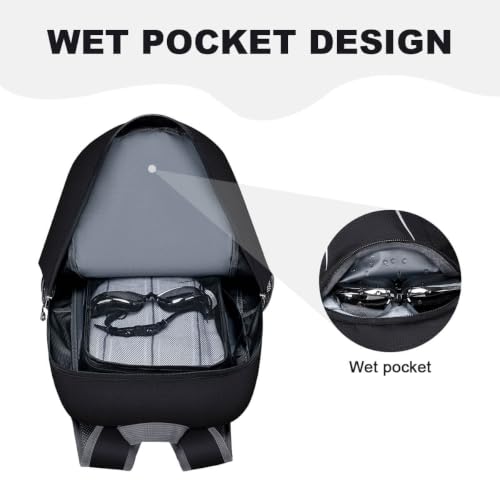
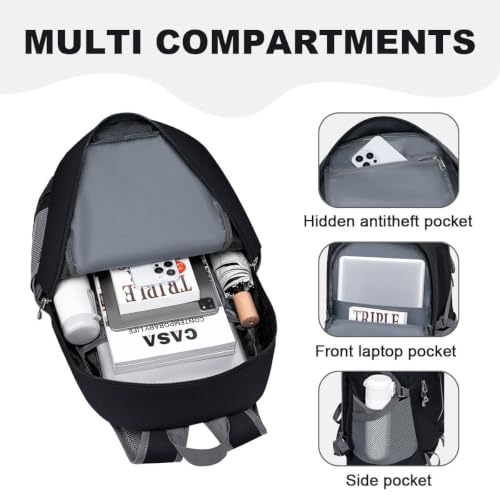
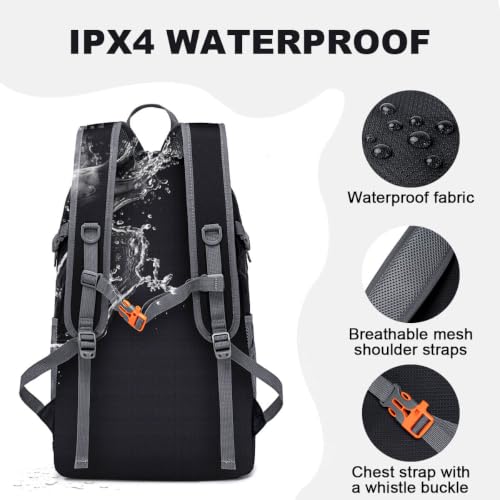
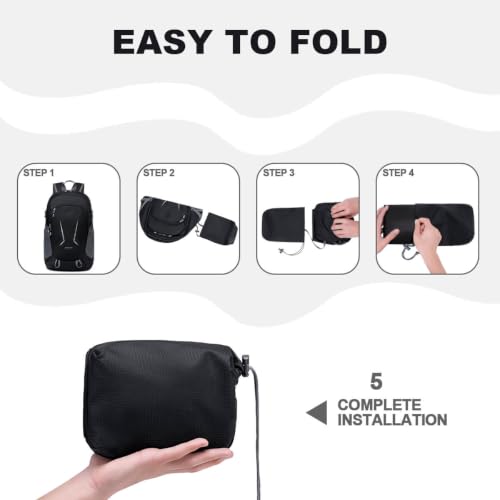
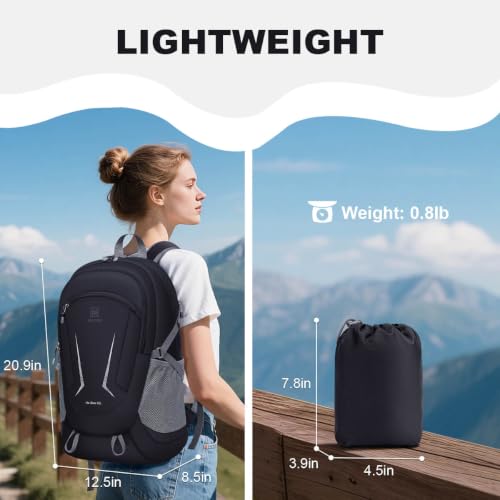
This 35L pack targets travelers who face unpredictable weather, and its IPX4-rated fabric and wet/dry compartment make it a smart pick for humid climates or beach-hopping trips. The survival whistle on the strap is a thoughtful touch, and the upgraded zippers show better long-term durability than most foldable packs. At under 1 pound, it’s light enough to carry daily without fatigue.
But the organization feels scattered, only three main compartments mean you’ll be repacking often. Owners note the folded size is slightly bulkier than claimed, which matters if you’re tight on suitcase space. Still, for rainy destinations or active travel where gear gets damp, this offers real advantages over standard daypacks.
Product photos
Gonex 20L Ultra Lightweight Backpack
Strengths
- Extremely lightweight
- Durable stitching
- Compact when folded
- Water-resistant fabric
Trade-offs
- No back padding
- No chest strap
- Basic organization
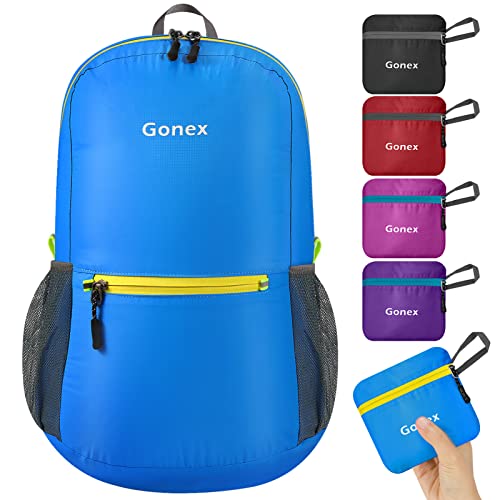
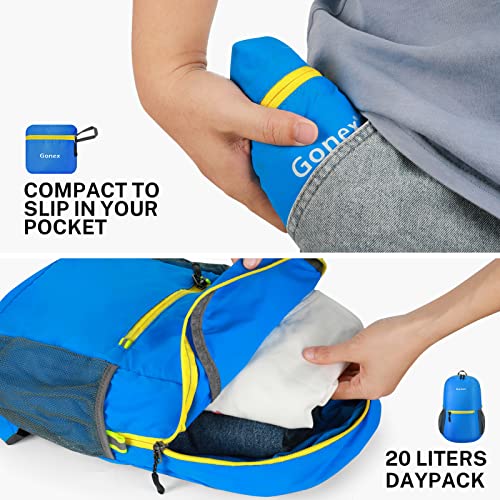
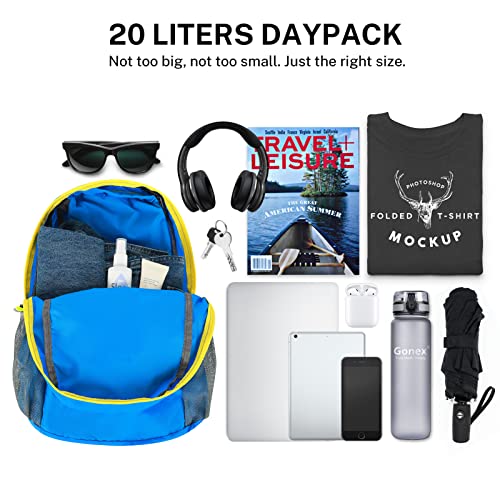
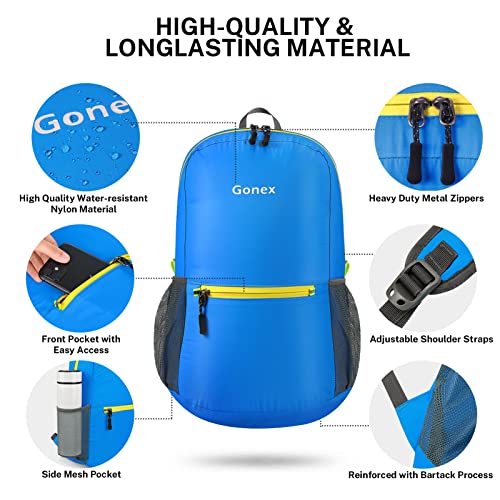
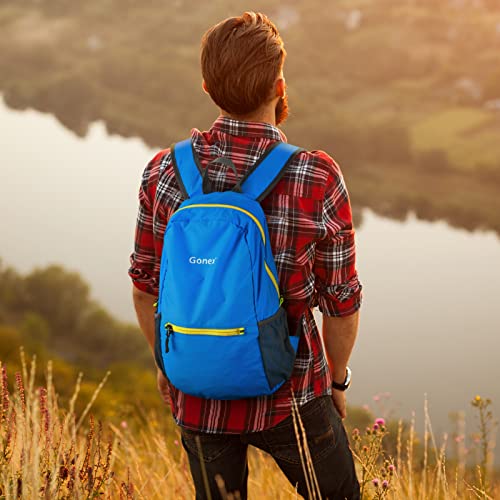
At just 185g, this Gonex pack is one of the lightest 20L options available, and its reinforced stitching, over 25 bartack points, gives it surprising durability for a foldable bag. The sky blue color is a nice touch, and owners love how compact it becomes when folded into its own pocket. It’s frequently used as a plane-approved personal item or a no-fuss daypack for city walks and shopping.
But the simplicity cuts both ways. There’s no back padding or chest strap, so long carries can dig into your shoulders. And while the three compartments help, it lacks dedicated tech storage. If you’re after a throw-it-in-your-bag backup, this is a strong pick. But don’t expect hiking-grade comfort.
Product photos

G4Free 20L Small Backpack

Strengths
- Tear-resistant material
- Bar-tacked reinforcements
- S-shaped straps
- Side mesh pockets
Trade-offs
- No rain cover
- Minimal back padding
- Folds larger than some
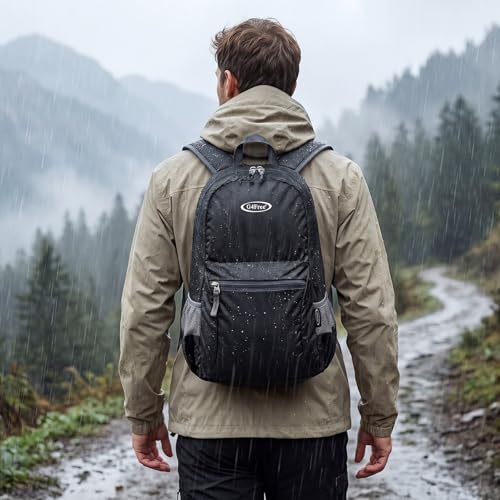
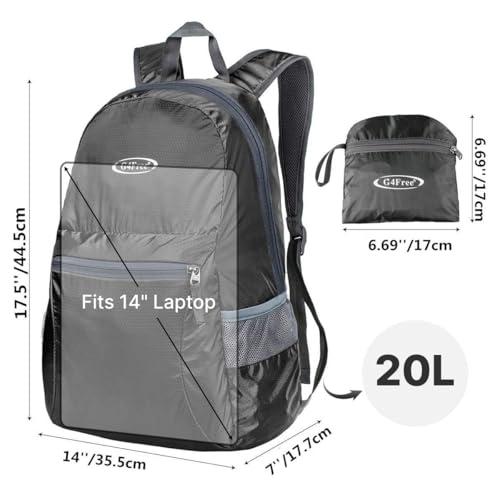
The G4Free hits a sweet spot between durability and packability in the 20L class. Its polyamide fabric is more abrasion-resistant than standard nylon, and the bar-tacked stress points suggest it can handle repeated use. Owners appreciate the side mesh pockets for water bottles and the interior zip pocket for passports, small details that elevate it above cheaper clones.
It’s slightly bulkier when folded than the WATERFLY, but the trade-off is better structure and shoulder comfort. The S-shaped straps are a win for all-day wear. For a no-frills carry-on that won’t fail you, this is one of the smarter minimalist choices, even if it lacks flashy features.
Product photos


WATERFLY 20L Foldable Backpack

Strengths
- Ultra-lightweight
- Packable design
- Meets carry-on rules
Trade-offs
- Minimal padding
- Basic organization
- Not for heavy loads
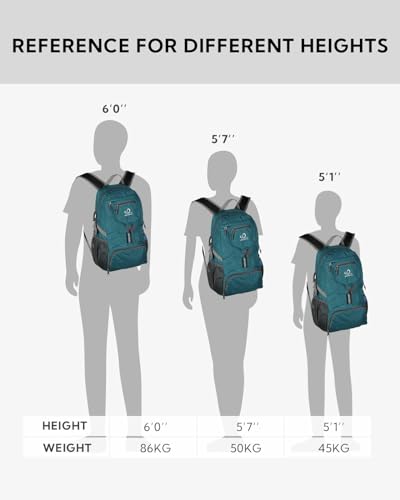
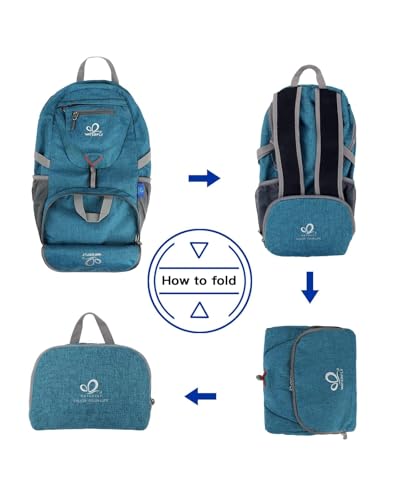
This 20L foldable backpack is a minimalist’s dream for light travelers who need a secondary bag on the go. The recycled nylon keeps it ultra-light at just over half a pound, and the ability to fold into its own pocket makes it incredibly easy to stash in a suitcase or carry-on. Owners consistently report using it as an impromptu daypack during trips, and the SBS zippers hold up well for occasional use.
That said, it’s not built for rugged terrain or heavy loads. The padding is minimal, and while it meets airline personal item limits, it lacks organizational depth. If you’re looking for a backup bag that won’t weigh you down, this delivers. But for serious hiking or urban travel with gear, look elsewhere.
Product photos



How We Picked These backpacking backpacks for travel
I approached this guide to backpacking backpacks by first gathering specifications and features from numerous manufacturers and retailers. Then, I weighed those details against extensive owner reviews from sites like Amazon and REI, as well as expert opinions from established travel blogs and publications. My goal was to identify the packs that consistently receive positive feedback for durability, comfort, and practical design elements for travel. Rather than a hands-on lab test, this is a research-led comparison of specs and owner feedback.
For travel-focused backpacking packs, three factors stood out as most important. First, overall capacity – finding the sweet spot between having enough space for a trip and staying within airline carry-on limits. Second, organizational features, as travelers value accessible pockets and compartments. Finally, durability is key; a pack that falls apart mid-trip is useless, no matter how many liters it holds. Understanding a traveler’s typical trip length and planned activities heavily influenced my evaluations.
Specifications reliably tell you about capacity, dimensions, and materials used. However, owner feedback offered crucial insight into real-world comfort, long-term durability, and how well a pack holds up to frequent use. Reputation matters too; brands with a history of quality construction and customer service carried more weight in my assessment. I also considered whether the pack met the requirements for a backpack size for carry-on to help travelers avoid checked baggage fees.
Choosing The Right backpacking backpacks for travel
Choosing the right backpacking backpack can feel overwhelming, but focusing on a few key features will make the process much smoother.
A quality backpacking backpack balances carrying capacity with comfortable support, durable construction, and thoughtful organization. Prioritize a pack that fits your torso length, offers sufficient volume for your typical trip duration, and uses robust materials like ripstop nylon and YKK zippers. Consider features like adjustable suspension systems, external attachment points, and dedicated compartments for easy access to essential gear.
Capacity and Trip Length
The size of your backpack, measured in liters, is the first thing to consider. Don’t fall into the trap of buying the biggest pack you can find. A larger pack doesn’t automatically mean a more comfortable trip; it often means carrying unnecessary weight. Instead, carefully assess how much gear you actually need for your typical adventures. For weekend trips, a 30-50 liter pack is often sufficient. Longer treks, lasting three to five days, generally require a 50-70 liter pack. Remember to factor in the volume of bulky items like sleeping bags and tents. Understanding 40-liter backpack capacity is a good starting point, but tailor your choice to your specific needs.
Suspension System and Fit
A poorly fitting backpack can ruin even the most exciting trip. The suspension system, the combination of shoulder straps, hip belt, and back panel, is crucial for transferring weight effectively and comfortably. Pay attention to torso length, as this determines the correct pack size. Most manufacturers offer packs in small, medium, and large sizes. A properly fitted hip belt should wrap snugly around your hip bones, bearing the majority of the pack’s weight. Shoulder straps should contour comfortably to your shoulders without digging in.
Here’s what to look for in a good fit: * Adjustable torso length: Allows for a customized fit. * Padded hip belt: Essential for weight distribution. * Breathable back panel: Reduces sweating and improves ventilation.
Materials and Durability
Backpacking backpacks take a beating, so durability is paramount. Look for packs constructed from high-quality materials like ripstop nylon or polyester. These fabrics are resistant to tears and abrasions. Pay close attention to the zippers; YKK zippers are generally considered to be the most reliable. Reinforcements in high-stress areas, such as the bottom and shoulder strap attachment points, are also important. If you plan on traveling frequently and need something that will stand the test of time, investing in one of the durable travel backpacks is a smart decision.
Don’t skimp on the zippers. A broken zipper in the middle of nowhere is a travel nightmare.
Backpacking Backpacks for Travel Compared
Here’s a comparison of key specifications for various backpacking backpacks designed for travel.
| Product Title | Capacity | Weight | Waterproof | Foldable | Best Use Case |
|---|---|---|---|---|---|
| tomtoc Travel Backpack 40L | 40L | N/A | Yes | No | Overall Travel |
| Loowoko 50L Hiking Backpack | 50L | 2.1 lbs | Yes (w/cover) | No | Long Backpacking Trips |
| Maelstrom 40L Hiking Daypack | 40L | N/A | Yes (w/cover) | No | Hiking & Outdoors |
| Esup 50L Camping Backpack | 50L | N/A | Yes (w/cover) | No | 2-4 Day Adventures |
| MIYCOO 35L Packable Backpack | 35L | N/A | IPX4 | Yes | Wet Conditions |
| Gonex 20L Ultra Lightweight | 20L | 185g | Yes | Yes | Packable Daypack |
| G4Free 20L Small Backpack | 20L | N/A | Yes | Yes | Lightweight Carry-On |
| WATERFLY 20L Foldable Backpack | 20L | 10.2oz | N/A | Yes | Multi-Day Travel |
Frequently Asked Questions
What size backpack should I get if I want to avoid checking a bag?
A 40-liter backpack is generally the largest you can reliably carry on most airlines, though dimensions matter too. Always double-check the specific carry-on restrictions for your airline to be certain.
Are waterproof backpacks truly waterproof, or just water-resistant?
Many backpacks advertised as “waterproof” are actually water-resistant. True waterproof backpacks typically use welded seams and roll-top closures, while those with a water-resistant coating may still allow moisture to seep in during heavy rain.
How important is the hip belt on a backpacking backpack?
The hip belt is extremely important for weight distribution. It transfers up to 80% of the pack’s weight from your shoulders to your hips, making heavier loads much more manageable and comfortable.
What materials indicate a high-quality, durable backpack?
Ripstop nylon and polyester are excellent choices, as they resist tearing and abrasion. Look for packs with YKK zippers, as they’re known for their reliability and longevity, and reinforced stitching in high-stress areas.
What’s the difference between a hiking backpack and a travel backpack?
While there’s overlap, travel backpacks often prioritize organizational features and streamlined designs for navigating airports and cities. Hiking backpacks tend to focus more on external attachment points for gear and robust suspension systems for challenging terrain. For those wanting something lighter, consider lightweight travel backpacks.
The Bottom Line
Choosing a backpacking backpack always involves balancing how much you want to carry with how much you want to fuss with weight and bulk. Ultimately, the tomtoc Travel Backpack 40L strikes the best balance for most travelers – it offers a generous capacity without being overly large, and its thoughtful organization will keep everything accessible. It’s a solid all-around choice that won’t leave you regretting your decision.
For those on a tighter budget, or who prioritize packability, the Gonex 20L Ultra Lightweight is an excellent option. If you frequently find yourself needing a versatile pack for day hikes or spontaneous adventures during your travels, the Maelstrom 40L Hiking Daypack provides a step up in durability and features. These picks show that you don’t have to spend a fortune to get a reliable backpack.
At the end of the day, the liters and features matter far less than the fit. A comfortable pack that distributes weight well will make your trip enjoyable, while a poorly fitted one, no matter how many bells and whistles it has, will leave you aching and miserable. Prioritize a proper fit, durable materials, and a layout that suits your travel style, and you’ll be well-equipped for any adventure.


